Knives
Best Backpacking Knives: Six Compact Designs Worth a Look
A practical look at six compact folding and fixed-blade knives for backpacking and everyday carry, covering blade steel, handle materials, opening style, and price.
Introduction
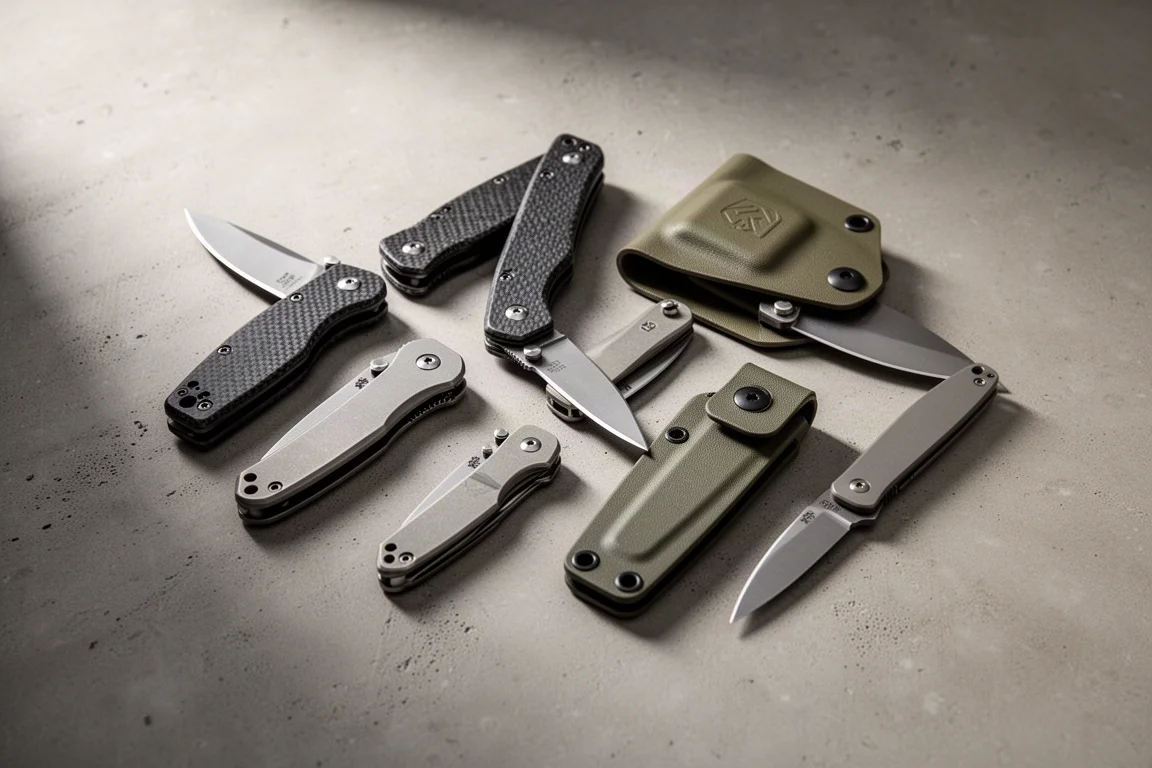
The traditional multi-tool pocketknife has been a backpacking staple for decades, and it still earns its place on plenty of trips. But if you want something that carries lighter, opens faster, or handles more than light slicing, there is now a wide field of compact folders and small fixed blades built for exactly that job. This roundup covers six of them, from a larger crossbar-lock folder down to a sub-2.5-inch design small enough for a jeans pocket.
Every knife here was measured against one question: would you actually carry it on a backpacking trip? That means light, simple, easy to open without practice, and priced so that you are not afraid to use it.
What Matters for a Backpacking Knife
Two things decide whether a knife earns a place in a pack: how it carries and what it can do. Weight and size come first, because an ounce you do not carry is an ounce you never notice. A compact folder that disappears into a hip-belt pocket or a front pocket gets used far more than a heavier tool left at the bottom of the pack.
The second factor is the work itself. Most backpackers need a knife that opens packaging, cuts cord, preps food, and handles the occasional whittling task. That is a modest list, which is why a small blade with a reliable lock covers most trips.
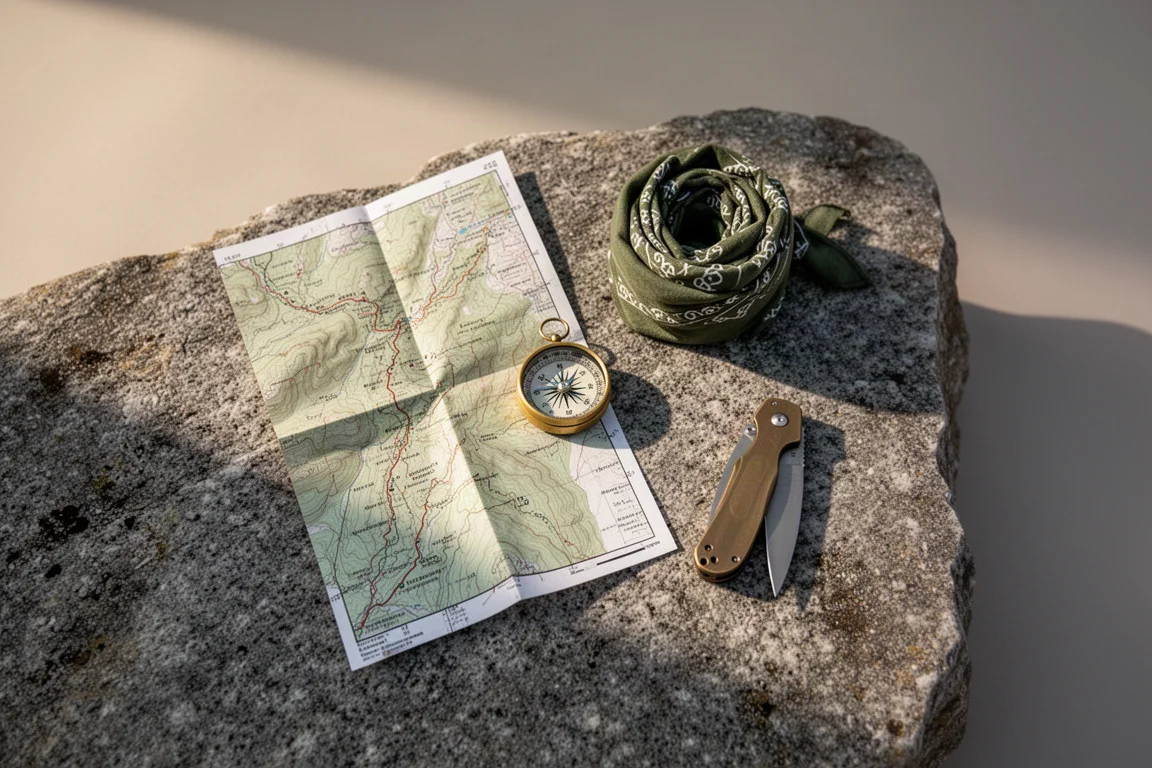
Blade steel and handle materials are the main cost drivers. A premium steel such as S35VN paired with G10 scales pushes a knife into a higher price bracket, while a well-chosen mid-range steel keeps the cost down without giving up much for everyday tasks. Handle design matters too: an easy one-handed opening is worth more on the trail than a clever mechanism that takes practice to master.
Knafs Lander 2: A Larger Crossbar-Lock Folder
The Lander 2 is the bigger of the two Lander models covered here, built with a G10 handle and a crossbar-style lock, the mechanism family that the Axis lock name belongs to. The blade runs S35VN steel, which is a large part of why it sits at the higher end of this group at around $140.
In the hand it feels light for its size, and the action and lock are smooth enough that it works as a daily carry knife as well as a trail knife. That dual role is the real argument for it: one knife that covers a backpacking trip and the rest of the week.
One more detail worth knowing. Knafs publishes the CAD files for its scales as open source, sells spare parts directly, and does not void the warranty if you take the knife apart. Third-party makers have used those files to produce printed scales in everything from classic video-game patterns to a topographical map of the Grand Canyon. If you like the idea of a knife you can rebuild and personalize, that matters.
Knafs Lander 3: The Smaller Sibling
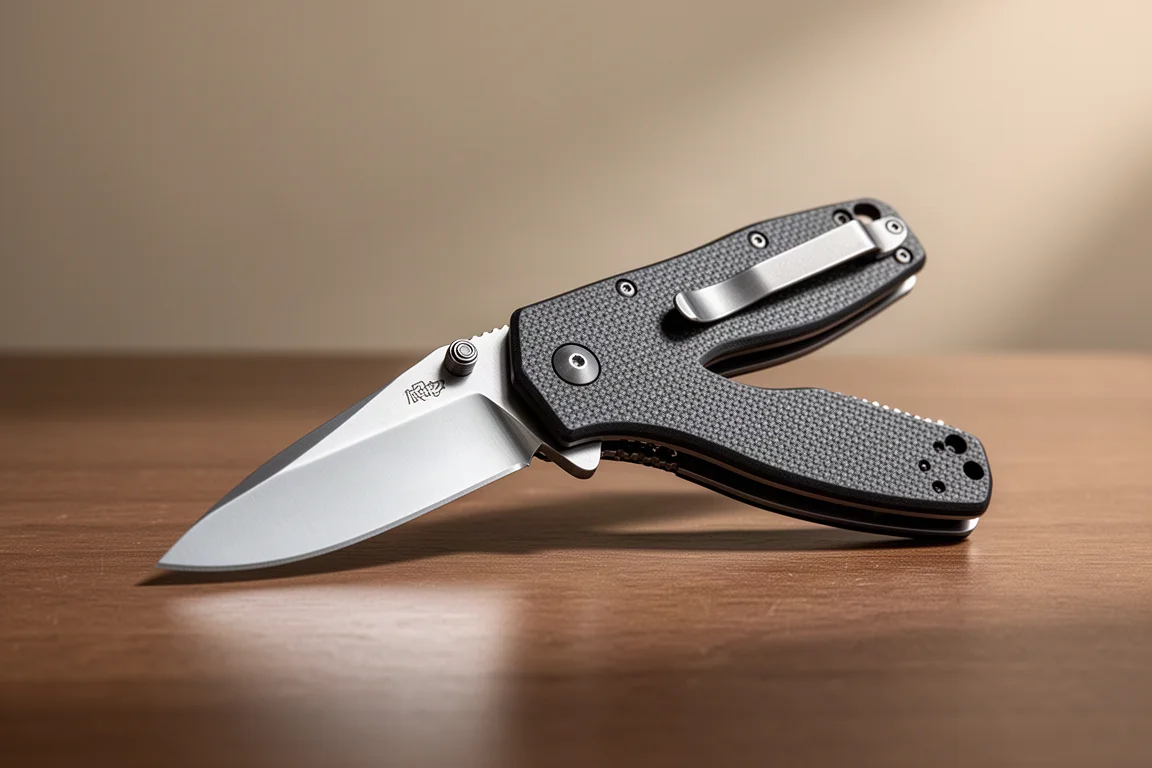
The Lander 3 takes the same formula and shrinks it. It keeps the G10 handle and the S35VN blade steel, and it is a little smaller than the Lander 2, which makes it the easier of the two to tuck away. The action is smooth, and the price lands at around $129.
The thinking behind the pair is iterative: start with one size, then offer a version that is smaller and lighter for people who want less in the pocket. If you are choosing between them, the Lander 2 gives you more blade for roughly $11 more, while the Lander 3 trims bulk.
CIVIVI Baby Banter: Compact and Fidget-Friendly
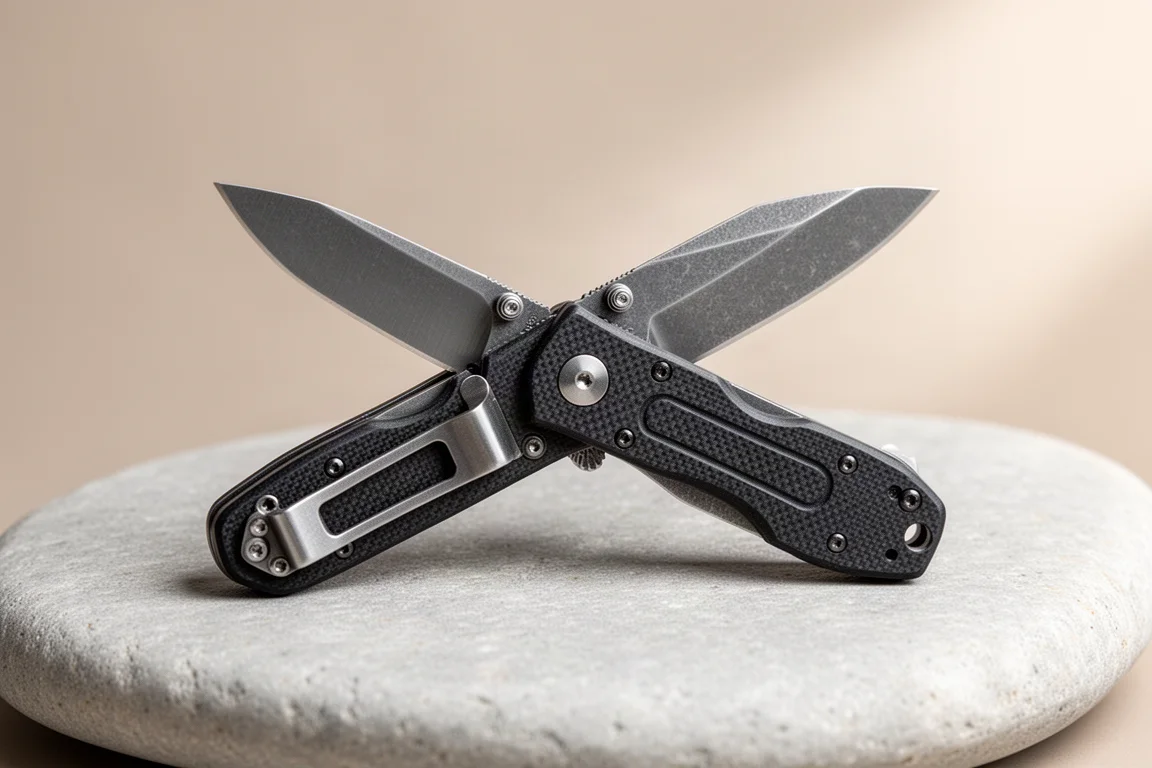
The Baby Banter is the most popular design in this group, and it is easy to see why after a few openings. The pivot runs on bearings rather than an assist mechanism, so it flips open quickly with almost no effort and doubles as something to fiddle with while you walk.
The blade measures 2.45 inches, deliberately sized to be non-intrusive in a pocket, including the shallow pockets on many pairs of jeans. Steel is Nitro-V, and the price sits at around $65, which makes it one of the better value picks here.
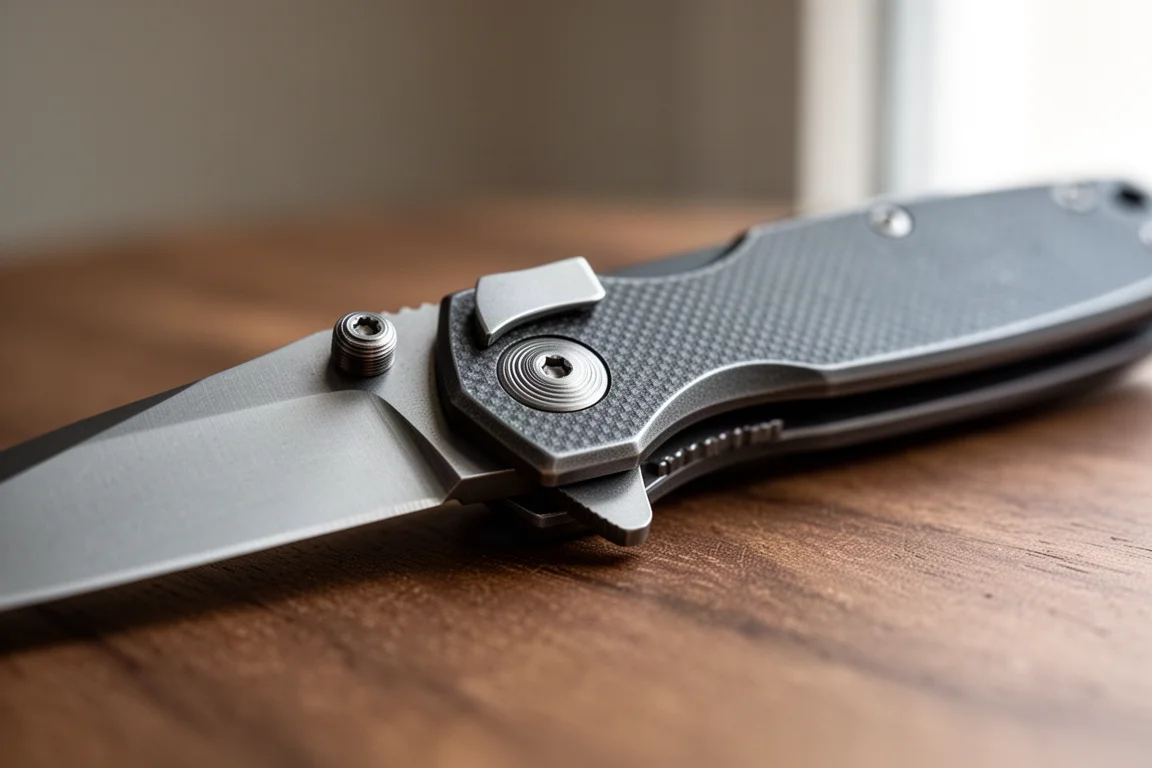
For backpacking, the appeal is that nothing about it has to be learned. A knife that opens easily on the first try is a knife you will actually use, even with cold hands or while wearing a pack.
Sencut Cendy: Multitool Touches in a Modern Folder
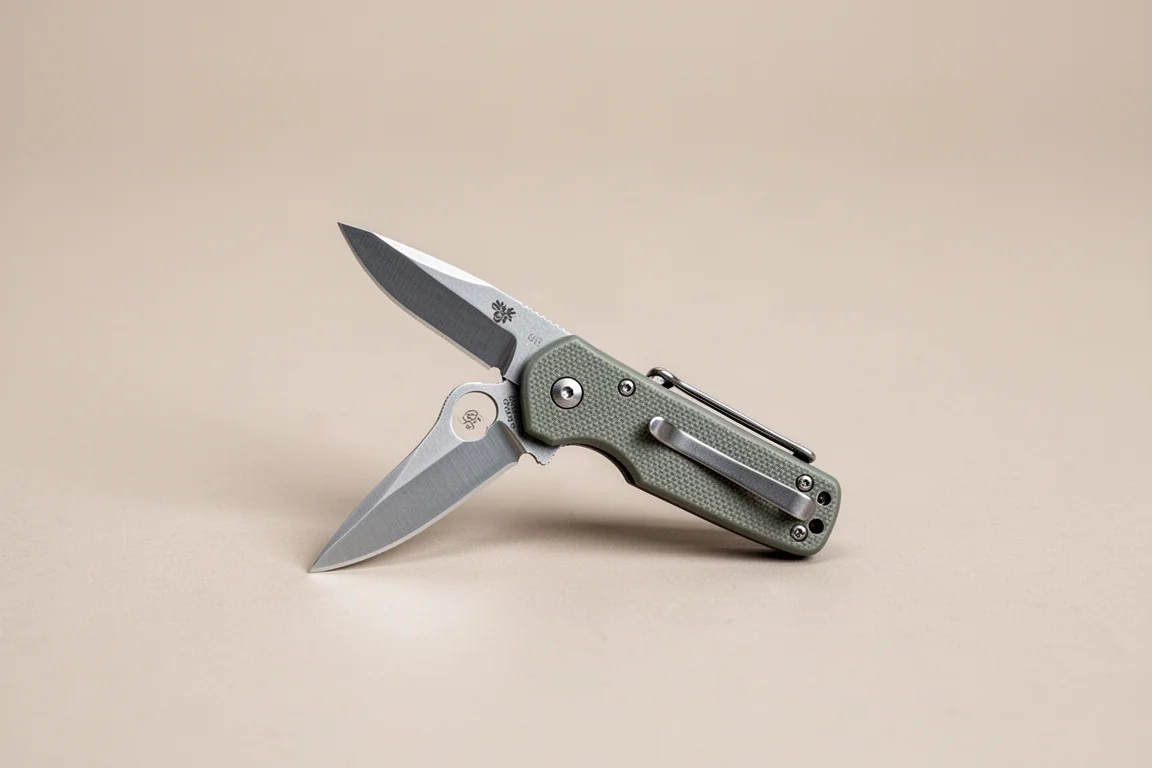
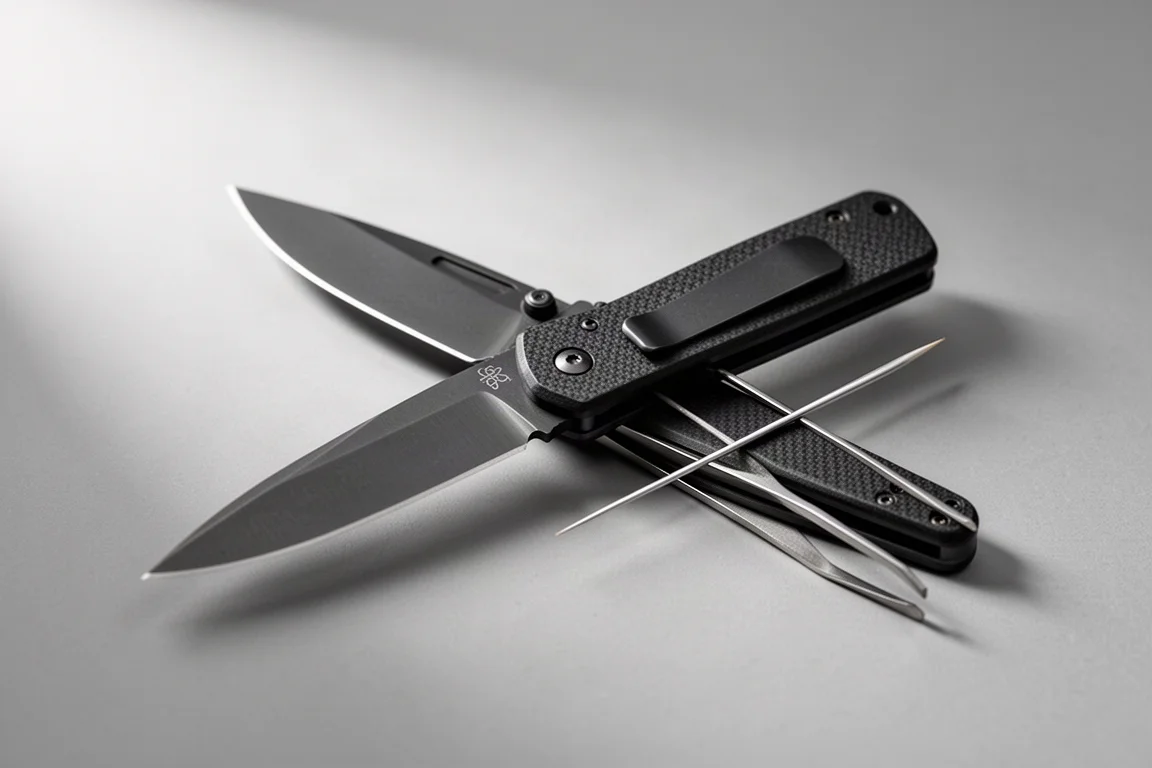
The Cendy is a collaboration between Knafs and Sencut, and it adds two small tools that most modern folders leave out: a toothpick and a set of tweezers tucked into the handle. The toothpick pulls out and pivots into position, and the tweezers are handy for splinters and other small trail annoyances that a blade cannot solve.
The blade uses an inline flipper, meaning the flipper sits in line with the blade and handle rather than sticking out to the side where it can dig into you. Combined with a smooth action, it opens fast without any technique.
Handle options are broad: wood, black G10, and Micarta across four colorways, so you can pick something that suits you rather than taking whatever is on the shelf. At around $75 it costs a little more than the Baby Banter, but it does more.
CIVIVI Baby Banter Fixed Blade: The Folder, Minus the Fold
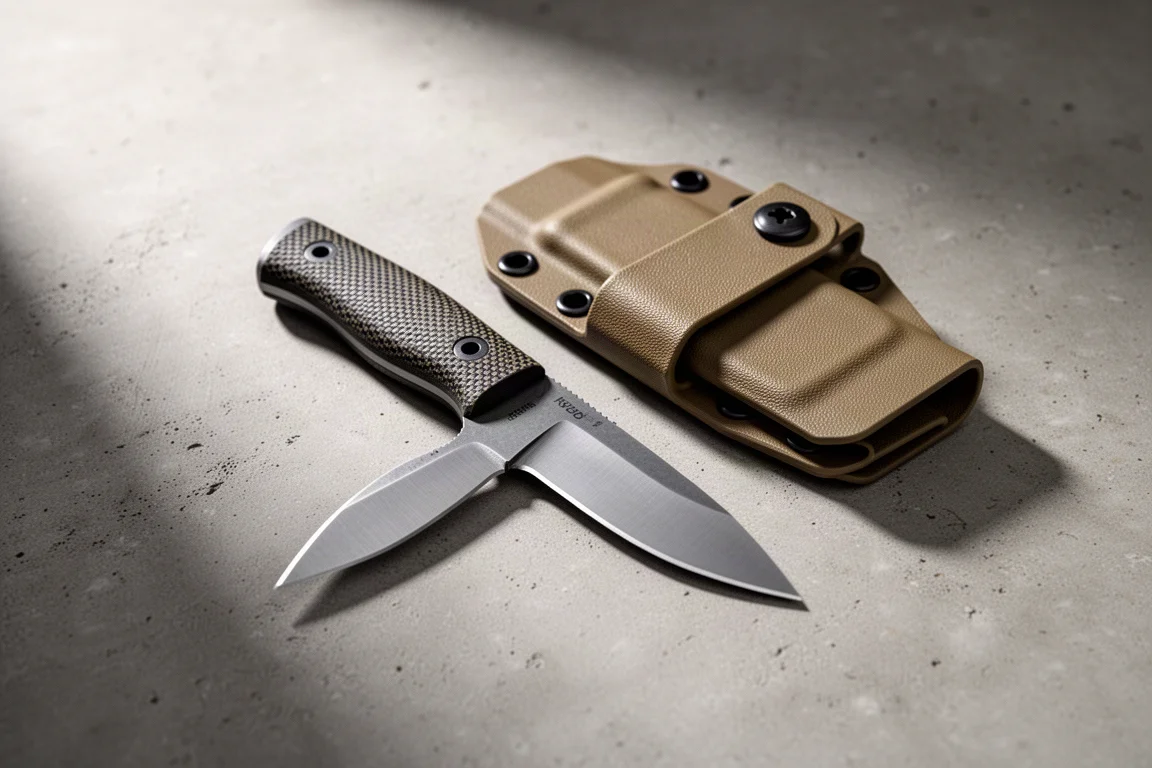
The Baby Banter Fixed Blade takes the same concept and removes the folding mechanism entirely. The handle is shortened slightly compared with the folder, and the knife comes with a Kydex sheath in a taco style, which folds over the blade rather than being molded as two separate halves.
For backpacking, a fixed blade removes a whole category of things that can go wrong: no pivot to clean, no lock to trust, no opening motion to fumble. The trade-off is that it lives on a sheath rather than in a pocket.
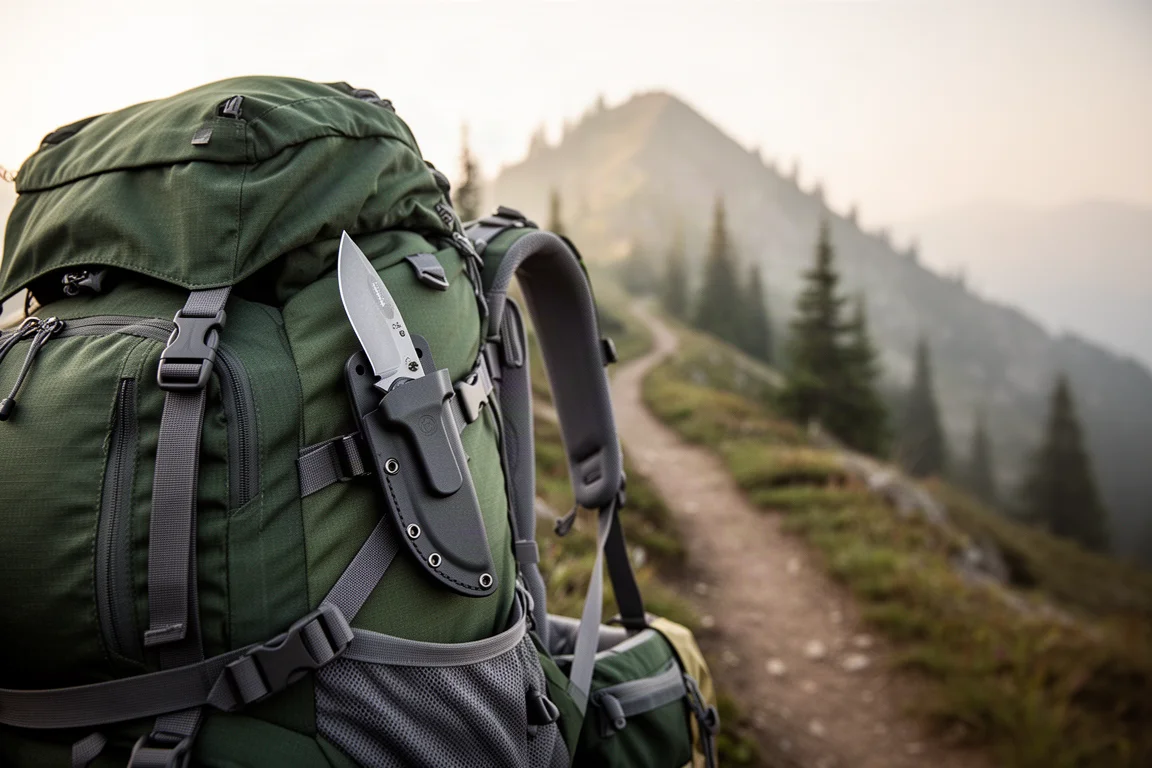
This model is new, and pricing and availability had not been confirmed at the time it was announced, so treat it as one to watch.
CIVIVI Banter 2: A Five-Year Update
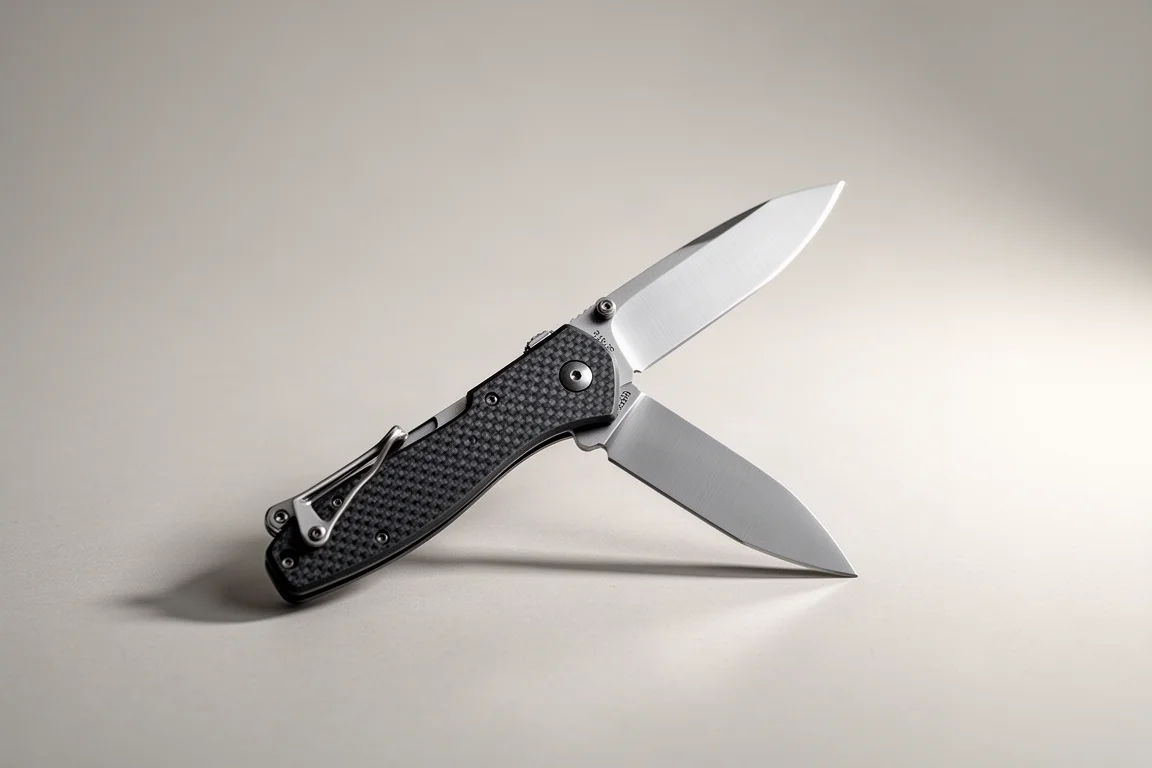
The original Banter arrived in 2020 and was the first knife design from the same designer behind the Lander series, which makes the Banter 2 something of a milestone: a five-year edition of the knife that started the line.
Like the fixed blade above, it had not been released at the time it was introduced, so pricing and availability were not confirmed. If the original Banter is anything to go by, the update keeps the compact, easy-opening character that made the family popular.
Buying Advice
If you want one knife that covers backpacking and everyday carry, the Lander 2 at around $140 is the most capable option here, with the Lander 3 at around $129 as the lighter alternative. Both use S35VN steel and G10 handles, and both belong to a range that is designed to be taken apart, repaired, and customized with open-source scales.
If price matters more than premium steel, the Baby Banter at around $65 is the value pick, and the Cendy at around $75 adds the toothpick and tweezers that make it a more versatile trail tool. For anyone who prefers a fixed blade, the Baby Banter Fixed Blade is the one to keep an eye on once pricing is confirmed.
A simple way to decide: count the tasks you actually need. If it is opening packages and cutting cord, a compact folder is plenty. If you want a knife that can also whittle and handle small camp jobs, the larger Lander 2 or the Cendy will feel less limiting.
Conclusion
Six knives, one shared theme: light, simple, and easy to open without thinking about it. The Landers bring premium steel and a repair-friendly design, the Baby Banter brings value and effortless one-handed opening, and the Cendy adds small multitool touches that suit trail life. The two unreleased models round out the picture as ones to watch. Match the knife to the work you actually do, and any of these will carry comfortably.
Further reading
Related Reviews

Knives
Benchmade Mini Narrows Review: A Pocket Knife That Disappears in Your Pocket
The Benchmade Mini Narrows is a remarkably thin and light pocket knife with impressive engineering, but a high price and dull factory edge make it a tough recommendation for most buyers.
Knives
Best Knives Under $1,000: Premium Folders Worth the Investment
A look at premium folding knives around the $1,000 mark, from upgraded classics to purpose-built masterpieces, and what actually justifies the price.
Knives
Best Outdoor and EDC Knives: 8 Blades Worth Carrying
A practical lineup of eight fixed-blade and folding knives for hiking, backpacking, and everyday carry, with honest notes on what each one does best.