Backpacking Food
Best Backpacking Foods for Thru-Hikes: Seven Trail-Tested Picks
Seven backpacking foods that stayed appealing over a long thru-hike, with calorie counts, prep effort, and the trade-offs worth weighing before your next trip.
Introduction
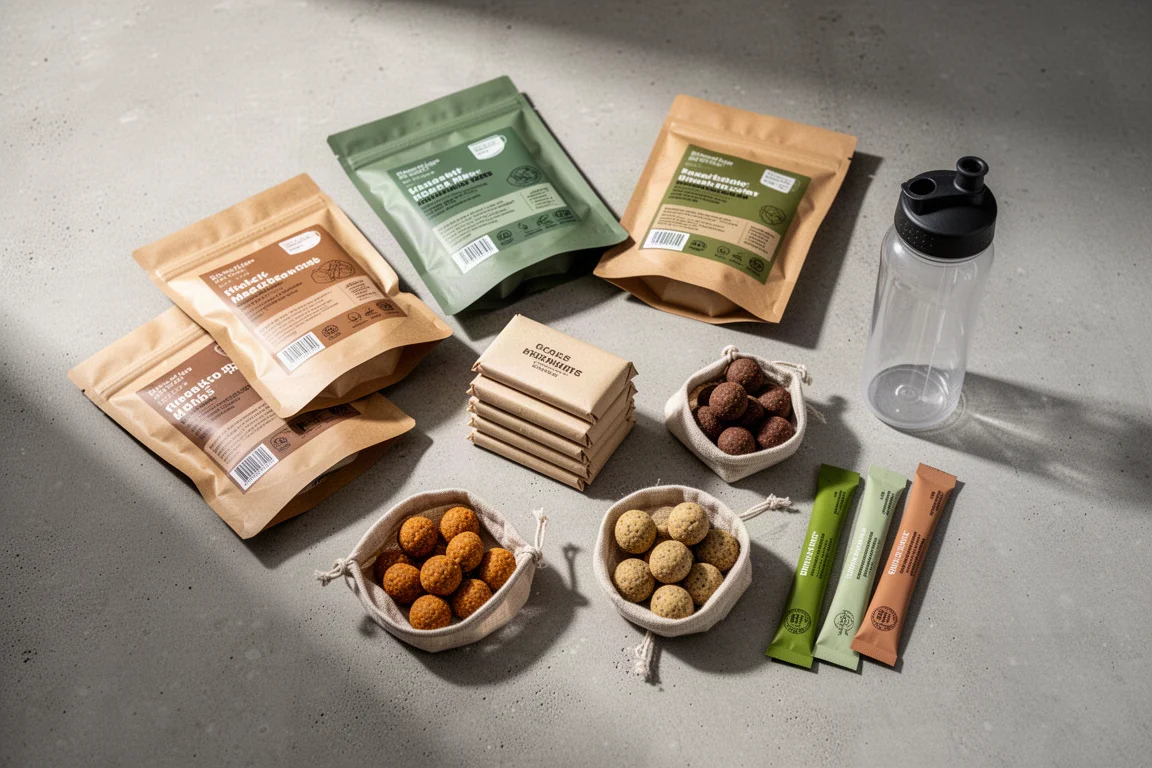
Food is one of the hardest parts of a long backpacking trip to get right. Calories matter, but so does variety. A meal you enjoy on day three can be the one you cannot face by day twenty. A well-planned food bag keeps you eating steadily, keeps energy levels even on the biggest days, and stops mealtimes from becoming something you dread.
The seven items below all earned their place over a 36-day thru-hike, where they were rotated through breakfasts, snacks, lunches, and drinks. Each one solves a specific problem, whether that is a breakfast that goes down easily when appetite is low, a lunch that needs no stove, or a drink mix that restores electrolytes on the hottest afternoons.
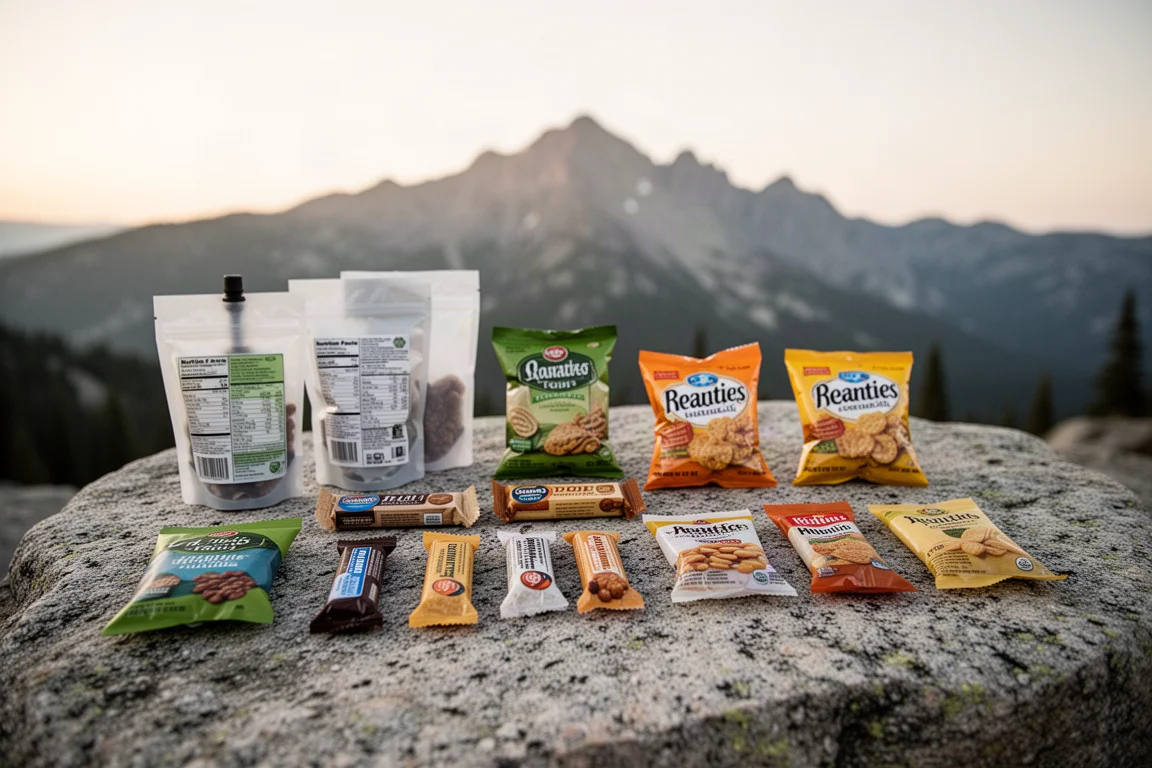
The sections that follow cover what each item is, how it fits into a day on trail, and what to weigh before you buy. If you have ever finished a trip feeling under-fuelled, or simply bored of your own food, this list is a good place to start.
What Made the Cut on a Long Thru-Hike
Four things separated the food that worked from the food that did not.
Calorie density. On a long trip, weight matters as much as taste. Items that deliver a lot of calories for their weight, like the snack options below, earn their place in the pack.
Ease of eating. Appetite is unreliable on trail. Food that goes down easily when you are tired, hot, or slightly unsettled is worth more than food that only tastes good at home.
Preparation effort. Some items need nothing but a wrapper, some need a cold soak, and some need a stove and fuel. Matching preparation to the conditions you expect keeps mealtimes simple.
Variety. Rotating flavours and formats is the simplest defence against food boredom, which is why a mix of sweet, savoury, and drinkable options works better than a single favourite repeated every day.
Alpine Fuel Meals: Breakfast That Goes Down Easily
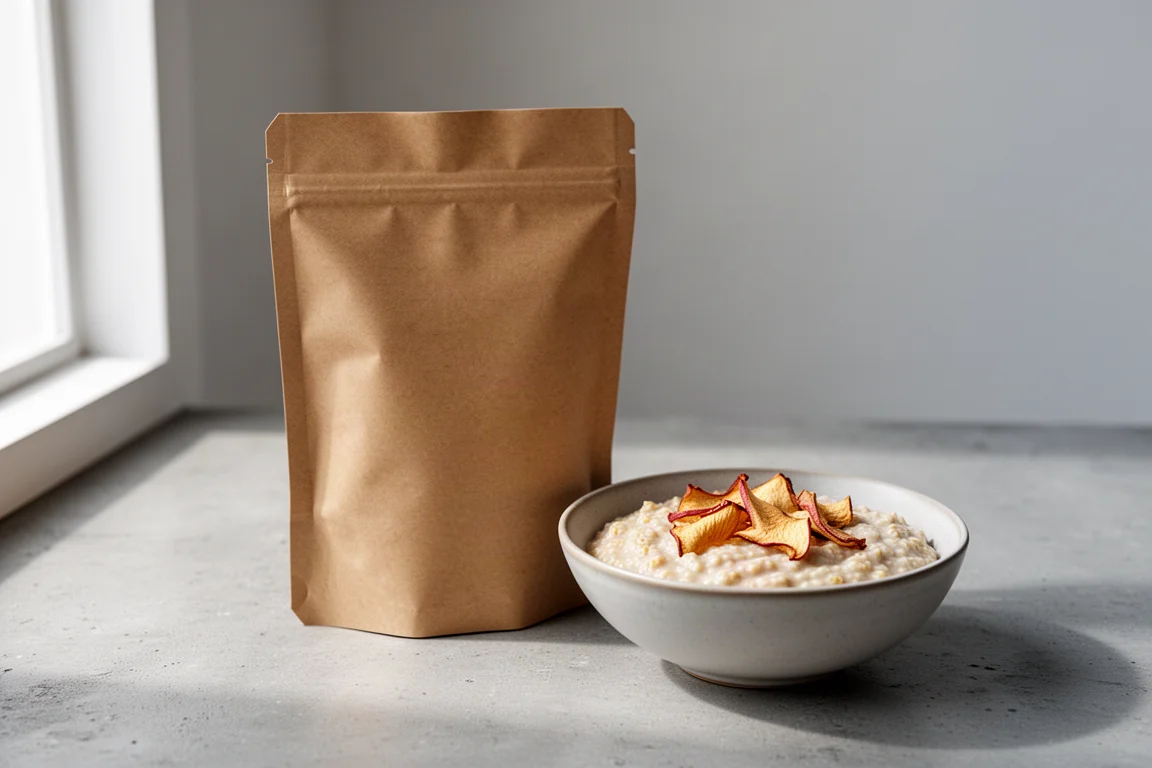
Alpine Fuel meals are a fruit-forward instant breakfast and a useful antidote to the same bowl of oatmeal every morning. Most varieties include a generous amount of fruit along with some powdered milk, which gives them a fuller, sweeter flavour than a plain porridge. The caramel apple version stood out as the best of the range.
Each meal delivers 700 calories, which is a strong start to a hiking day. They also go down quickly, which matters if you struggle to eat first thing in the morning. They were saved for the bigger, harder days and for the later stages of a trip, exactly when a break from a homemade staple is most welcome.
Heather’s Choice Pack Runes: Gentle Snacks for Hard Days
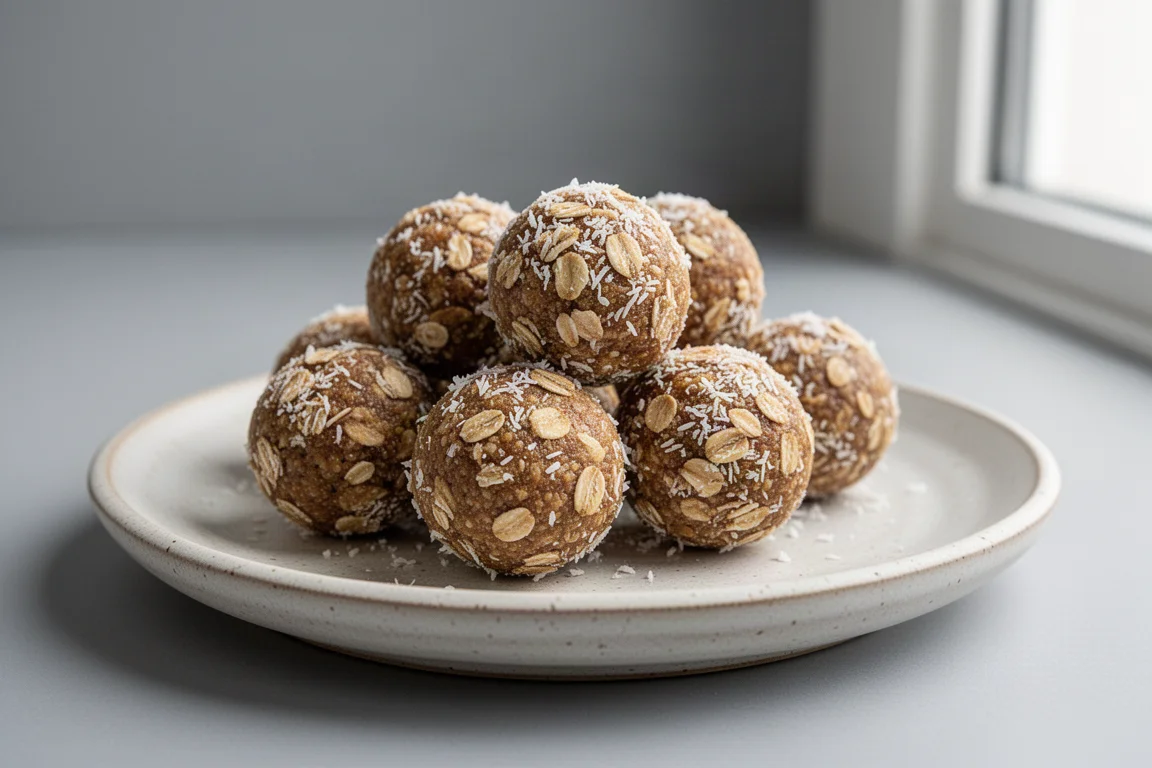
Pack Runes are small, calorie-dense snack balls with a long list of flavours, which makes them easy to rotate without repeating the same taste. Sweet coconut was the standout, with a flavour reminiscent of a pina colada.
Their real strength is how easily they go down. On days when hard hiking left a slightly unsettled stomach, they were the snack that still worked. They are also very light for the calories they carry, which is exactly what you want from a snack destined for a long trip.
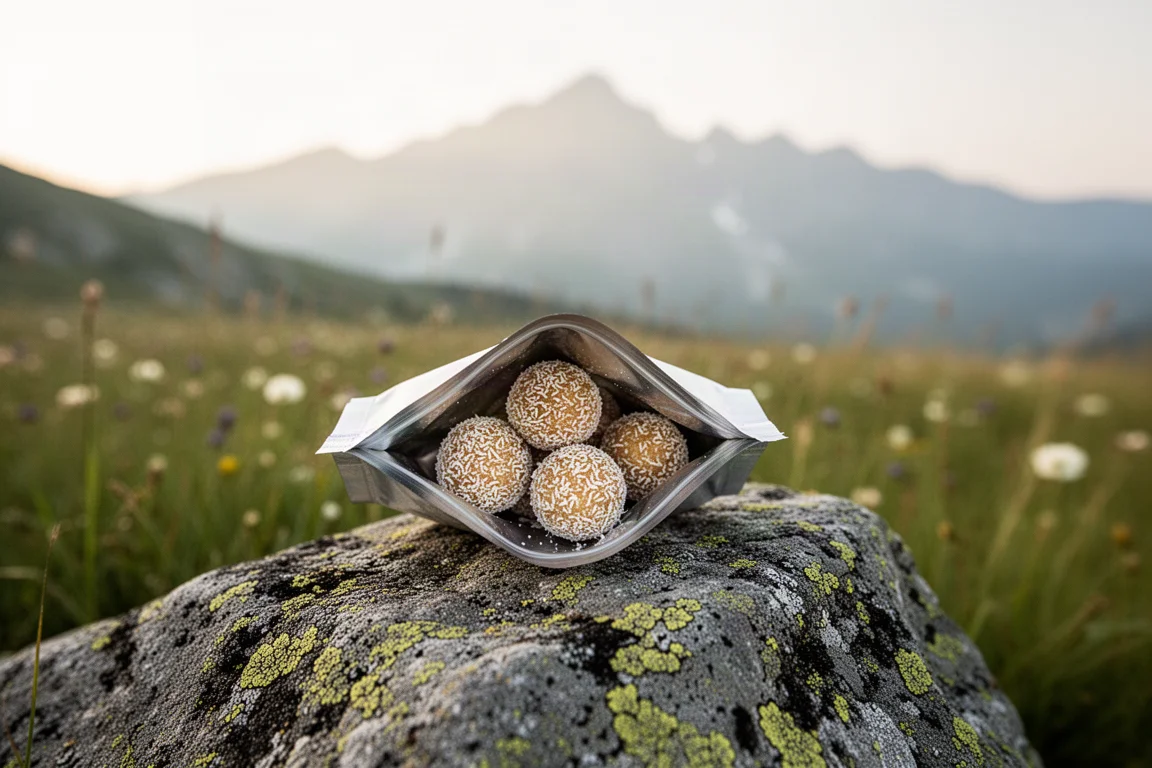
They work best as a high-value snack rather than a meal replacement, so plan them alongside a proper breakfast and lunch rather than instead of one.
Nak Bars: Carb-Forward Bars With Built-In Electrolytes
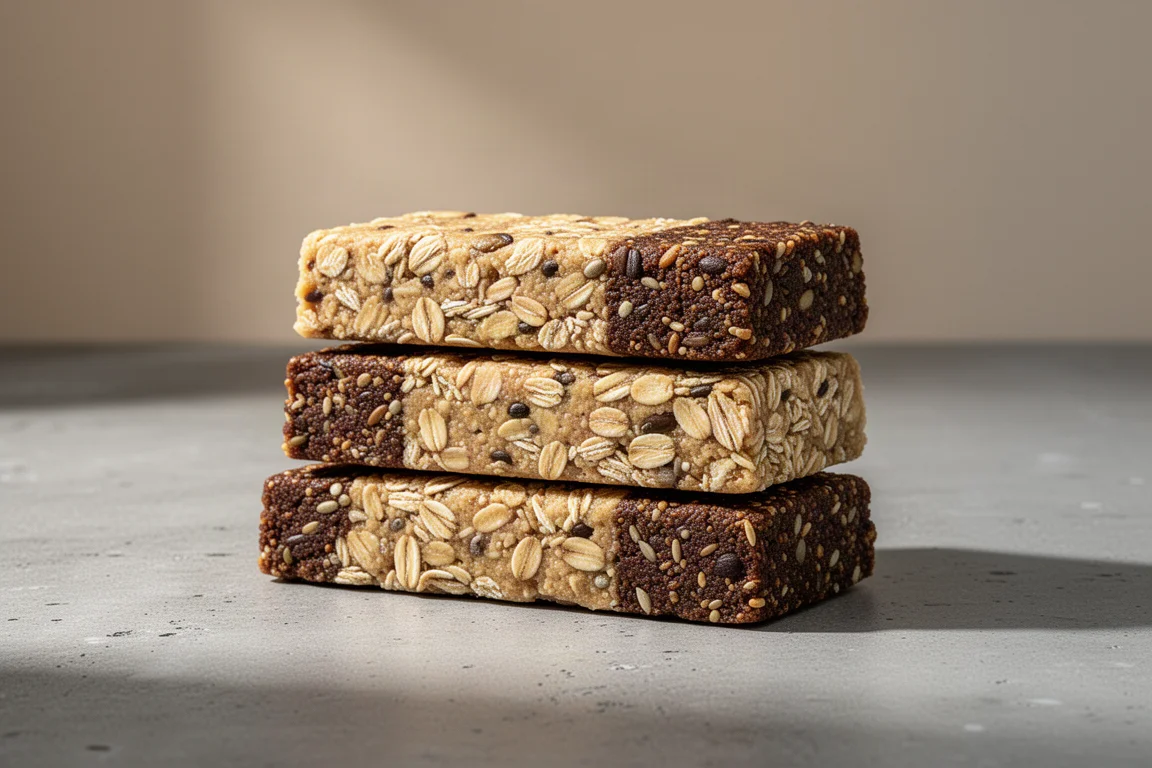
Nak is a Canadian company making four flavours of a compact bar built around carbohydrates rather than protein. Each bar has 200 calories with a four-to-one ratio of carbs to protein, which suits the long, steady effort of a full hiking day better than a protein-heavy bar.
The other advantage is that electrolytes are built in. When you are sweating heavily on a hot climb, getting enough electrolytes from food alone is difficult, and a bar that contributes some of them simplifies the whole process. The texture is good, and the flavour range makes them easy to keep in rotation.
Green Belly Meal Bars: A No-Cook Lunch That Never Got Old
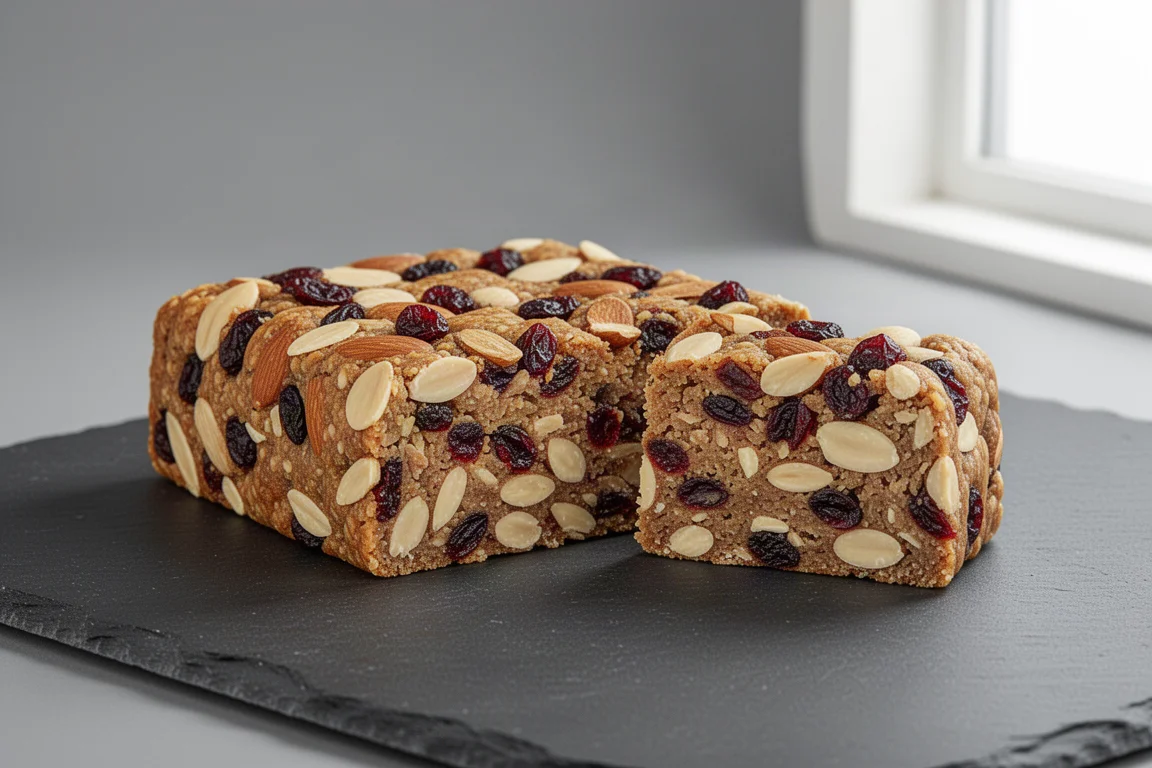
Green Belly meal bars look like a snack but eat like a lunch. Each one carries 700 calories, and most varieties include fruit, which keeps them flavourful rather than dense and dry. The texture holds up well too, which is why they stayed appealing across roughly half the lunches on a long trip.
For anyone who would rather not stop and cook in the middle of the day, they are one of the simplest ways to get a substantial midday meal. The cranberry almond version, packed with almonds, was the pick of the range.
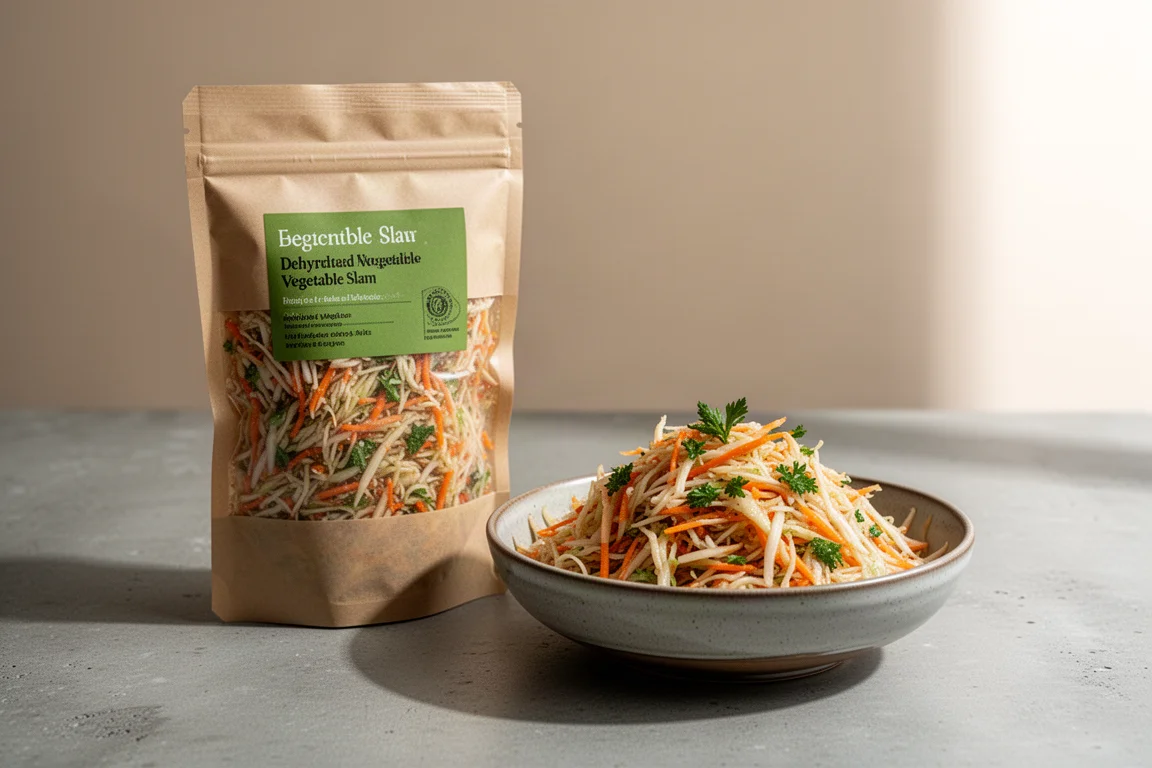
Food for the Soul Slaws and Salads: Cold-Soak Vegetables With Real Calories
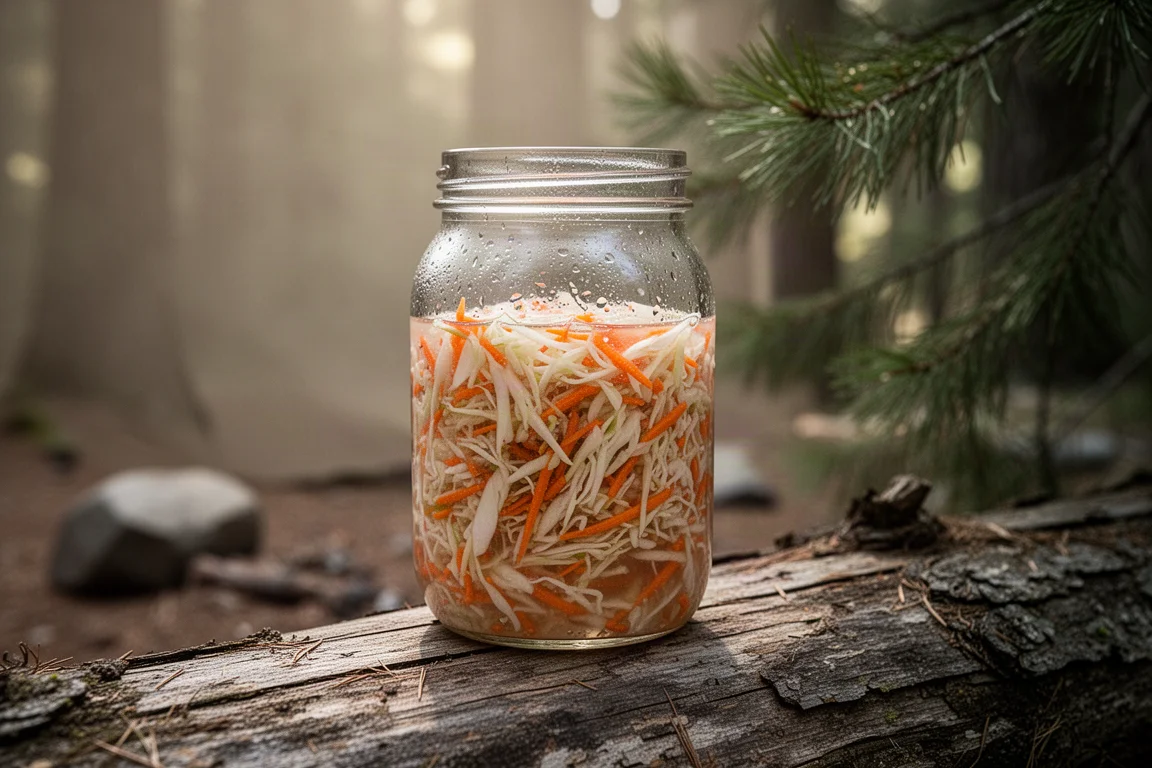
These slaws and salads are a different kind of trail meal. They are built around a wide range of vegetables, so they feel genuinely nourishing rather than simply calorie-dense, and they still deliver a solid 570 calories per portion.
Preparation is minimal: add water about twenty minutes before you want to eat, let the meal cold soak, and it is ready. That makes them a strong option for warm-weather lunches when you want something fresh-tasting and do not want to fire up a stove.
Because they are cold-soaked rather than cooked, they suit warmer days better than cold, wet ones, and they do ask you to think twenty minutes ahead.
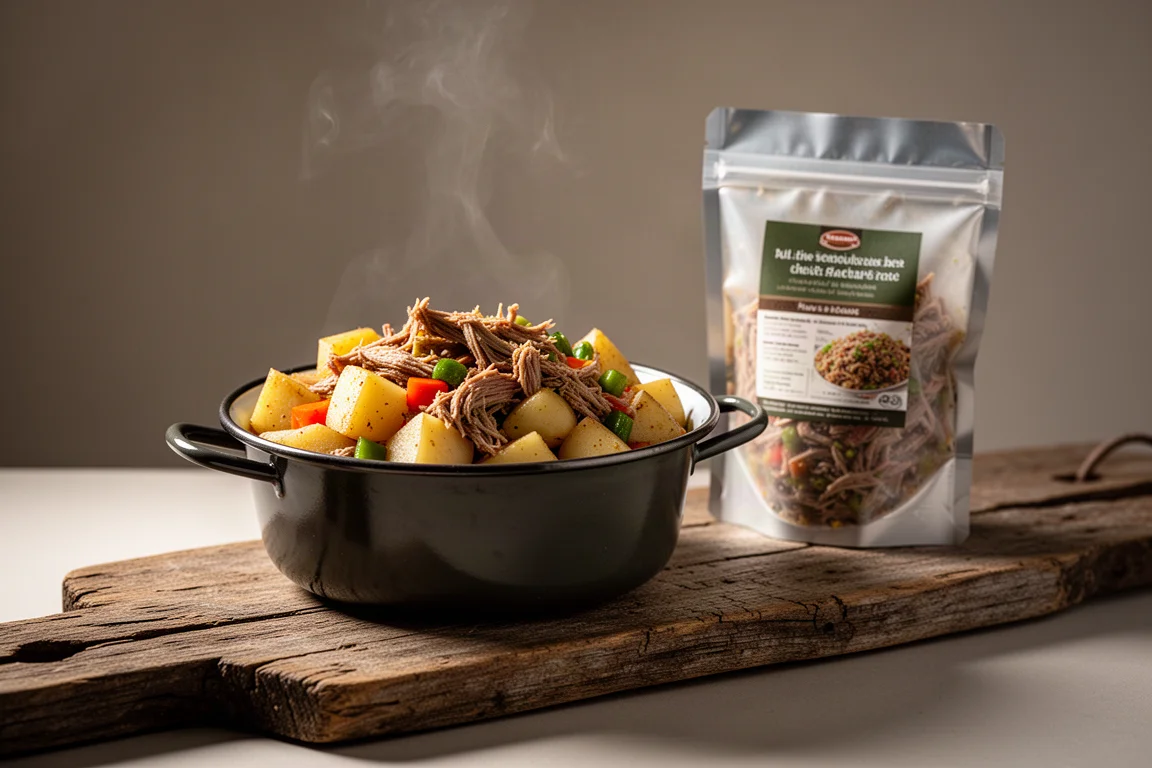
Bushka’s Kitchen Hearty Harvest: A Hot Meal for Cold, Wet Days
The meals from Bushka’s Kitchen were the best-tasting on the trip, and Hearty Harvest was the clear favourite. It combines potatoes, shredded wild boar, and vegetables into something that tastes like a real dinner rather than trail rations.
These meals need cooking, so they make most sense on cold, snowy, or rainy days when a hot bowl of food does more for morale than anything cold could. The trade-off is portion size: at 570 calories, Hearty Harvest works well as a lunch but leaves bigger appetites wanting more at dinner.
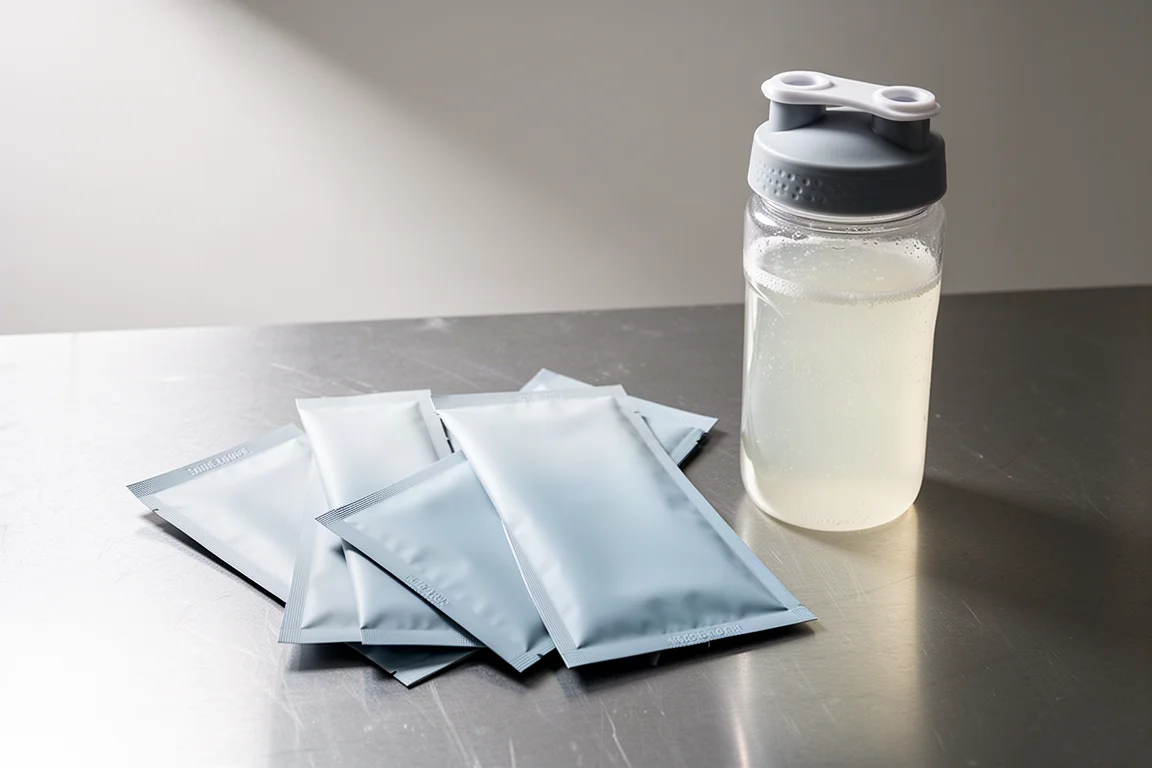
Tailwind Electrolyte Powder Packets: The Secret Weapon for Hot Days
Tailwind’s electrolyte packets made the biggest difference on the hardest days. Each packet is torn open and poured straight into a water bottle, delivering electrolytes alongside 200 calories, which is a very easy way to take on fuel while you are working hard and sweating heavily.
The range includes caffeinated and non-caffeinated versions, which allows a simple routine: caffeinated in the morning, non-caffeinated in the afternoon. They are not inexpensive, so they are best reserved for genuinely tough, hot days, but on those days they come close to essential.
Buying Advice: Matching Food to the Trip You Are Planning
The right mix depends on the trip. For a short weekend, weight and preparation barely matter, and you can simply take what you enjoy. For a multi-week thru-hike, build the food bag around a few principles.
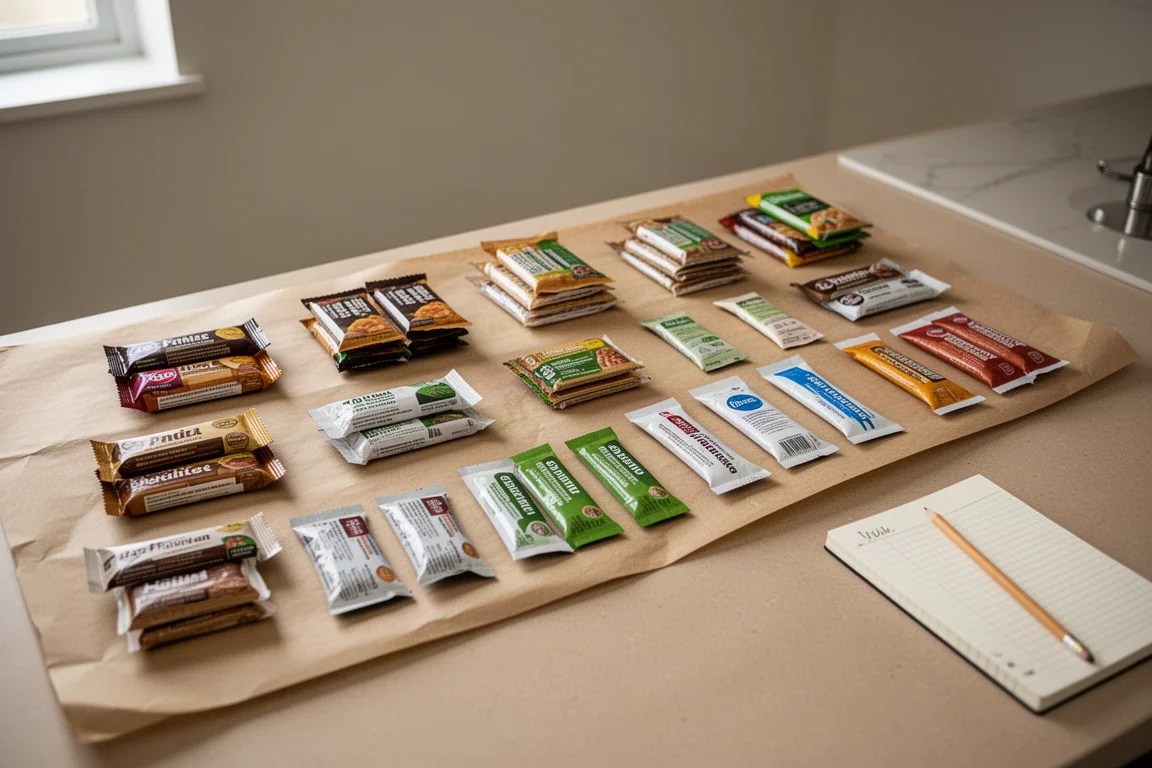
Start with calorie density for anything you carry for days at a time. Snacks like Pack Runes and Nak bars give you the most calories per gram, which is why they are worth prioritising over heavier, lower-density options.
Then decide how much cooking you want to do. Green Belly bars and Food for the Soul slaws and salads need no stove at all, which keeps lunch quick and fuel demands low. Bushka’s Kitchen meals need cooking but pay that back on cold, wet days when something hot is worth the effort.
Finally, plan for the conditions. On hot trips, electrolyte packets are the difference between finishing strong and finishing flat, and a caffeinated version in the morning is an easy way to keep the routine simple.
A practical approach is to anchor breakfast and dinner on two or three reliable staples, then use snacks, bars, and drink mixes to add variety through the middle of the day. That combination is what keeps a food bag interesting for weeks rather than days.
Conclusion
None of these items is complicated, and that is the point. Alpine Fuel meals and Heather’s Choice Pack Runes cover the mornings and the snack breaks, Nak bars and Green Belly meal bars handle the long middle of the day, Food for the Soul and Bushka’s Kitchen cover lunches and cold-weather dinners, and Tailwind electrolyte packets keep the hardest, hottest days manageable.
Build a food bag that mixes formats, flavours, and preparation methods, and food boredom stops being the thing that limits your trip. That is the difference between finishing a long hike under-fuelled and finishing it energized.
Further reading
Related Reviews
Backpacking Food
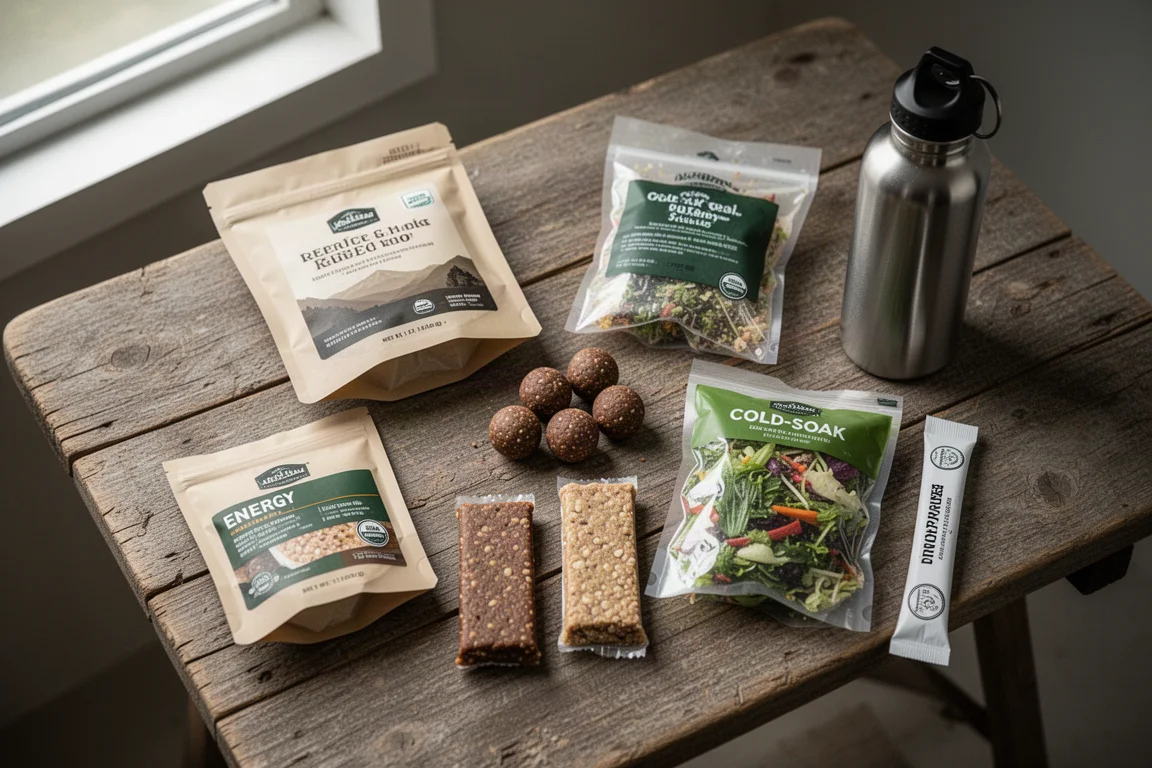
Best Backpacking Food for Thru-Hikes: 7 Options That Stay Appetizing
Seven trail-tested foods that hold their appeal over a long thru-hike, from calorie-dense breakfasts and easy snacks to cold-soak lunches and electrolyte drink mixes.
Backpacking Food
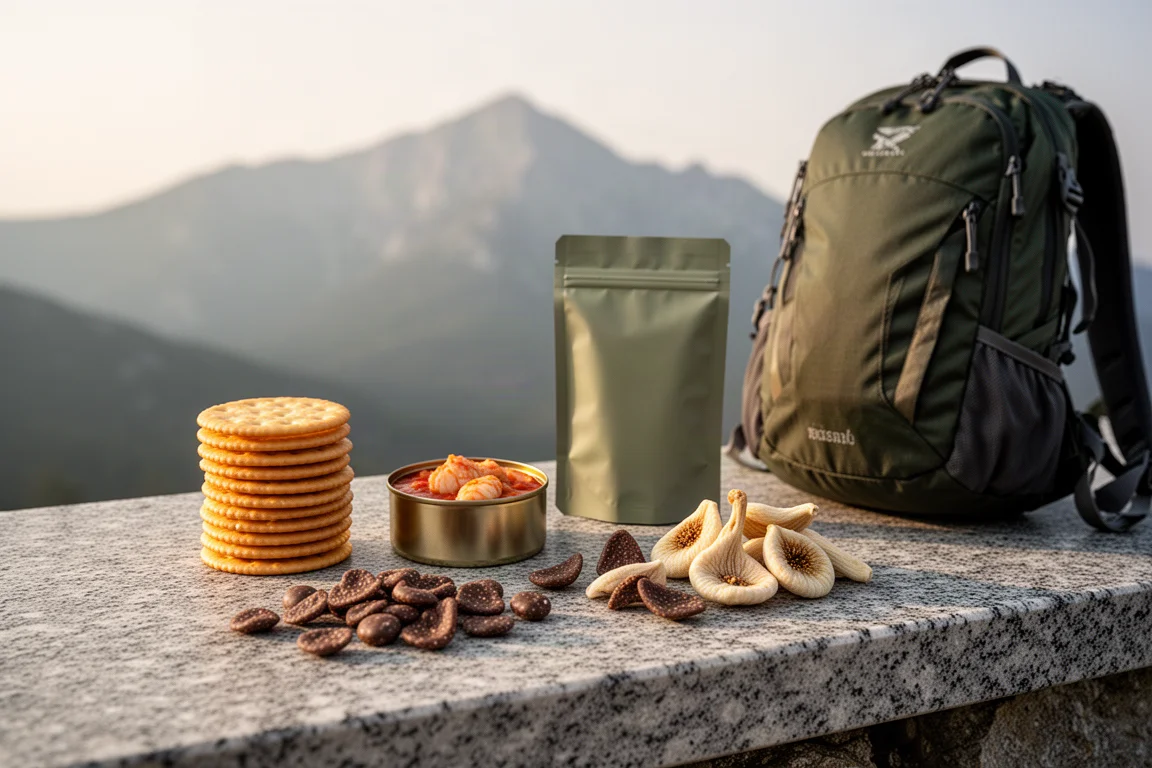
Weird Backpacking Food Worth Trying: 11 Trail Snacks and Meals That Earn Their Weight
Eleven unusual backpacking foods, from tinned spicy mussels and fermented crackers to chocolate-covered banana chips, judged on weight, calories, prep time and flavor.
Backpacking Food
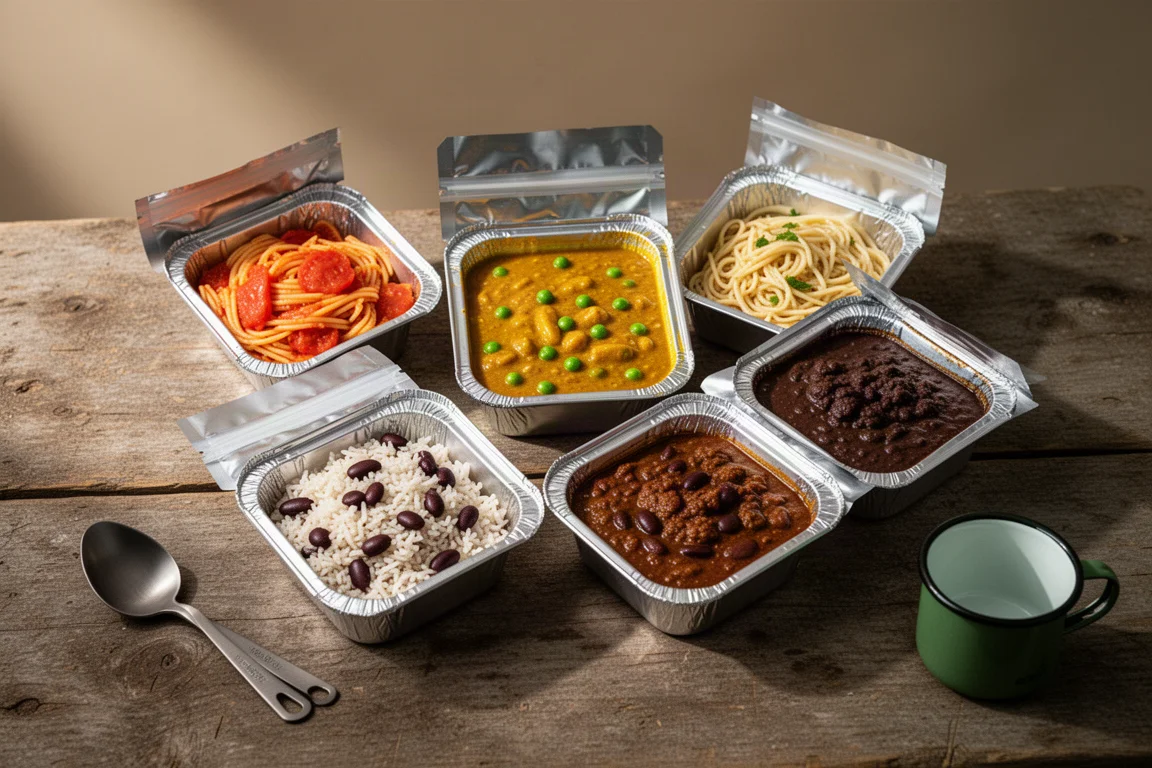
Backpacker's Pantry Dehydrated Meals: 13 Backpacking Dinners Compared
Thirteen Backpacker's Pantry dehydrated meals compared on flavor, texture, portion size, and variety, with clear picks for different trip styles.