Backpacking Food
Best Backpacking Food to Buy at the Grocery Store: 10 Packable Picks
Ten grocery-store foods that work as backpacking meals, from instant oatmeal and peanut butter packets to protein cookies and ramen, with notes on what each one does well.
Introduction
Assembling backpacking meals at the grocery store is usually cheaper than buying freeze-dried pouches, and the results can be just as satisfying. A two-day comparison across Kroger, Trader Joe’s, and Whole Foods, working with a $50 budget, a 30-minute shopping window, and a target of roughly 2,500 calories a day, showed how much the store matters. Trader Joe’s was the fastest and cheapest stop at $40.31, Kroger came in at $50.12, and Whole Foods finished at $53.63. Across two days of eating, that works out to about $8.33 per meal.
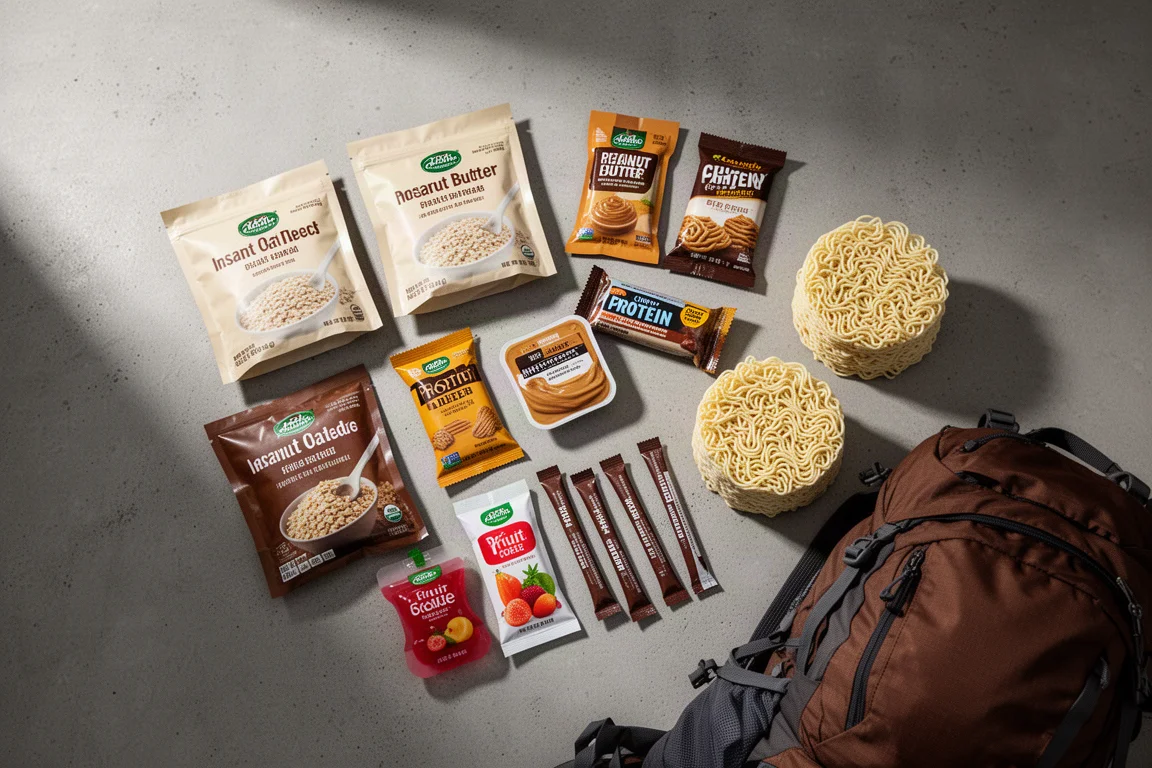
The foods below are the ones that earned a place in the pack. They are non-perishable, easy to portion, and they cover breakfast, lunch, snacks, and dinner without demanding much cooking.
What Makes a Good Backpacking Meal
The clearest lesson from comparing three stores is that a good trail meal is built in three parts. Start with a base such as oatmeal, polenta, rice, or noodles. Add something calorie-dense and high in protein, whether that is peanut butter, beef jerky, fish, tofu, or tempeh. Then finish with a flavor layer such as soy sauce or marinated cauliflower, which adds almost no calories but makes the whole bowl worth looking forward to.
Two practical rules make shopping easier. Shop your own pantry first, because peanut butter, soy sauce, and instant rice are already in most kitchens and are foods you know you enjoy. Second, weigh the packaging: dehydrated foods are lighter to carry, while ready-to-eat pouches are heavier but need no fuel or water.
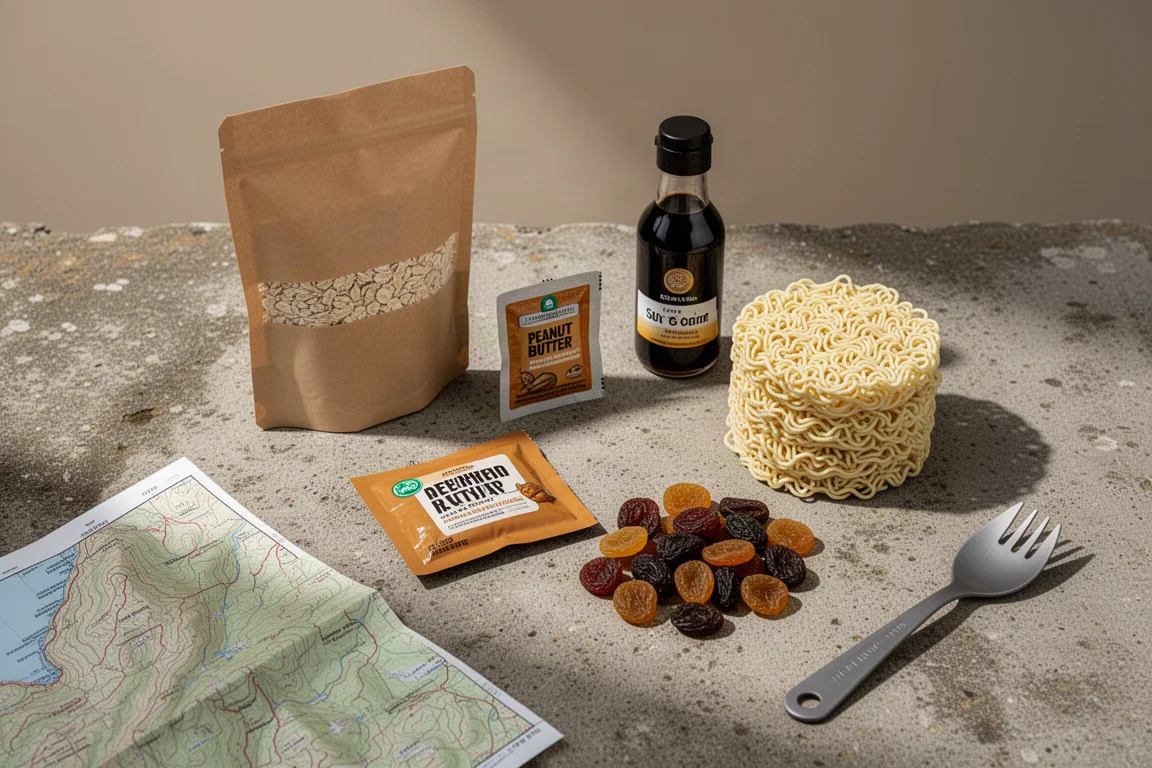
A non-perishable mix also keeps a trip simple. Nothing in this list needs refrigeration, and most of it can be eaten straight from the package if the weather turns and cooking stops being appealing.
SmartSweets Gummy Candies
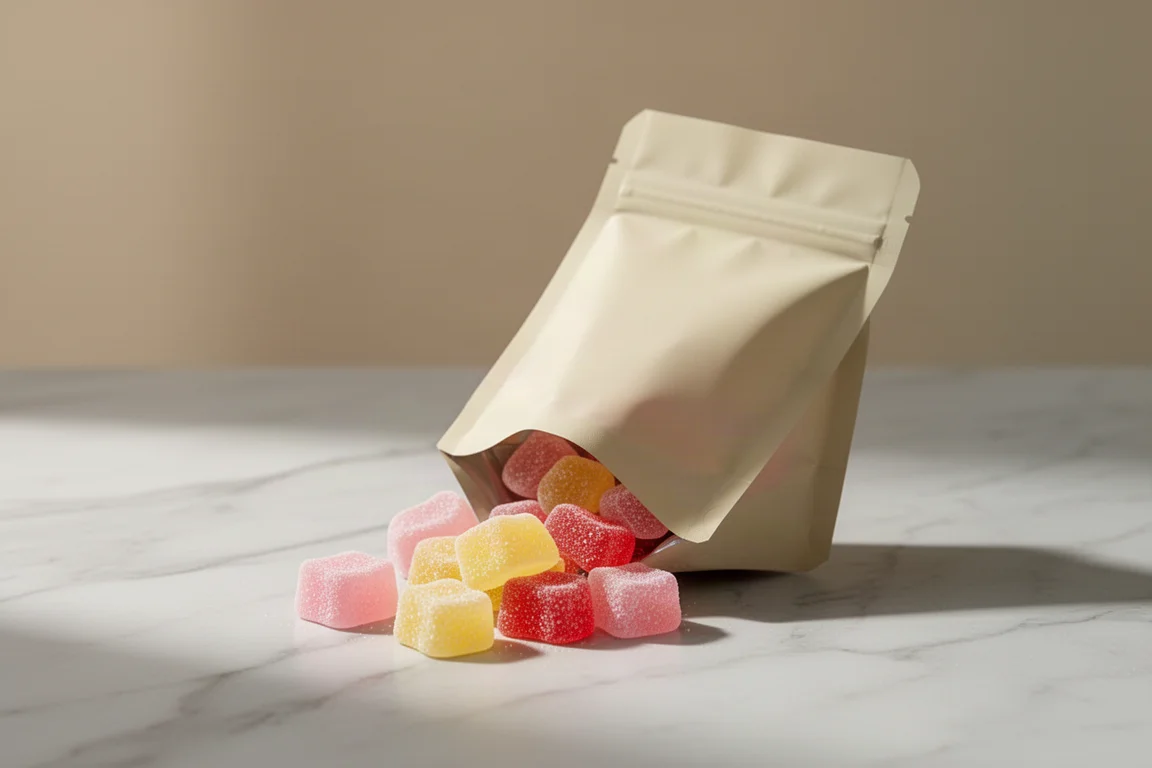
These are the fun item in the pack rather than the fuel. Each bag holds only three to four grams of sugar and is high in dietary fiber, so a sweet craving gets handled without the sugar load of standard gummy candy. Two bags covered a two-day trip, and they were the first thing gone.
Because they contribute very little in the way of calories or protein, treat them as a morale item and budget the real energy around your base, protein, and flavor components.
GoMacro Bars
GoMacro bars are chewy protein bars that survive a packed bag and sit among the better-tasting options on a grocery shelf. The Everlasting Joy flavor is a personal favorite, and larger supermarkets carry a wide enough range to compare flavors before committing to a box.
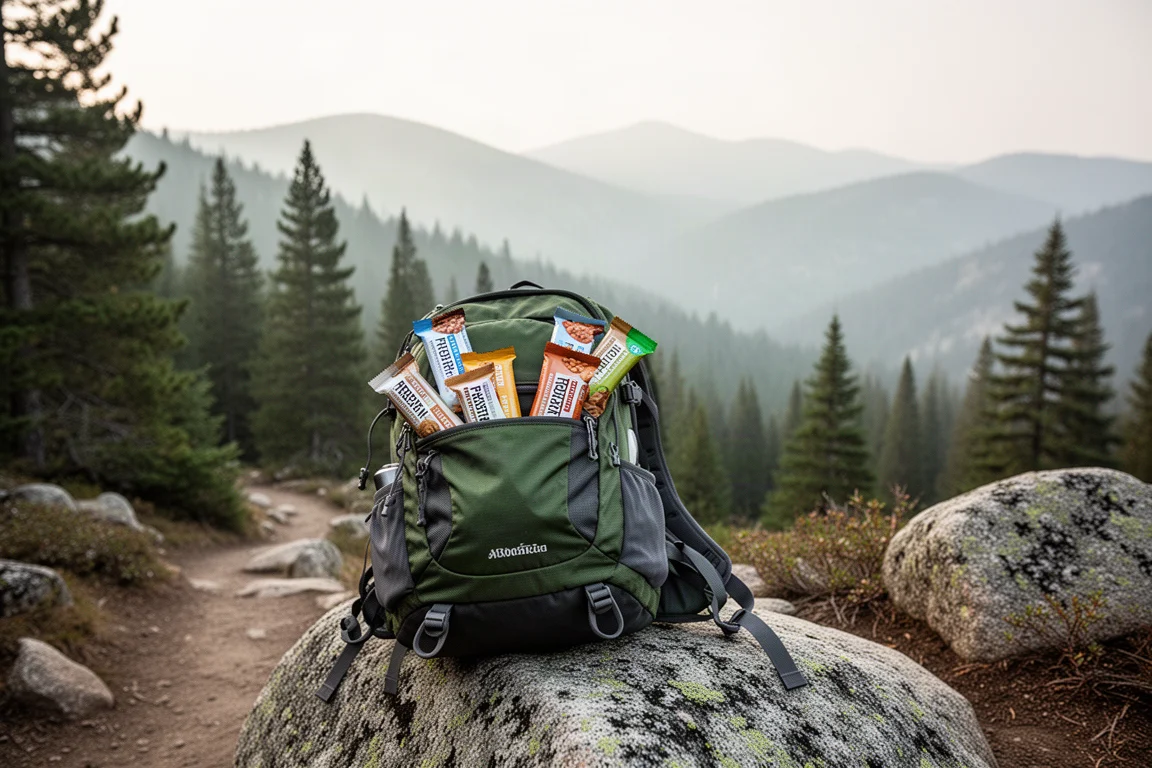
One or two bars per day covers a mid-morning snack or a backup lunch when plans change. Because bar aisles can be overwhelming, decide how many days you are packing for before you start reading labels.
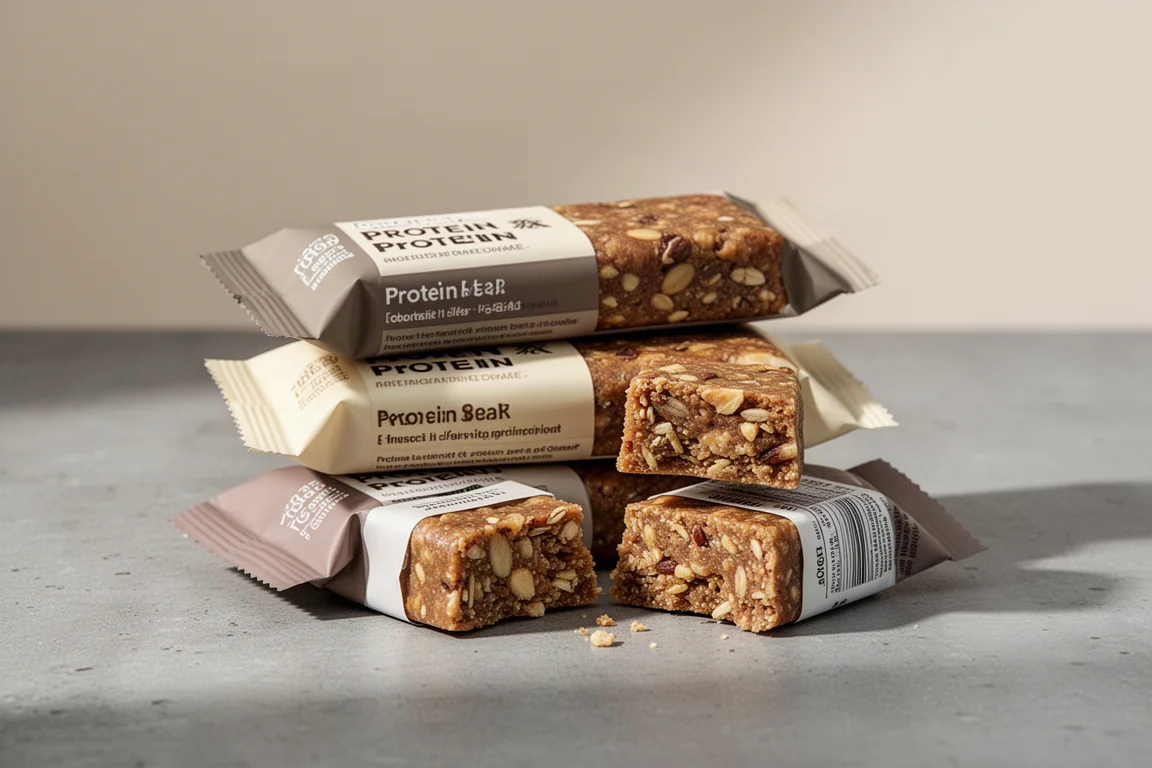
Starbucks VIA Instant Coffee Packets
Coffee is the item that can make or break a trail morning, and instant packets are the lightest way to carry it. Eight packets of Starbucks VIA cost about $6 at Kroger, which compared favorably against an alternative six-serving option priced at $16. Instant coffee is popular enough that availability varies, and one store in the comparison had sold out entirely, so buy early or keep a spare in the pantry.
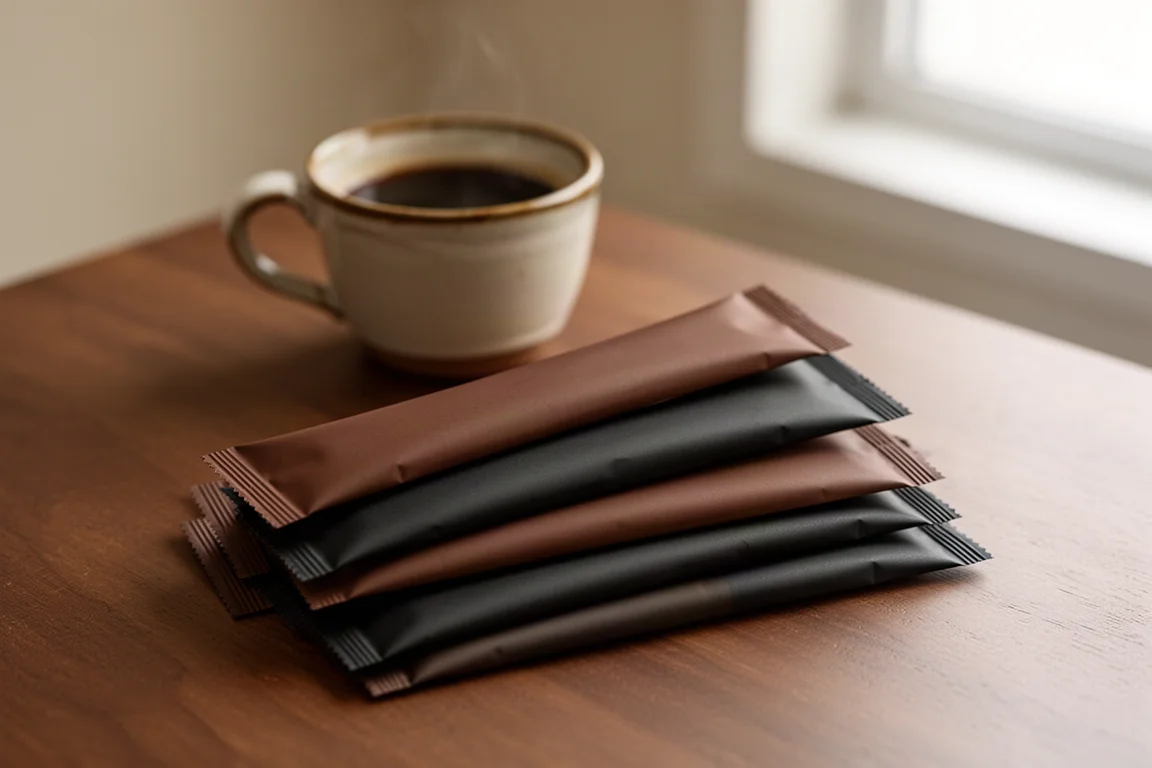
Justin’s Peanut Butter Packets
Single-serve peanut butter is the most versatile calorie source in this list. Justin’s is the favorite brand here, and at Whole Foods the packets were priced the same as, or slightly below, the supermarket price. One packet stirred into ramen turns a plain noodle dinner into peanut noodles, and the same packet works in oatmeal or spread across a tortilla.
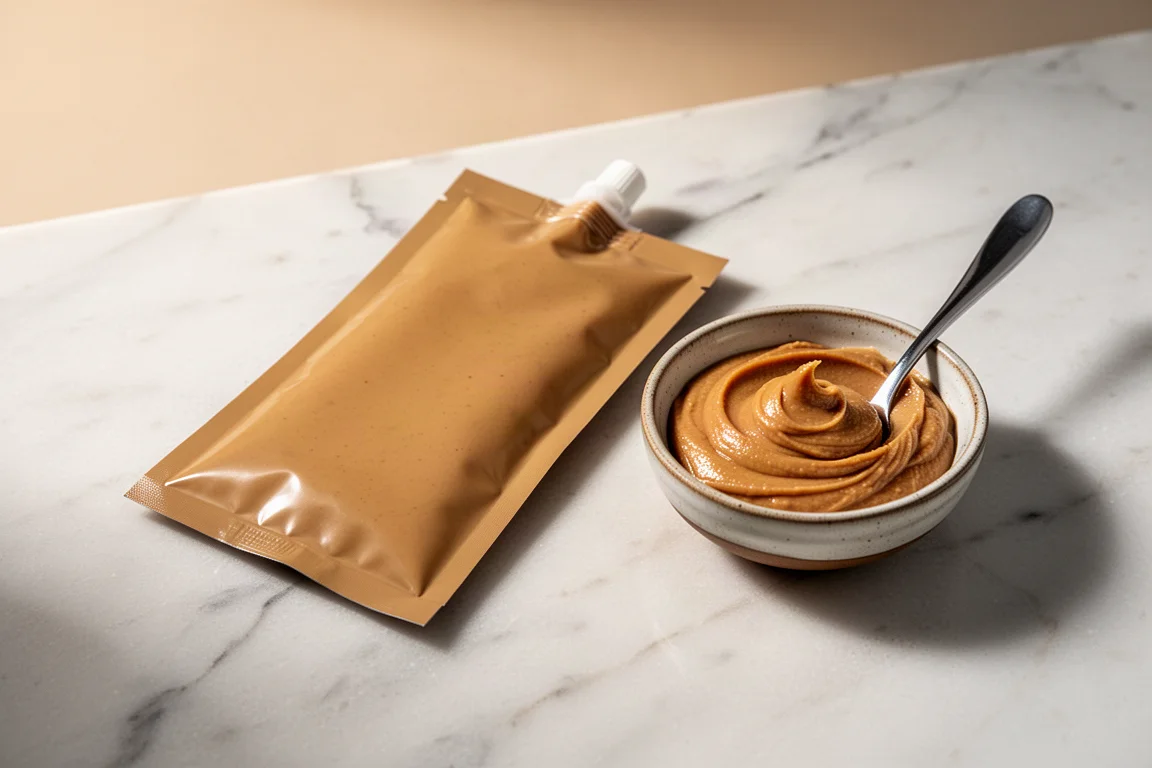
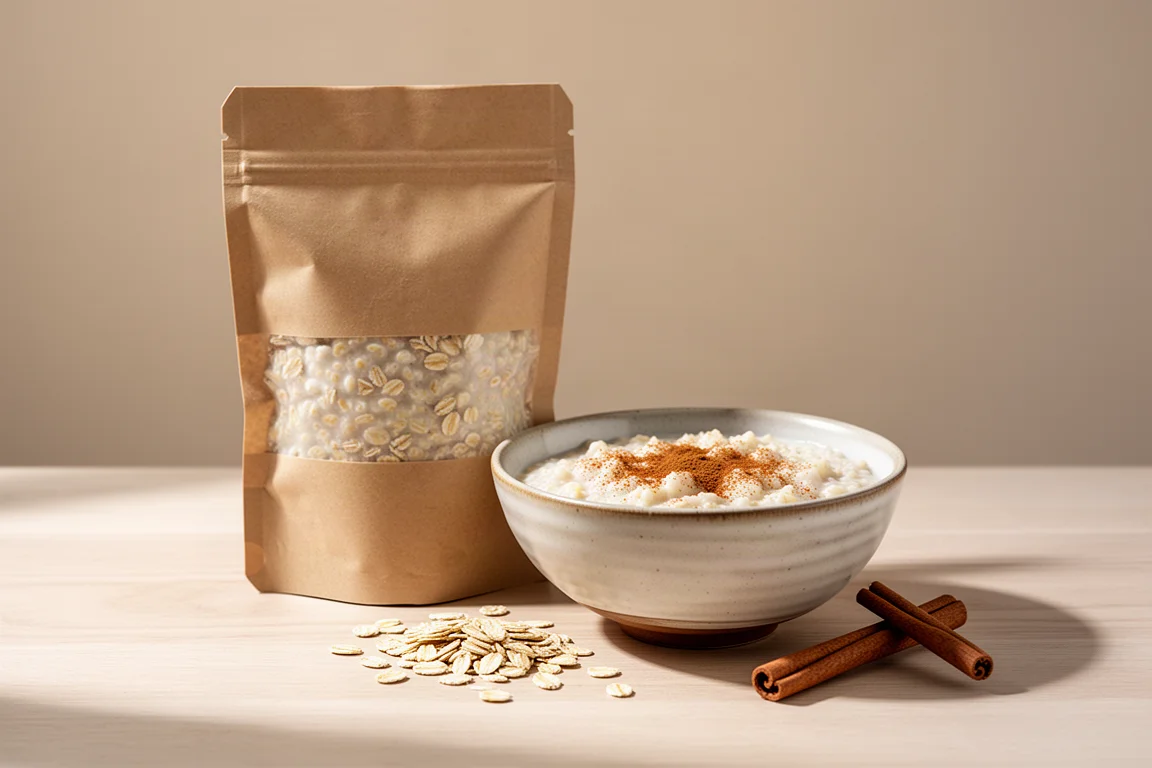
Trader Joe’s Protein Cinnamon Instant Oatmeal
This oatmeal is not the cheapest box on the shelf, but it earns its place on protein and sugar. It carries more protein than typical instant oatmeal and less sugar than a maple brown sugar option, with a cinnamon flavor that makes a plain breakfast easier to repeat day after day.
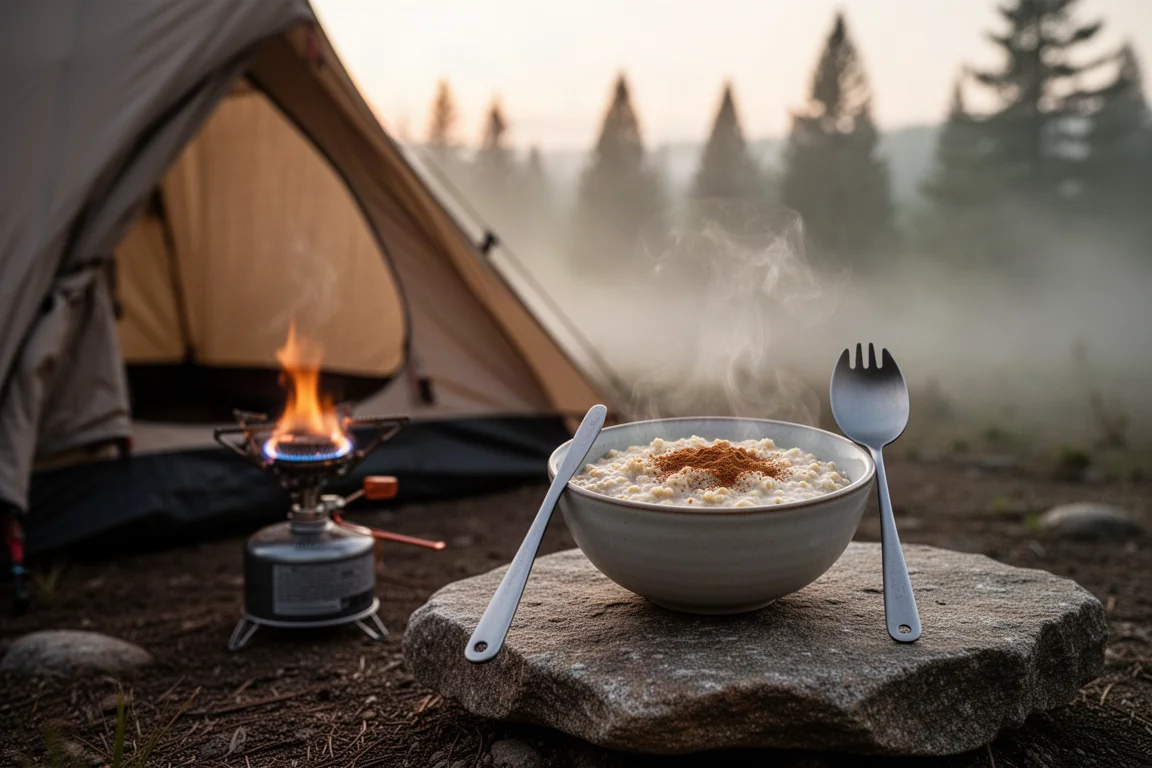
Instant oatmeal at Trader Joe’s generally runs around $3 per box, so it remains a low-cost breakfast base. Pair one pouch with a spoonful of peanut butter on longer days, and keep the pouches near the top of the bag so they stay intact.
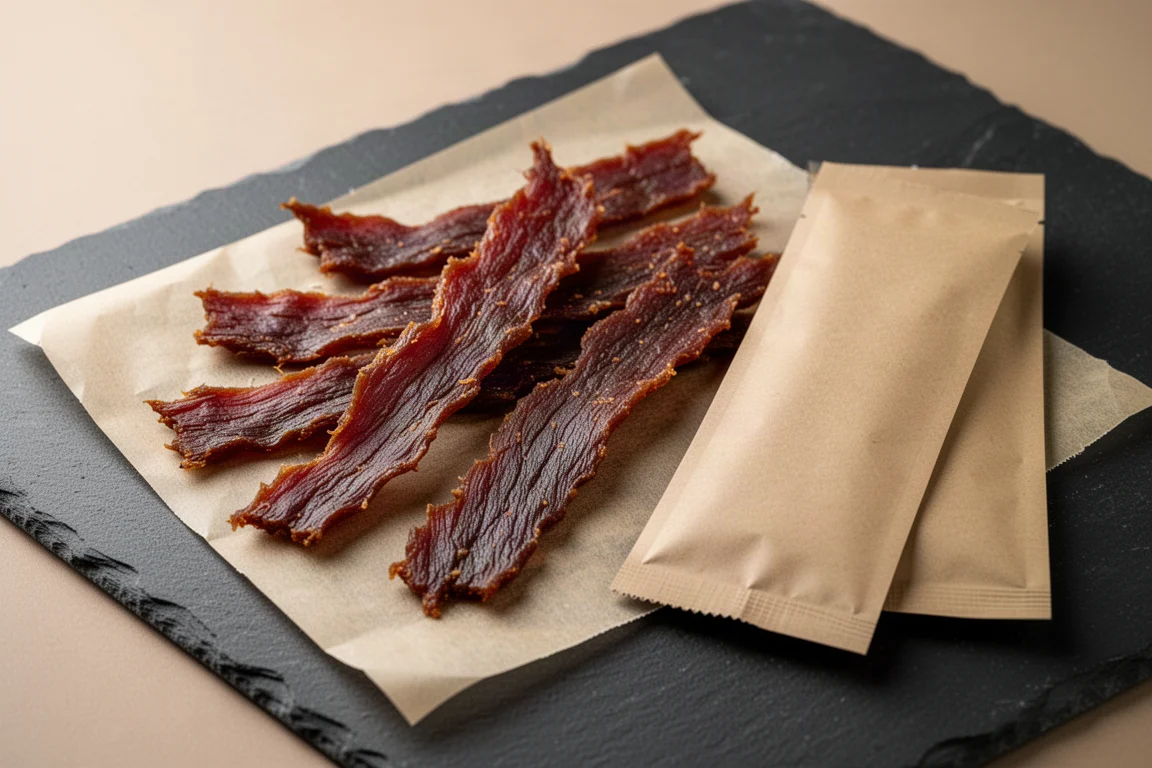
Trader Joe’s Natural Beef Jerky
A single packet of this jerky was enough for two lunches, which makes it an efficient protein add-on for a short trip. It needs no preparation, so it can be eaten on the move or crumbled into noodles and rice for extra flavor. Keep an eye on sodium if you are pairing it with salty seasoning packets.
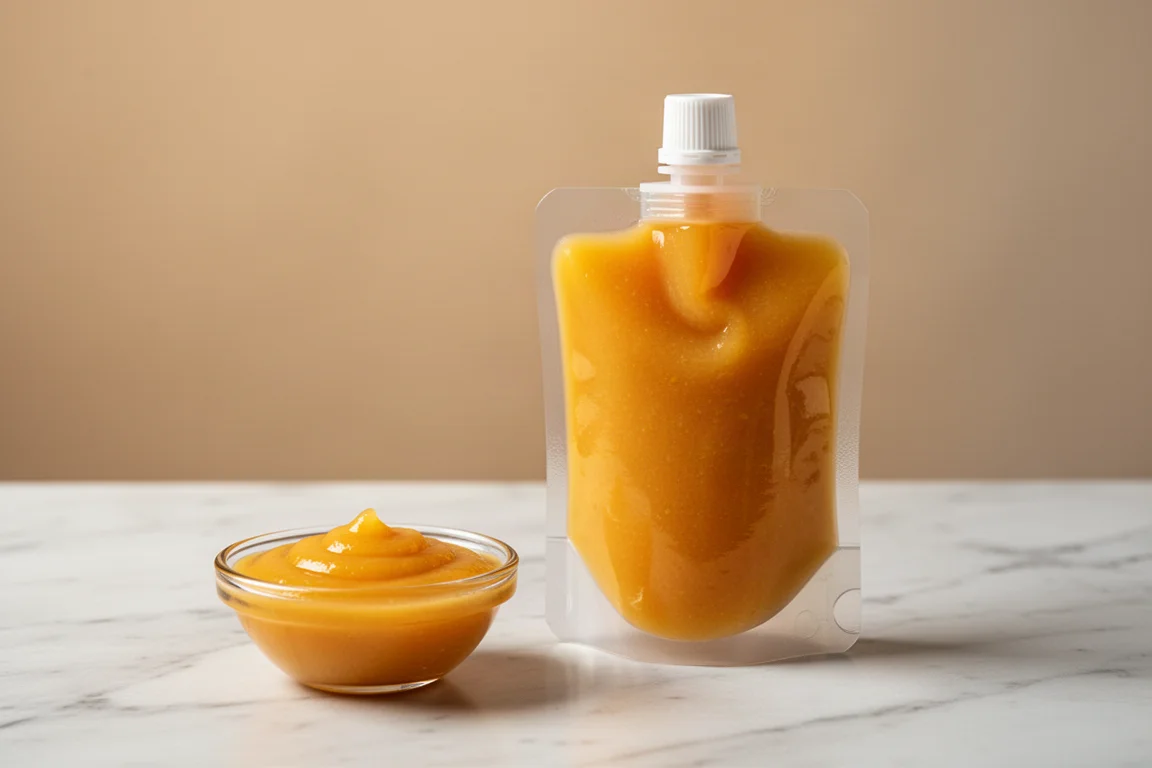
Trader Joe’s Fruit Crushers Apple Mango Fruit Sauce
These apple mango fruit sauce pouches are among the most reliable items to carry. They need no refrigeration, taste fresh, and leave nothing behind because the entire pouch is consumed. They work as a snack on a climb or a light dessert after dinner. The trade-off is low calorie density, so treat them as a supplement rather than a meal.
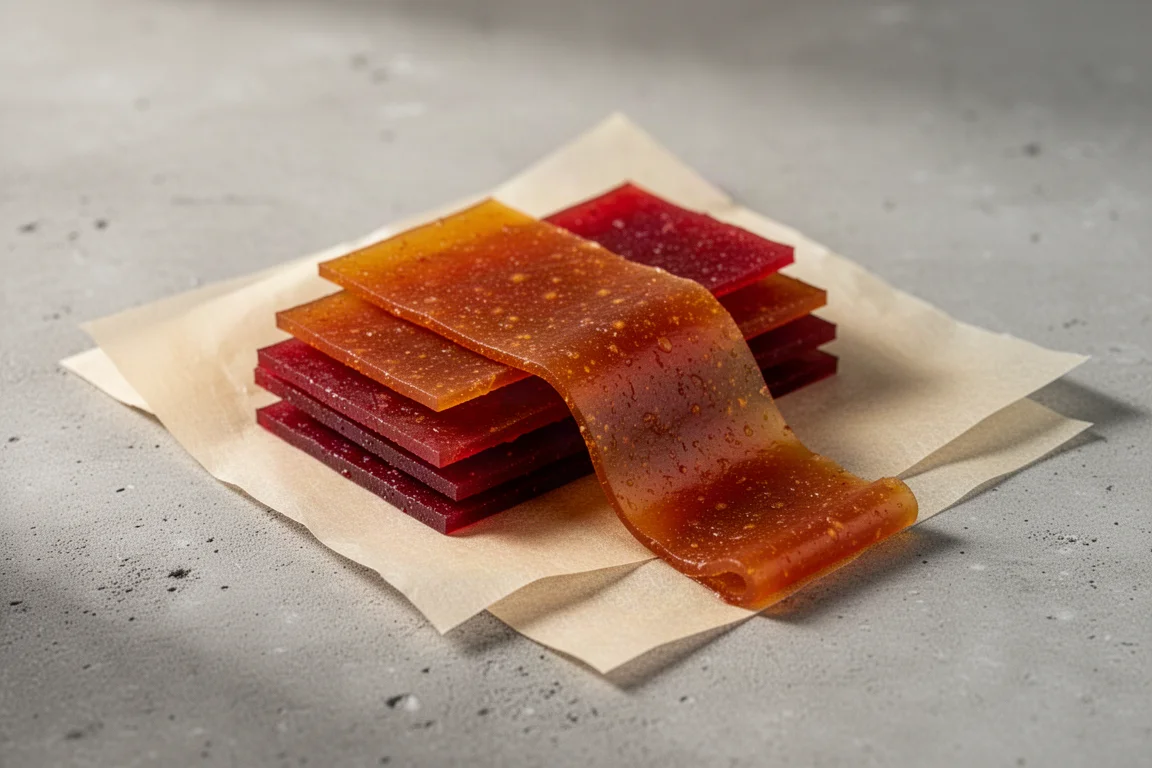
Trader Joe’s Fruit Strips
Fruit strips come in apple apricot and apple raspberry, and they add variety to a snack rotation that can otherwise be dominated by bars. They are light, flat, and easy to stash in a hip belt pocket. Like the fruit sauce, they are mostly quick carbohydrate, so pair them with something that carries protein.
Munk Pack Protein Cookies
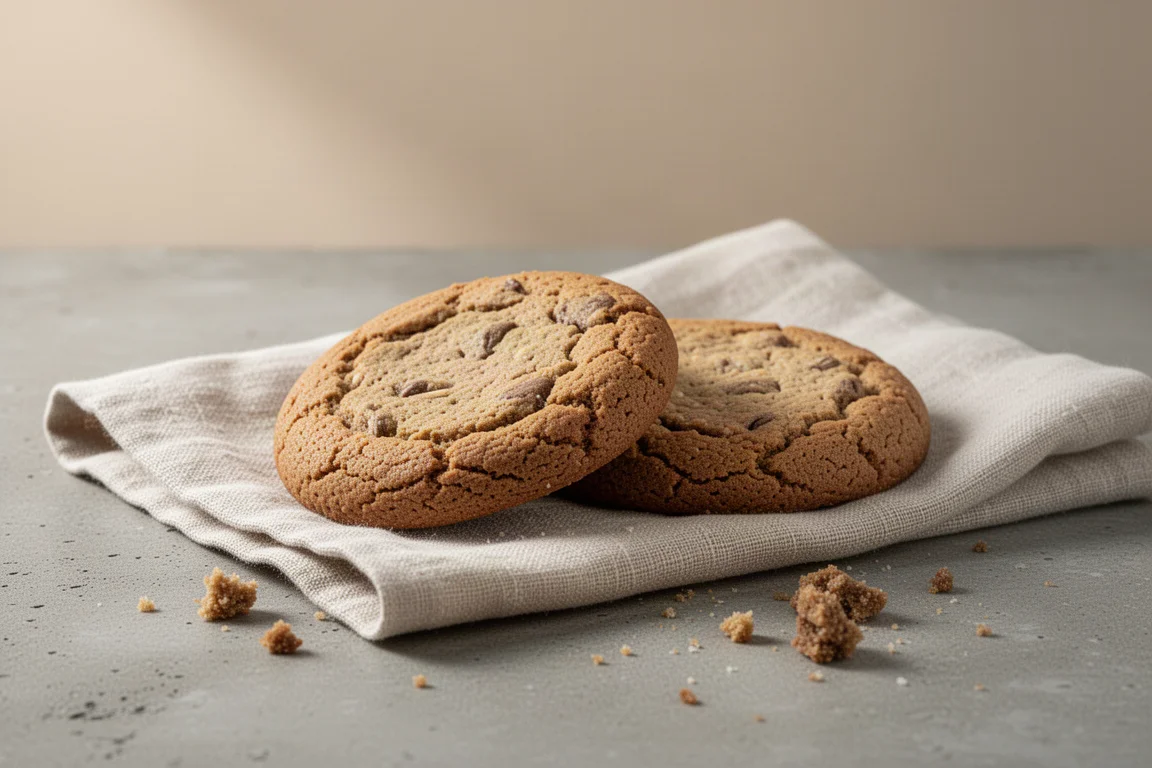
At 320 calories per cookie, these are among the most calorie-dense single items in this list, and they were on sale for about $1 each during the comparison. They work as a breakfast when oatmeal gets repetitive, or as a dessert after a noodle dinner. Because they are soft-baked, pack them near the top of the bag so they do not get crushed.
Maruchan Super Six Pack Soy Flavor Ramen
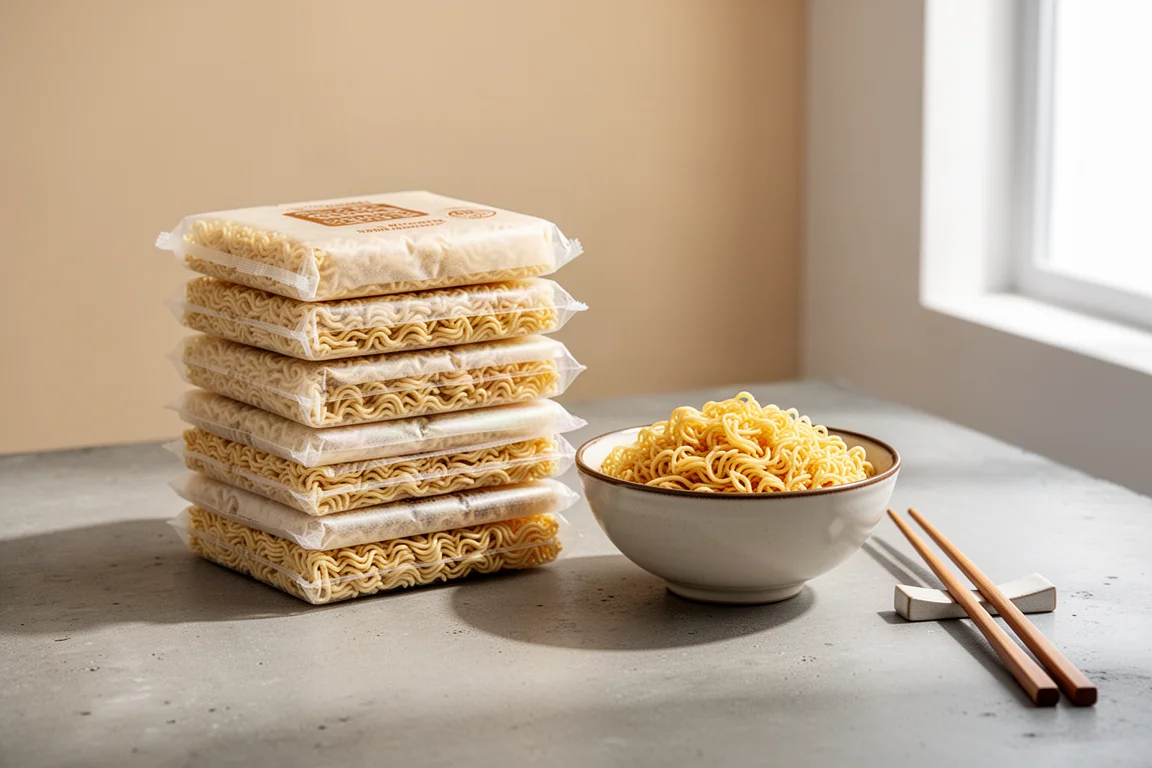
Ramen is the classic budget dinner base, and the soy flavor six pack is the version that takes add-ins best. Cook the noodles with the included seasoning packet, then stir in a packet of peanut butter for peanut noodles, or add jerky and a flavor layer such as soy sauce or marinated vegetables. On its own it is a plain meal, and the box is bulky, so repackage the noodle cakes before the trip.
Overall Buying Advice
If you only shop one store, Trader Joe’s is the strongest single stop for backpacking food. It was the fastest to shop, the easiest place to stay under budget, and the food was genuinely appealing. Kroger remains the better source for staples and larger boxes, while Whole Foods offered the widest choice of healthy, fresh-tasting extras at the highest prices. Budget roughly $8.33 per meal for a two-day trip, and expect to spend more if you add coffee or specialty bars.
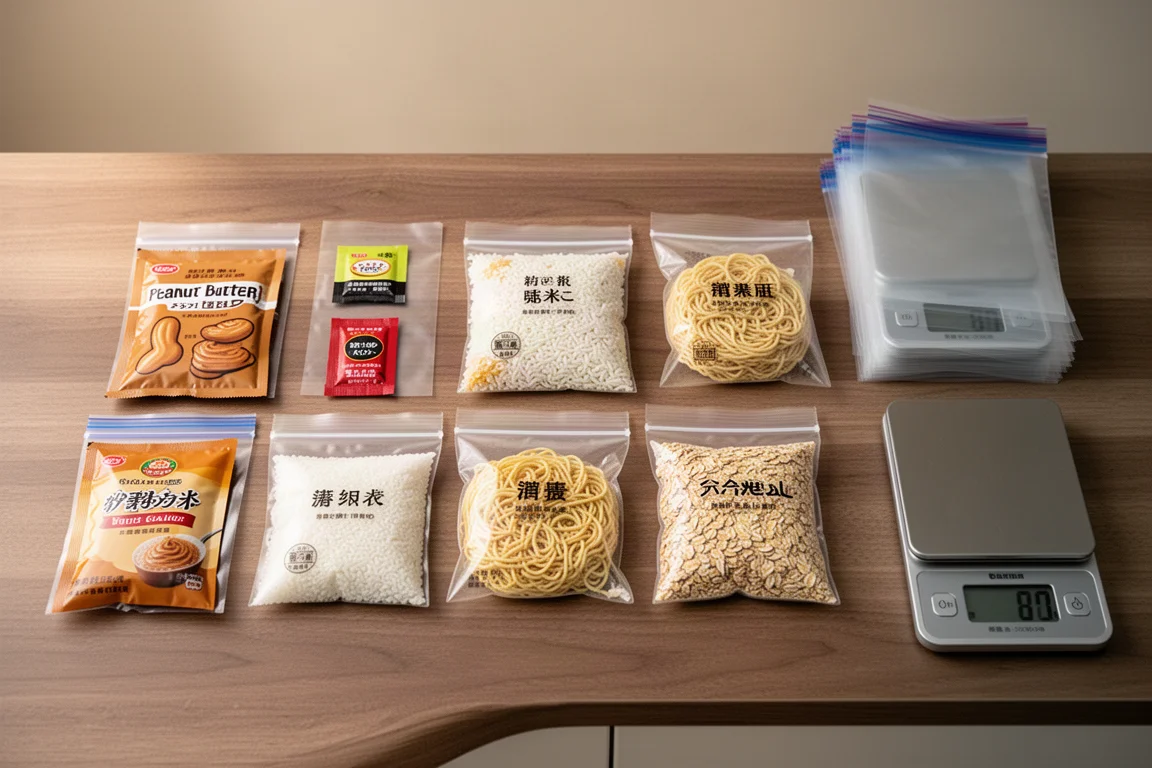
Two habits make the whole process cheaper. Shop your pantry before you shop the store, and build each meal around the base, protein, and flavor structure instead of buying pre-made pouches. That combination keeps costs predictable and keeps the food worth eating on day two.
Conclusion
Grocery-store backpacking meals come down to matching the right food to the right store. Instant oatmeal, peanut butter packets, protein bars, jerky, fruit pouches, and ramen cover a full two days of eating on a modest budget, and every one of them is non-perishable and packable. Start with what you already keep in your pantry, add one or two calorie-dense items per meal, and the result will hold up as well as anything pre-packaged.
Further reading
Related Reviews
Backpacking Food
Best Backpacking Food for Thru-Hikes: 7 Options That Stay Appetizing
Seven trail-tested foods that hold their appeal over a long thru-hike, from calorie-dense breakfasts and easy snacks to cold-soak lunches and electrolyte drink mixes.
Backpacking Food
Weird Backpacking Food Worth Trying: 11 Trail Snacks and Meals That Earn Their Weight
Eleven unusual backpacking foods, from tinned spicy mussels and fermented crackers to chocolate-covered banana chips, judged on weight, calories, prep time and flavor.
Backpacking Food
Backpacker's Pantry Dehydrated Meals: 13 Backpacking Dinners Compared
Thirteen Backpacker's Pantry dehydrated meals compared on flavor, texture, portion size, and variety, with clear picks for different trip styles.