Backpacking Food
Best Backpacking Food 2026: Seven Trail-Tested Meals and Snacks
Seven calorie-dense backpacking foods that held up over a 36-day thru-hike, covering breakfast, snacks, lunch, and hot-weather hydration.
Introduction
Trail food is one of the easiest things to get wrong on a long hike. Eat the same thing every day for a month and even a favorite meal starts to feel like a chore, which is exactly the problem that derails appetite and energy on extended trips.
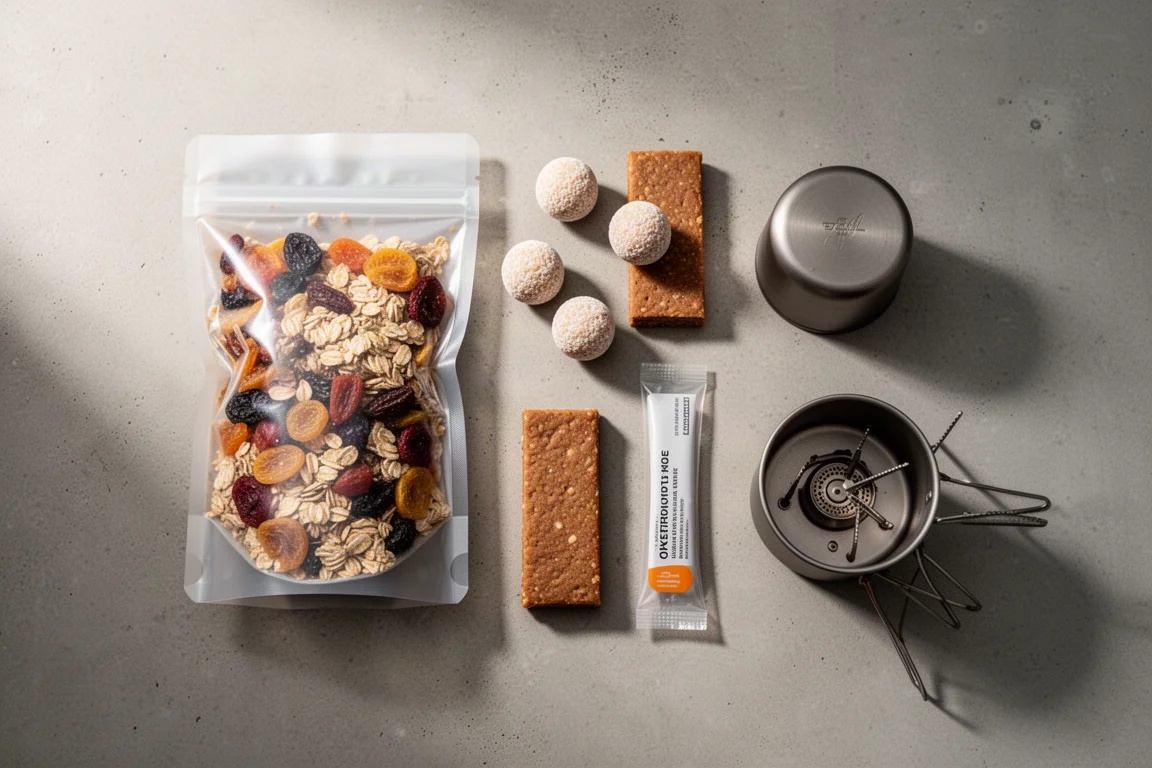
The seven products below were carried through a 36-day thru-hike covering roughly 1,100 kilometers. Every one of them earned its place in the food bag, and none of them became tiresome by the end.
They cover the full day: breakfast, snacks, lunch, and the hydration and electrolyte side of things that matters most when the weather turns hot.
What Matters Most in Backpacking Food
Calorie density is the first filter. On a long trip every gram counts, so foods that deliver a lot of calories for their weight do far more work in the pack than bulky alternatives.
The second is variety. Rotating flavors and formats keeps appetite alive, and that matters more than most people expect once the first week is behind them.
Preparation is the third. Cold-soak meals need only water and time, while cooked meals demand a stove and fuel, and each style suits a different kind of day.
Comfort counts as well. Texture, sweetness, and how a food sits on a hard-working stomach decide whether something gets eaten or quietly carried for another week.
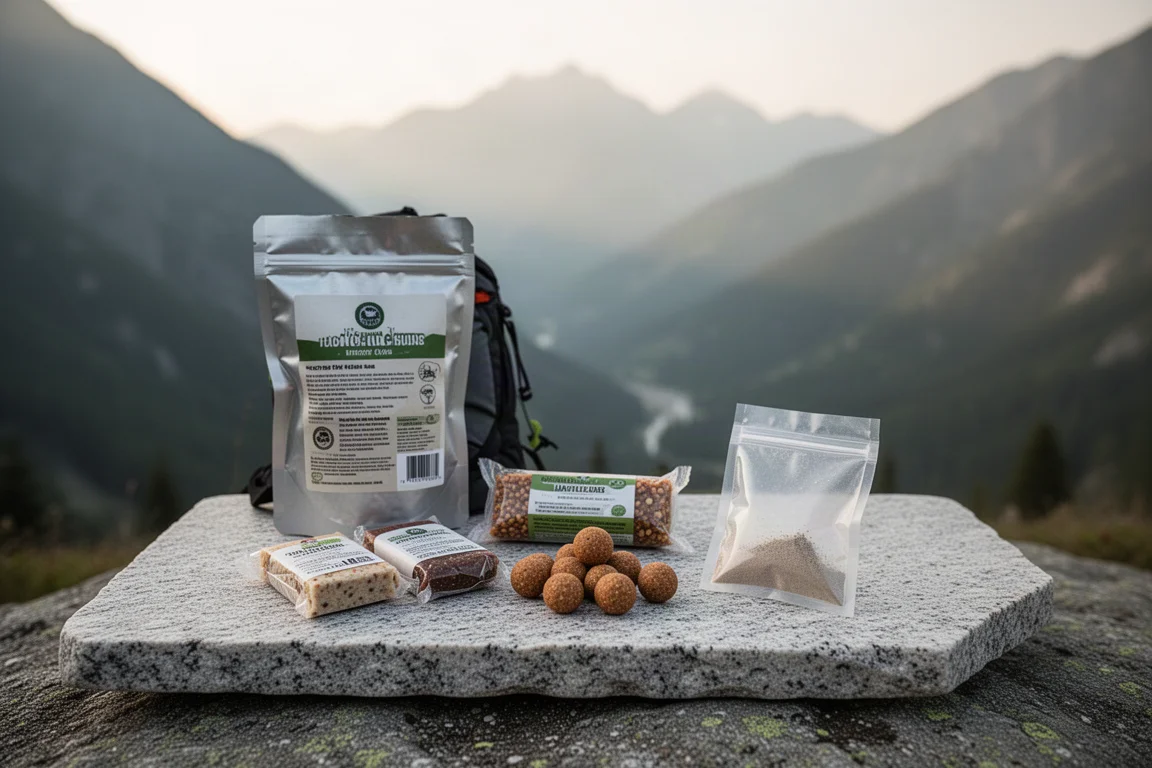
Electrolytes belong on that list too. Long, hot days drain salt faster than most hikers realize, and food or drink that puts some of it back is genuinely useful rather than a nice extra.
Alpine Fuel Caramel Apple Meals
Alpine Fuel meals were used to break up a breakfast routine built mostly around homemade oatmeal. Each meal carries 700 calories, which makes it a substantial start to a day on trail.
Most of the flavors include a generous amount of fruit along with a little powdered milk, and the caramel apple version stood out as the favorite. The result is sweet, fruit-forward, and easy to finish early in the morning, when appetite is often slow to arrive.
Because they are calorie-rich and go down quickly, they work well as a reserve for the biggest and hardest days, or for the final stretch of a long trip when ordinary breakfasts start to wear thin.
Heather’s Choice Packaroons
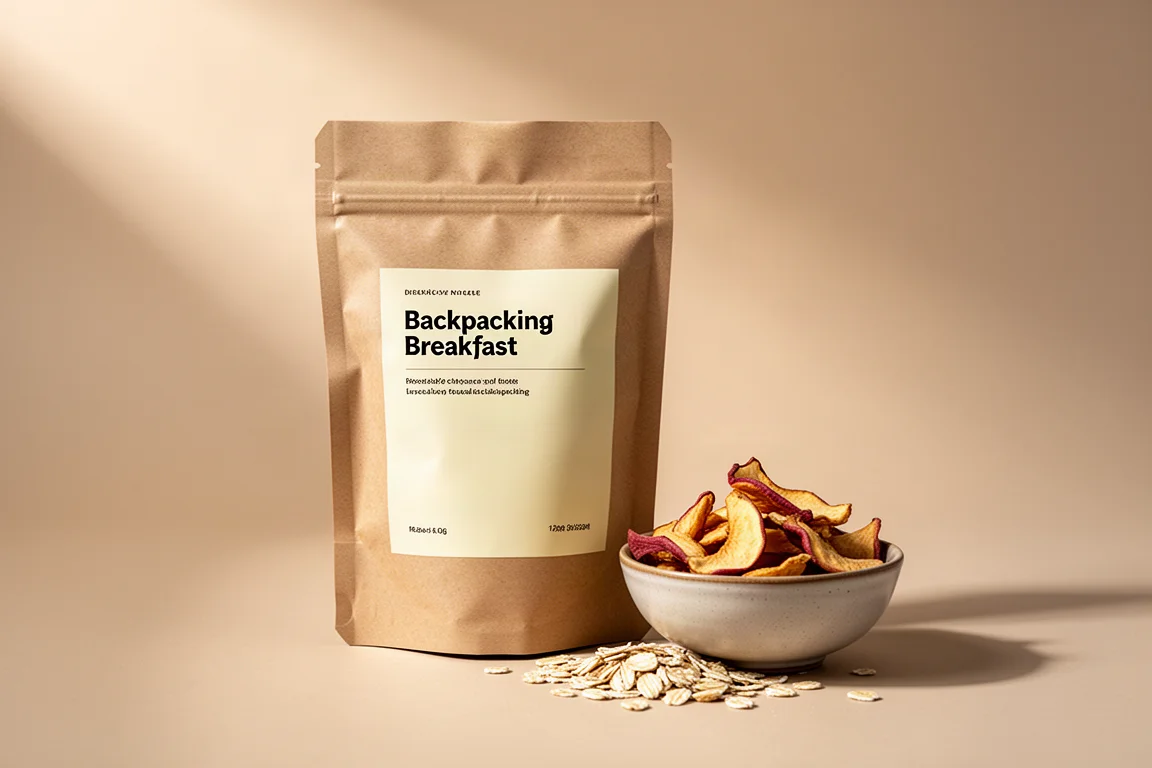
Packaroons are small, dense balls of calories with a long flavor lineup, which makes them a natural fit for anyone worried about snack fatigue on a long trip.
They are lightweight and deliver a high number of calories per gram, exactly what a distance food bag needs. The sweet coconut flavor was the standout, with a taste that lands close to a pina colada.
They also proved gentle. On days when hard hiking left the stomach unsettled, these went down easily when other snacks did not.
NAK Bars
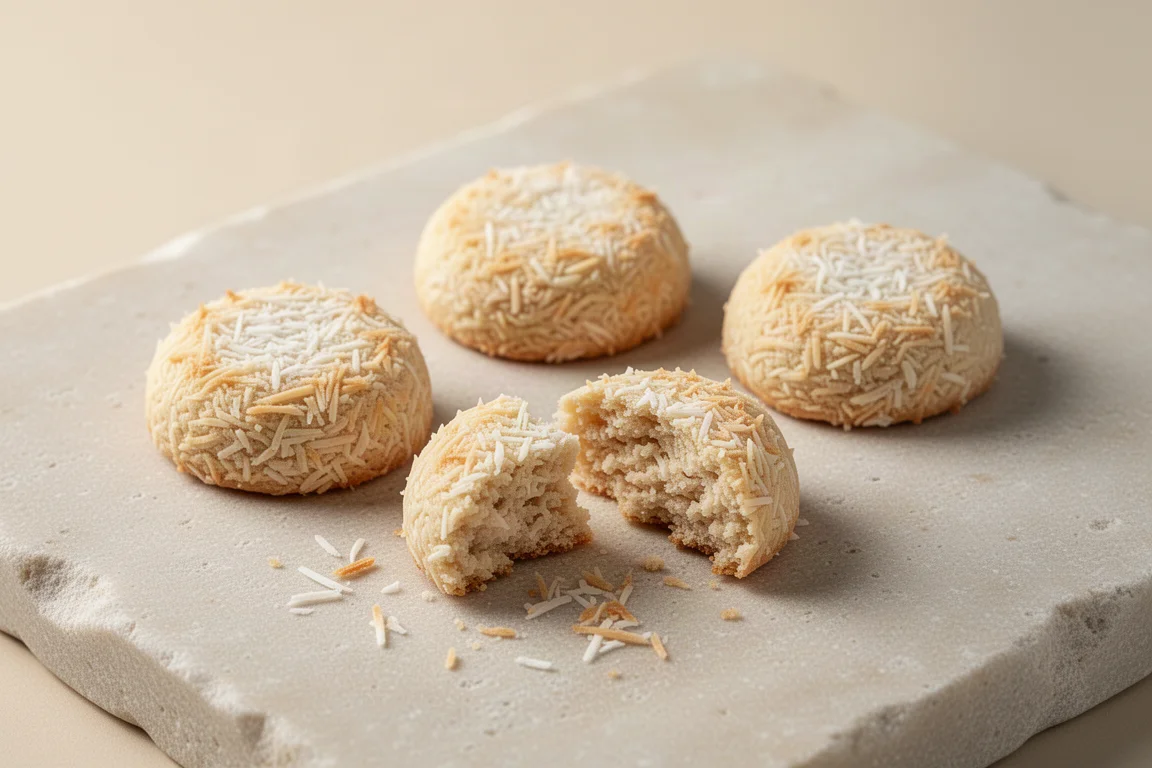
NAK is a Canadian company making four flavors of a compact bar with a clear nutritional angle. Each bar has 200 calories and a four-to-one ratio of carbohydrates to protein, which suits long days where carbs do most of the fueling work.
They also contain electrolytes, a useful detail for anyone sweating heavily on hot climbs. Bars are often the first snack people tire of, so finding one with a pleasant taste and a good texture counts for a lot.

The carbohydrate-forward recipe is a deliberate contrast to bars built around protein and fat, and that makes them easier to eat when appetite is already low.
Greenbelly Meal Bars
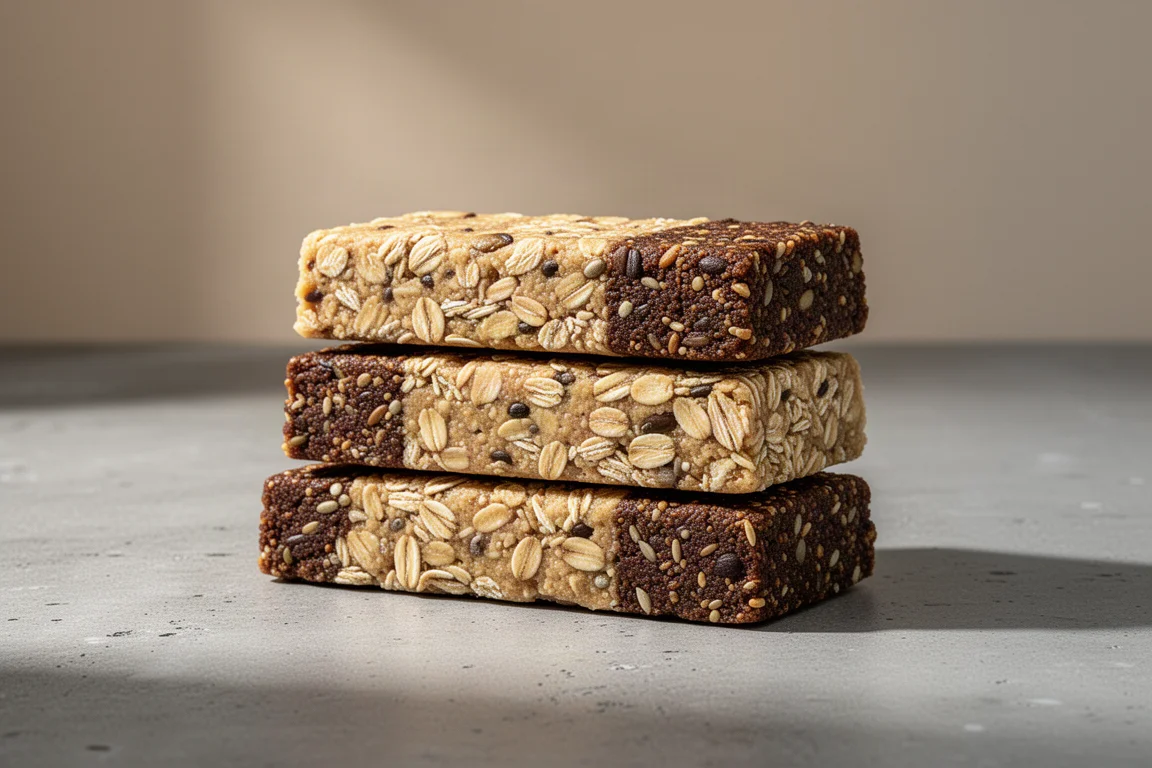
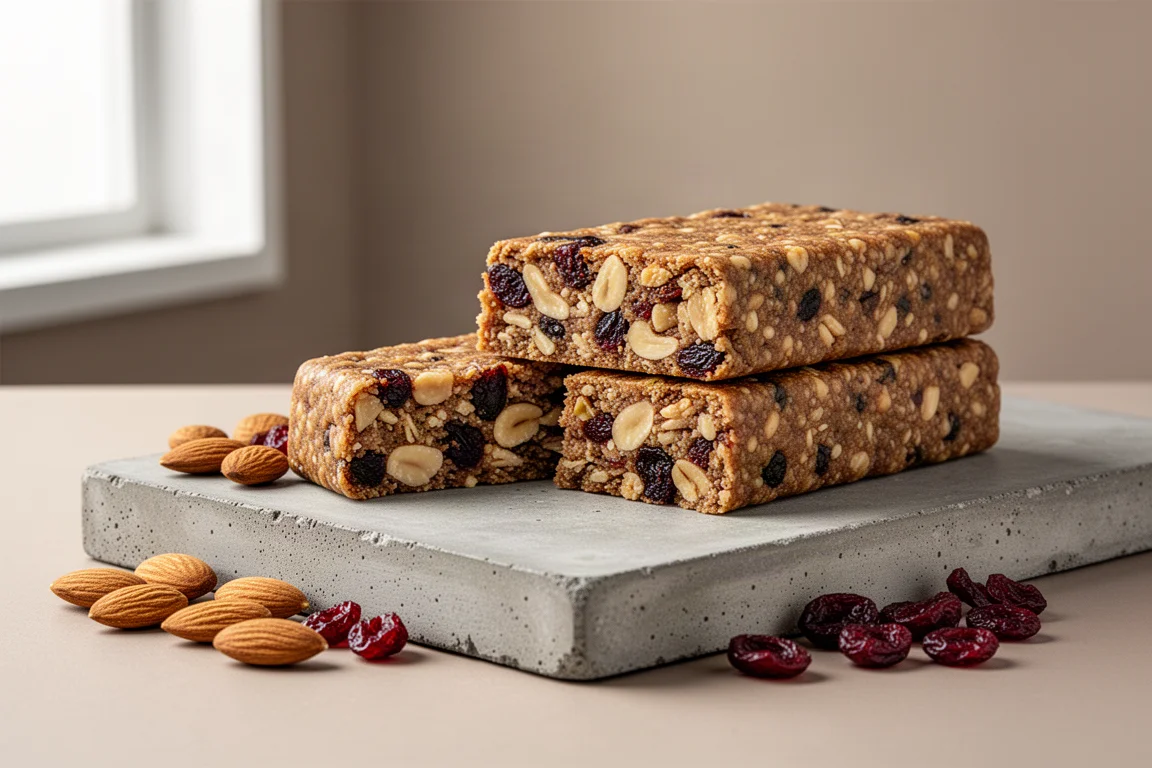
Greenbelly bars were the surprise of the trip. They look like a snack but carry 700 calories, enough to serve as a complete lunch on a long day.
Fruit is usually part of the recipe, which keeps the flavor fresh, and the texture holds up well after days in a pack. The cranberry almond version was the favorite, packed with almonds.
They ended up covering roughly half of all lunches on a 36-day trip without becoming tiresome, which is a strong endorsement for a bar format.
Food for the Soul Slaws and Salads
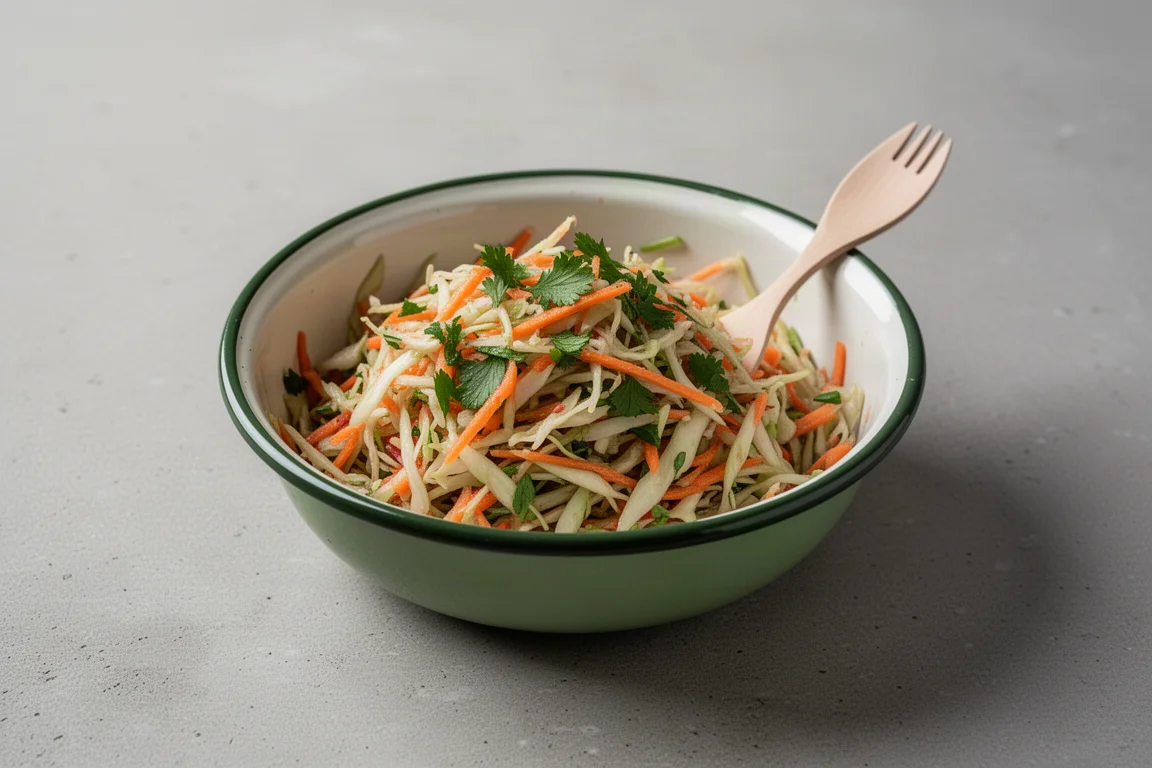
These slaws and salads bring something most trail food does not: a real serving of vegetables. That made them feel genuinely nourishing rather than simply calorie-dense.
They are substantial as well, with the variety described here carrying 570 calories. Preparation is about as simple as it gets. Add water roughly 20 minutes before eating, let the meal cold soak, and it is ready without a stove.
That makes them a strong lunch option on days when stopping to cook is not appealing.
Bushka’s Kitchen Hearty Harvest
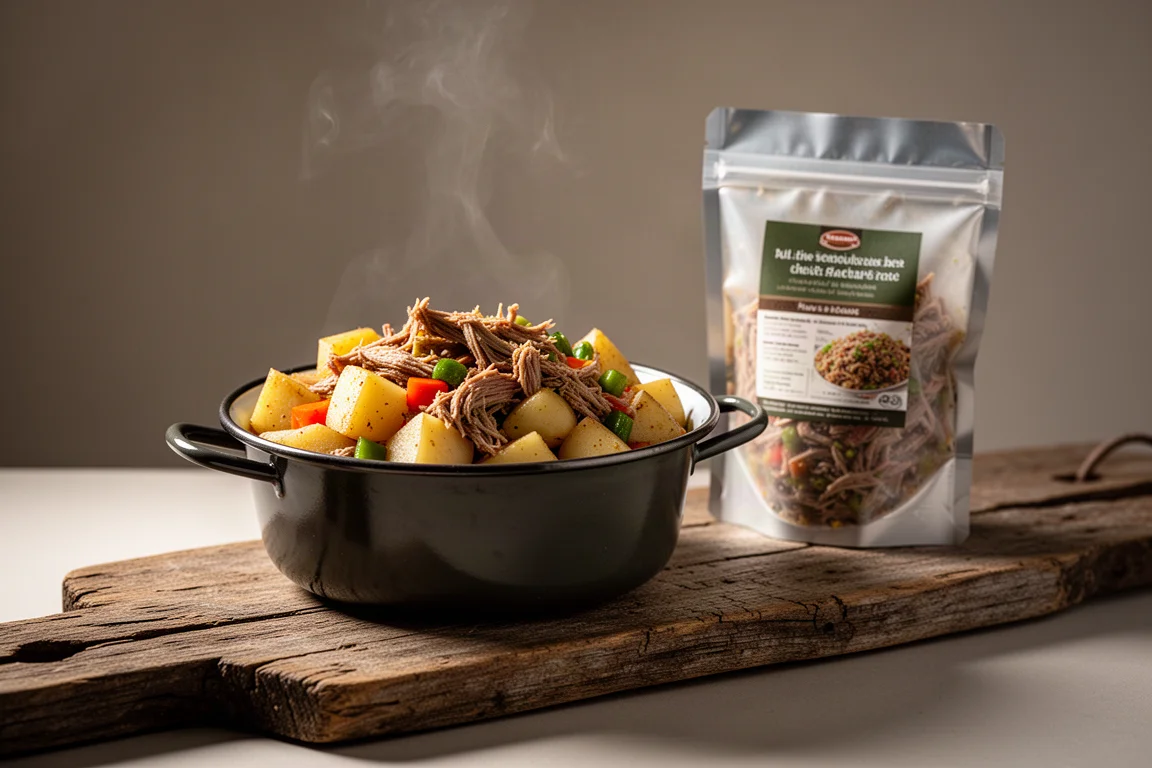
Bushka’s Kitchen produced the most memorable meals of the trip. Hearty Harvest combines potatoes, shredded wild boar, and vegetables, and it was the clear favorite.
The trade-off is portion size. At 570 calories it works well as a lunch but falls short of a full dinner for a hungry hiker, and a larger version would be welcome.
These meals also require cooking, which makes them best suited to cold, wet, or snowy days when a hot meal does more than just refuel.
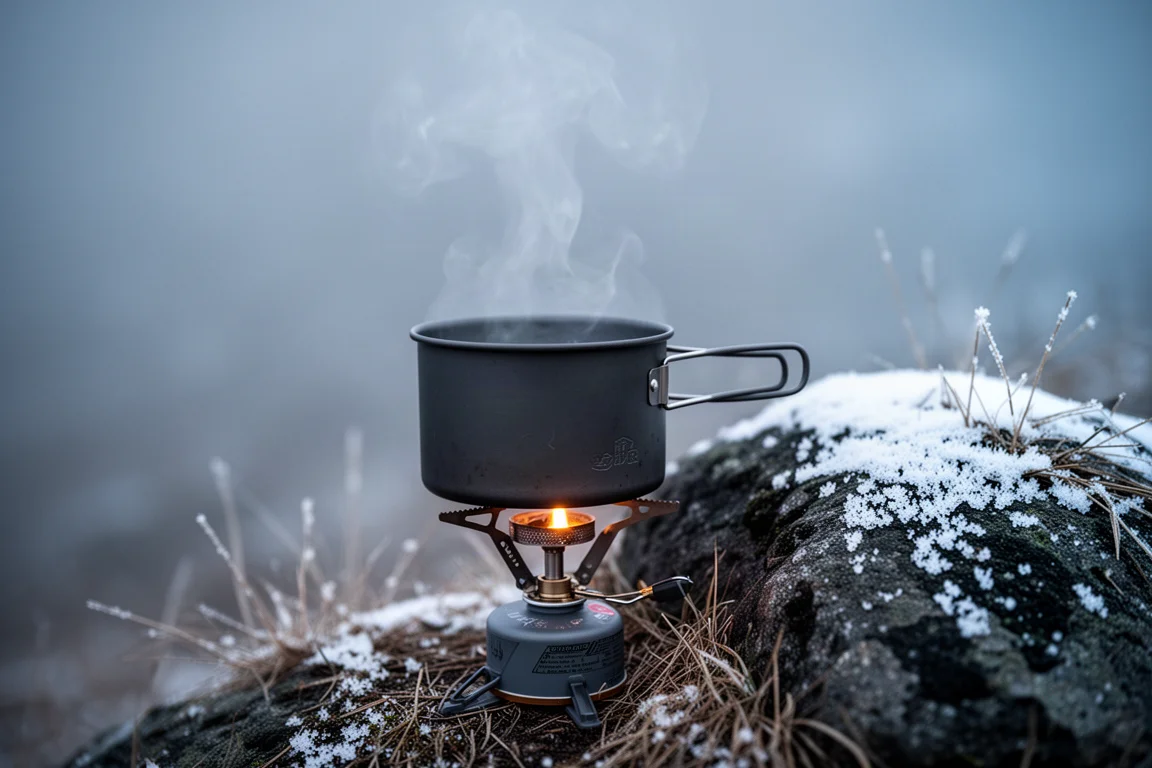
A warm, savory dish lands differently when the weather is poor, and that is precisely where this one earns its place in the food bag.
Tailwind Electrolyte Powder Packets
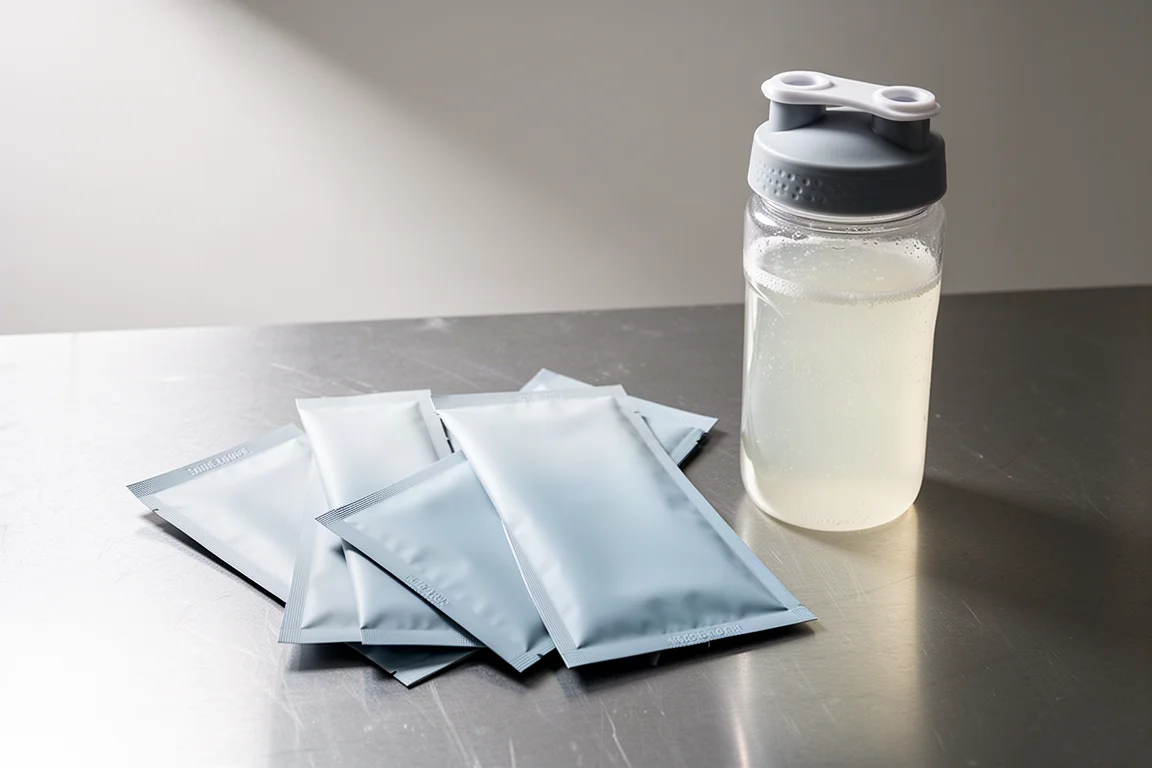
Tailwind packets were the most valuable single item on hot, demanding days. Each packet is torn open and poured straight into a water bottle, with no measuring, scooping, or mixing.
They come in caffeinated and non-caffeinated versions, which allows a simple routine: caffeinated in the morning, plain in the afternoon. Each serving adds 200 calories alongside the electrolytes.
They are not cheap, and that is worth knowing before building an entire trip around them. On the hardest hot days, though, they were close to essential.
Overall Buying Advice
Build a food plan around roles rather than brands. Breakfast needs something that goes down easily and early, snacks need variety and a texture that survives repetition, lunch needs to be quick and calorie-dense, and hydration needs to replace what sweat takes out.
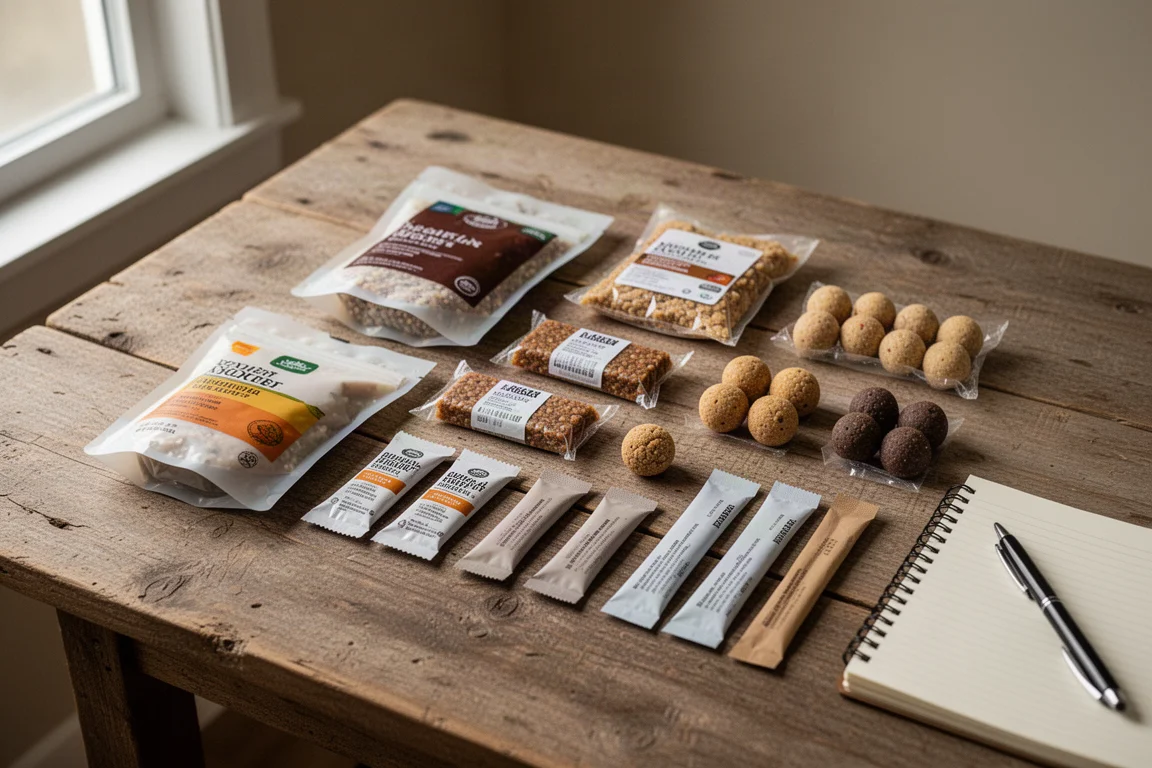
A practical approach is to make everyday staples the base and reserve the more expensive or more enjoyable items for the hardest days and the final stretch of a trip, when motivation and appetite both tend to dip.
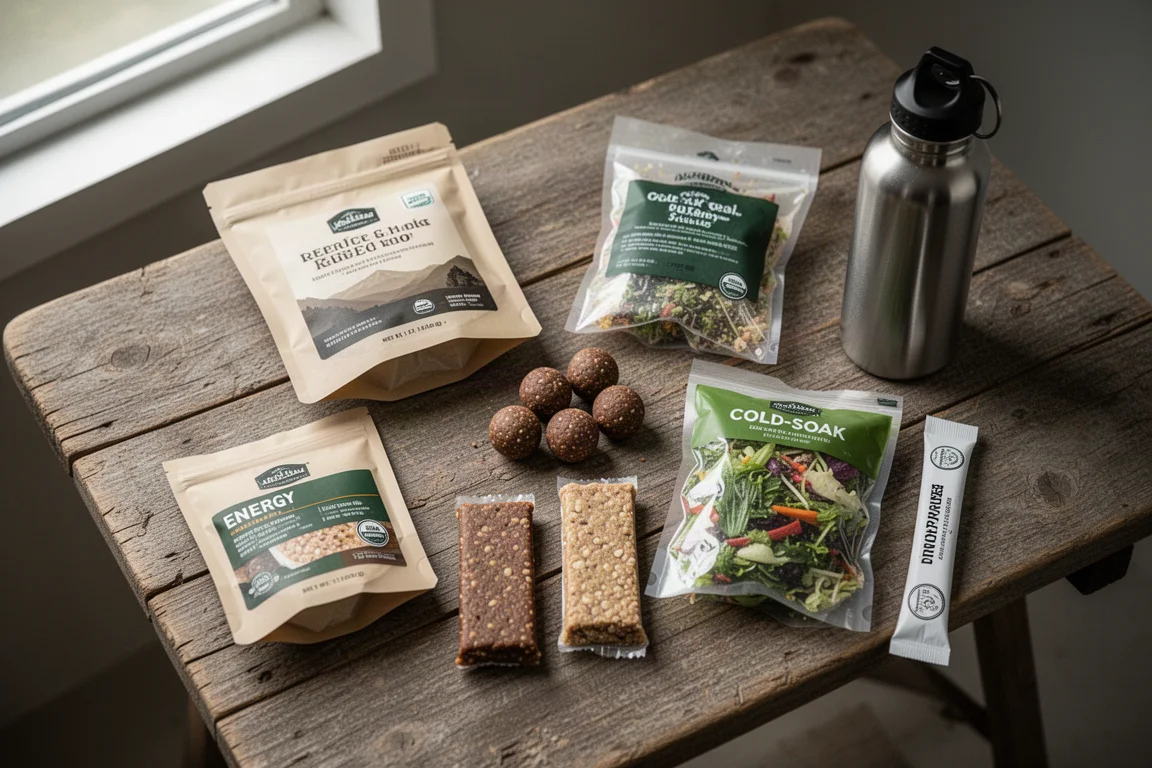
Mixing formats helps too. Cold-soak meals, cookable meals, bars, and calorie balls each suit different conditions, and rotating between them is the simplest defense against food fatigue.
Conclusion
None of these seven products is a magic fix on its own, but together they cover breakfast, snacks, lunch, and hydration with enough variety to survive a month on trail. The calorie counts are substantial, the flavors hold up over repetition, and each one has a clear situation where it makes sense. For anyone planning a long backpacking trip, that combination is what keeps energy steady and appetite intact.
Further reading
Related Reviews
Backpacking Food
Best Backpacking Food for Thru-Hikes: 7 Options That Stay Appetizing
Seven trail-tested foods that hold their appeal over a long thru-hike, from calorie-dense breakfasts and easy snacks to cold-soak lunches and electrolyte drink mixes.
Backpacking Food
Weird Backpacking Food Worth Trying: 11 Trail Snacks and Meals That Earn Their Weight
Eleven unusual backpacking foods, from tinned spicy mussels and fermented crackers to chocolate-covered banana chips, judged on weight, calories, prep time and flavor.
Backpacking Food
Backpacker's Pantry Dehydrated Meals: 13 Backpacking Dinners Compared
Thirteen Backpacker's Pantry dehydrated meals compared on flavor, texture, portion size, and variety, with clear picks for different trip styles.