Audio
Best Audio Deals Between $350 and $650: Speakers and Integrated Amps Worth Buying
Eight discounted hi-fi components between $350 and $650, with what each one does well and where it asks for a compromise.
Introduction
Sale season puts a lot of hi-fi equipment within reach, and the $350 to $650 band is one of the most rewarding places to shop. It is the point where standmount speakers stop being compromises and start using real driver technology, and where integrated amplifiers begin to include HDMI, phono stages and enough current to drive less sensitive speakers properly.
This roundup covers eight components that are currently discounted in that window. Each entry explains what the product is genuinely good at, what the published specifications say, and where it asks for a compromise. Prices in this category move quickly, and a deal that is live today may not be live next week.
What to Look For Between $350 and $650
Two numbers matter more than any marketing claim: sensitivity and impedance. A speaker rated at 86 dB is roughly three decibels less efficient than one rated at 89 dB, which means it needs around twice the amplifier power to reach the same volume. Ratings are also not always conservative, so an 8 ohm nominal figure can behave more like 6 ohms in the bass. A speaker that looks affordable can quietly demand a more expensive amplifier.
The second thing to check is what you are plugging in. A turntable needs a phono stage. A television needs HDMI ARC or an optical input. If you stream, decide whether you want the streaming platform built into the amplifier or handled by a separate device, because platform quality varies considerably between brands.
Finally, look at cabinet size rather than price alone. A standmount with a 5 inch woofer and one with a 7 inch woofer can cost the same during a sale, but they will not behave the same way in a room. Matching the physical size of the speaker to the space is the single most reliable way to avoid disappointment.
KEF Q150: The Entry Point That Still Impresses
The Q150 is the least expensive speaker in this roundup at $350 per pair, and it is arguably the most interesting of the group. Its specified frequency response runs from 51 Hz to 28 kHz, which means it reaches lower in the bass than the larger, more expensive Q350. Sensitivity is quoted at 86 dB with an 8 ohm nominal impedance, and while KEF tends to be generous with those figures, the practical takeaway is the same: this is a speaker that responds well to a solid amplifier.
The driver layout is concentric, with the tweeter mounted at the centre of the mid-bass cone. That arrangement tends to produce a cohesive soundstage with stable imaging, and it is one of the reasons the Q150 has such a strong reputation within the Q series. Tonally it leans slightly warm, and it has more personality than the more neutral Q350. If you want an engaging, forgiving speaker for a small room or a desktop system, that character is a strength rather than a flaw.
At $350 a pair it is a fair price in the current market. Earlier sale cycles pushed these down to around $300, so anyone holding out for that figure may be waiting a while.
Monitor Audio Bronze 50: Compact With Surprising Low End
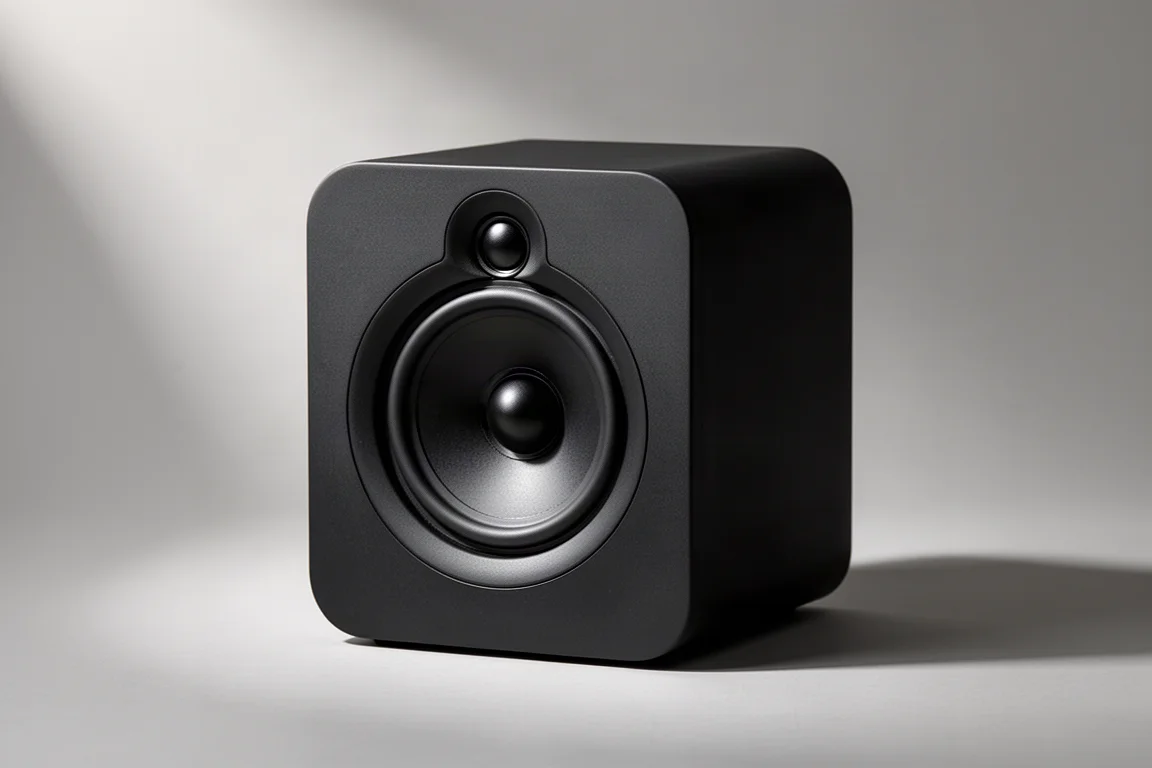
The Bronze 50 is discounted to $450, a $150 saving. Inside the compact cabinet there is a 5.5 inch mid-bass driver and the same 1 inch tweeter used across the Bronze range, with a specified low-frequency limit of 40 Hz. That is genuinely deep for a cabinet this size, and it means the Bronze 50 can carry a lot of music without needing a subwoofer.
For anyone who wants the Monitor Audio presentation without moving up to the larger, more expensive Bronze models, this is the most affordable route in. The speaker is also small enough to work on a desk or a bookshelf, which makes it a practical first step into a proper two-channel system.
As with any compact standmount, the results depend on the setup. Solid stands or a rigid shelf, plus a little distance from the wall behind, will get far more out of the Bronze 50 than a cramped placement.
KEF Q350: More Neutral, More Audiophile
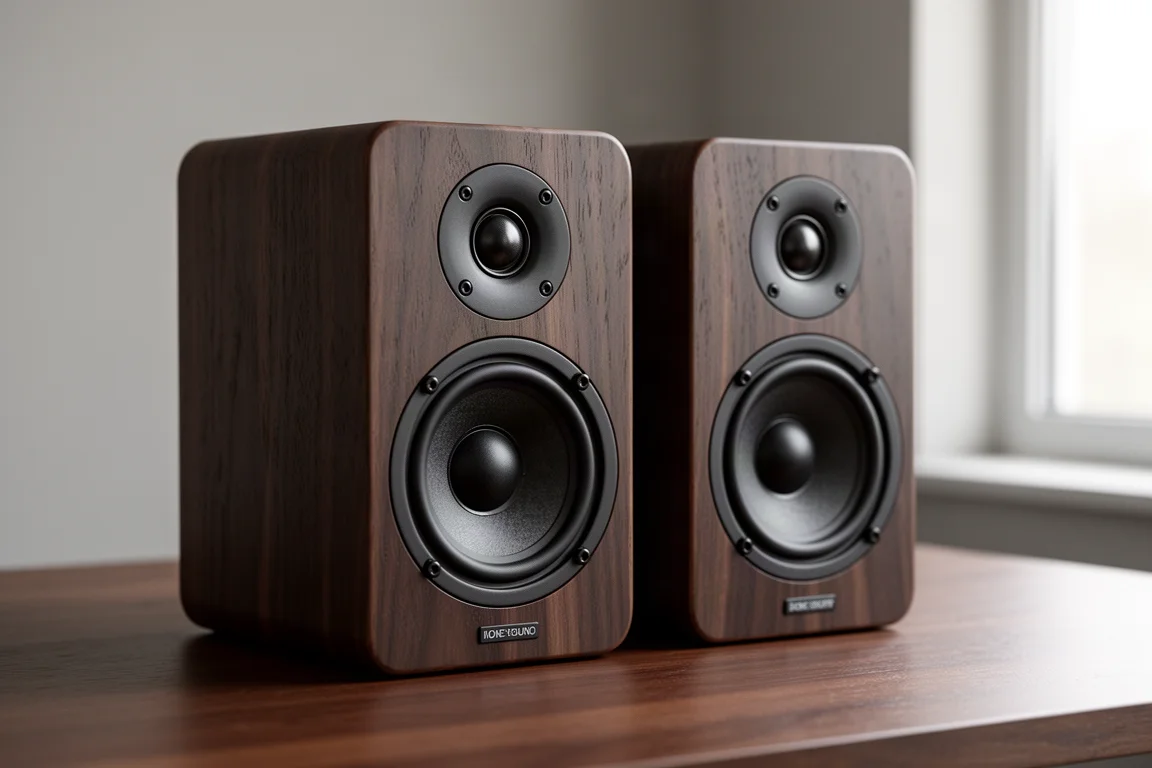
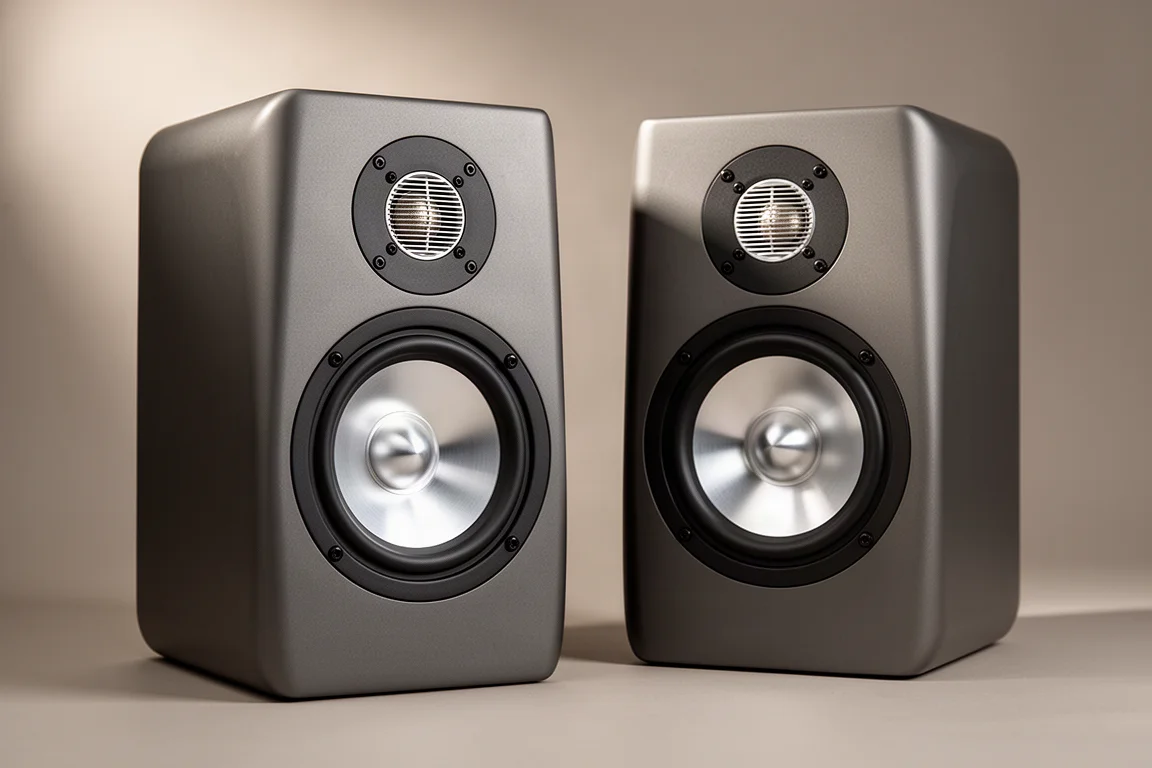
At $500, the Q350 is the step-up model in the Q series, and it has held the same sale price for several years, which says something about how stable its market position is. It uses a 6.5 inch aluminum woofer with a 1 inch vented aluminum dome tweeter, quoted at 87 dB sensitivity and an 8 ohm nominal impedance, so it is slightly easier to drive than the Q150.
The surprise sits in the bass. The Q350’s specified low-frequency limit is 63 Hz, noticeably higher than the Q150’s 51 Hz, even though it costs more. What you get instead is a more neutral, more audiophile-leaning balance with less added warmth.
Buyers who prioritise accuracy over character will prefer the Q350. Buyers who want the warmer presentation will prefer the cheaper Q150. One practical detail is worth factoring into the total cost: grilles are not included and have to be purchased separately.
Polk Audio Reserve R200: Punch and Trickle-Down Technology
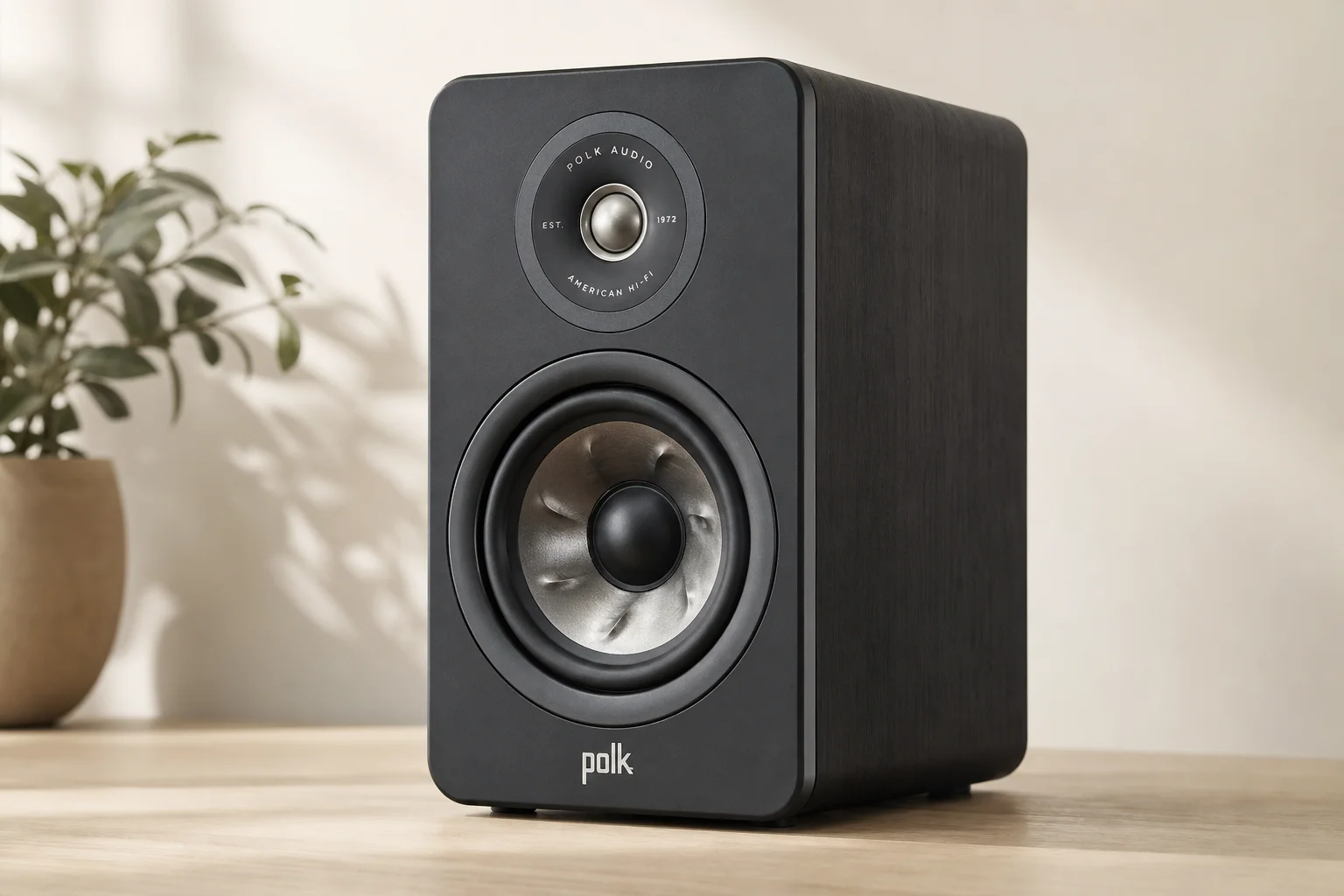
The Reserve R200 is down to $525 from a $749 list price. It pairs a 6.5 inch woofer with a 1 inch ring radiator tweeter, and the woofer uses technology carried down from Polk’s Legend series, which was the brand’s flagship line when it launched. The specified low-frequency limit is 51 Hz, and the design is known for weight and punch in the 80 to 100 Hz region, exactly where many smaller standmounts start to sound thin.
A turbine-shaped port on the rear handles bass tuning, which means the speaker wants a little breathing room behind it. A shelf pushed flat against a wall is not the ideal home for it.
Compared with earlier Polk designs, the R200 is the more neutral of the two generations, which makes it easier to live with over long listening sessions. If maximum mid-range focus is the priority instead, the smaller Reserve R100 is the more neutral option in the range.
Wharfedale Evo 4.1: Warmth and Real Wood Veneer
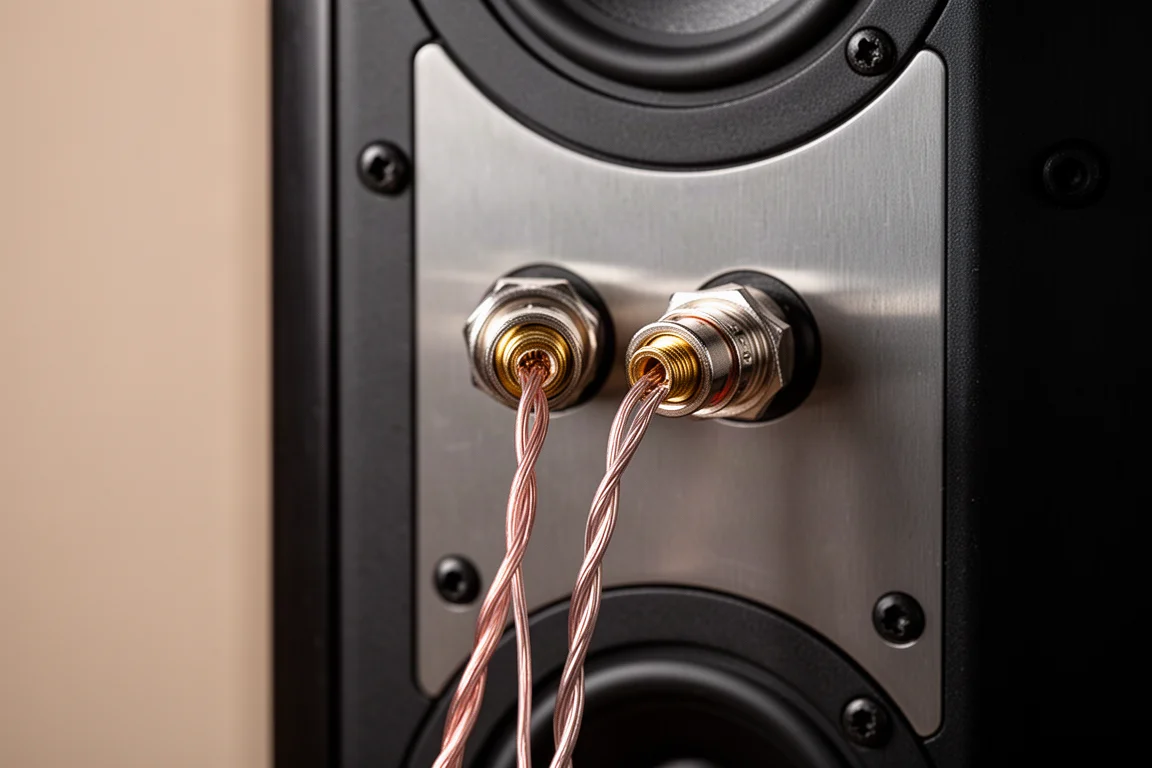
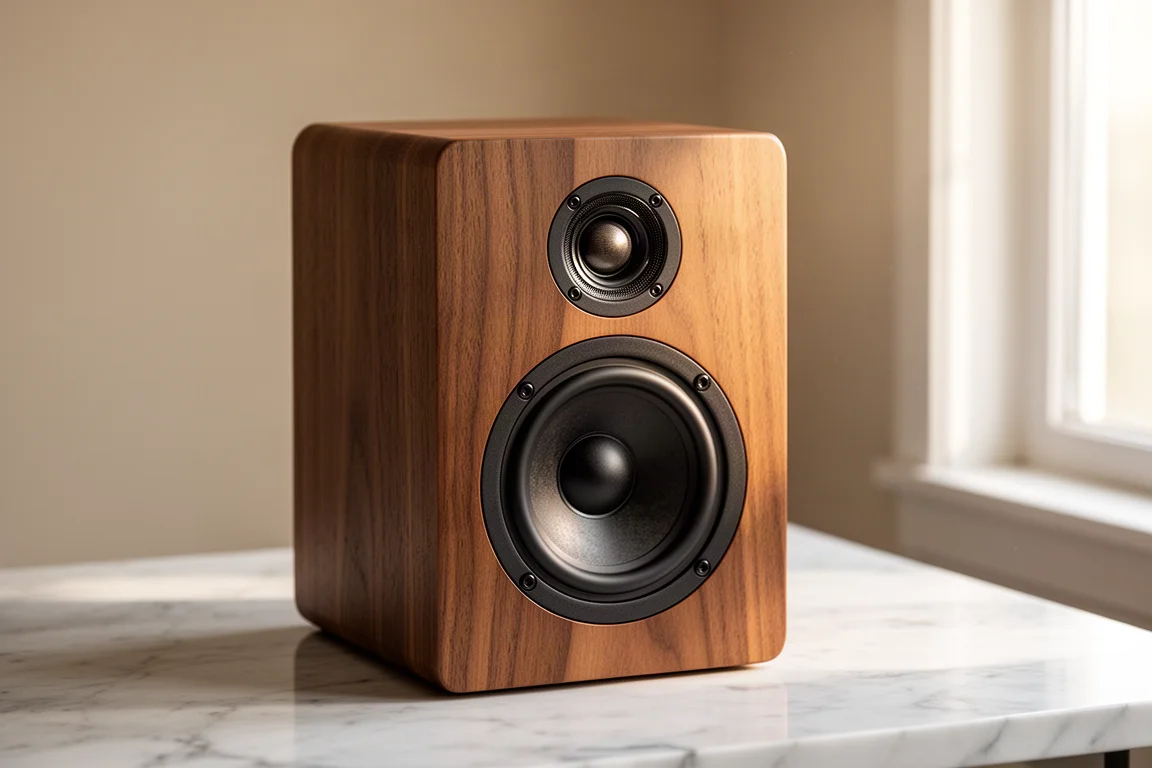
Wharfedale rarely discounts its speakers, so the Evo 4.1 at $649 is a genuine opportunity for the brand. The list price sits at around $800, and these are normally sold at full price. The cabinet is finished in real wood veneer, and the rear panel uses a binding post arrangement that feels more substantial than the price suggests.
Inside, a 5 inch woven Kevlar woofer handles the lower frequencies, with a specified limit of 58 Hz, 87 dB sensitivity and an 8 ohm nominal impedance.
Tonally the Evo 4.1 sits close to the warm side of neutral. That is slightly unexpected, since the design looks as though it would push the top end forward, but the treble stays composed rather than bright. Listeners who find modern speakers fatiguing will likely get along with it very well.
Dali Oberon 3: A Bigger Cabinet With Deeper Bass
The Oberon 3 is reduced to $640, a $160 saving, and it is the largest standmount in this roundup. A 7 inch woofer, built in-house, sits below the same tweeter family used across the Oberon range, with a specified low-frequency limit of 47 Hz. More cabinet volume and a bigger driver generally translate into more weight and scale, which is exactly what the Oberon 3 offers over the smaller models in the line.
Dali’s house sound is neutral and tonally accurate, and the brand’s higher series, including the Opticon range, has a strong reputation for that balance. The Oberon models are less widely auditioned than those, but the family character is consistent across the range.
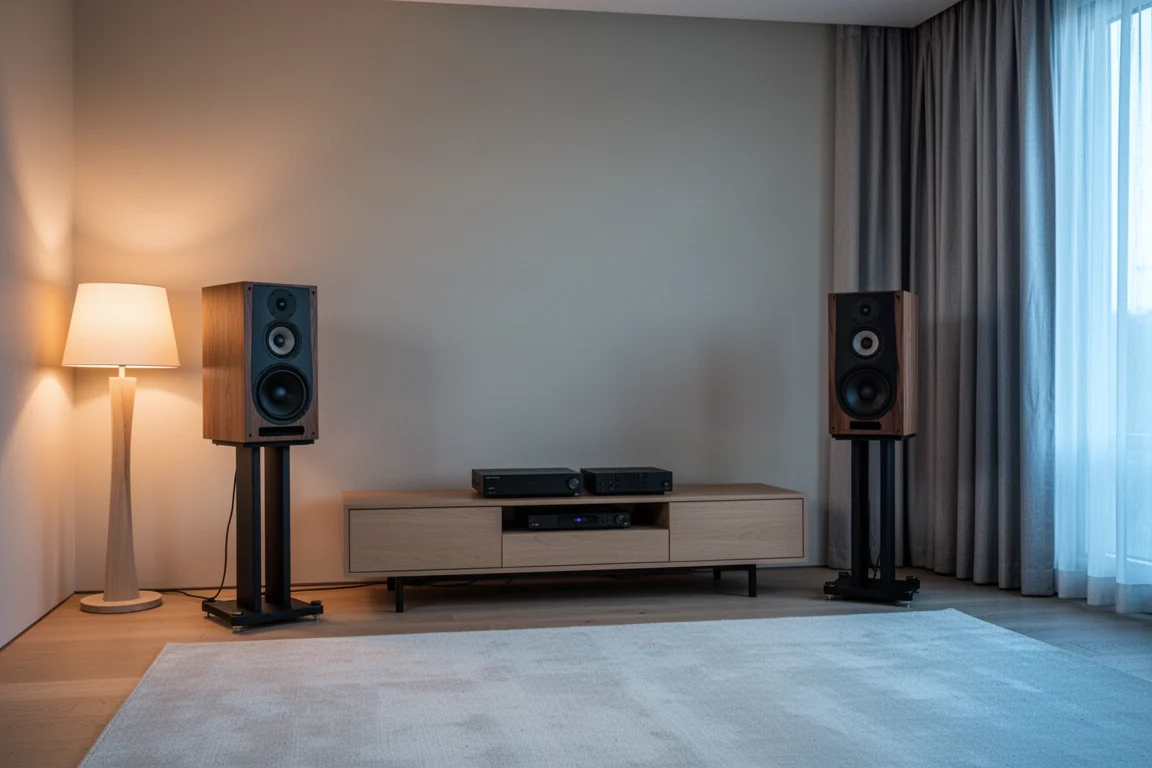
Placement matters more with a driver this size. Give the cabinet a sturdy stand and a little space from the wall, and the extra low end will integrate more cleanly with the room.
NAD C 328: Straightforward Analogue Power
The C 328 is discounted by $100 to $400. It is a deliberately simple integrated amplifier: a quoted output of around 40 watts per channel into 8 ohms, which is likely conservative, plus a built-in phono stage for a turntable. That combination makes it a natural partner for several of the standmounts above, particularly for listeners who mostly play vinyl or a single digital source.
The power figure is the main thing to weigh. Speakers rated at 86 to 87 dB will work, but they will not have enormous headroom, so a larger room or a taste for loud listening may call for more current. There are no preamp outputs either, so upgrading later by adding a separate power amplifier is not a straightforward path.
For a compact, analogue-first system, though, the feature set is exactly what it needs to be. No menus, no apps, no setup beyond connecting the speakers.
SVS Prime Wireless Pro SoundBase: Amplifier First, Streamer Second
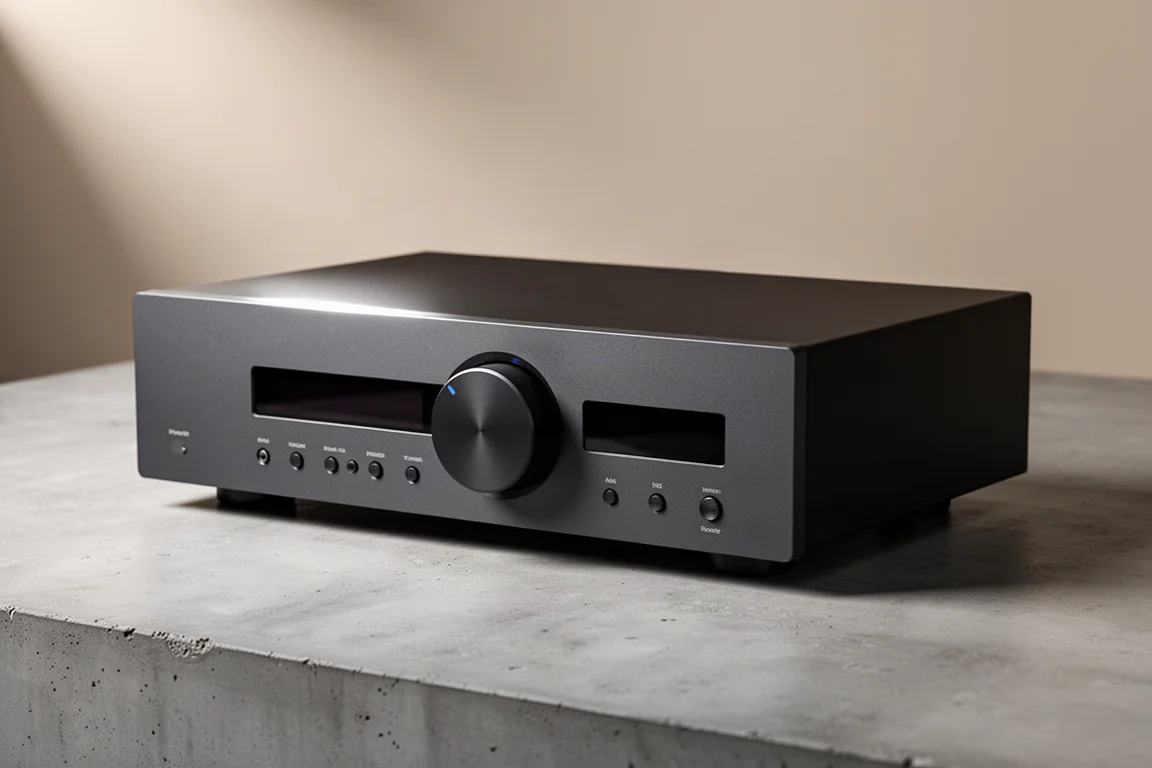
The Prime Wireless Pro SoundBase is down $200 to $500, and it is the most flexible amplifier in this group. It includes HDMI ARC, an optical input and a line output that lets it serve as a preamp for a separate power amplifier. A remote control is included. Its standout qualities are the amount of power it delivers and how good it sounds as an amplifier.
The streaming side is where expectations need managing. The platform integration is not as polished as the leading alternatives, and details about the internal DAC are thin. The sensible approach is to buy it as a powerful integrated amplifier with HDMI and treat the streaming features as a bonus rather than the main reason to choose it.
That framing also explains the value. An amplifier with this much output, HDMI ARC and a remote at $500 is a strong proposition on the amplifier side alone, and anything the streaming layer adds on top is a free extra.
Buying Advice: Matching the Deal to Your System
Start with the speaker, then choose the amplifier around it. In this price band, a speaker rated at 86 dB paired with an amplifier rated at 40 watts will work well in a small room, but a larger space or a preference for higher volumes will benefit from more power in reserve. If your speakers are rated at 87 dB or above, the NAD C 328 becomes a much more comfortable match.
Think about the source as well. A turntable points towards the NAD, thanks to its phono stage. A television points towards the SVS, which handles HDMI ARC and optical connections. A simple two-channel setup with a single digital source leaves both options open, and the decision then comes down to how much power you want available.
Before buying, check the return window and whether the retailer offers a price-match guarantee that refunds the difference if the item drops further within a set period. A 60-day return window and a 30-day price-match policy remove most of the risk from buying during a fast-moving sale, and they are worth more than a few dollars of extra discount.
Conclusion
The strongest deals here are the ones that solve a specific problem. The KEF Q150 at $350 is the best value in the group if you want a compact speaker with real character. The Polk Reserve R200 and Dali Oberon 3 reward listeners who want more bass weight and scale. The Wharfedale Evo 4.1 is the pick for anyone who prefers warmth and a real wood veneer finish, and the Monitor Audio Bronze 50 is the most affordable way into a full-range standmount.
On the amplifier side, the SVS Prime Wireless Pro SoundBase offers the most flexibility with HDMI and plenty of power, while the NAD C 328 keeps things simple, analogue and turntable-friendly.
Sale prices in this band do not last, and several of these models have held their discounted prices steady for years, which suggests the current figures are close to the realistic floor.
Further reading
Related Reviews

Audio
Apos x Geshelli Merlin DAC Review: A Natural Match for the Gremlin Amp
The Apos x Geshelli Merlin DAC pairs balanced and single-ended outputs with a smooth, natural sound that complements the Gremlin tube amp.
Audio
Audio Gear That Beats Pricier Rivals: Nine Value Picks for 2026
Nine turntables, streamers, speakers, and amplifiers that deliver far more than their price suggests, plus the trade-offs worth checking before you buy.
Audio
Best Amplifiers Under $200: Four Compact Stereo Amps Worth Considering
Four compact amplifiers under $200, from a class AB design with a headphone section to a DAC-equipped integrated amp and a low-cost pick from a US-based brand.