Running Shoes
The Asics 2026 Running Lineup Explained: Which Shoe Fits Your Rotation?
A practical guide through the Asics 2026 range, from daily trainers like the Novablast 6 to race-day weapons like the Metaspeed Edge Tokyo.
Introduction
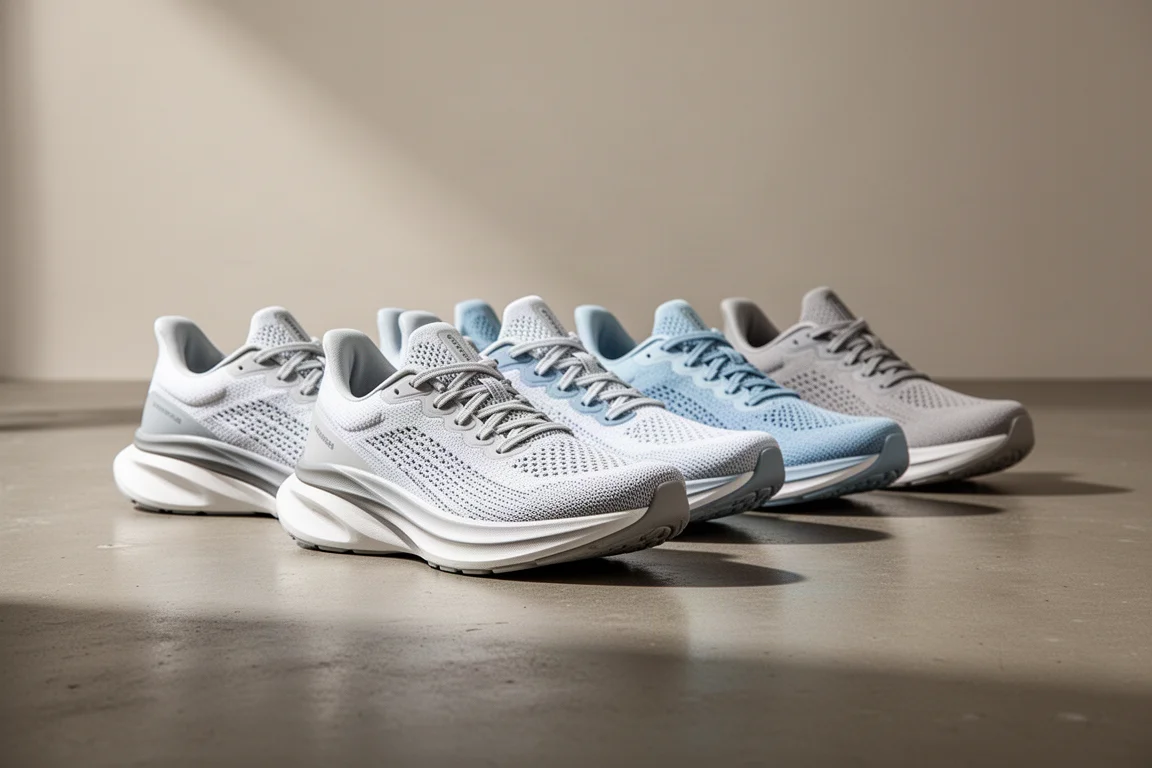
The Asics 2026 running lineup is one of the strongest ranges on the market right now. The quality across the board is genuinely impressive, but prices sit firmly on the expensive side, so it pays to buy the right shoe for the job. This guide walks through the whole range, what each shoe is for, its strengths and its drawbacks, so you can pick the best Asics shoe for you or build out a balanced shoe rotation. Every shoe covered here was purchased at full retail price for a completely independent perspective.
Asics Novablast 6: The Do-It-All Daily Trainer
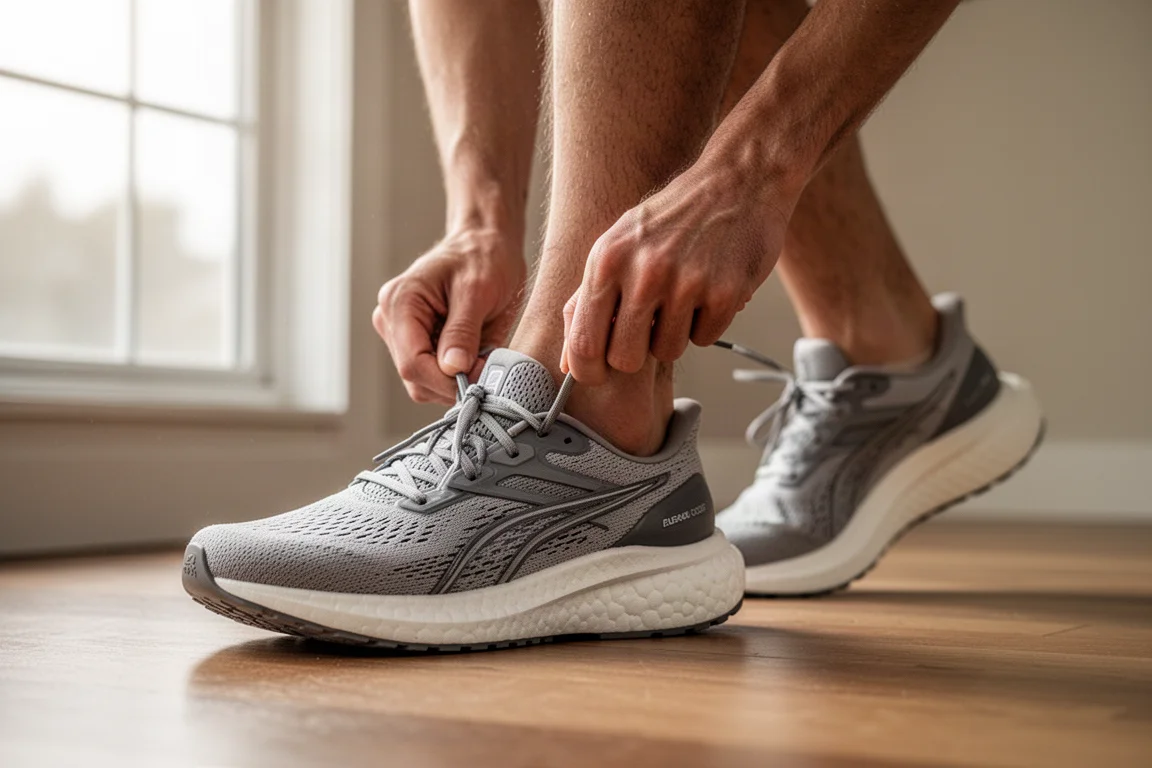
The Novablast 6 is the newest update to the range and a classic daily trainer, happy on all sorts of runs. It costs £140, has a 41.5 mm heel stack, an 8 mm drop, and weighs 298 g. The midsole is mostly FF Blast Max with a small pod of the higher-end FF Turbo Squared foam at the front, adding a poppier, more responsive feel for mid and forefoot strikers. There is no plate.
The shoe is extremely versatile, slightly bouncier than version 5, and handles everything from easy jogs to speed sessions and the occasional race. It is also very comfortable, with generous heel padding and a breathable upper, and it rides smoothly for heel, midfoot and forefoot strikers alike.
Drawbacks include oddly short laces, some quality control niggles like glue marks on the test pair, and a durability question mark on previous models, though the Turbo Squared pod should help. Overall, it is a very safe bet and a great foundation for a one-shoe rotation.
Asics Magic Speed 5: The Speed Trainer
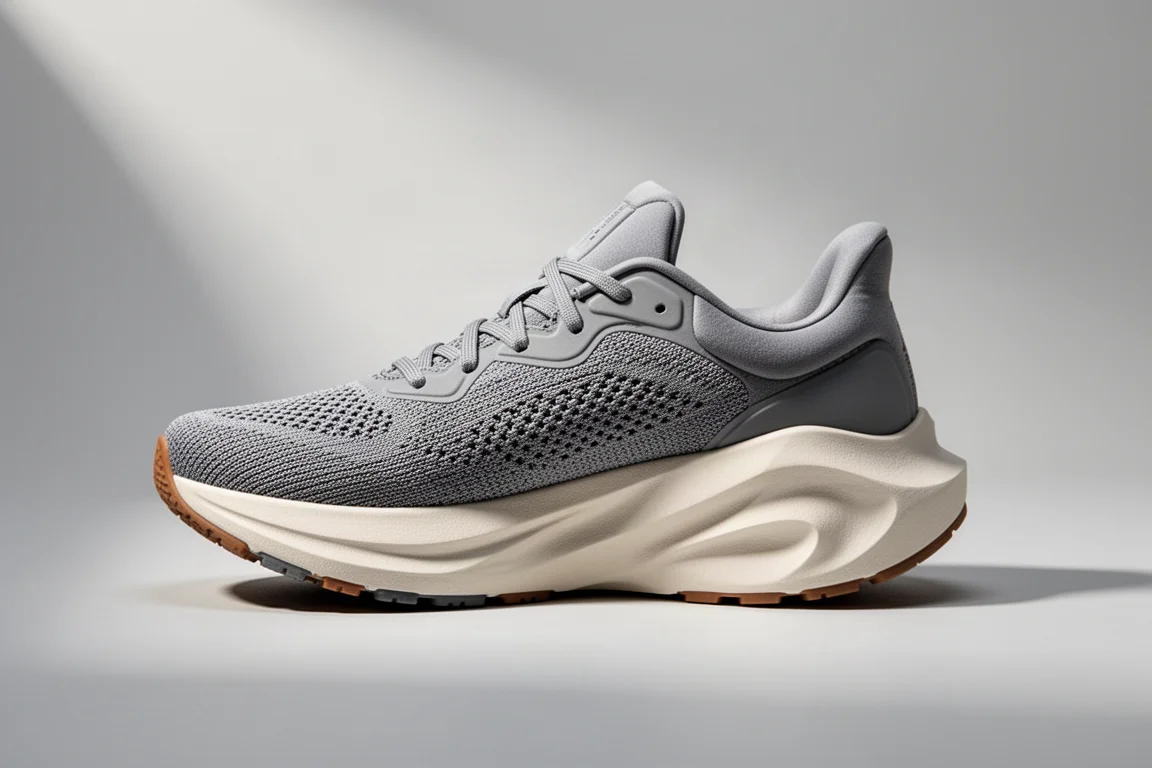
The Magic Speed 5 is the range’s speed shoe for tempos, thresholds and the occasional race. It costs £170, has a 38 mm heel stack, a 7 mm drop, and weighs just 243 g. The midsole combines premium FF Blast foam with FF Blast Plus, plus a carbon plate.
It offers a great combination of speed and stability, staying composed in tight corners while adding durability. It is lightweight and nimble with good grip, making it a strong fast parkrun shoe, and the carbon plate is flexible and forgiving, ideal as a first carbon shoe for beginner and intermediate runners.
It is on the firmer side, so it is not for fans of soft, high-stack shoes, and it is really for faster running only. Pair it with a Novablast, Superblast or GEL-Nimbus for the bulk of your miles.
Asics Sonic Blast: Max-Stack Speed With Stability
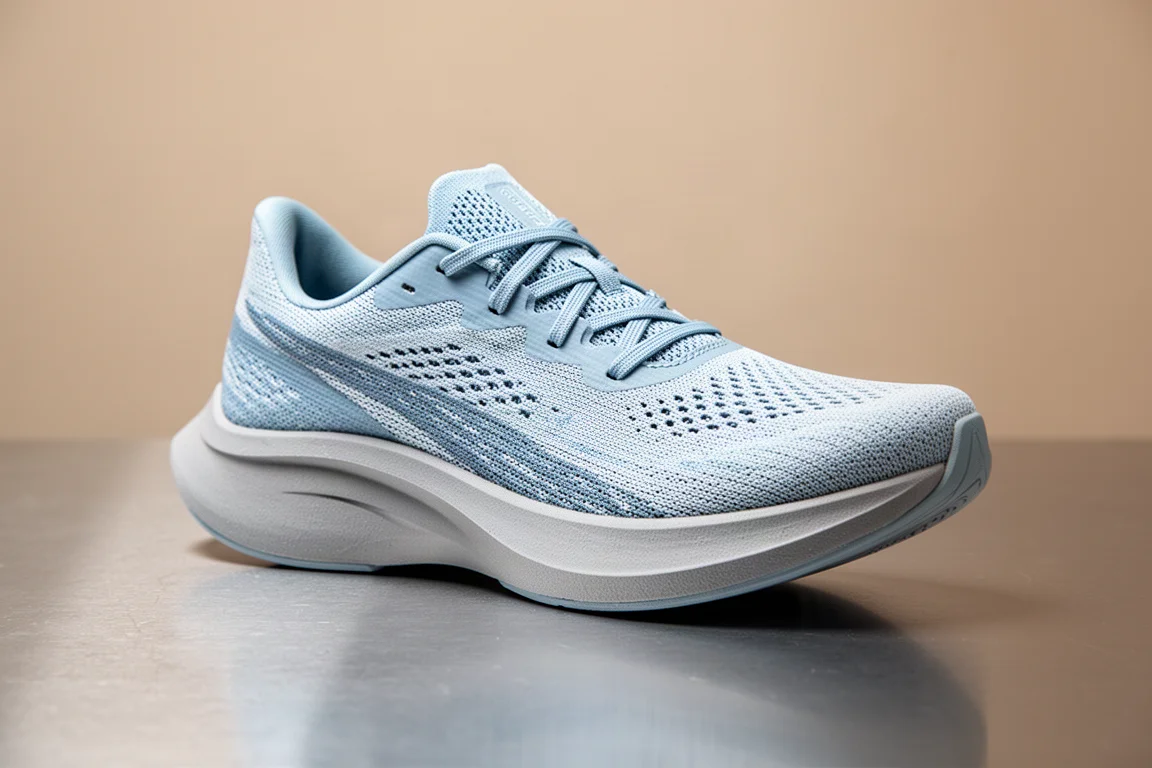
The Sonic Blast targets the same tempo and threshold runs as the Magic Speed 5 but for runners who want more foam underfoot. It costs £170, has a 46 mm heel stack, an 8 mm drop, and weighs 301 g. The dual-layer midsole mixes FF Turbo Squared and FF Blast Max around an Astro Plate, a Pebax plate rather than carbon.
It is comfortable with good breathability and lockdown, remarkably stable at speed and around sharp corners for a max-stack shoe, and the high stack plus firmer foam makes it a good option for heavier runners.
On the downside, it feels rigid and firm, slower running feels awkward and clunky, and it sits awkwardly between the Novablast and Magic Speed. Of the entire Asics range, it is probably the one to skip.
Asics GEL-Kayano 33: The Premium Stability Shoe
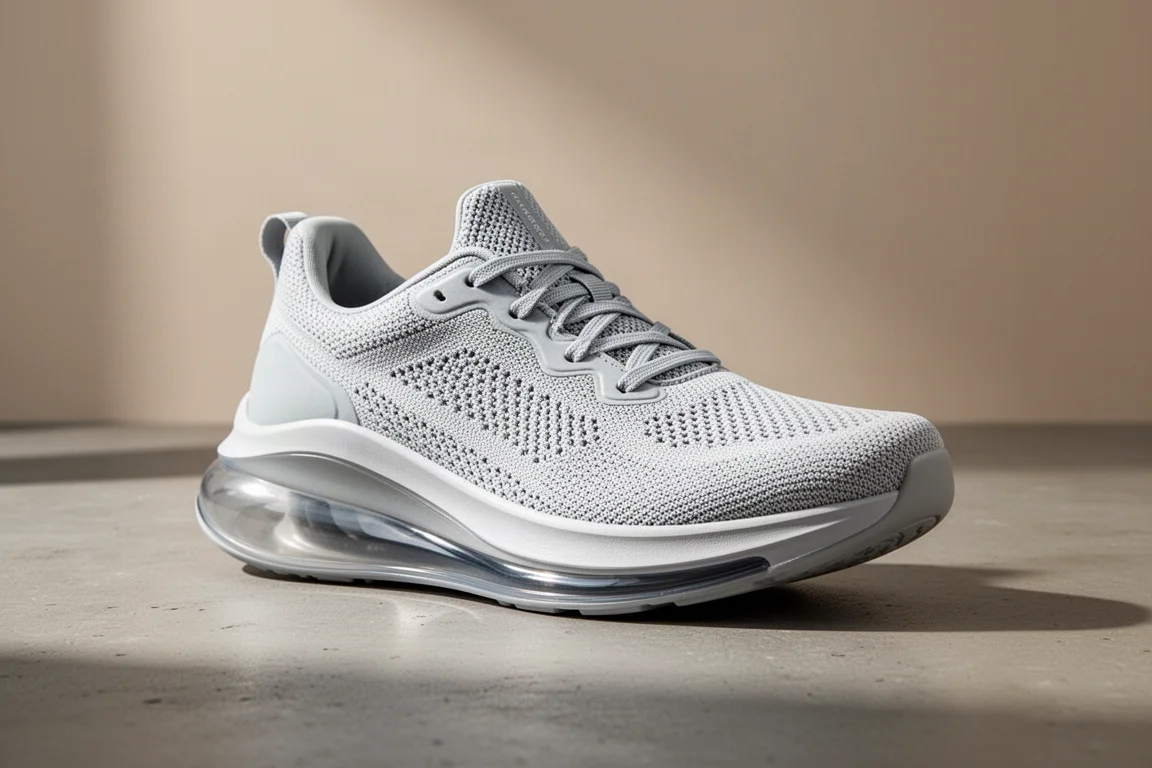
The GEL-Kayano 33 is the premium stability option at £180, with a 39 mm heel stack and an 8 mm drop. The midsole uses FF Blast Max and FF Blast Plus with Fluid Support tech for stability and a pure GEL insert under the heel for extra cushioning for heel strikers.
It feels noticeably softer than previous versions, which previously ran firm, and that mix looks well judged for longer runs. Comfort is premium, build quality is excellent and durability should be fantastic, and the stability never feels intrusive, keeping the ride natural.
It does not offer the best energy return in the range, it is fairly heavy and bulky, and it is priced on the premium side. The cheaper GT-2000 offers a more traditional but firmer ride. Still, this remains one of the best stability shoes on the market, especially for overpronators and newer runners wanting support.
Asics GEL-Nimbus 28: Maximum Comfort for Easy Miles
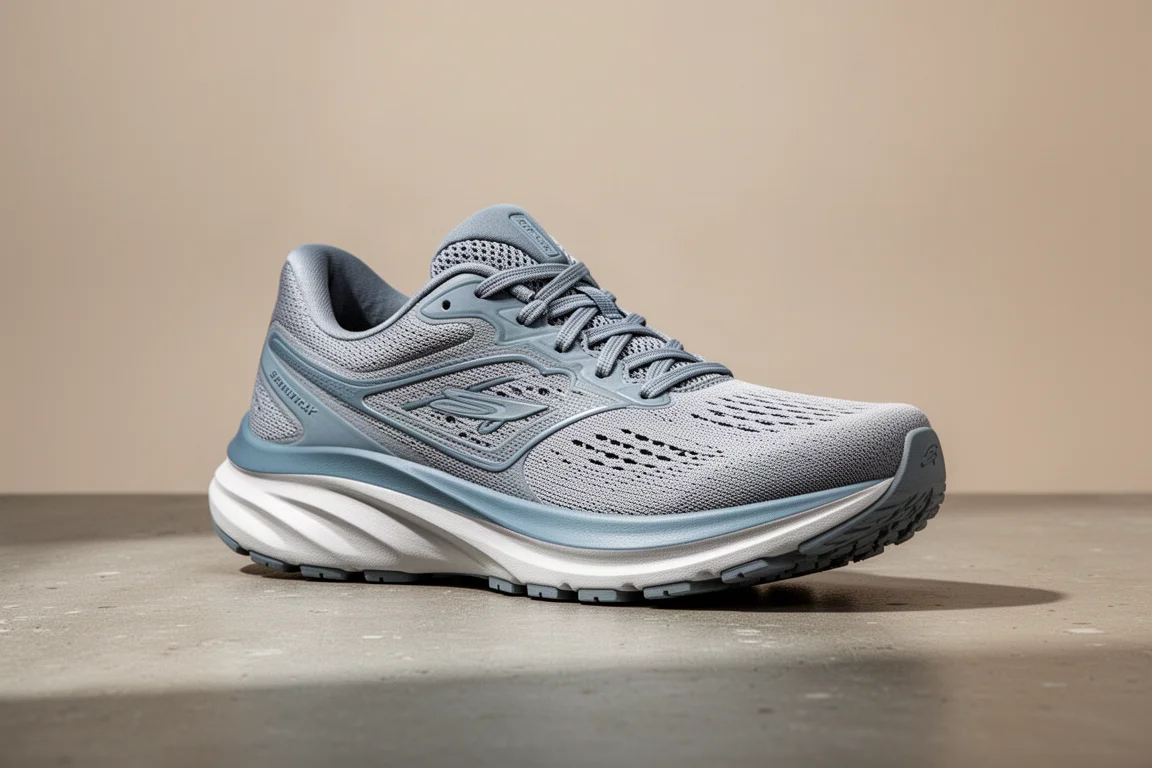
The GEL-Nimbus 28 is all about easy and jogging miles in maximum comfort. It costs £180, has a 43.5 mm heel stack, an 8 mm drop, and weighs a hefty 335 g. The midsole is a big chunk of FF Blast Plus with no plate.
It is one of the most comfortable shoes on the market right now, with a stretchy knit tongue, lots of heel padding, and comfort that lasts for long periods. It doubles as a great walking and casual shoe, build quality and durability are strong, and it suits heavier runners thanks to its support and firmness.
It is expensive for fairly outdated foam, and it is made for easy running only, not anything fast. Still, as an ultra-comfortable daily and casual option, it is hard to fault.
Asics Superblast 3: The Long-Run Specialist
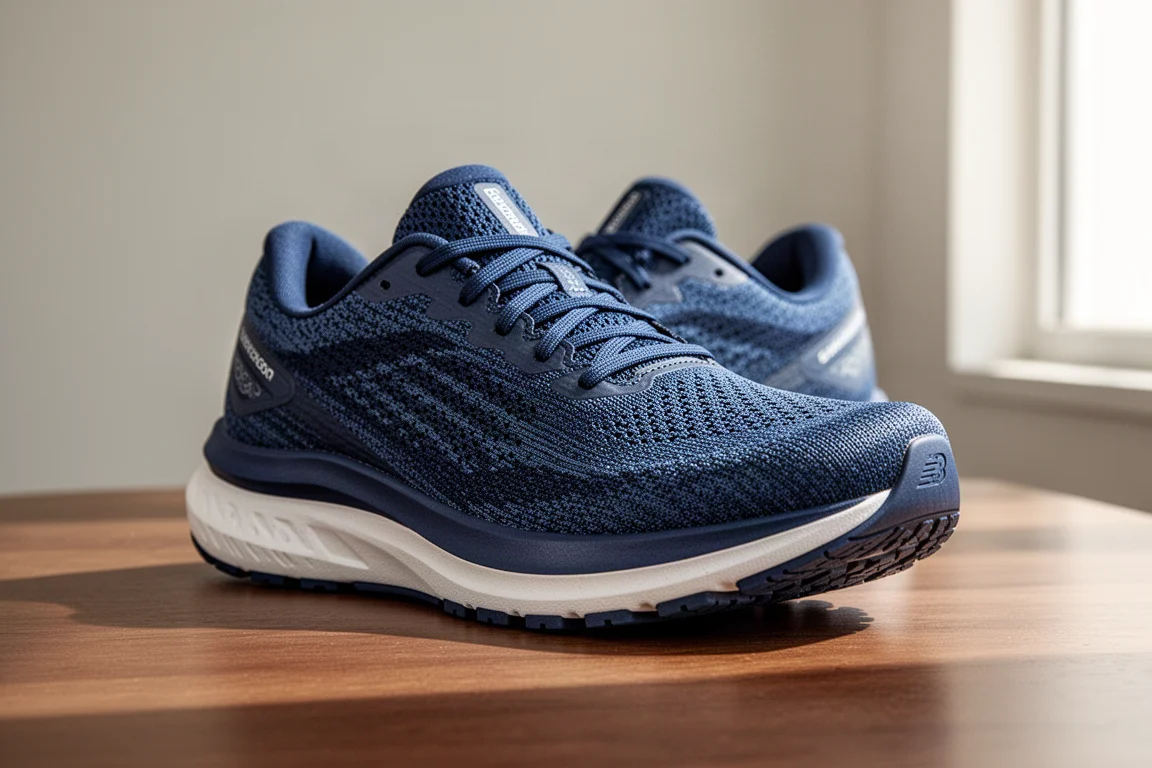
The Superblast 3 is the max-stack daily and long-run shoe, built to look after your legs over 90 minutes to four hours of running. It costs £200, has a 46.5 mm heel stack, an 8 mm drop, and weighs 276 g. The midsole is soft, responsive FF Blast racing foam with a thin layer of FF Blast Plus, and there is no plate.
The super soft upper is comfortable with fantastic lockdown, and generous toe box width and height accommodate many foot shapes. It is remarkably lightweight for its size, lighter than its long-run rivals, and it is amazing on long runs, leaving your legs feeling noticeably better after 20K to 30K efforts.
Durability is the big drawback: the outsole wears quickly, with test pairs lasting around 400 miles versus roughly 600 for the Superblast 2. The soft foam brings some instability in fast corners, and £200 is expensive. Still, for big marathon training long runs, it remains hard to beat.
Asics Meta Blast: The Fast, Durable Sleeper
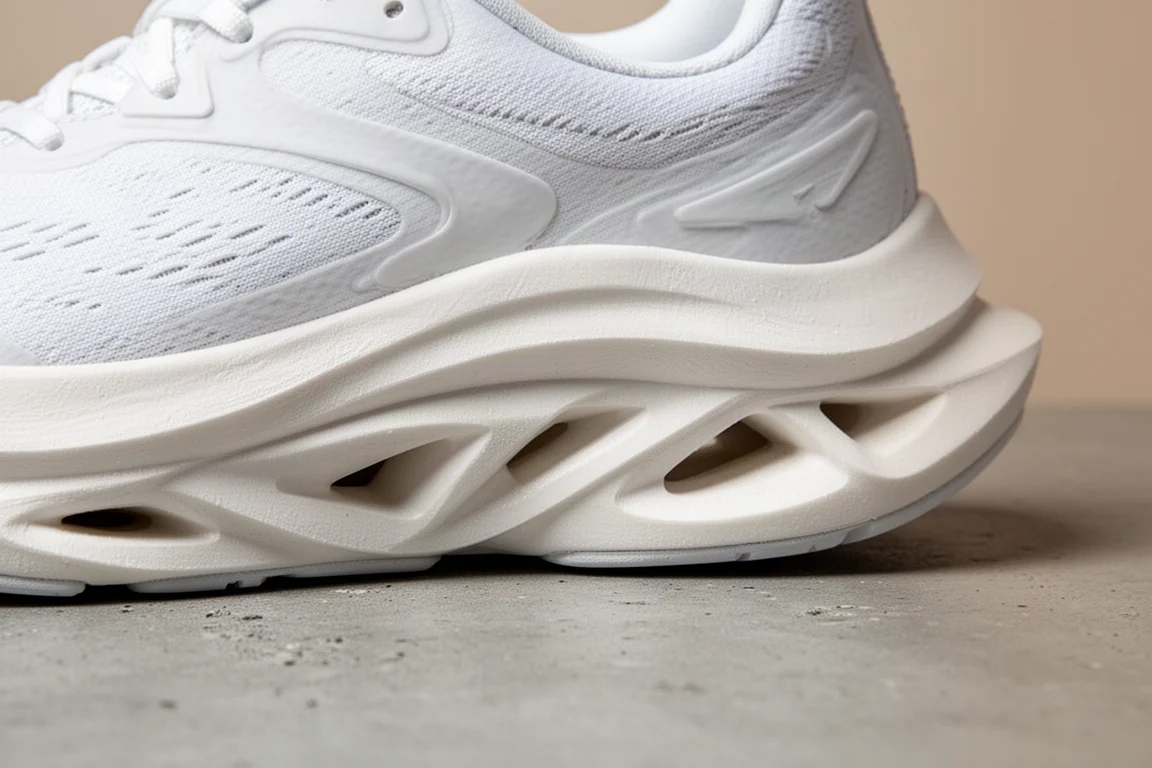
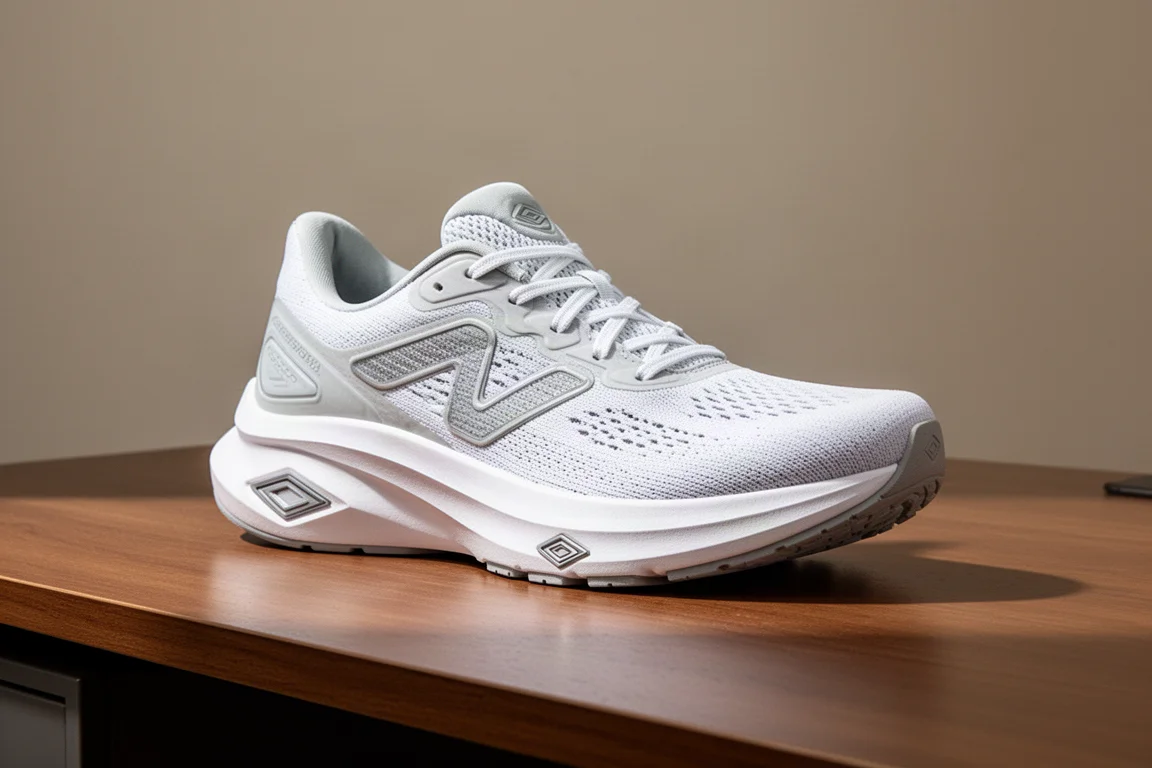
The Meta Blast works as both a long-run shoe and a very good race shoe for runners who do not want a plate. It costs £210, has a 45 mm heel stack, an 8 mm drop, and weighs 275 g. The midsole is FF Turbo Squared foam with no plate.
Durability is excellent, a complete reversal of the Superblast 3, with many runners managing around a thousand kilometres before retirement. Despite its bulky look it is very lightweight, with a thin race-like upper but plenty of heel padding, and the geometry promotes a fast, snappy ride where your feet simply disappear beneath you. It is arguably the fastest non-plated shoe available and makes a great marathon racer for three to five-hour marathoners.
The toe box height is shallow with a racing fit, which can irritate the top of the toes, and £210 is expensive, though the durability largely justifies it. Note it exceeds the legal stack height for competition, which may matter to some racers.
Asics Metaspeed Edge Tokyo and Metaspeed Sky Tokyo: Race Day Weapons
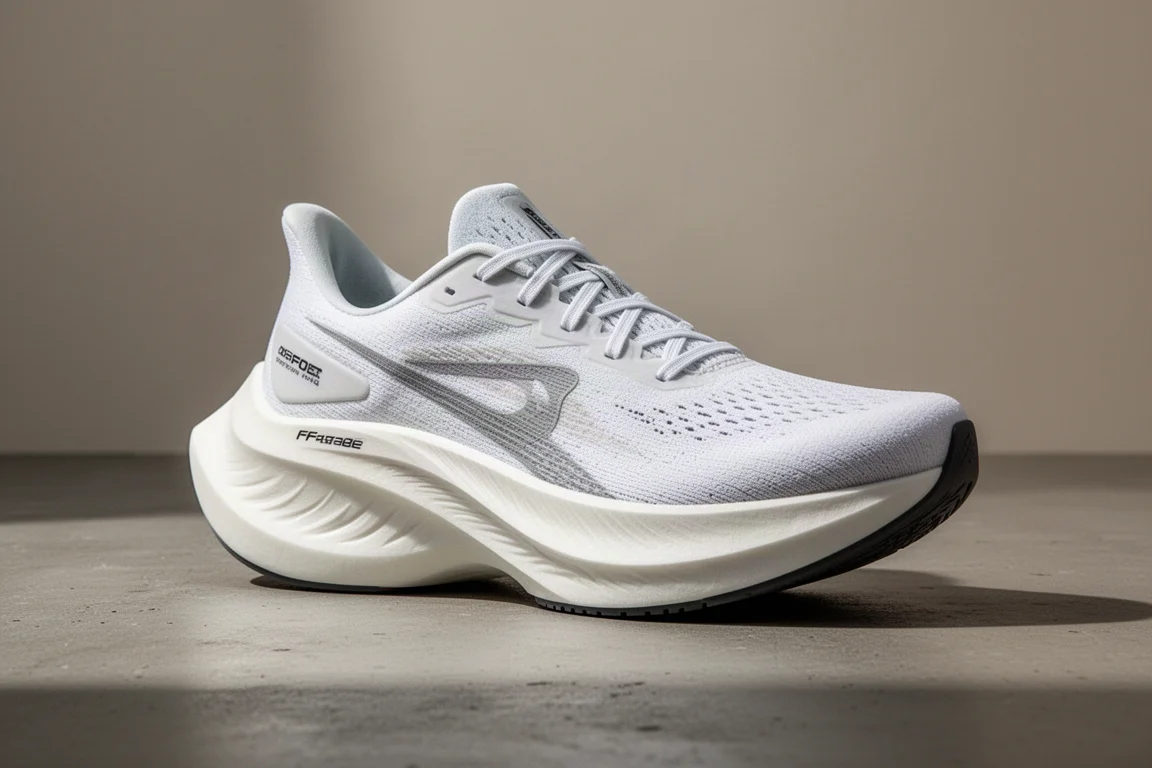
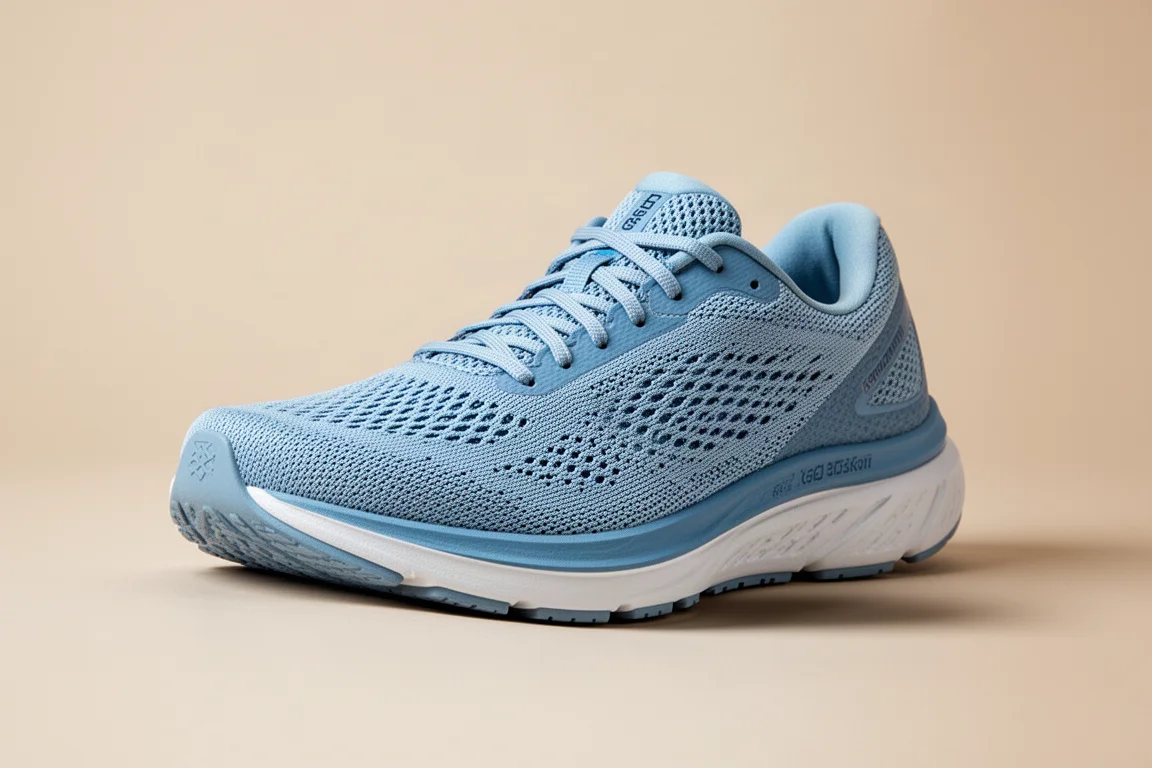
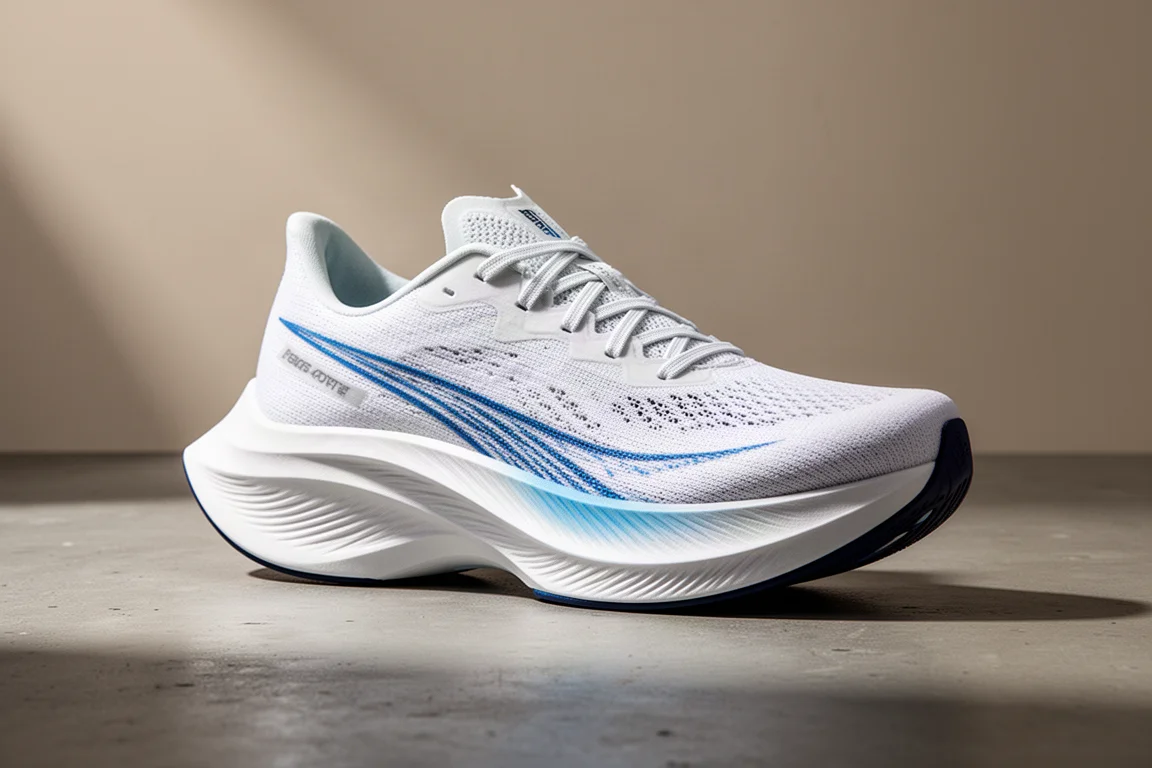
The Tokyo editions are the current Metaspeed race shoes, suited to everything from 5K up to the marathon. Each costs £240, with a 39 mm heel stack, a 5 mm drop, and an incredibly light 191 g. Both combine FF Blast and FF Turbo Squared foams with a carbon plate, with the positioning of those components differentiating the Sky from the Edge.
These are extremely fast and among the lightest race shoes available, with excellent traction through water stations and tight turns. The Sky works better at 5K and 10K, while the Edge is the better half marathon and marathon option, and the Edge seems to be the more popular pick overall.
There is little versatility here, as these are race day and key-session shoes only, and the two-version split creates real confusion when spending this much money.
Asics Metaspeed Ray: The Elite Niche Option
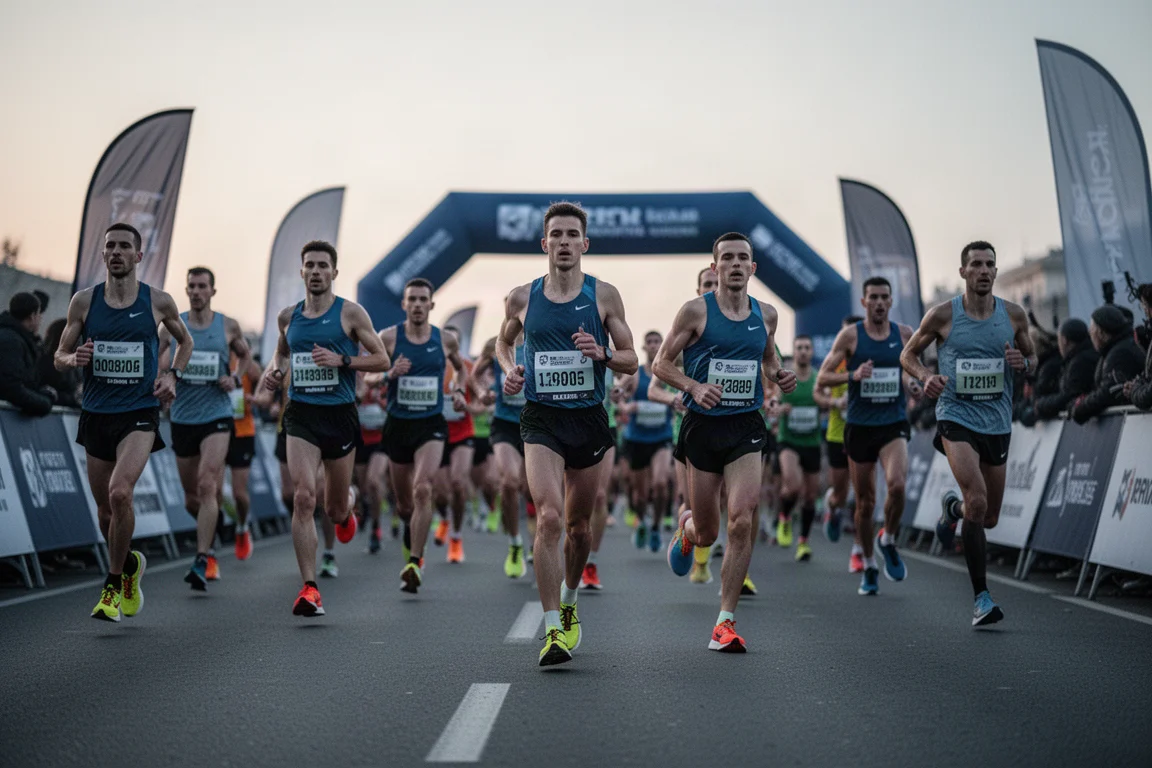
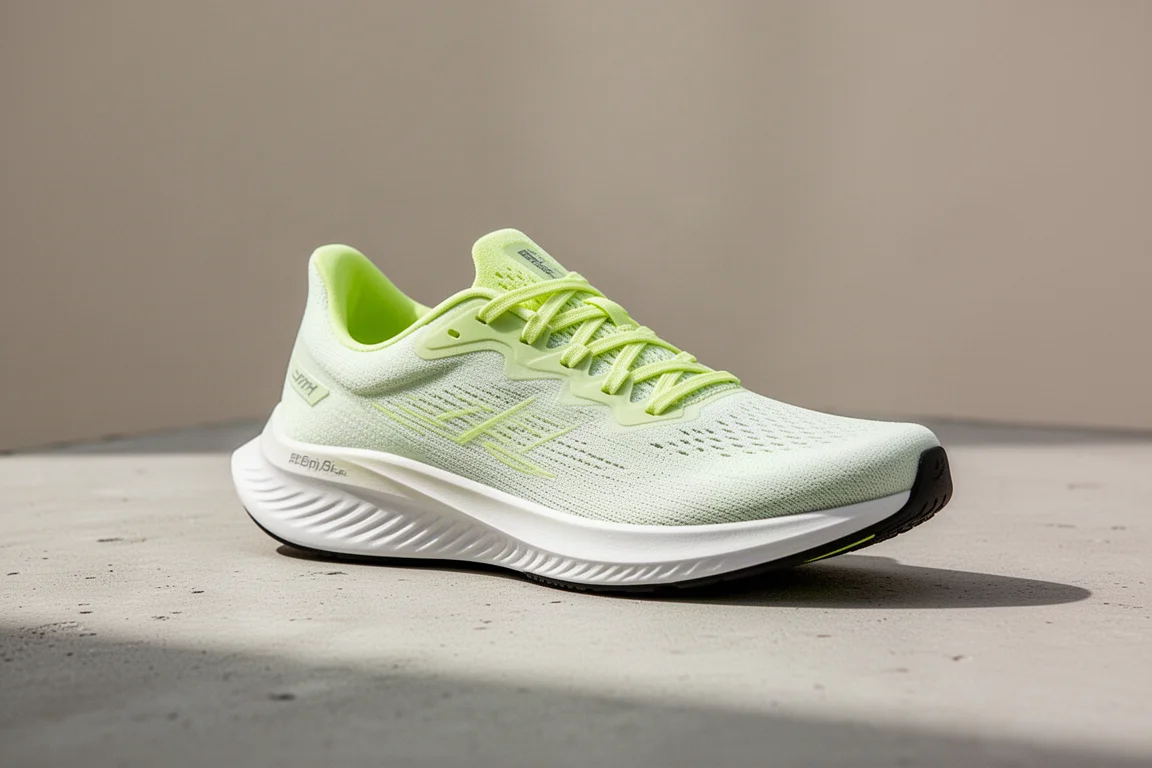
The Metaspeed Ray is an elite-level race day shoe with a midsole made entirely of Asics’ pinnacle FF Blast foam, making it fast, responsive and incredibly bouncy, but also very unstable. At its high price and niche positioning, it has not proven necessary for most runners, and for the vast majority the Metaspeed Edge and Sky remain the better choice.
Buying Advice: Building Your Asics Rotation
If you want just one shoe, the Novablast 6 is the safest all-round pick. For a rotation, anchor it with a Novablast 6 or GEL-Nimbus 28 for easy miles, add a Superblast 3 for long runs if durability is not a dealbreaker, and choose a Magic Speed 5 for faster sessions. On race day, the Metaspeed Edge Tokyo is the strongest pick for most distances, with the Sky better for shorter races. Stability needs point to the GEL-Kayano 33, while the Sonic Blast and Metaspeed Ray are the two easiest shoes to pass on.
Conclusion
Asics’ 2026 range is stacked with excellent shoes, from the versatile Novablast 6 to the brilliantly fast and durable Meta Blast. Match the shoe to the run you do most, and it is hard to go wrong, as long as you accept that this premium quality comes at premium prices.
Further reading
Related Reviews

Running Shoes
Best Road-to-Trail Running Shoes: Three Versatile Options for Mixed Terrain
A practical guide to three road-to-trail running shoes that handle both pavement and mild trails, with clear strengths and trade-offs for different runner types.

Running Shoes
Best Running Shoes for Achilles Tendonitis: Three Options Explained
Three running shoes with different heel drops and support features designed to help reduce Achilles tendon pain during walking and running.

Running Shoes
Best Running Shoes for Women: Five Top Choices Ranked
A ranked guide to five women's running shoes, from versatile daily trainers to high-performance racing options, with real strengths and trade-offs for each.