Running Shoes
Asics Neutral Trainers Compared: Nimbus 26, Glide Ride Max and Superblast 2
Three premium Asics neutral trainers with very different personalities. Here is how the Nimbus 26, Glide Ride Max and Superblast 2 differ, and which one fits your running.
Introduction
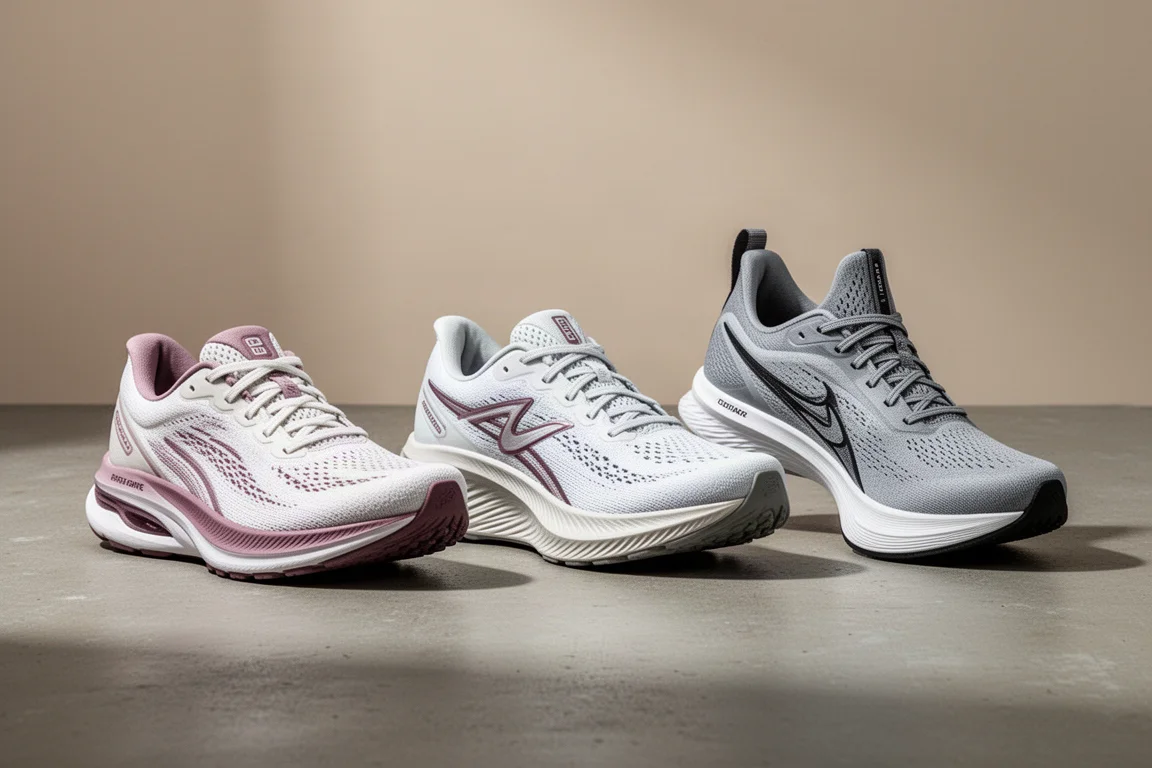
Asics has one of the deepest neutral training lineups in running, and three models in particular tend to confuse shoppers: the Nimbus 26, the Glide Ride Max and the Superblast 2. All three are premium, well-cushioned neutral trainers, but they are built for noticeably different jobs. This comparison breaks down how each one rides, fits and holds up, so you can work out which one actually matches your running rather than buying blind.
How We Evaluated These Shoes
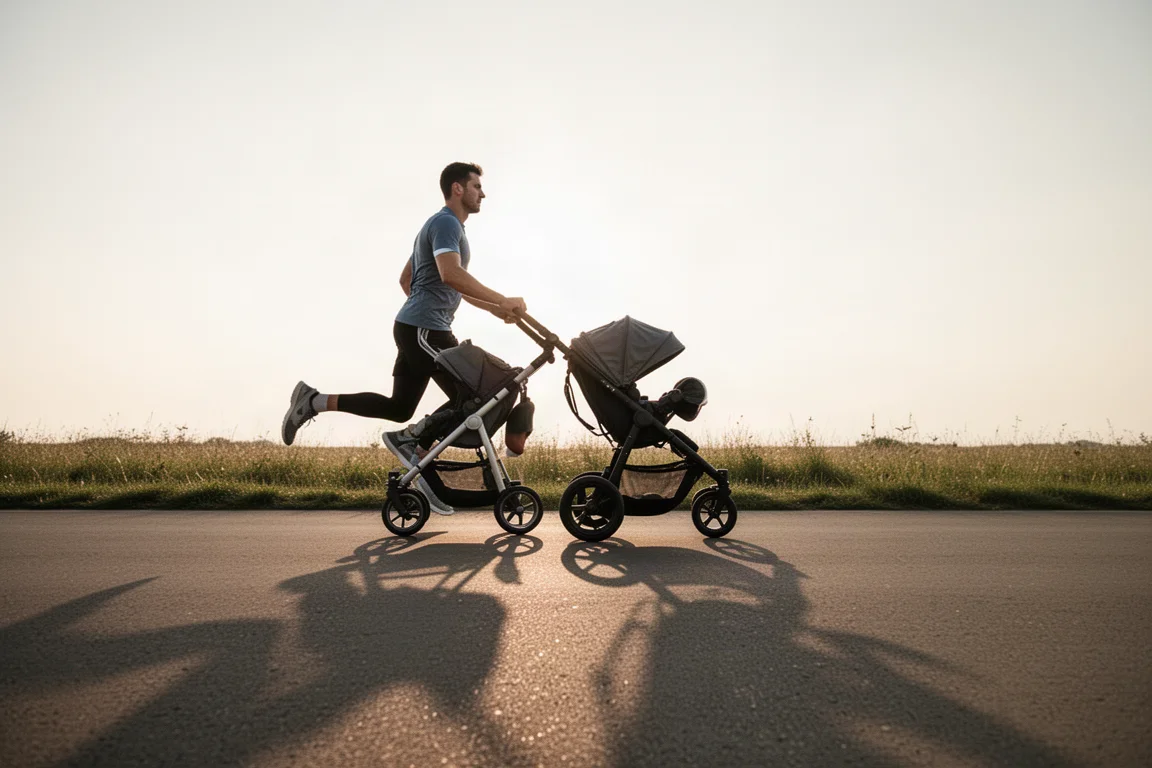
The context behind this comparison matters. The runner logging these miles is a fairly heavy heel striker running 60 to 70 miles per week, much of it in faster workouts and most of it done while pushing a stroller. Preferences lean toward a slightly wider toe box without going wide, a normal-width foot overall, and a Goldilocks midsole feel: a touch firmer than plush, but nowhere near firm. Use that as a lens when weighing the conclusions below.
Asics Nimbus 26: The Premium Comfort Daily Trainer
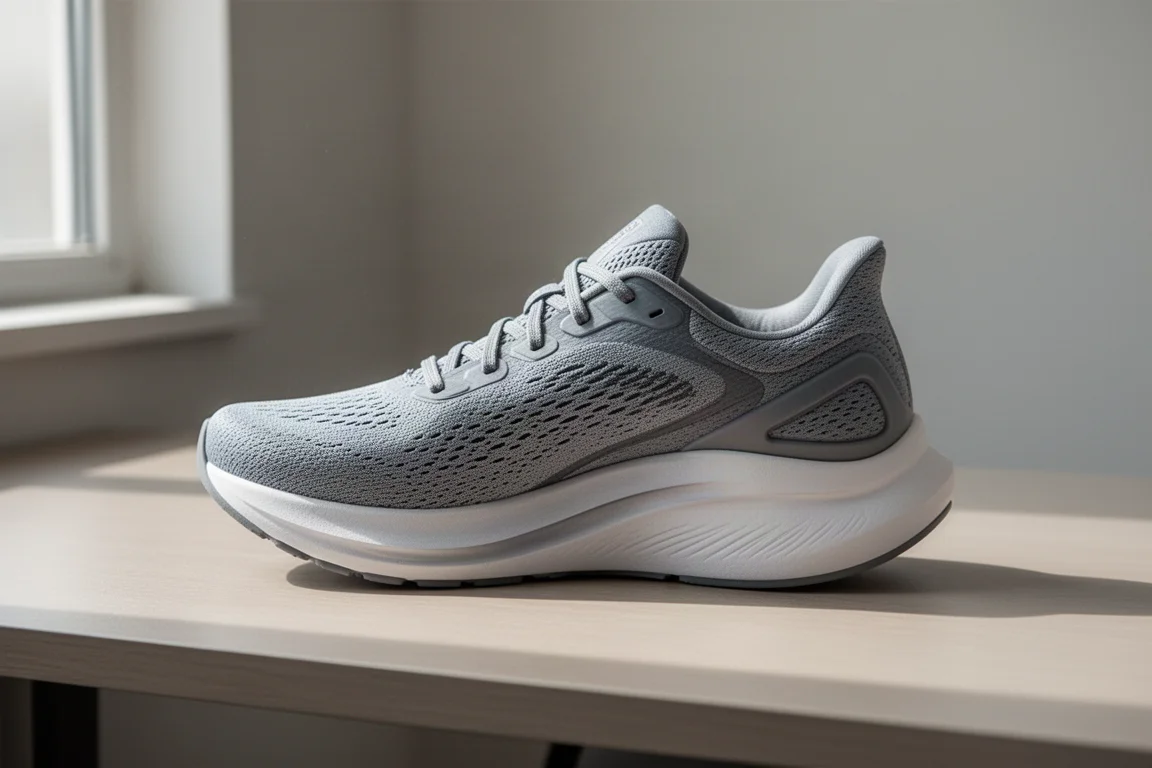
The Nimbus is Asics’ long-running premium neutral daily trainer, redesigned in recent years into a much more rockered, higher-stack shoe. It weighs 303g (10.7oz) with a 41.5mm heel and 33.5mm forefoot stack for an 8mm drop. Of the three, it is the heaviest and the softest, with a genuinely plush underfoot feel, a soft insole and a comfortable top layer of midsole. Durability has held up really well.
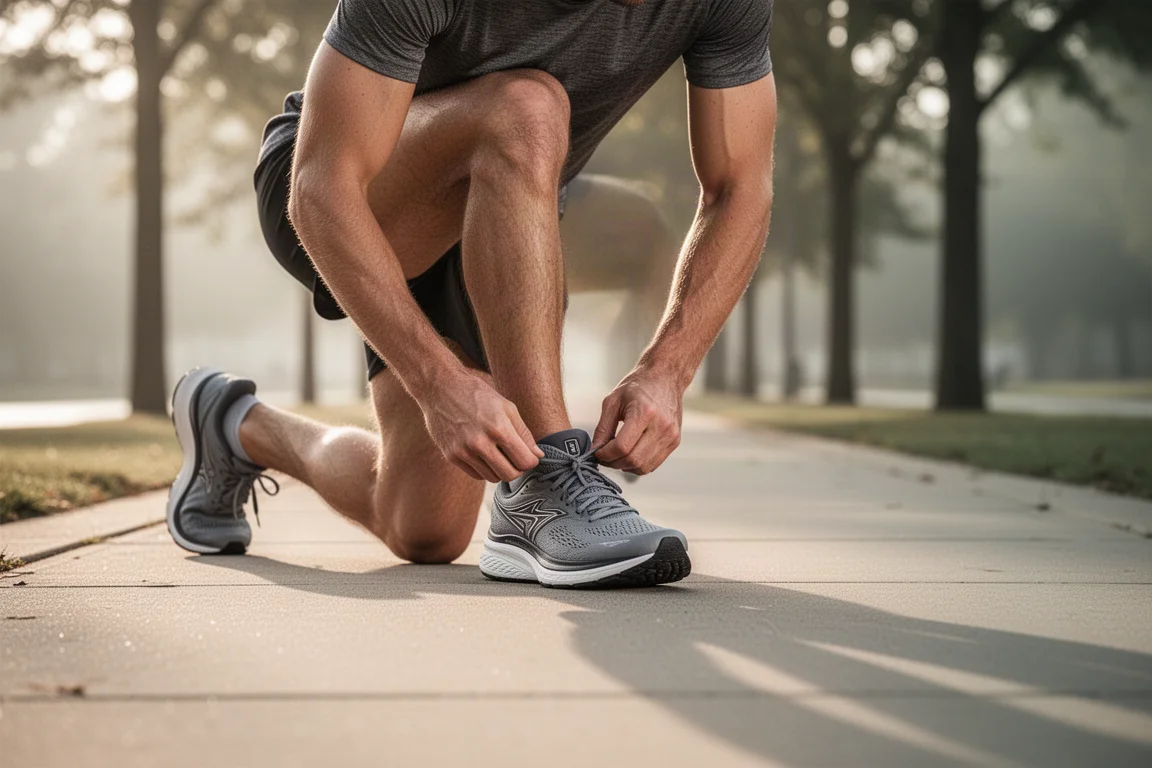
This is the best shoe of the three for plain walking and everyday wear, and it shines on easy runs, long slow efforts and any day spent long on your feet. The heel does add a bit of clunk to heel landings early on, but that settles in as the soft sole breaks in. It is not a flexible shoe, yet the forefoot rocker keeps the ride flowing rather than stiff.
Fit is the roomiest of this group, with a straighter last, a decent amount of upper stretch and a fairly normal overall width, though the toe box runs slightly narrow, which is typical for Asics. The upper is on the thicker side with generous heel collar cushioning, so if you have a sensitive heel, this is the one to aim for. Just note there is a firm heel counter.
Asics Glide Ride Max: The Rockered Roller
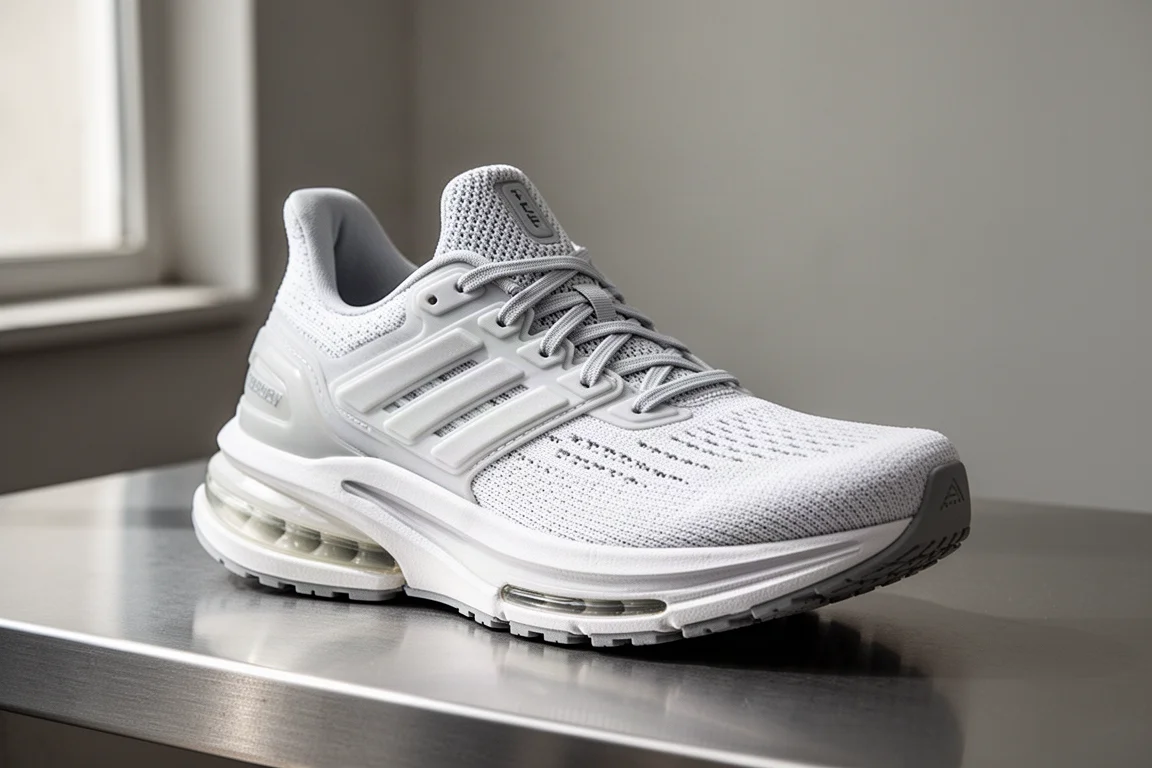
The Glide Ride series has always been loved for its aggressive forefoot rocker, and the new Glide Ride Max doubles down on that identity. It weighs 287g (10.1oz), sits higher than the Nimbus at 44mm in the heel and 38mm in the forefoot, and drops just 6mm. While the Nimbus feels softer right underfoot, the FF Blast Max foam here compresses much more, making it far more compliant on the go.
It is the only one of the three that is plated, with an EVA plate adding a touch of rigidity, and it delivers the smoothest heel of the group thanks to a better posterior bevel. If you are a heel striker, the lower drop will feel even lower, and the rolling sensation off the front of the shoe is the standout quality. It can pick up the pace a little, but it is still built for easier, longer, efficient running. It is the least good of the three for walking because of the plate and aggressive rocker, and the very compliant midsole makes it the least stable if you need guidance.
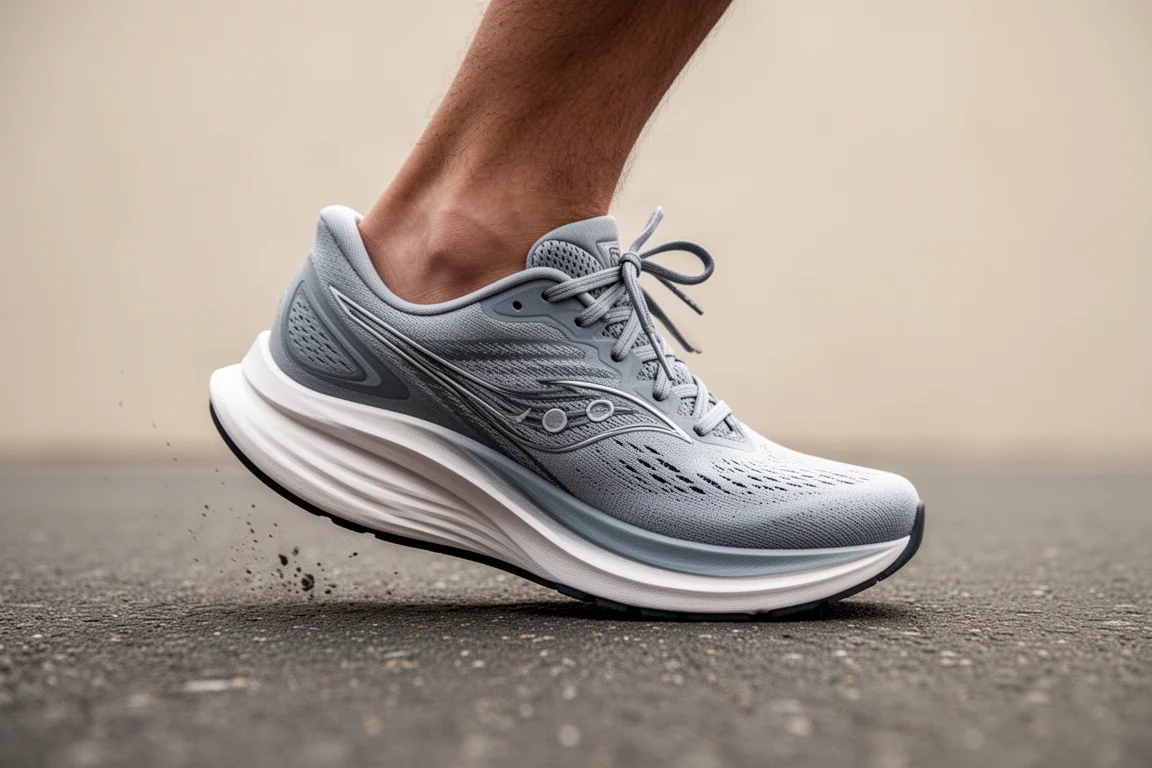
Fit is where opinions split. There is a bit more forefoot width, but the shoe tapers noticeably thanks to a stiffer toe guard, with slightly lower volume that pushed down on toes during testing. If you have a high-volume, wide foot, look elsewhere; if you have a lower-volume foot and want extra width, this works well. The somewhat stiff heel counter is another thing sensitive heels may notice.
Asics Superblast 2: The Fast, Bouncy All-Rounder
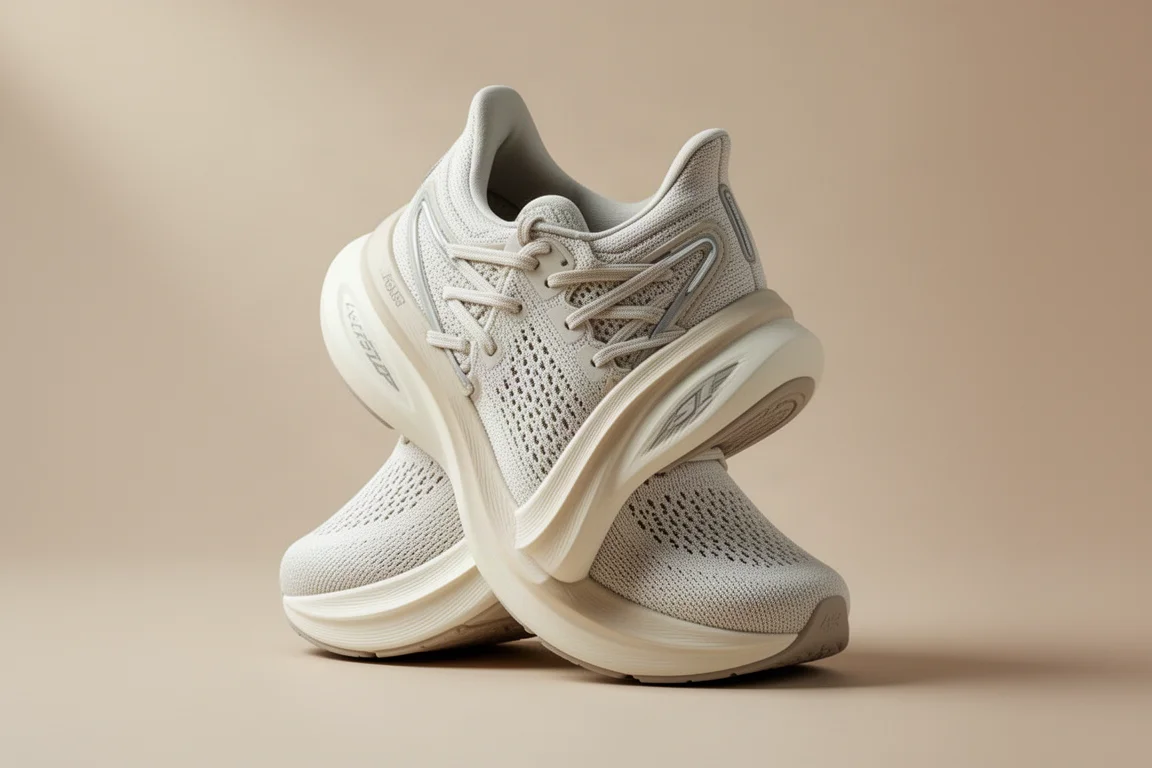
The Superblast 2 is the fastest shoe of the group and a personal favorite for lightweight-trainer fans. It uses a full-length FF Turbo Plus midsole layered over a second bottom midsole foam, with no plate yet the stiffest ride of the three. It also has the tallest stack: 45mm in the heel, 37mm in the forefoot, 8mm drop, and it feels extremely high off the ground.
This is the bounciest of the three and the one that works for faster running. As a go-to long run shoe with an uptempo feel, it excels, and it is a genuinely viable marathon or half marathon racing option for people who do not want a carbon plate but still want real bounce, with the advantage of staying stable rather than overly soft. Wide sidewalls on both sides of the foot, a wider base and that stiff chassis make it the most stable neutral option here if you want a little guidance.
The fit is the most racing-esque: snug, lower volume and more tapered in the forefoot than the previous version. It feels fine once broken in on the run, but this is the pick if you have a narrower foot or simply want a closer, racer-like fit. The large forefoot rocker rolls along beautifully, and a solid heel bevel kicks you forward through the stride.
Which Asics Trainer Should You Buy?
The summary is simple. If you want fast, go with the Superblast 2. If you want more rocker, especially off the forefoot, go with the Glide Ride Max. If you want a traditional, well-cushioned shoe for both walking and running, the Nimbus 26 is the best of the three.
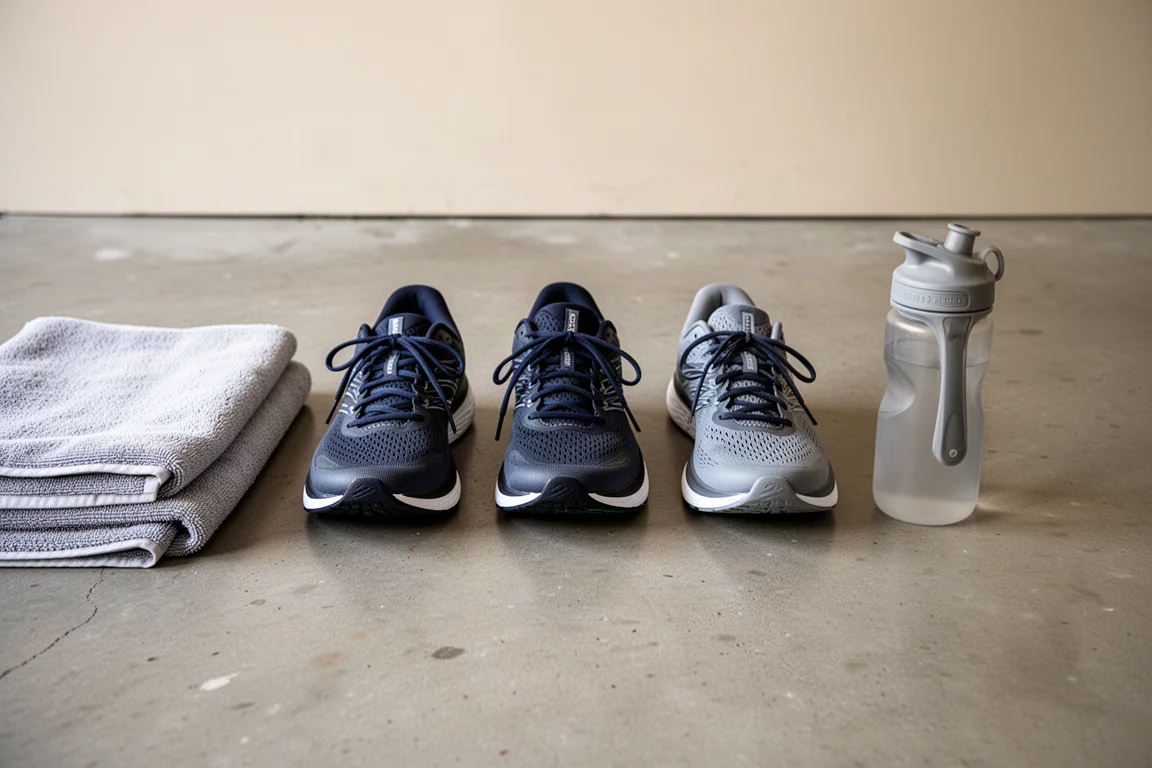
A few practical tie-breakers help too. Sensitive heel or wide-ish foot? The Nimbus 26 is the safest bet. High-volume, wide foot? Avoid the Glide Ride Max, which tapers hard and runs low in volume. Need the most stability with your cushion? The Superblast 2 wins on sidewalls and stiffness despite having no plate.
Conclusion
All three of these Asics trainers are premium neutral shoes, but they serve distinct runners: the Nimbus 26 for plush everyday comfort, the Glide Ride Max for a rockered rolling ride, and the Superblast 2 for bounce and speed. Match the shoe to the miles you actually run and you will not go wrong with any of them.
Further reading
Related Reviews

Running Shoes
Best Road-to-Trail Running Shoes: Three Versatile Options for Mixed Terrain
A practical guide to three road-to-trail running shoes that handle both pavement and mild trails, with clear strengths and trade-offs for different runner types.

Running Shoes
Best Running Shoes for Achilles Tendonitis: Three Options Explained
Three running shoes with different heel drops and support features designed to help reduce Achilles tendon pain during walking and running.

Running Shoes
Best Running Shoes for Women: Five Top Choices Ranked
A ranked guide to five women's running shoes, from versatile daily trainers to high-performance racing options, with real strengths and trade-offs for each.