Art Supplies
Prismacolor vs Caran d'Ache vs Faber-Castell: Finding the Ultimate Colored Pencil
Four artist-grade pencil sets go head to head on blending, detail work, build quality, and lightfastness to find one ultimate favorite.
Introduction
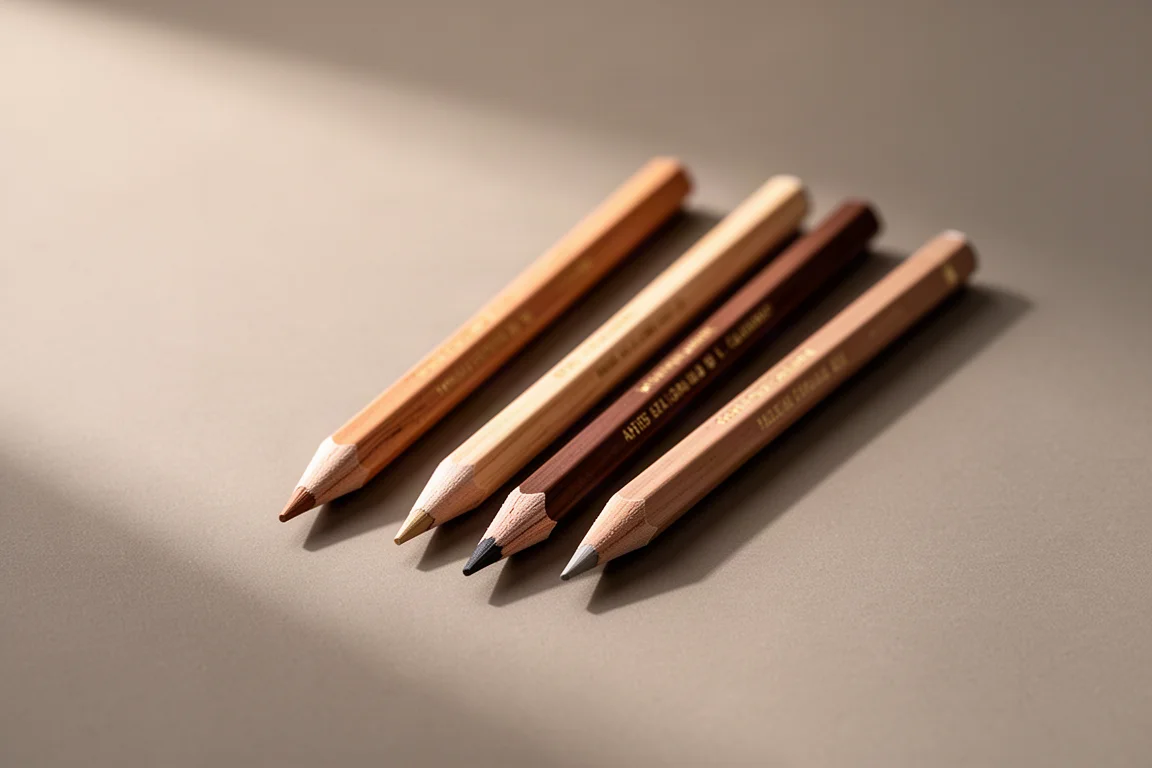
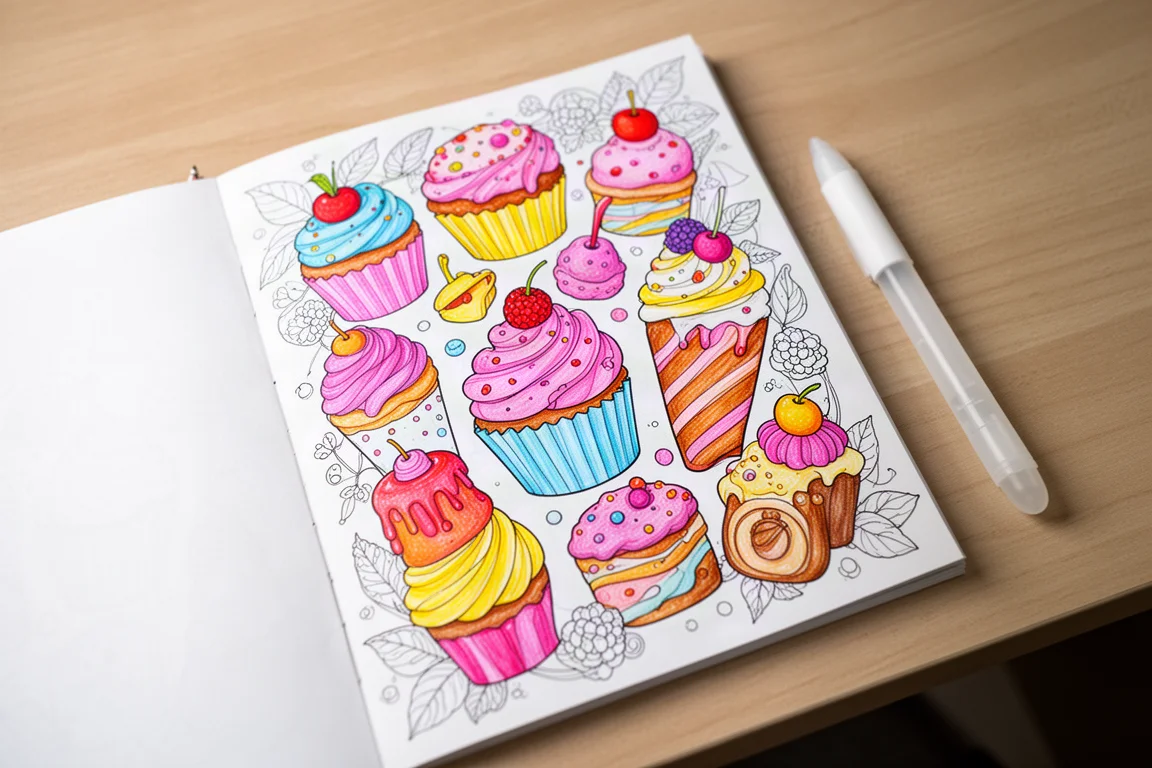
Prismacolor, Faber-Castell, and Caran d’Ache are the pencil brands that many artists keep coming back to, and they also happen to be some of the most expensive pencils you can buy, with Prismacolor usually being the cheapest of the group. To find out which one deserves the top spot, we put four sets to work side by side on the same whimsical coloring page, comparing how they feel, how they blend, how they handle fine detail, and how their quality holds up over time.
What These Pencils Have in Common
Before picking apart the differences, it helps to know that all four sets are genuinely excellent. Each produces vivid, beautiful color that lays down easily, delivering a lot of pigment with little effort so your hand does not get sore. Each is available in big sets, small sets, or as individual pencils to replace your most-used colors. Honestly, owning any one of these sets is more than enough to create amazing art.
The real difference is how each pencil feels in use, and that is what makes this comparison so difficult. Feel is not a sign of better or worse; it simply makes some pencils better suited to different types of art.
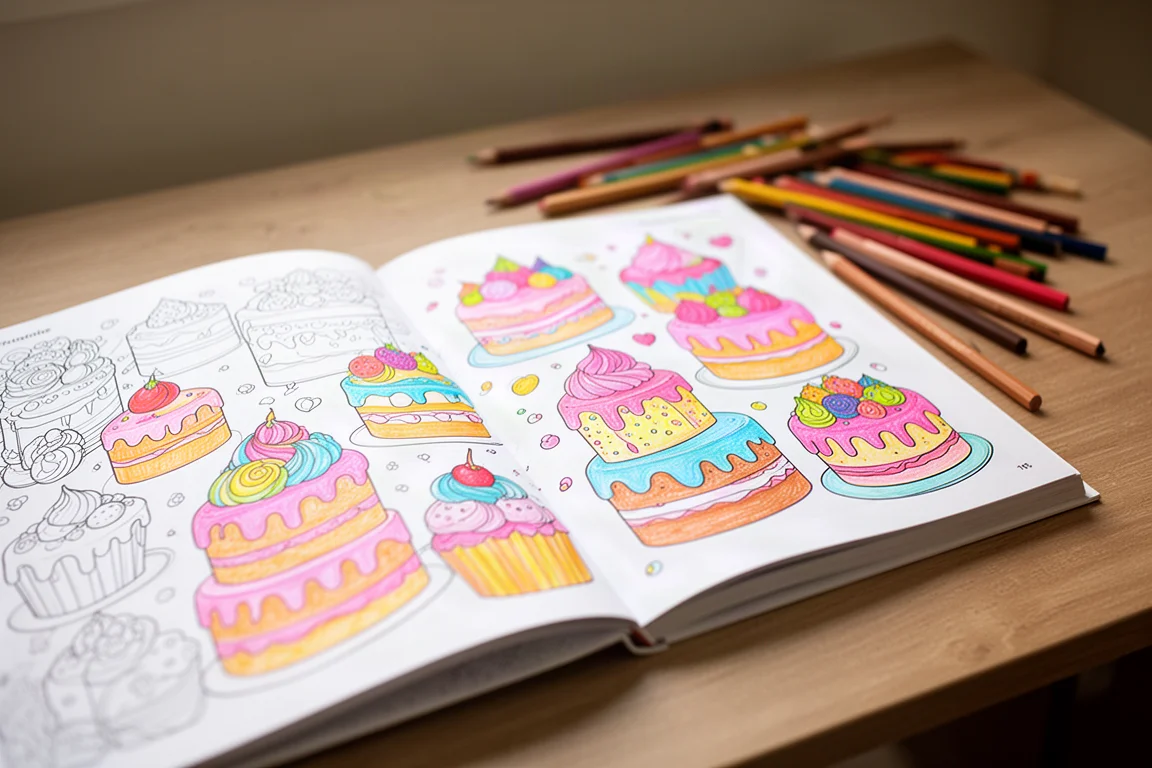
How Each Pencil Feels to Use
Prismacolor Premier
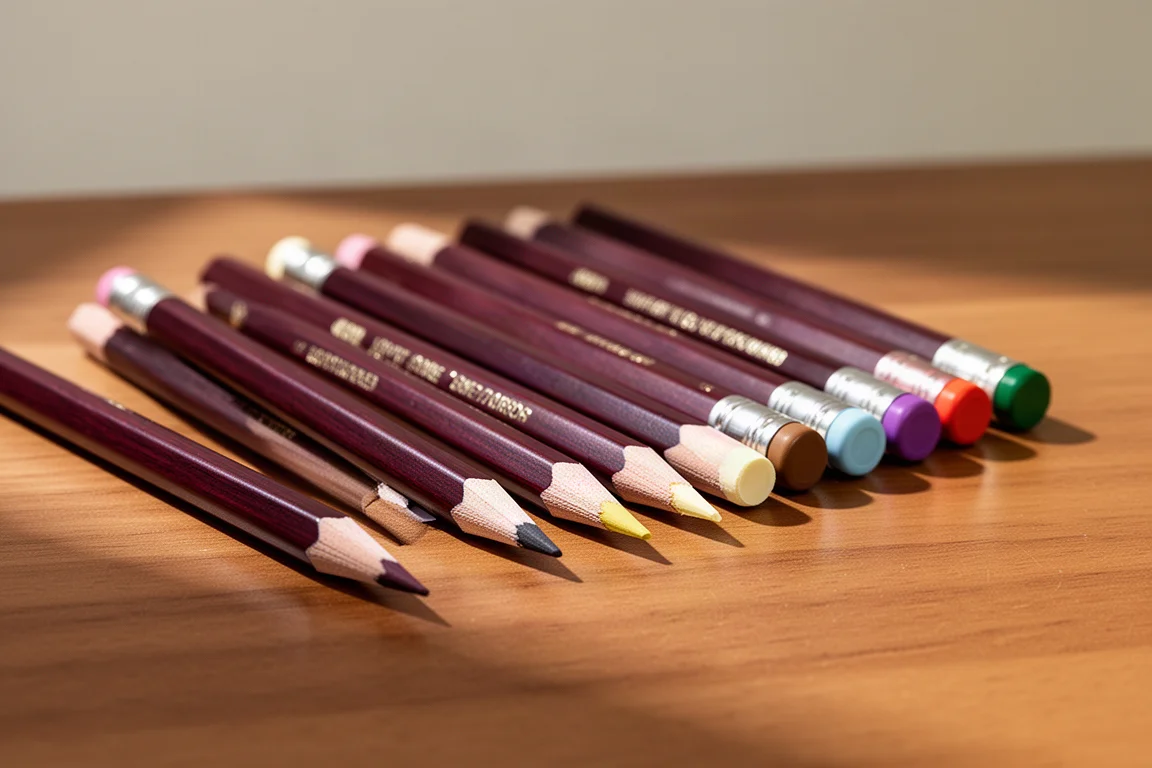
The Prismacolor Premier pencils have a buttery, waxy soft core that makes them wonderful for blending, but less ideal for fine details. The soft core does not hold a sharp point for long and is relatively fragile, yet that buttery blending is exactly what other brands have tried to replicate, and it is why Prismacolor remains a favorite among so many artists. It is generally the most affordable of these four, and it is a go-to recommendation for anyone getting into adult coloring.
Faber-Castell Polychromos
The Polychromos are oil based with a firm but smooth lead, which feels quite the opposite: dry rather than buttery. They hold a sharp point and lay down color incredibly well, but the colors cannot be mushed and blended the way Prismacolors can. Instead, they need to be layered, and with proper technique they produce stunning results and are a joy to work with.
Caran d’Ache Pablo
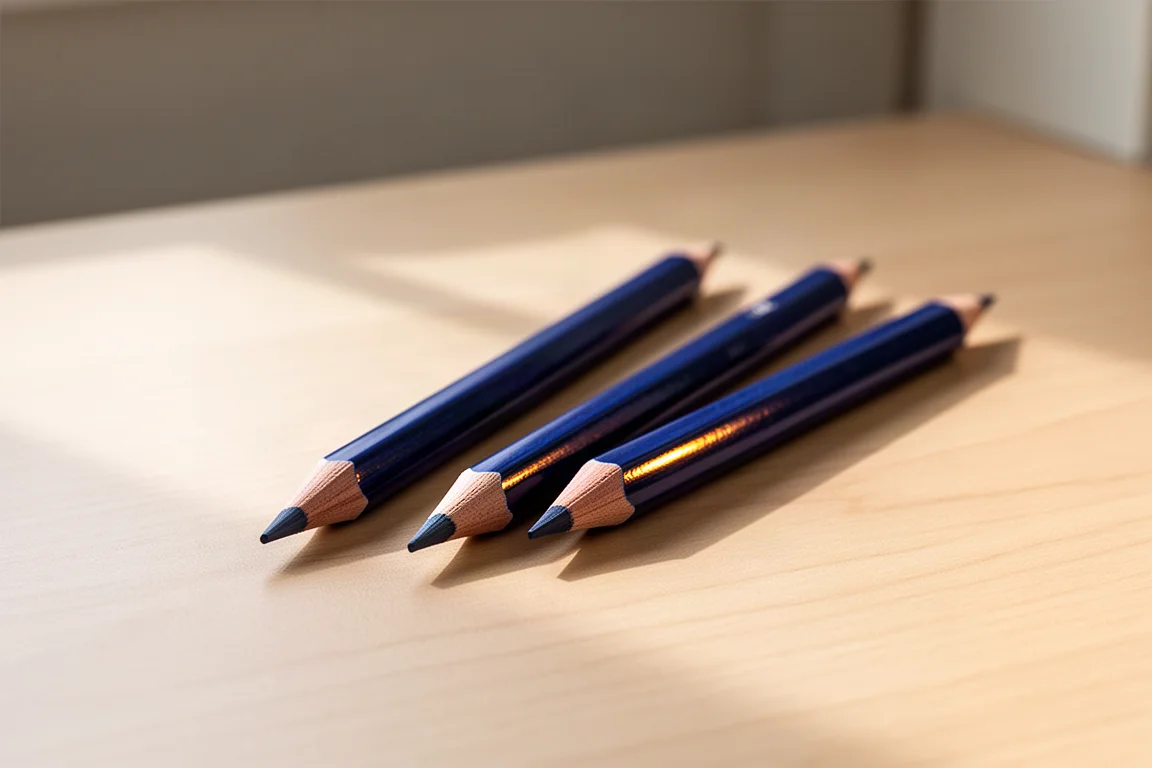
Both Caran d’Ache pencils sit somewhere between the two. The Pablo and Luminance are both wax based, not oil based as is often assumed. They are not as buttery as Prismacolor, but they blend well and the core is much stronger. Being slightly drier and firmer, they also handle fine details better. The Pablo are firmer still, leaning a little closer to the Polychromos in feel while remaining a wax pencil.
Caran d’Ache Luminance
The Luminance share the same wax-based character and similar quality and performance to the Pablo, with a slightly softer feel. When coloring, the Pablo and Polychromos proved the easiest for fine detail because they hold a sharp point best of the four, while the Prismacolor and Luminance were more enjoyable for blending and larger areas of color.
Build Quality and Color Matching
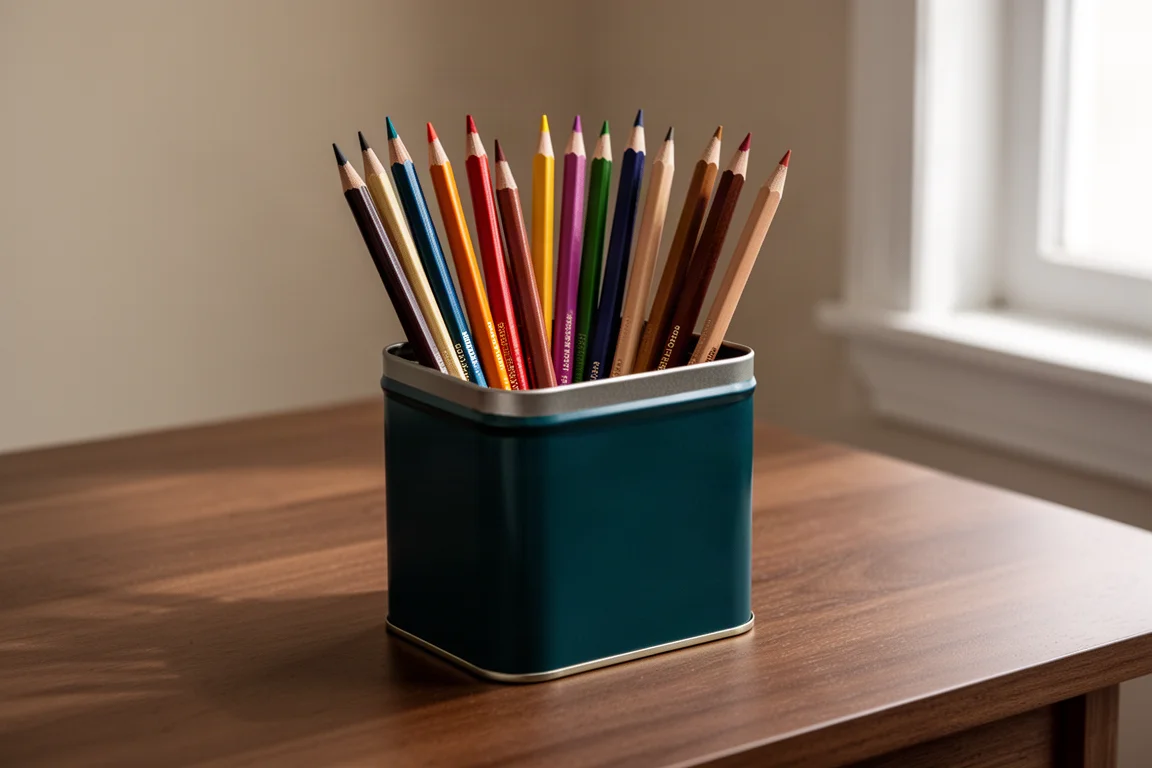
This is where the higher price of the Caran d’Ache and Faber-Castell sets starts to make sense. Prismacolor’s soft core needs good protection, yet the casings have been known to split, quality is not always consistent, and many cores are off center, which increases the risk of damage when sharpening. The Luminance, Pablo, and Polychromos show excellent quality control: perfectly centered cores and barrels that are unlikely to crack or split.
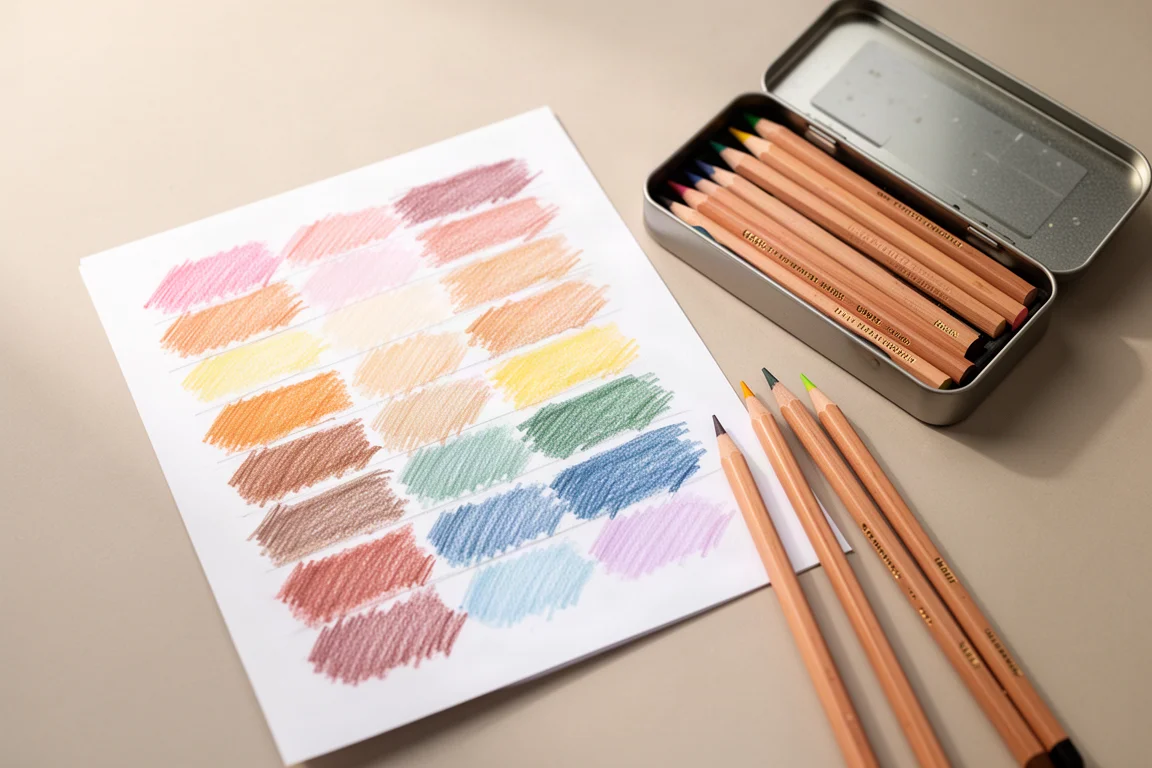
Barrel color matching also matters. With the higher-end brands, you can grab a pencil and be confident of the color inside. Most Prismacolor colors match well, but a few differ noticeably from the actual pigment, so swatches are the safer bet when you need exactly the right shade.
Lightfastness: Why It Matters for Professional Work
Lightfastness measures how well pigment holds its color over time, and it matters most if you sell your art professionally. Pinks, purples, reds, and blues tend to fade the most in any brand. Every brand uses a different rating system, which adds confusion.
Faber-Castell uses a three-star system based on Blue Wool testing: 102 of 120 Polychromos colors carry the highest three-star rating (Blue Wool seven to eight), 16 have very good fade resistance of around 25 years, and just two have a lower rating. The Caran d’Ache Pablo also use stars: three stars means 100-plus years, two stars 50-plus years, and one star 15 to 50 years, so the ratings are not too different from the Polychromos in practice. Avoid the one-star colors if you want strictly lightfast work.
Prismacolor often gets a bad reputation here, but of the 150 pencils, 85 are actually considered lightfast under the ASTM rating. The catch is the 26 pencils with the lowest rating, and with no stars printed on the pencils you will need to check online. One workaround is to separate out a lightfast selection for professional work.
The clear winner is the Caran d’Ache Luminance: every pencil in the range rates one or two in the ASTM system, making them highly lightfast and reliable over time. Worth noting: Derwent’s Lightfast range is very comparable in performance and ratings, and deserves a look too.
So Which One Wins?
It is important not to completely dismiss Prismacolor against these high-end brands. It is far more affordable, remains a go-to for coloring books, and simply feels good to use. But after extended side-by-side use, the honest conclusion is that Prismacolor is not the ultimate favorite.
The favorite, and probably not a surprise by now, is the Caran d’Ache Luminance. That said, one of the best takeaways from coloring with all four at once is that they work beautifully together. Mixing brands lets you take the strengths of each and make up for the weaknesses in the others, and it expands your color range since every set differs slightly.
Conclusion
If blending and buttery feel matter most and budget is a consideration, Prismacolor Premier remains a fantastic choice. For fine detail and layering, the Faber-Castell Polychromos and Caran d’Ache Pablo excel. For the best overall experience and rock-solid lightfastness, the Caran d’Ache Luminance earns the top spot. Any of these sets will produce amazing art; the Luminance simply does it with the fewest compromises.
Further reading
Related Reviews
Art Supplies
Art Pop Watercolor Pencils 48-Color Set: A Thoughtfully Designed Student-Grade Option
The Art Pop 48-color watercolor pencil set blends well, dissolves smoothly, and includes artist-friendly details like barrel-printed color names, all at an affordable price.
Art Supplies
Artics Acrylic Markers 3mm Review: Versatile Paint Markers With a Few Caveats
A 48-color set of water-based acrylic paint markers that blend while wet, dry permanent, and keep the price low, though safety transparency remains a question.
Art Supplies
Best Art Supplies Worth Your Money: Pencils, Pens, Paints, and Paper That Earned Their Spot
After years of daily use and testing, these are the pencils, pens, watercolors, gouache, brushes, sketchbooks, and erasers that stand above the rest.