Art Supplies
Best Art Erasers Tested: From Everyday Vinyl to Precision Pencil Erasers
Fifteen erasers put through a five-medium test on Bristol vellum paper. One budget gum eraser beat every big-name competitor, while several premium options underwhelmed.
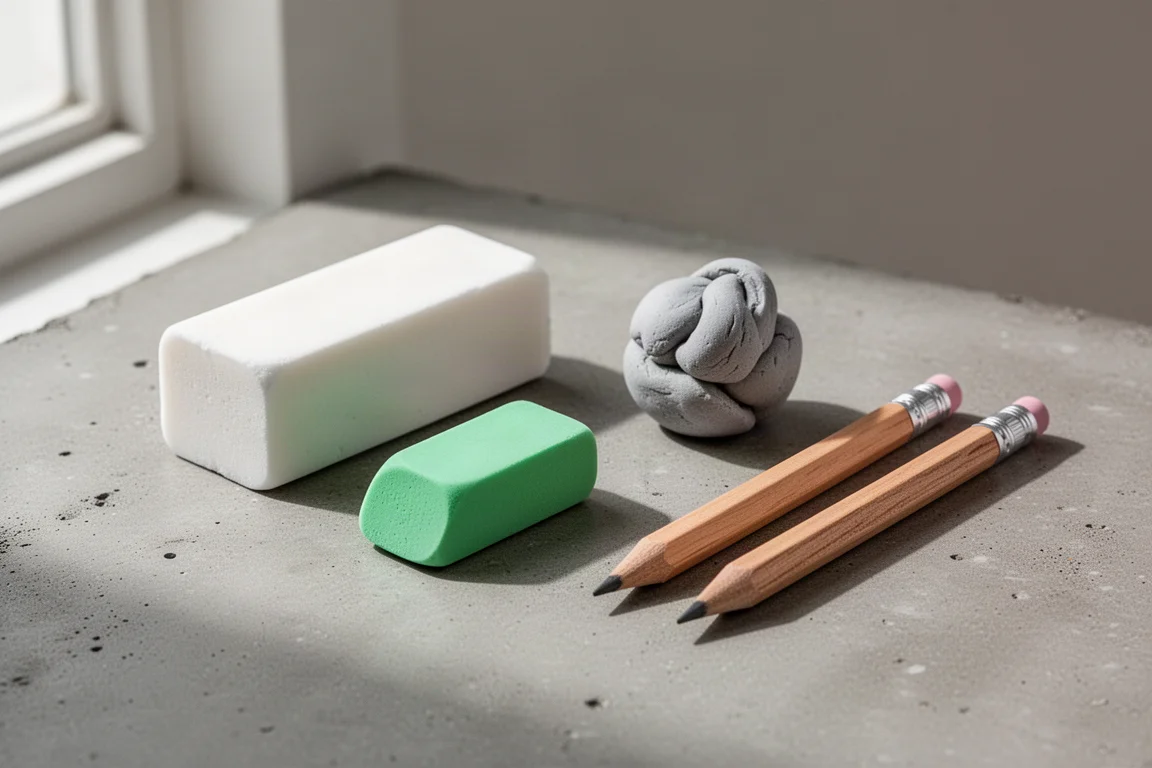
Introduction
Walk into any art store or browse an online marketplace and you will find erasers claiming to be best for graphite, charcoal, colored pencil or pastel. The labels promise a lot, but they rarely explain how much of a difference there actually is in practice. This comparison puts fifteen erasers through the same five-medium test to find out which ones live up to their claims and which ones are just packaging.
How the Erasers Were Tested
Each eraser was used on a sheet of Strathmore 300 series Bristol vellum paper, which is not heavily textured, making it a fair neutral surface. Five media were applied in a light layer and a medium-to-heavy layer: a standard 2B graphite pencil, a red Prismacolor colored pencil (one of the softest pencils on the market and red is a notoriously stubborn pigment), a Stabilo Carbothello pastel pencil, a Conté charcoal pencil, and a Staedtler Mars Lumograph Black 4B, which is carbon-based rather than graphite.
The colored pencil test is deliberately harsh. Prismacolor red on Bristol vellum is one of the most difficult combinations to erase, so weak performance there does not automatically disqualify an eraser for general graphite work. This is not a laboratory procedure, but the results give a solid guideline before you buy.
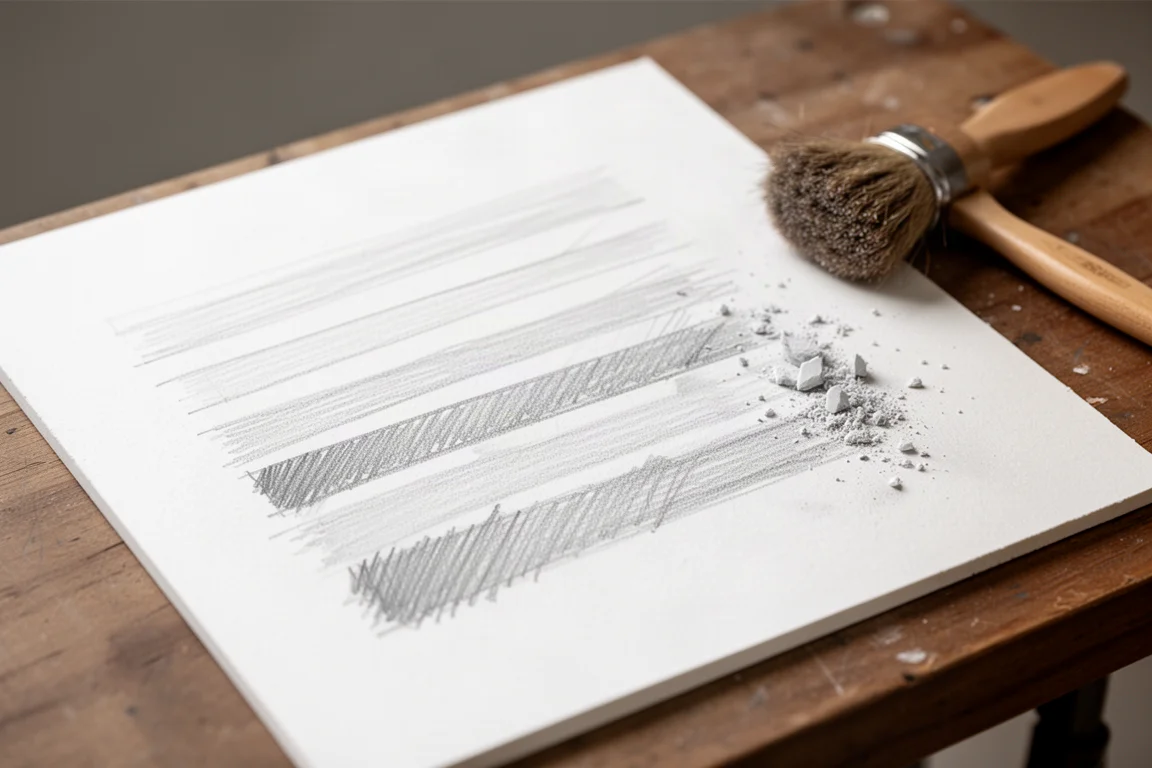
One pattern worth noting up front: nearly every eraser lifted the carbon-based 4B pencil more easily than the 2B graphite at the top of the sheet, which is counterintuitive but consistent across the board.
The Standout: Milan Master Gum
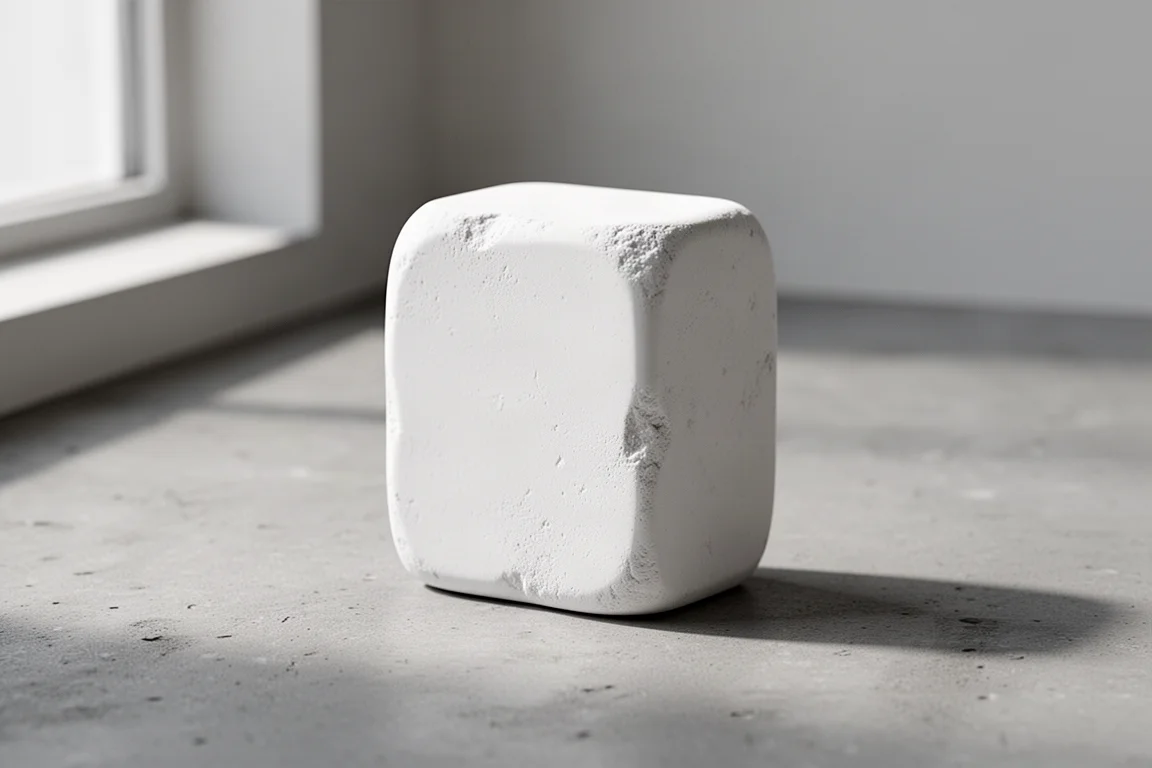
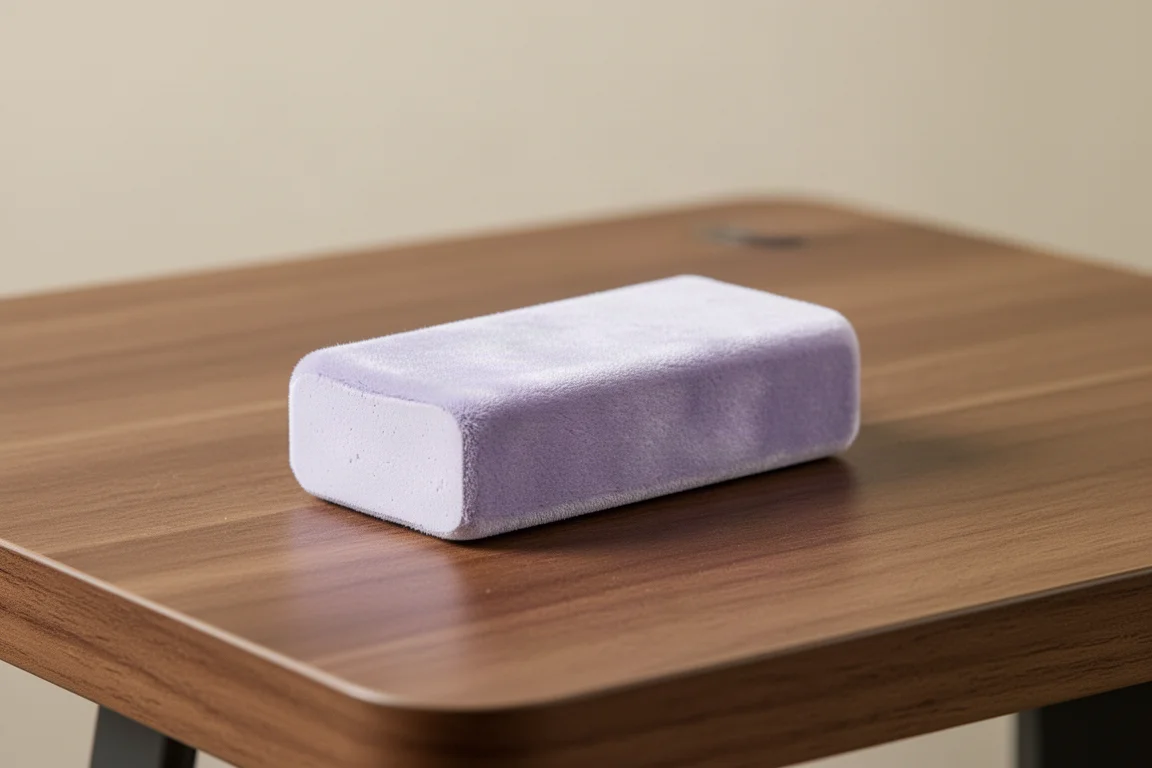
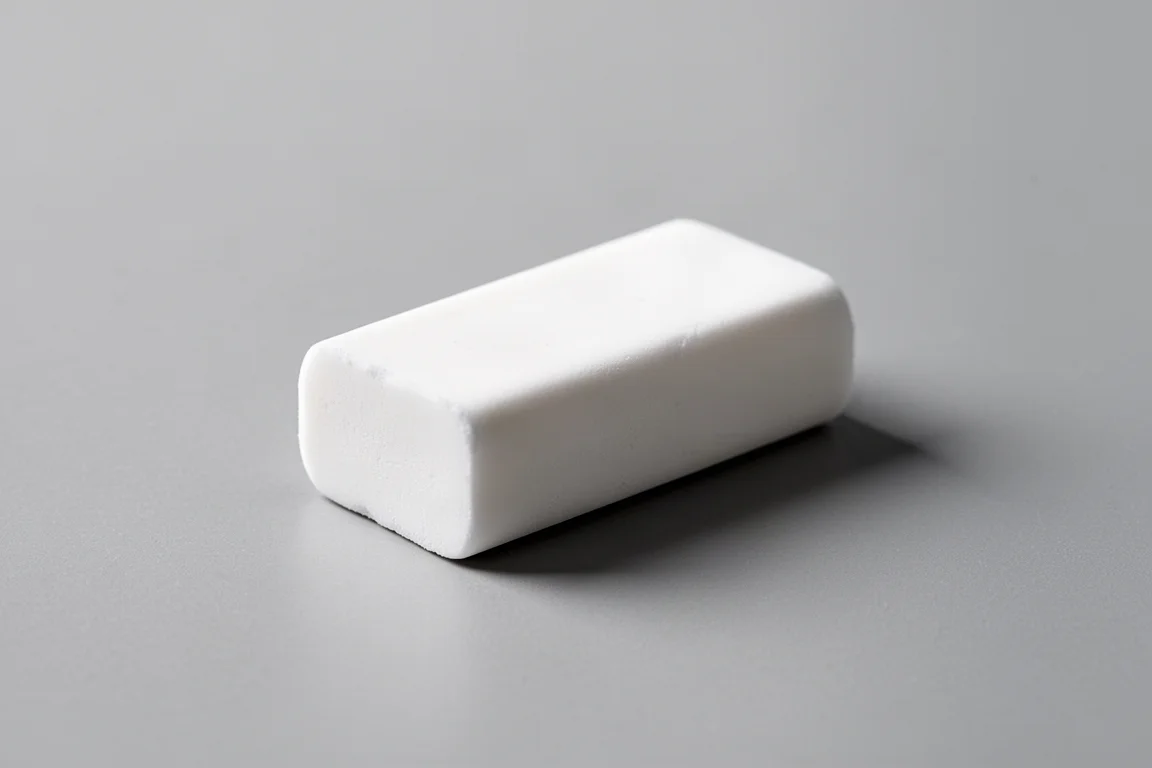
The Milan Master Gum eraser, a gum eraser made in Spain and usually sold in a pack of two, was the clear winner of this entire comparison. On the light application of 2B graphite it removed the mark almost before pressure was applied, and on the heavier layer it got close to right back to clean paper. Performance on the pastel pencil and the Conté charcoal was excellent too, and on the carbon-based 4B it only needed slightly more pressure, still less than every other eraser tested.
It does crumble a fair amount as it works, which means more debris to brush away, but that is a small trade-off for erasing power this strong. Colored pencil remained a struggle, as it did for every eraser here, but for graphite, charcoal, pastel and carbon work, nothing else came close.
Strong Performers Worth Buying
Faber-Castell Dust-Free
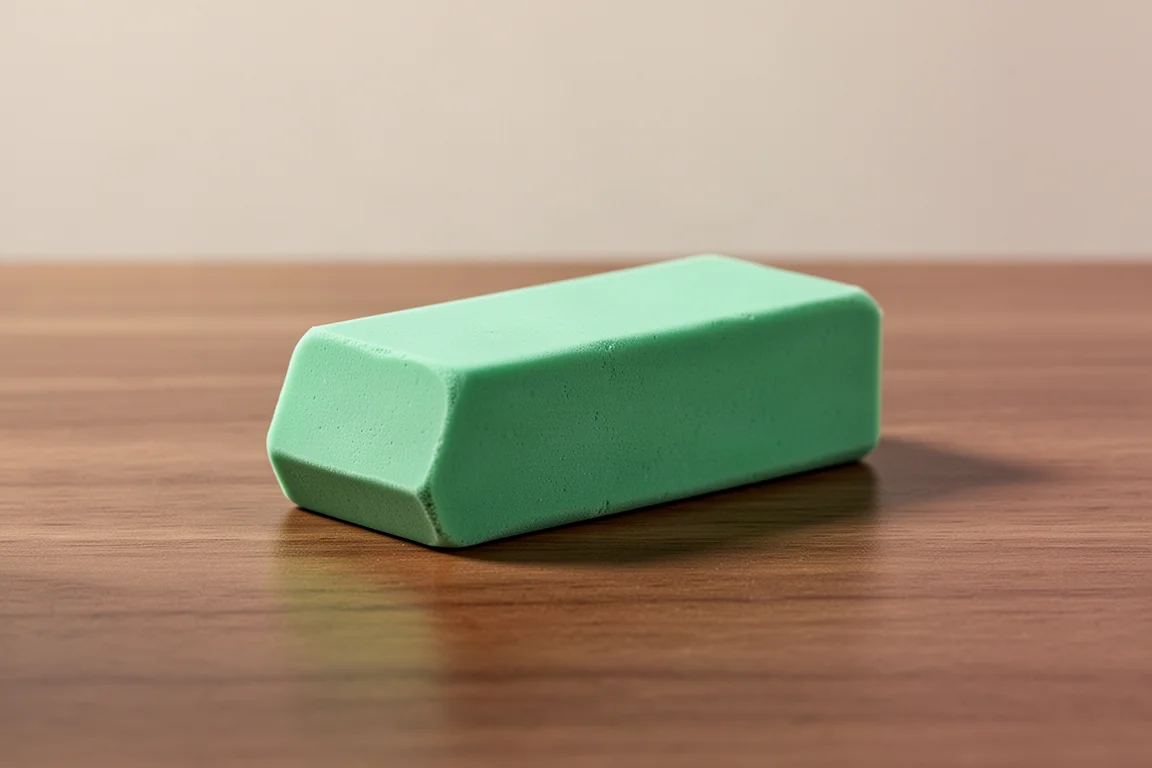
The green Faber-Castell Dust-Free eraser is marketed for black lead pencils with dust that rolls together rather than scattering. It delivered noticeably better graphite results than several more expensive rivals, handled pastel pencil well, and performed respectably on charcoal. It produces a lot of crumbs despite the dust-free claim, but on raw erasing ability it was one of the better performers.
Tombow Smart Slim
The Tombow Smart slimline eraser looks like a slim stick, and the obvious question is whether the format adds anything beyond what you could cut from a standard block. In this test it did more than that: it was better than most of the field on graphite and, impressively, may have lifted colored pencil better than anything else tested. It also left relatively little debris behind, making it one of the cleaner options to use at a desk.
Caran d’Ache Design
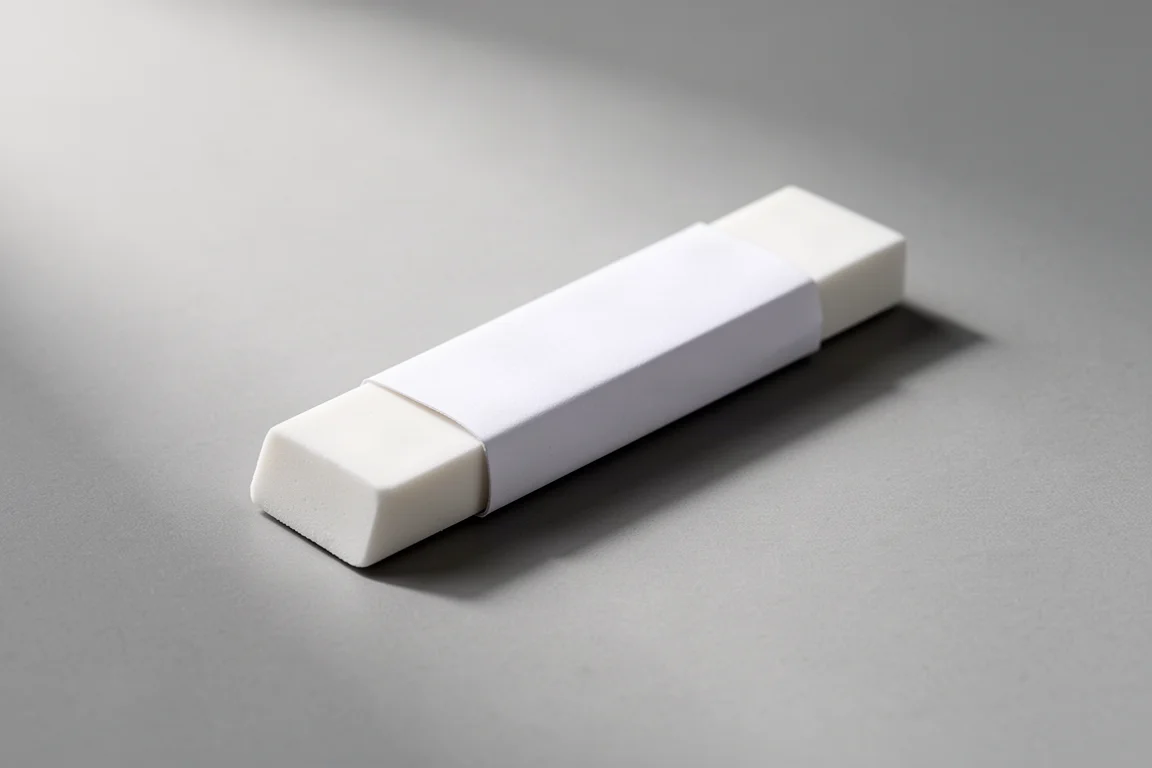
The Caran d’Ache Design eraser is the first in this test that explicitly claims colored pencil compatibility. It is noticeably harder than the Milan Master Gum and did not match it for raw graphite removal, but it was respectable across graphite, pastel, charcoal and carbon. On the Prismacolor red it was not outstanding, though given how difficult the test medium is, that is a mild criticism rather than a dealbreaker.
Mid-Pack and Underwhelming Options
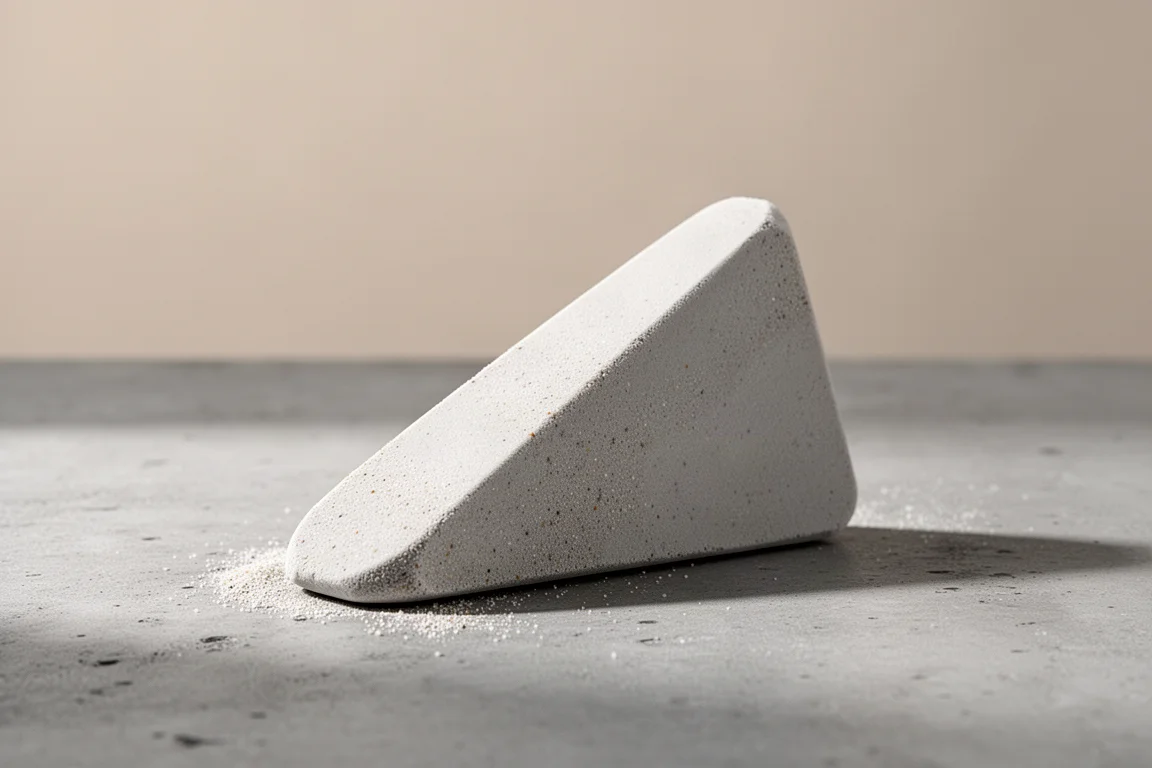
Several big-name erasers produced mediocre or disappointing results. The Caran d’Ache Artist, labelled as an extra-soft plastic eraser for graphite and charcoal, smudged on graphite and left a lot of crumbs, and even with real pressure applied it failed to lift heavy charcoal convincingly. The Winsor & Newton Griffin, a wedge eraser with a slightly sandy texture, was passable on graphite but poor on colored pencil and patchy on pastel. The Faber-Castell PVC-Free eraser, sold alongside graphite pencil sets, was merely average across all five media, as was the Faber-Castell wedge eraser.
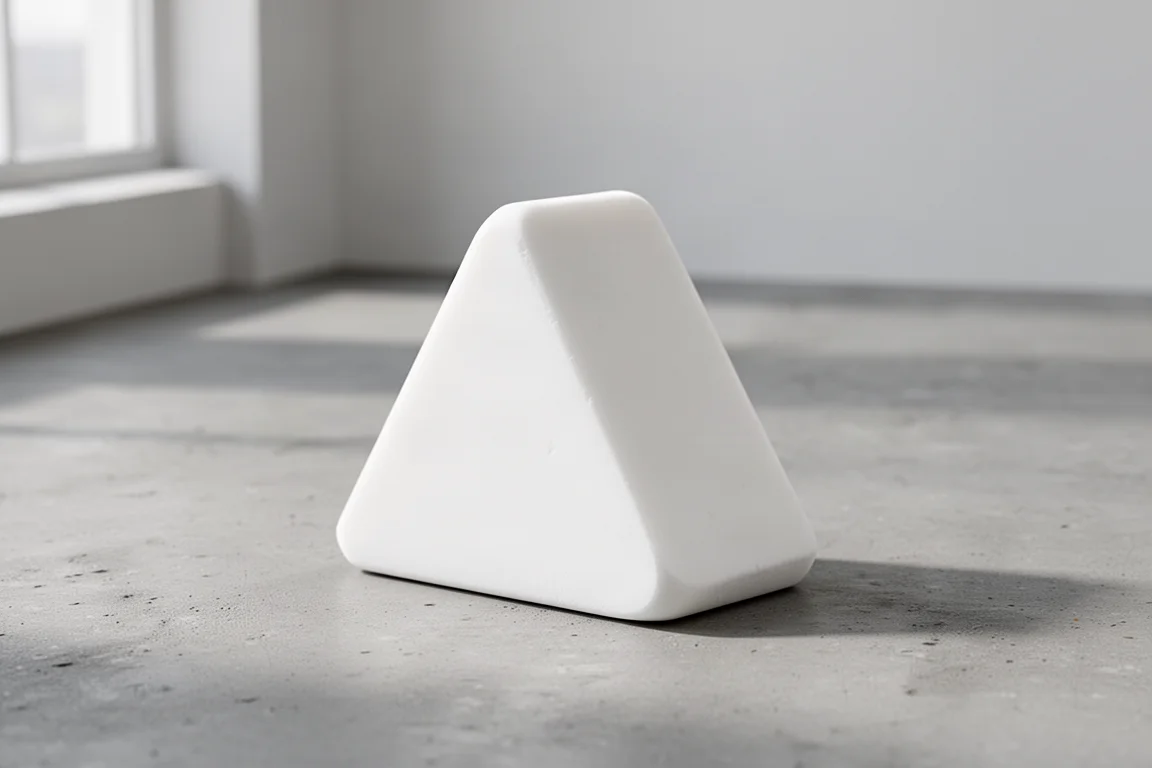
The Caran d’Ache triangle eraser, a chunky block best suited to larger areas, smeared the heavy graphite layer rather than lifting it, though it was not terrible on charcoal. The Maped Softy, described only vaguely as a soft eraser for pencil, performed poorly even when firm pressure was applied, mostly shifting pigment around instead of removing it.
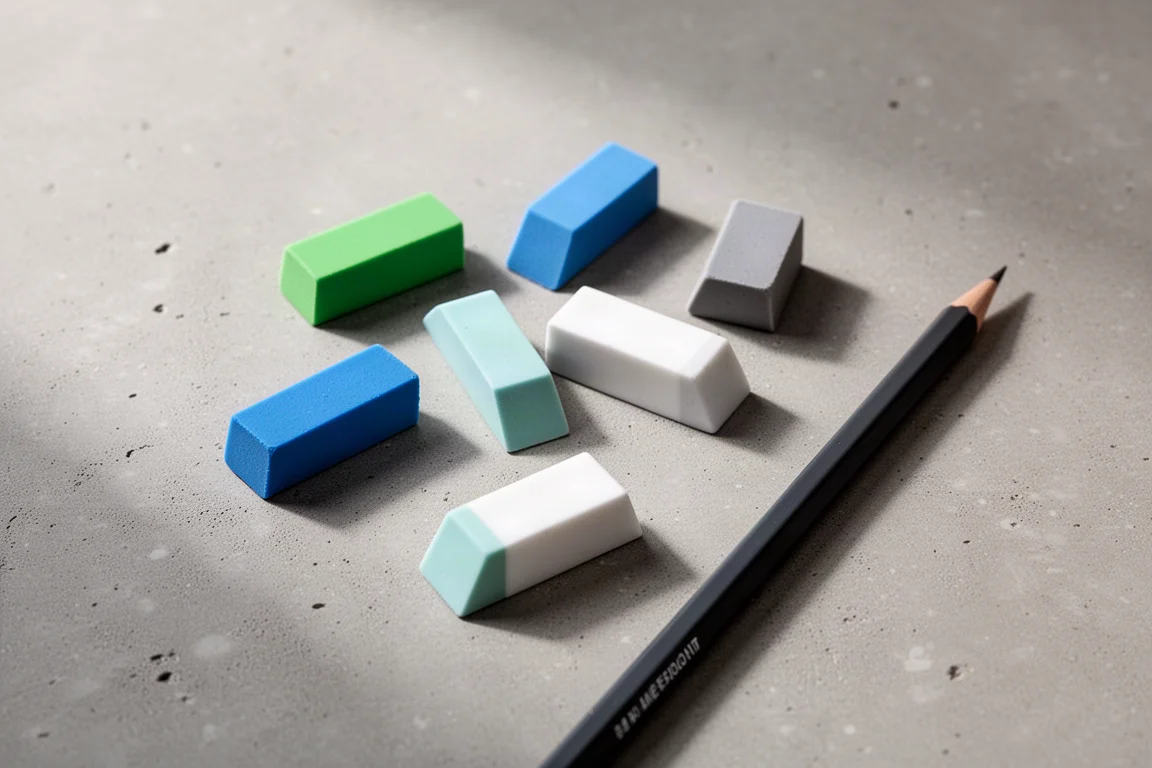
None of these are catastrophic purchases, but if erasing performance is the deciding factor, the Milan Master Gum and the stronger performers above make more sense for the money.
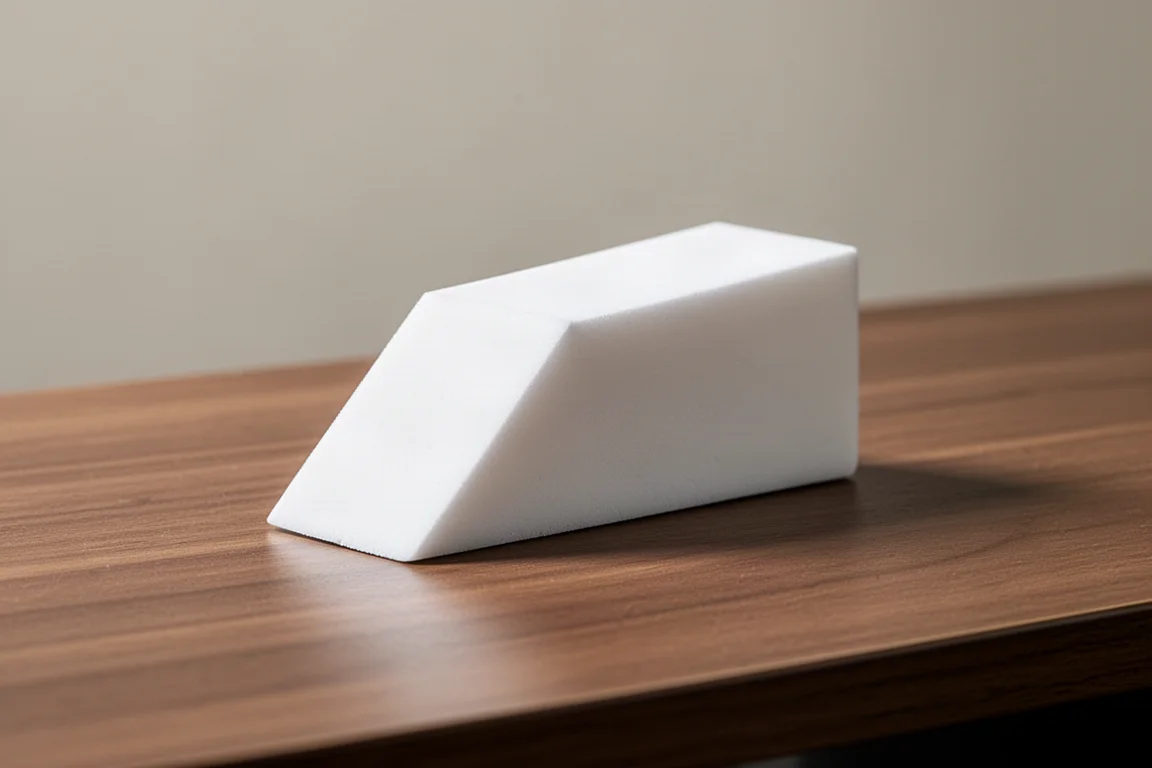
The Kneaded Eraser: Faber-Castell Putty
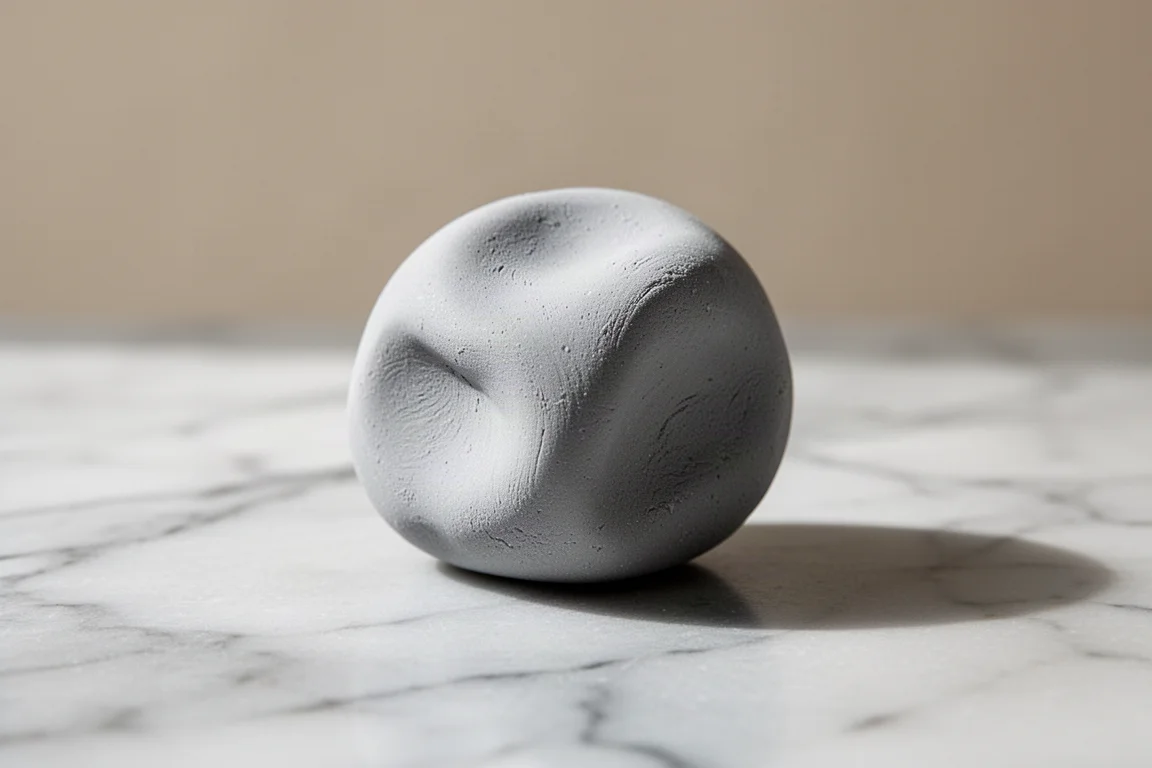
The Faber-Castell putty eraser, also known as a kneaded eraser, plays by completely different rules. It is a soft, pliable mass you knead into any shape you need, similar in feel to adhesive putty. For artists working in light layers on graphite portraits, pastel, or charcoal, it is indispensable: you dab rather than rub, lifting small amounts of pigment without damaging the tooth of the paper. That matters, because aggressive scrubbing with a firm eraser damages the paper surface and makes later layering harder.
In the test it performed better than nearly every firm eraser on the light layers, lifting pigment remarkably well even though it did not fully clean heavy applications. It also doubles as a cleaning tool: jab the tip of an eraser pencil into it and the accumulated pigment comes right off. When it gets dirty, kneading it restores it almost to new.
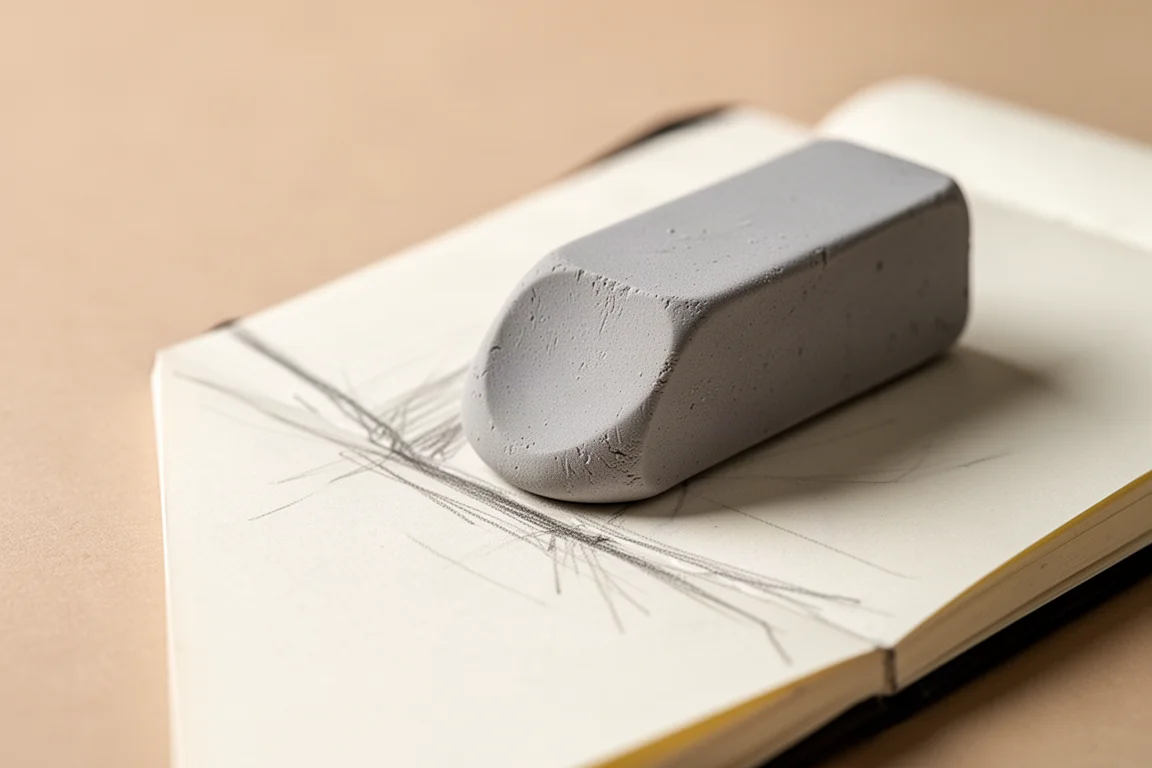
Detail and Precision Erasers
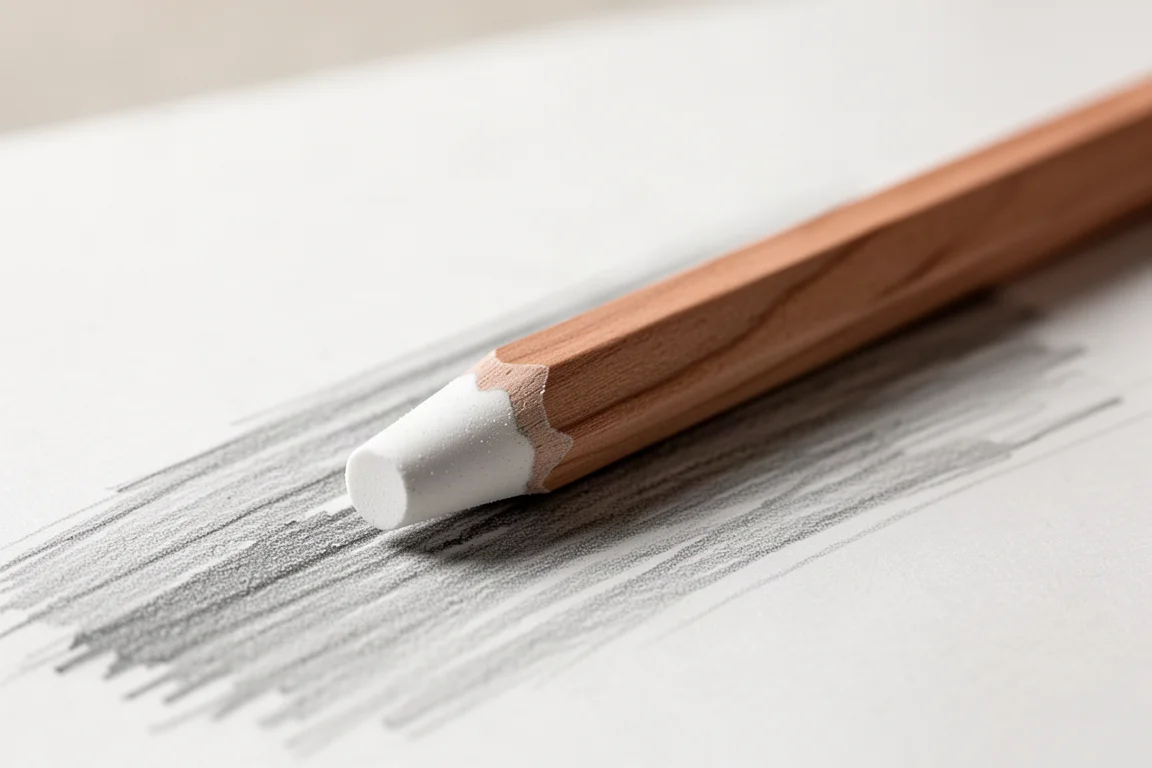
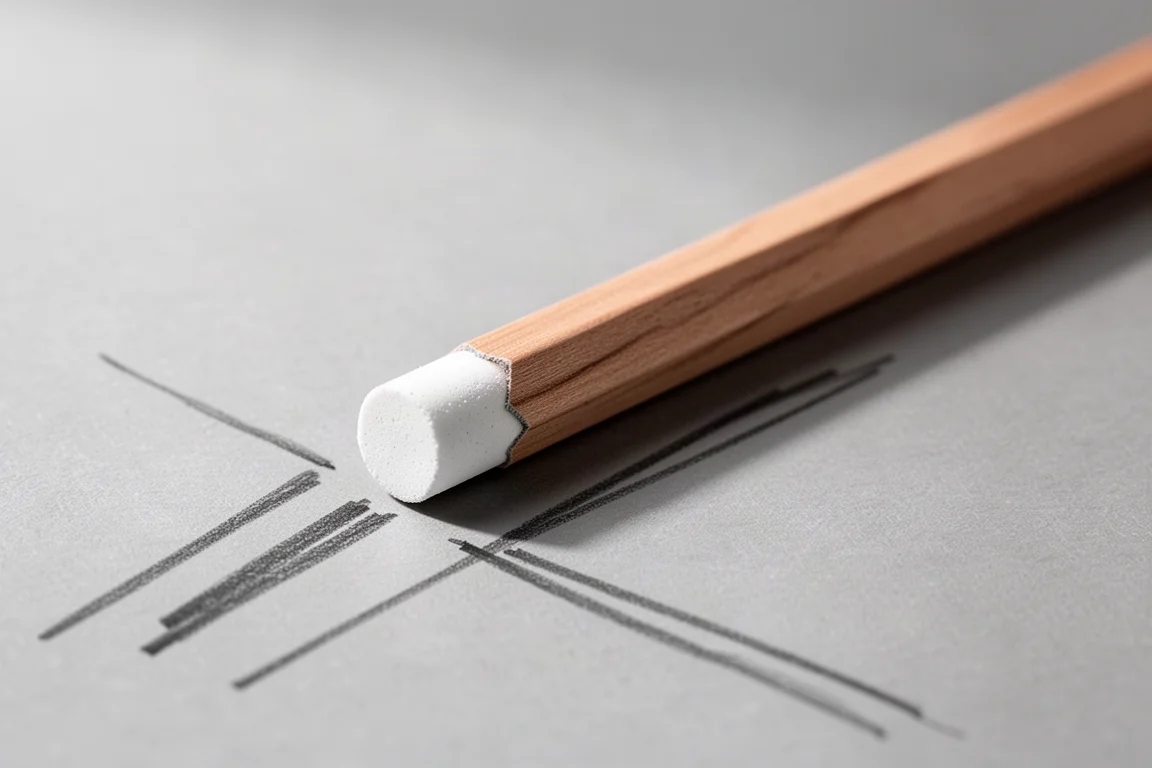
The Koh-I-Noor eraser pencil is a long-standing favorite, and this test confirmed why. Because it holds like a pencil, you can apply controlled pressure in small areas, and it lifted graphite, pastel, charcoal and carbon convincingly across the sheet. Compared directly against the Derwent eraser pencil, the Koh-I-Noor came out ahead: the Derwent was decent, particularly on pastel and charcoal, but simply not as effective on graphite.
One practical note: eraser pencils can be awkward to sharpen with a normal sharpener, which tends to mash them up. A craft knife is the better option. There are also very cheap three-pack eraser pencils with small brush tips; they were noticeably weaker, sometimes blending pigment more than lifting it, so the premium options earn their price.
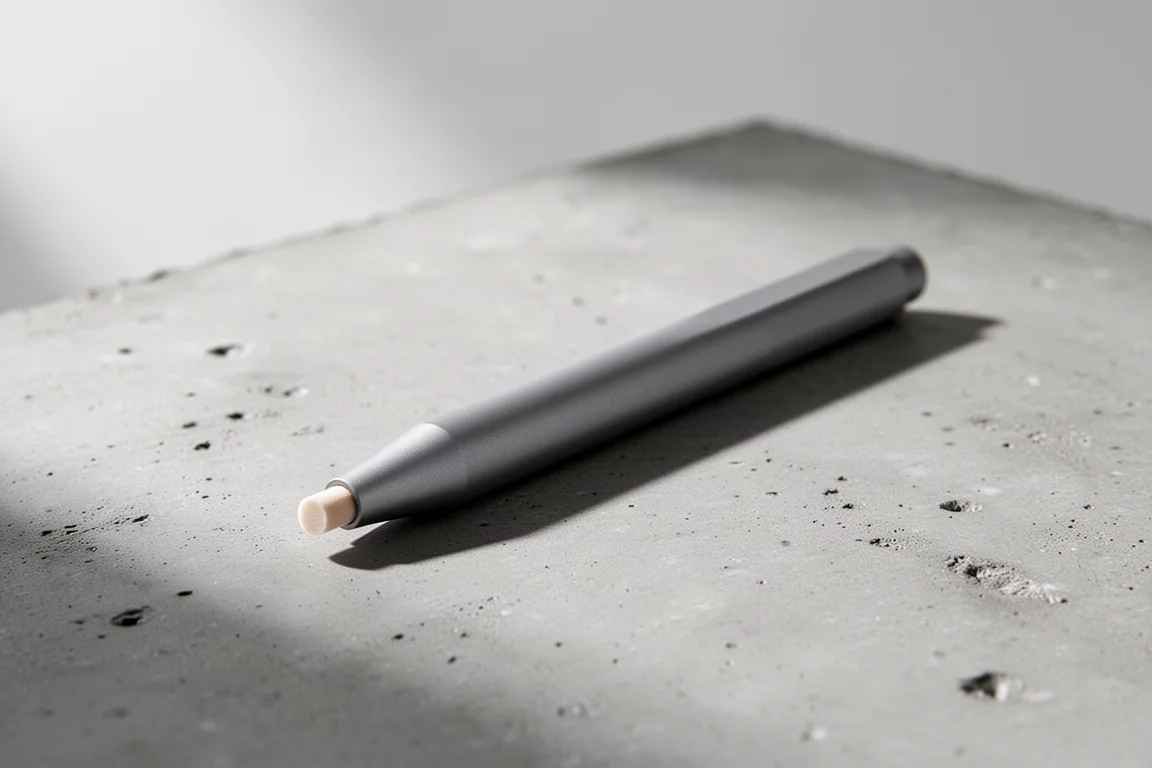
The Tombow Mono Zero, available in round and square tip versions, is designed for precision erasing in tiny areas such as highlights in graphite work. It works, but it leaves sticky little crumbs that cling to the paper and can smear if brushed across, and performance was mediocre on colored pencil here. With battery-powered erasers now offering similar small tips with more force behind them, the Mono Zero is less of an essential than it once was, though it remains a useful detail tool.
The Ballpoint Pen Question
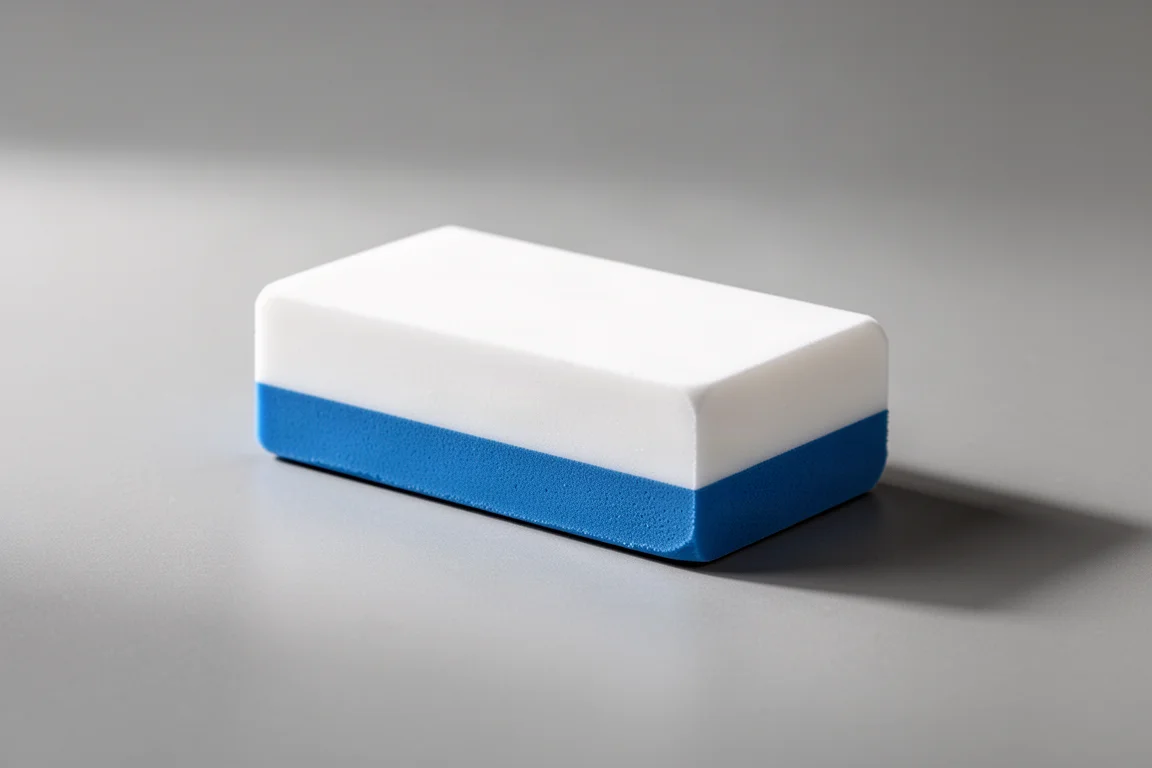
The Staedtler Mars Plastic Combi has a white section for graphite and charcoal and a blue section marketed for ballpoint pen removal. The white section was itself underwhelming, smudging even light 2B graphite, and the blue section was a letdown on the ballpoint pen test, barely lifting ink and making the paper messy in the process. It is a common stationery-store eraser, but for art purposes the alternatives here are better.
Buying Advice
If you take one thing from this comparison, it is this: price and branding are poor predictors of erasing performance. The single best eraser tested was a modestly priced Spanish gum eraser, while several premium big-name plastic erasers trailed behind. A sensible starter kit for most artists would be the Milan Master Gum for graphite, charcoal, pastel and carbon work, a kneaded putty eraser for light-layer lifting and cleaning, and either the Koh-I-Noor or Tombow Mono Zero for small detail work. If colored pencil erasing is a priority, expect modest results from anything and consider a battery eraser for the heaviest applications.
Conclusion
Fifteen erasers, five media, and one clear conclusion: the humble Milan Master Gum outperformed erasers from Caran d’Ache, Derwent, Faber-Castell, Staedtler, Winsor & Newton and Tombow across nearly every test. Pair it with a kneaded eraser for gentle lifting and a pencil-style eraser for precision, and you will be covered for almost any drawing situation without overspending.
Further reading
Related Reviews
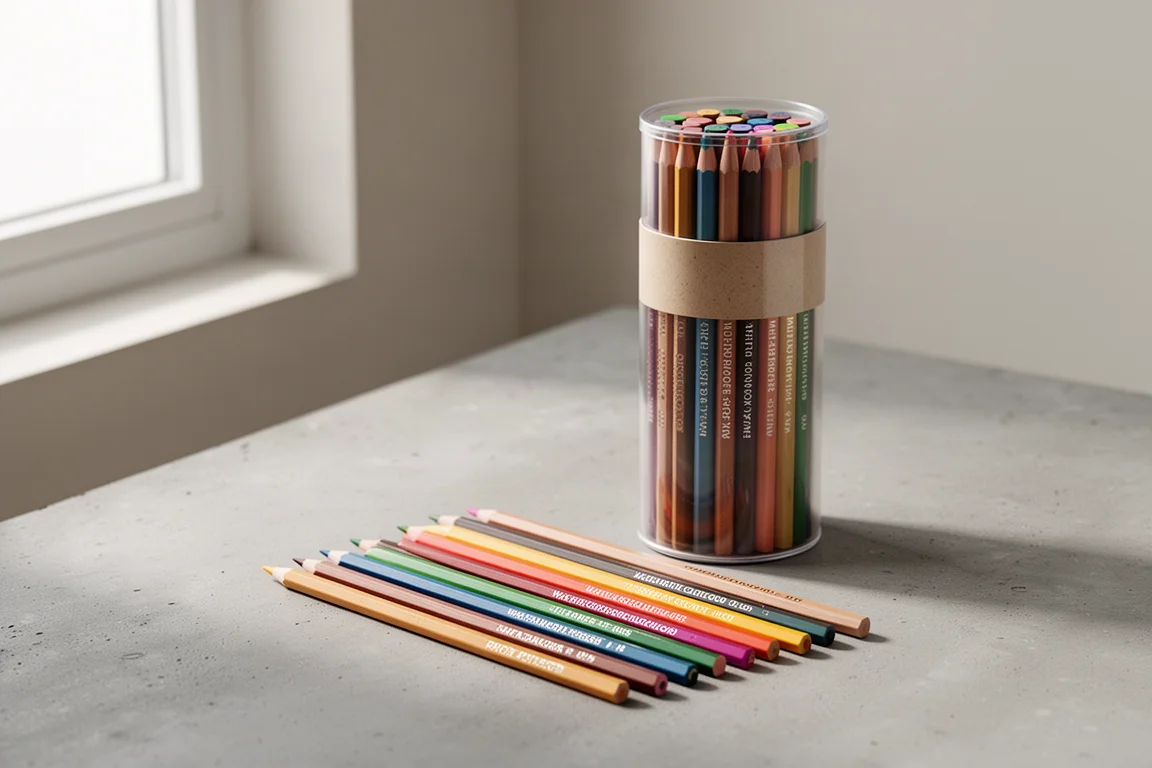
Art Supplies
Art Pop Watercolor Pencils 48-Color Set: A Thoughtfully Designed Student-Grade Option
The Art Pop 48-color watercolor pencil set blends well, dissolves smoothly, and includes artist-friendly details like barrel-printed color names, all at an affordable price.
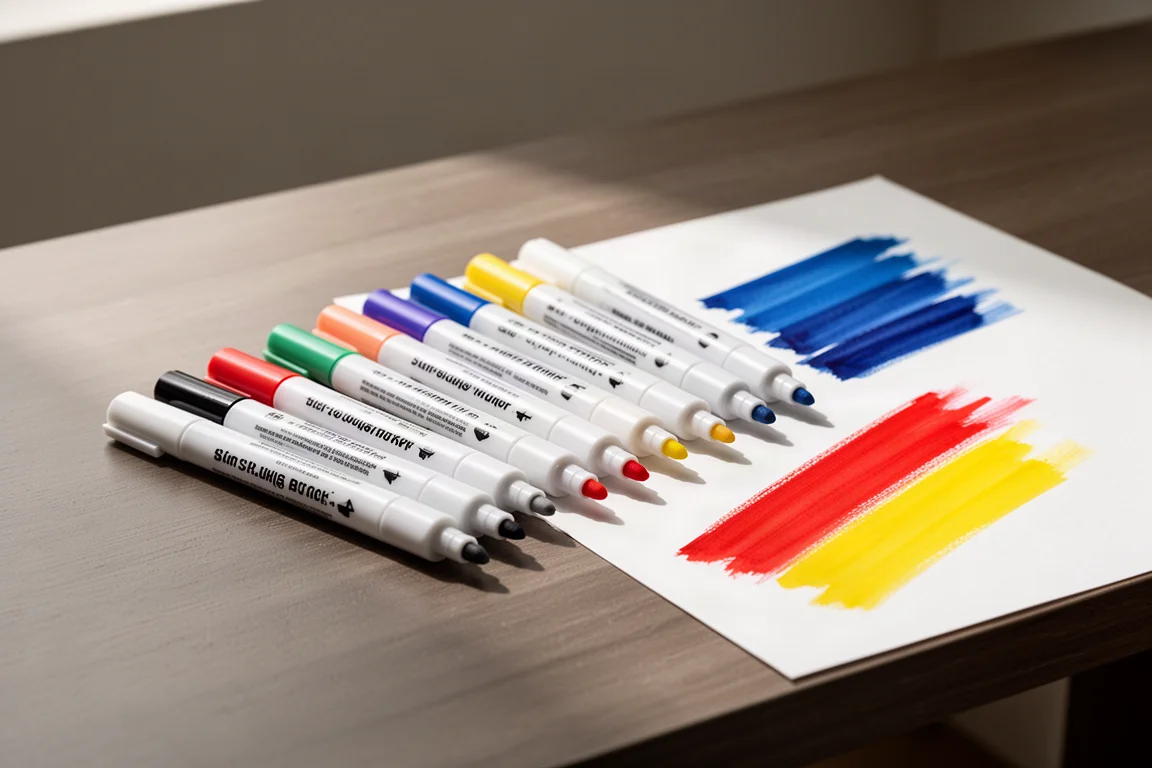
Art Supplies
Artics Acrylic Markers 3mm Review: Versatile Paint Markers With a Few Caveats
A 48-color set of water-based acrylic paint markers that blend while wet, dry permanent, and keep the price low, though safety transparency remains a question.
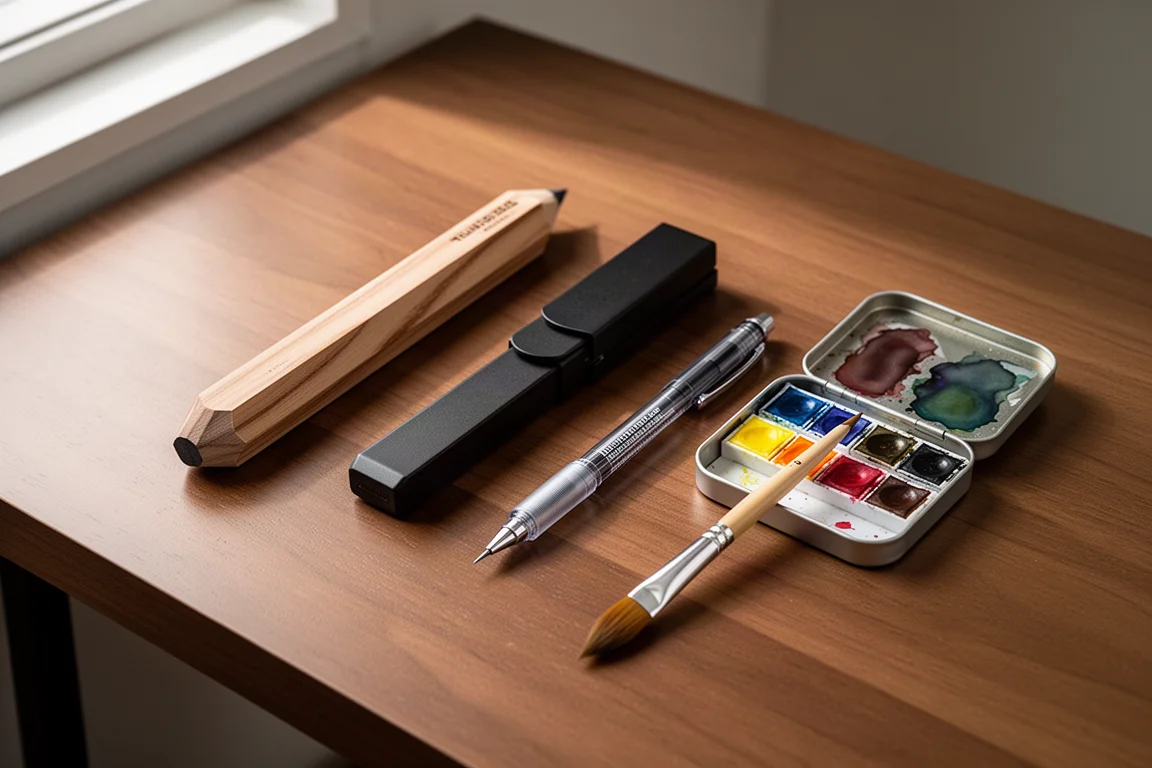
Art Supplies
Best Art Supplies Worth Your Money: Pencils, Pens, Paints, and Paper That Earned Their Spot
After years of daily use and testing, these are the pencils, pens, watercolors, gouache, brushes, sketchbooks, and erasers that stand above the rest.