Outdoor Gear
Best and Worst REI Gear: Seven Pieces Worth Knowing About
A practical look at seven REI products, from packs and pads that carry weight well to a tent, a down jacket, and a quilt that struggle against the competition.
Introduction
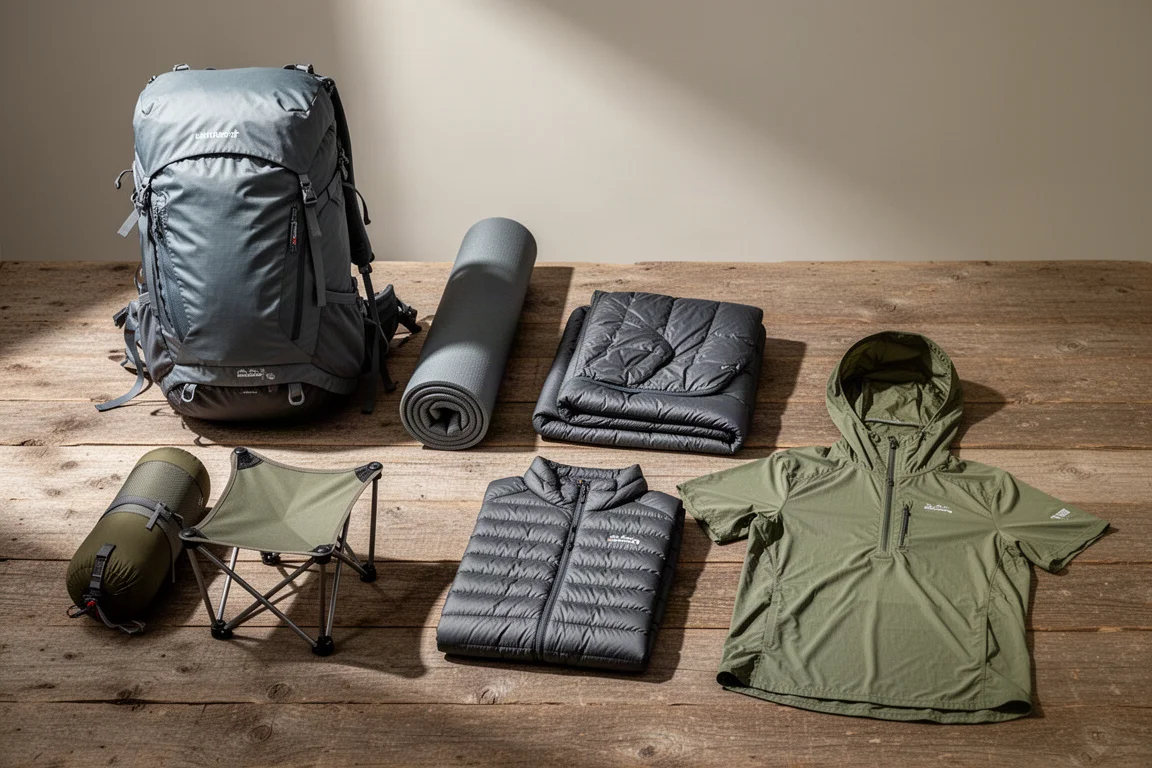
REI keeps releasing new versions of its in-house gear while several larger outdoor brands have slowed their update cycles. That appetite for experimentation produces genuinely strong products, and it also produces a few that struggle against the alternatives. This guide sorts seven REI items into two groups: pieces that earn their place in a pack, and pieces that are difficult to recommend at their asking price.
The lineup covers a 55-litre pack, a trekking pole tent, an ultralight camp chair, a sleeping pad, a down jacket, a quilt, and the ultralight version of the pack. Prices and trade-offs are noted where they matter, so the decision comes down to the kind of trip you actually take.
The Best REI Gear Worth Buying
Three items in the current REI range stand out for distinct reasons: load carrying, value, and comfort. None of them is the absolute best product in its category, but each one is easy to justify on a specific kind of trip. The sections below cover what each does well and where the limits sit.
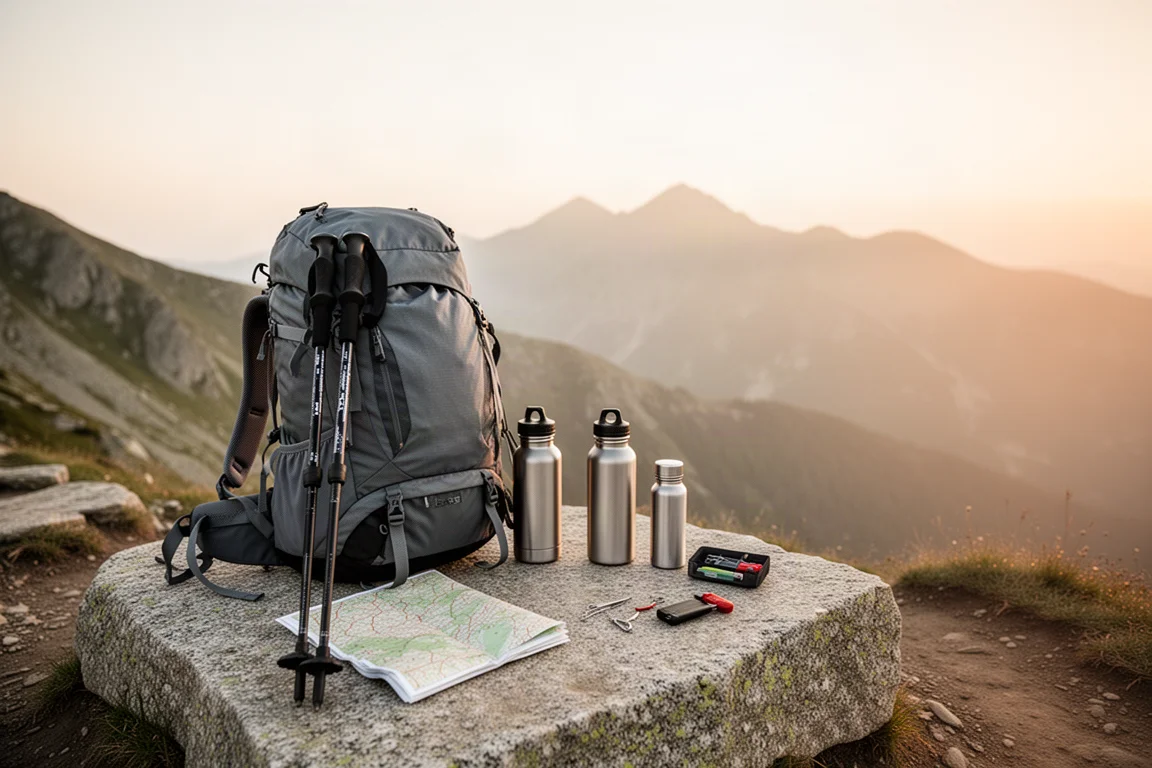
Two of the three are camp items, which reflects where REI has concentrated its effort in recent seasons. The third is a pack that has quietly become a reference point for carrying heavy loads on long resupply stretches. All three are widely available and frequently discounted during seasonal sales, which makes them easier to recommend.
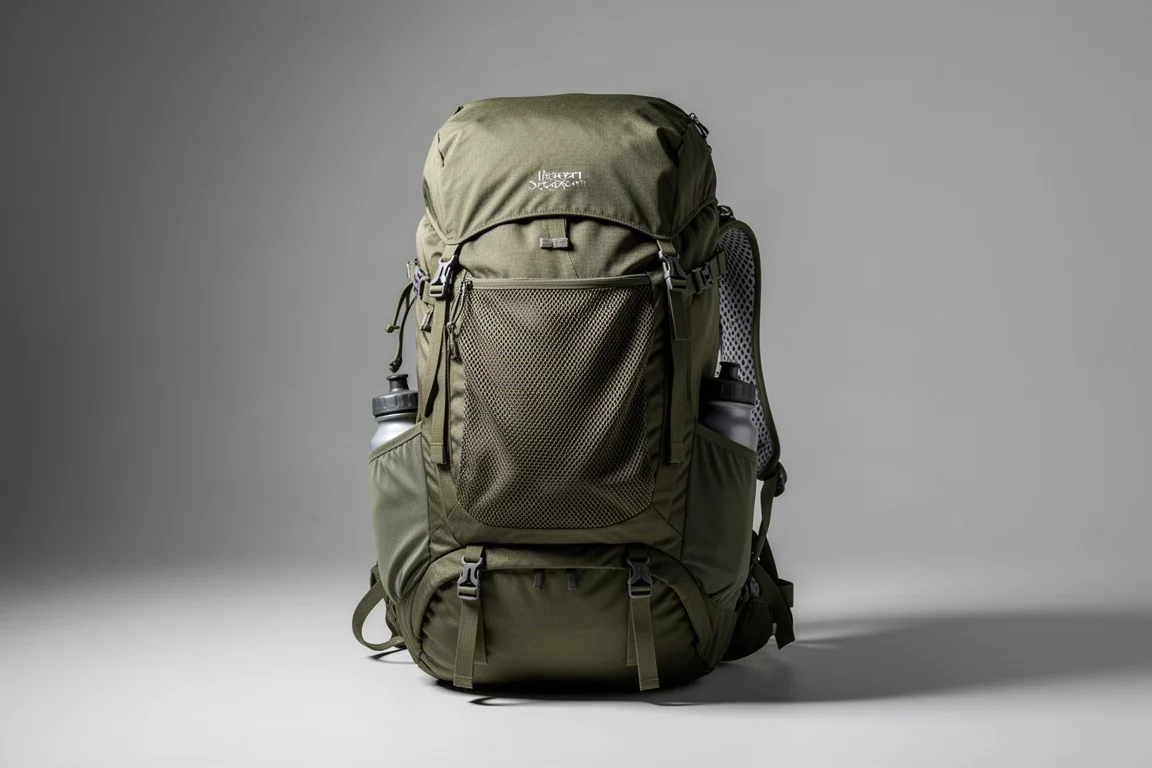
REI Flash 55 Pack: A Pack That Carries Weight Well
The Flash 55 is the pack to reach for when a trip involves heavy food carries or bulky gear. It has carried loads beyond 45 pounds without the frame collapsing or the hip belt folding under pressure, which is unusual at this price.
Two design choices make that possible. The first is the stiff foam used through the torso and the hip belt, which holds its shape instead of compressing against the back. The second is the adjustable torso on the newer version, which lets the wearer dial the fit until the load transfers cleanly onto the hips rather than hanging from the shoulders.
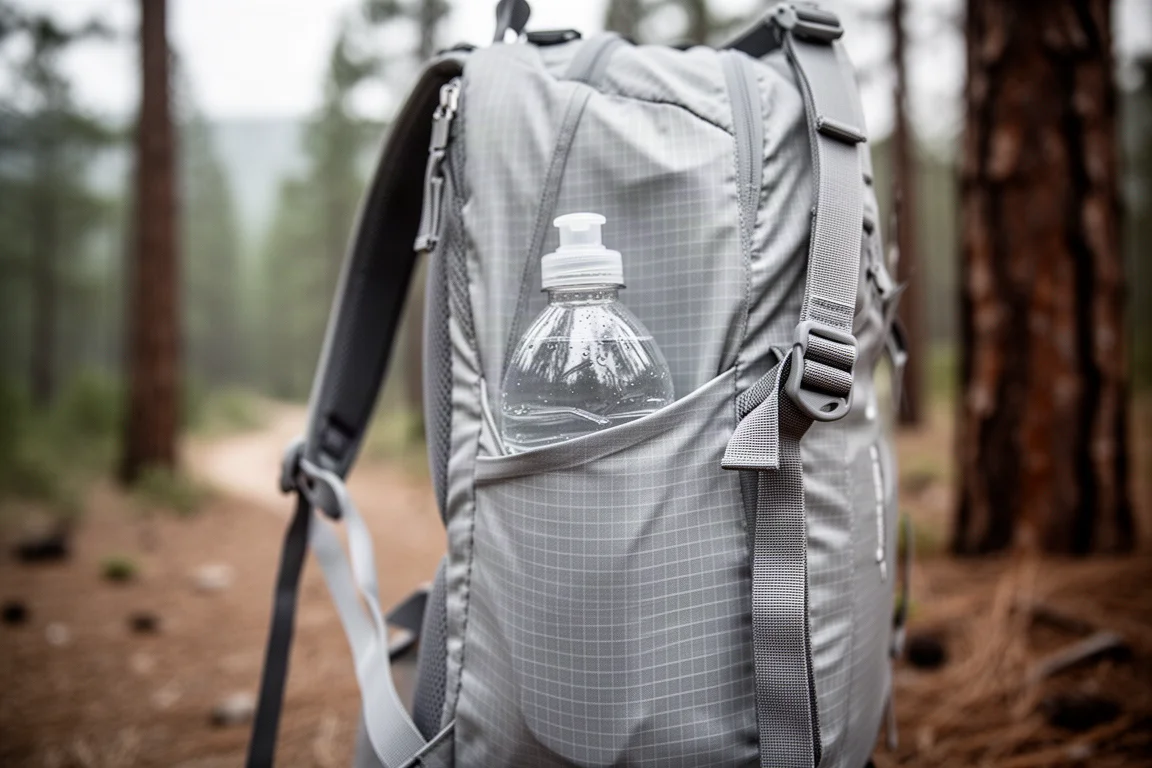
The water bottle pockets deserve their own mention. They are separate from the side pockets, so reaching back for a bottle, taking a sip, and stowing it again is straightforward even with limited shoulder mobility or short arms.
REI Flexlite Air Chair: Light, Affordable, and Easy to Justify
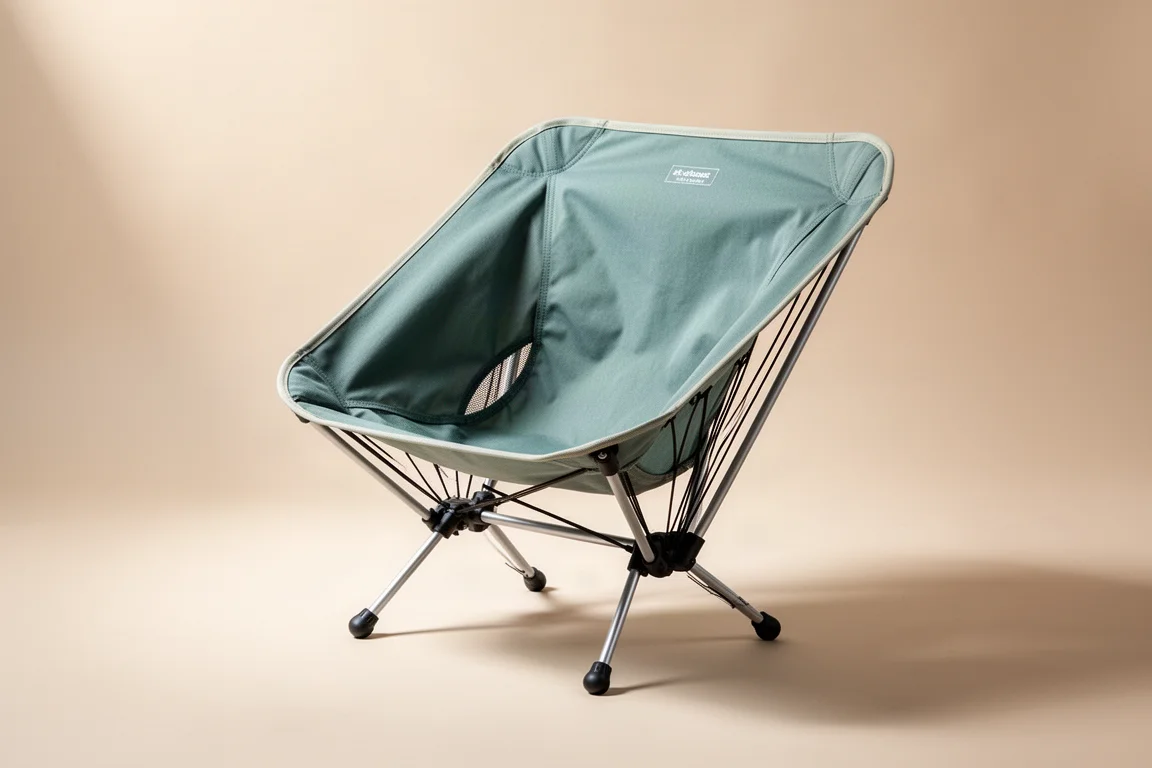
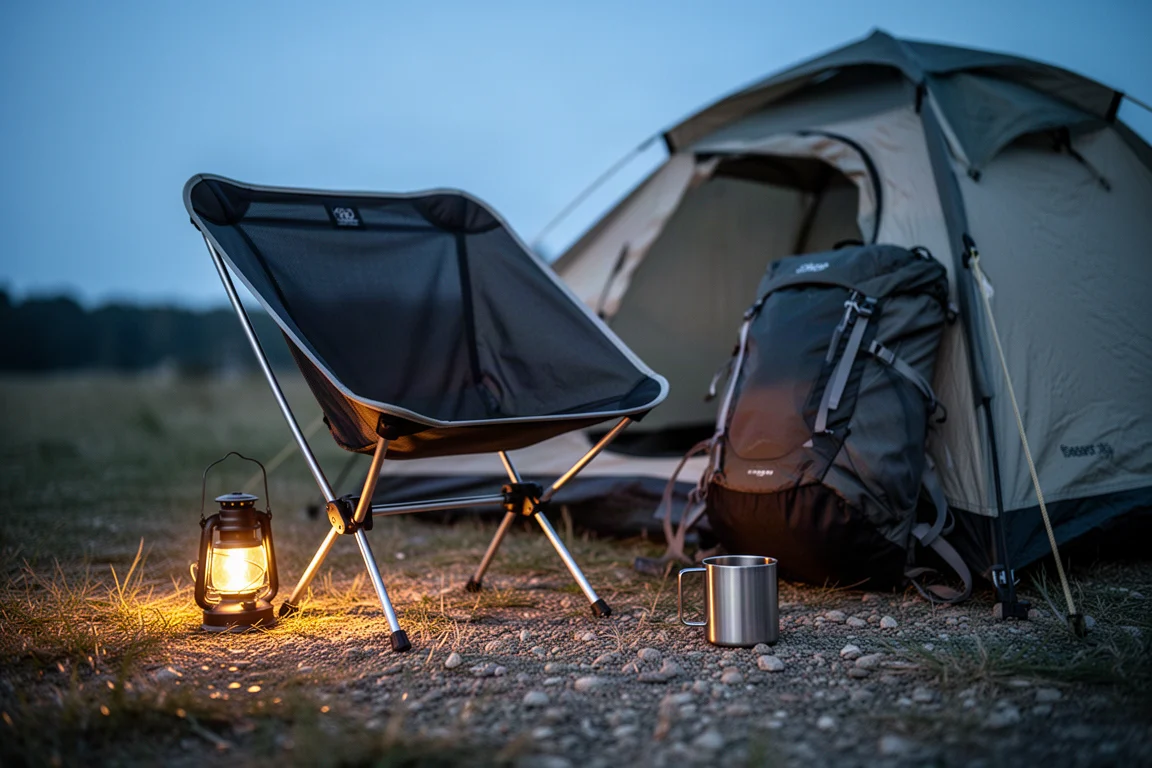
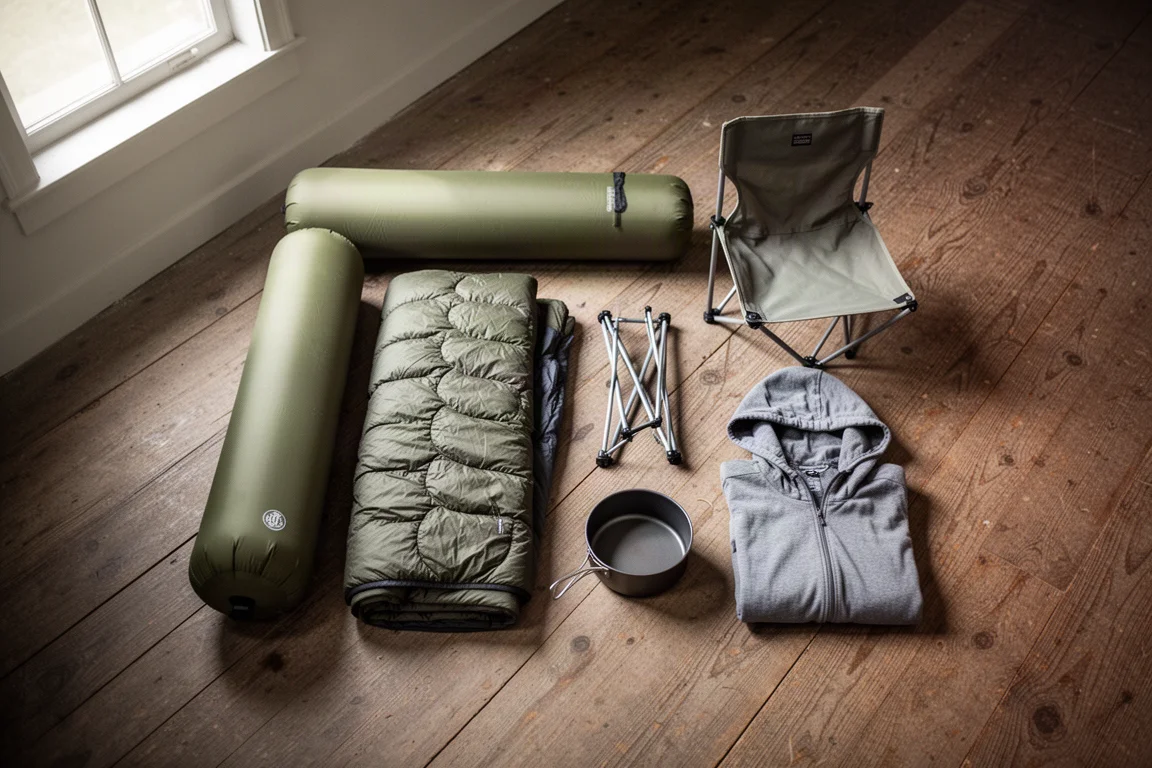
Ultralight chairs are a small luxury, and the Flexlite Air makes that luxury easier to afford. It costs around $100 and is frequently discounted below that, while weighing the same as the Helinox Chair Zero, which sells in the mid $100s.
The trade-off is stability and comfort. The Flexlite Air feels less planted and less forgiving than the Chair Zero, particularly on uneven ground. For a first ultralight chair, though, the price gap is difficult to argue with, and choosing the cheaper option costs nothing in weight.
REI Helix Sleeping Pad: The Comfort Leader
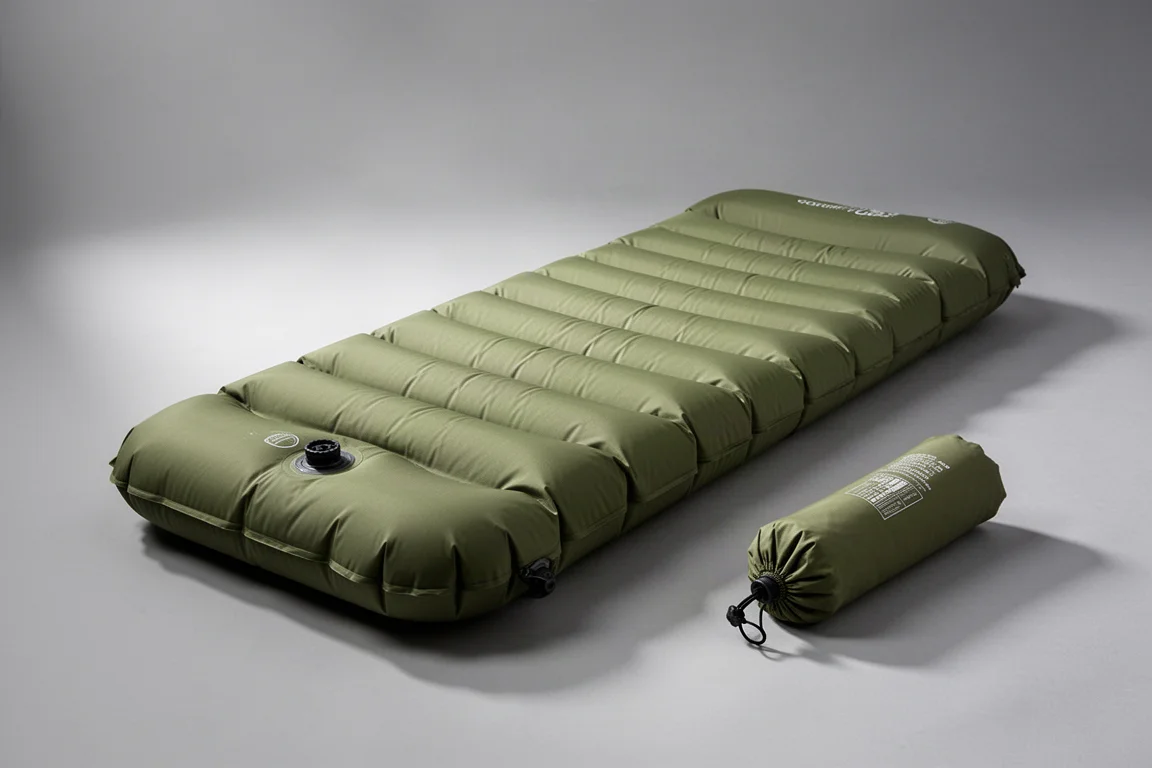
Comfort is the reason to buy the Helix. It is the most comfortable sleeping pad in the current REI range, and it earns that position in two ways.
First, it delivers on its 4.8 R-value rating, staying warm across a wide range of conditions. Second, the baffle system uses small air springs that compress under body weight, which relieves pressure points effectively. Side sleepers are less likely to wake with a numb arm or a sore hip, which is the failure mode that ruins most nights on a thin pad.
The Helix is not the best pad on the market overall. The valve is fiddly and the pad is on the heavy side for backpacking, so anyone counting grams will look elsewhere. For a comfortable night’s sleep at a reasonable weight, though, it is a strong choice.
REI Gear That Falls Short
Not every REI product lands. The three below have real strengths, and in two cases the underlying idea is worth pursuing, but each one is outperformed by an alternative that costs the same or less.
REI Flash Air 2 Tent: Condensation and Setup Frustrations
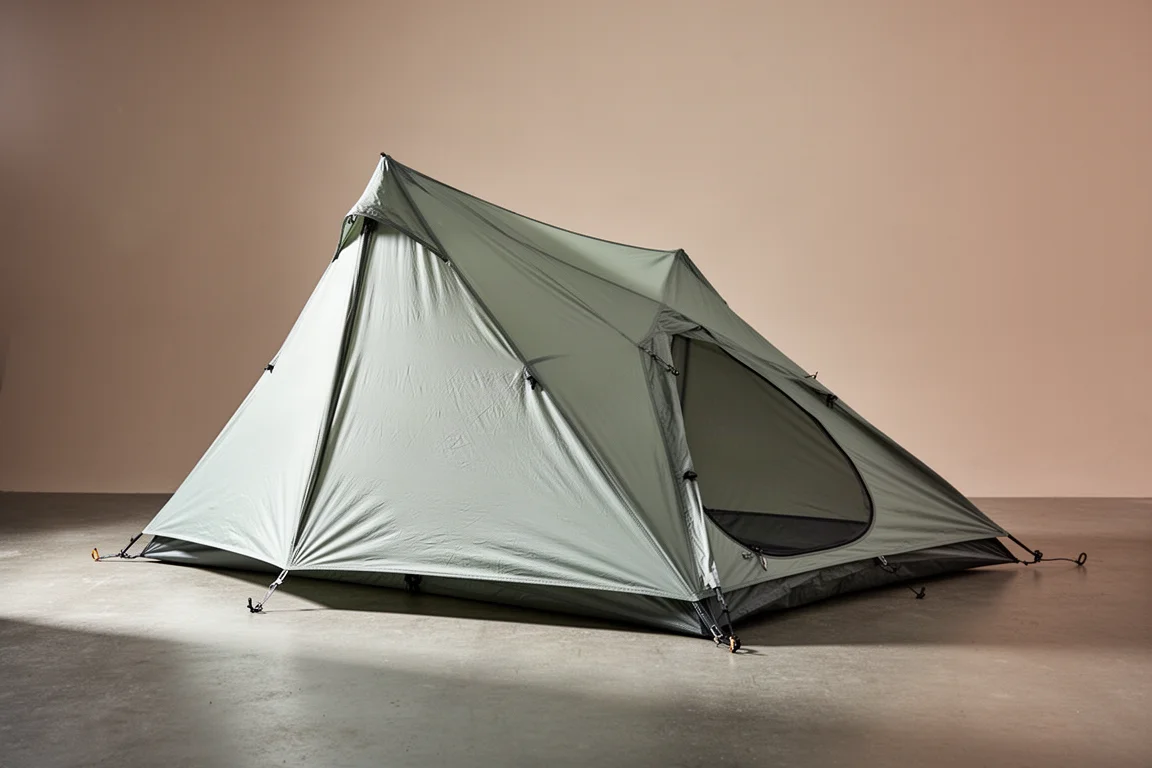
The Flash Air 2 is a trekking pole tent, and four issues hold it back. The first is the nylon fabric. Nylon stretches and sags when it gets wet, and that sag is more disruptive on a trekking pole shelter than on a freestanding tent, because these designs rely on tension to hold their shape.
The second issue is condensation. The tent is single wall, so there is no inner layer separating the occupant from the fly. The bigger concern is where that moisture ends up: condensation that builds up can run down the walls and collect in the corners inside the tent, potentially wetting gear stored there. The first version of this tent was known to behave exactly that way, and the current construction does not fully resolve the risk.
The third issue is setup. Trekking pole tents are usually quick to pitch, but this one needs more adjustment than most, with struts at either end that make it harder to line everything up cleanly.
The fourth issue is the competition. The Durston X-Mid is lighter, less expensive, more spacious, and easier to pitch, which leaves the Flash Air 2 difficult to justify unless it is heavily discounted.
REI 650 Down Jacket: Outclassed at Its Price
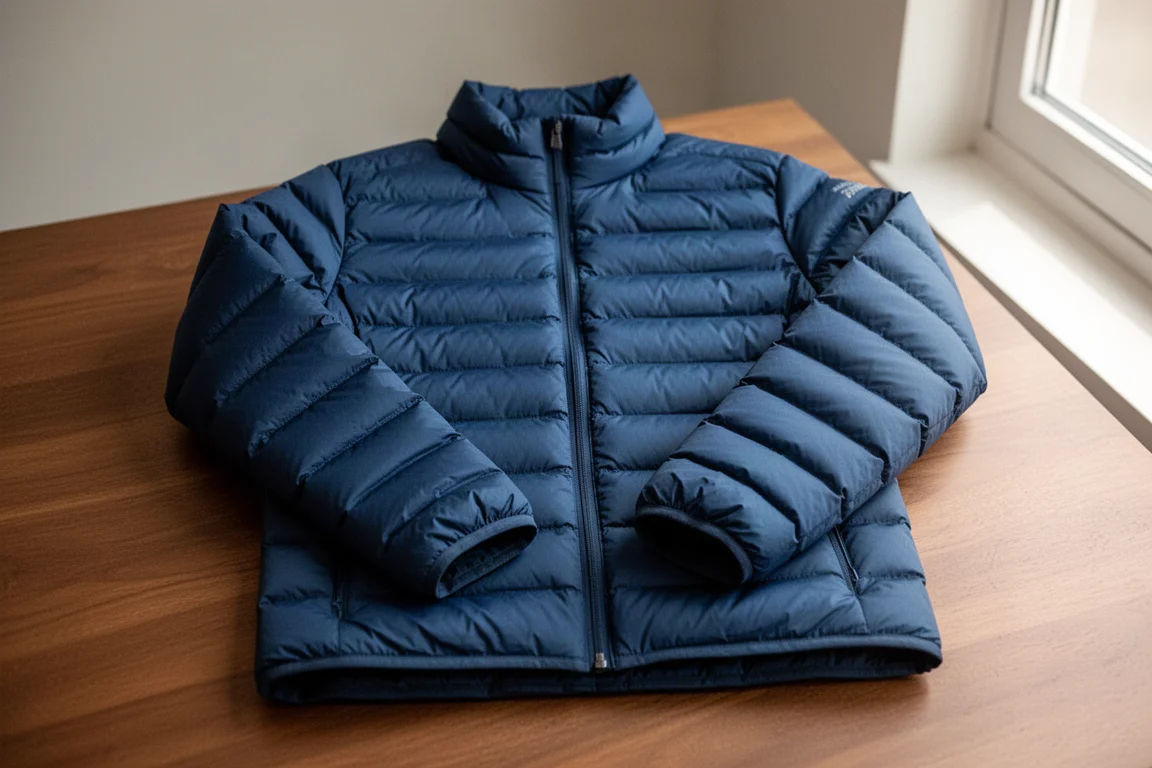
The 650 Down Jacket is not a bad jacket. It costs around $120, goes on sale regularly, and it is light and warm. The problem is that the budget down jacket category has moved on.
Comparable jackets, including the Decathlon Trek 100 Down Jacket, are lighter, warmer, and less expensive. That combination leaves this REI jacket without a clear reason to choose it. REI refreshes the model regularly, and a future version could close the gap, but the current iteration is hard to recommend over the alternatives.
REI Magma 30 Quilt: Warmth Claims and Strap Fiddling
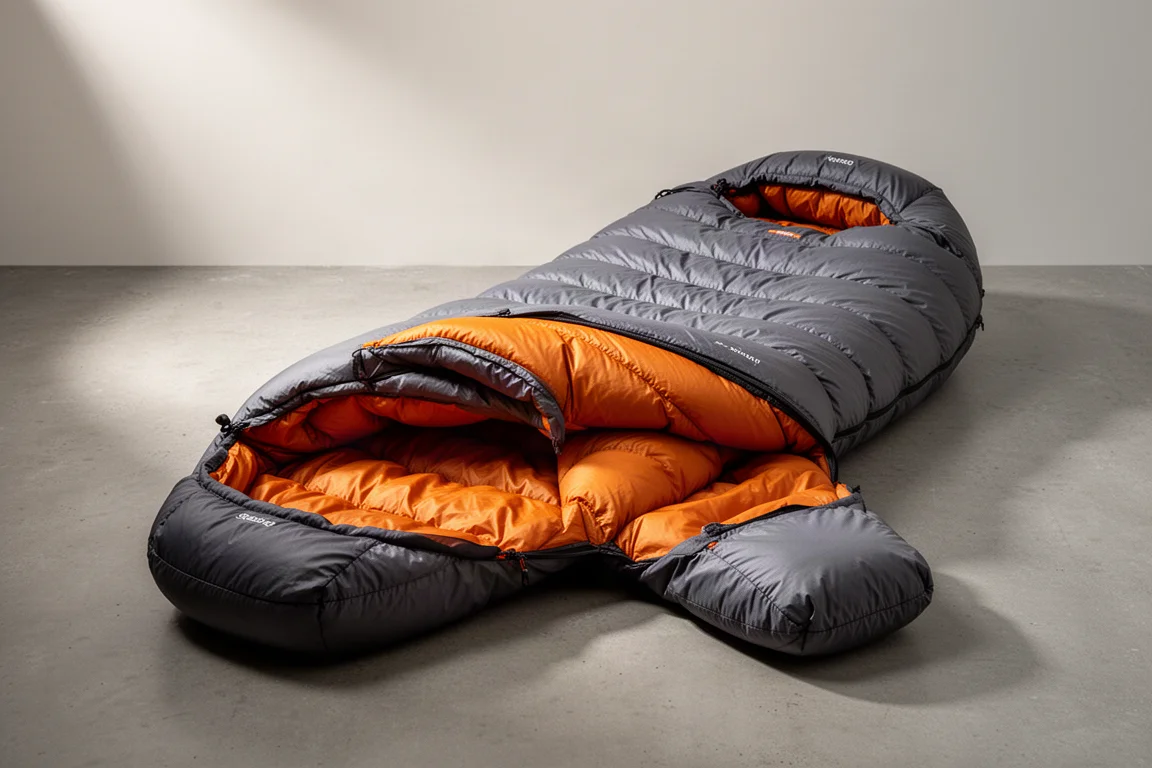
The Magma 30 Quilt gets a lot of details right. It has pad straps, a snap at the neck, and a draft tube around the neck to hold warmth in. Those are the features a quilt needs.
The problem is the temperature rating. The quilt does not sleep as warm as its name suggests: at around 40 degrees Fahrenheit it starts to feel chilly, which is disappointing for a 30 degree product. The pad strap system is also awkward. The toggles and loops require loosening the strap before a toggle can be released, which is a nuisance for anyone getting up in the middle of the night.
A lower price would change the calculation considerably. Ultralight gear from a brand with a physical store network and a return policy that lets you bring an item back if it does not work out is genuinely useful, because it lets people try a category before committing to it. The Magma 30 needs either a lower price or a warmer build to earn that role.
The On-The-Fence Option: REI Flash Air 50 Pack
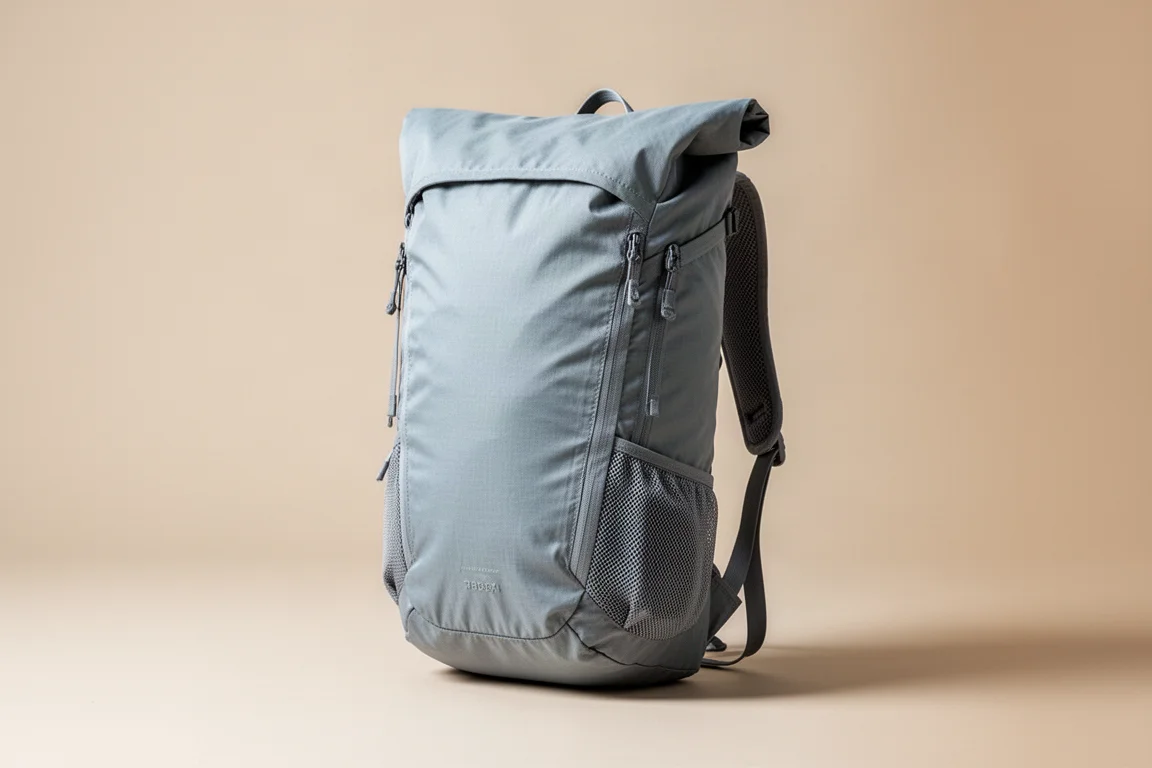
The Flash Air 50 is the ultralight sibling of the Flash 55, and it cuts roughly 30 percent of the weight, landing at 850 grams. That is a genuinely low figure for a mainstream pack, and REI deserves credit for it.
The compromises show up close. The side water bottle pockets are not stretchy, so larger bottles are harder to fit. The front pocket is very small, which limits how much you can stash there without opening the pack. There is no lid, though that is easy to live with if valuables go into a stuff sack inside the main compartment.
The bigger difference is the suspension. The Flash Air 50 does not have the adjustable torso of the Flash 55, and on a test load of around 40 pounds with full water, the weight did not transfer to the hips as cleanly. More of it ended up on the shoulders, which becomes tiring over a long day.
At $300, the pack costs about $100 more than the Flash 55, and the price is the main obstacle. The Flash Air 50 does not use notably exotic materials, and it removes features rather than adding them, so the premium is hard to justify. A lower price would have made it an easy recommendation for anyone curious about going lighter.
Buying Advice: Matching REI Gear to Your Trip
The right REI purchase depends on what the trip demands. For heavy carries, the Flash 55 is the straightforward choice, because the adjustable torso and stiff foam are what make a 45 pound load manageable. For anyone prioritising comfort at camp over pack weight, the Helix Sleeping Pad is the standout, provided the fiddly valve and the extra weight do not bother you.
For a first ultralight chair, the Flexlite Air is the sensible entry point. The savings over the Chair Zero are significant and the weight is identical, so the decision comes down to whether you value stability more than price.
On the other side of the ledger, the Flash Air 2 Tent, the 650 Down Jacket, and the Magma 30 Quilt all have direct competitors that do the same job better or for less. None of them is unusable, and all three go on sale regularly, which can shift the maths. Buying at full price is harder to justify.
Conclusion
REI’s willingness to keep experimenting is the reason this list has more strong entries than weak ones. The Flash 55, the Flexlite Air Chair, and the Helix Sleeping Pad each do something well enough to justify their place in a kit, whether that is carrying weight, saving money, or delivering a comfortable night’s sleep.
The Flash Air 50 sits in the middle: a good pack with a price that does not match what it offers. The Flash Air 2 Tent, the 650 Down Jacket, and the Magma 30 Quilt are the pieces to think about carefully, because lighter, warmer, cheaper, or easier alternatives exist in each category. Checking the current sale price before buying is the simplest way to make any of these decisions easier.
Further reading
Related Reviews
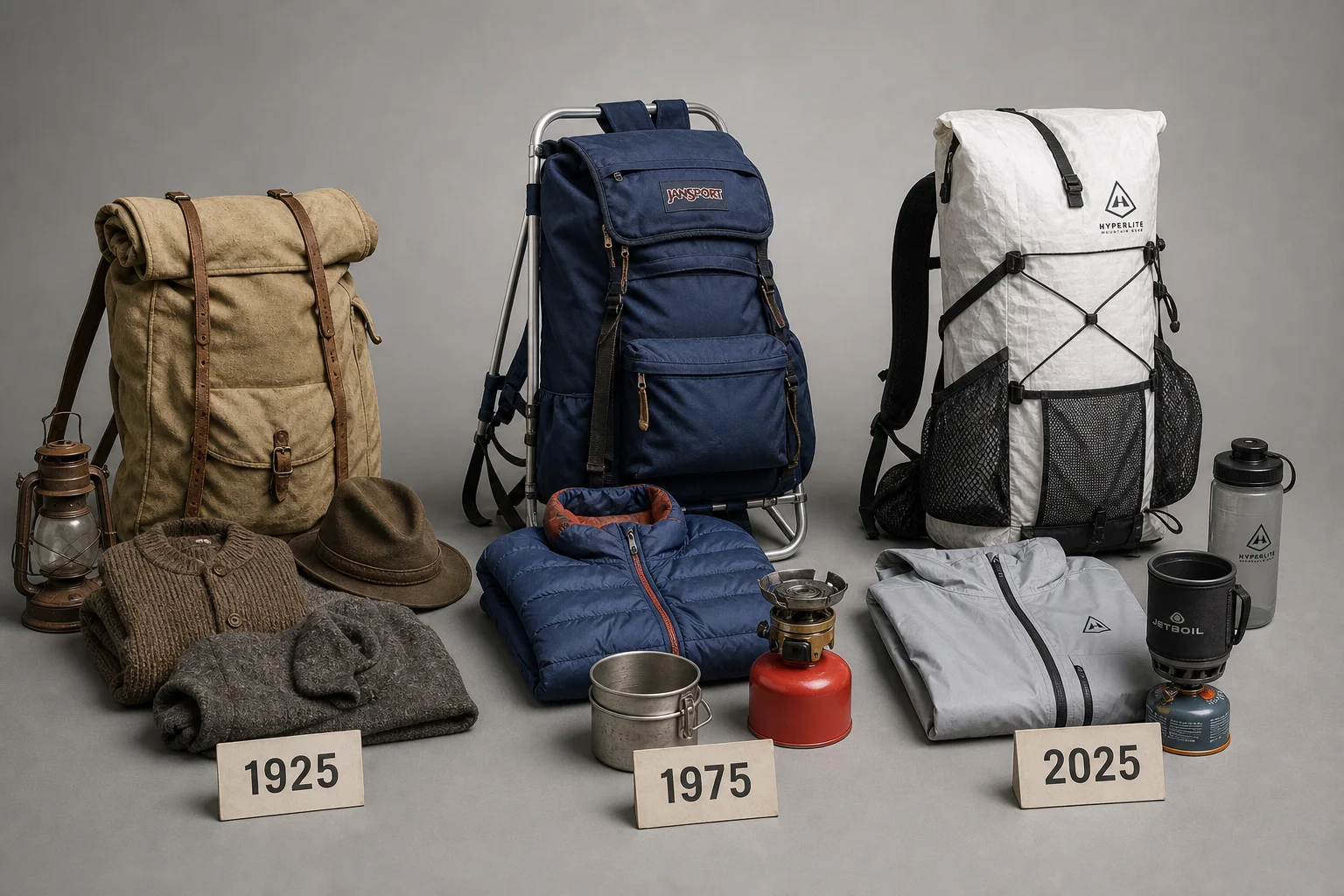
Outdoor Gear
Backpacking Gear Evolution: 100 Years of Technology Compared
We tested backpacking gear from 1925, 1975, and 2025 across a three-day hike in Yosemite. Here's how technology has transformed comfort, weight, and the outdoor experience.
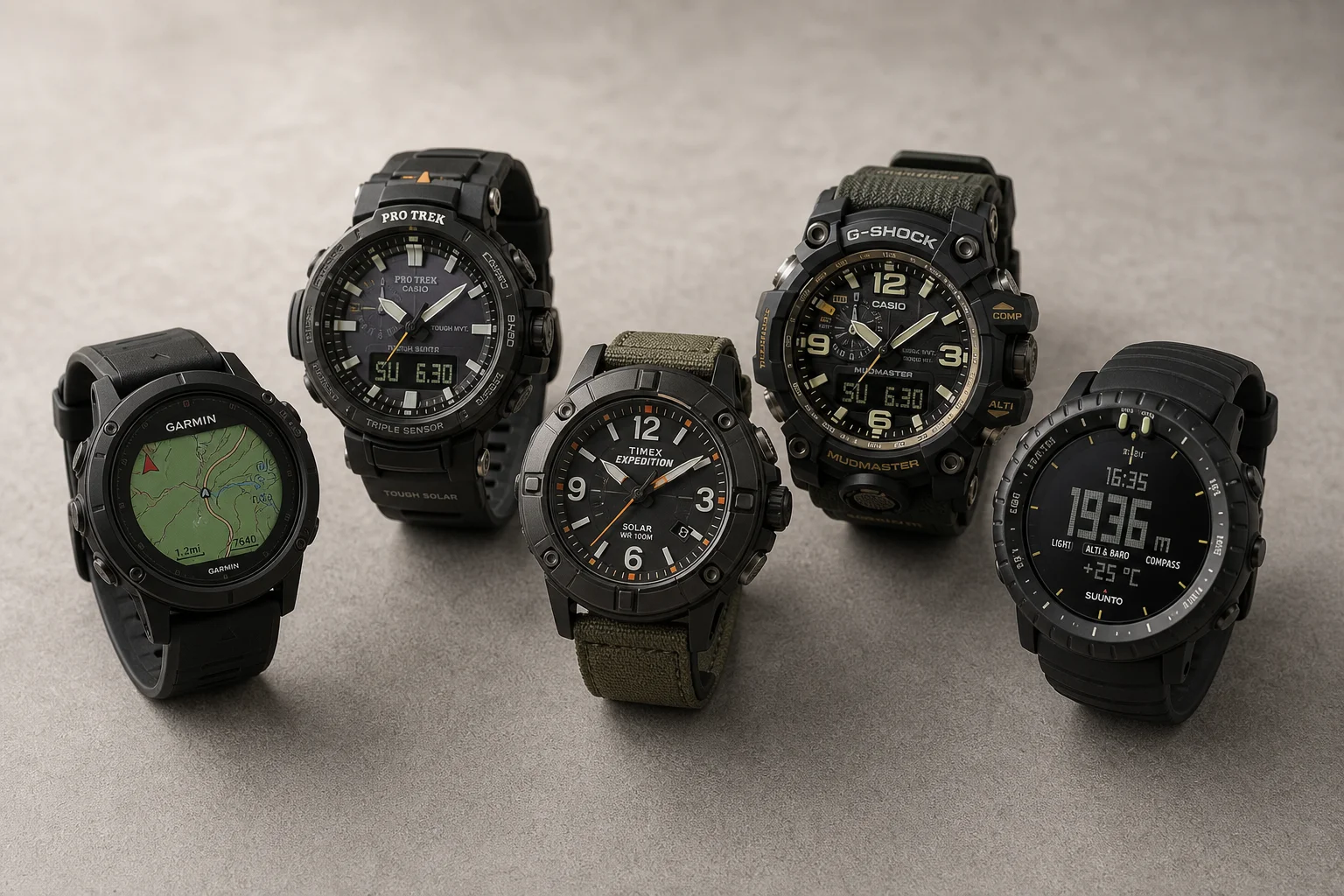
Outdoor Gear
Best Affordable Hiking Watches: Five Rugged Options for Outdoor Adventures
Five durable hiking watches that balance ruggedness, functionality, and value for outdoor enthusiasts who need reliable GPS tracking and weather resistance.
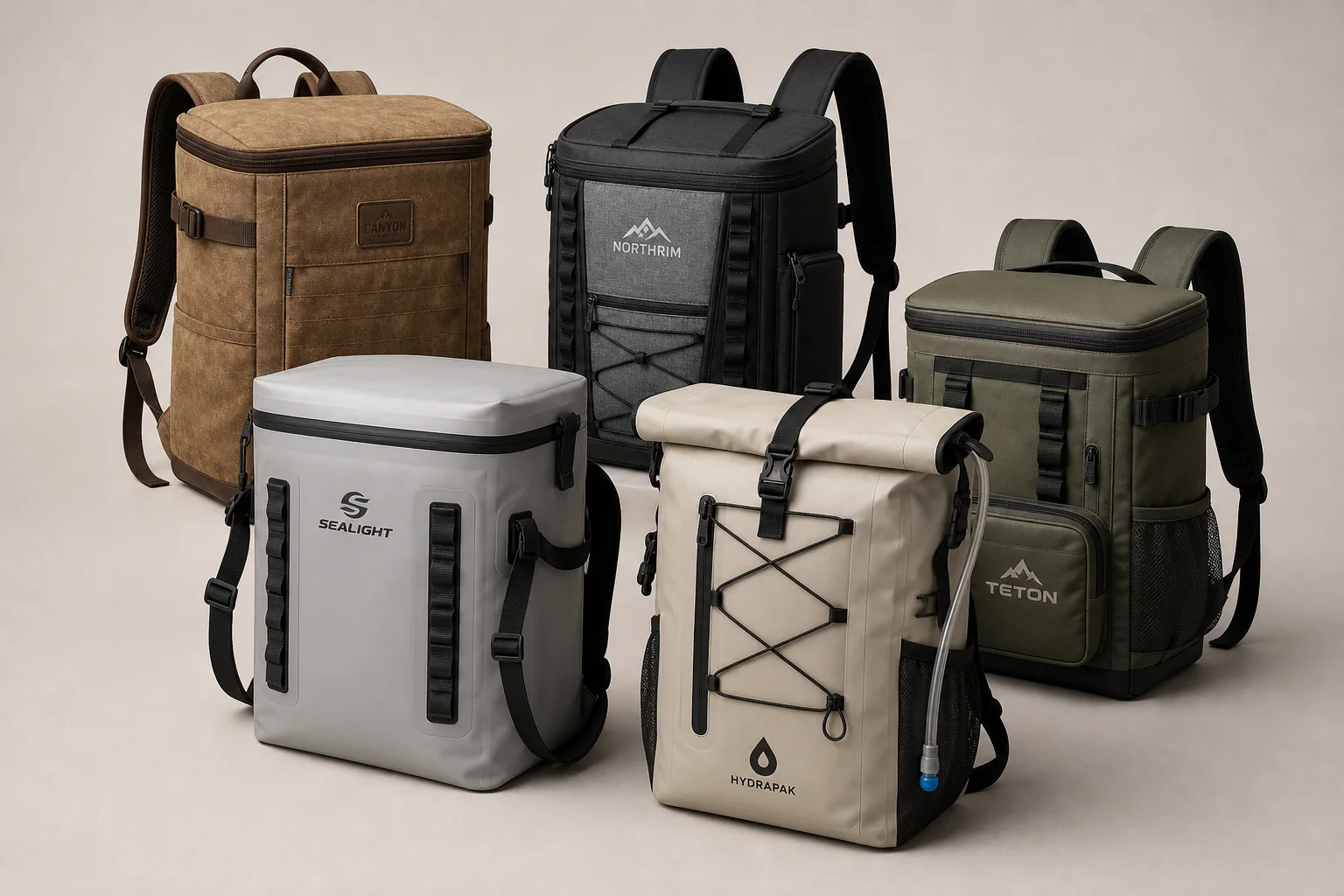
Outdoor Gear
Best Backpack Coolers 2026: Five Practical Options for Outdoor Adventures
Five backpack coolers with distinct cooling capabilities, storage features, and design trade-offs to help you choose the right one for your outdoor needs.