Outdoor Gear
Best and Worst New Outdoor Gear: 7 Products Worth Considering
A practical look at seven new outdoor gear items, from water filters to ultralight tents, with clear strengths and trade-offs.
Introduction
New outdoor gear arrives every season, and with supply chain challenges making some items harder to find, it is tempting to buy whatever is available. But not every new release is worth your money. This roundup looks at seven new products, from water filters to ultralight shelters and sleep systems, highlighting what works well and what to consider before buying. Whether you are upgrading your backpacking kit or looking for a reliable water filter, these evaluations can help you make a more confident choice.
Evaluation Criteria
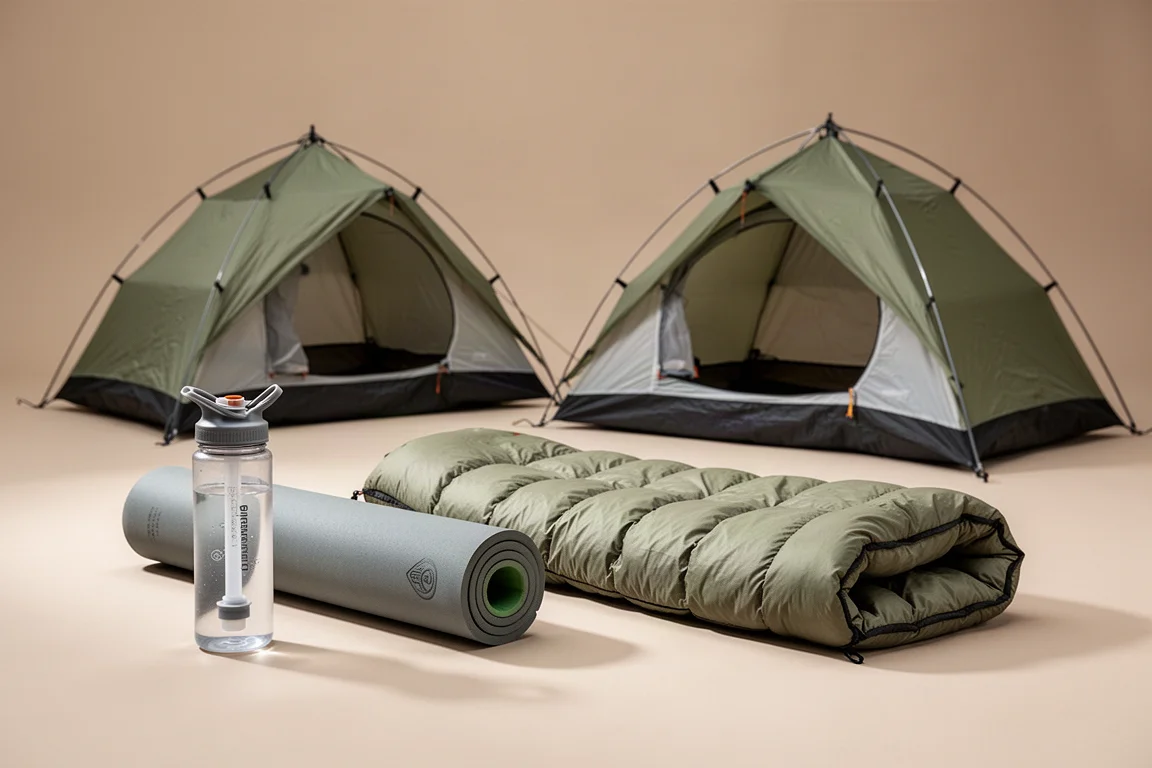
When assessing new outdoor gear, we focus on practical factors: weight, ease of use, durability, and overall value. For water filters, flow rate and compatibility with standard bottles matter. For tents, interior space, weight, and weather protection are key. Sleeping bags and pads are judged on warmth-to-weight ratio, comfort, and noise. These criteria help separate genuinely useful innovations from designs that fall short.
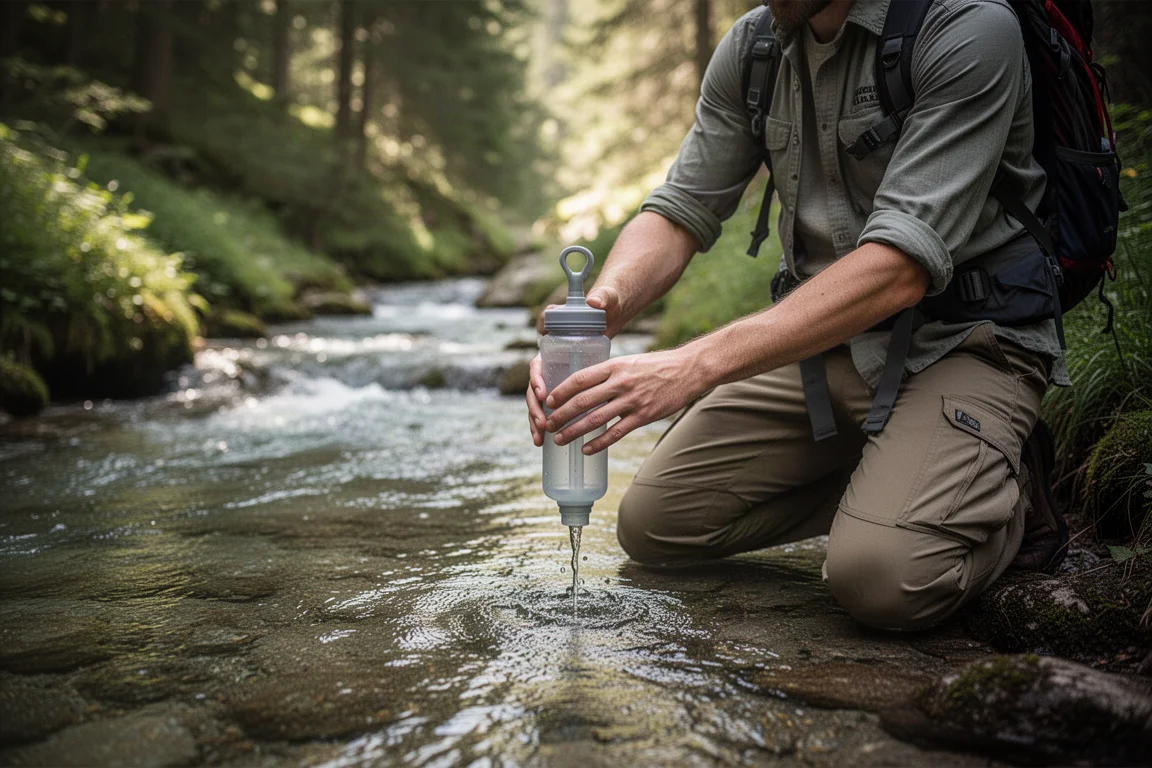
We also consider real-world trade-offs, such as whether a product requires additional accessories to function well or if a clever design feature introduces an unexpected drawback. The goal is to give you a clear picture of each item so you can decide if it fits your needs.
LifeStraw Peak Series
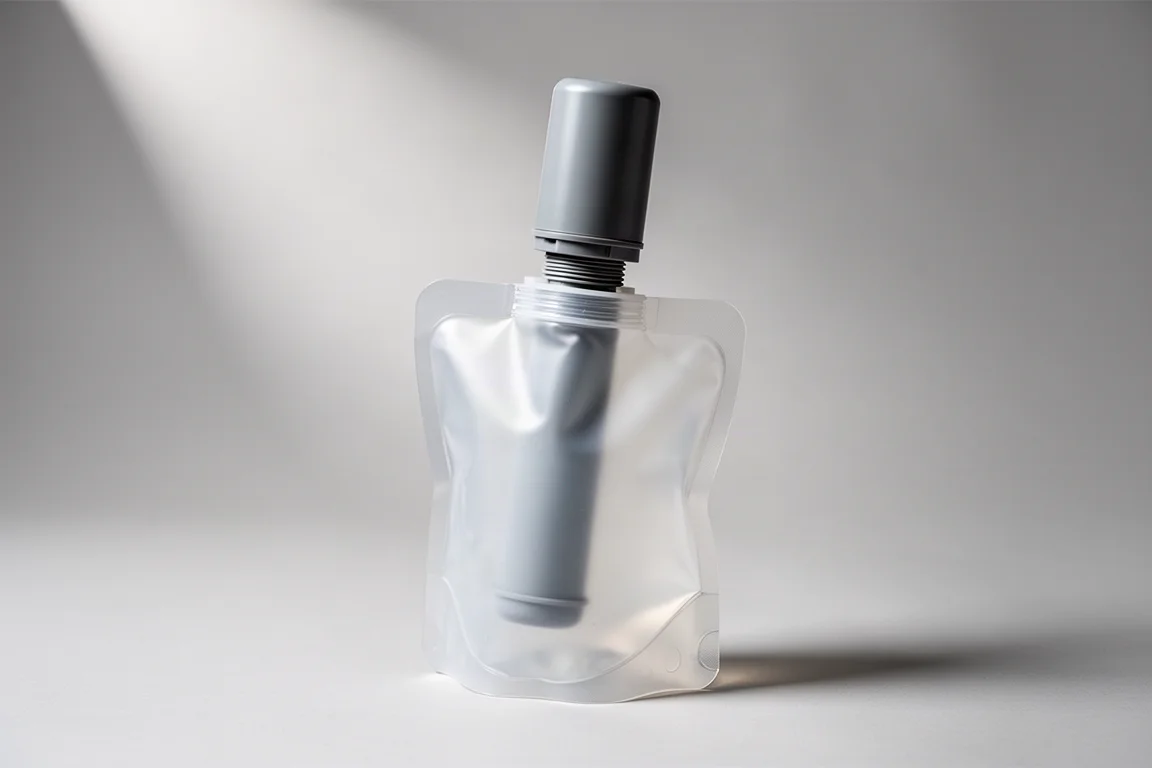
The LifeStraw Peak Series is a new squeeze and gravity filter that borrows design ideas from other brands. It features a filter recessed into the squeeze bag, similar to the Katadyn BeFree, but with a key difference: the Peak filter only has an opening at the bottom. This means you cannot squeeze all the water through it using the supplied squeeze bag. In testing, a significant amount of water remained in the bag after squeezing. However, the filter has a standard 23mm thread, which fits SmartWater bottles and Cnoc bags. Using a Cnoc bag, you can squeeze all the water through, and it is reasonably fast at about 30 seconds per liter. One concern is that the filter may slow down after only 15 liters of use, according to field reports. At almost $40, it is cheaper than the BeFree, but you may need to add a $20 Cnoc bag to make it fully functional.
Katadyn BeFree
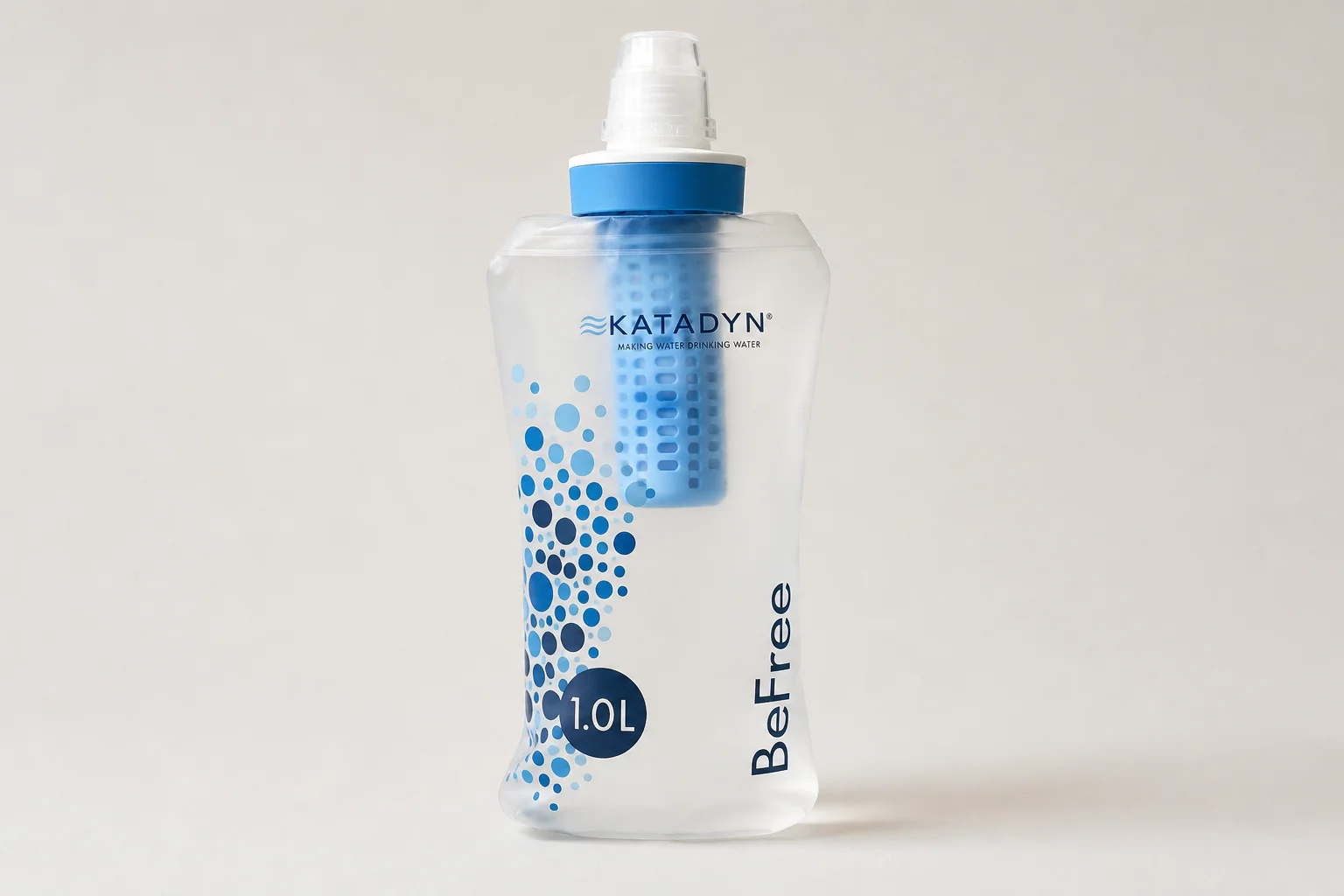
The Katadyn BeFree is a well-known squeeze filter that features an open design, allowing water to flow all the way around the filter. This design enables you to squeeze all the water through the bag without leaving any behind. It is a reliable option for hikers who want a straightforward filter system. While the BeFree is more expensive than the LifeStraw Peak, its design avoids the bottom-only opening issue. If you prioritize a filter that works efficiently with its included bag, the BeFree is worth considering.
Platypus QuickDraw
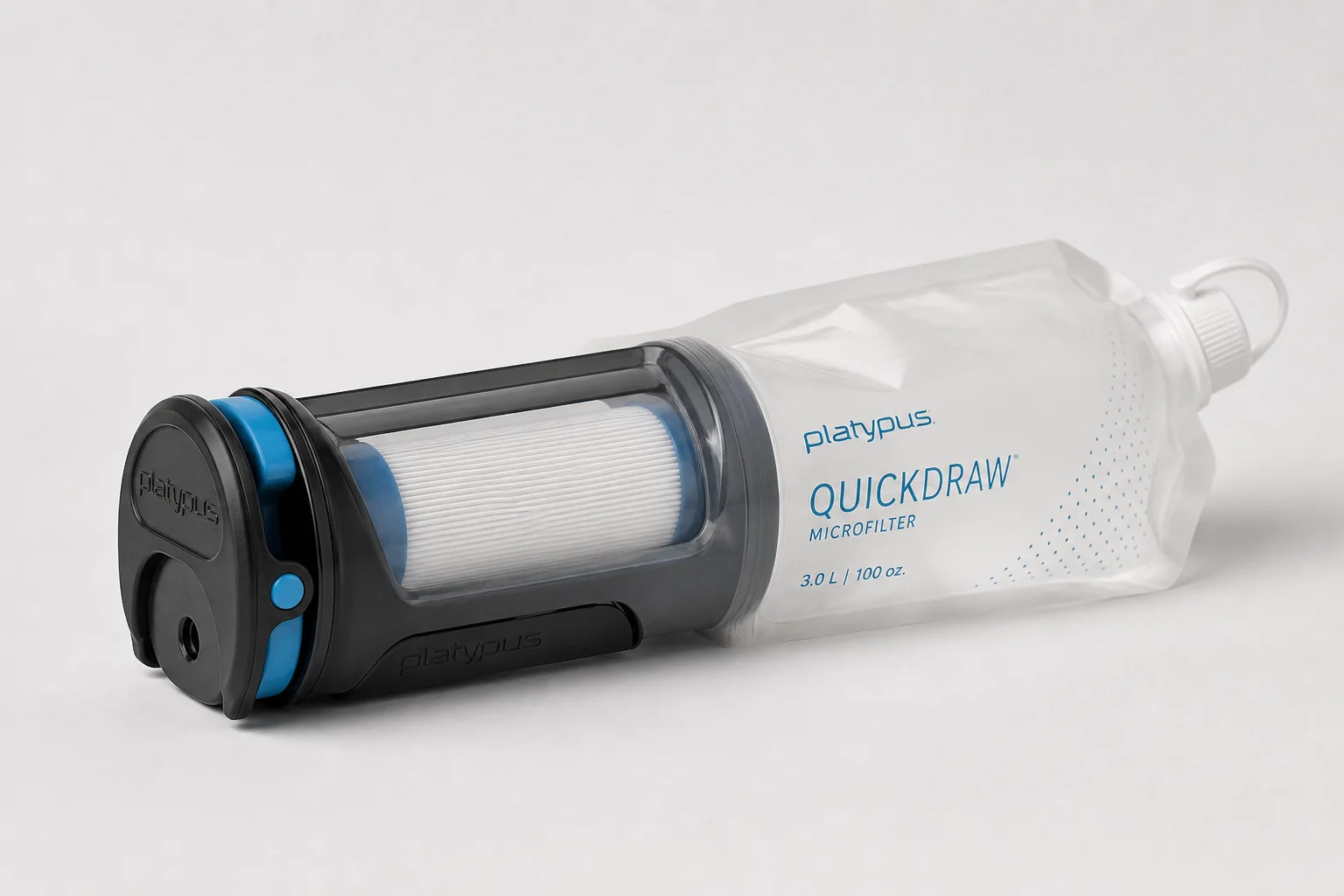
The Platypus QuickDraw offers a much better design than the LifeStraw Peak, according to our assessment. It is available for $30, or $40 with an actual usable squeeze bag. The QuickDraw provides a functional squeeze filter experience without the need for aftermarket accessories. For budget-conscious hikers who want a filter that works well out of the box, the QuickDraw is a strong contender. Its lower price and included usable bag make it a practical choice.
MSR FreeLite 2
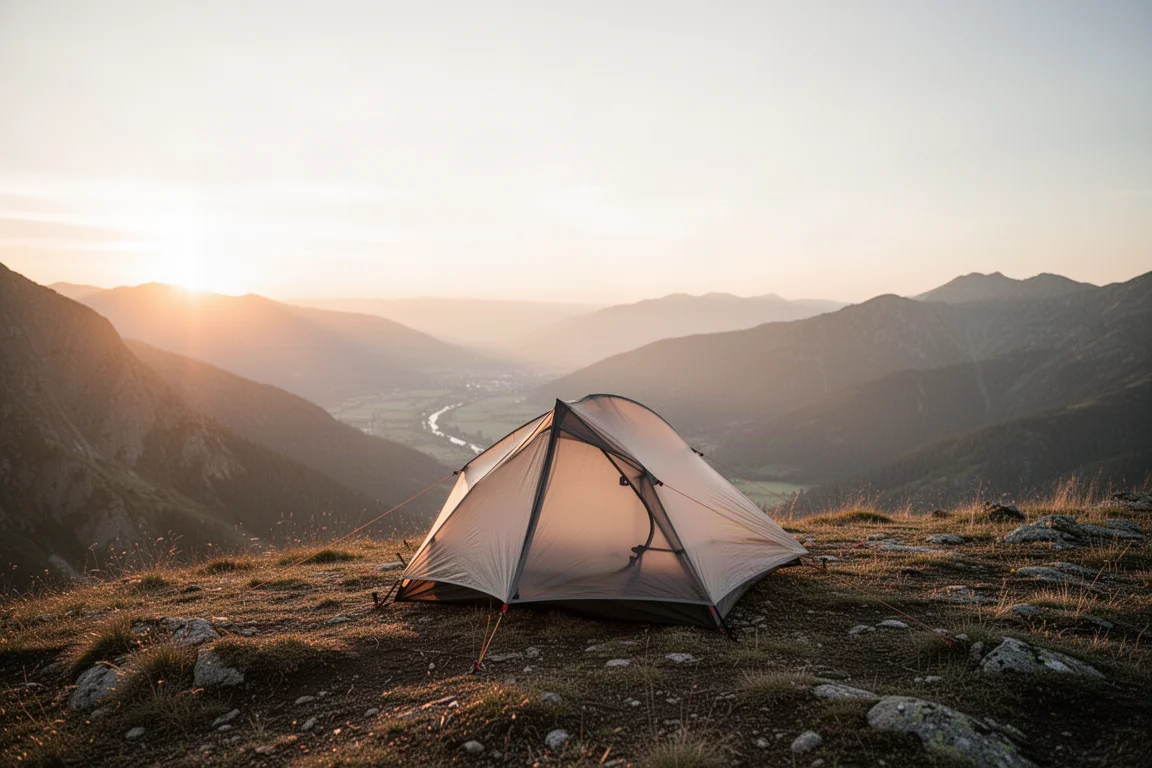
The MSR FreeLite 2 is a completely redesigned semi-freestanding ultralight two-person tent weighing just over 2 lb. Its standout feature is a true rectangular shape with a 50-inch wide floor, which comfortably fits two people using 25-inch wide pads. It also offers a decent amount of headroom, making it a comfortable option for two backpackers. The tent has a unique vestibule zipper that cuts across the fly instead of down the center, which makes it easier to reach when opening and closing. However, this design has a side effect: when opening the tent with a wet fly, water can drip inside right where your sleeping bag is. Despite this, the FreeLite 2 is a promising option for those needing a lightweight two-person shelter.
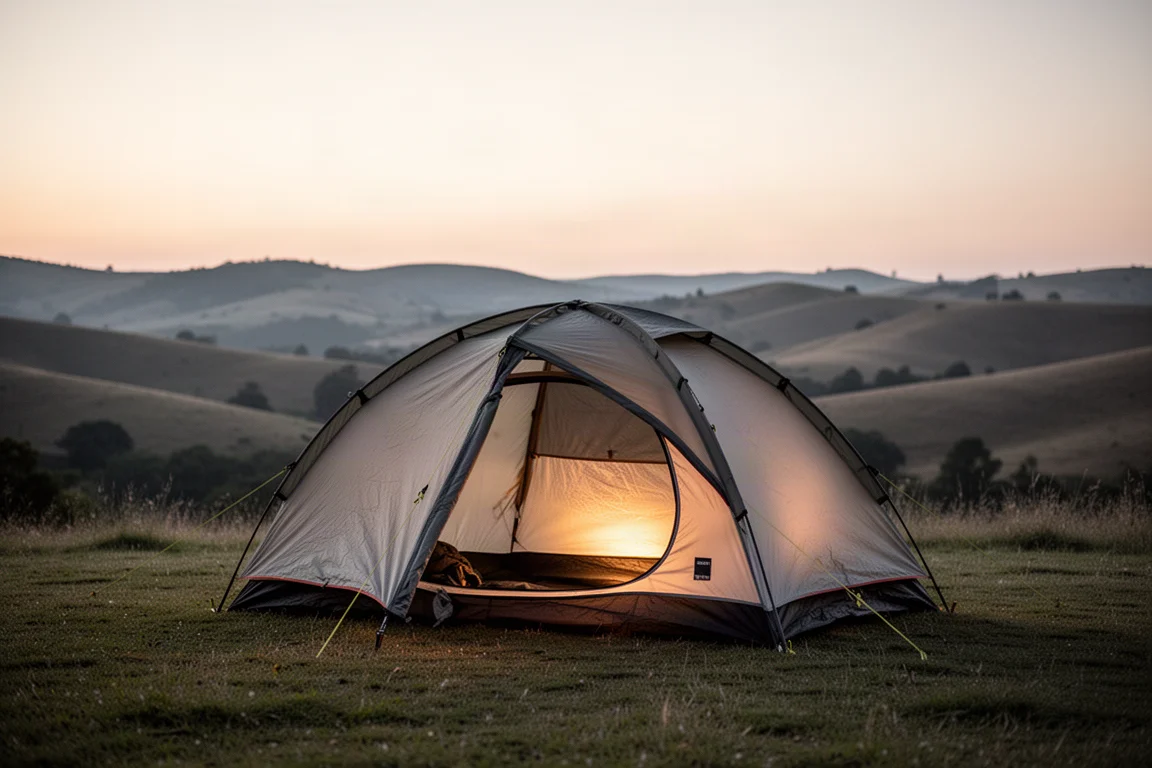
If you can manage the wet-fly drip, the FreeLite 2 offers a great balance of space and weight.
Therm-a-Rest Ohm 20
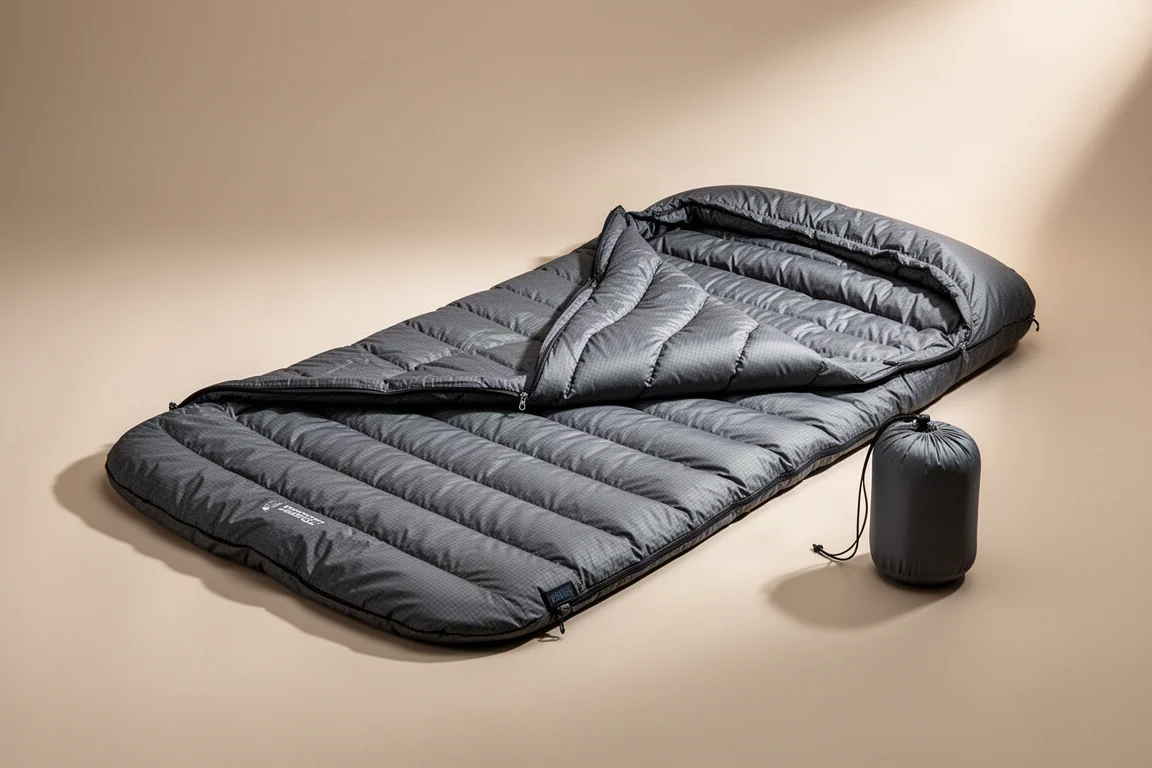
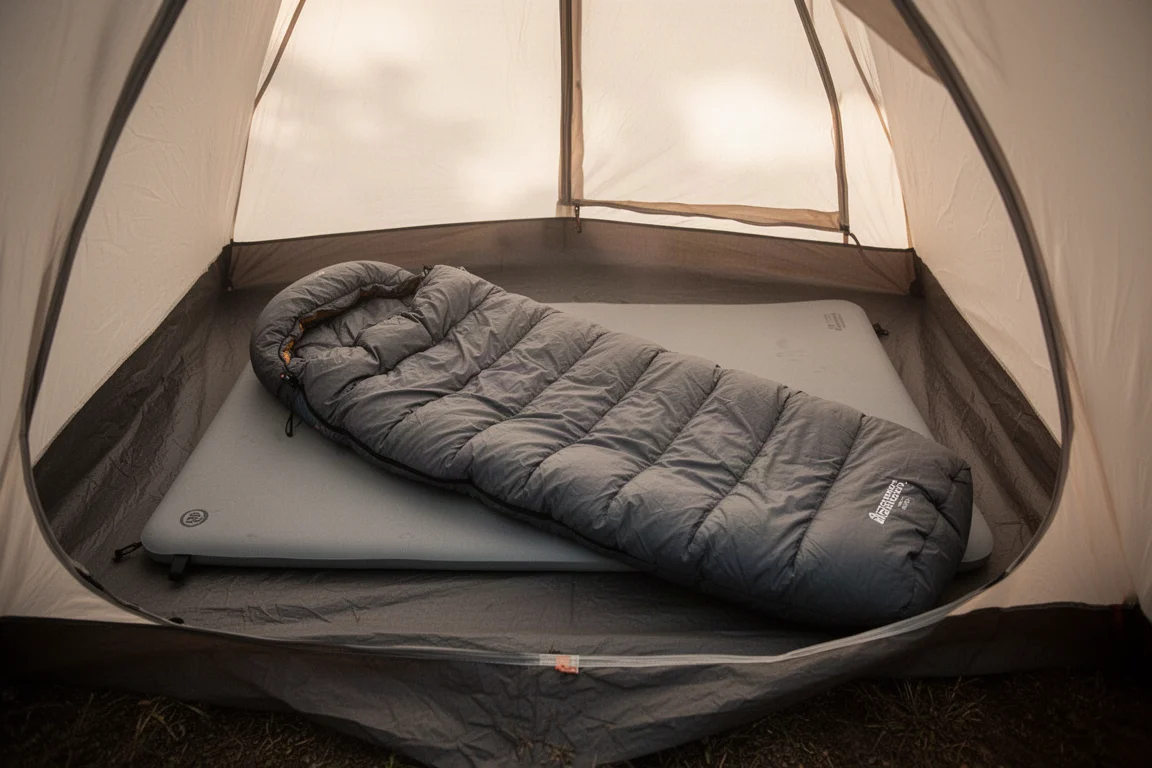
The Therm-a-Rest Ohm 20 is a quilt sleeping bag hybrid. Zip it all the way up and it functions as a sleeping bag; unzip it and it becomes a large quilt. You can also zip it together with another Ohm to create a cozy two-person sleeping bag. It is filled with 900 fill power hydrophobic down and weighs just 22 oz. Rated at 30°F comfort with a 20°F limit, it performed accurately in testing. Note that it does not include a hood, which is part of what allows it to act as a quilt when fully open. With a separate down hood and an appropriately rated sleeping pad, it works well in spring and fall, and can even be used in warmer summer temperatures when fully open. For anyone who cannot decide between a quilt and a bag, the Ohm 20 is an excellent choice.
Nemo Tensor Insulated
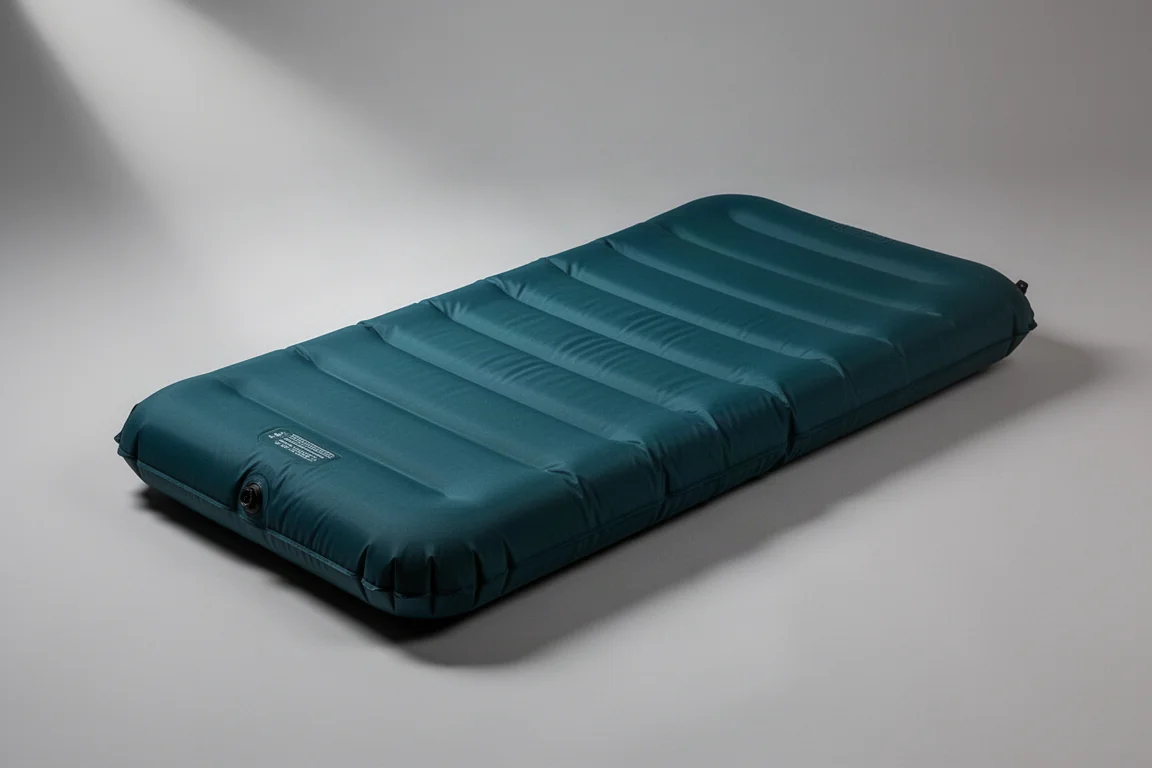
Nemo updated their insulated Tensor sleeping pad with a 4.2 R value, which is suitable for all but the coldest weather. It is a 3-inch thick pad that is mostly quiet, addressing the common crinkling noise of lightweight pads. Nemo achieves this by suspending the reflective film inside the pad to reduce noise while maintaining warmth and low weight. The pad weighs just over a pound and 19 oz (about 19 oz). A wide 25-inch version is available, which many users find more comfortable than a 20-inch pad. If you want a warm, quiet, and comfortable sleeping pad for three-season backpacking, the Tensor Insulated is a solid pick.
The quiet operation and 4.2 R value make it a versatile choice for most conditions.
Zpacks Plex Solo
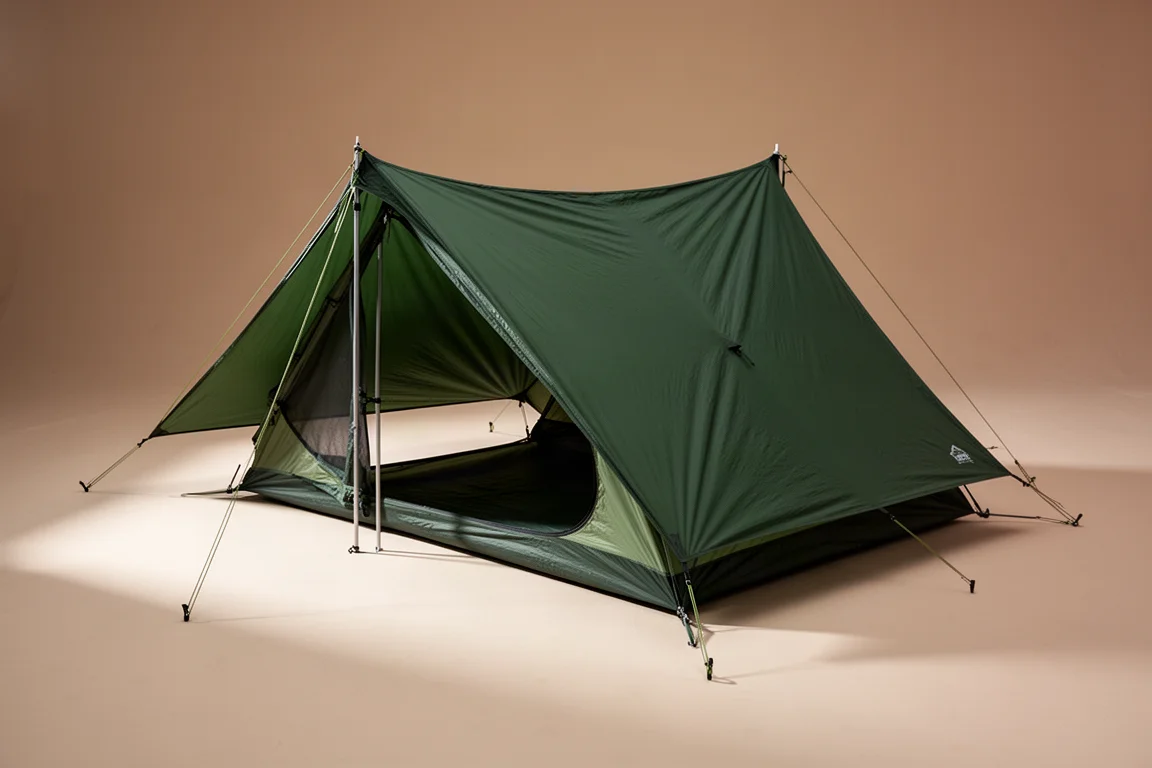
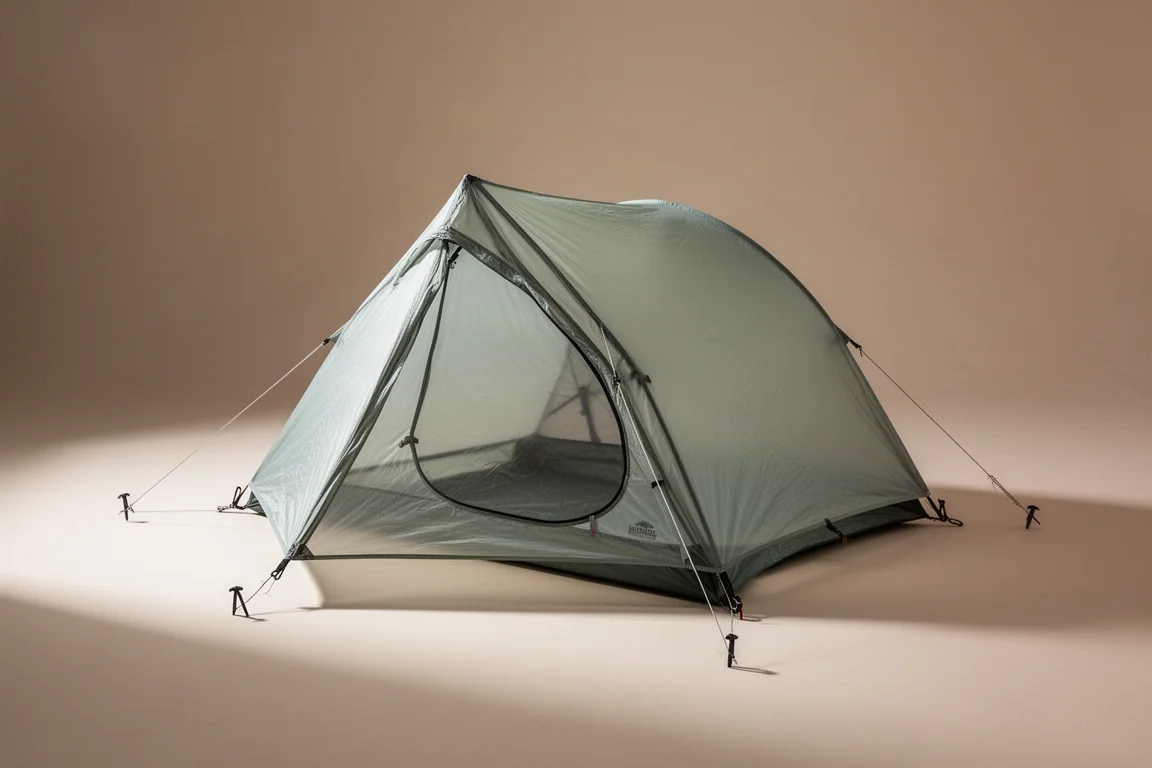
The Zpacks Plex Solo is a roomy, relatively easy to pitch one-person tent that weighs only 13.7 oz. That is lighter than many packs, sleeping bags, and sleeping pads, making it both the largest and lightest item in a typical ultralight loadout. It has become a favorite for solo backpackers who prioritize low weight without sacrificing space. The main drawback is its high price at almost $600 US. However, if you are willing to invest, it is arguably the best one-person tent on the market for ultralight adventures.
Overall Buying Advice
When choosing new outdoor gear, match the product to your specific needs. For water filters, consider whether you want a system that works well out of the box or if you are willing to use a Cnoc bag. The Platypus QuickDraw offers a good balance of price and function, while the Katadyn BeFree is a reliable alternative. For tents, the MSR FreeLite 2 provides space and light weight for two, but be aware of the wet-fly drip. The Zpacks Plex Solo is the ultimate ultralight solo shelter if budget allows. For sleep systems, the Therm-a-Rest Ohm 20 offers versatility, and the Nemo Tensor Insulated delivers warmth and quiet comfort. Always consider the total weight and whether additional accessories are needed.
Consider how each product fits into your existing kit. A water filter that requires an extra bag might not be the best value if you do not already own one. A tent with a minor design quirk could still be a great choice if it meets your space and weight requirements. Sleeping bags and pads should match the temperatures you expect to encounter. By weighing these factors, you can make a purchase that you will be happy with for many trips.
Conclusion
These seven products represent a range of new outdoor gear with distinct strengths and trade-offs. The LifeStraw Peak Series falls short due to its design limitations, while the Platypus QuickDraw and Katadyn BeFree offer more functional filter options. The MSR FreeLite 2 is a promising two-person tent with one notable quirk, and the Therm-a-Rest Ohm 20 and Nemo Tensor Insulated provide excellent sleep solutions. The Zpacks Plex Solo stands out as the best ultralight solo tent, albeit at a premium price. By understanding these details, you can make a more informed purchase and find gear that truly fits your adventures.
Further reading
Related Reviews
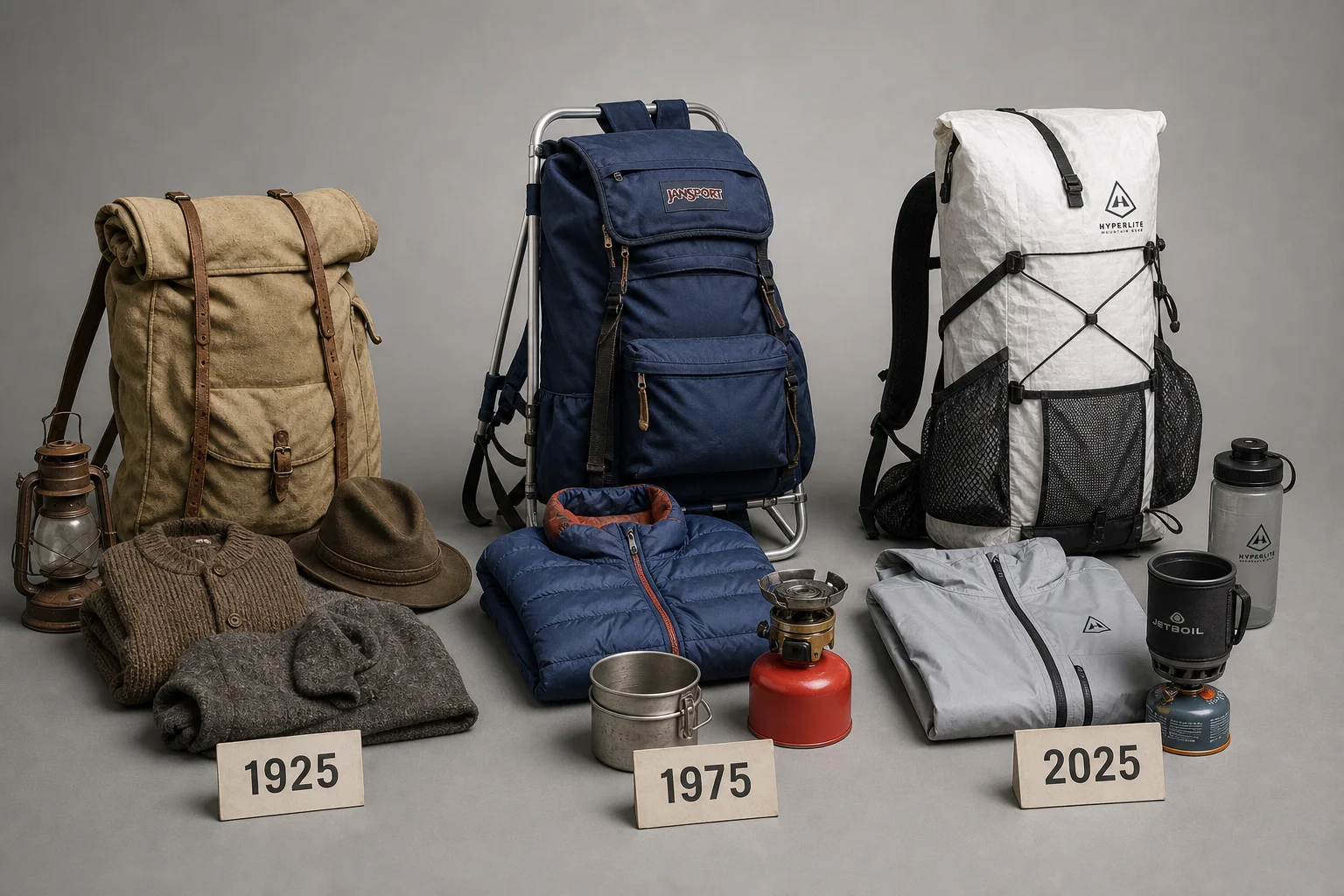
Outdoor Gear
Backpacking Gear Evolution: 100 Years of Technology Compared
We tested backpacking gear from 1925, 1975, and 2025 across a three-day hike in Yosemite. Here's how technology has transformed comfort, weight, and the outdoor experience.
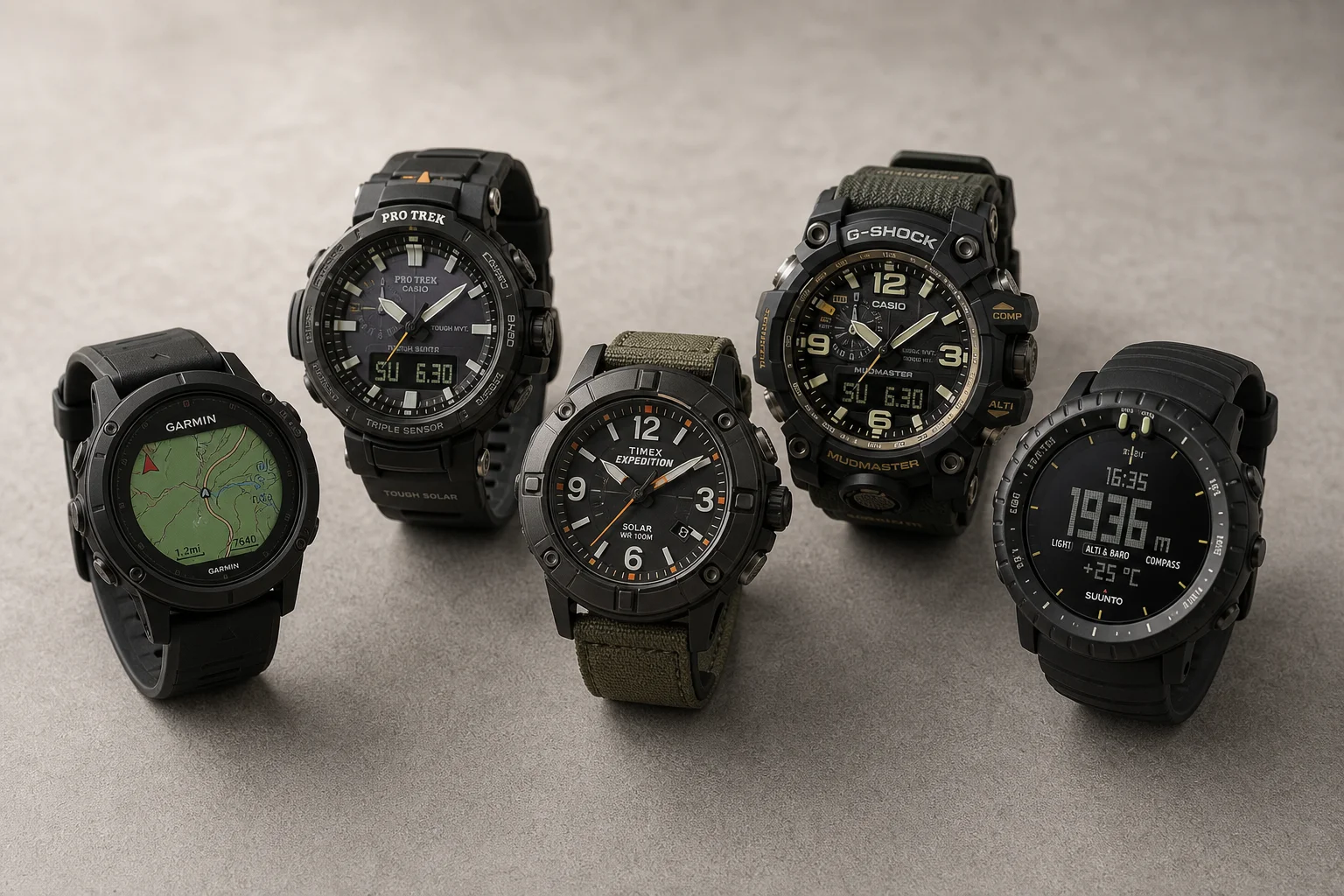
Outdoor Gear
Best Affordable Hiking Watches: Five Rugged Options for Outdoor Adventures
Five durable hiking watches that balance ruggedness, functionality, and value for outdoor enthusiasts who need reliable GPS tracking and weather resistance.
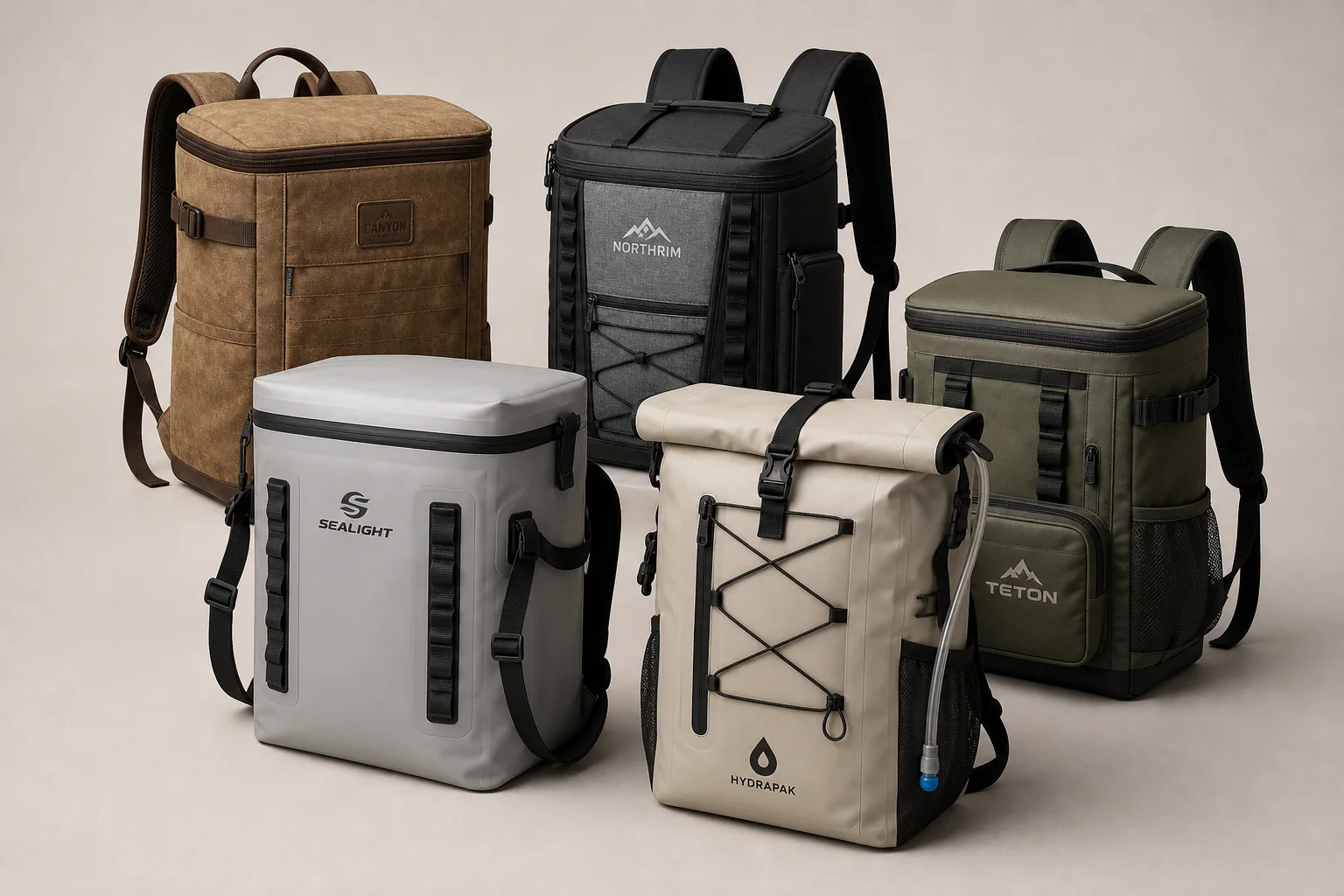
Outdoor Gear
Best Backpack Coolers 2026: Five Practical Options for Outdoor Adventures
Five backpack coolers with distinct cooling capabilities, storage features, and design trade-offs to help you choose the right one for your outdoor needs.