Outdoor Gear
Best and Worst Gear from a Pacific Crest Trail Thru-Hike
A long-distance hiker shares the gear that performed well and the gear that fell short over thousands of miles.
Introduction
After completing a Pacific Crest Trail thru-hike, I have a clear picture of which gear performed and which gear fell short. The trail tests every piece of equipment over thousands of miles, and some items stood out as exceptional while others became a source of frustration. This guide covers the best and worst gear from that journey, with honest assessments to help you make informed choices for your own adventures.
Best Gear from the Pacific Crest Trail
These four items earned their place as the most reliable and effective gear I carried.
Nitecore NU25 Headlamp
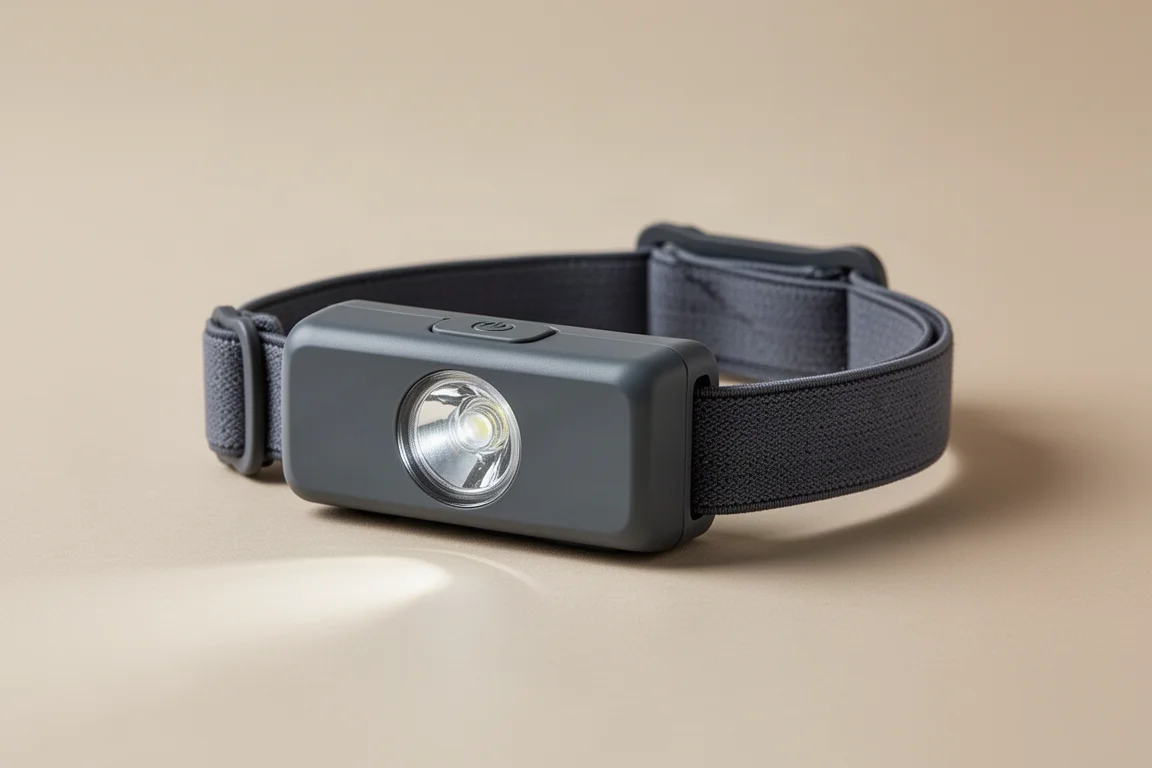
The Nitecore NU25 headlamp is a standout for backpacking. It is extremely lightweight, and you can further reduce weight with a simple headband modification if you choose. The headlamp is very bright and offers three brightness settings for the main light: low, middle, and high. The middle setting is ideal for moving around camp, while the high setting is bright enough to spot distant objects. The low setting works well for camp chores after dark. It also includes a red light, which is useful for arriving at camp late without disturbing others. A newer version of this headlamp is available that is slightly lighter and possibly brighter, but the standard version remains an excellent choice.
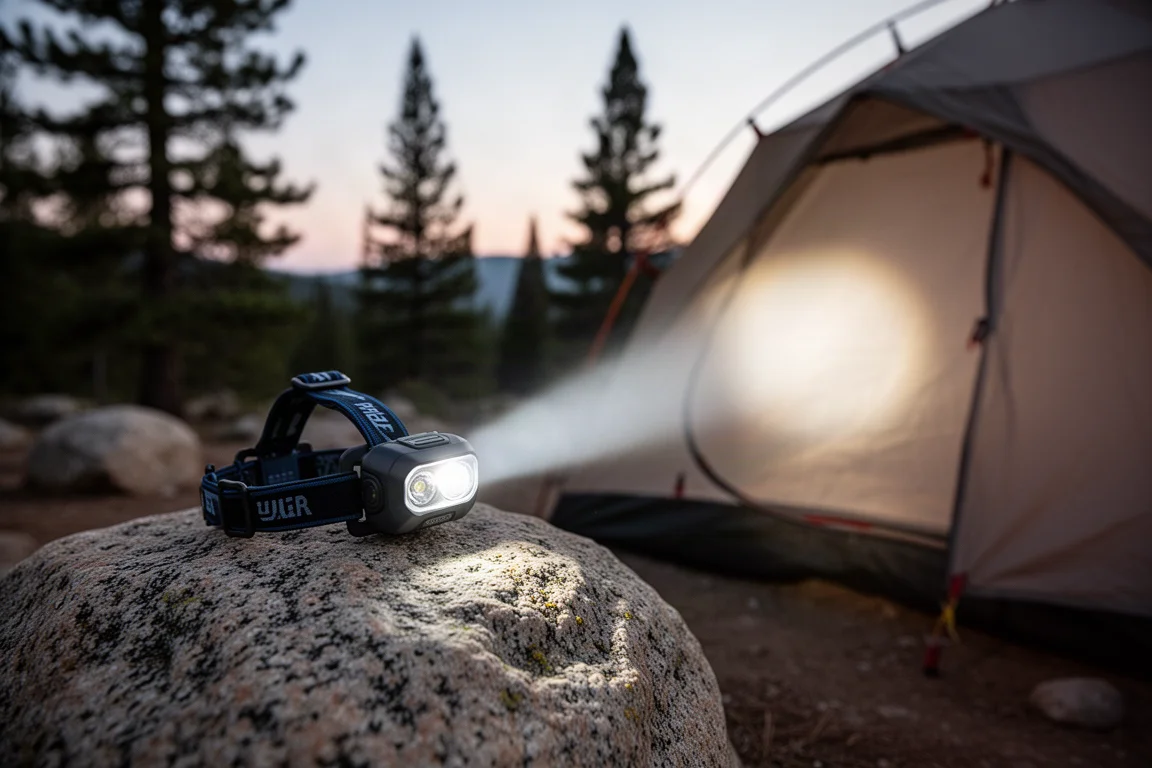
For anyone who spends time backpacking, this headlamp delivers reliable performance in a compact package. It is a piece of gear I would not hesitate to recommend.
Zpacks Plex Solo Tent
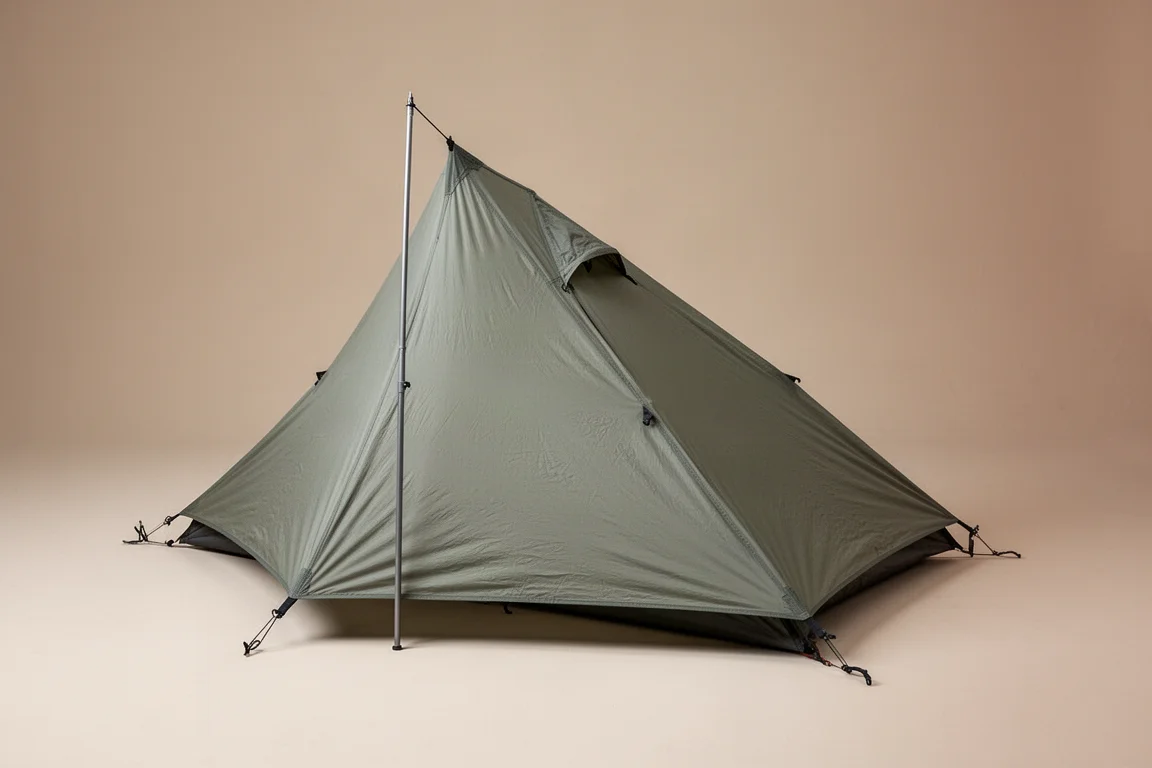
The Zpacks Plex Solo tent is one of the lightest tents on the market, aside from using a simple tarp. It is easy to set up, even when I did not have the correct number of stakes. The tent performed well and was a pleasure to use each night. The only issue was a minor zipper failure and a small mesh rip that appeared shortly after I started using it. Zpacks gear is not known for extreme ruggedness, but a quick repair with tape solved the problem. The rip was in an easy spot to fix, so it did not affect the overall experience.
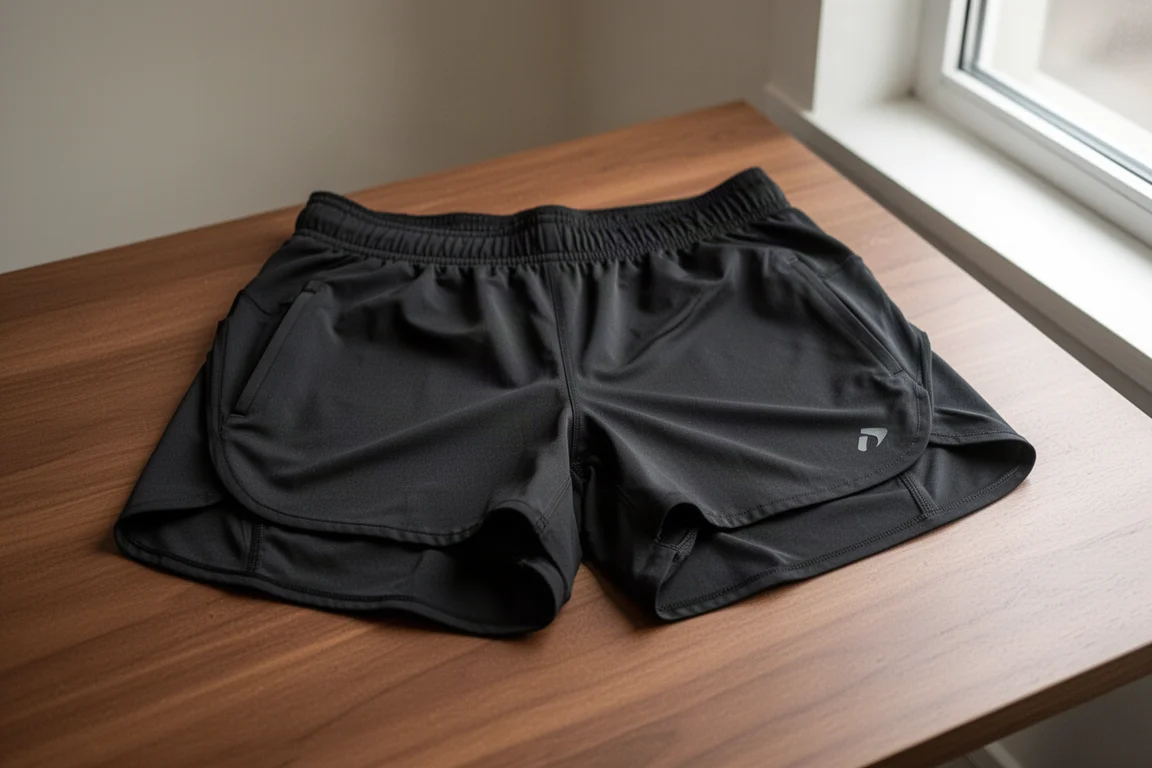
New Balance Accelerate Running Shorts
The New Balance Accelerate running shorts were the best shorts I used for hiking. They are very affordable and have a built-in liner, so you do not need to wear underwear. The five-inch inseam offers a good balance of coverage and freedom of movement. The best feature is the pockets, which are large enough to hold a phone and other small items, something many running shorts lack. They caused minimal chafing, far less than other shorts I have worn on long trails. I used them for both hiking and running, and they held up well until they eventually wore out.
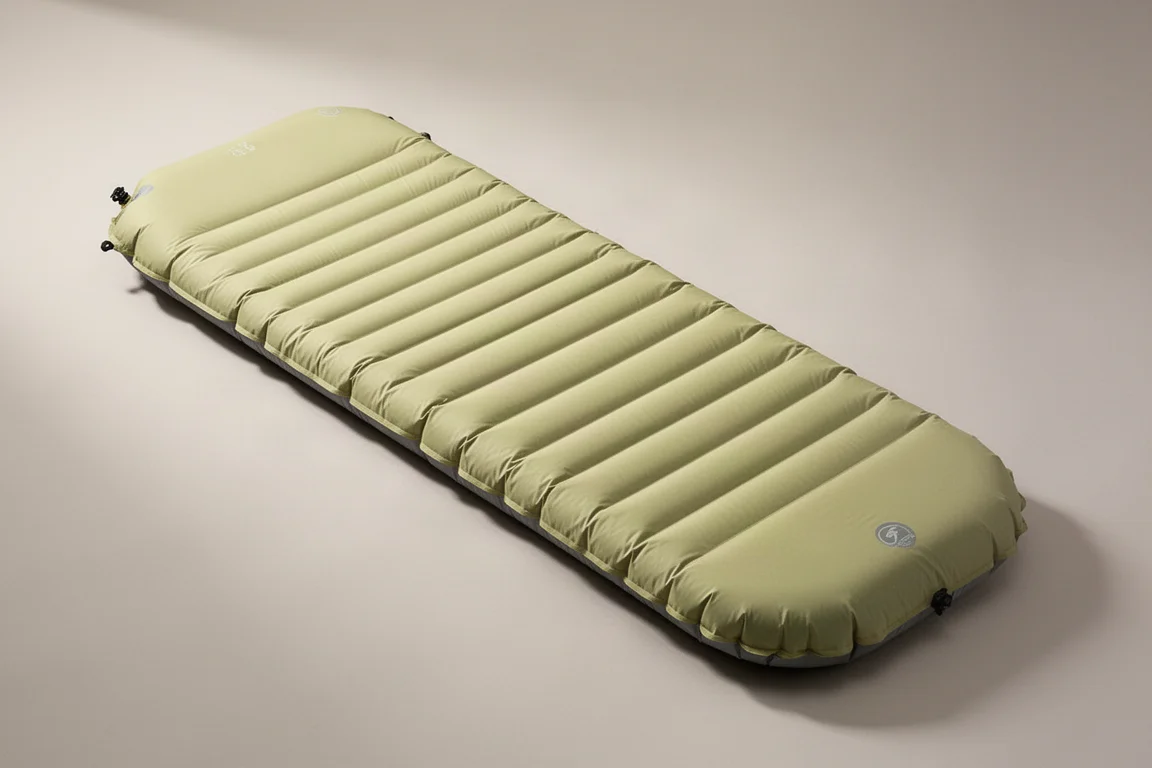
Therm-a-Rest NeoAir Sleeping Pad
The Therm-a-Rest NeoAir sleeping pad proved to be remarkably durable. I bought it in 2020 and used it extensively on backpacking trips before taking it on the Pacific Crest Trail. Despite heavy use, it never deflated or popped. It provided excellent sleep comfort throughout the journey. The pad is now heavily worn, but it still functions. Interestingly, a hiking partner using a newer version of the same pad experienced deflation issues, while my older model remained reliable.
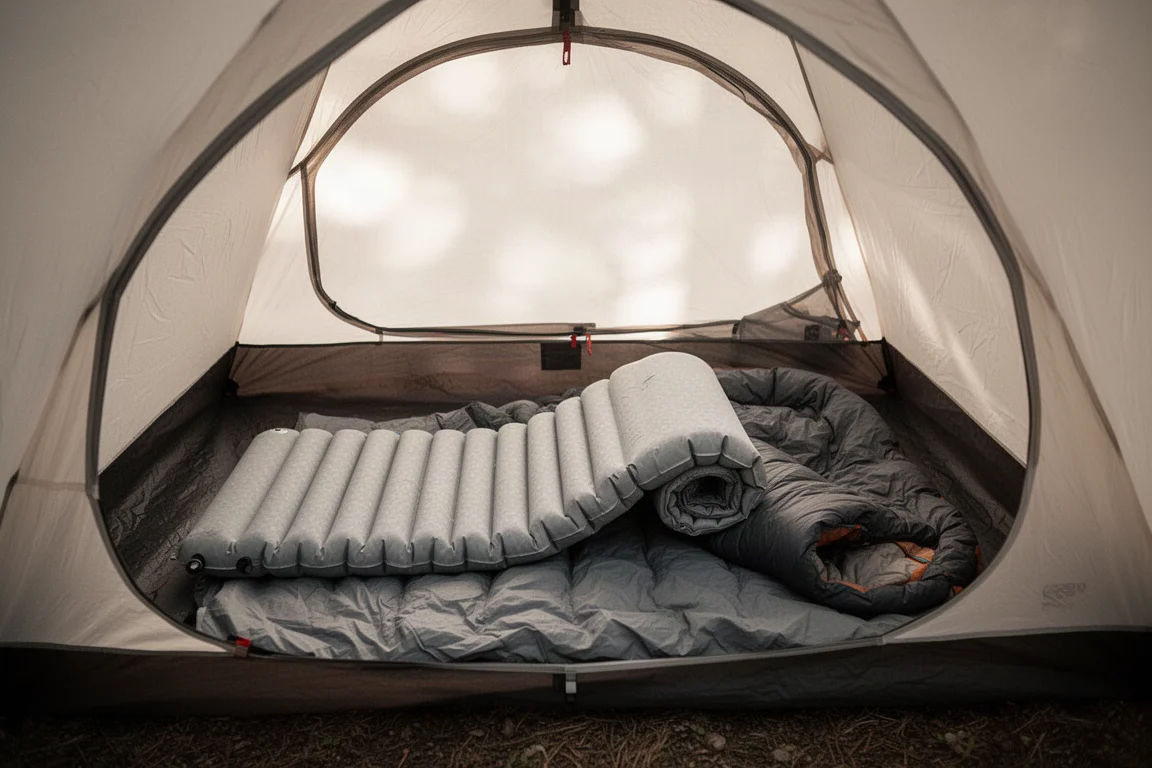
This pad has earned my trust through years of consistent performance. It is a solid choice for anyone seeking a long-lasting sleeping pad.
Worst Gear from the Pacific Crest Trail
Not every piece of gear lived up to expectations. These items had significant drawbacks that affected their performance on a long thru-hike.
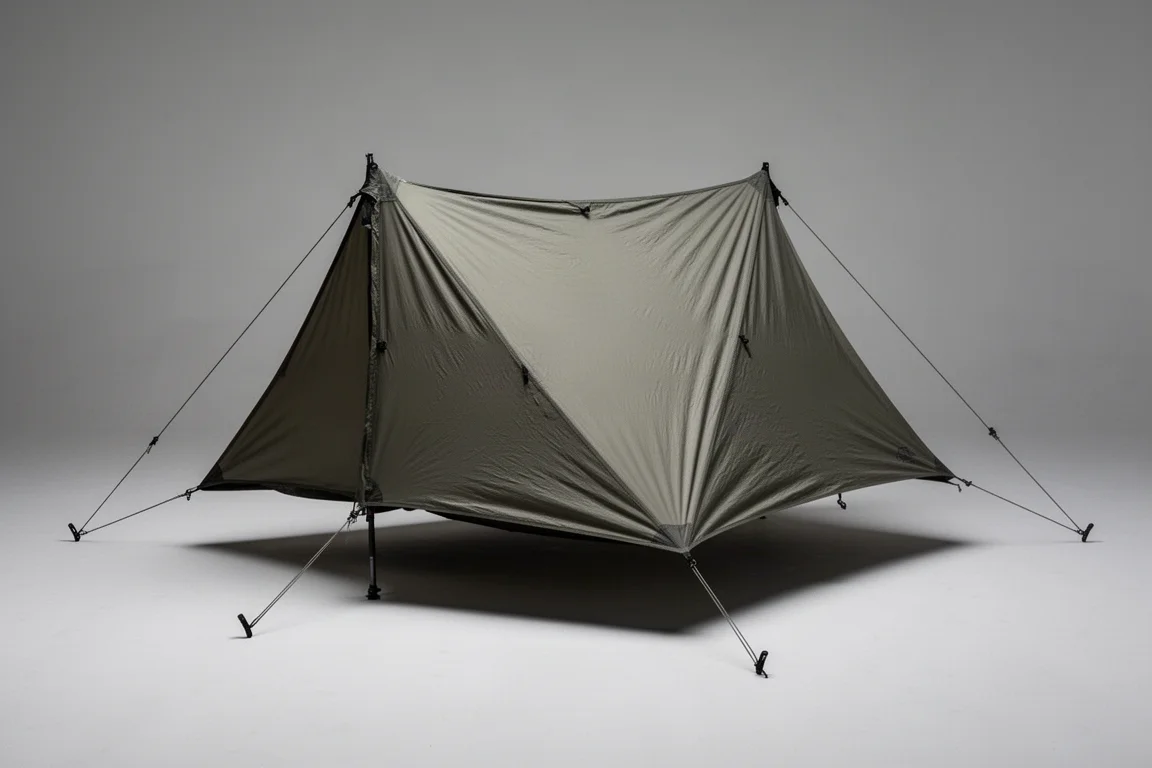
Gossamer Gear The One Tent
The Gossamer Gear The One tent was disappointing, particularly in wet conditions. The seams were not sealed properly, and it did not perform well in the rain. The nylon material also felt less than ideal when set up. On a positive note, the headspace is quite good, better than the Zpacks Plex Solo, because it uses two poles instead of one. However, the overall performance left me wanting more.
Cascade Mountain Tech Carbon Fiber Trekking Poles
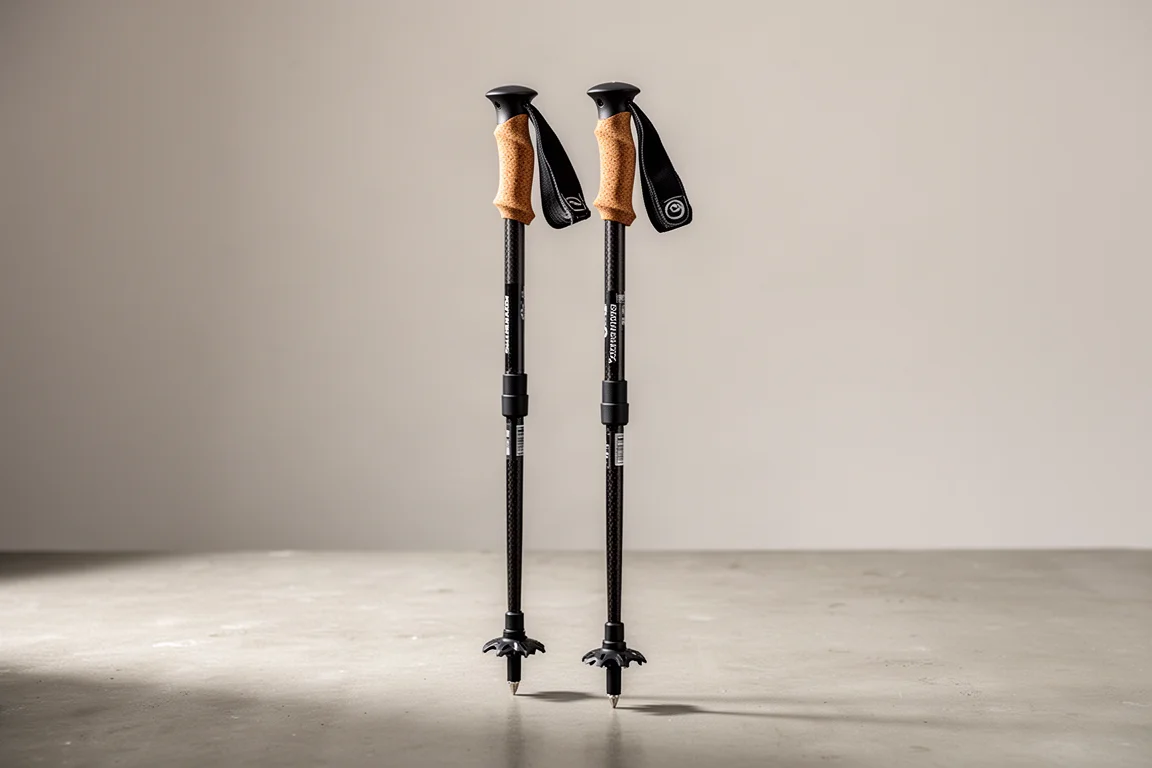
The Cascade Mountain Tech carbon fiber trekking poles are an affordable option that works well for weekend trips or shorter thru-hikes. However, on a long trail like the Pacific Crest Trail, the tips wear out quickly. Unlike some other trekking poles, the tips on these cannot be replaced. I went through two pairs, each costing about $60, for a total of roughly $120. If I had used poles with replaceable tips, I could have simply swapped the tips and saved money. The poles never snapped or broke, but the straps are difficult to adjust and tend to slip out of position. They are a reasonable budget choice for short adventures, but not ideal for long-distance hiking.
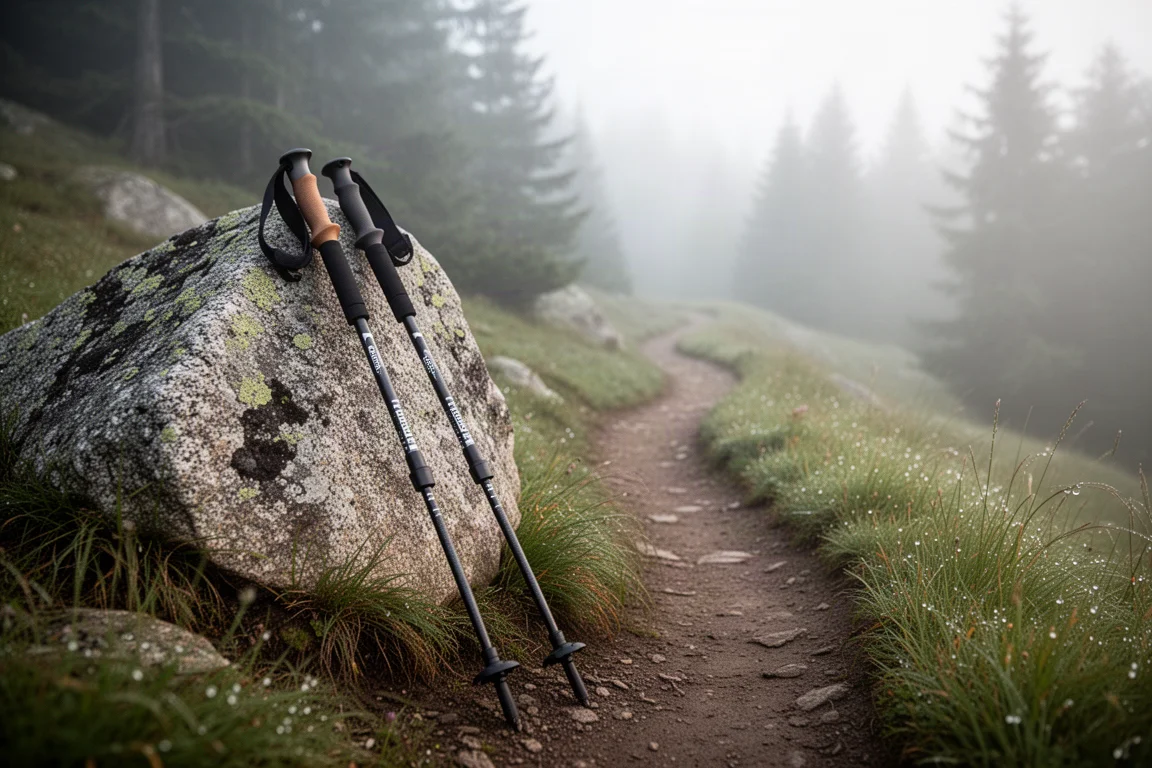
For long thru-hikes, consider poles with replaceable tips to avoid the recurring expense and inconvenience.
Altra Olympus 4 Trail Running Shoes
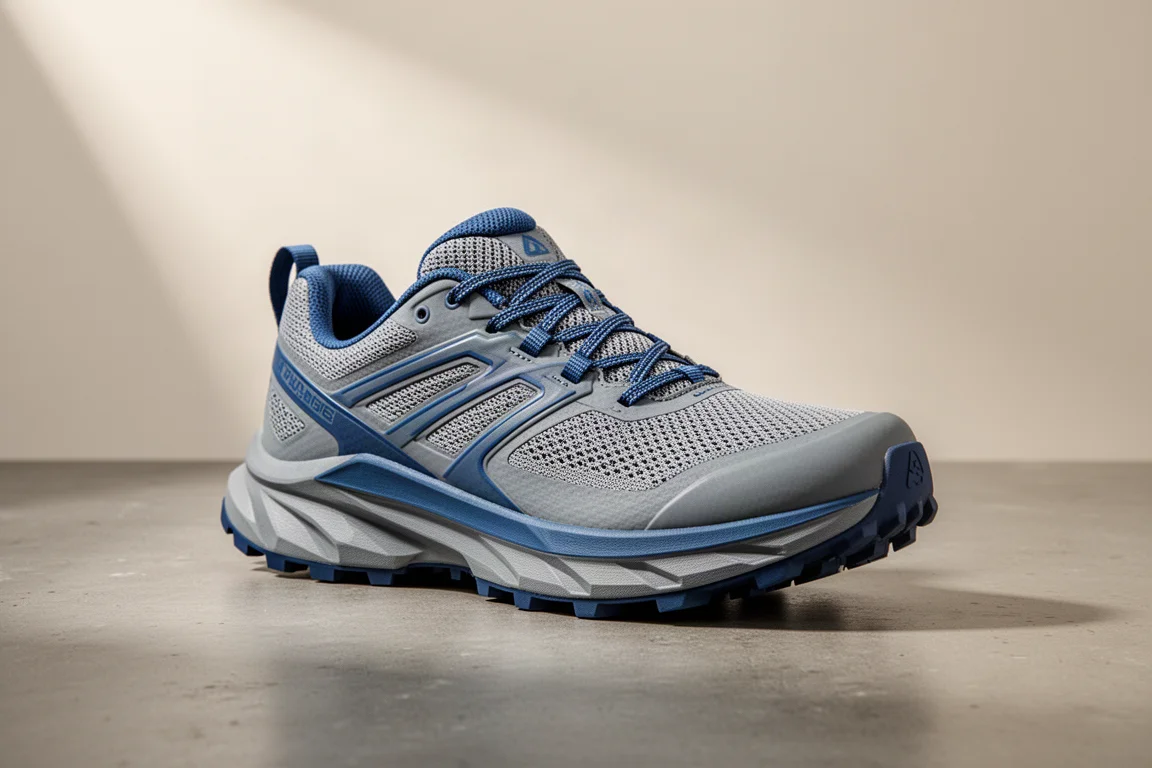
The Altra Olympus 4 trail running shoes are popular among thru-hikers, second only to the Altra Lone Peak in my observations. I preferred the Olympus for its extra cushioning. The shoes are comfortable, with a wide toe box that fits my feet well. However, the durability is a major concern. They wore out after only 300 to 400 miles, which is far too short for a long thru-hike. Many other hikers reported the same problem. At $180 per pair, plus the need to buy aftermarket insoles because the stock insole is extremely thin, the cost adds up quickly. I spent over $200 per pair. I regret not switching to a different shoe, but I was afraid to change mid-hike. I have one more pair to use, but I will be looking for a different trail runner in the future.
Altra Lone Peak Trail Running Shoes
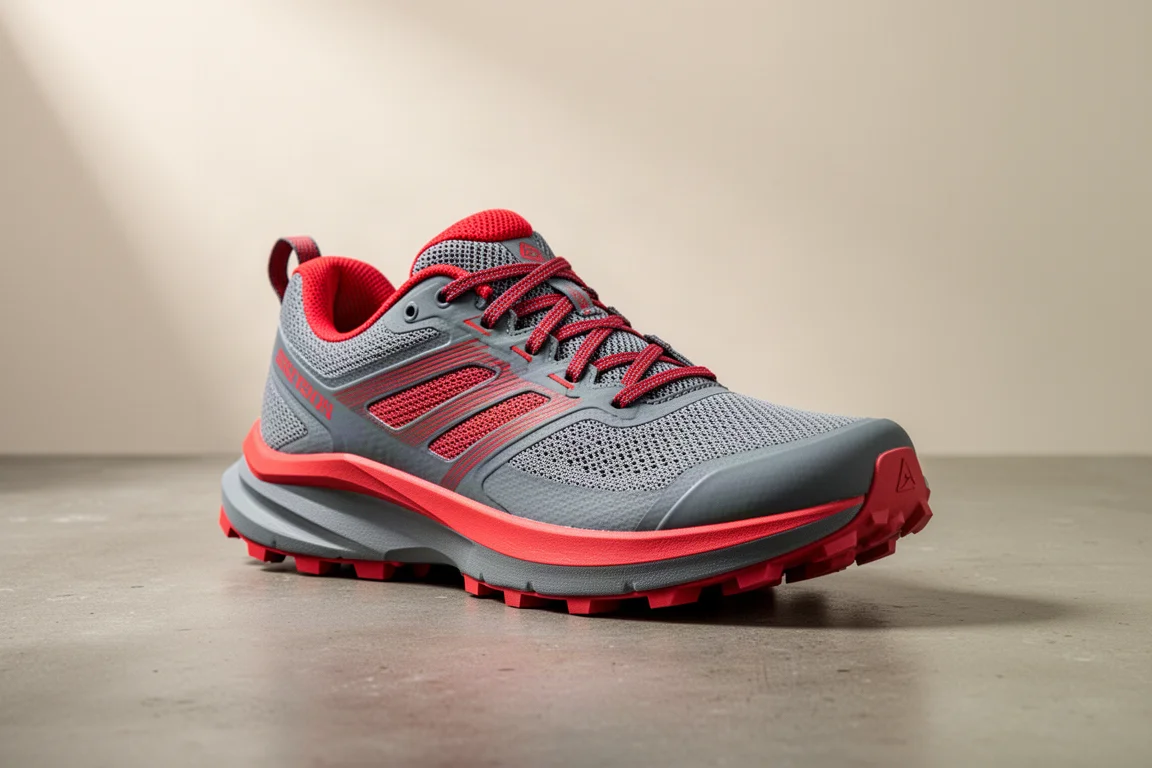
The Altra Lone Peak is the most popular trail running shoe among thru-hikers, based on my anecdotal observations. However, I found it has less cushioning than the Olympus. The stock insole is also very thin, which is a common complaint. While it is a widely used shoe, the thin insole and firmer ride may not suit everyone.
Overall Buying Advice
When selecting gear for a long-distance hike, durability and replaceable parts are just as important as initial comfort. The best gear from this hike earned its place through reliable performance and thoughtful design. The worst gear often had issues with durability, weather resistance, or long-term cost. For trekking poles, consider models with replaceable tips to avoid buying multiple pairs. For shoes, prioritize durability and a comfortable fit, and be prepared to replace insoles if needed. A tent should handle rain effectively, and a sleeping pad should provide consistent comfort without deflating.
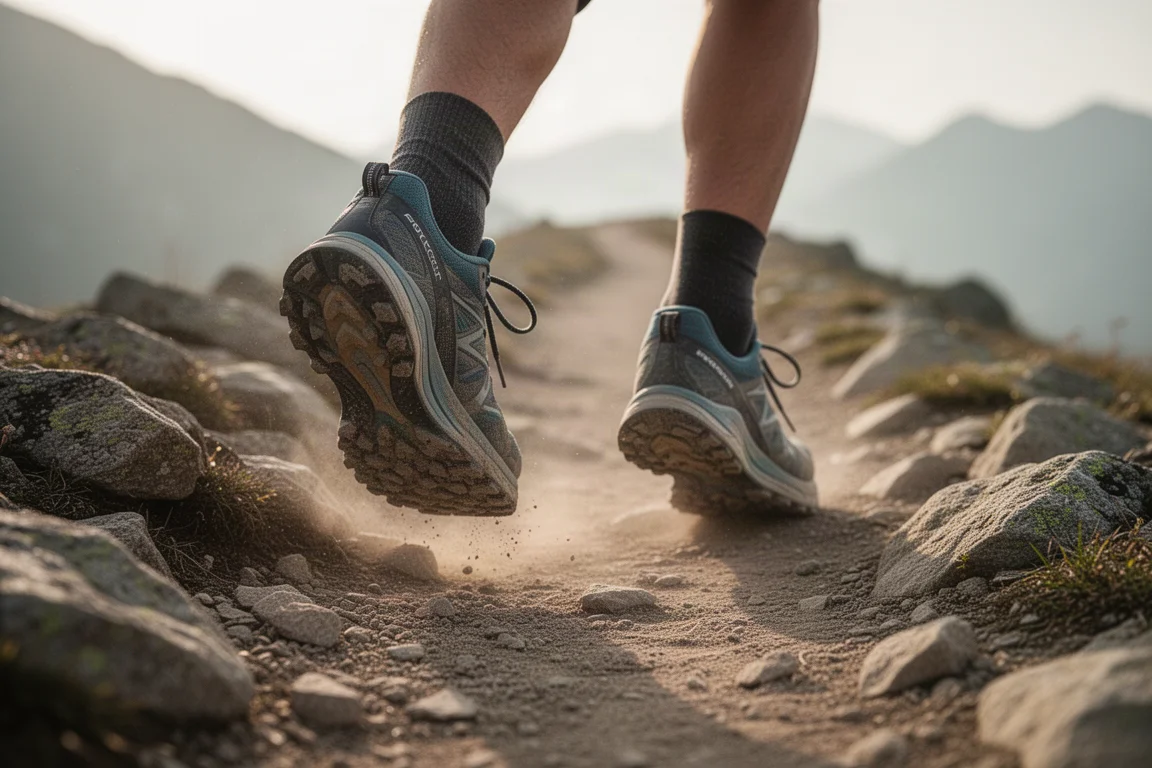
Investing in gear that lasts can save money and frustration over thousands of miles. Read reviews, consider your specific needs, and do not be afraid to switch gear if something is not working for you.
Conclusion
After a Pacific Crest Trail thru-hike, the Nitecore NU25 headlamp, Zpacks Plex Solo tent, New Balance Accelerate running shorts, and Therm-a-Rest NeoAir sleeping pad proved to be the best performers. The Gossamer Gear The One tent, Cascade Mountain Tech carbon fiber trekking poles, and Altra Olympus 4 and Lone Peak trail running shoes had notable drawbacks. Choose gear that matches your priorities and be willing to adapt as you learn what works for you on the trail.
Further reading
Related Reviews
Outdoor Gear
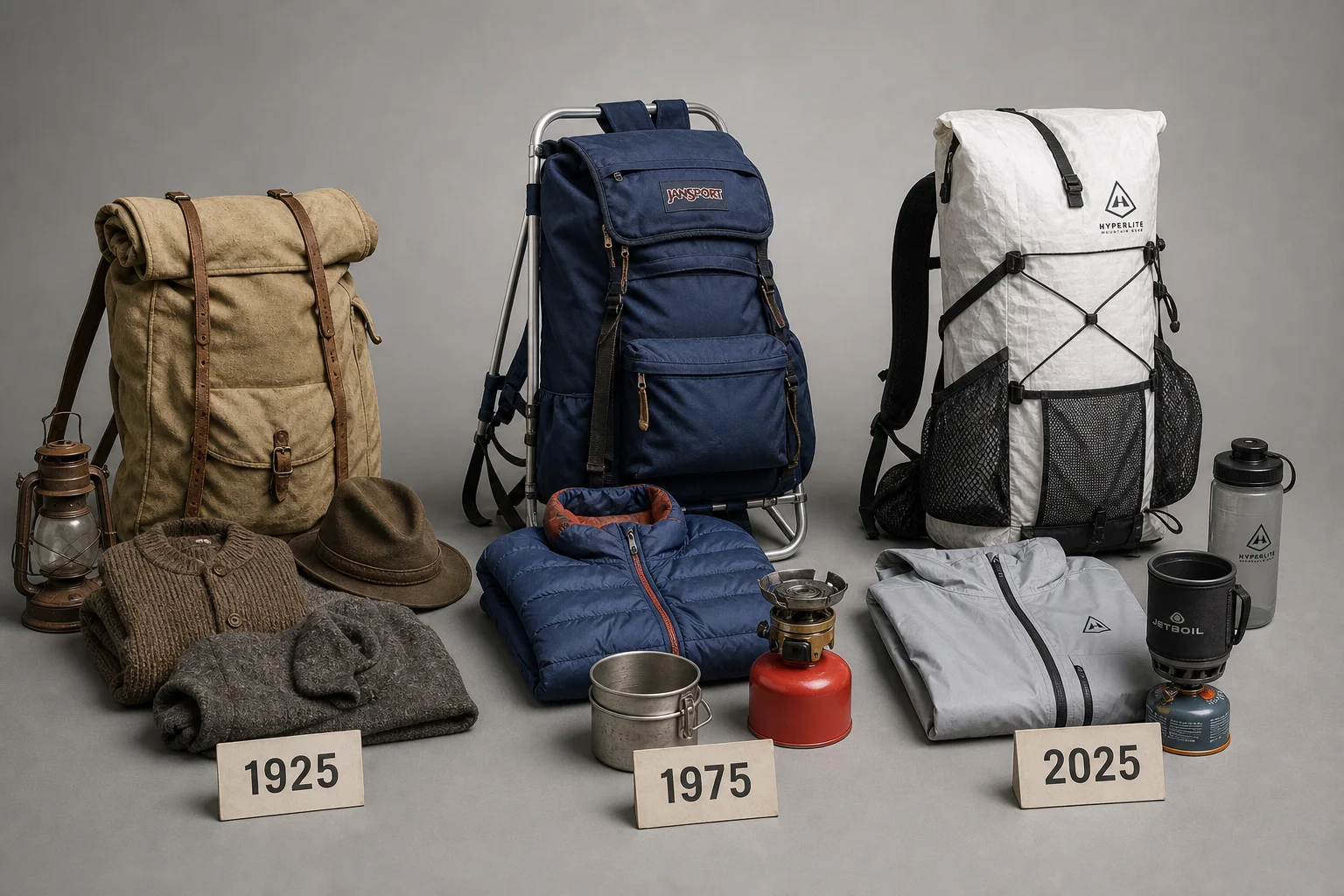
Backpacking Gear Evolution: 100 Years of Technology Compared
We tested backpacking gear from 1925, 1975, and 2025 across a three-day hike in Yosemite. Here's how technology has transformed comfort, weight, and the outdoor experience.
Outdoor Gear
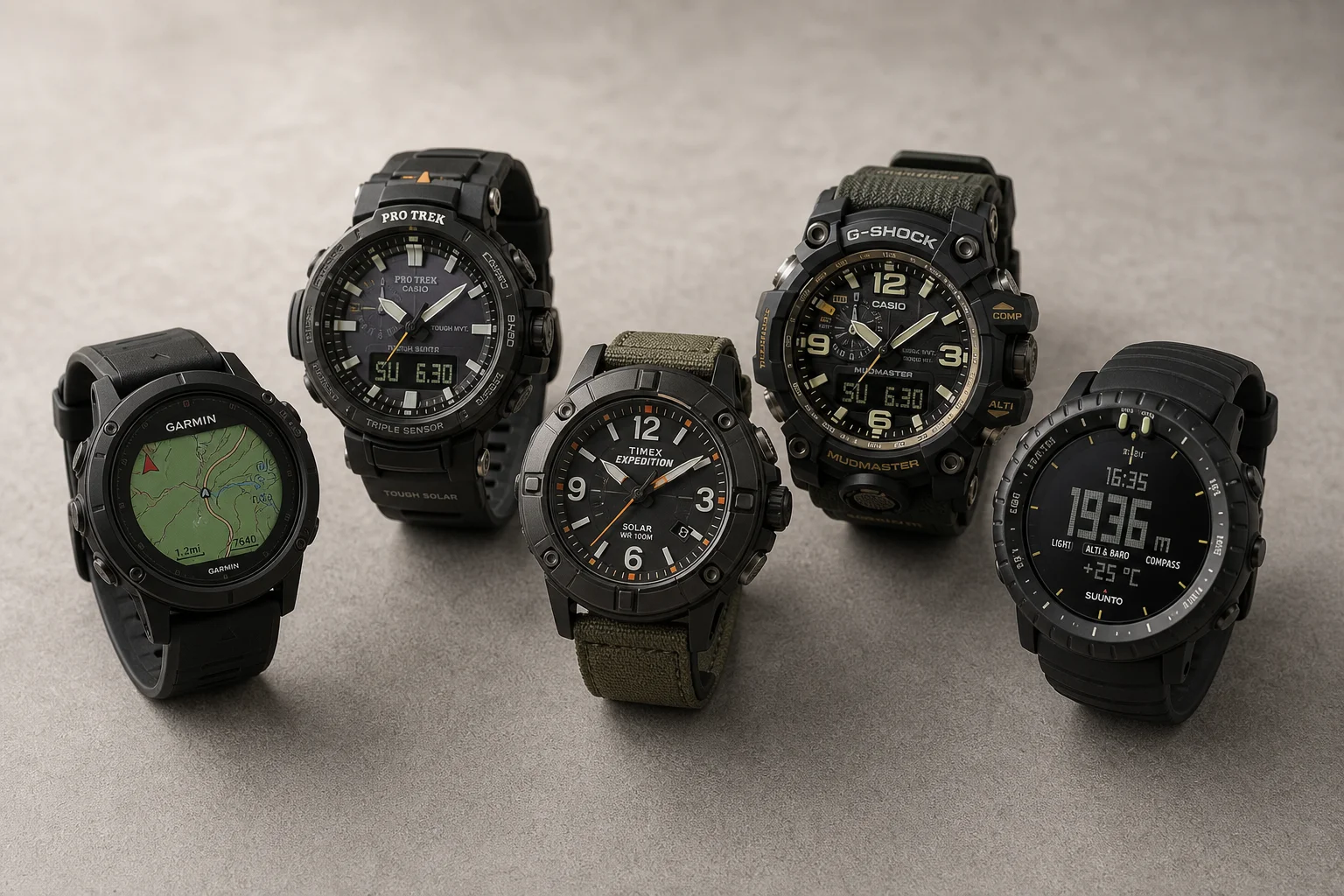
Best Affordable Hiking Watches: Five Rugged Options for Outdoor Adventures
Five durable hiking watches that balance ruggedness, functionality, and value for outdoor enthusiasts who need reliable GPS tracking and weather resistance.
Outdoor Gear
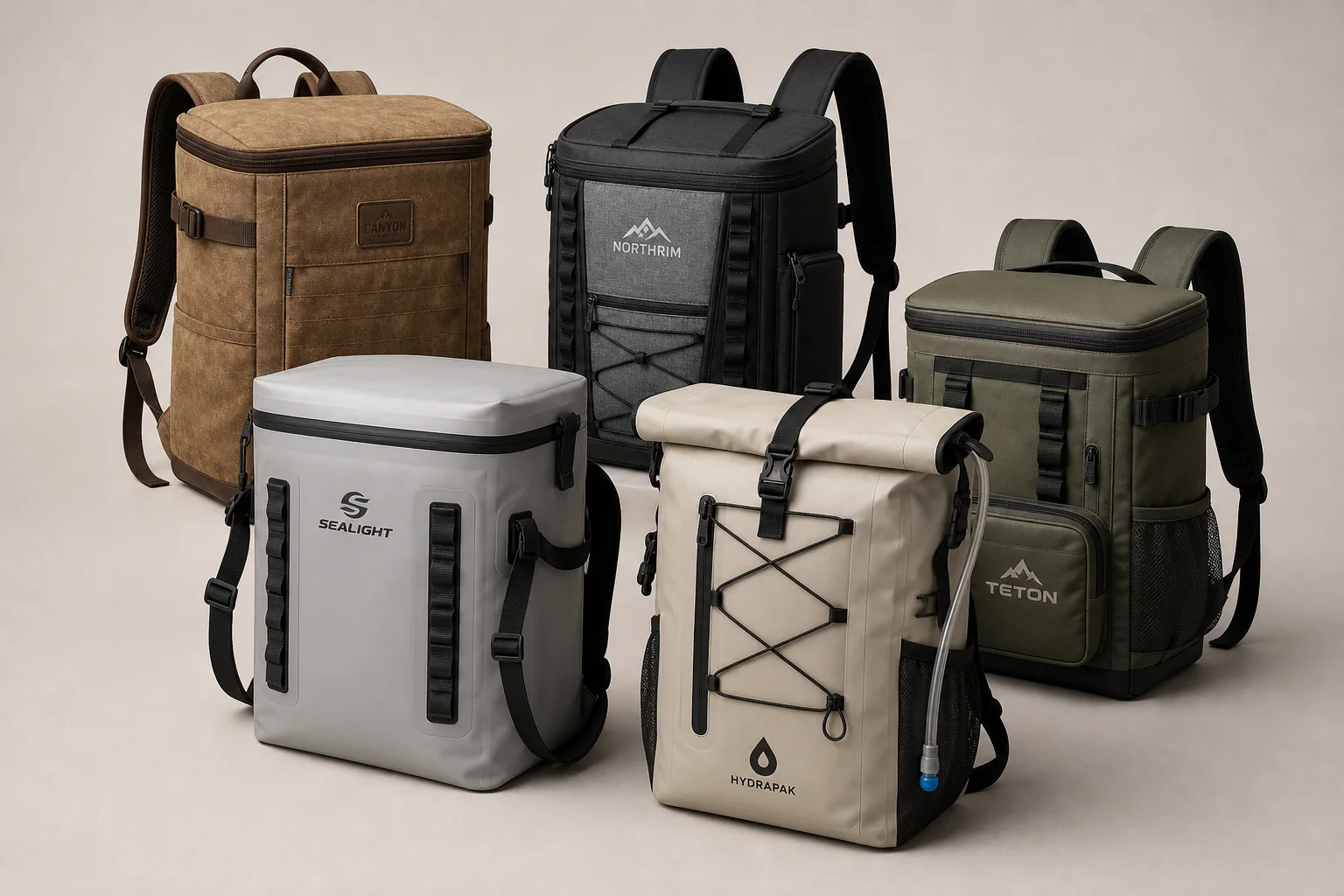
Best Backpack Coolers 2026: Five Practical Options for Outdoor Adventures
Five backpack coolers with distinct cooling capabilities, storage features, and design trade-offs to help you choose the right one for your outdoor needs.