Running Shoes
Anatomic Toe Box Super Shoes Compared: Topo Spectre Elite vs Altra Vanish Carbon 3 vs On Cloudboom Strike 2
Three racing shoes with anatomical forefoot shaping, each with a different take on rocker geometry, fit, and long-distance efficiency.
Introduction
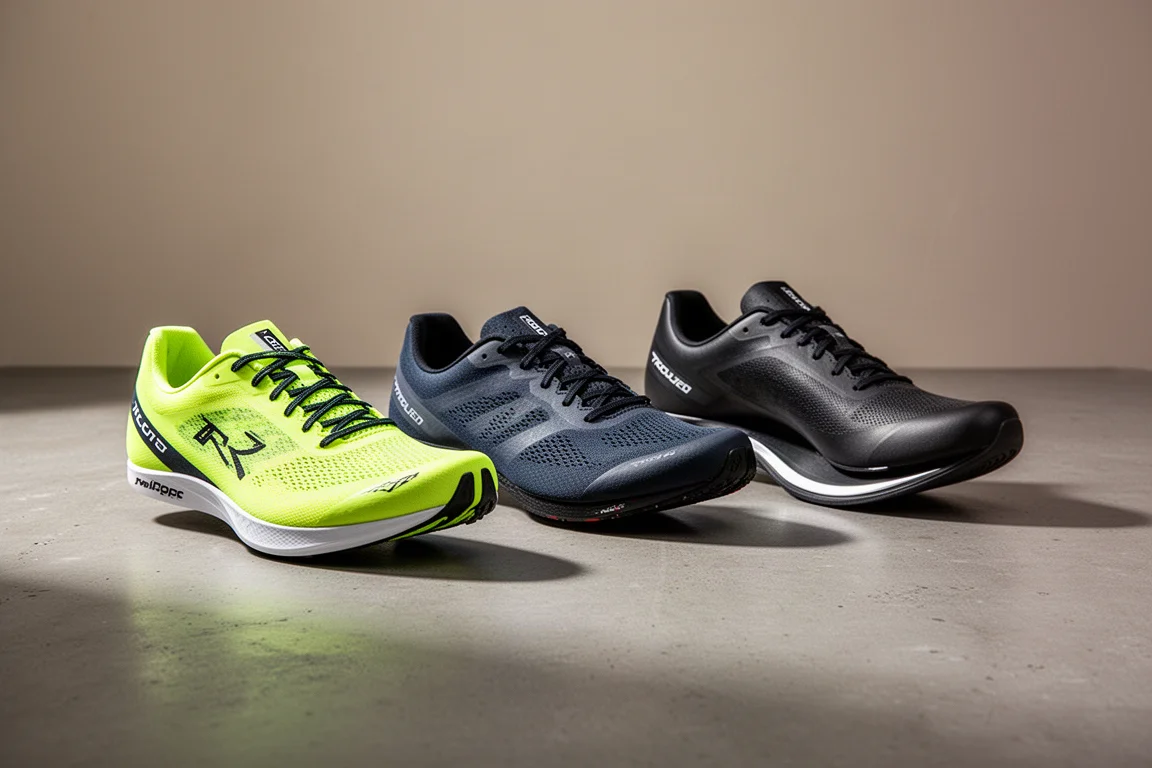
Anatomically shaped forefoot racing shoes used to be a niche request. Now there are three serious options on the market: the Topo Spectre Elite, the Altra Vanish Carbon 3, and On’s Cloudboom Strike 2. All three combine a wider, foot-shaped toe box with genuine super shoe performance, which is why so many runners are now asking which one suits them best.
The short version: the Spectre Elite is the lighter, bouncier, more spacious pick, the Vanish Carbon 3 offers a firmer, more grounded ride with the friendliest heel, and the Cloudboom Strike 2 is a softer, extremely stiff wildcard with a surprisingly anatomic fit. All three are built for longer efforts rather than short-distance speed.
How They Compare on Specs
In men’s size 10, the Topo Spectre Elite weighs 216 grams (7.6 oz), while the Altra Vanish Carbon 3 comes in at 244 grams (8.6 oz). The Cloudboom Strike 2 is the lightest of the three at 214 grams (7.5 oz). Stack heights sit close together: the Spectre Elite measures 39mm heel / 34mm forefoot (5mm drop), the Vanish Carbon 3 is listed at 40mm heel / 36mm forefoot (4mm drop), and the Strike 2 runs 40mm heel / 35mm forefoot (5mm drop).
The midsoles differ in character. Topo’s RevFoam is an eTPU-based foam: bouncy, slightly softer, with a large forefoot rocker. Altra’s Fast Race is the brand’s first PEBA-based midsole, layered in two densities, firmer than the Topo but still responsive, and it breaks in over time to feel a touch softer and bouncier. The Strike 2 is likely the softest of the group, though also the stiffest overall, and it caused some rearfoot irritation initially that faded with wear.
Why Drop Matters in a Super Shoe
A small drop of 4-5mm in a shoe this tall is not a compromise, it is a feature. Over long distances, most runners’ stride rates eventually drift toward heel landings. With soft PEBA or eTPU foam at high stack, a zero-drop platform would dynamically become a negative-drop shoe at those moments, trapping the rearfoot and forcing the calves and Achilles to pull the body up and over instead of rolling forward.
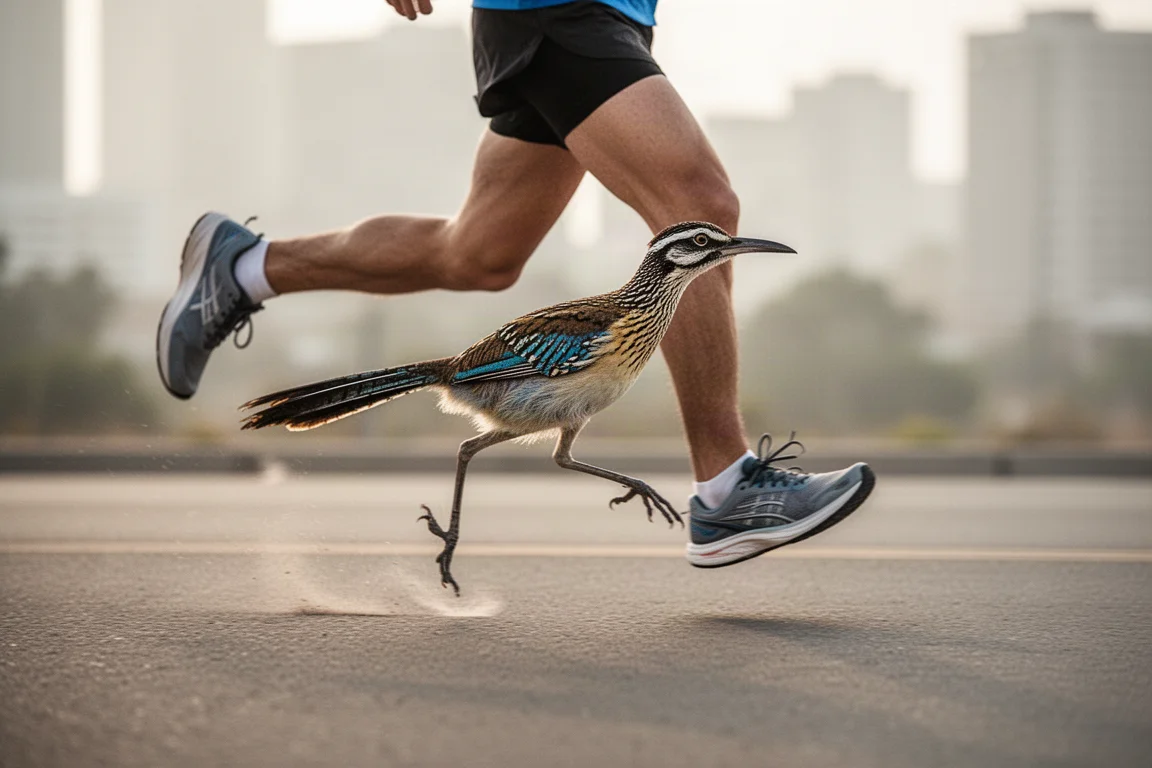
The rocker geometry and modest drop in all three shoes keep the stride tipping forward efficiently. That same forefoot rocker does shift workload from the calves toward the hips, which is excellent for marathons and half marathons but makes all three less ideal for 5K racing. If you have a sensitive Achilles, approach these low drops with some caution; small heel lifts can offset the load without noticeably changing the ride.
Topo Spectre Elite: Light, Bouncy, and Generously Fitted
The Spectre Elite is the standout for fit volume. Compared to the Vanish Carbon 3, Topo’s toe box is far wider and higher, with tons of room for toe movement and foot swelling. Over long distances, especially where rubbing and chafing are a concern, this is the more forgiving option. The ride is equally distinctive: a very large heel bevel, an aggressive forefoot rocker, and noticeable toe spring that holds the toes in slight extension. That toe spring tightens the plantar fascia and adds foot stiffness for some runners, which helps roll-off; for others it can pull uncomfortably.
With 216 grams, a bouncier eTPU midsole, and strong responsiveness, it delivers the lightest, most energetic ride of the group. Stability is also a strength: a wide forefoot with good sole flare, plus top lines that rise through the midfoot and add gentle arch-adjacent pressure. The main caveats are a very stiff heel counter with an Achilles hook pad that can irritate sensitive tendons, a non-gusseted tongue (though lacing security is excellent), and some early outsole wear around 60 miles. As Topo’s first super shoe, it is an impressive debut.
Altra Vanish Carbon 3: Grounded, Stable, and Heel-Friendly
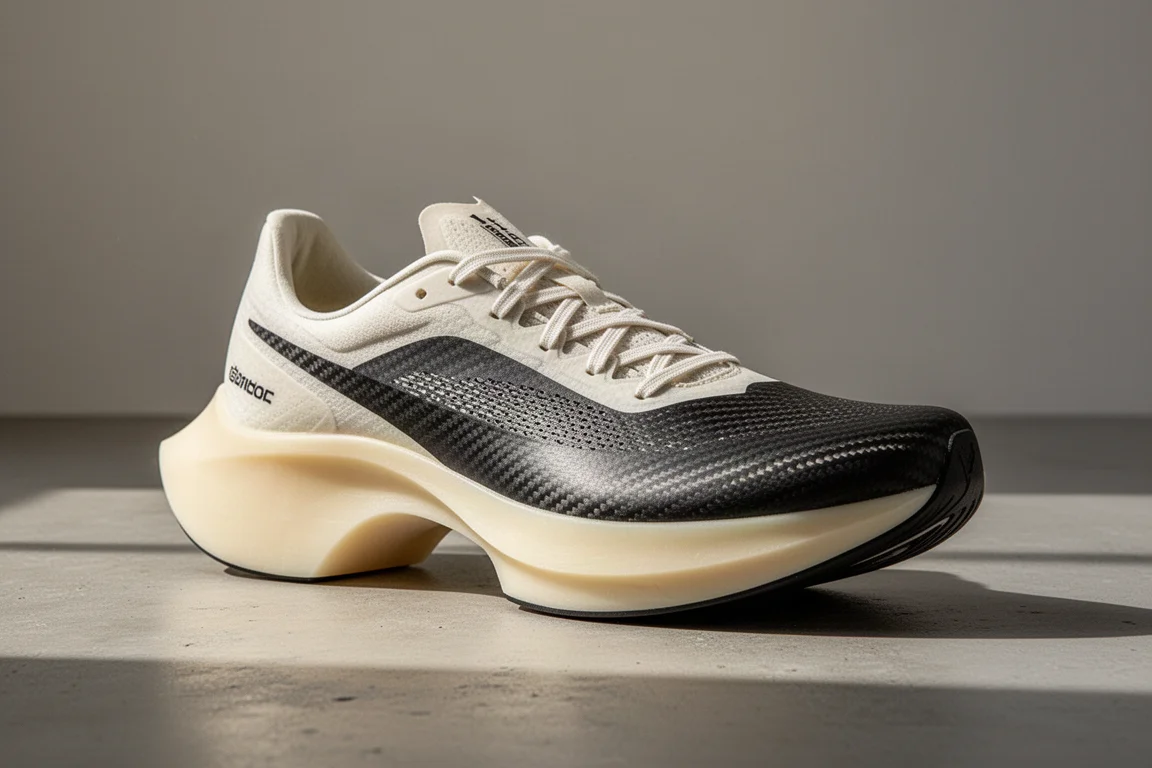
The Vanish Carbon 3 is the more snug, lower-volume shoe, built on Altra’s racing last. It still has a true anatomic toe box with room to move your toes, but the toe guard and low instep create noticeable top-of-foot pressure, and the fit sits more securely against the foot. The forefoot rocker is massive and starts far back toward the midfoot, which makes the shoe tip forward almost immediately and makes the 4mm drop feel less aggressive than it sounds.
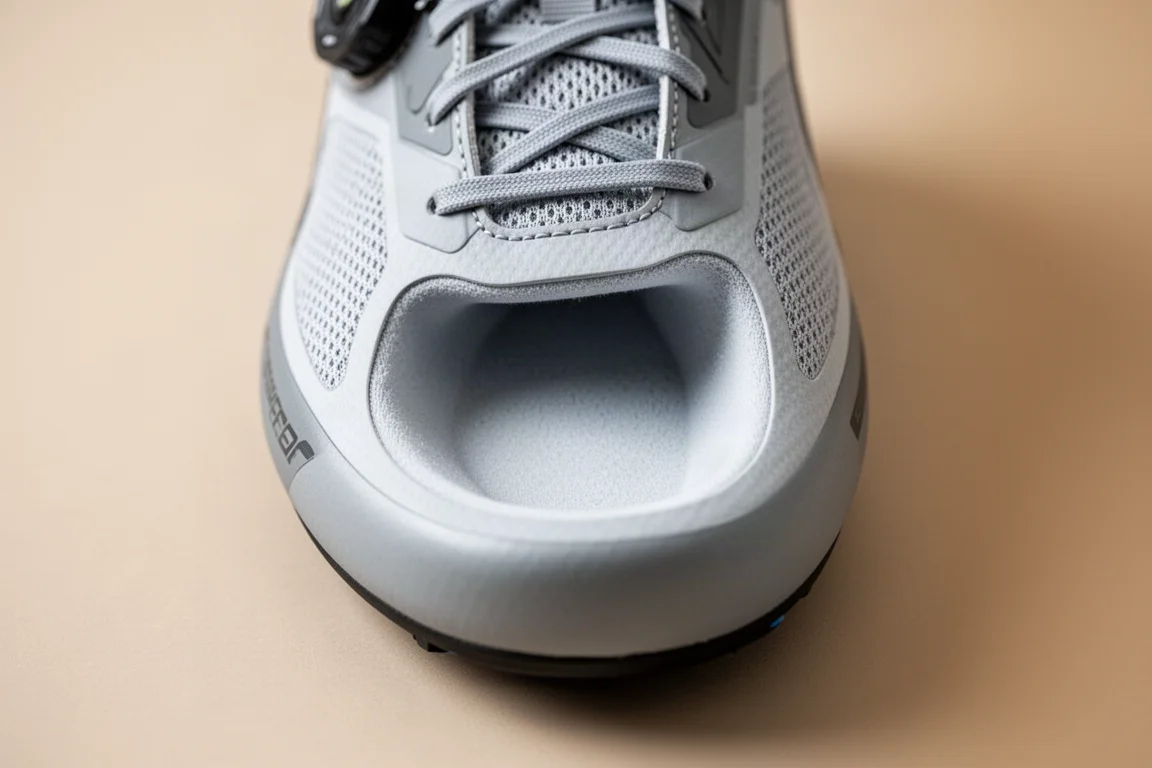
Two design choices set it apart. First, the heel counter is flexible and unobtrusive, making this an excellent choice for runners with sensitive heels or Haglund’s deformity. Second, the plate has a slit near the big toe, letting the big toe and part of the plate act semi-independently; the effect is real big-toe engagement and better forefoot control, aided by generous sole flare. The firmer Fast Race PEBA midsole gives a more grounded, stable feel, and the full-length ground-contact outsole looks likely to outlast the Topo. At 244 grams it is about an ounce heavier, but it is the most stable-riding, heel-friendly shoe of the three.
On Cloudboom Strike 2: The Unexpected Third Option
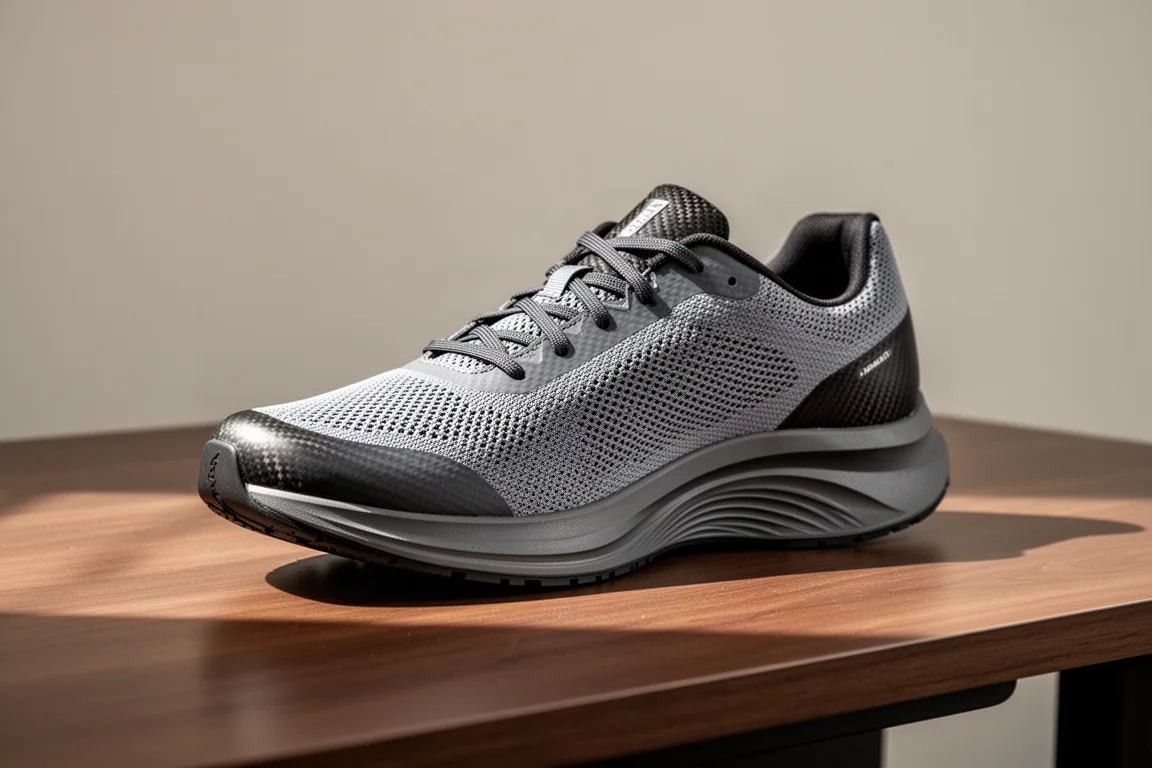
The Cloudboom Strike 2 was not originally on the radar as an anatomic-toe-box shoe, but it deserves a place here. It has a fairly anatomic forefoot, sits closest in weight and stack to the other two, and offers the softest ride of the group. It is also the lowest volume and most snug of the three, though it carries a little more forefoot volume than the Vanish Carbon 3.
The trade-offs are real: the platform is incredibly stiff, the only one of the three to cause recurring rearfoot pain that eventually fades, the heel comes in slightly (less than the Spectre Elite, but still noticeable), and the laces hold less securely, though a partially attached tongue helps. It is not the most responsive option and, like the others, it does not suit very short races. But if you want the softest, lightest shoe with a roomier-than-Altra toe box, it is a legitimate alternative.
Heel Design: A Deciding Factor
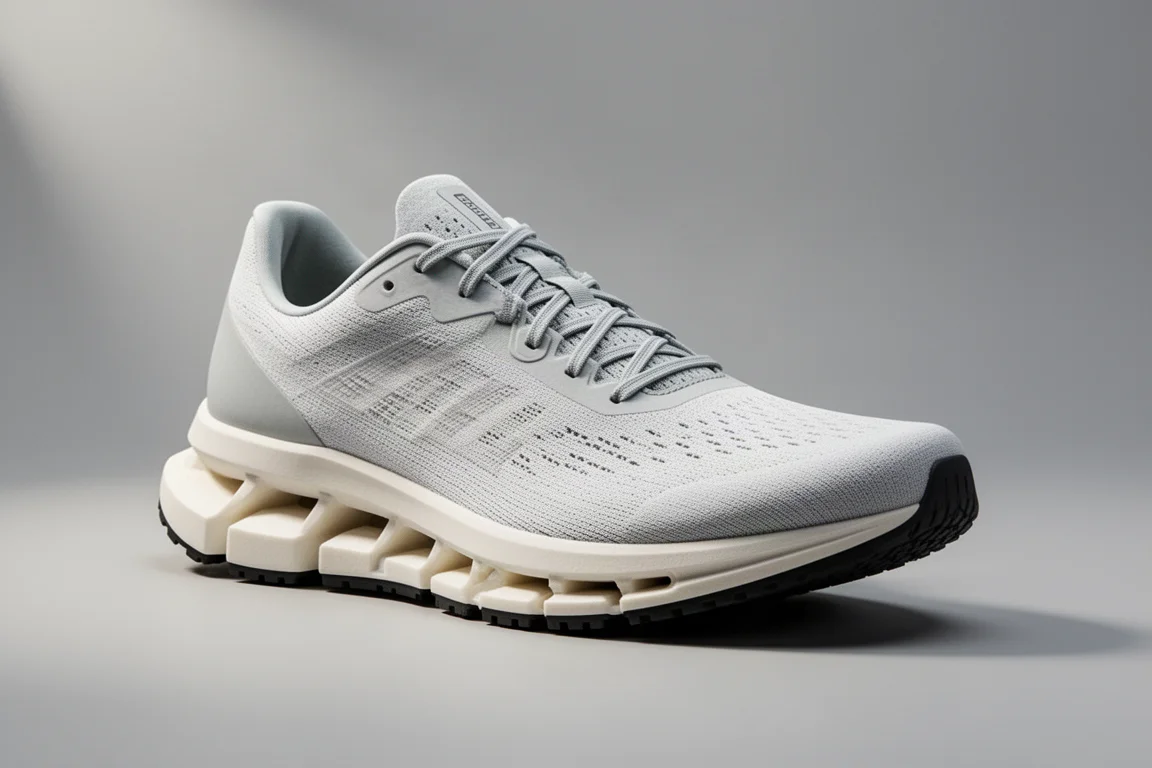
Heel construction may ultimately decide this comparison more than midsoles or plates. The Spectre Elite pairs a rigid heel counter with an Achilles hook pad: secure for those who want structure, but problematic if you have an irritated Achilles or a bony heel prominence. The Vanish Carbon 3 is the opposite, with a flexible, forgiving heel that disappears on the foot. The Strike 2 falls in between, slightly irritating but far less intrusive than the Topo.
Durability Notes
Both flagship shoes have held up well early on. At 60 miles, the Spectre Elite shows minor outsole wear but no heel peeling, and its midsole feel has stayed consistent. At 50 miles, the Vanish Carbon 3 has broken in, softening and bouncing more with use, and its full-coverage outsole suggests it will last longer. Real verdicts will come at the 100-mile mark, but early signs favor Altra for outsole durability.
Buying Advice: Which One Fits Your Running
If you want the widest, highest-volume fit, a softer and bouncier ride, and the lowest weight, the Spectre Elite is the stronger pick, provided the stiff heel and toe spring do not bother you. It is also the shoe for runners whose feet swell over long distances.
If you prefer a snugger fit, a firmer grounded ride, strong big-toe engagement, better heel comfort, and potentially longer outsole life, the Vanish Carbon 3 is the better match, accepting roughly an ounce of extra weight.
If you want the softest, stiffest, lightest option with a roomier-than-Altra forefoot and can tolerate an adaptation period, the Cloudboom Strike 2 rounds out the list nicely.
All three are excellent at 10K through marathon distances, all three are more stable than most super shoes thanks to wide forefoot bases, and all three use a modest drop that helps rather than hinders long-distance efficiency. None of them are the ideal 5K weapon, and Altra’s shorter-distance options like the Pulse use traditional EVA-style foam without super shoe character.
Conclusion
Anatomic toe box racing is finally a real category, and these three shoes cover its spectrum well: Topo for space and bounce, Altra for stability and heel comfort, On for softness and stiffness. Match the geometry to your feet and your race distance, and any of the three can carry you well through a long racing season.
Further reading
Related Reviews

Running Shoes
Best Road-to-Trail Running Shoes: Three Versatile Options for Mixed Terrain
A practical guide to three road-to-trail running shoes that handle both pavement and mild trails, with clear strengths and trade-offs for different runner types.

Running Shoes
Best Running Shoes for Achilles Tendonitis: Three Options Explained
Three running shoes with different heel drops and support features designed to help reduce Achilles tendon pain during walking and running.

Running Shoes
Best Running Shoes for Women: Five Top Choices Ranked
A ranked guide to five women's running shoes, from versatile daily trainers to high-performance racing options, with real strengths and trade-offs for each.