Cookware
8 Best American-Made Cookware Brands: Stainless Steel, Cast Iron, and More
Eight US cookware brands compared on where they're made, where they source materials, real pros and cons, and which ones deserve your money.
Introduction
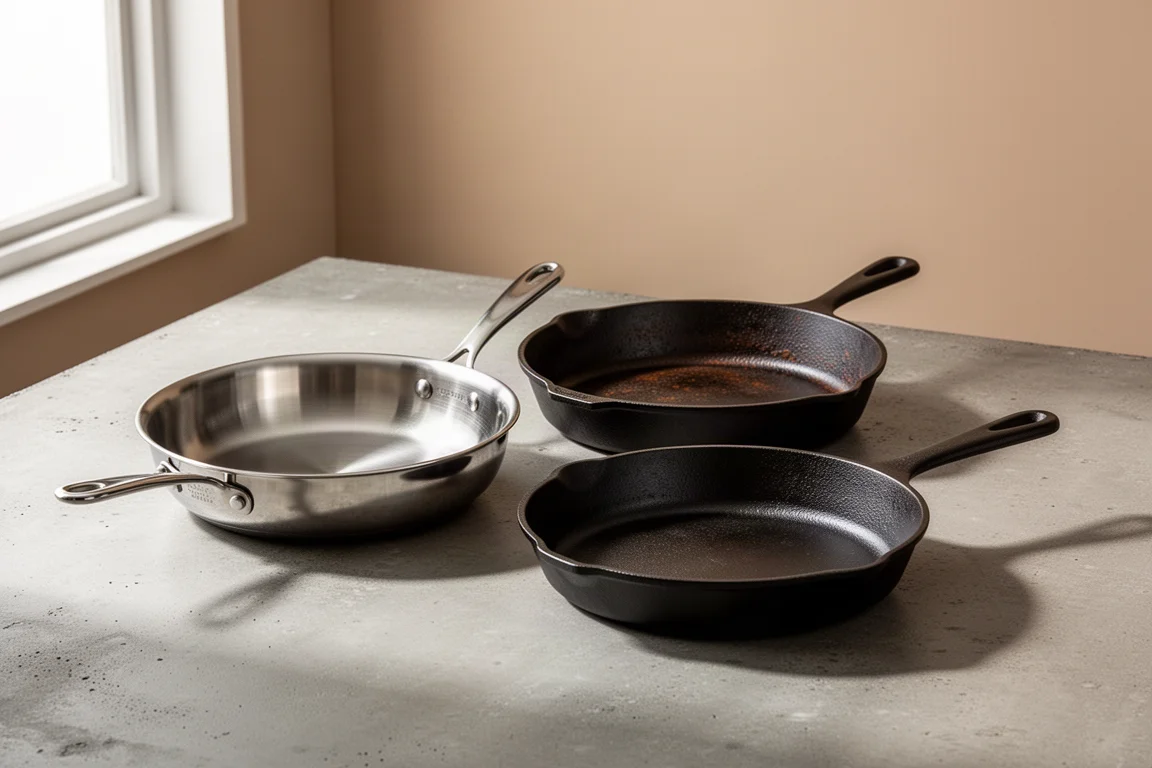
Buying cookware made in the United States is easier than ever, but the details matter. Some brands manufacture everything domestically, some make the pan body in America while sourcing handles and lids elsewhere, and some only offer a single US-made collection. This guide walks through eight notable American-made cookware brands, covering where they produce their products, where their materials come from, and the honest strengths and weaknesses of each.
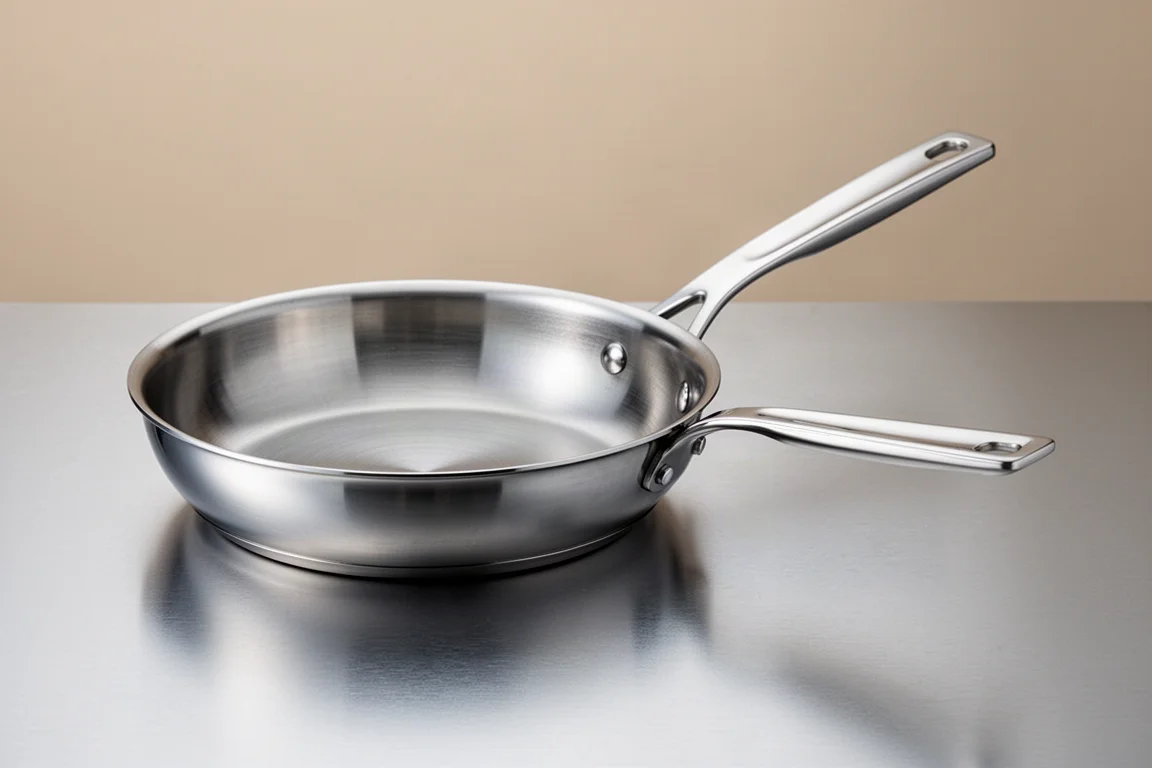
All-Clad: The Original Fully-Clad Innovator
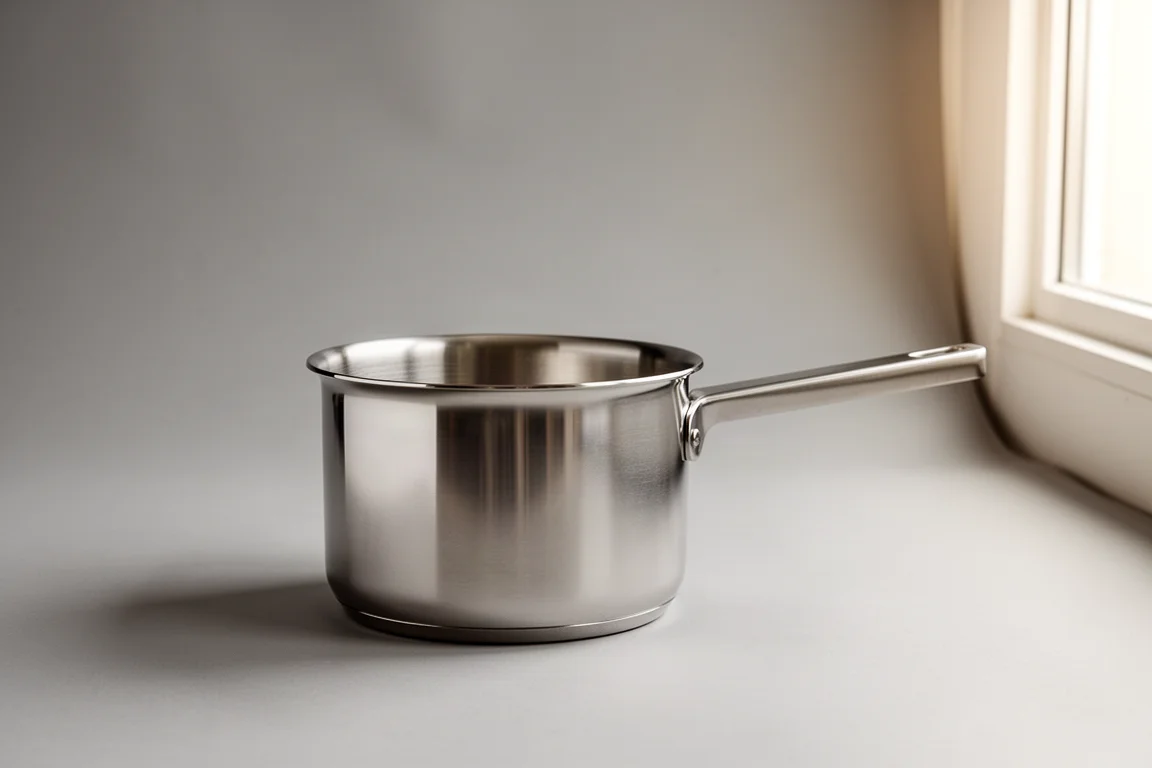
All-Clad makes its premium stainless steel cookware in Canonsburg, Pennsylvania, just 35 miles southwest of Pittsburgh, sourcing materials from US suppliers. The founder was a metal expert who applied his knowledge of bonding metals to create the first fully-clad stainless steel cookware in the 1970s, and the company has remained one of the world’s leading cookware brands. Despite being acquired by a French conglomerate in 2004, All-Clad has kept its stainless steel production in Pennsylvania.
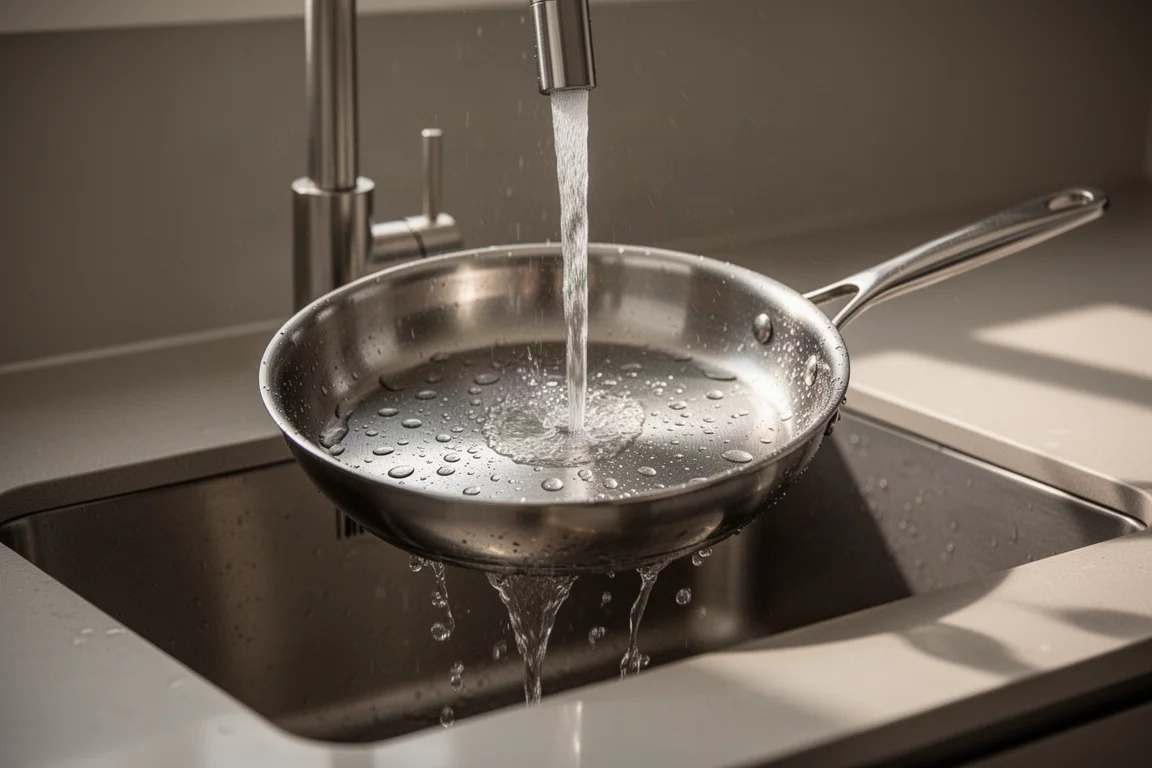
Two things set All-Clad apart: a wide range of stainless steel collections with different materials, design, and performance, and exceptionally high quality standards. Pans with even slight imperfections are sold at steep discounts during All-Clad’s Factory Seconds sales events.
The trade-offs are cost and handle comfort. Cup-shaped handles prevent slipping but are not the most comfortable, though newer collections like D3 Everyday and G5 feature redesigned, more comfortable handles. It is also worth knowing that the pan bodies are made in America, while handles, lids, and aluminum non-stick pans are made in China. And one clear warning: skip All-Clad’s stainless steel pans with non-stick coatings. At over $200, you pay a premium for a coating that will eventually wear down.
Heritage Steel: Hand-Finished Value in Tennessee
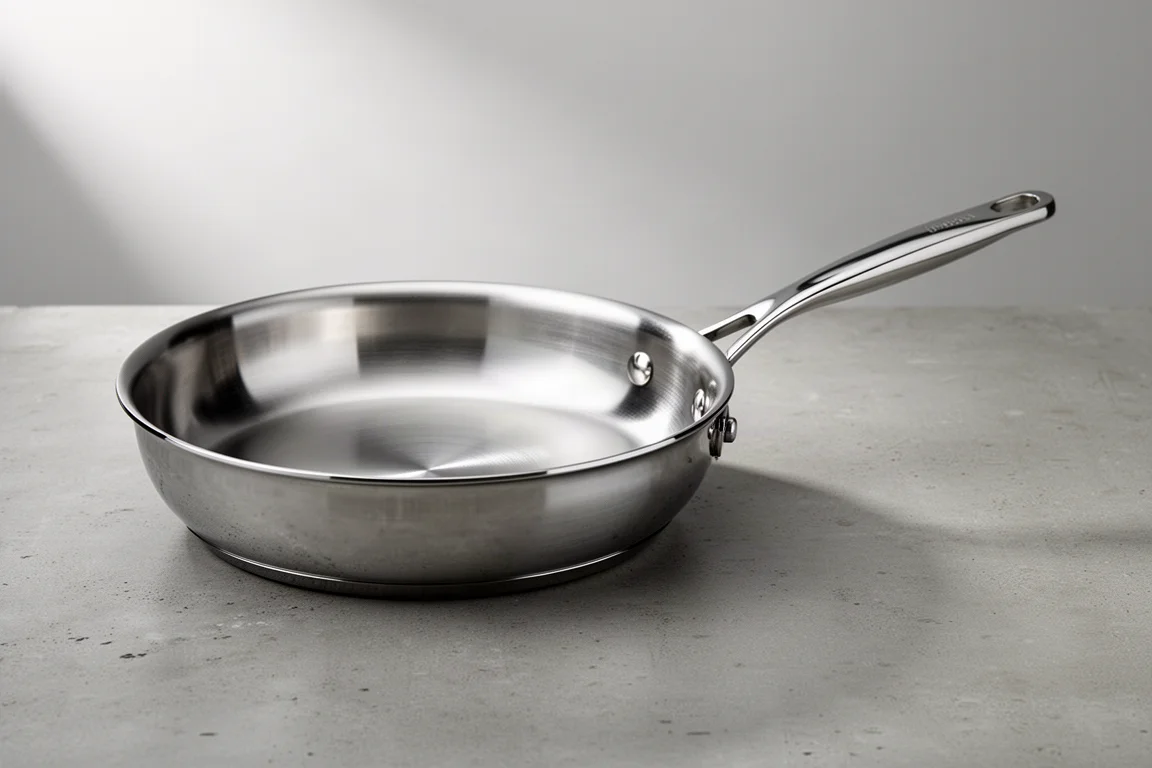
Heritage Steel has made 5-ply fully-clad stainless steel cookware in Clarksville, Tennessee for over 40 years. This family-owned company maintains high manufacturing standards, and each pan undergoes extensive hand-finishing that results in smoother edges and surfaces than most competitors. Pieces that do not pass inspection are sold at a major discount during their Factory Seconds Sales.
In side-by-side testing, the performance was virtually indistinguishable from All-Clad, despite a lower price. Heritage Steel also uses titanium-strengthened steel for its cooking surfaces, which is more durable and more resistant to pitting.
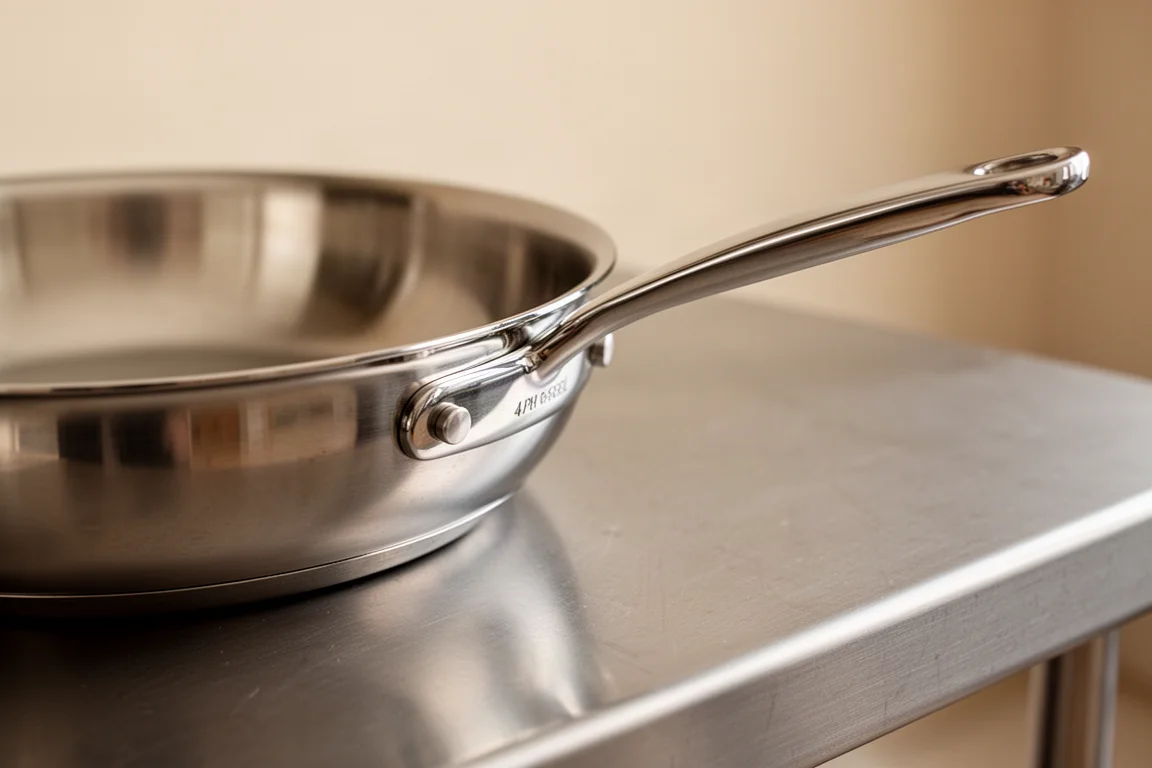
The main caveat is sourcing. The 5-ply bonded steel sheets come from South Korea and the handles are made in China, while lids and rivets are made in the Tennessee factory. On handles: the rounded handles on the Titanium Series can be slippery and rotate in your hand, especially when wet or greasy. The newer Eater Series handles are flatter and more secure, and are the better pick.
Lodge: The Best Value in Cookware
Lodge has been crafting cast iron in South Pittsburg, Tennessee since 1896, and its skillets are known for a classic, rugged look with thick walls and a dark, pre-seasoned finish. Both the cookware and the iron itself come from the US. Historically, Lodge made its enameled cast iron in China, but the new Lodge USA Enamel collection is made in Tennessee and is available in just three colors: red, white, and blue.
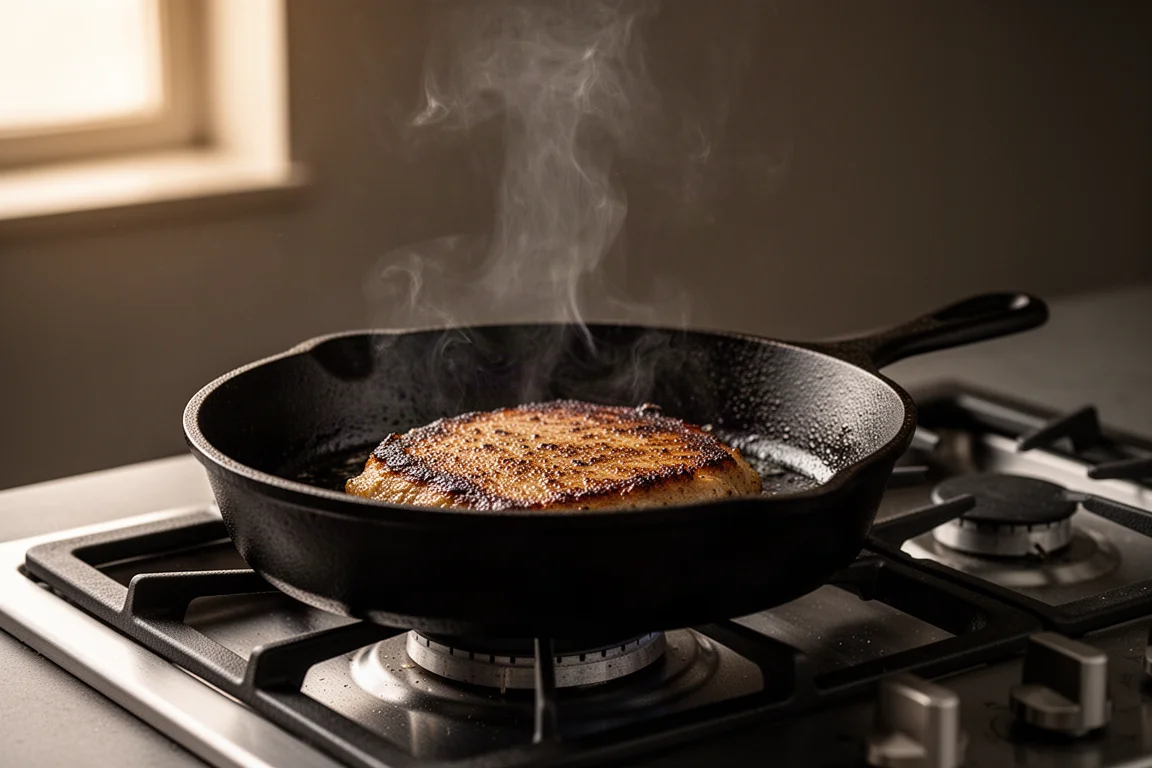
Lodge may offer the best value in all of cookware. For around $30, a 12-inch skillet will outlast you, and testing shows it performs on par with much pricier competitors. The drawbacks are weight, short handles, and a rougher surface that can slightly affect food release, though not dramatically.
Smithey: Premium Performance Cast Iron
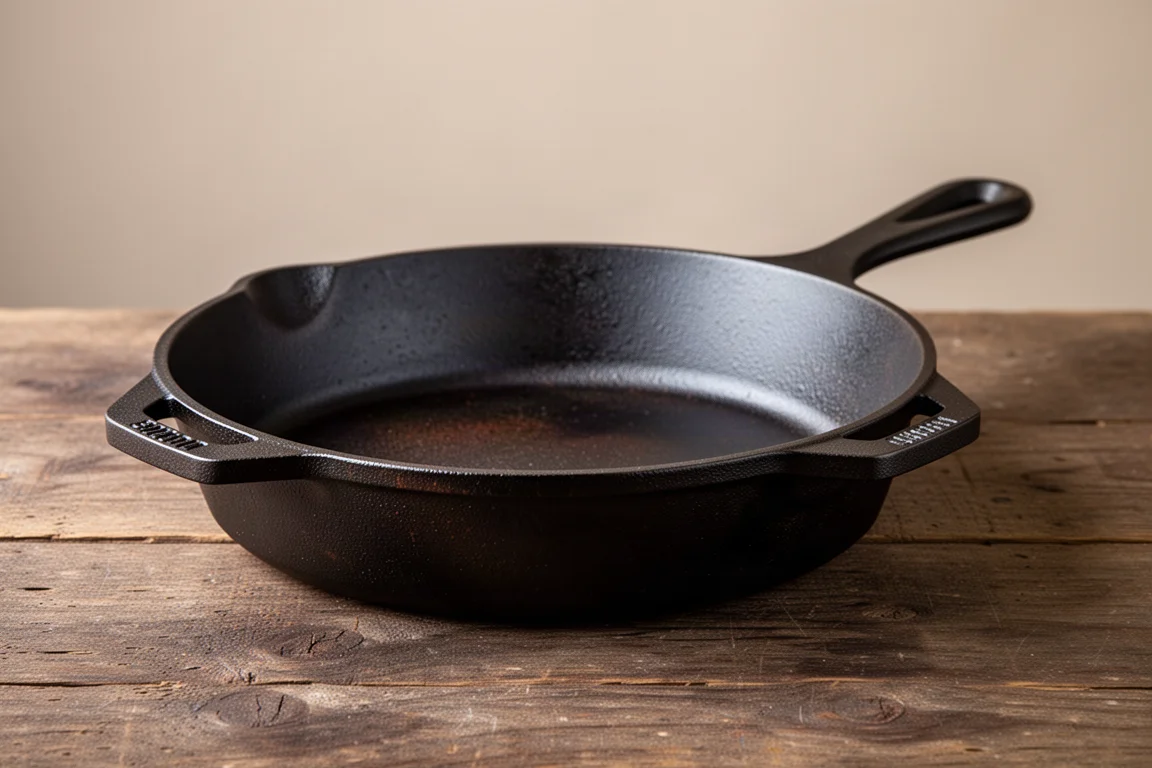
Founded in 2015, Smithey is a young brand whose American-made cast iron skillets outperform much more established competition. The design covers everything you want in a cast iron skillet: an ultra-smooth cooking surface, comfortable handle, thick construction, and large pour spouts. Everything is made in Charleston, South Carolina, using recycled iron sourced from around the US. Smithey also makes hand-forged carbon steel pans.
The 12-inch skillet is one of the best-performing cast iron skillets tested, but there are two downsides. First, the seasoning does not adhere as well to the ultra-smooth surface. Second, it is expensive: the 12-inch skillet costs $210, roughly seven times the price of Lodge.
Viking 5-Ply Professional: Great Handle, High Price
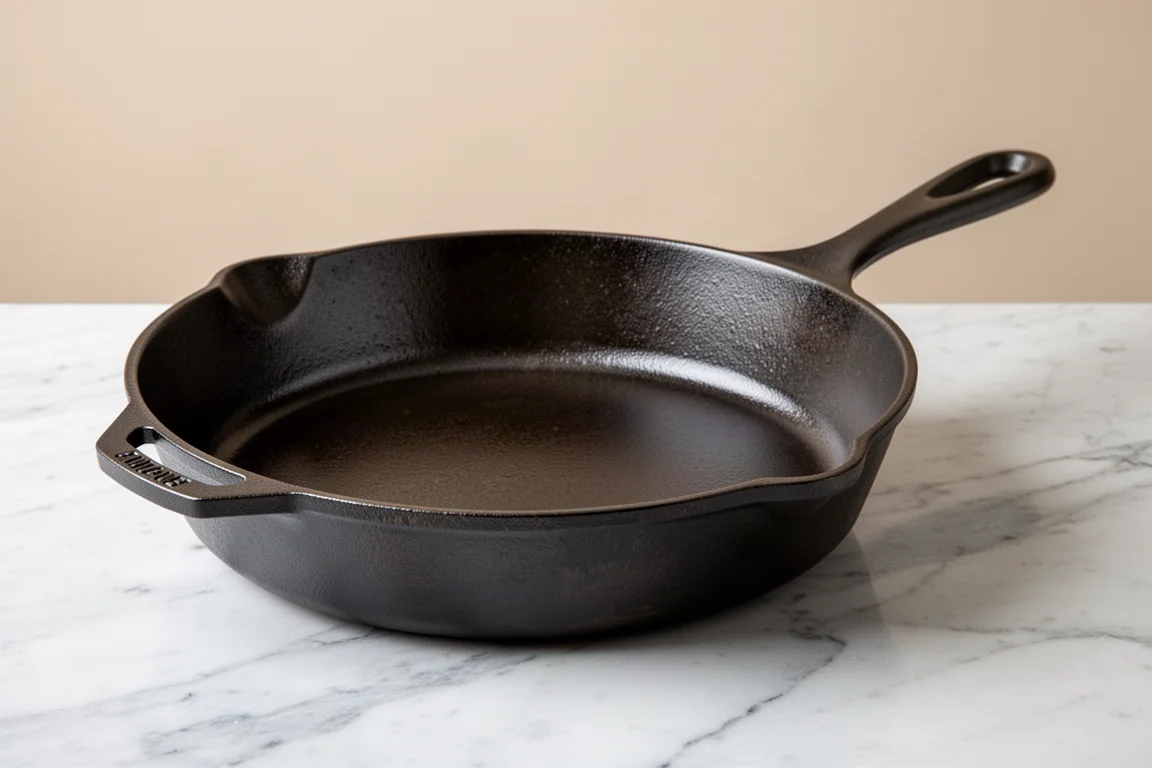
Viking is best known for American-made ovens, cooktops, and refrigerators based in Greenwood, Mississippi. For cookware, the company licenses its name to Clipper Corporation, a leading supplier to commercial kitchens. While most Viking cookware is made in China, the 5-Ply Professional collection is made in the US, specifically in the Midwest, with bonded steel sourced from a supplier in South Korea.
The standout feature is the handle. The top side is flat with a slight groove that lets you press your thumb in for a firm grip. It is similar to All-Clad’s handle but more comfortable, with a shallower indentation and smoother edges. The problem is price: the Viking 10-inch fry pan costs over $200, while Heritage Steel offers the same construction for under $100, sourcing from the same region.
Field Company: The Lightweight Cast Iron Option
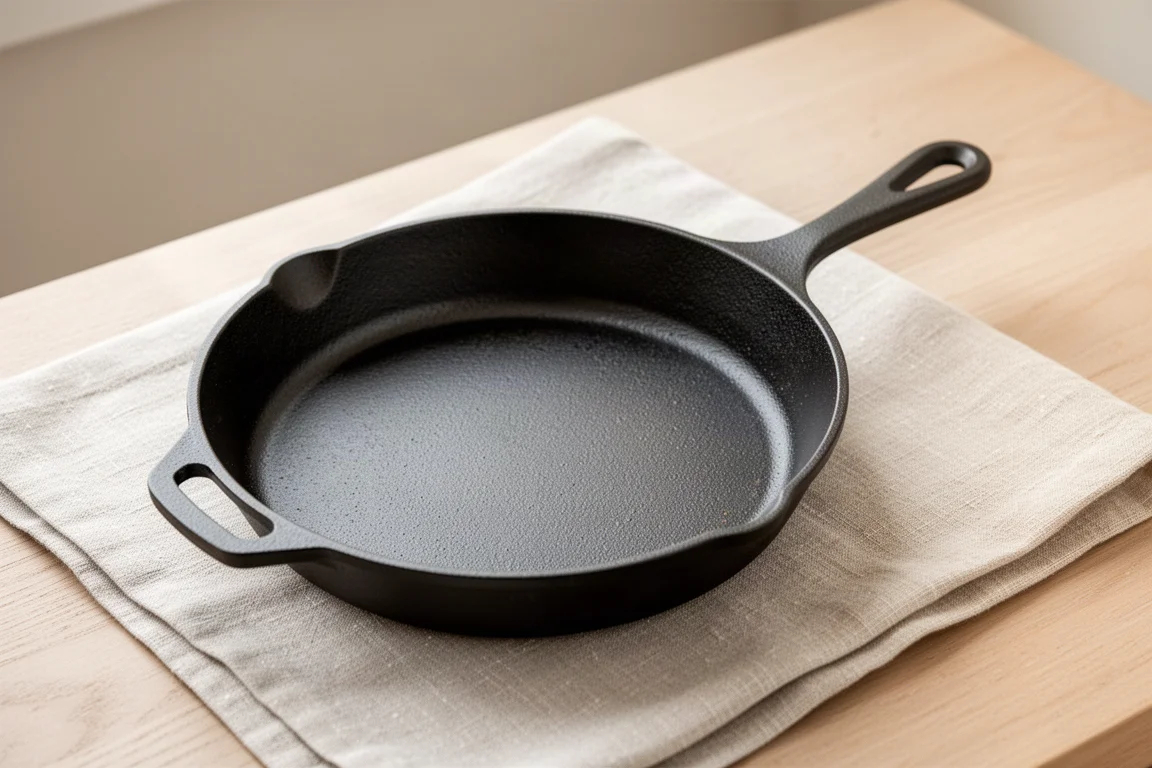
In 2016, two brothers founded Field Company with a mission to recreate the smooth, lightweight cast iron skillets of the past. They succeeded: these are the thinnest and lightest skillets tested, with a 12-inch skillet weighing just 5.5 pounds, two to three pounds less than most competitors. The smooth, polished cooking surface is ideal for eggs and other sticky foods.
Production takes place in the USA, with facilities in Indiana, Illinois, and Wisconsin. The thinner walls make the skillets easier to handle and faster to heat, but heat retention is the worst of any cast iron skillet tested. The small helper handle can also be tricky to grip with an oven mitt when the skillet is full.
Stargazer: Heirloom-Quality Craftsmanship
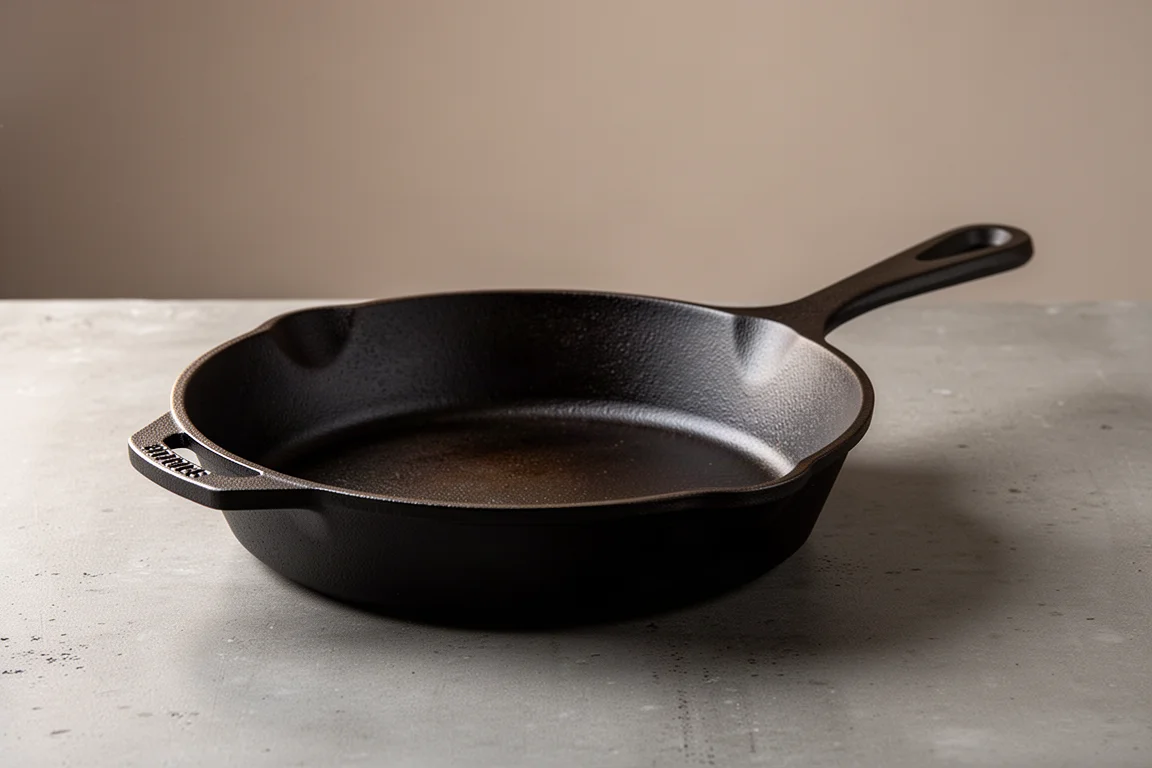
Stargazer makes heirloom-quality cast iron skillets with long handles, large helper handles, smooth cooking surfaces, and flared rims. The brand is deeply committed to American manufacturing: cookware is made in Allentown, Pennsylvania, and everything else they sell, including T-shirts, chainmail scrubbers, and packaging, is also made in the US.
Each skillet is hand finished by expert craftsmen and tumbled in a smoothing bath of ceramic rocks to remove burrs and perfect the finish. Performance is excellent, the smooth surface handles eggs well, and flared rims let you pour from any angle. The handle is nearly 3 inches longer than most cast iron brands, but like All-Clad, it has a deep groove whose edges can dig into your hand.
360 Cookware: Vapor Cooking With a Premium Price
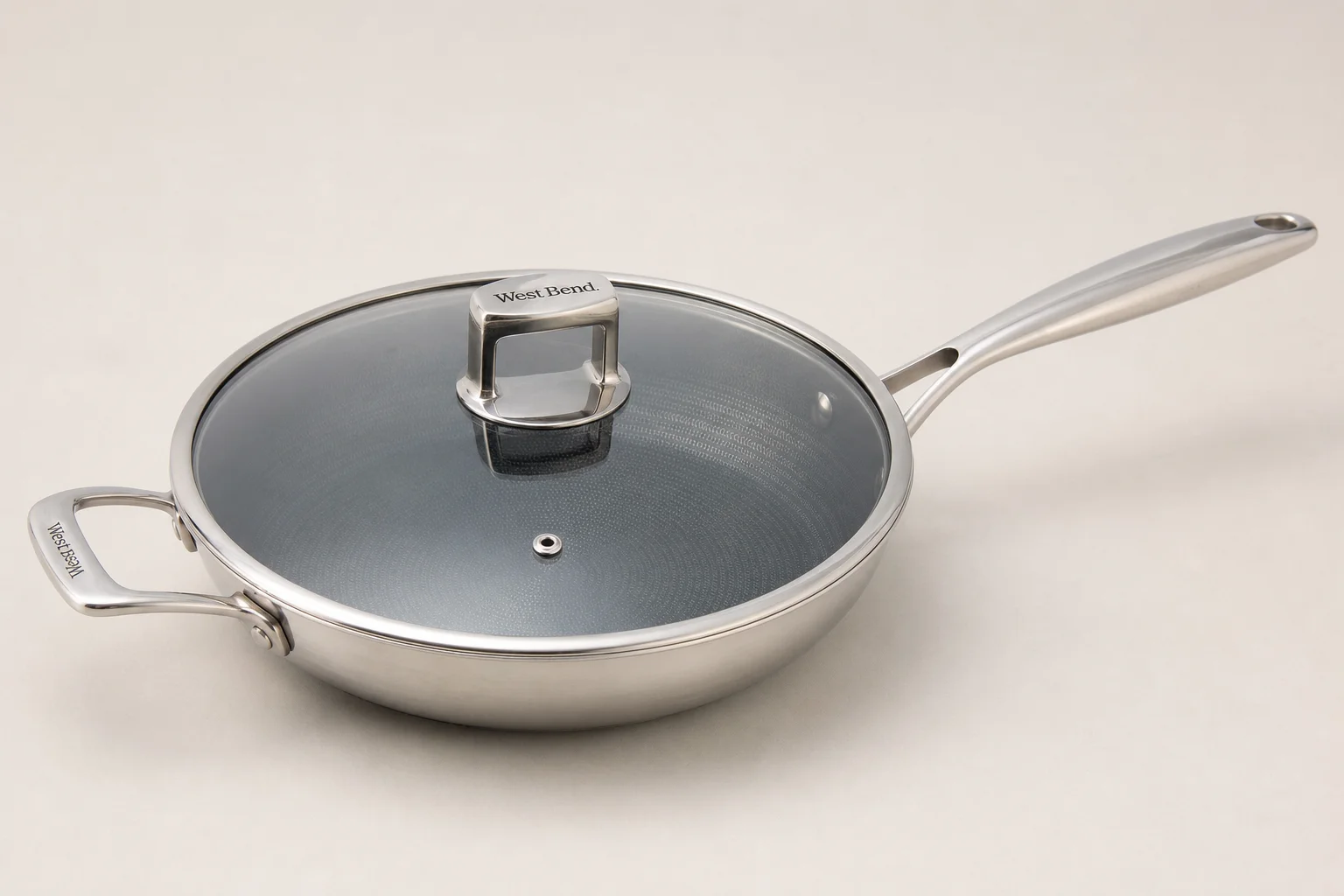
360 Cookware is a family-owned company that has manufactured cookware in West Bend, Wisconsin since 2010. Its key differentiator is “vapor cooking” technology: a lid designed to seal tightly and lock in moisture, letting you cook food in its natural juices with little to no added fat.
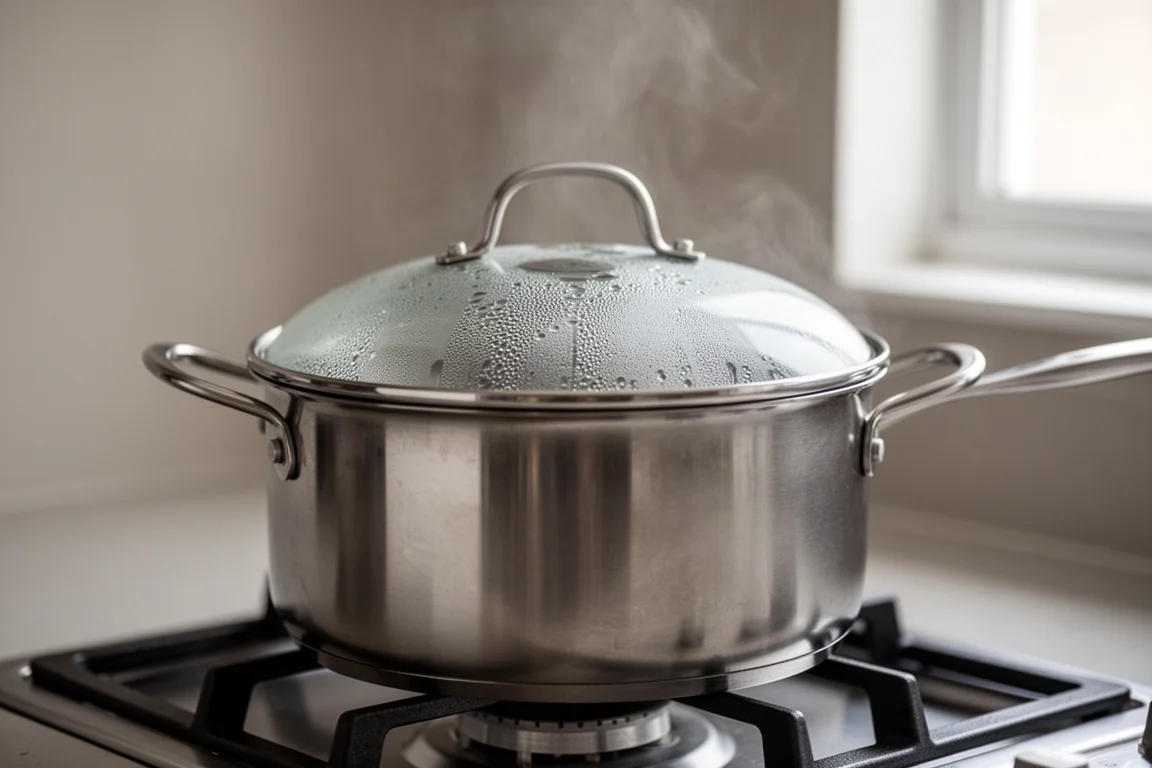
Sourcing is a mixed picture. The bonded metal discs come from South Korea and the handles are made in China, but 31 of 35 production steps, from forming and finishing to inspection and packaging, happen in the Wisconsin factory. If vapor cooking appeals to you, this is a top brand to consider. Otherwise it is much more expensive than Heritage Steel without offering additional value beyond the lid design, and the helper handle is long but not wide enough to fit a full hand.
Buying Advice: Top Picks and Brands to Skip
Based on real testing, the three best American-made brands are All-Clad, Heritage Steel, and Smithey. All-Clad delivers industry-leading quality and collection variety, Heritage Steel matches its performance at a lower price with more durable titanium-strengthened cooking surfaces, and Smithey makes the best-performing cast iron tested. Lodge deserves an honorable mention as the best value in cookware, but when price is set aside, Smithey is the preferred cast iron choice.
Two recommendations to approach with caution: All-Clad’s non-stick-coated stainless steel pans, which cost over $200 for a coating that will eventually wear down, and 360 Cookware, which only makes sense if you genuinely plan to use vapor cooking.
Conclusion
American-made cookware covers a wide range of prices and philosophies, from Lodge’s rugged $30 workhorse skillets to Smithey’s $210 polished-performance pieces. Match the brand to how you actually cook: fully-clad stainless steel for everyday versatility, cast iron for searing and longevity, and vapor-cooking designs only if that style suits you. For most buyers, Heritage Steel and Lodge offer the strongest combination of US manufacturing and value, while All-Clad and Smithey justify their premiums with top-tier performance.
Further reading
Related Reviews
Cookware
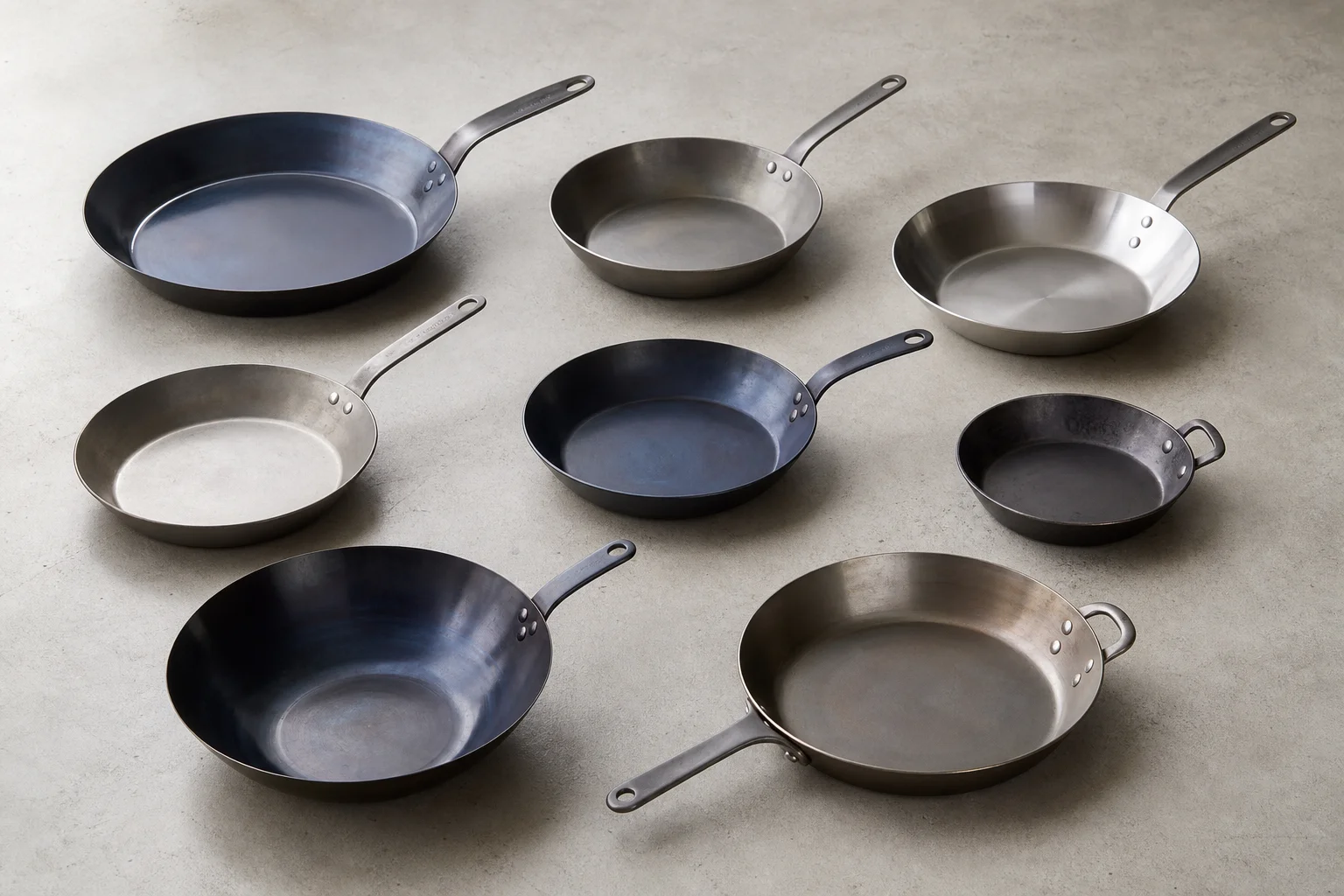
Best Carbon Steel Pans Tested: Which Brands Deliver Real Value
We tested eight popular carbon steel pans with controlled durability, heat, and cooking tests. Here's which ones perform best and which to avoid.
Cookware
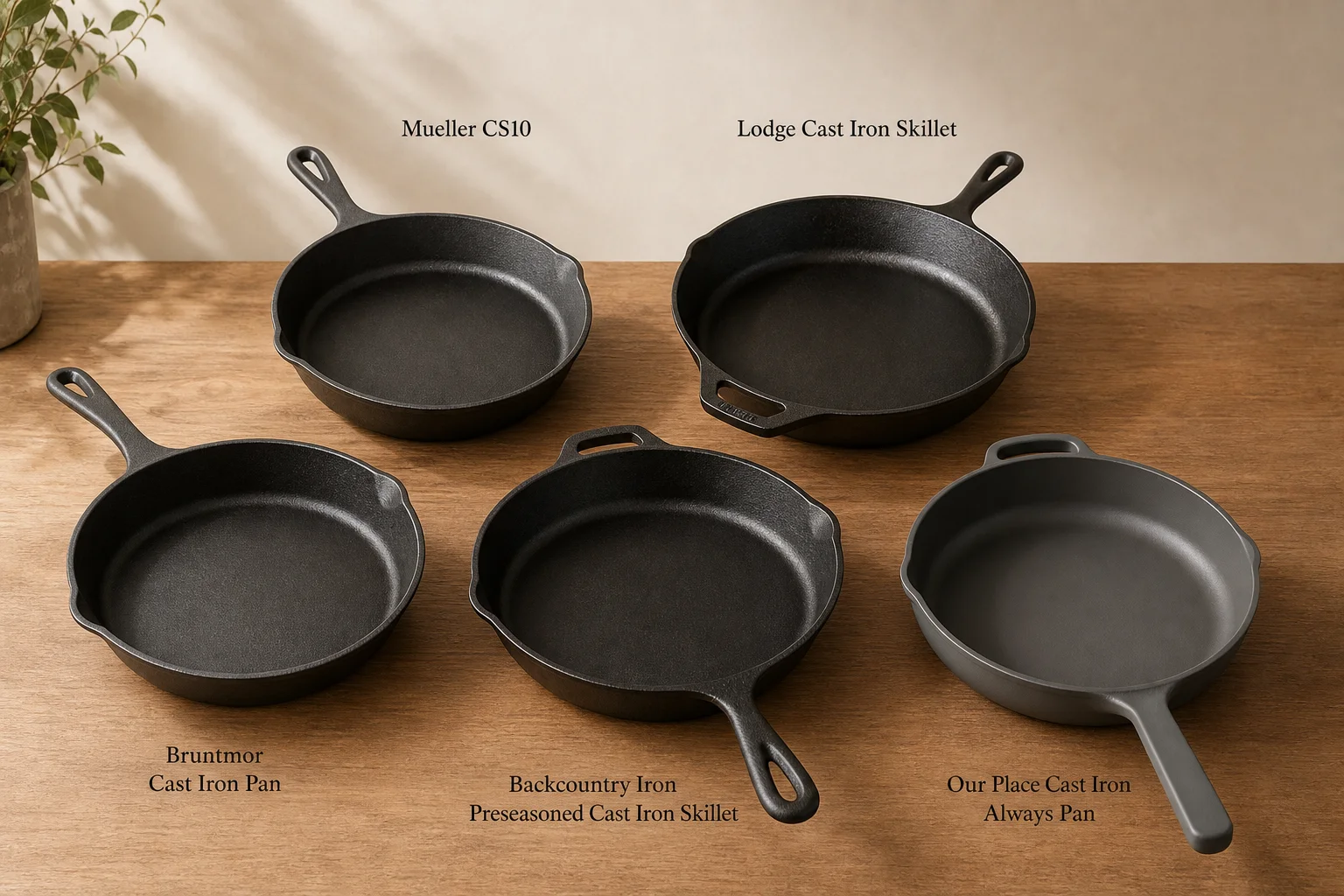
Best Cast Iron Pans 2026: Five Options from Budget to Premium
A practical breakdown of five cast iron skillets, from affordable Mueller to premium Our Place, with clear strengths and trade-offs for different cooking needs.
Cookware
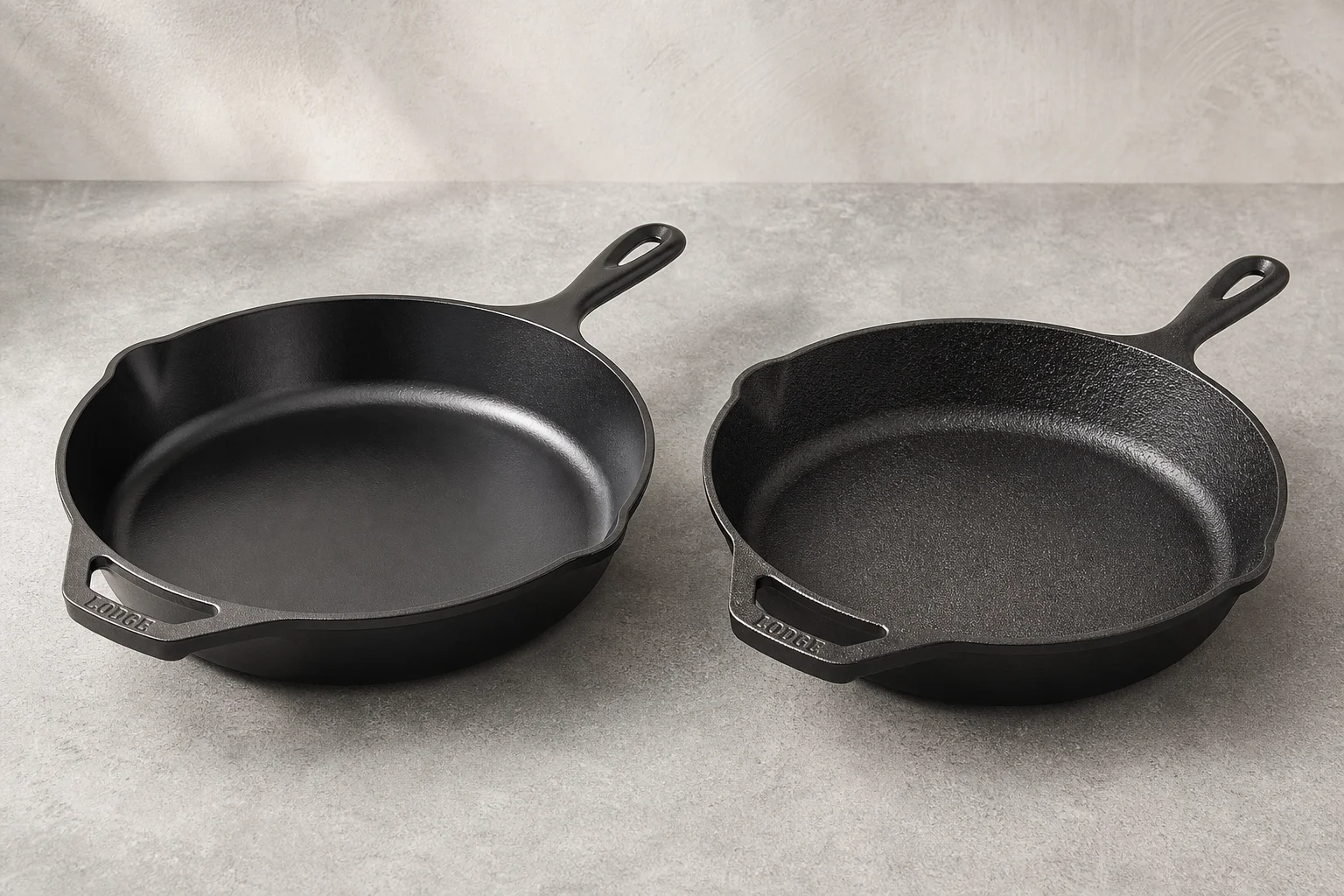
Best 12-Inch Cast Iron Skillets: Premium Craftsmanship vs. Reliable Budget Option
Two standout 12-inch cast iron skillets tested for heat retention, surface finish, and durability. One premium choice and one budget-friendly alternative that both deliver.