Ski Gear
Best Resort Alpine Ski Bindings: How to Choose Between Marker, Look, Tyrolia, Salomon, Atomic, and Armada
Five binding families dominate the resort market. Here is how they actually differ, from step-in ease to elastic travel, and which one fits your skiing.
Introduction
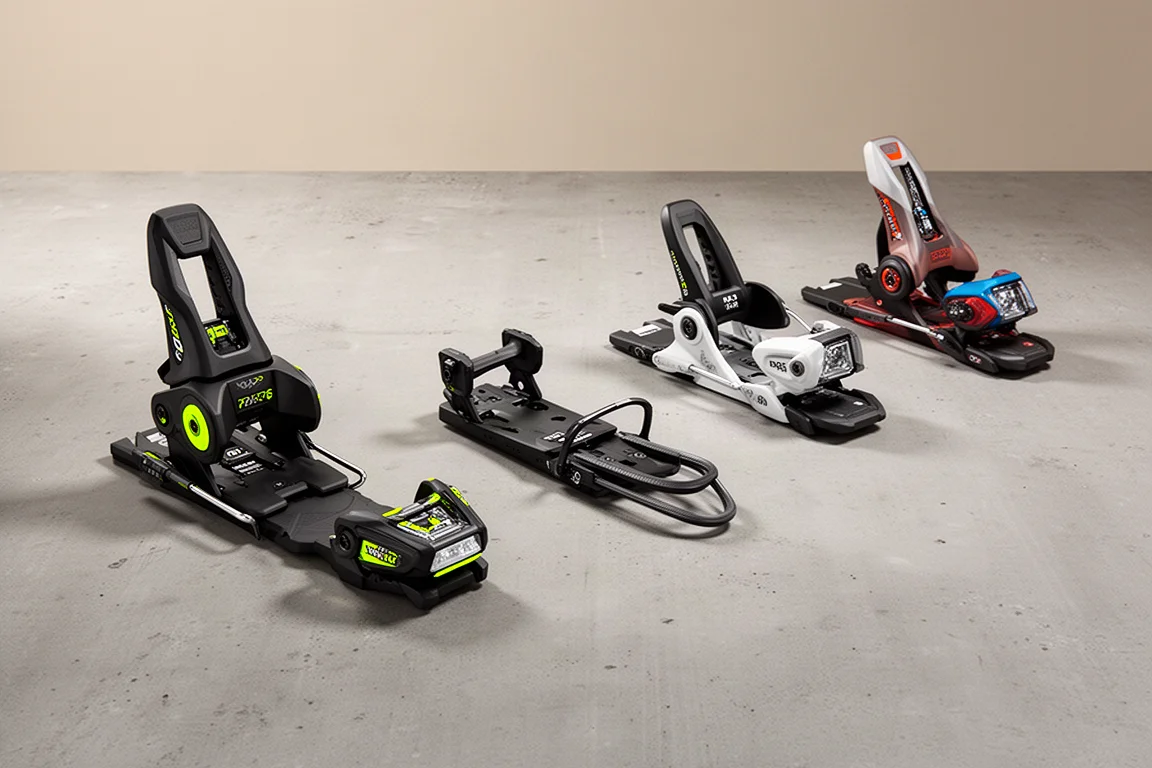
If you are shopping for a pair of alpine bindings for resort skiing, chances are you are looking at one of five families: the Tyrolia Attack, the Salomon Strive, Atomic Strive, or Armada Strive (all essentially the same binding under different branding), the Marker Squire, the Marker Griffin, or the Look Pivot. All of them are safe, all of them are proven, and the subtle differences between them are what should actually drive your decision.
What a Ski Binding Actually Does
A binding is the interface between ski and boot. Its job is to transmit energy as efficiently as possible while keeping you in when you are supposed to be in, and kicking you out when you really mess up so you do not get hurt. Every binding on this list does that job. Where they differ is in feel, step-in ease, and how they handle the forces you put through them.
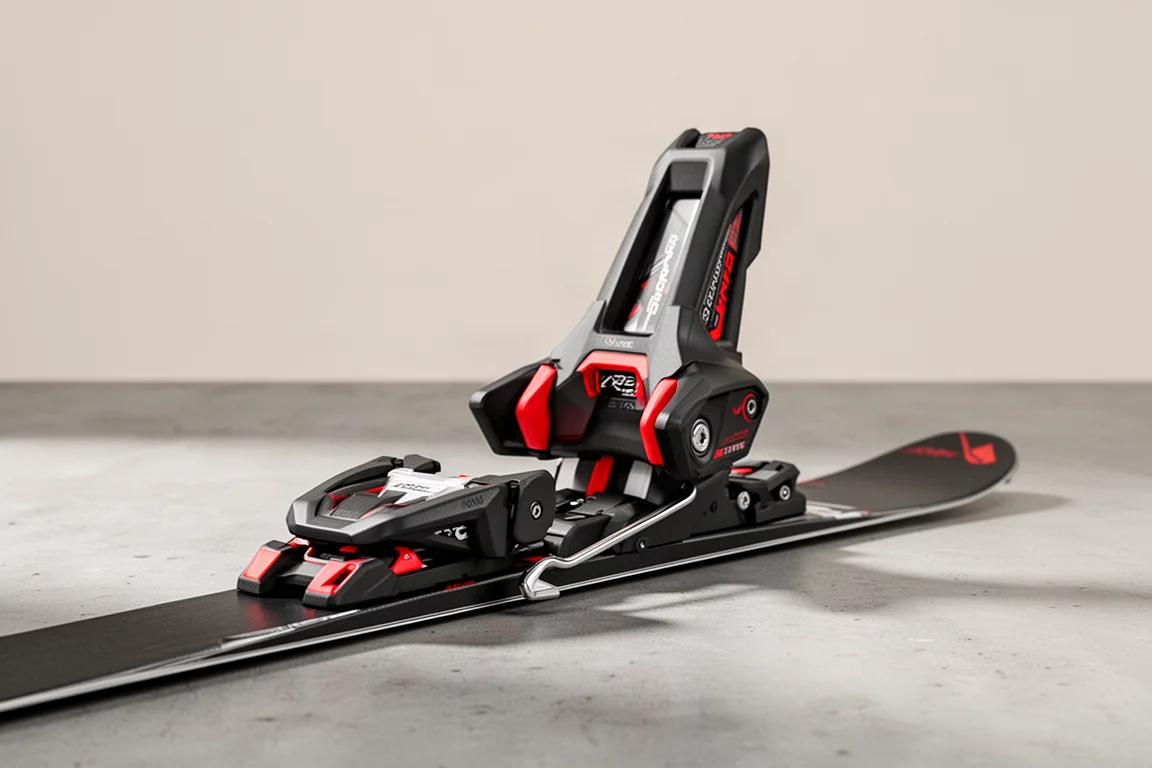
Marker Squire and Marker Griffin: The Power Option
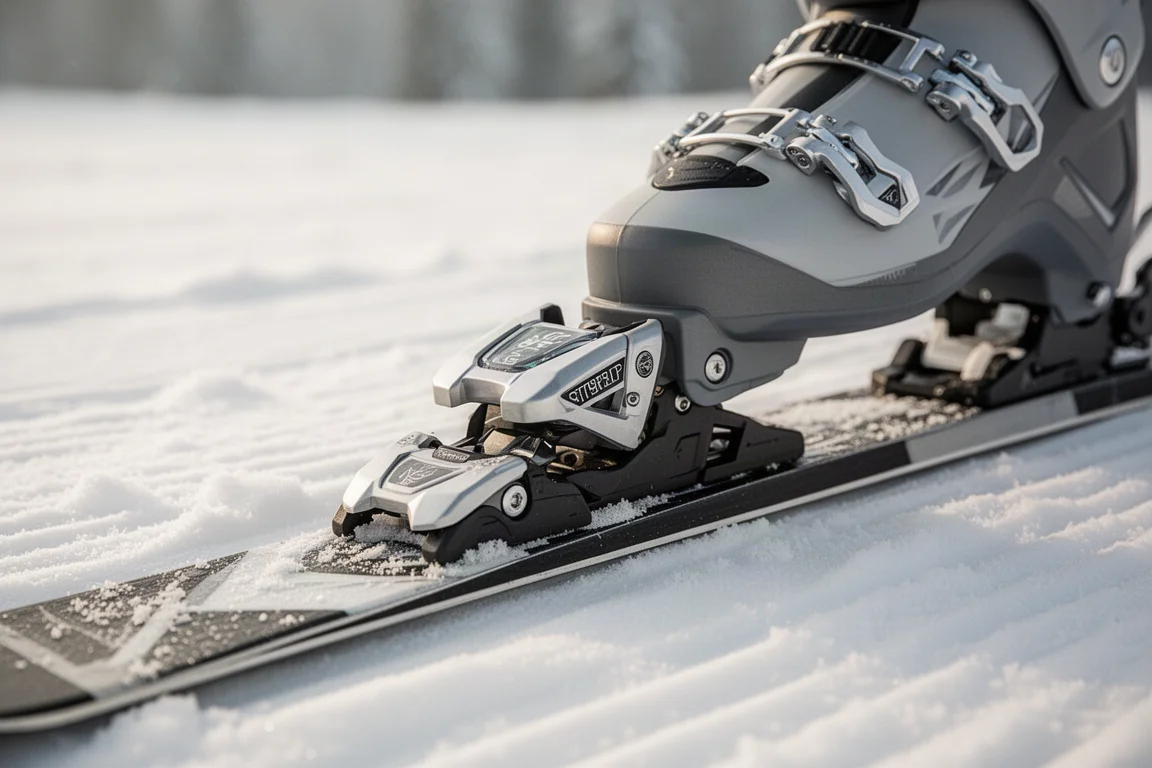
Marker was the first binding manufacturer to address skis getting wider. When skis started exceeding 76 mm at the waist, Marker stepped in to keep skis responsive edge to edge, and the brand owned that space for a long time with great colors, great names, and bindings that performed extremely well.
Two design details explain why Marker bindings feel so connected. First, the spring in the toe runs sideways from edge to edge instead of tip to tail, making the binding more torsionally rigid across a wider platform, so it feels stronger edge to edge. Second, in the heel piece the spring presses down onto your boot, keeping your heel locked firmly in place.
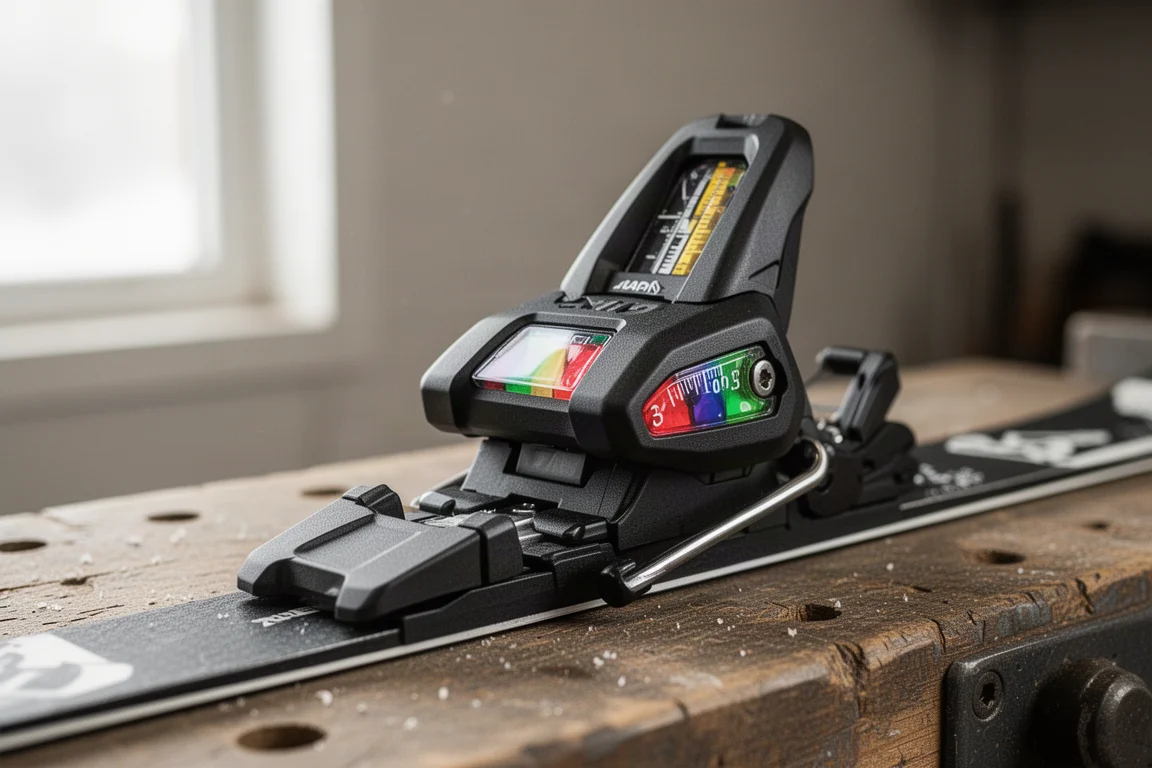
If you want bindings that feel powerful and solid, and that sound pretty satisfying when you click in, a Marker Griffin or Squire is a great pick. The trade-off is step-in effort: the Squire is easier than the Griffin because there is a little less spring there and the heel piece is easier to move up, while the Griffin is the most difficult of the bunch to click into. If you are under 150 pounds, consider the Squire; north of that, go with the Griffin.
Tyrolia Attack, Salomon Strive, Atomic Strive, and Armada Strive: The Easy Step-In Option
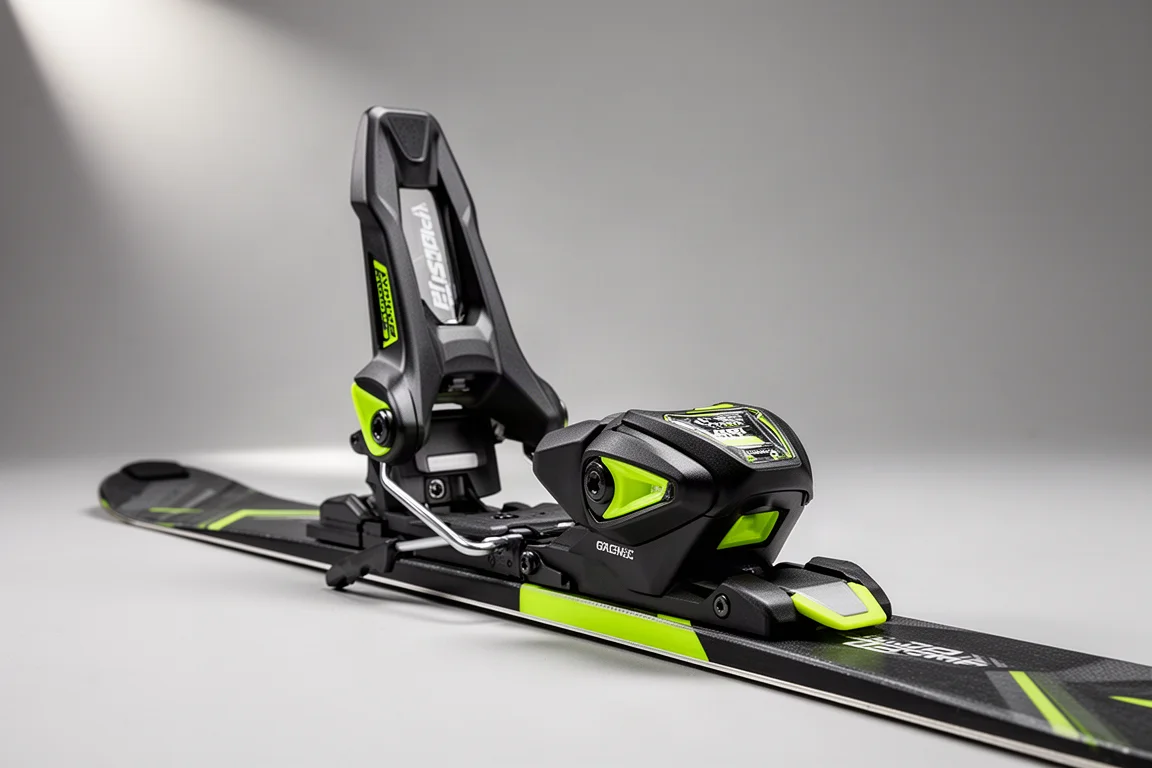
The Attack and the Strive family put the spring in the lower part of the heel housing instead of pressing down on the boot. The practical benefit is significant: these bindings are considerably easier to click into than the Marker Squire, Griffin, or the Look.
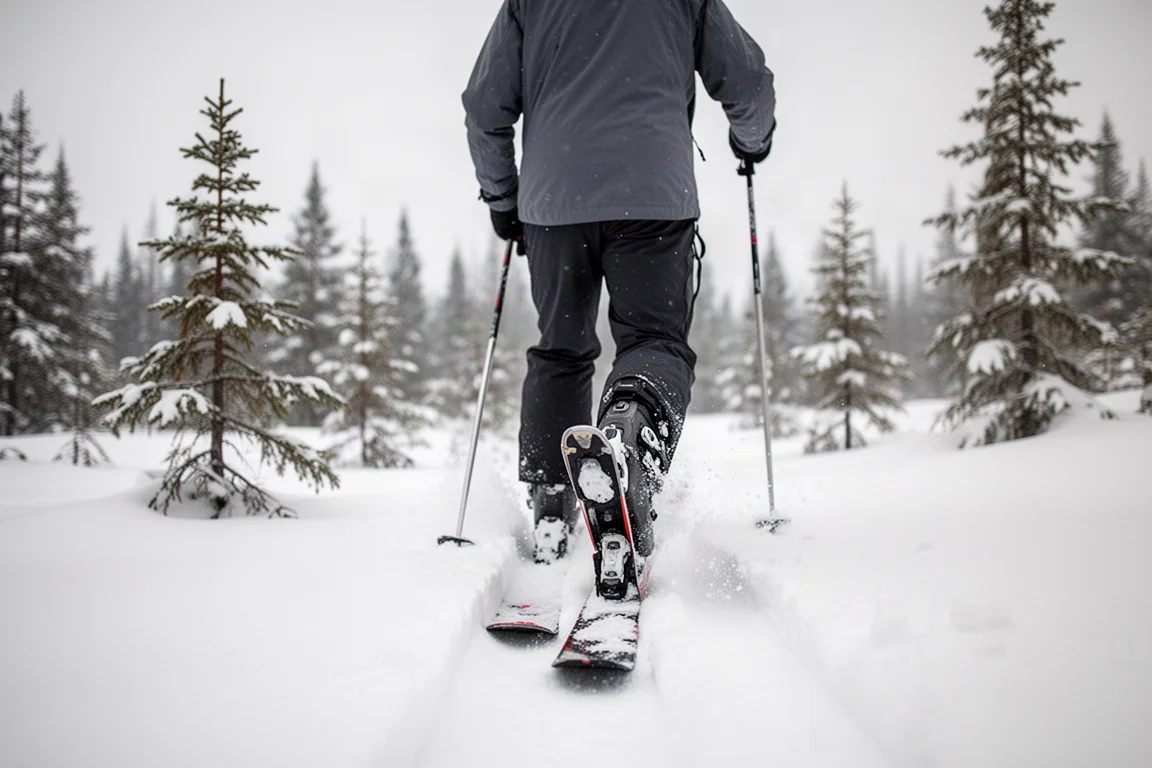
That makes them a strong choice for lighter-weight skiers, anyone skiing soft snow and trees, skiers doing some hiking, or anyone progressing whose skis tend to pop off in soft snow. In an Attack or a Strive you can click back in without asking a friend for help.
The Strive bindings also have a subtle performance edge. Skied separately, one run on the Attack and one on the Strive, the difference is hard to detect. But with the same ski on both feet, the Strive edges out the Attack in feeling a little more responsive edge to edge.
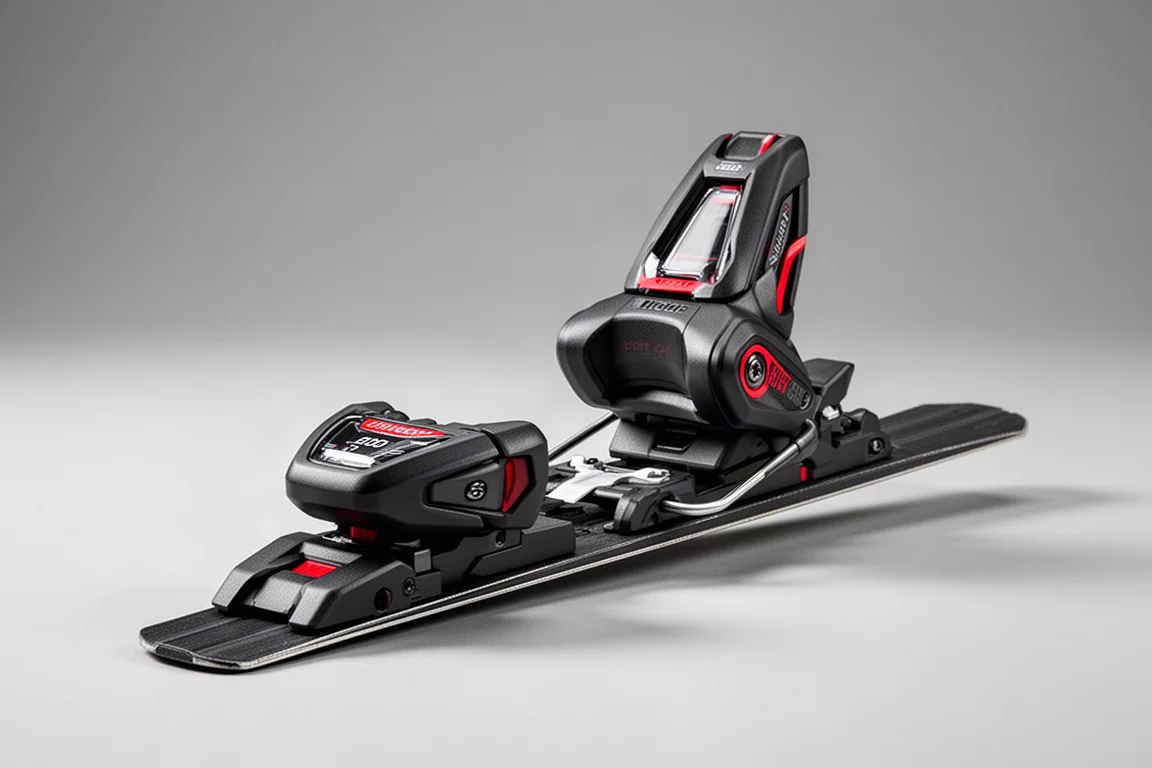
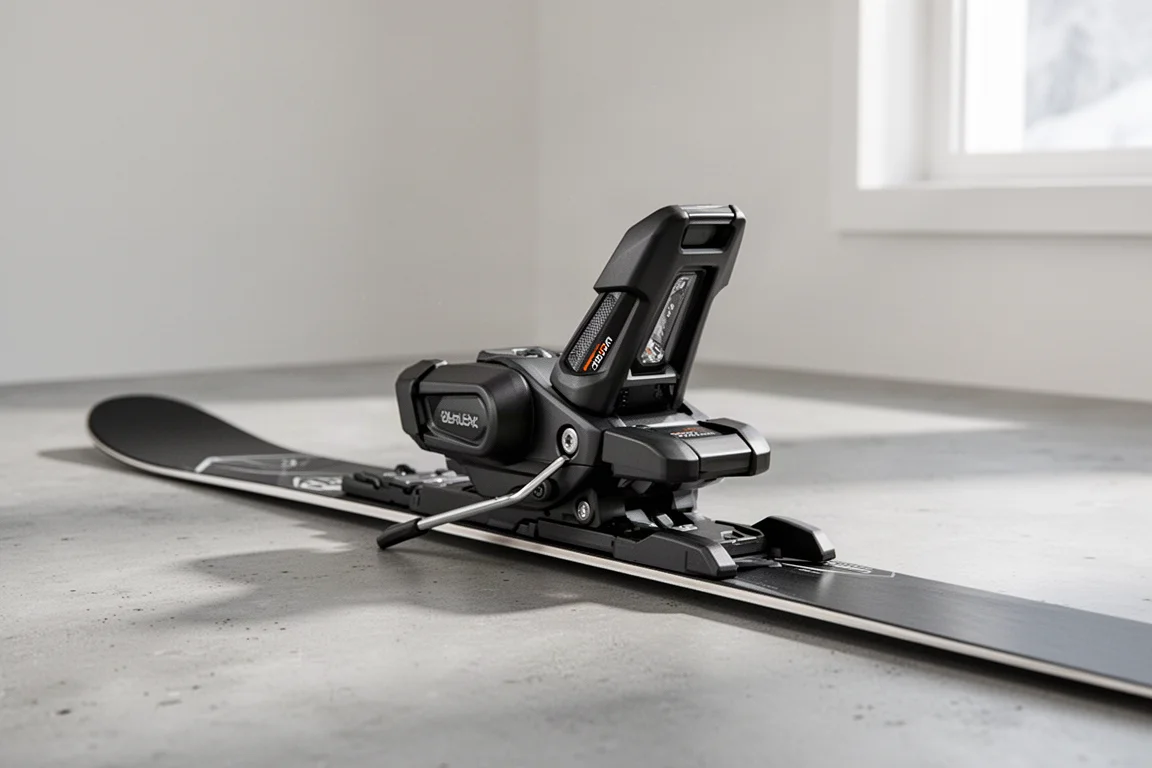
Look Pivot: The Freestyle Favorite
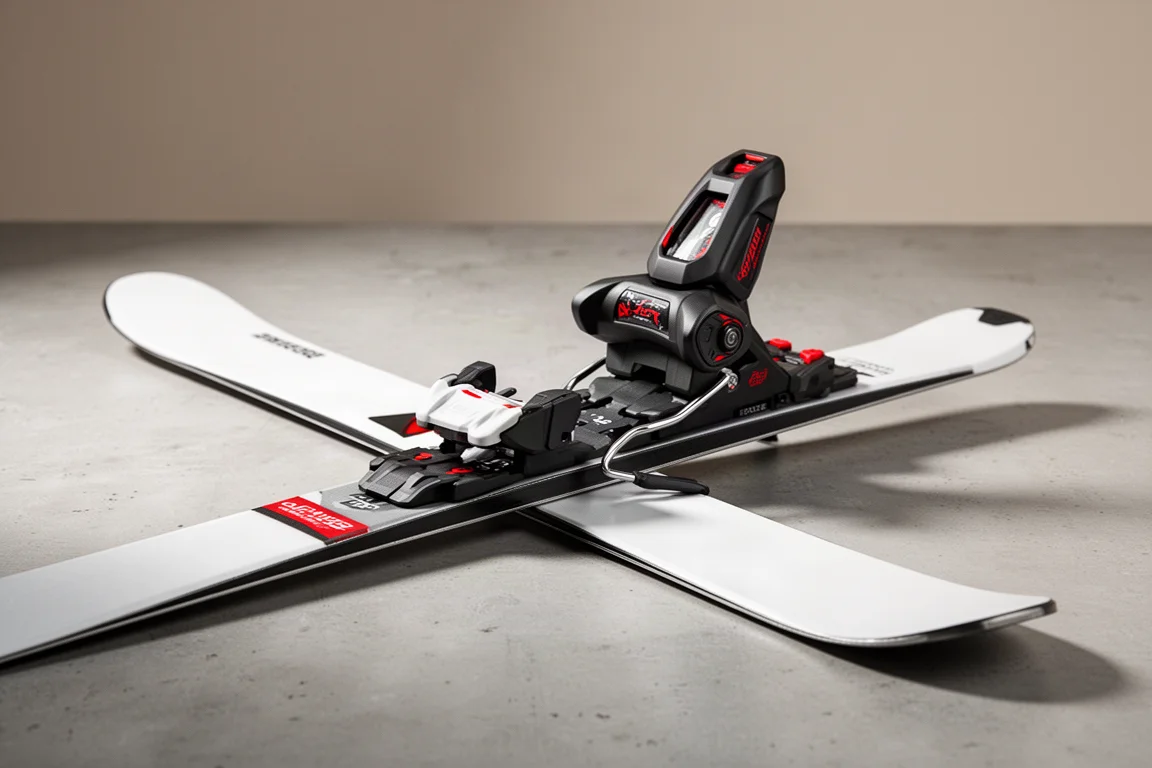
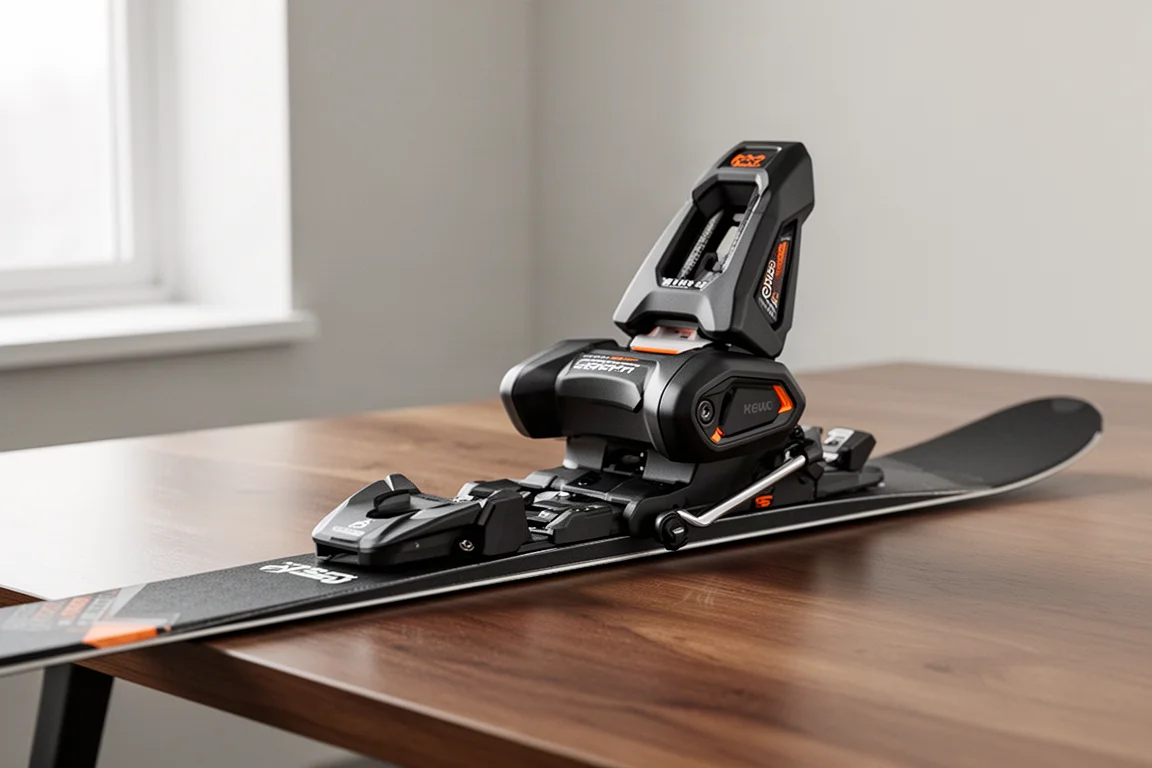
The Look Pivot has an absolute cult following, especially among freestyle skiers, and it comes down to how much elastic travel the binding has in the heel. Every binding here has elastic travel in the heel and toe, but the Pivot simply has more.
That matters most for freestyle skiers and bump skiers because of how much sideways force they put on their bindings during a bump line or a landing. With more elastic travel, the odds of staying clicked in and completing the run are higher in a Pivot, and pre-release issues are less likely.
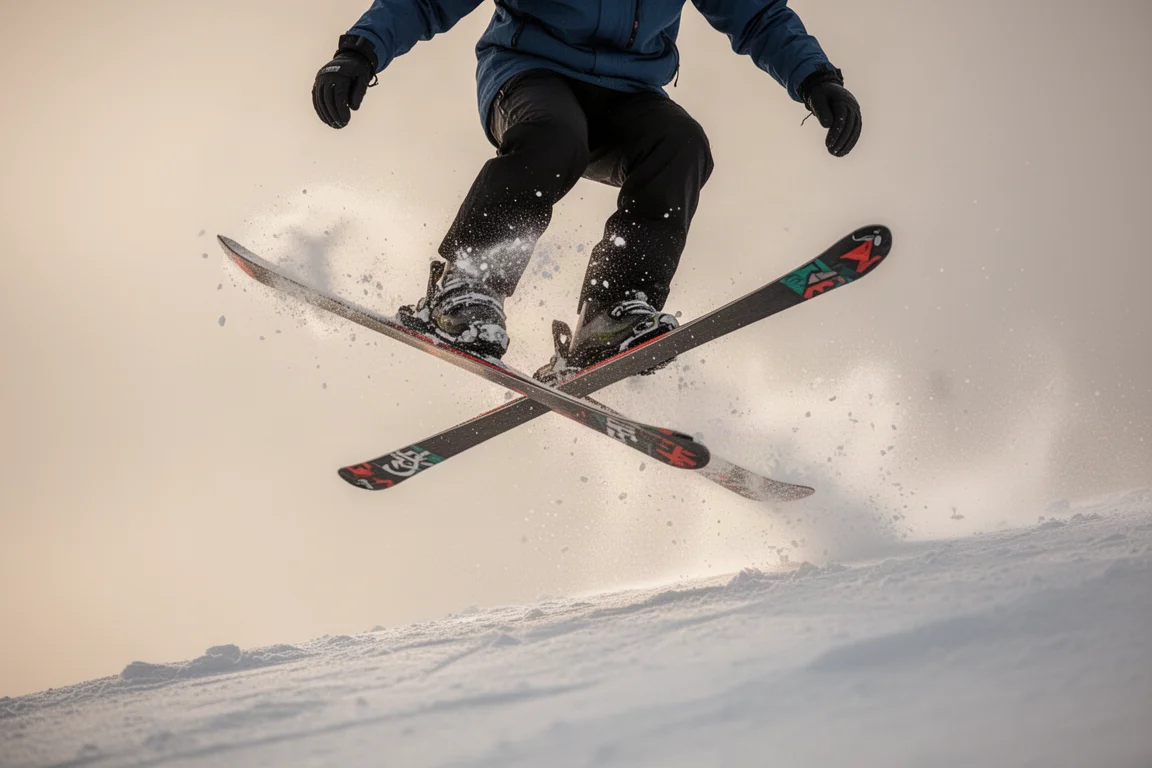
The counterpoint: while the Pivot has more elastic travel, it has less rebound, meaning there is less force shoving the binding back toward neutral. The Squire, Griffin, Strive, and Attack do a better job of keeping you centered and balanced on your skis, which makes it easier to drive them and feel efficient.
Buying Advice: Matching a Binding to Your Skiing
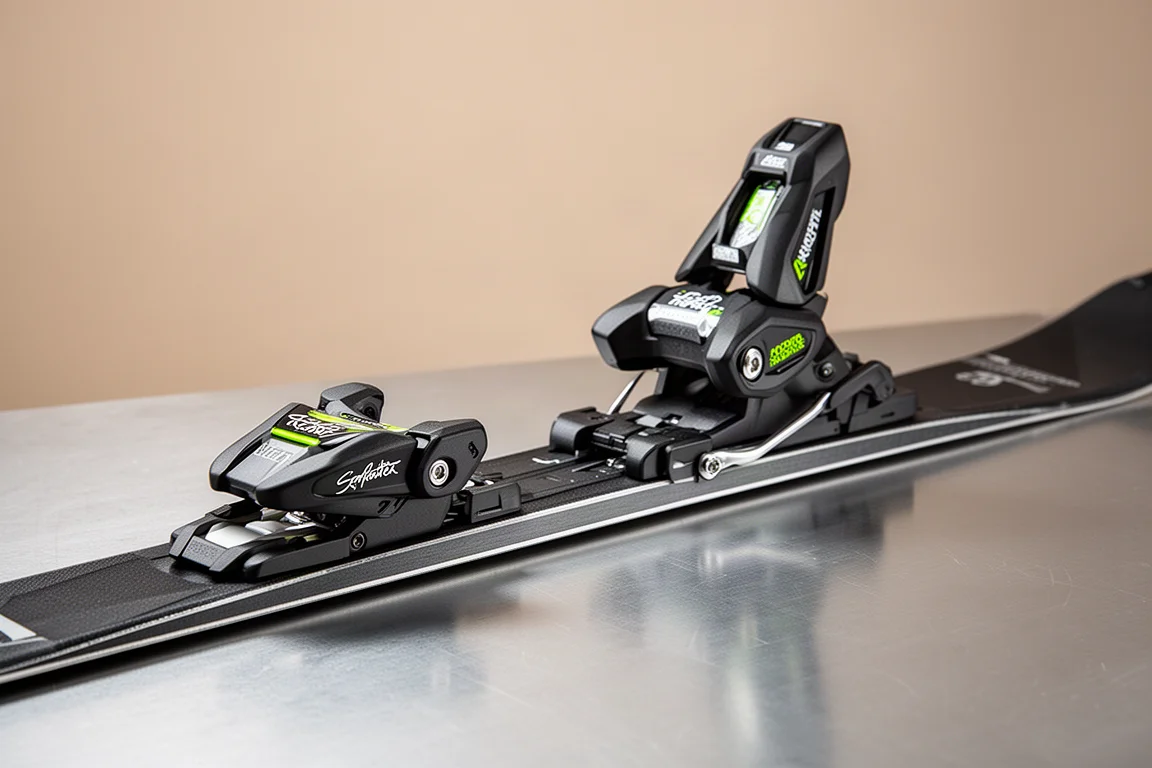
If you want bindings that feel more powerful and solid and you are north of 150 pounds, go with the Marker Griffin. If you are under 150 pounds, the Squire gives you a similar feel with less spring to overcome.
If ease of clicking in matters more, whether because of age, strength, or a lot of soft-snow and tree skiing, consider the Strive family or the Pivot. Between the Strive options and the Attack, the Strive feels slightly more responsive edge to edge, while all of them share the easier step-in design. If you ski park, bumps, or freestyle where you torque on the binding hard, the Pivot is the pick: you stay clicked in and deal with fewer pre-release issues.
Conclusion
All of these bindings are safe and all of them are great options. The differences are subtle but real: Marker for a powerful, locked-in feel; the Attack and Strive family for easy step-in with the Strive edging the Attack slightly in edge-to-edge response; and the Pivot for freestyle skiers who need maximum elastic travel. Match the binding to your weight, your terrain, and how much you torque on your skis, and any of these will serve you well.
Further reading
Related Reviews

Ski Gear
2023 Blizzard Hustle vs Rustler: Six Freeride Skis Compared
Blizzard's 2023 Hustle collection rebuilds the Rustler shape with a lighter core and no metal. Here is how all six skis differ, and which one suits your riding.

Ski Gear
2023 Skis of the Year: Atomic Maverick 88 TI, Salomon QST 106, and Look SPX 12 Pro
Three standout ski picks for all-mountain carving, powder days, and reliable binding performance, with practical buying notes for 2023 models.

Ski Gear
2025 Nordica Enforcer 104 Review: A Directional Charger Replaces the 104 Free
The 2025 Nordica Enforcer 104 drops the Free name and the twin-tip personality, gaining weight, stiffness and composure in rough snow. Here is what changed and who it suits.