Tools
Best Allen Key Sets Compared: 13 Brands Put Through Torque, Fit and Corrosion Testing
Thirteen hex key sets from budget to premium were tested for fit, torque capacity, durability and rust resistance. Here is how each one performed.
Introduction
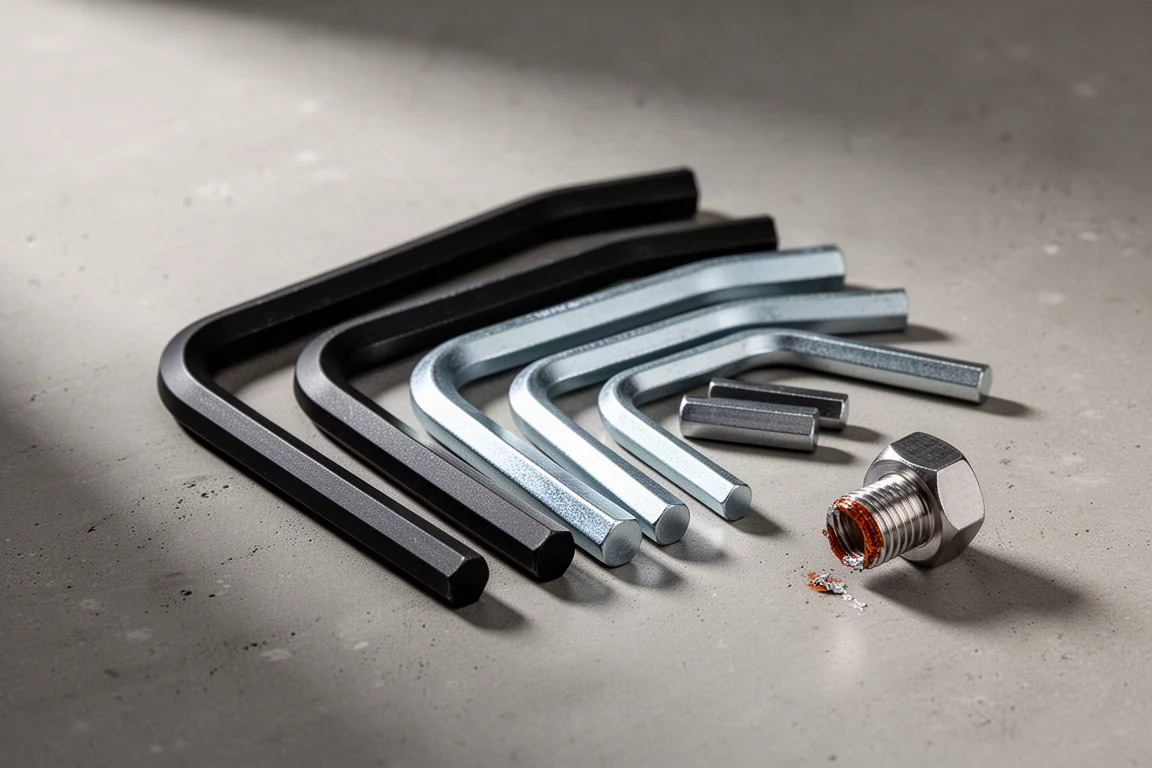
A poor-quality set of hex keys can turn a simple job into a stripped-bolt nightmare. The question worth asking is simple: is an eight dollar set of allen wrenches just as good as one that costs 140 dollars? To find out, thirteen sets were put through the same series of tests covering small-key torque, ball-end strength, large-key breaking point, wear resistance and corrosion.
How the Sets Were Tested
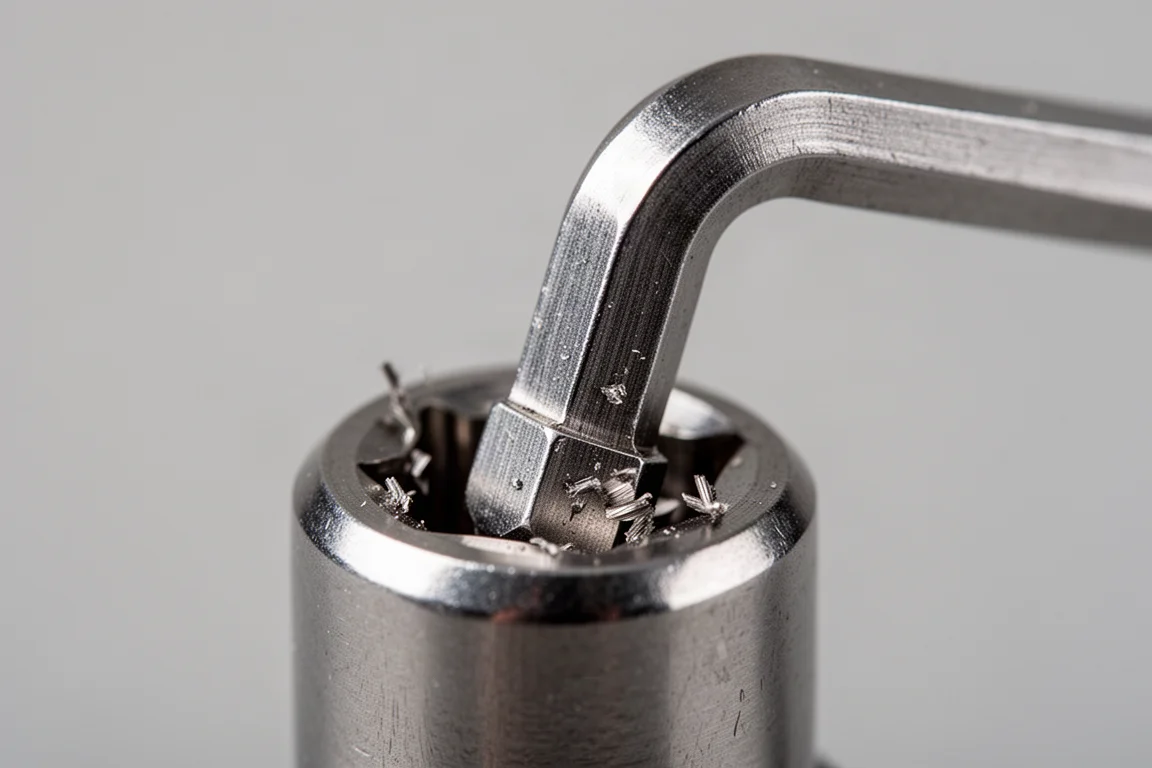
The testing used 304 stainless fasteners with a torque adapter to track the maximum torque each key could handle before it lost grip, broke, or damaged the fastener. Each key was held in a drilled fixture, and the small 5/32 inch size was tested first, followed by ball-end keys, the tiny 3/32 inch size, and finally the large 5/16 inch keys. Fit quality was assessed by how much side-to-side play each key had inside the fastener, and wear was judged by how much rounding and twisting each key suffered.
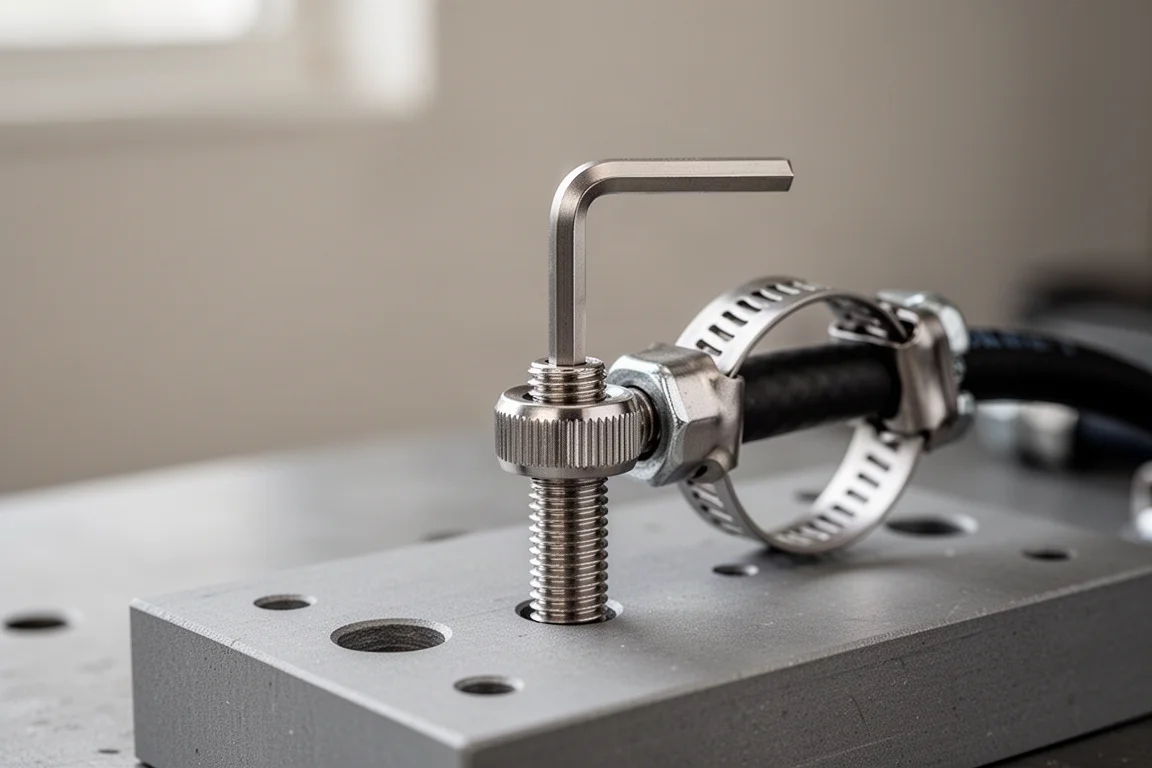
One caveat worth keeping in mind: assessing wear is subjective, and a key that loses grip at lower torque experiences less stress than one that hangs on longer. With that in mind, Pittsburgh, Wiha, Facom, Wera Hex-Plus and PB Swiss finished on top for wear resistance.
Pittsburgh: The Budget Baseline
At eight dollars for 36 pieces, or about 22 cents per key, the Pittsburgh set from Harbor Freight is the cheapest of the group. It includes both SAE and metric sizes in standard and long lengths, made from chrome vanadium steel with a black oxide finish and a lifetime warranty, manufactured in China. The fit was the weakest of the group with noticeable side-to-side play, and it gave up at 121 inch pounds on the 5/32 test, the lowest result. The key itself held up fairly well, though, with very little damage.
EPAuto: Better Fit, Softer Steel
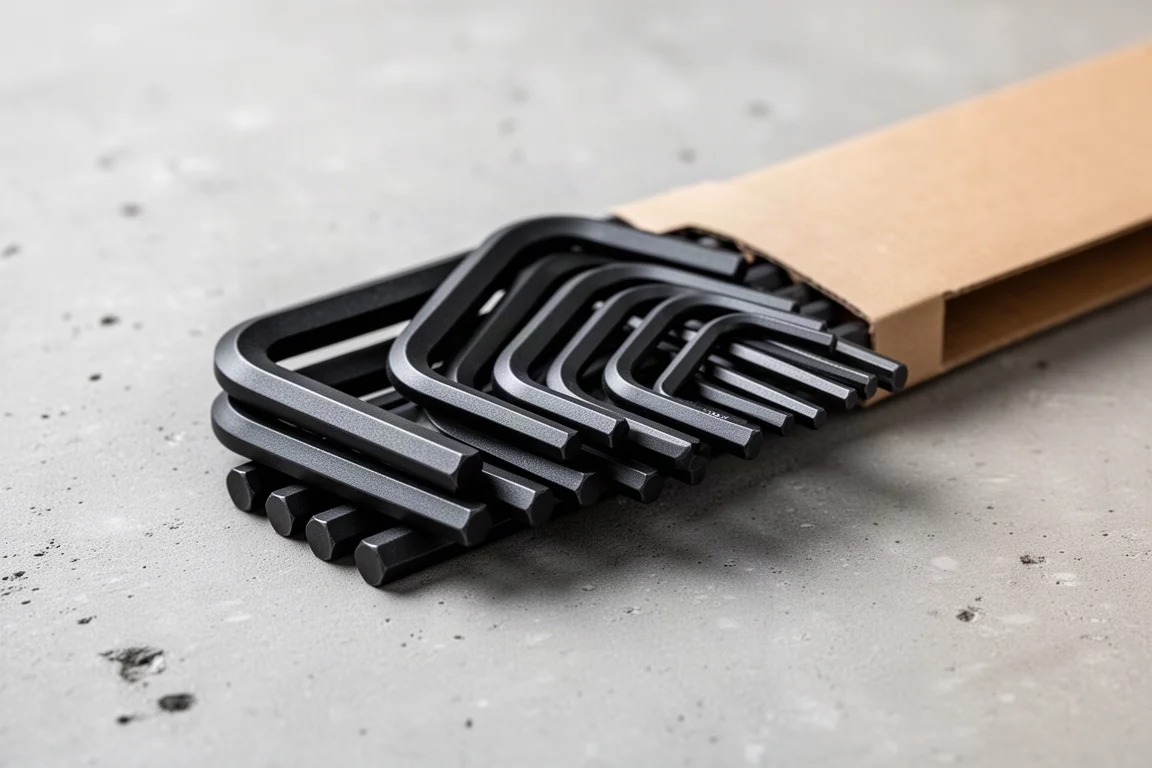
EPAuto sells 30 pieces for around 13 dollars, roughly twice the Pittsburgh price. The heat-treated chrome vanadium set includes metric and SAE sizes with a corrosion-resistant black oxide finish, made in Taiwan. The fit was much better than Pittsburgh, and it reached 146 inch pounds, but the steel ran soft and the key took considerable damage. There was also a concern: corrosion had already begun forming under the black oxide finish before testing started.
Tekton: Strong on Big Bolts
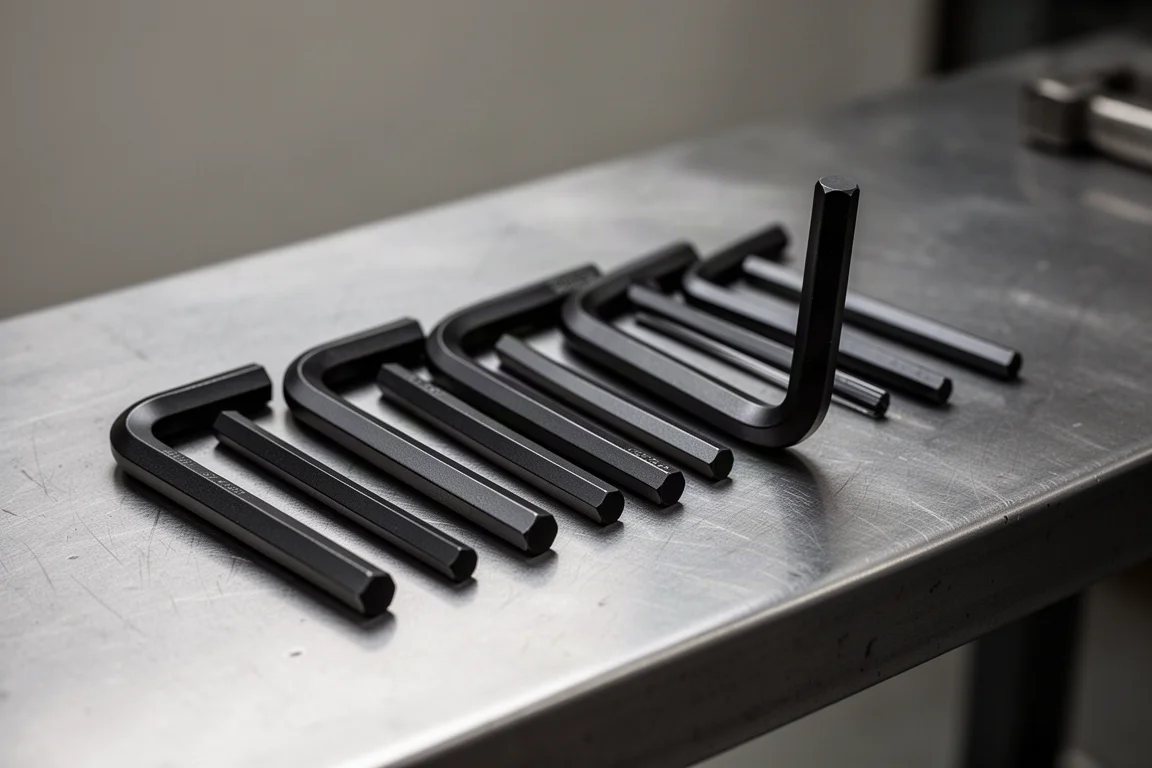
The Tekton set costs about 15 dollars for 23 pieces and features a ball end allowing up to a 25 degree offset, chamfered tips for smooth insertion, and precise sizing claims. It is made in China. Fit was better than Pittsburgh but not as tight as EPAuto, and it scored 139 inch pounds in the small-key test with moderate damage. Where Tekton shone was the large 5/16 test, finishing second overall at 123.6 foot pounds.
Kobalt: Tight Fit With a Handle
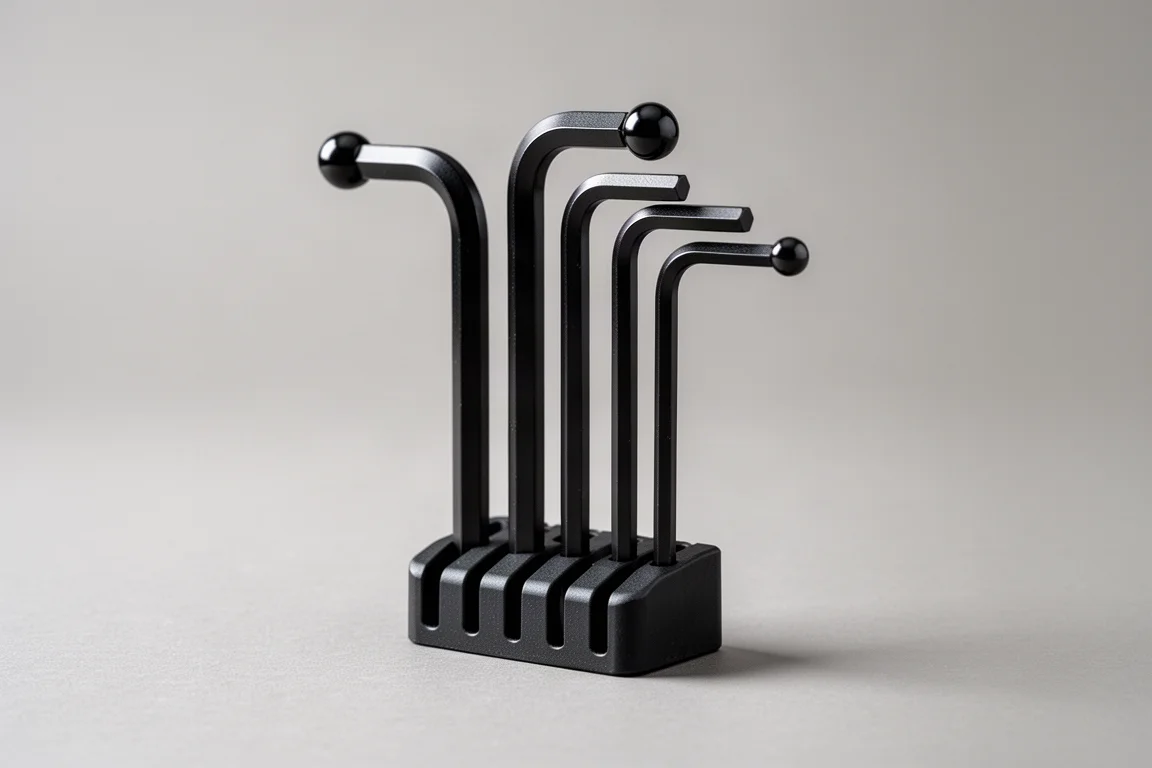
Kobalt’s set, also around 15 dollars, includes a larger dual-action handle for a stronger grip, easy-to-read size markings, a 20 degree pivot ball end, and compliance with ASME specifications, backed by a hassle-free lifetime guarantee. It is made in Taiwan. The fit was the best seen to that point in testing, and it moved into the lead at 153 inch pounds, finishing just behind Craftsman in the small-key ranking. It did suffer some twisting and rounding on the smaller sizes.
Craftsman: The Value Pick
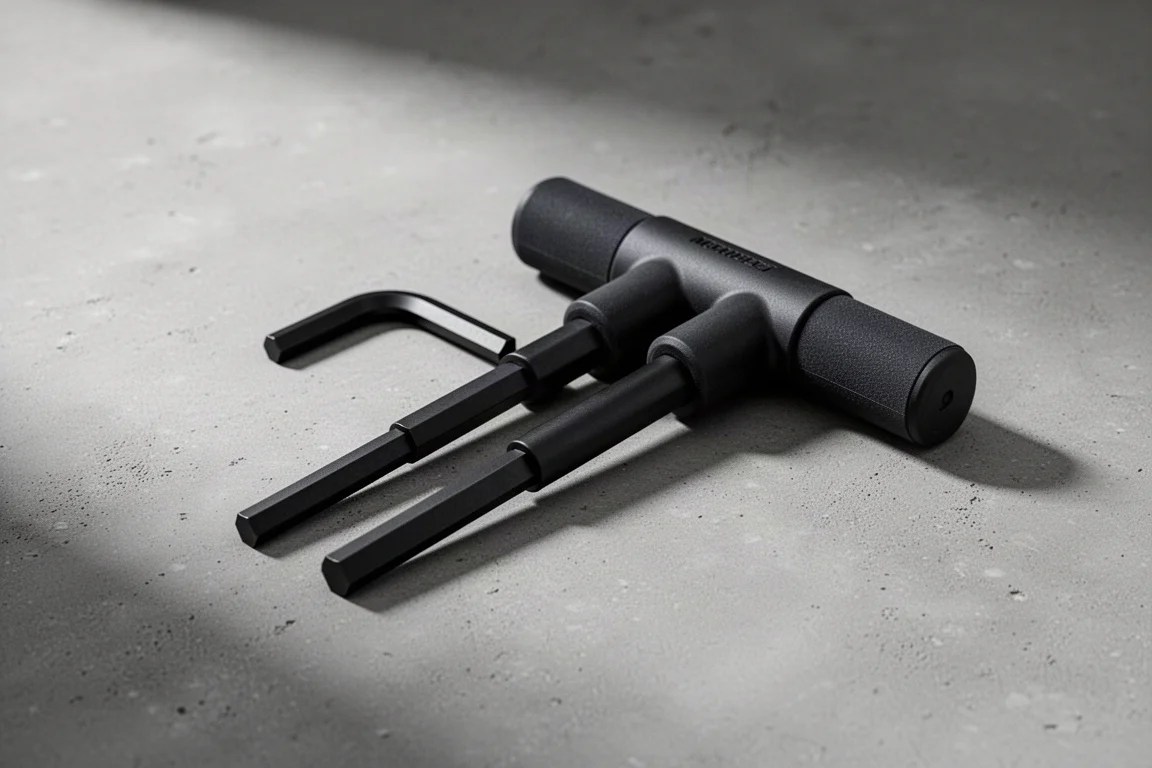
Craftsman’s 22-piece set runs about 18 dollars and offers black-oxide-coated steel hex keys, a durable handle that turns the L-keys into comfortable T-handles, and a full lifetime warranty. Made in China, it delivered a very good, tight fit. It edged out Kobalt at 155 inch pounds with better wear resistance, tied Bondhus for third in the ball-end test at 95 inch pounds, and reached 123.2 foot pounds on the large size, third overall.
If you want a very good performer rather than the absolute best, Craftsman is an easy recommendation. It performed strongly across every test at a price most people will not think twice about.
Eklind: American Made, Disappointing Results
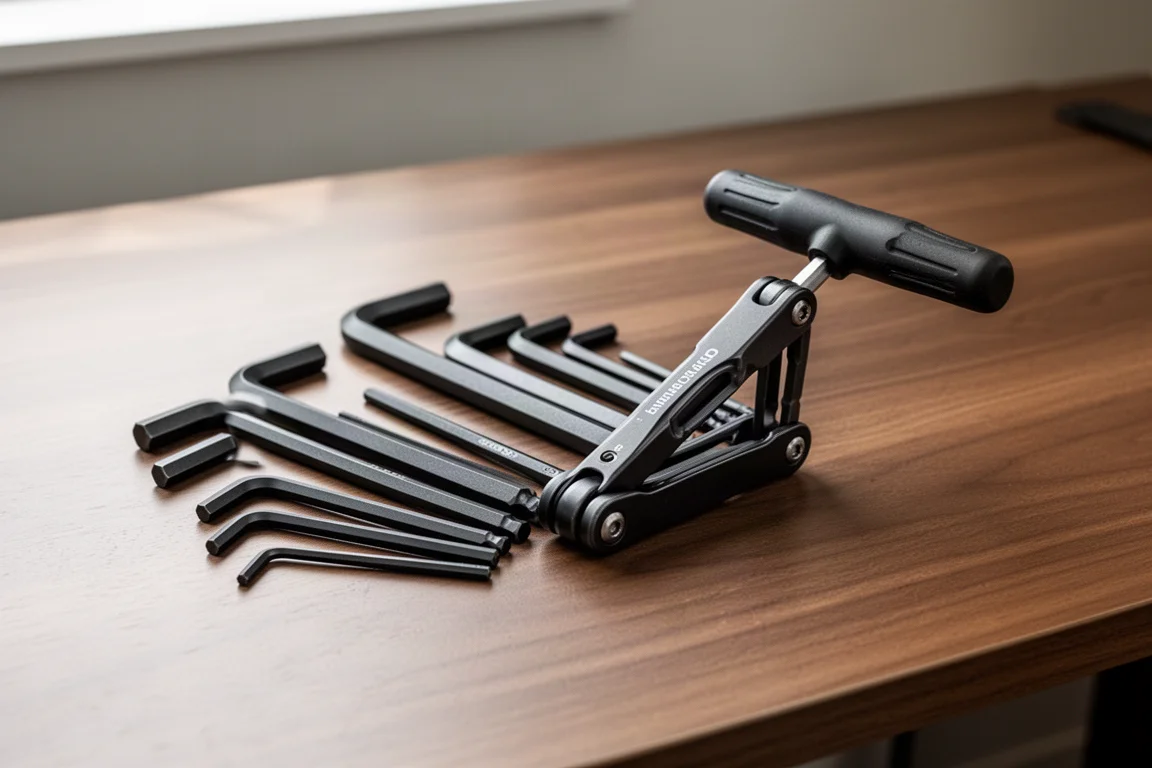
The Eklind set costs about 24 dollars for 26 pieces and is made in the USA from the company’s own alloy steel, with a ball end rated for up to 35 degrees and a burr-free short arm. Despite the pedigree, the fit was not as good as Craftsman and it gave up at just 130 inch pounds, then struggled again in the ball-end test, breaking at 87 inch pounds. It also suffered noticeable rounding and damage to all sides of the tool, and on the large test it gave up quickly at 107.5 foot pounds with soft metal and heavy rounding.
Husky: Mid-Tier Across the Board
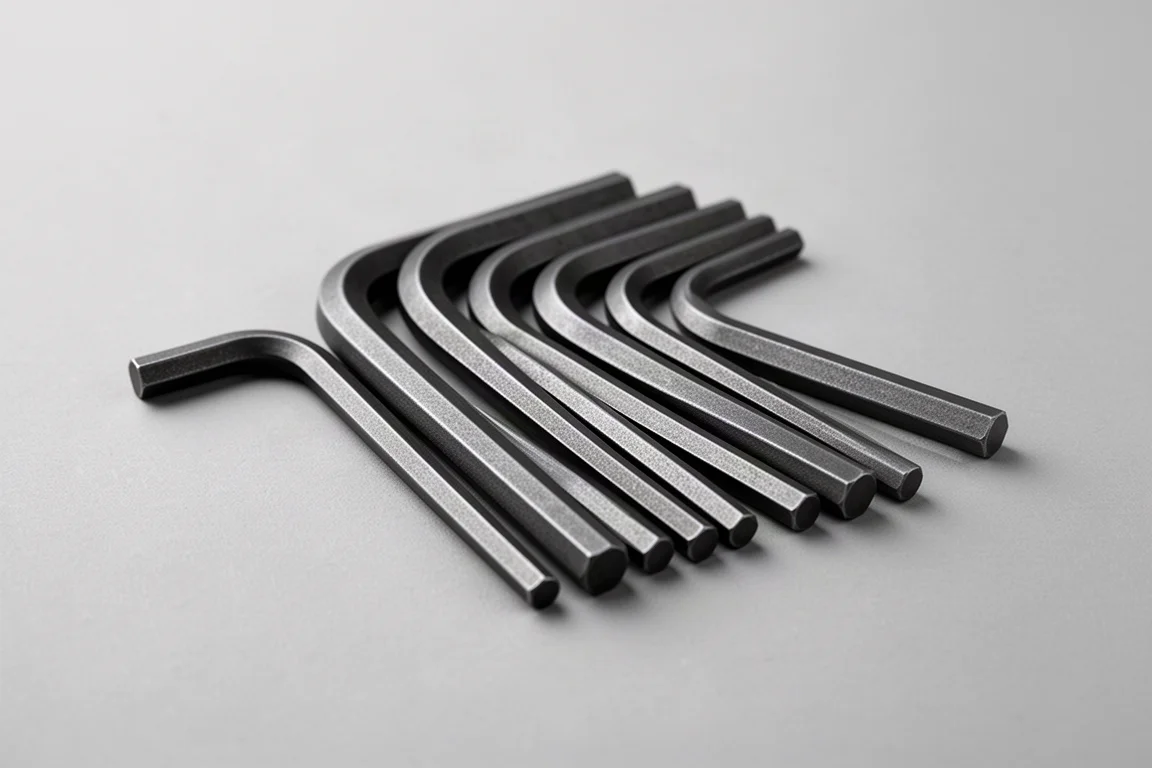
Husky’s 22-piece set costs about 21 dollars and is precision formed to exact tolerances with chamfered edges, notably without a ball end on most keys. It is a product of Taiwan, finished in mainland China. The fit fell a bit short of Craftsman, and results hovered around average: 36 inch pounds on the tiny size with moderate damage, and 117.2 foot pounds with considerable rounding on the large size.
Bondhus: Protanium Strength
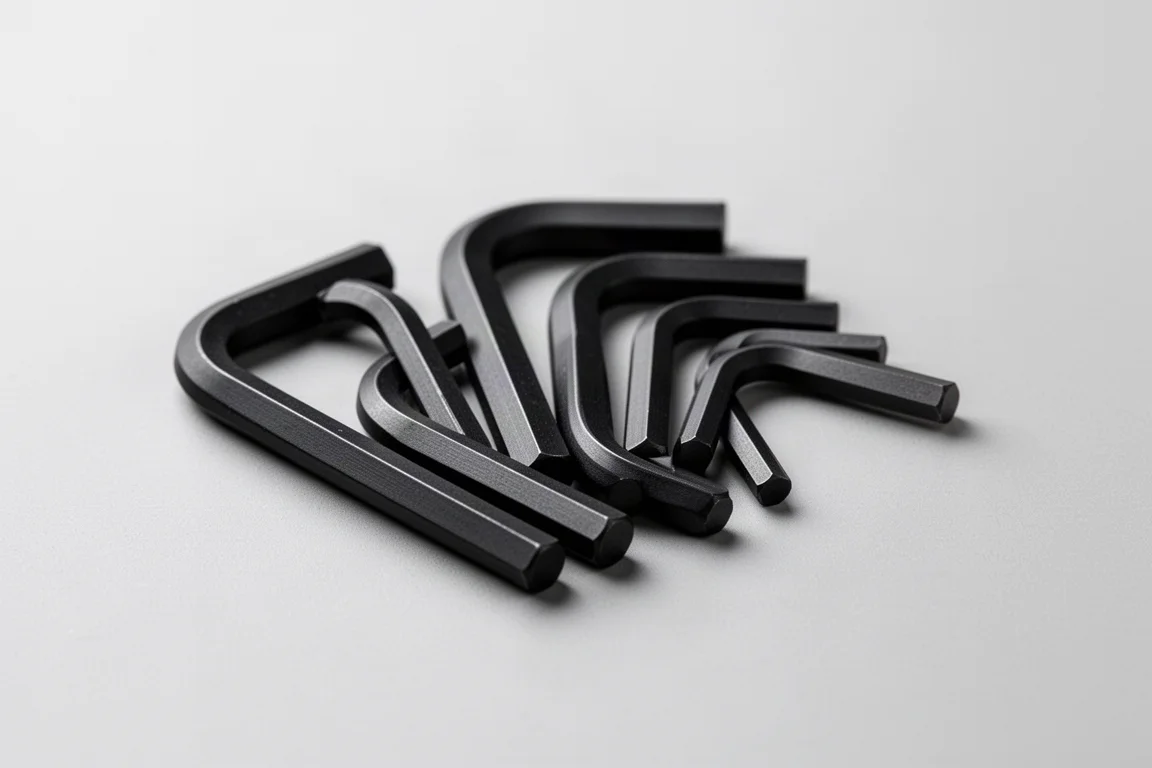
Bondhus builds its set from proprietary Protanium steel claimed to be up to 20 percent stronger than the competition, with a ProGuard finish claimed to be up to five times more effective at stopping rust. Made in the USA, the 13-wrench set costs about 38 dollars, close to three dollars per key. Fit was average, results were middle of the pack, but wear resistance was a clear strong point with only very small amounts of damage across the tests.
Mid-Pack Performers
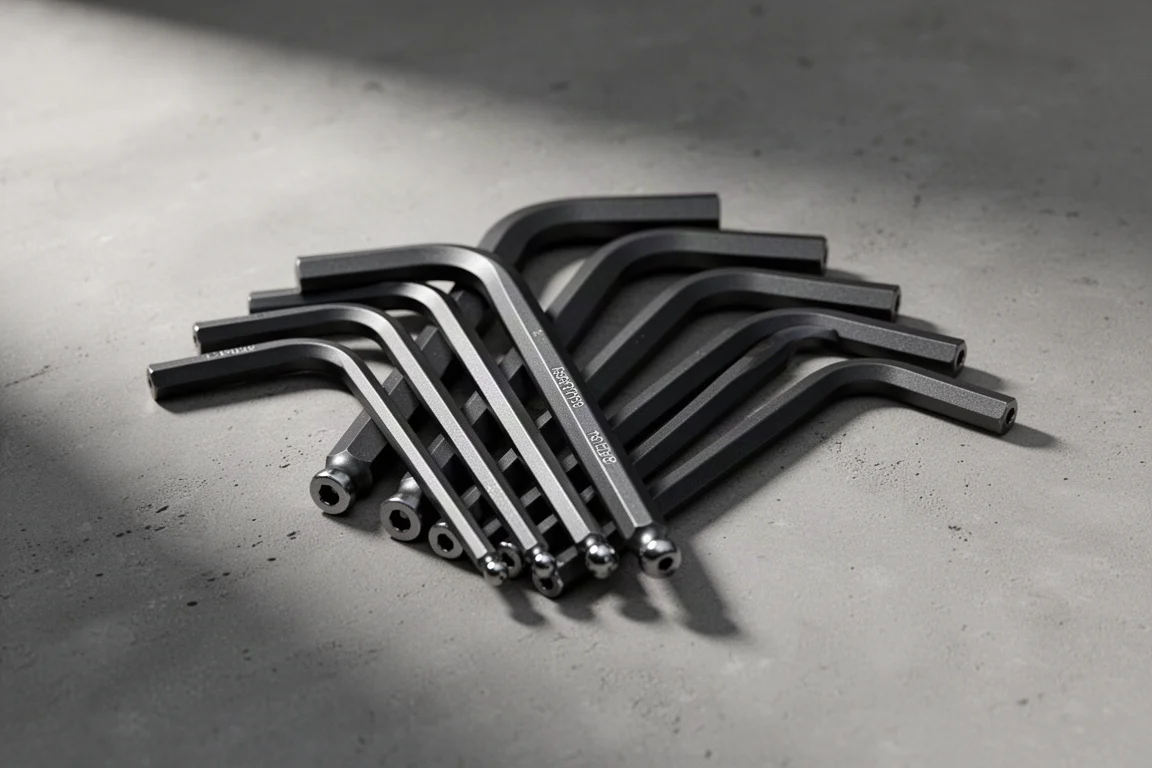
Between the budget sets and the European premium brands sit several sets with genuine strengths and clear compromises. Wiha, Gedore, Facom and PB Swiss all produced respectable torque numbers, yet each carried a trade-off worth knowing about before you buy.
Best Fit: Wiha
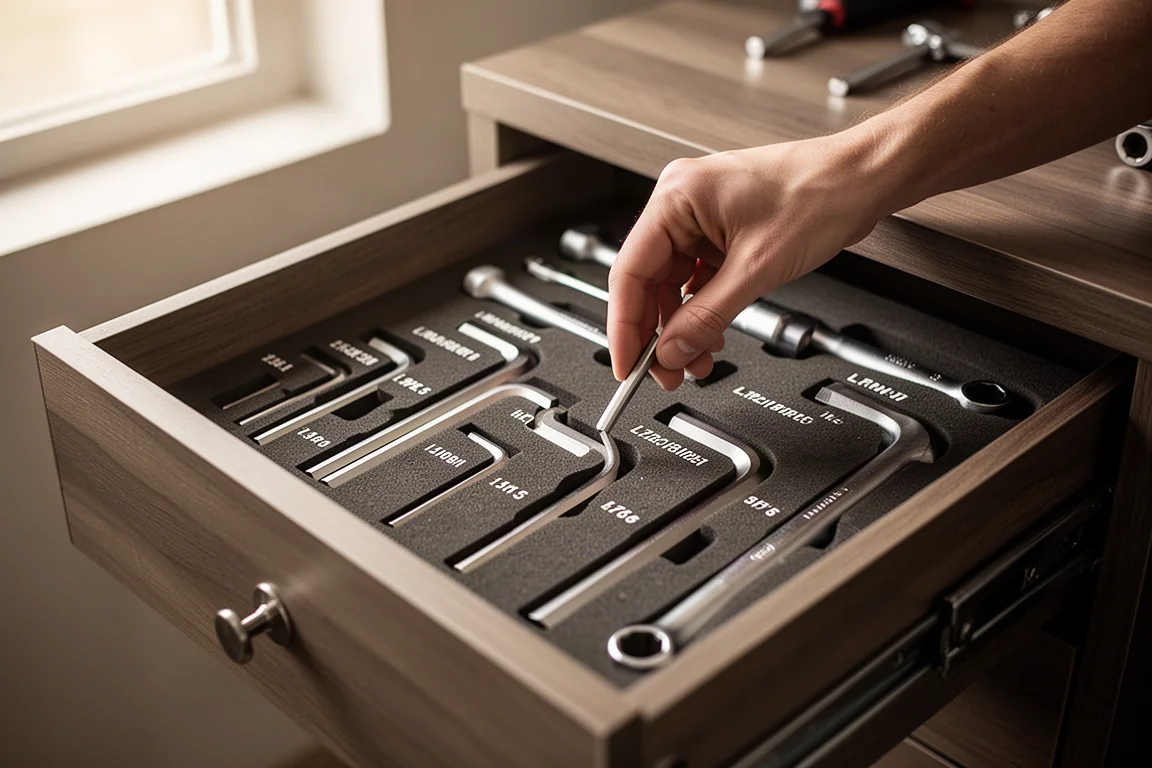
The Wiha set costs about 30 dollars for eight pieces and offers keys around 20 percent longer for hard-to-reach areas, precision-machined to an exact fit from hardened chrome vanadium steel, with a ball end allowing a 25 degree working angle. Manufactured in Poland to German standards, it delivered the best fit in the entire test with almost no side-to-side slop.
The numbers back it up. Wiha won the 5/32 test at 174 inch pounds, 18 more than second place. It led the ball-end test at 104 inch pounds before breaking, and dominated the large-key test at 138.3 foot pounds, 15 foot pounds clear of everything else. The trade-off: in the tiny 3/32 test it suddenly broke at 39 inch pounds, splintering badly, and the large key showed significant damage, though only after holding out to around 130 foot pounds before twisting.
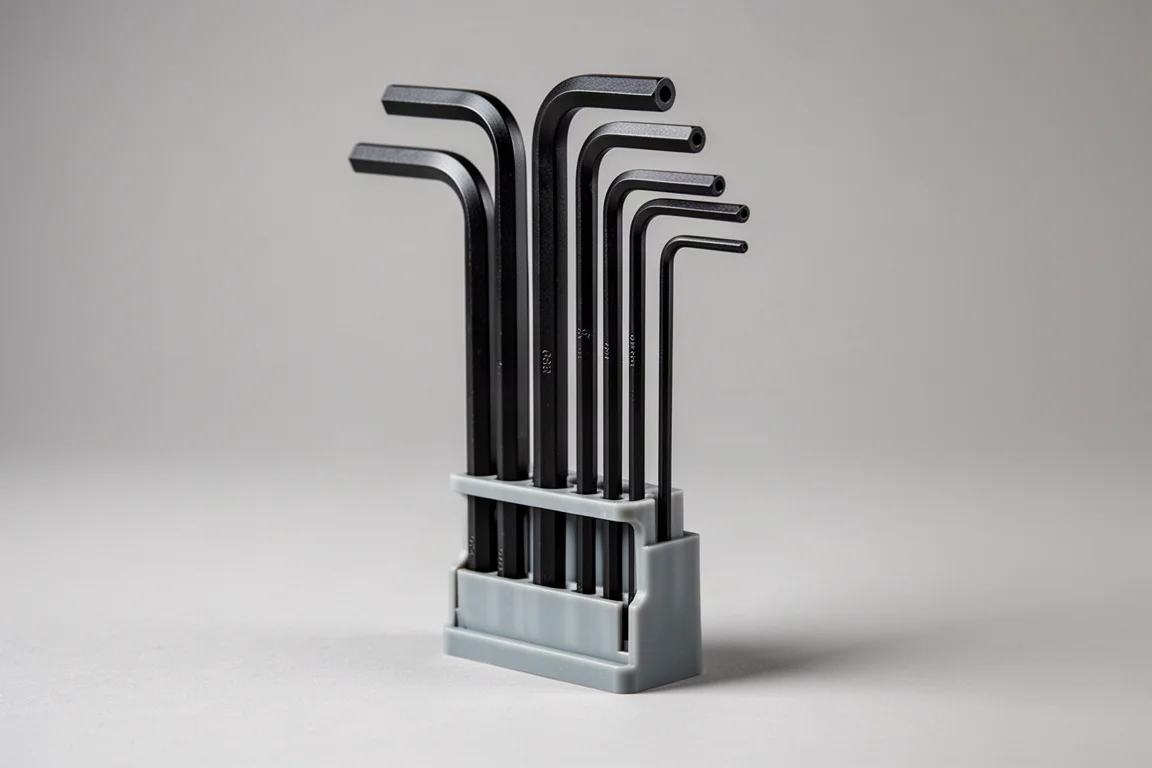
Wera Hex-Plus: Tough but Loose
Wera’s Hex-Plus design uses a patented geometry intended to provide surface contact and transfer up to 20 percent more torque. Made in the Czech Republic, the 12-wrench set is the most expensive tested at 140 dollars, about 11.67 per key. The loose fit seemed to hurt it: 136 inch pounds on the small test, and a mid-pack 121 foot pounds on the large test.
Where Wera excelled was the ball-end test, finishing first at 106 inch pounds, and on wear resistance, holding up with very little visible damage in test after test. On the tiny 3/32 size it topped the field at 48 inch pounds while looking nearly as good as new. If you value keys that refuse to round out, this is the set.
Gedore: Great Coating, Average Fit
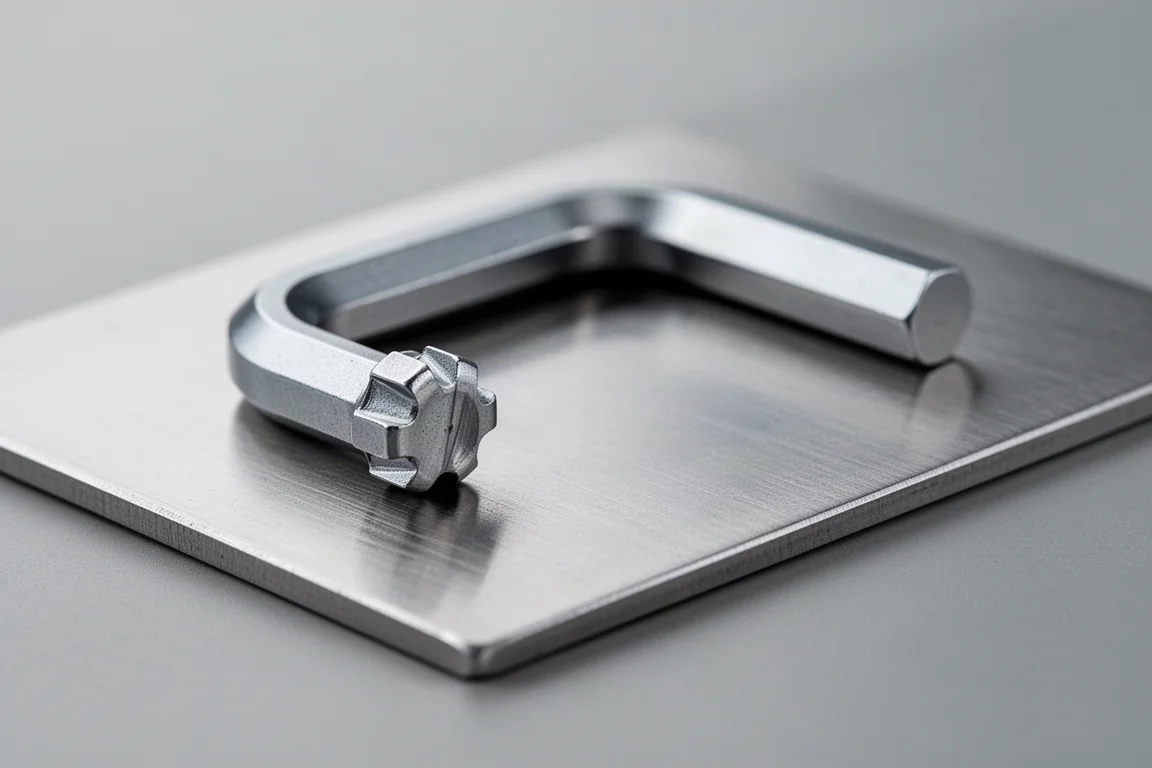
Gedore’s eight-piece set runs about 36 dollars and is made in Germany from chrome vanadium steel with a zinc plating for corrosion protection and chamfered nose ends. The fit was very good, and it finished second in the small-key test at 156 inch pounds. But the results declined from there: 31 inch pounds on the tiny size with a poor fit, and just 110.3 foot pounds on the large test with the zinc coating peeling away. In the corrosion test, though, the zinc plating did a great job of preventing rust, though the soft coating appears to hurt tool performance.
Facom: French Quality, Modest Numbers
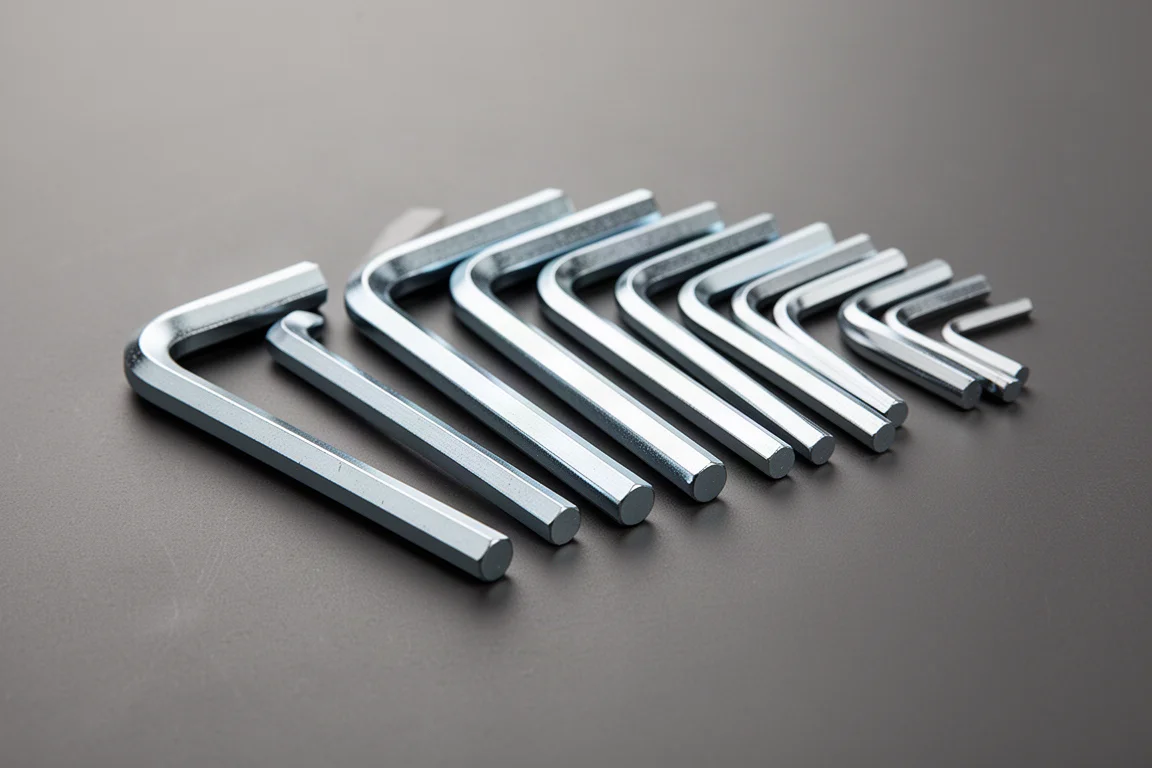
The Facom set from France costs about 42 dollars for nine pieces with a black oxide finish to resist corrosion. It offered a good, tight fit with little side-to-side play and performed better than average at 145 inch pounds on the small test, holding up really well. It tied Kobalt for first on the tiny 3/32 size at 41 inch pounds, but faded on the large keys at 111.7 foot pounds with considerable damage and rounding to all sides. Average ball-end strength and strong wear resistance round out a solid but unremarkable showing.
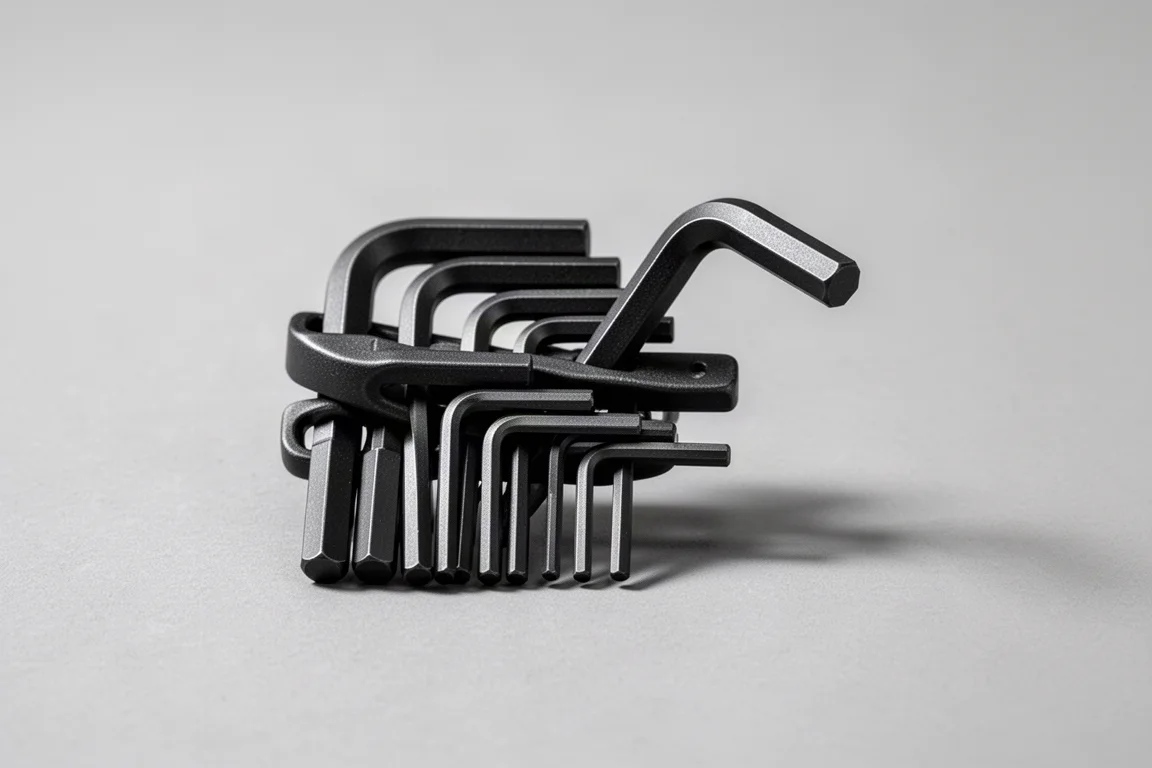
PB Swiss: Swiss Precision, Average Strength
The PB Swiss set is made in Switzerland with tolerances held to a human hair for dimensional accuracy, PB spring steel for toughness and elasticity, longer handles for comfortable reach, and an unlimited lifetime guarantee. No price was listed, but it sits firmly in the premium tier. The fit was decent with a bit more slop than Wiha or Gedore, and torque results landed right around average: 143 inch pounds on the small test, 34 on the tiny size, and a below-average 108.2 foot pounds on the large test.
Where PB Swiss impresses is condition after the test. It held up very well in every round, finishing with very little visible wear, and it also performed very well in the corrosion test. It finished on top for wear resistance alongside Pittsburgh, Wiha, Facom and Wera Hex-Plus.
Corrosion Resistance
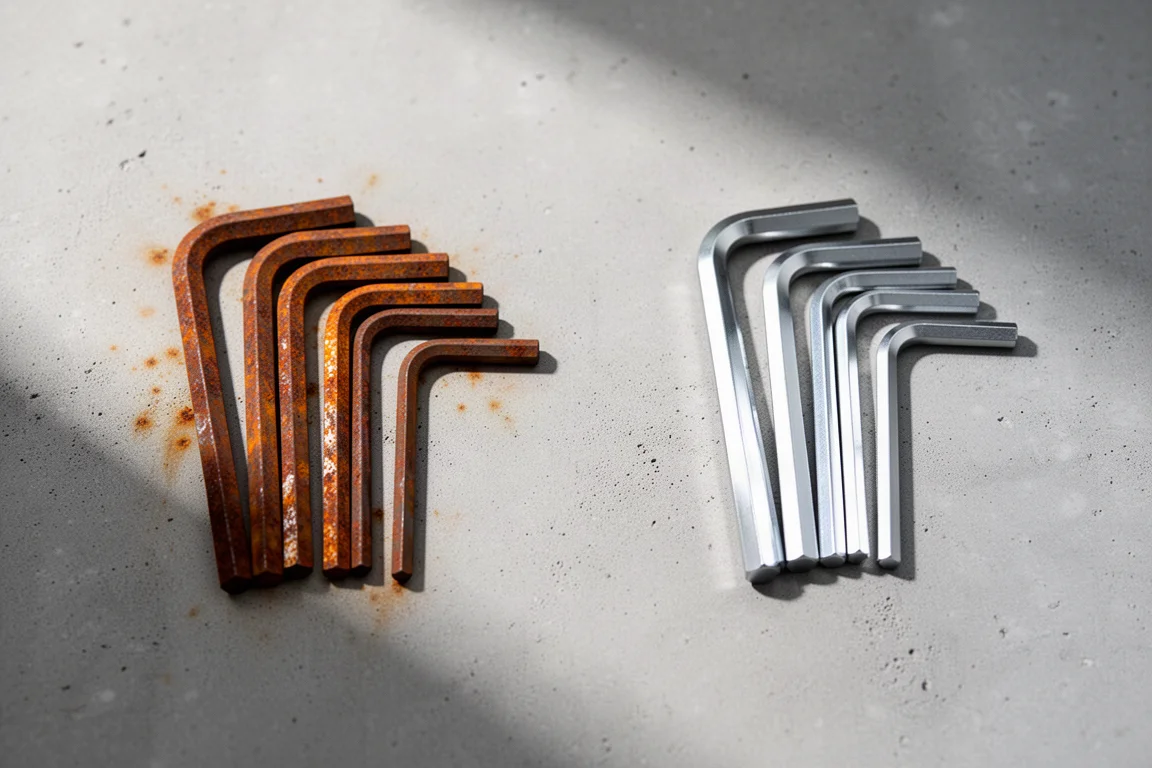
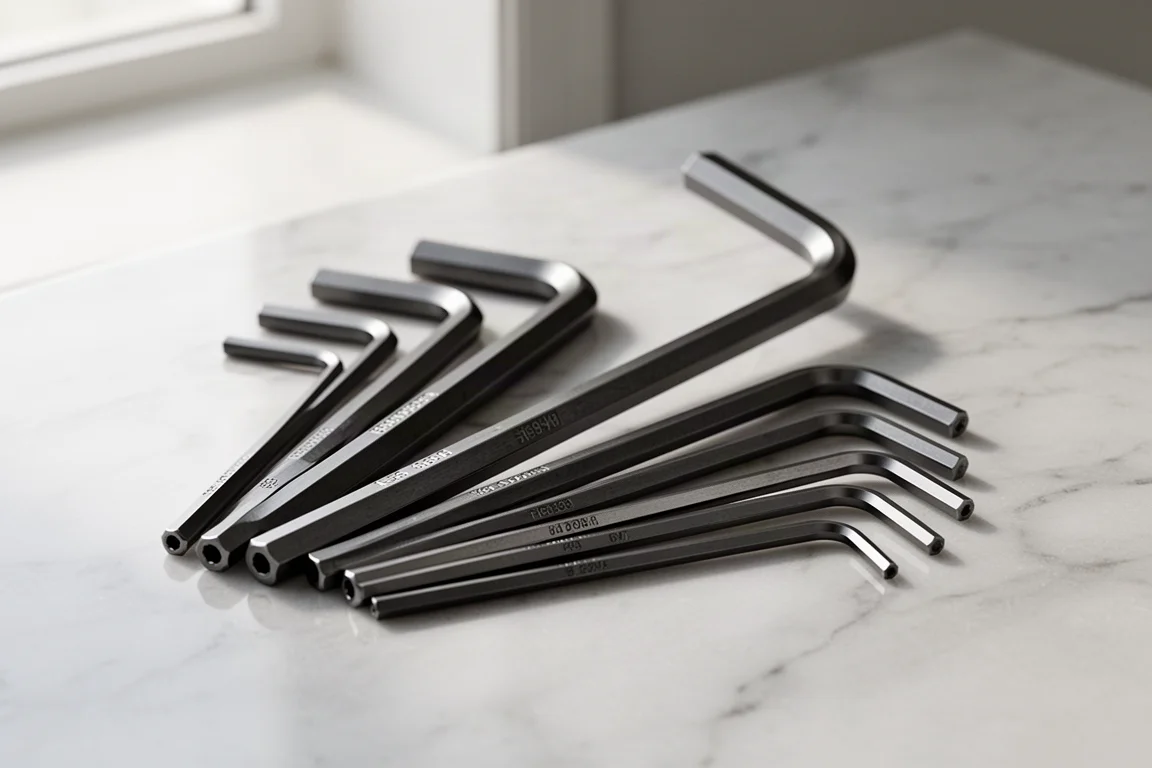
A corrosive mix of hydrogen peroxide, vinegar and salt was applied twice over 12 hours. Afterward, most sets showed significant rust. All of the black oxide coated sets performed about the same, rusting at a similar rate. The Gedore zinc coating did a great job of preventing corrosion, though the soft coating seems to compromise tool performance, and PB Swiss also performed very well.
Which Set Should You Buy?
For pure value, Craftsman stands out. It placed third in small-key torque, tied for third in ball-end strength, finished third on the large-key test, and held up well in wear, all for roughly 15 to 18 dollars. If you want the top performers, Wiha and Wera are the picks: Wiha offers the best fit and by far the highest torque numbers, while Wera looks nearly indestructible with exceptional wear resistance. Budget shoppers will find Pittsburgh hard to beat on price alone, while PB Swiss and Bondhus make sense for buyers who care most about tools surviving years of use without rounding.
Conclusion
Price did not predict performance in this comparison. The cheapest set struggled on fit and torque but survived the test with little damage, while some far more expensive sets produced only average numbers. Craftsman delivers the best balance of performance and price, Wiha wins on raw strength and fit, and Wera Hex-Plus is the toughest of the group. Match the set to what matters most for your work and you will not go wrong.
Further reading
Related Reviews

Tools
Best Contractor Grade Tape Measures 2026: Eight Models Tested Head to Head
We tested eight contractor grade tape measures from Milwaukee, DeWalt, Crescent Lufkin, Tajima, Stanley, Irwin, Gelan, and Craftsman to find the best value and performance.

Tools
Best Precision Screwdriver Sets 2026: Manual and Electric Options Compared
We compare 19 precision screwdriver sets, from budget manual kits to electric drivers, to find the strongest bits and best value.

Tools
Best Stud Finders 2026: Five Popular Models Put to the Test
We tested five popular stud finders on drywall, firewall, and lath and plaster surfaces to see which ones really find studs and avoid false readings.