Ski Gear
Best All-Mountain Skis: Three Standout Picks for the Season Ahead
Three all-mountain skis worth a closer look this season, from a quick-turning daily driver to a hand-built independent shape, with the trade-offs spelled out.
Introduction
All-mountain skis are the hardest working part of a quiver. They cover groomed runs, the occasional powder morning, tight tree lines, and whatever the spring snowpack turns into by April, and for most skiers they are the only pair they will ever own. That makes this category unusually important to get right.
This guide covers three all-mountain skis that stood out. One is a brand-new shape built around short-radius turns, one is a light and precise benchmark that has become a familiar favourite, and one is a handmade independent build that trades some weight for a more planted feel.
A note on sourcing: some of these skis were supplied by the brands for long-term testing, and at least one pair was bought outright at full price. No brand paid for inclusion in this guide, and none had any input into the assessments below.
How These Picks Were Chosen
Four things decided the order here.
The first is turn quality: how cleanly a ski initiates, how stable it feels at the apex of the turn, and how it releases. The second is off-trail composure: whether a ski can handle a surprise storm, a soft tree line, or a few inches of fresh snow without feeling like a compromise. The third is behaviour in heavy, wet spring snow, which is where lighter builds tend to show their limits. The fourth is quiver fit, meaning whether a ski works as a lone daily driver or slots in more naturally alongside a wider powder ski.
Brand support counted too. Smaller independent makers often answer questions directly and build to order, which matters when something needs adjusting.
Best All-Mountain Ski: Black Crows Octo
This is the newest ski in the group, and it left the strongest impression. The Octo is built around short-radius turns. It initiates quickly, holds a tight arc, and releases with a light, reactive feel that makes groomed runs genuinely entertaining.
It also handles sticky snow better than lighter all-mountain shapes, which matters in the back half of the season when the snowpack turns heavy and wet. It still hangs up a little in those conditions, but the effect is far less pronounced than on lighter skis.
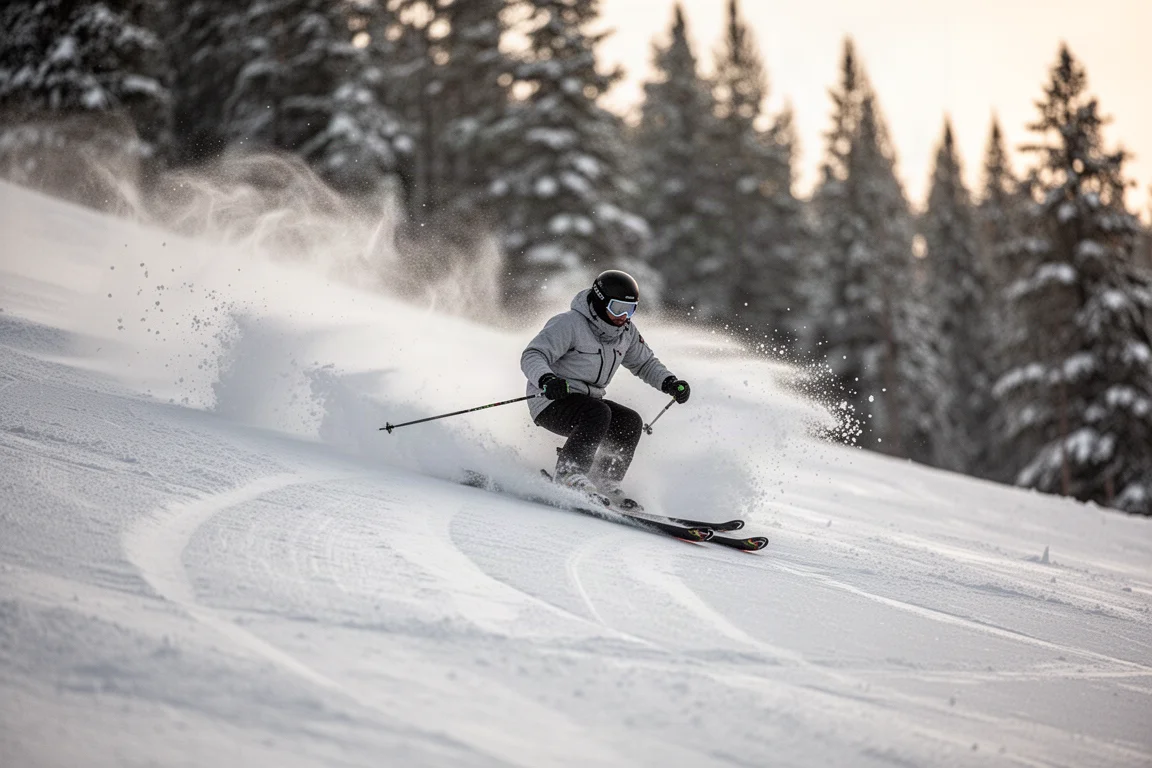
Off-trail, the Octo gives up a little ground to dedicated freeride shapes. It is not quite as composed in soft snow as the widest all-mountain options, but it is far more capable than its turn radius suggests, with a bit of flotation that comes as a surprise the first time you take it into fresh snow.
Where it separates itself is as the narrower half of a two-ski quiver. Paired with a dedicated powder ski, it covers a lot of ground: quick short-radius turns, confident carving, and enough off-trail range to handle an unexpected storm. Skiers who liked the feel of a hand-built core but found the tails hard to stand on, or who ran into a speed limit early, should put this one on the demo list.
Runner-Up All-Mountain Ski: Atomic Maverick 88 TI
A benchmark in the category and a frequent favourite, the Maverick 88 TI lands in the runner-up spot this time because its light build has a clear limit.
On groomed terrain it is exceptional. Turn initiation happens at the tips, the apex of the turn is stable, and the ski goes exactly where it is pointed. Load it up and it returns energy in a way that rewards a confident, carving-oriented skier. For pure carving enjoyment on the West Coast, this is one of the strongest options in the category.
Horizon Tech gives it more versatility off-trail than its waist width implies. In light powder and surprise storms it floats well enough to be fun in the trees, and it stays maneuverable when the terrain tightens up.
The trade-off shows in spring. Because the ski is light, it can get hung up in heavy, wet snow, and it takes a strong, deliberate input to keep it tracking. It is also on the narrow side for dedicated big-mountain skiing, and riders on the East Coast may want a different balance of grip and float. The wider members of the same series, up to the Maverick 105 CTI, cover that ground. The Maverick 88 TI shares DNA with the older Vantage line, but with a thinner profile, less sidewall, and less weight.
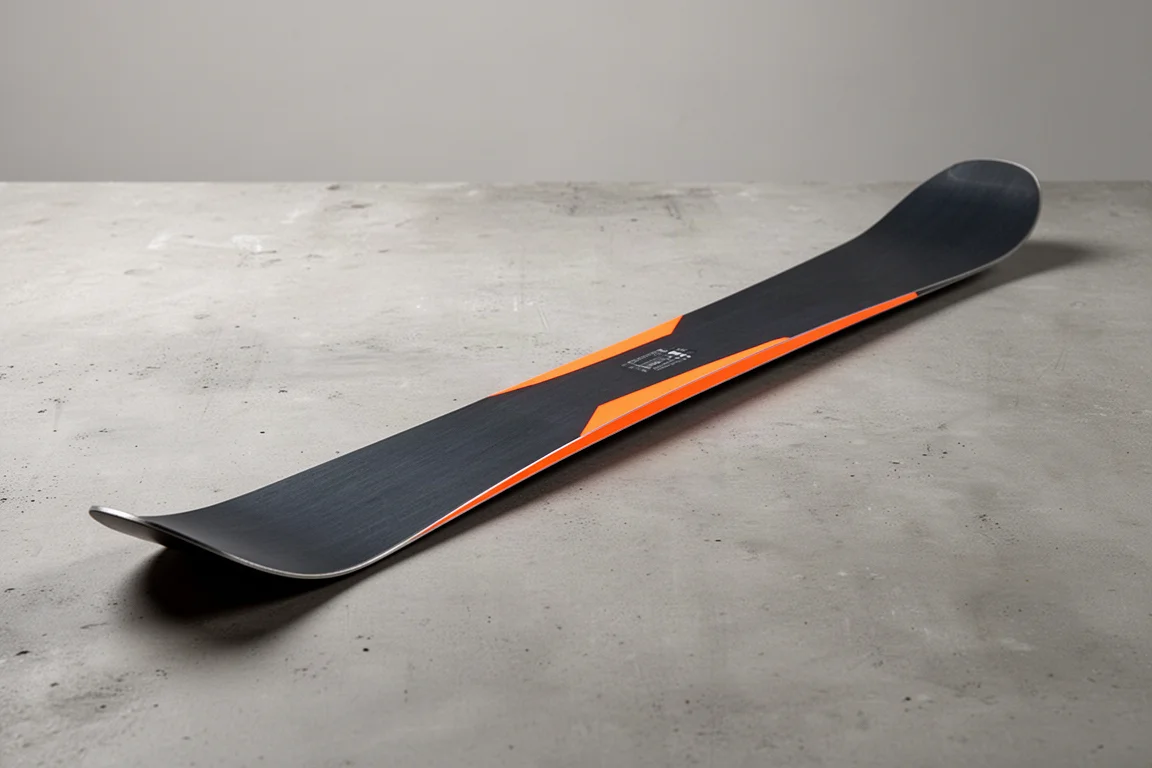
Best Independent Ski: Meier Wrangler
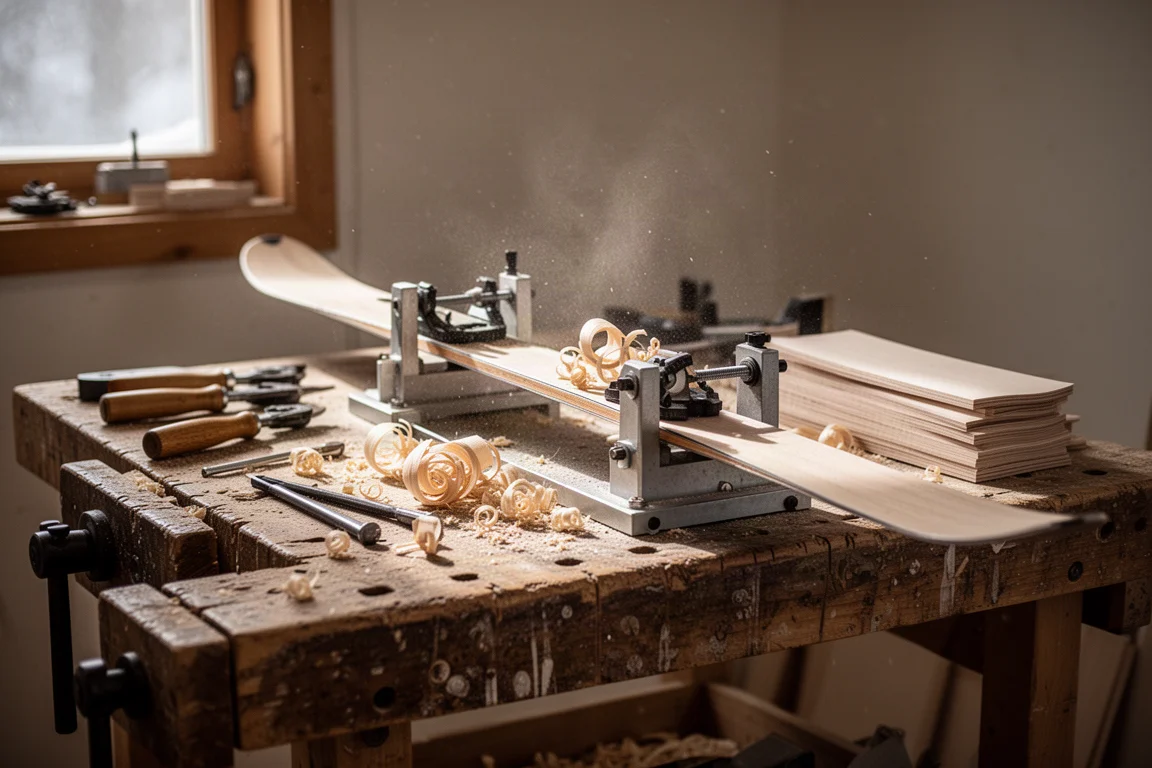
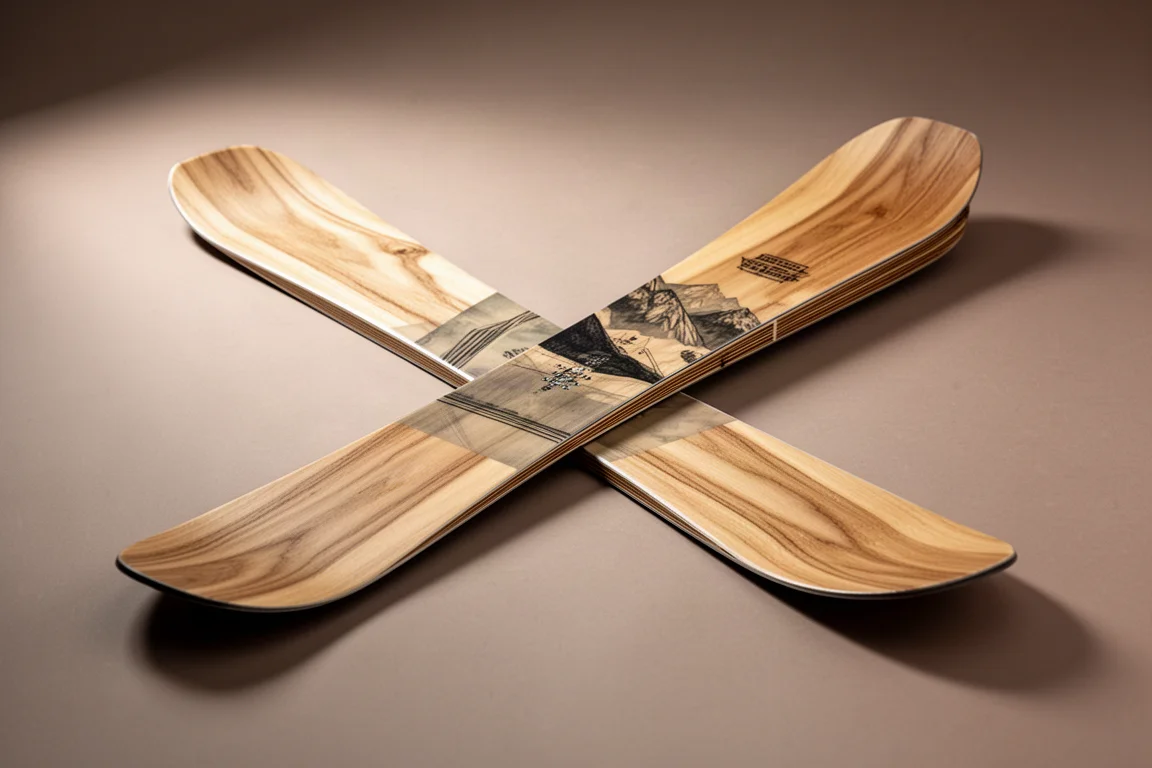
Meier is a small independent maker based in Denver, Colorado, and the Wrangler is hand-built in the United States using sustainable materials. It is also one of the most enjoyable skis in this group.
The Wrangler takes aim at the same job as the Maverick 88 TI, but with more mass behind it. It is slightly wider and noticeably heavier, and that extra weight pays off off-trail: set your line correctly and the ski carries speed through soft snow in a way lighter all-mountain shapes cannot match.
Carving is a real strength. Turn initiation is tip-led, the apex of the turn feels planted, and the tail is wider than most, which gives you something to push against when you load the ski and fire out of a turn.
The extra weight is the main compromise. In moguls and thin, tight glades it takes more effort to move around, and East Coast skiers who spend their days in narrow tree lines may find it tiring. Give it room to breathe, though, and it rewards a committed line. It is also damp enough to work well on firmer Eastern snow.
Support is part of the appeal. This is a small operation staffed by people who build the skis themselves and answer questions directly, which is a different experience from chasing a ticket through a large brand. Pricing has been promotional at around $760.75, with the standard price closer to $900.
Matching the Ski to Your Terrain
Terrain should shape the choice as much as skiing style does.
On the West Coast, where storms arrive quickly and light powder is common, the Maverick 88 TI’s float and maneuverability in the trees make it an easy recommendation. The Wrangler suits the same region when you want more mass and a more planted feel, particularly in deeper snow where its weight lets it cut through rather than ride over.
On the East Coast, conditions are firmer and tree lines are tighter. The Wrangler’s dampness helps on hardpack, but its weight is more noticeable in thin glades. The Octo’s quick turn shape and lighter feel make tight terrain easier to manage, and it holds up on the firm groomers that make up most Eastern days.
Skiers who spend most of their time on wide, steep terrain should look wider than all three of these. The Maverick series extends up to a 105 underfoot for exactly that reason.
Buying Advice
If you are buying one ski to cover as much ground as possible, start with the Maverick 88 TI. It is the most versatile single-ski option here, as long as you accept that heavy spring snow is not its strength.
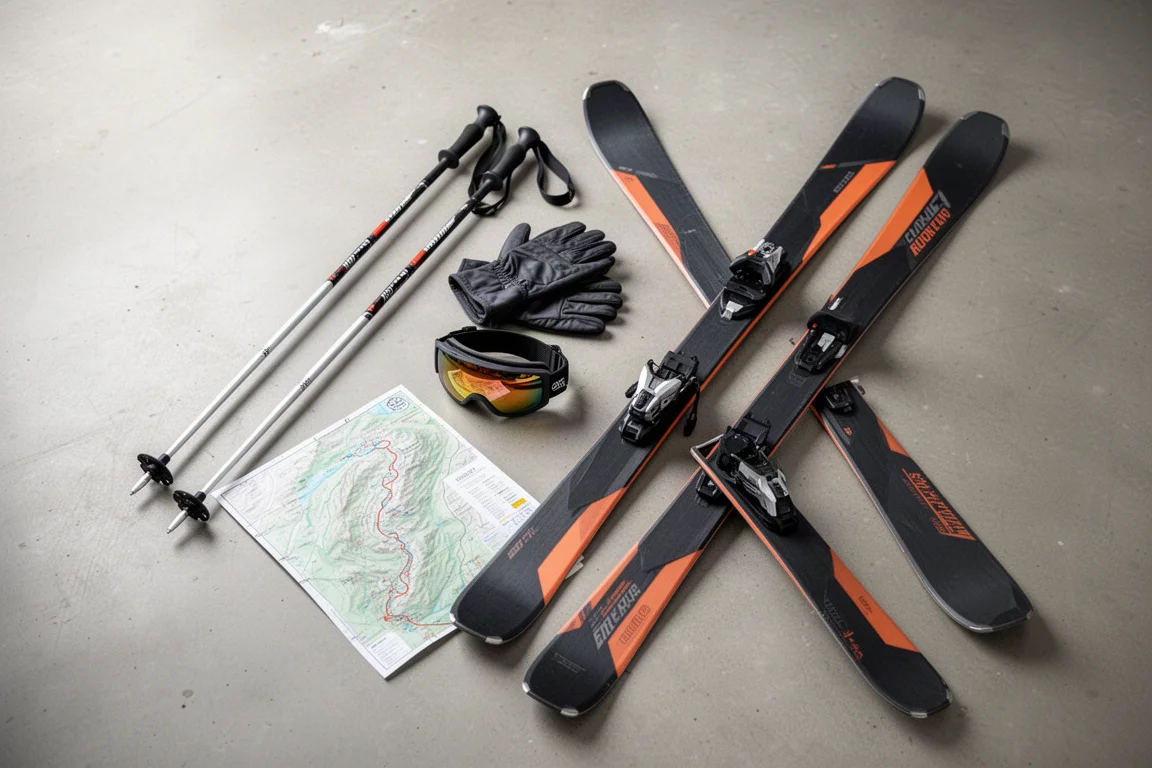
If you already own a powder ski and want a companion for groomed runs, short-radius turns, and moguls, the Octo is the more interesting choice. It reaches further into carving than the Maverick 88 TI while keeping enough off-trail ability to stay useful on the days the forecast changes.
If you want a handmade ski with a more planted feel and you ski terrain with room to run, the Wrangler is worth carrying the extra weight for. Its promotional pricing has been the deciding factor for plenty of buyers, and it comes down to whether a hand-built ski at that price makes sense for your season.
Whatever you choose, buy for the terrain you actually ski most, not the terrain you hope to ski.
Conclusion
Three skis, three different answers to the same question. The Octo is the most reactive of the group and the strongest short-radius carver, and it pairs beautifully with a dedicated powder ski. The Maverick 88 TI remains the most versatile single-ski option until the snow turns heavy and wet. The Wrangler is the most rewarding for skiers who want a heavier, hand-built ski with a planted feel and a tail they can load up.
Any of the three will serve a committed all-mountain skier well. The right pick comes down to how much of your season happens on groomers, how often you get soft snow, and how much weight you are willing to move around in tight terrain.
Further reading
Related Reviews
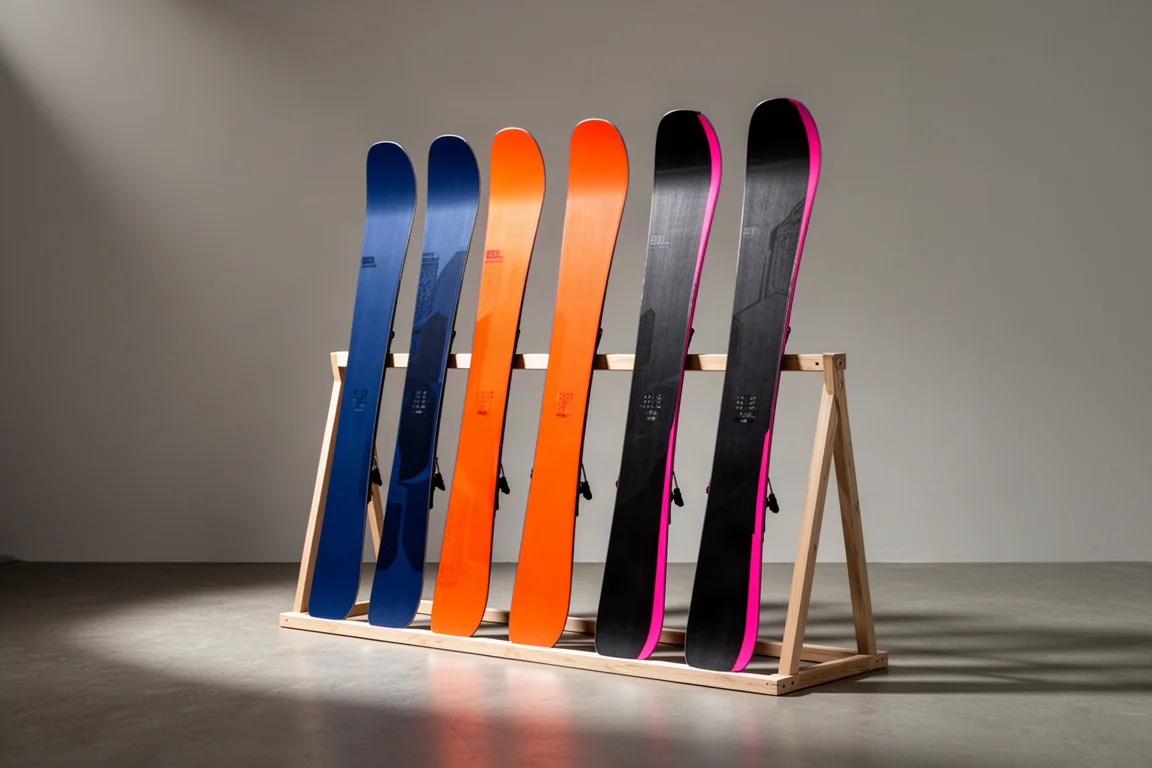
Ski Gear
2023 Blizzard Hustle vs Rustler: Six Freeride Skis Compared
Blizzard's 2023 Hustle collection rebuilds the Rustler shape with a lighter core and no metal. Here is how all six skis differ, and which one suits your riding.
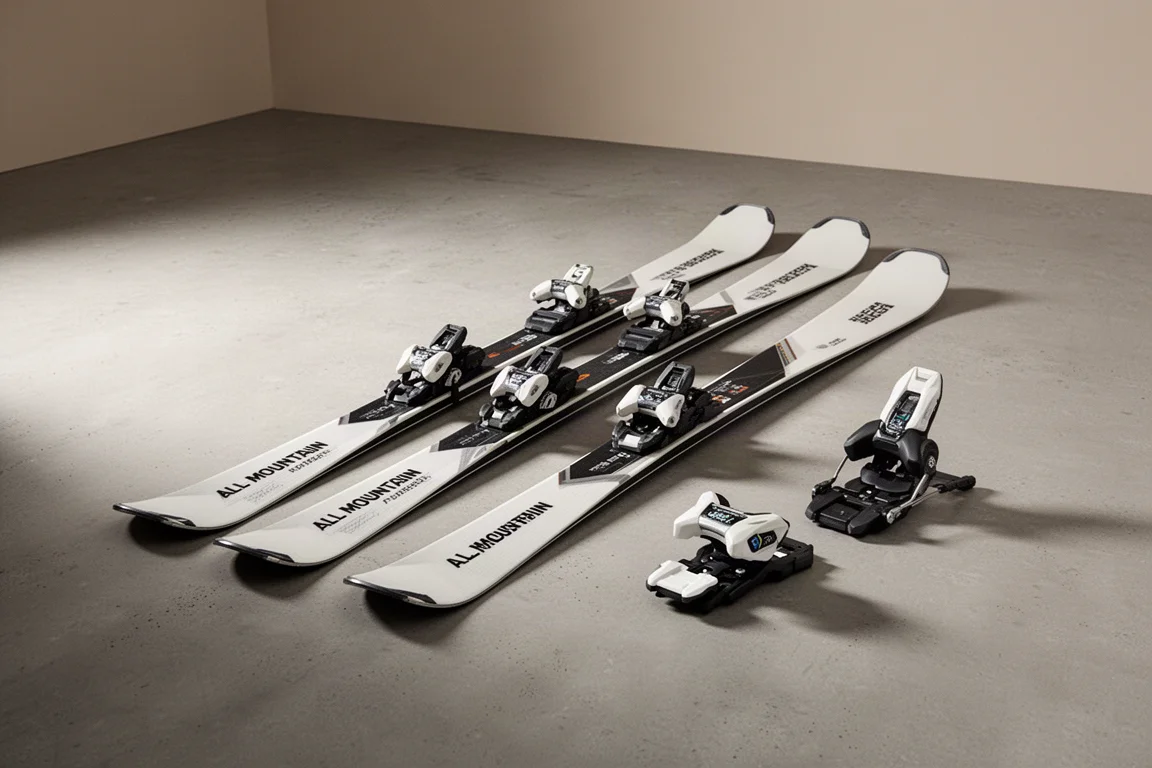
Ski Gear
2023 Skis of the Year: Atomic Maverick 88 TI, Salomon QST 106, and Look SPX 12 Pro
Three standout ski picks for all-mountain carving, powder days, and reliable binding performance, with practical buying notes for 2023 models.
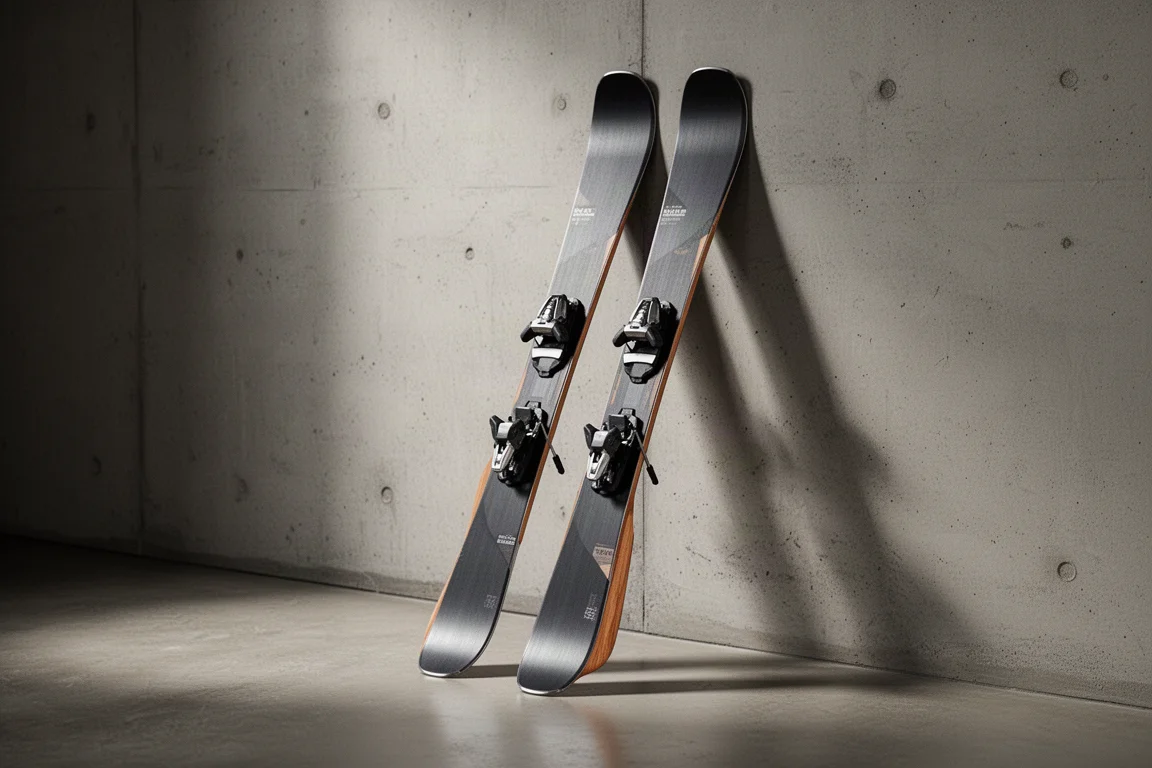
Ski Gear
2025 Nordica Enforcer 104 Review: A Directional Charger Replaces the 104 Free
The 2025 Nordica Enforcer 104 drops the Free name and the twin-tip personality, gaining weight, stiffness and composure in rough snow. Here is what changed and who it suits.