Ski Gear
Four All-Mountain Skis Worth Considering: Salomon QST 92, 98 and 106 Plus Atomic Maverick 95 TI
A practical look at four all-mountain skis across the 92mm to 106mm range, with notes on shape, flex, terrain and when to buy.
Introduction
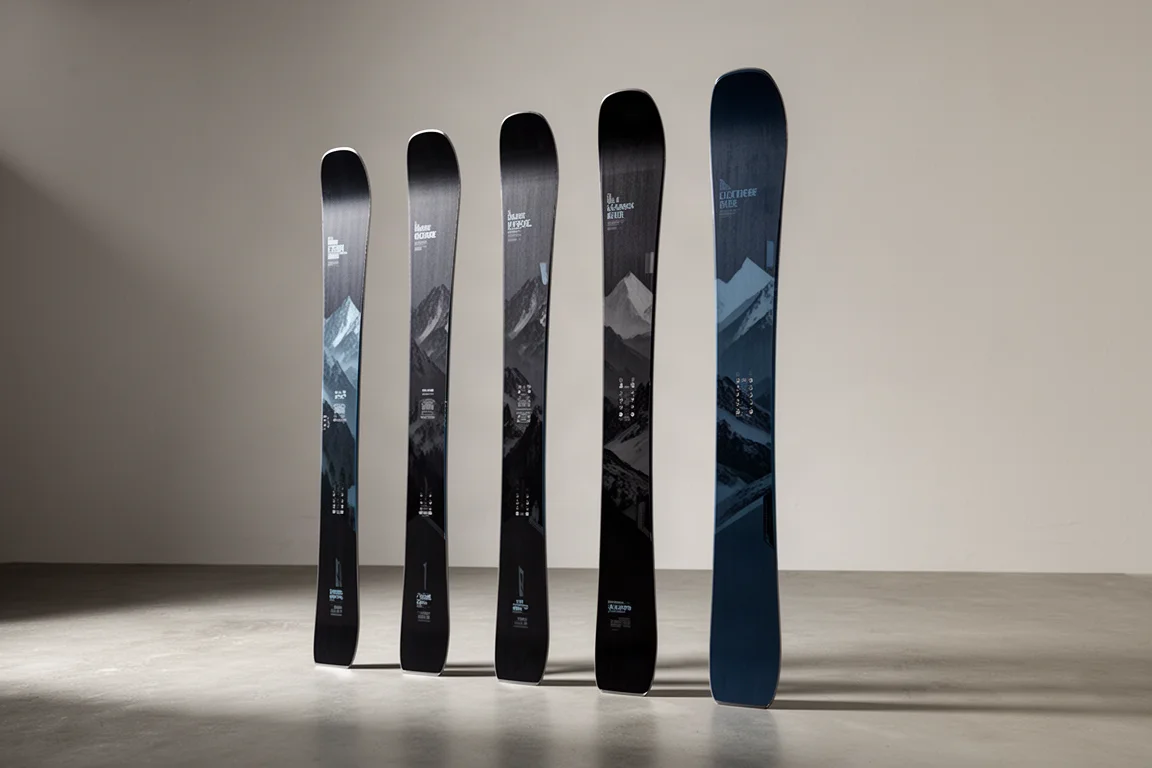
Most skiers only need one pair of skis, and the hardest part is choosing a waist width that matches the snow they actually ski. A 92mm ski and a 106mm ski can share a family name and still behave like different tools, so it helps to understand what each width is designed to do before spending money.
This guide covers four models across that range: the Salomon QST 92, QST 98 and QST 106, plus the Atomic Maverick 95 TI. Together they show how width, rocker profile and flex change the way a ski behaves in powder, on groomers and in the variable snow in between.
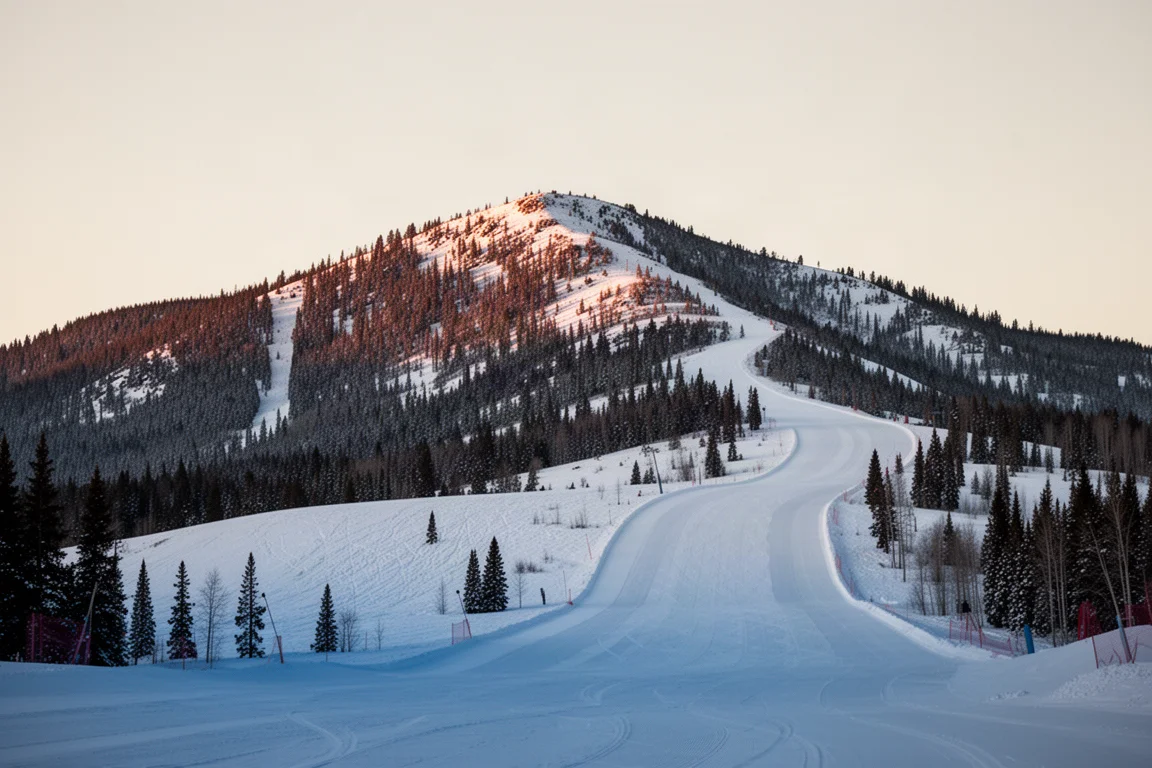
None of these are niche boutique shapes. They are widely available all-mountain skis with clear intended uses, which makes them easier to compare on the things that matter: how much float they offer, how well they hold an edge when the snow is firm, and how much ski they ask of the person riding them.
How These Skis Were Chosen
The four models here represent four distinct answers to the same question: how wide should an everyday ski be, and how stiff should it be?
A few characteristics matter most when comparing them:
- Width and shape: waist width sets the baseline for float, while tip and tail taper determine how easily the ski releases and pivots.
- Rocker profile: rocker in the tip and tail helps a ski plane in soft snow, while camber underfoot is what generates edge grip on firmer surfaces.
- Flex: softer skis are easier to bend at lower speeds, while stiffer skis reward strong, aggressive input and hold up better at speed.
- Intended terrain: a ski built to float in powder is not the same as one built to carve hardpack all day, even when the two share a construction family.
Keeping those four points in mind makes the differences between a 92, a 98 and a 106 much easier to read.
Salomon QST 106
The QST 106 is the widest ski in this group and the most specialized. It uses a directional shape with more rocker in the tip and tail, which is what allows it to plane up and float in soft snow rather than sink. Underfoot, camber gives it the edge hold it needs when conditions firm up.
That combination is the point of the ski: it is meant to float on top of soft snow while still offering a usable carving feel instead of washing out. It is a shape for skiers who spend a meaningful share of their days in powder and soft chop.
It is not, however, a universal one-ski choice. Riders can take it on groomers, but doing that day after day tends to be tiring on the legs, and a 106mm waist is more ski than most people need for a single-ski setup. It also rewards a more directional style, where the skier drives the tips rather than standing centered. Advanced skiers who ski soft snow regularly will get the most out of it.
Salomon QST 98
The QST 98 is the middle of the QST range and arguably the most flexible choice of the three. It is a wide ski on paper, but it does not feel that wide underfoot, largely because the shape is designed to carve well despite the extra width.
That makes it a strong candidate for a daily driver, particularly for skiers in the western United States who see a mix of groomed runs and softer snow across a season. It offers more float than a narrow carving ski without giving up the ability to hold an edge on the days when the snow is not cooperating.
The 98 is also the model that best tolerates being someone’s only ski. It sits close enough to the middle of the range that it can handle groomers, soft snow and everything between without feeling like a compromise in either direction. Strong skiers who grew up flexing a ski generally do not need a softer women’s-specific build, though that option exists for anyone who prefers it.
Salomon QST 92
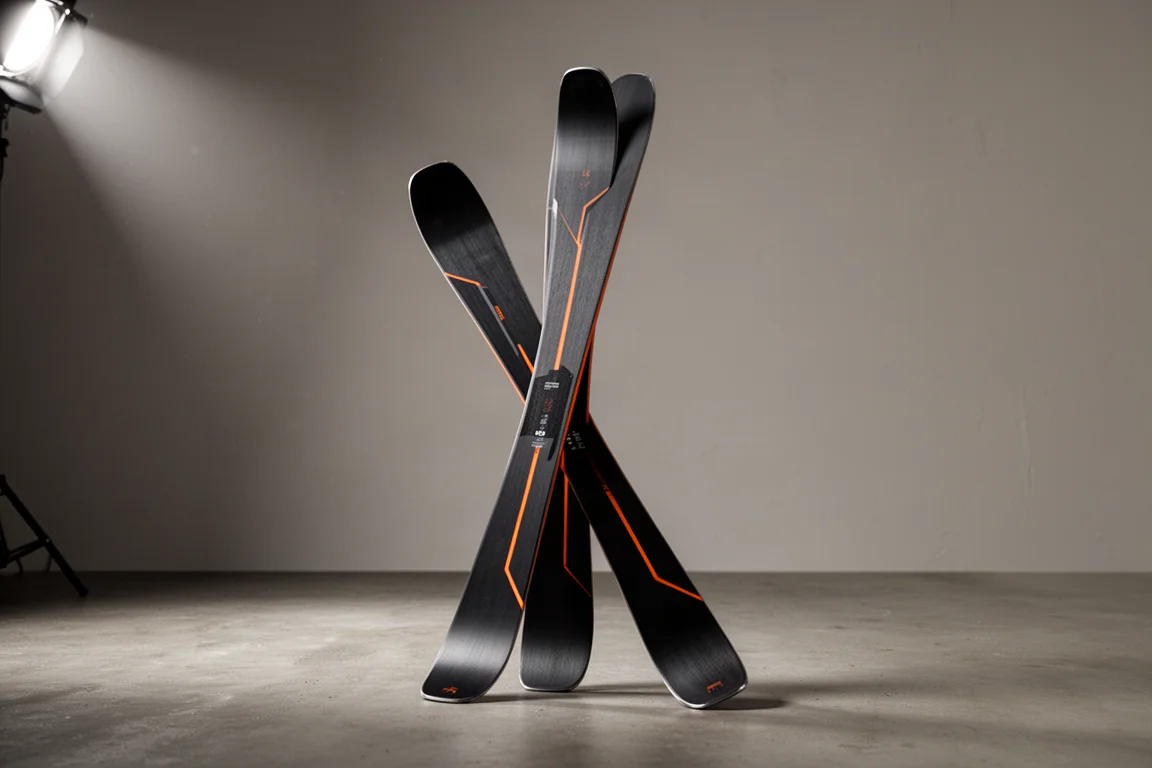
The QST 92 is the narrowest option here and the closest thing to a traditional all-mountain daily driver. Less width means less float in deep snow, but it also means quicker edge-to-edge transitions and less material to manage on firm, groomed surfaces.
For skiers who spend most of their time on piste and only occasionally venture into softer snow, the 92 is the more efficient choice of the three QST widths. It keeps the same family shape and construction approach while asking less of the skier’s legs over a long day.
The practical way to think about the QST line is as a spectrum rather than a hierarchy. Anywhere from the 92 up to the 106 will work well for the right skier; the question is which end of that range matches the snow you actually see most often.
Atomic Maverick 95 TI
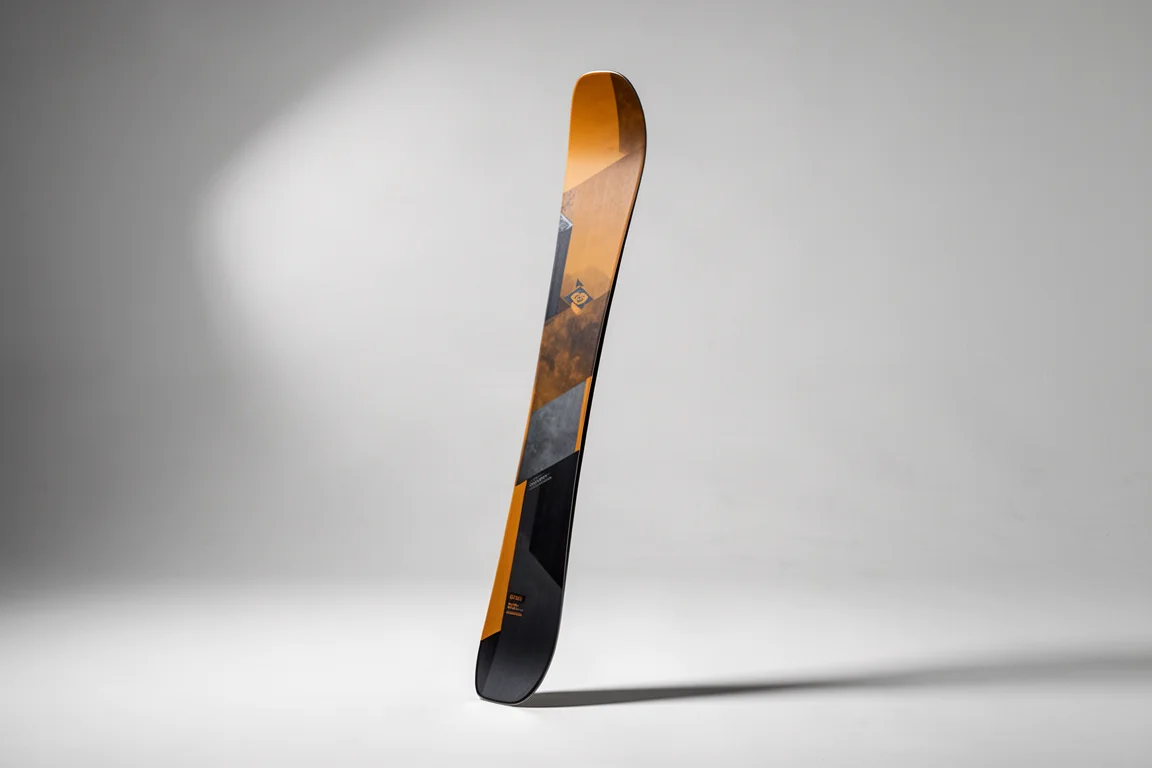
The Atomic Maverick 95 TI takes a different approach. It is a stiff ski built for aggressive, strong skiers who want to push hard rather than cruise. In powder it holds up well, and it is stable enough that a confident skier can also take it onto groomers without it feeling out of place.
That stiffness is the defining trait. Lighter or less experienced skiers may find it demands more input than they want to give, while skiers who like to ski fast and drive the ski hard will find it rewarding. It suits terrain like Colorado, where a mix of powder and groomed runs is common.
Value is part of the appeal. The Maverick 95 TI has been available at around $489, against a typical list price of roughly $700 to $800, which puts it well below what comparable used skis often sell for. Skiers who want to prioritize hardpack carving above everything else may prefer a narrower 88mm option in the same family, but for a wide, stiff all-mountain ski at that price, it is a compelling package.
Matching Ski Width to Your Terrain
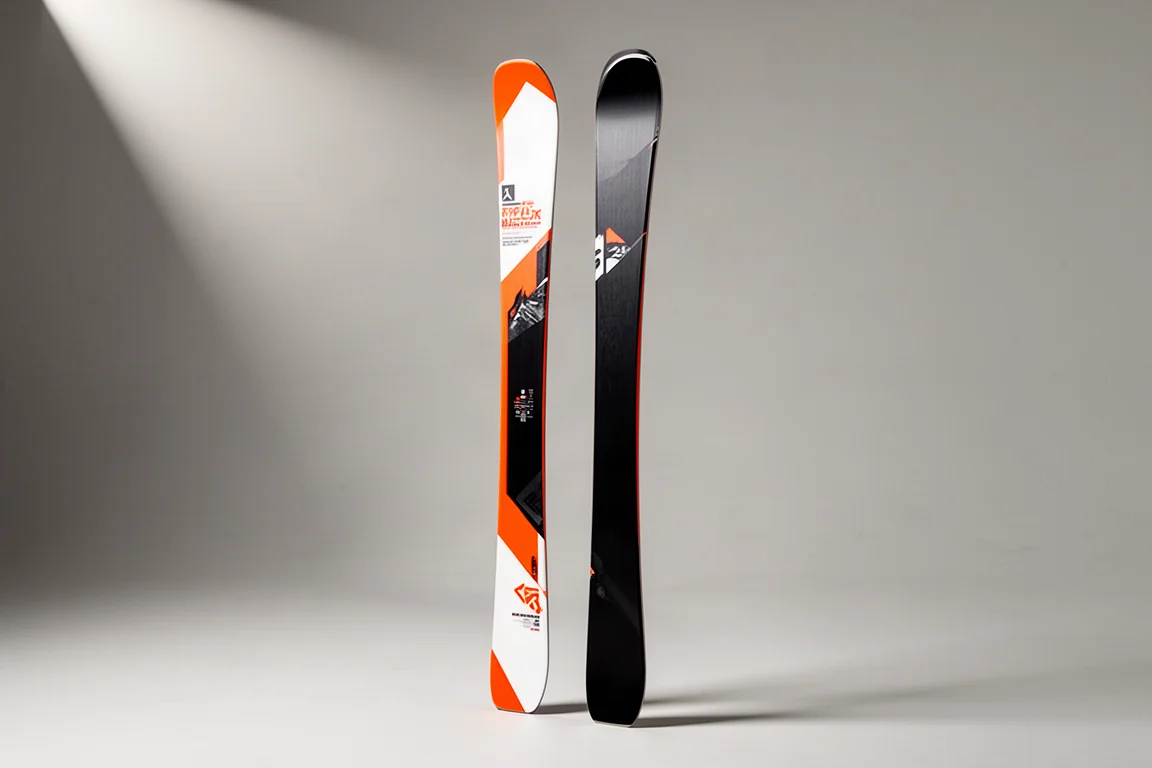
Width is the most visible spec and the least useful one on its own. A wide ski can carve well, and a narrow ski can be miserable in soft snow. What matters is matching the ski to the majority of days you actually ski.
For a single-ski setup, something in the 88mm to 99mm range is usually the sweet spot. That window handles groomers, mixed snow and moderate powder without asking the skier to fight the ski on any one surface. A 106mm ski makes more sense as part of a two-ski setup or for skiers who genuinely chase soft snow.
Regional assumptions deserve some skepticism too. Not every western skier needs a powder ski, and not every eastern skier spends the season on ice. Terrain and snow vary far more within a region than the stereotypes suggest, so base the decision on the runs you ski most, not on where you live.
Timing Your Purchase
Timing changes the price more than almost any other factor. The peak buying window runs from roughly October through January, when demand is highest and most skis sell at or near full price. Buying outside that window, particularly in late summer, is when discounts appear.
That is the logic behind the roughly $489 price on the Atomic Maverick 95 TI. It is a genuine reduction rather than a seasonal gimmick, and it is lower than comparable used skis often list for on the secondhand market. The trade-off is that buying early means committing without a demo, so it only makes sense if you already have a clear idea of the width and flex you want.
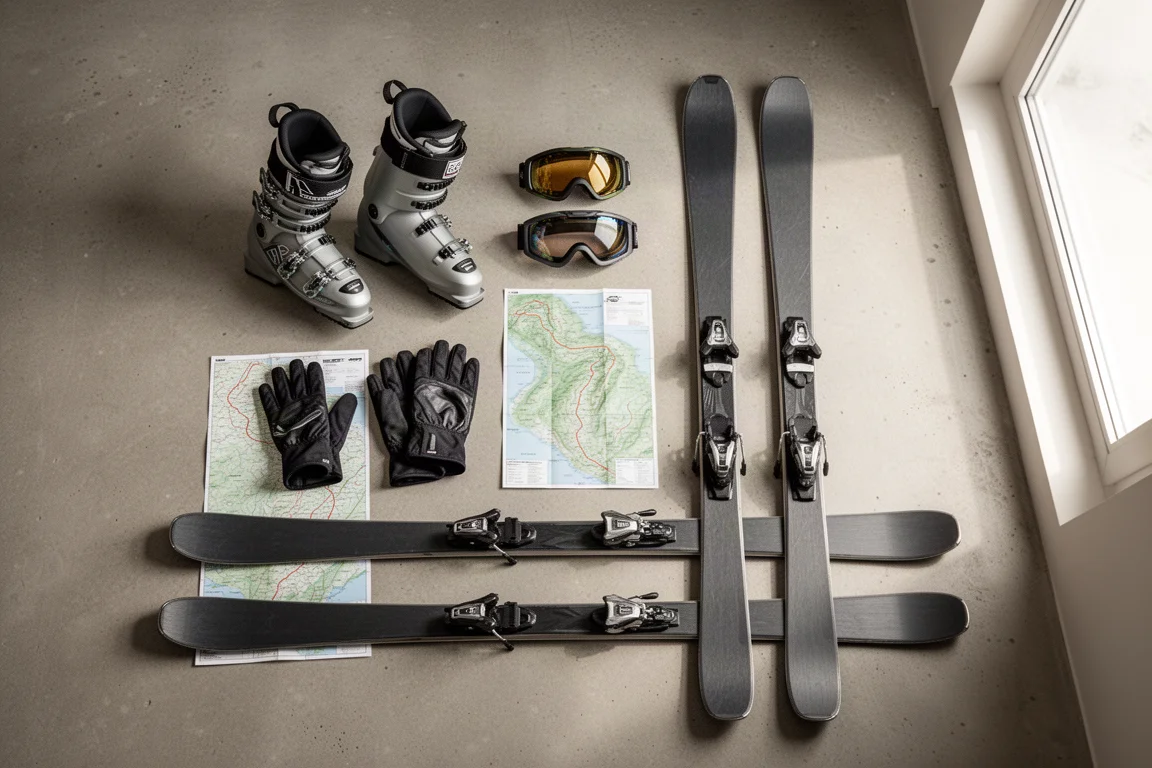
If you would rather try before you buy, waiting is a reasonable strategy, but it usually costs more. The middle ground is to use the off-season to narrow down the width and flex you want, then buy when a model you already trust drops in price.
Conclusion
The Salomon QST 92, 98 and 106 and the Atomic Maverick 95 TI cover a genuinely useful spread of the all-mountain category. The 92 suits skiers who mostly stay on groomers, the 98 is the most versatile single-ski option, the 106 is built for soft snow and advanced directional skiing, and the Maverick 95 TI is the stiff, aggressive choice at a strong off-season price.
Pick the width that matches the snow you ski most often, then decide how stiff a ski you actually want to drive. Getting those two decisions right matters far more than any single spec on the page.
Further reading
Related Reviews
Ski Gear
2023 Blizzard Hustle vs Rustler: Six Freeride Skis Compared
Blizzard's 2023 Hustle collection rebuilds the Rustler shape with a lighter core and no metal. Here is how all six skis differ, and which one suits your riding.
Ski Gear
2023 Skis of the Year: Atomic Maverick 88 TI, Salomon QST 106, and Look SPX 12 Pro
Three standout ski picks for all-mountain carving, powder days, and reliable binding performance, with practical buying notes for 2023 models.
Ski Gear
2025 Nordica Enforcer 104 Review: A Directional Charger Replaces the 104 Free
The 2025 Nordica Enforcer 104 drops the Free name and the twin-tip personality, gaining weight, stiffness and composure in rough snow. Here is what changed and who it suits.