Ski Gear
Best All-Mountain Skis and Boots of the Season: 15 Picks From On-Snow Testing
Fifteen skis and boots that impressed on real demo and test days, from playful all-mountain tools to stiff high-performance boots, with honest trade-offs for each.
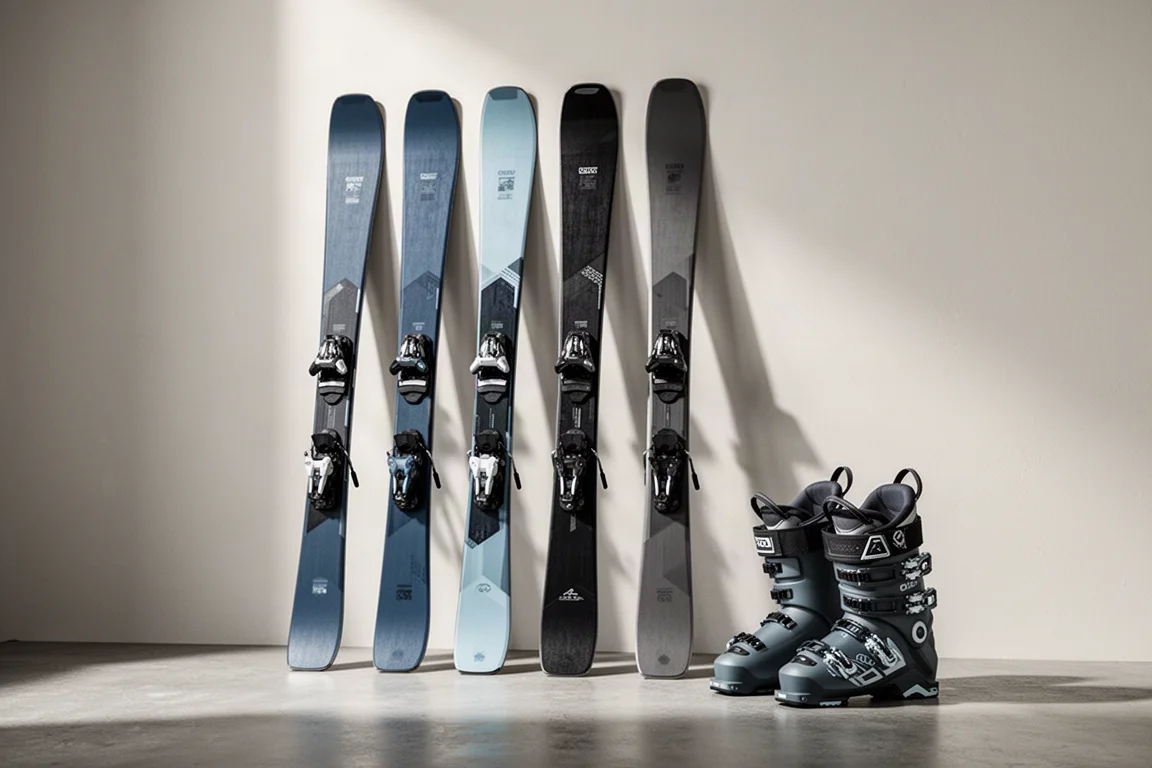
Introduction
This season’s test calendar covered a lot of ground: a first annual on-snow demo day at Waterville where every major brand set up tents, plus dedicated brand test days at Ragged and Sunapee. That meant back-to-back comparisons on everything from playful freeride planks to narrow carving skis and some genuinely exciting high-performance boots.
One lesson kept repeating itself across every test day: the right tool for the job matters. All-mountain skis are great, but a specialized front-side ski can be the better choice if ripping groomers is what you actually do. The same logic applies to boots, where the newest double-Boa designs trade ease of micro-adjustment for a different kind of fit experience.
Below are the fifteen standouts from the season so far, grouped by what they do best, with the trade-offs worth knowing before you buy.
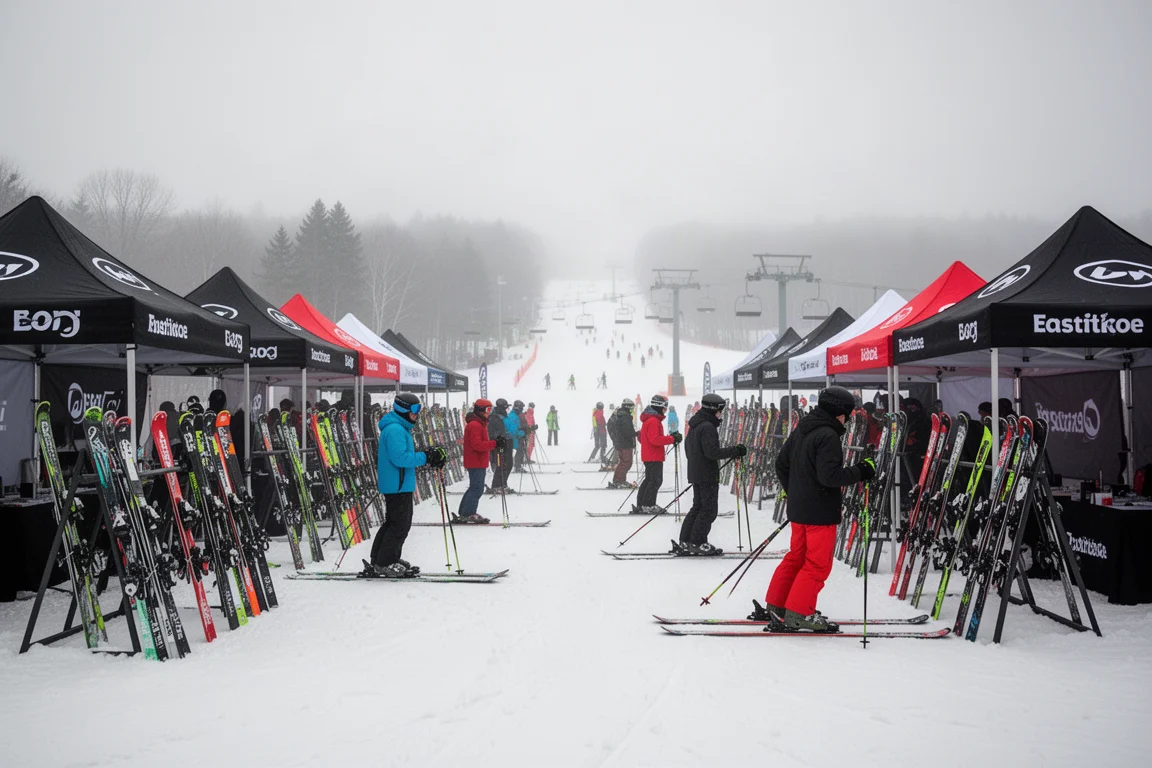
How We Tested
Everything here was skied on real snow at East Coast resorts, mostly on firm and variable conditions with occasional soft stretches. Skis were tested back to back within the same day so differences in playfulness, dampness and turn shape were easy to feel. Boots were skied straight out of the box where possible, which is a good reminder that fit work like heat molding and shell punches is part of the process for most high-performance models.
Playful All-Mountain and Freeride Skis
If your priority is releasing the tips and tails, slashing turns and having fun in softer snow and trees, this is the group that delivered the most this season.
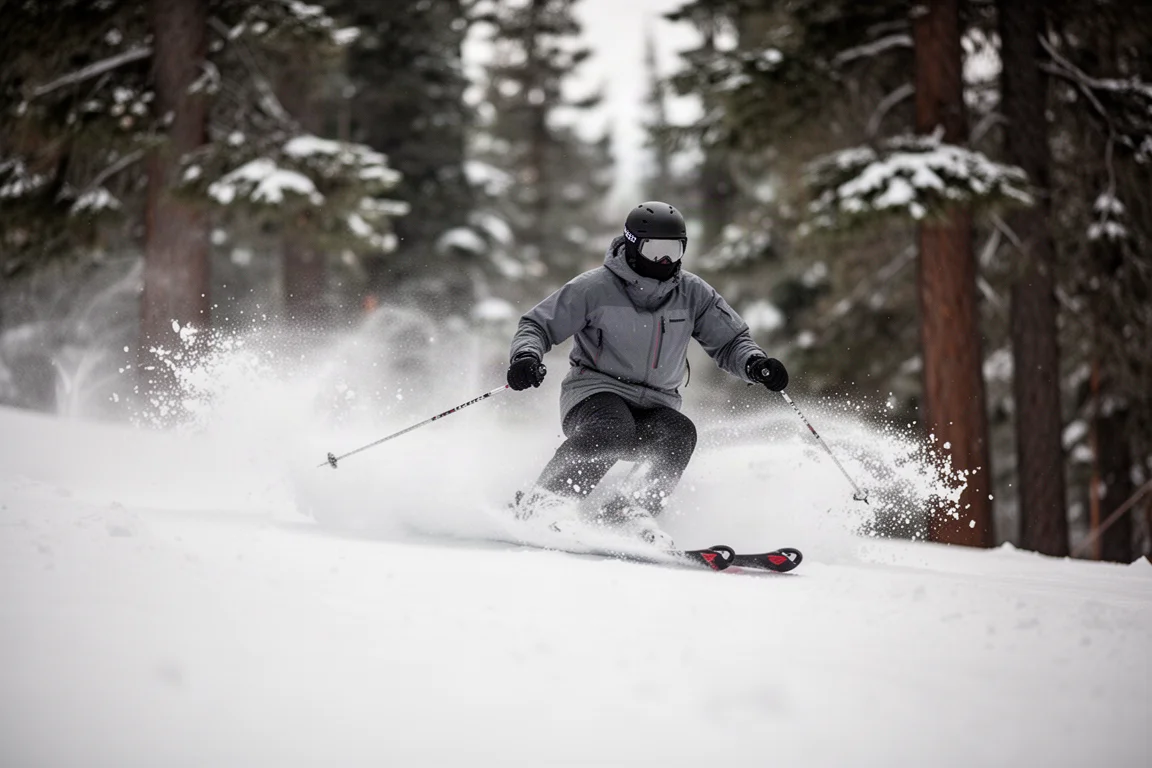
Best Overall of the Test Season: Armada Declivity 92
The Declivity 92 was the ski that ended the demo day early, because once it was on, there was little reason to keep switching. It simply does everything a directional all-mountain skier asks of it, with a balance of sturdiness and looseness that is hard to beat in this width class.
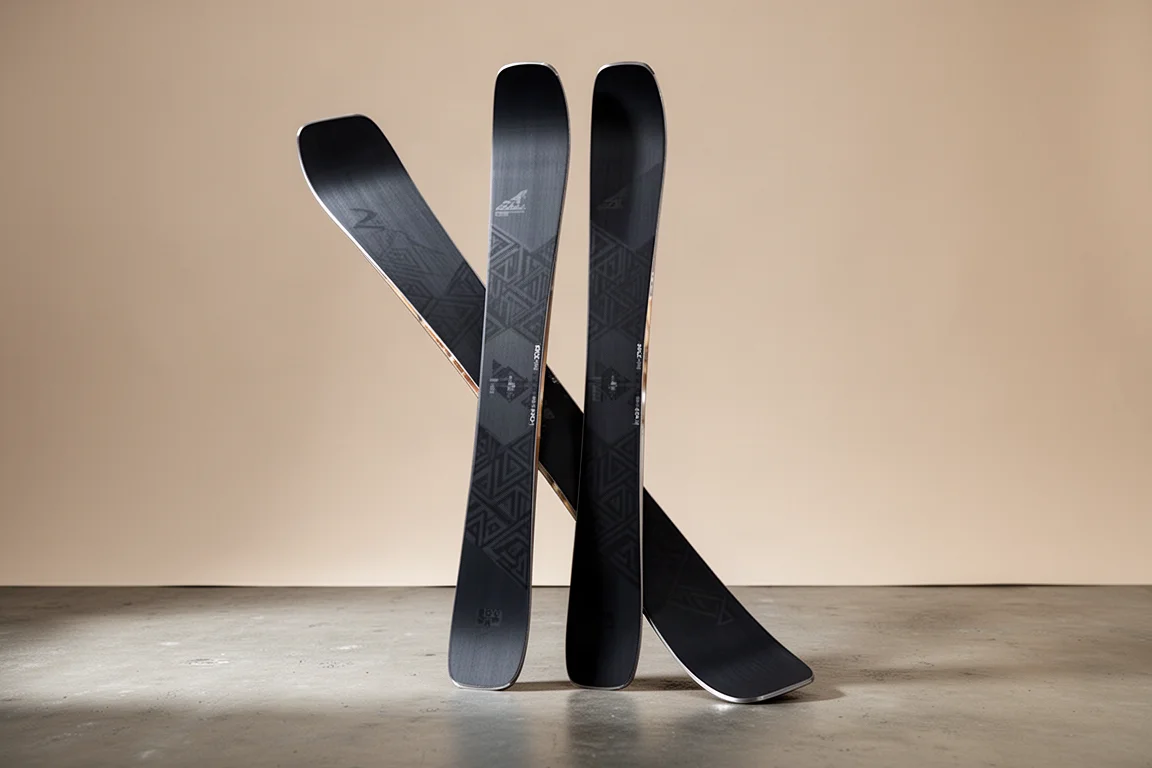
The Daily Driver: Atomic Bent
The Bent keeps earning its reputation as a go-to freeride ski. It has that rare mix of feeling sturdy underfoot while staying loose in the tips and tails, which makes it easy to ski exactly how you want. Back-to-back comparisons confirmed why it is hard to dethrone.
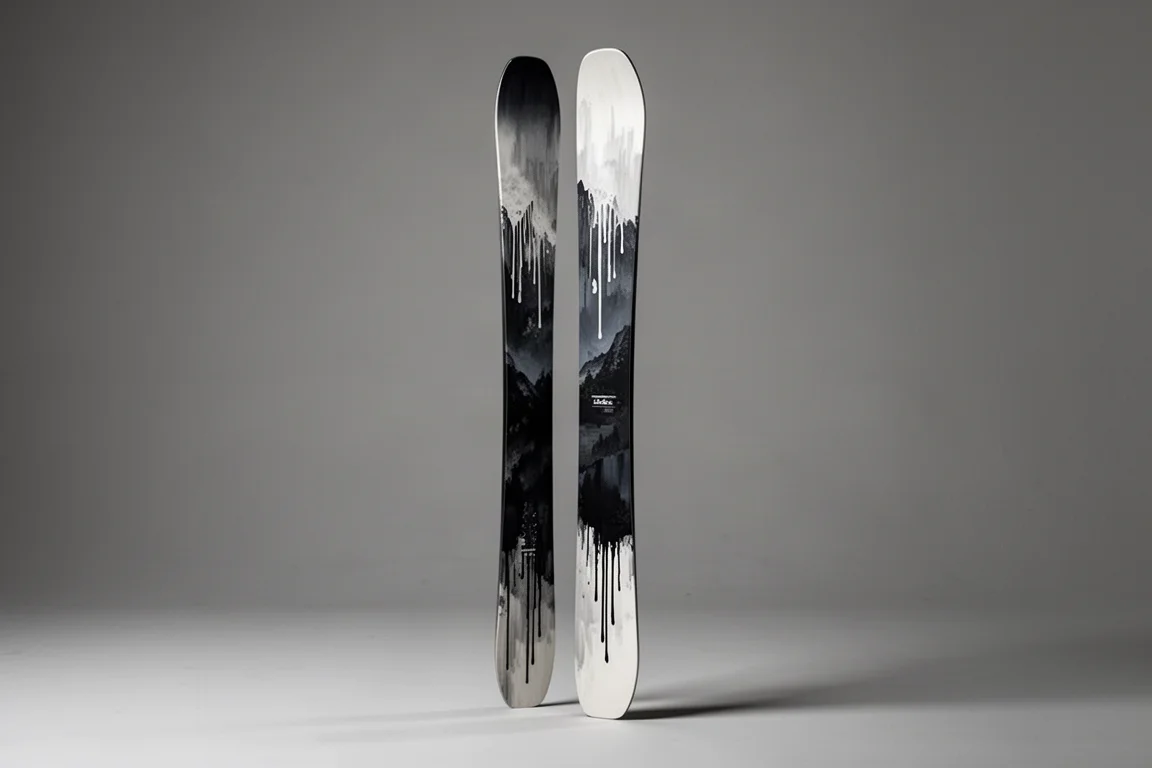
The New Directional Challenger: Salomon QST
The new generation QST leans more directional than before while keeping tips and tails loose enough to be genuinely playful. It feels similar through the center of the ski but easier to release, and it is versatile enough that a strong freestyle skier could practically center-mount one and take it into the park. Among new releases this season, it is one of the most promising.
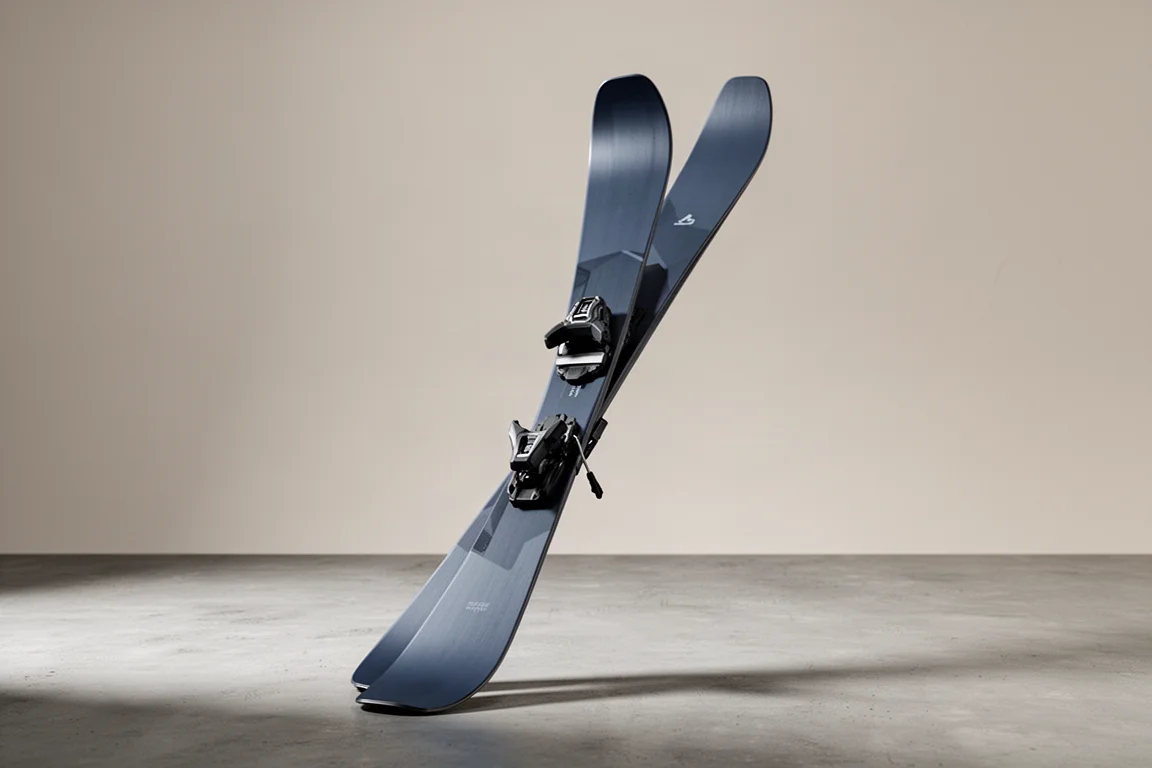
The Fun Wildcard: Armada Stranger
The Stranger is a strange ski, in the best way. Soft in the tips and tails, very playful and genuinely unique, it is best described as a wider version of the Mirus Cor, though with less of an emphasis on carving. The catch is that it tops out at 180 centimeters, which feels short, so it is a ski for terrain where maneuverability matters more than top-end stability. It would be a blast in the woods.
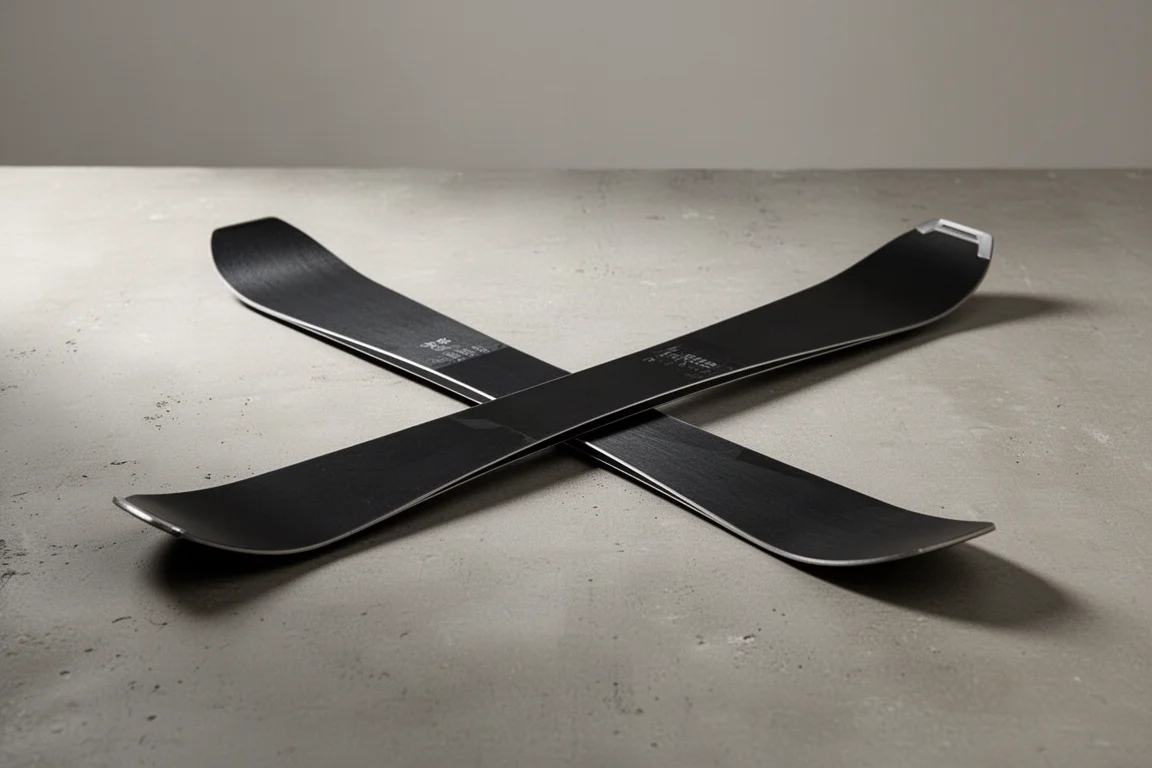
The Narrower Sibling: Armada Kimbo
The Kimbo is essentially a narrower Stranger at 95 millimeters underfoot, with a touch more stiffness and the same playful personality. For the skier who wants a playful ski that can still carve, the two are close to interchangeable. The caveat from testing: it was not an icy day, so its true edge hold on hard snow went unproven.
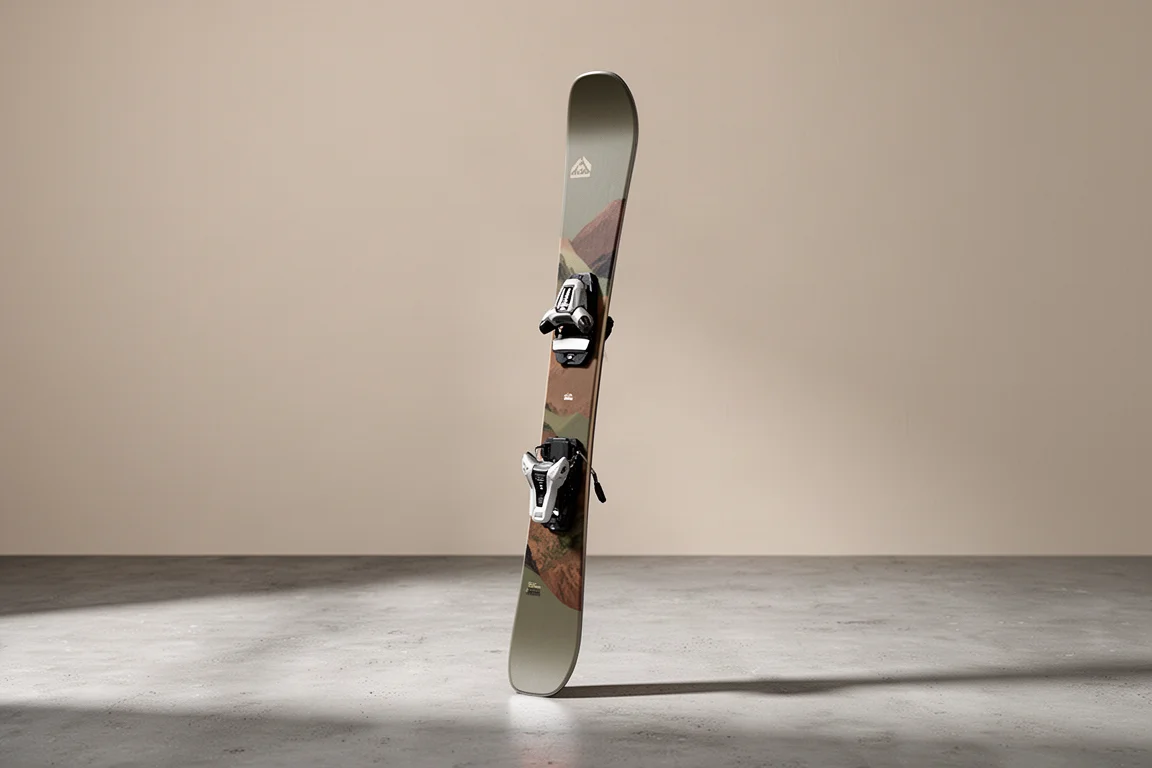
The Stiffer Alternative: Rossignol Sender Free 100
Skied back to back with the Bent, the Sender Free 100 comes across as a stiffer ski, arguably stiffer than it needs to be. It holds up better on icier days and when laying down fast turns on groomers, but it is less playful throughout, harder to release the tips and tails, and not as energetic as the competition. It will not replace a playful freeride ski as a daily driver, but it earns its place as a harder-snow option.
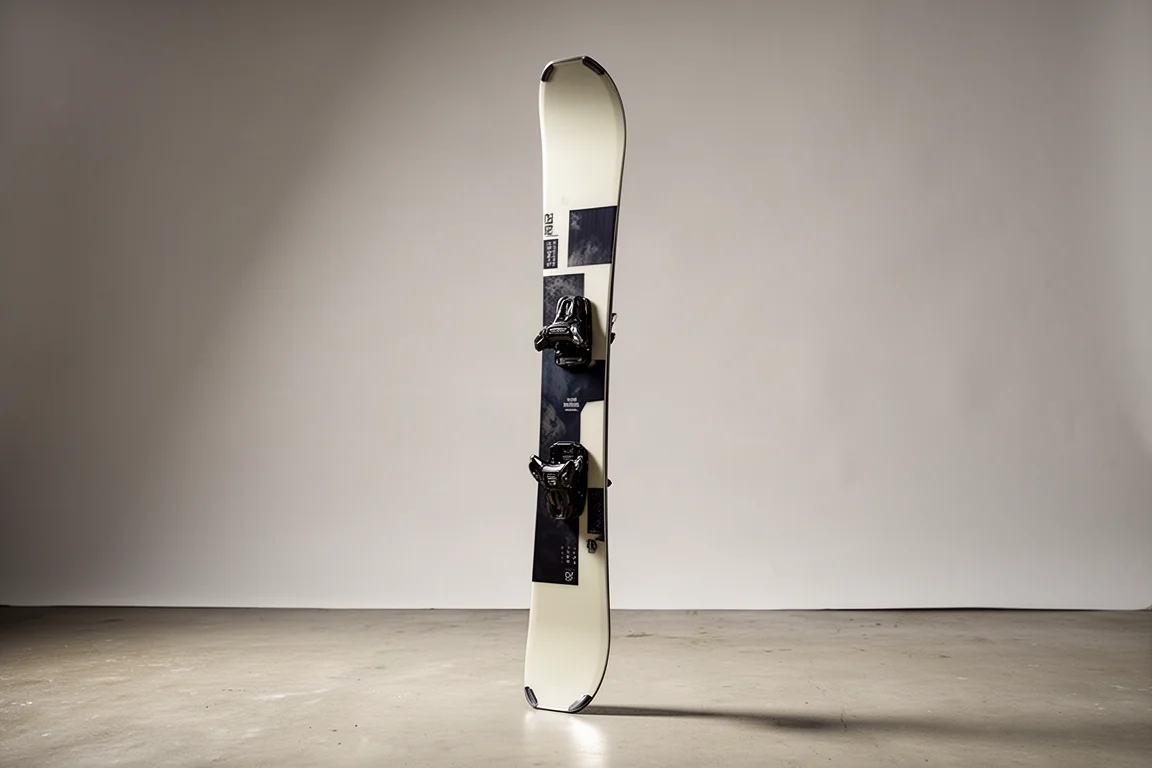
The Powerful Middle Ground
Atomic Maverick 96
The updated Maverick 96 is a genuinely fun revision. It is a little more playful than the current generation, easier to skid and livelier off trail, thanks to a new shape with more rocker, an adjusted sidecut and construction changes similar to what the 105 CTI and the Bent received last season. It still retains the power and stability people expect from a Maverick, but do not expect it to dethrone skis like the Enforcer 94 or the Declivity. It lives closer to Ripstick 96 Black territory: powerful for its weight with a good strength-to-weight ratio, and more exciting in the woods than the outgoing model.
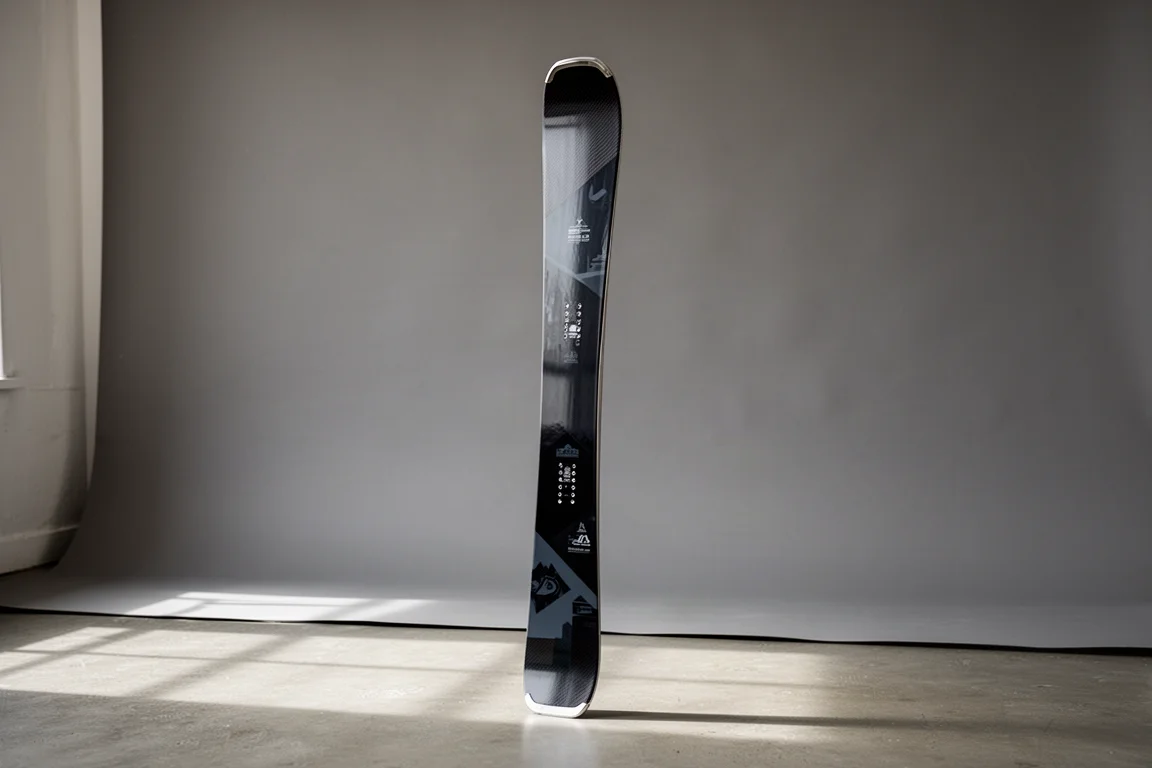
Stöckli Storm Rider 95
The Storm Rider line suffers from intimidating looks. Visually it appears to be made of solid metal, and the Stöckli name suggests a Mantra-like demanding ride. In reality, these are the smoothest skis of the season. Compared to other skis in the all-mountain freeride category, the Storm Rider 95 is easy to balance on, easier in soft snow off trail and less powerful than you would expect, in a good way. You never feel like you are working hard, yet it still rips groomers and feels solid when you step on it. Fair warning: the new Maverick 96 is more ski than the Storm Rider 95.
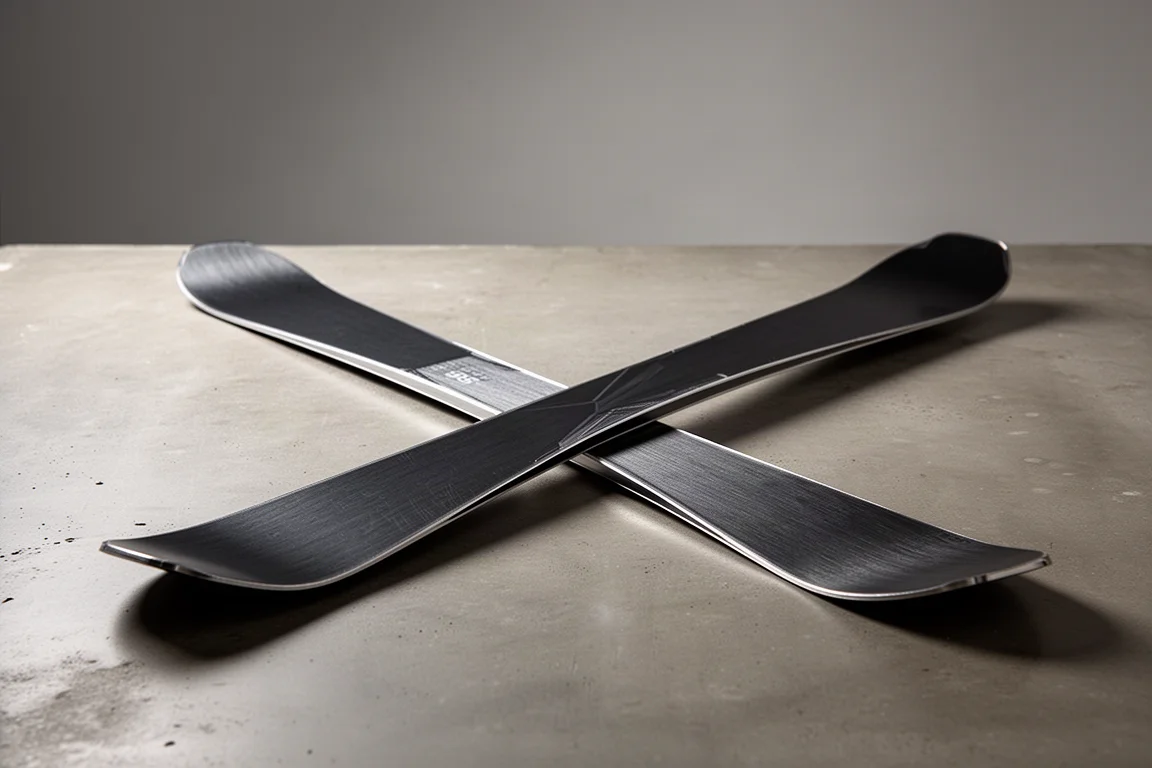
Narrow Precision: The Stöckli Montero Line
Stöckli Montero AS
The AS is the narrowest offering in the Montero line at around 70-something millimeters, and it skied like a little ninja stick at 170 centimeters. This season it received the same treatment the AR and AX got previously: some metal removed from the tips and tails, which makes it easier to transition from turn to turn without losing precision. For skiers exploring shorter lengths, it is a reminder that shorter skis can genuinely make you a better skier with more control and easier turn shaping.
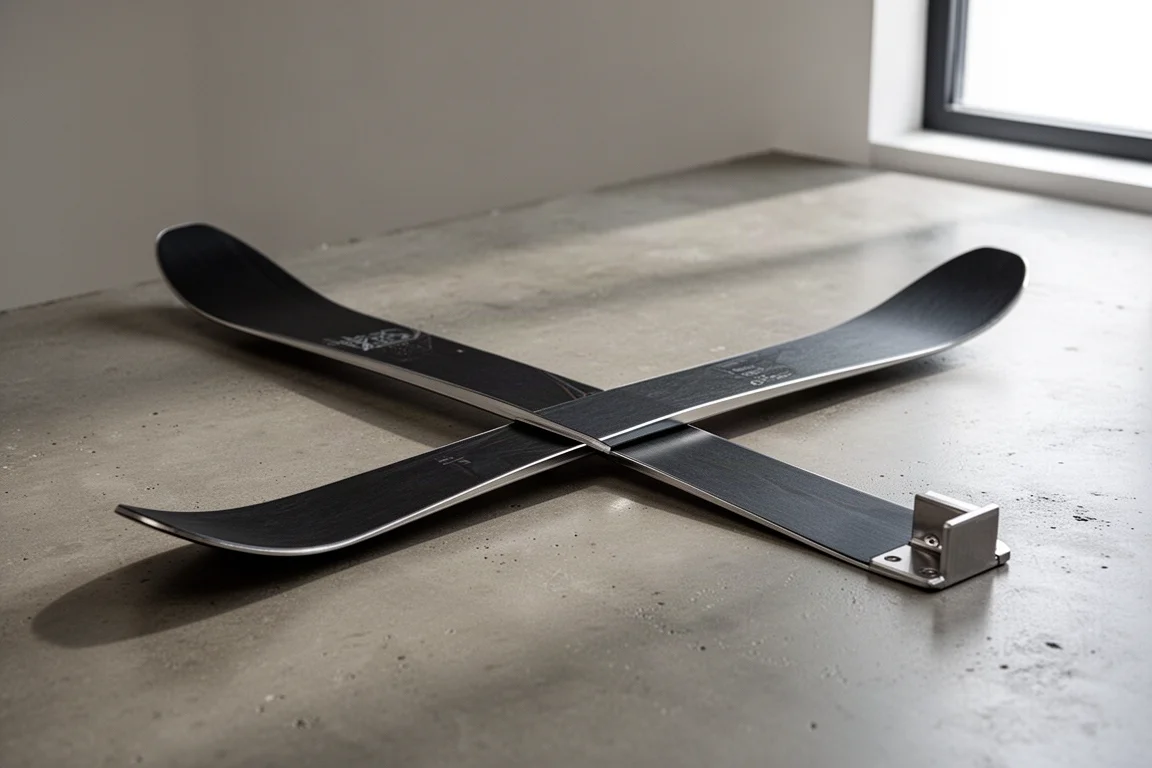
Stöckli Montero AR
At the opposite end of the Montero range, the AR stood out as one of the two favorites in the entire collection, alongside the AS. Narrowest and widest bookending the line is an unusual pattern, but both deliver where it counts. If you want one Montero, this or the AS is the pick.
Front-Side and Carving Skis
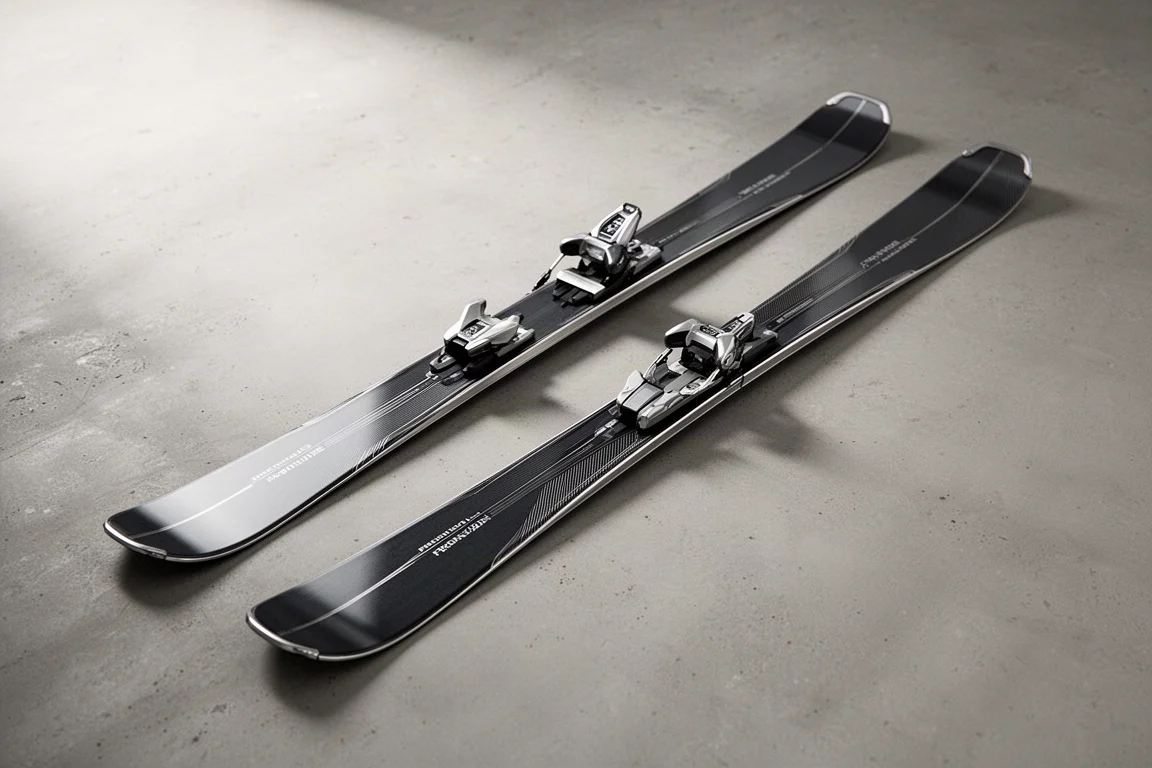
A lot of skiers are realizing that all-mountain skis, while versatile, are not always the best tool for dedicated groomer days. A good front-side ski is like a proper paring knife: better at the one job you actually do most. The Wingman Black Edition proved the point on a firm morning at Sunapee, when it became the ski of the day so decisively that swapping out of it became a negotiation.
Elan Wingman Black Edition
The Wingman Black Edition feels as easy to ski as a Ripstick but with more top end and a bit more oomph, without becoming demanding or difficult. On the firm, never-quite-trustworthy snow of the test morning, it was the clear standout, and it remained the pick even as conditions softened slightly. As a groomer ski for a wide range of skiers, it is excellent.
High-Performance Boots Worth Knowing
The boot story of the season is heavy, powerful, high-performance fits, including the first serious wave of double-Boa designs. Three of the four skied here need some fit work out of the box, so budget for a proper boot-fitting session. The Lange Shadow, by contrast, performed flawlessly even during a hard crash, with the front of the boot holding up exactly when it mattered.
K2 Remedy 130
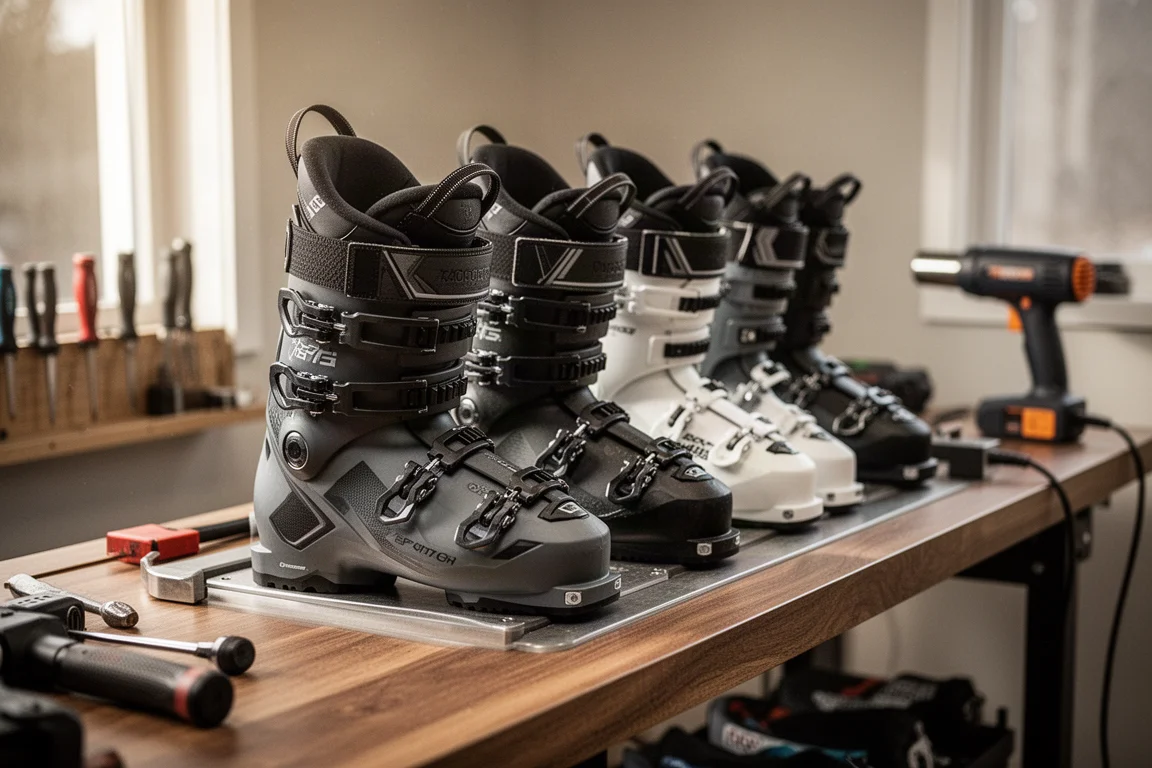
The Remedy 130 is the favorite boot of the season so far. Skied completely out of the box with zero modifications, it needed nothing: no punches, no break-in pain. The liner fits a range of foot shapes well, and unlike many heavy boots, you can bake the shell. At 16 degrees of forward lean, 17 with the cuff spoiler, it is the most powerful of the three new high-performance options tested. One honest note: it is a stiffer boot than many skiers strictly need.
K2 Cortex 130
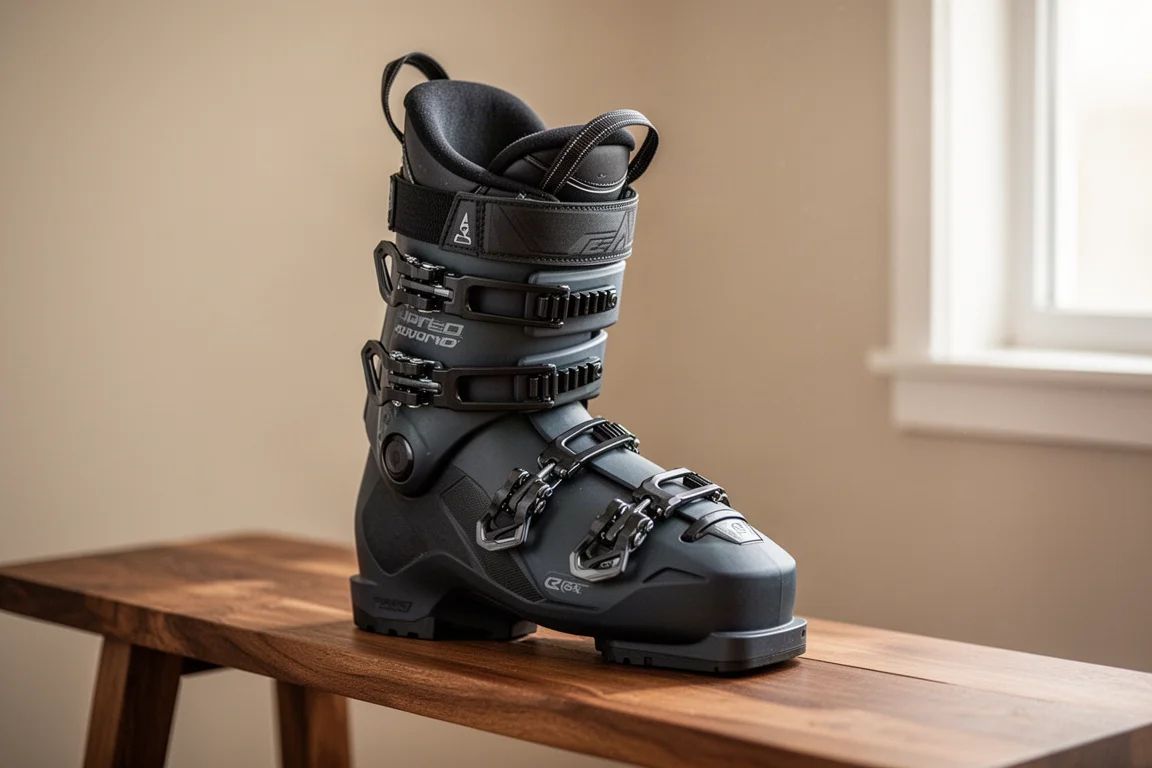
The Cortex is K2’s double-Boa heavyweight, and it is a completely different animal from the Mindbender or Recon lines, roughly twice the weight. Skied out of the box without heat-molded liners, it was unforgiving, and the so-called variable last felt more like variable levels of discomfort. With heat molding and possibly a couple of punches, it should be a very good boot, and it skis exceptionally well. The 140 version was also on snow and skied strongly. One fit consideration: with a double-Boa cuff, you must crank it quite tight before it feels properly snug, and fine-tuning is harder than with buckles, so make sure the cuff shape matches your leg.
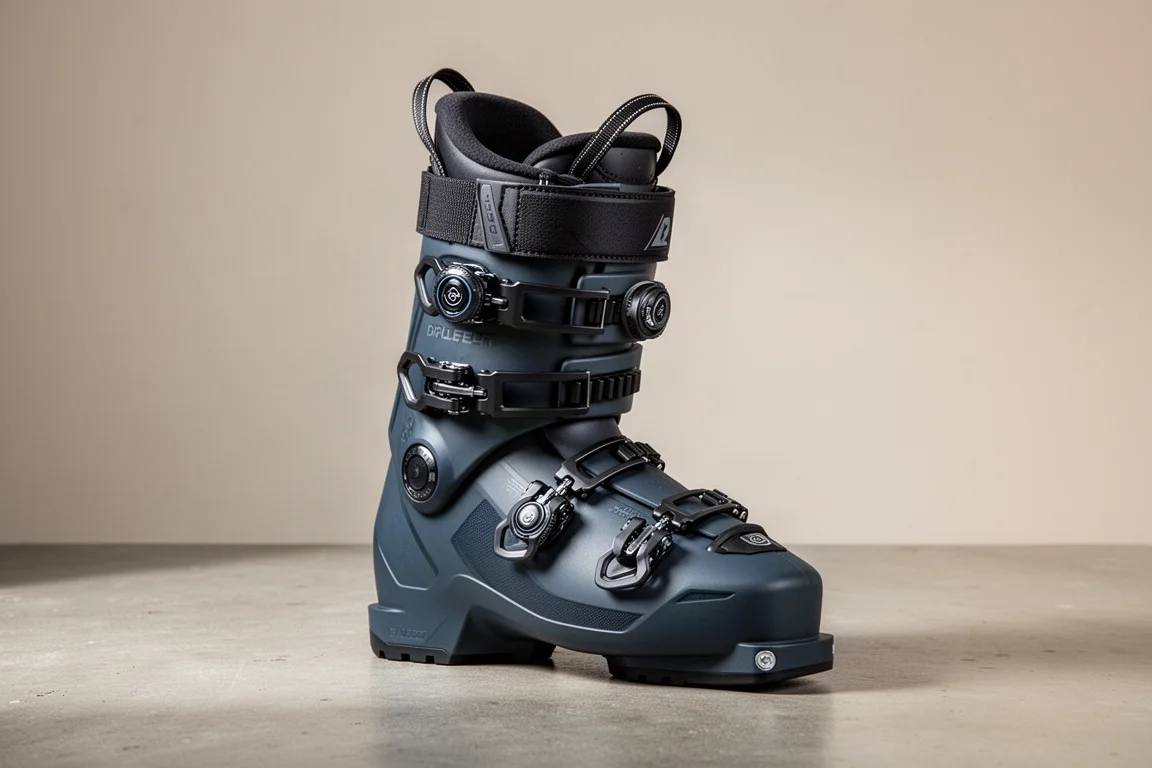
Fischer RC4 130 LV
The RC4 130 LV is the most user-friendly of the new high-performance group. It is still a heavy boot that skis really well, but the liner is comfier with softer material, and the layout is appealing: Boa on the lower shell, buckles on the upper, which allows fine adjustment exactly where it matters. Forward lean is 17 degrees, more than both the Remedy and the Cortex, and in weight and fit character it is closest to the Lange Shadow. A strong pick for the higher-performance LV category.
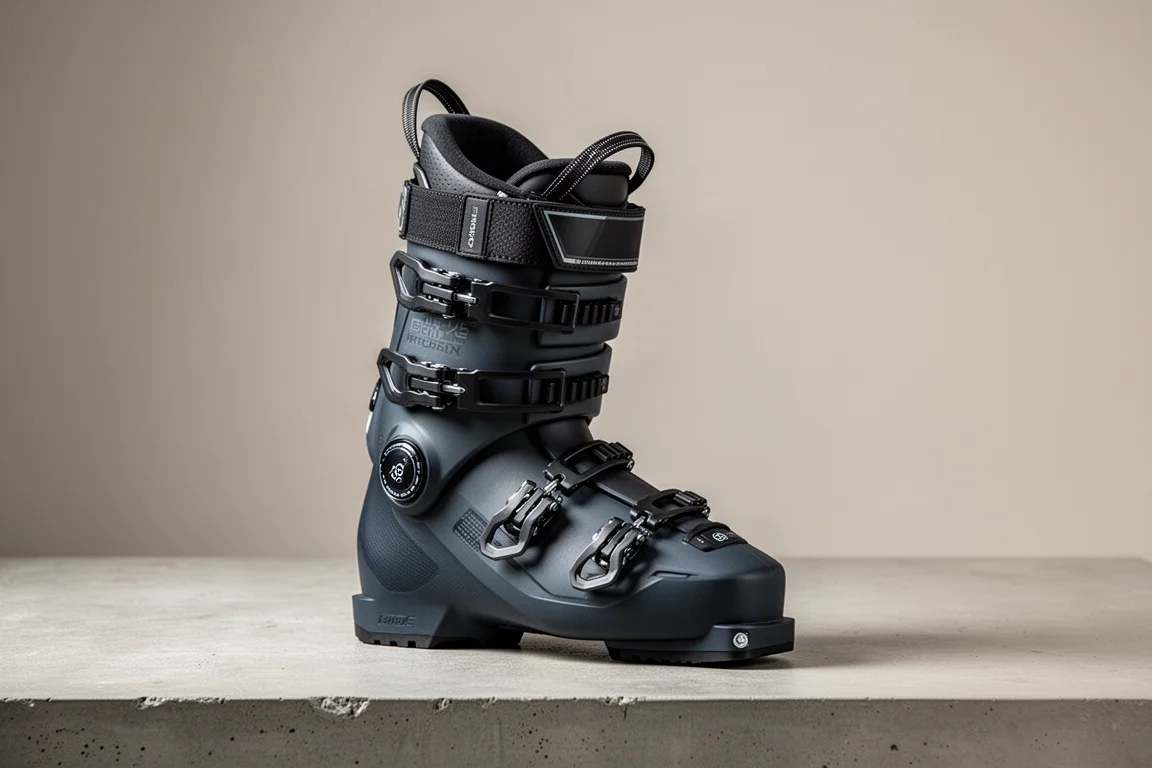
Lange Shadow
The Shadow was the boot on foot during the demo day, and it felt great throughout, including surviving one of the hardest falls of the season without issue. In the high-performance LV conversation, it serves as the familiar benchmark: proven fit, proven performance, no surprises.
Buying Advice
For most skiers, the decision comes down to an honest self-assessment. If you want one ski that does everything with a playful character, the Declivity 92 and the Atomic Bent are the safest bets. If soft snow and slashing are your priority, the Stranger and Kimbo reward a looser style. If you are mostly on groomers, do not overlook the Wingman Black Edition, and if you want premium precision on hard snow, the Montero AS and AR are exceptional.
For boots, the biggest takeaway is fit work. The Remedy 130 is the easiest to love out of the box, the Fischer RC4 130 LV is the most approachable high-performance LV option, and the Cortex rewards patience and a good bootfitter. If you go double Boa, ski the cuff fit carefully before committing, because tightening behavior is fundamentally different from buckles.
Conclusion
This was a strong season for both ends of the quiver: genuinely playful all-mountain skis that do not give up stability, and a new wave of powerful boots that finally make heavy performance comfortable. Match the tool to the terrain you actually ski, get the boots fitted properly, and any of these fifteen picks should serve you well for years.
Further reading
Related Reviews
Ski Gear
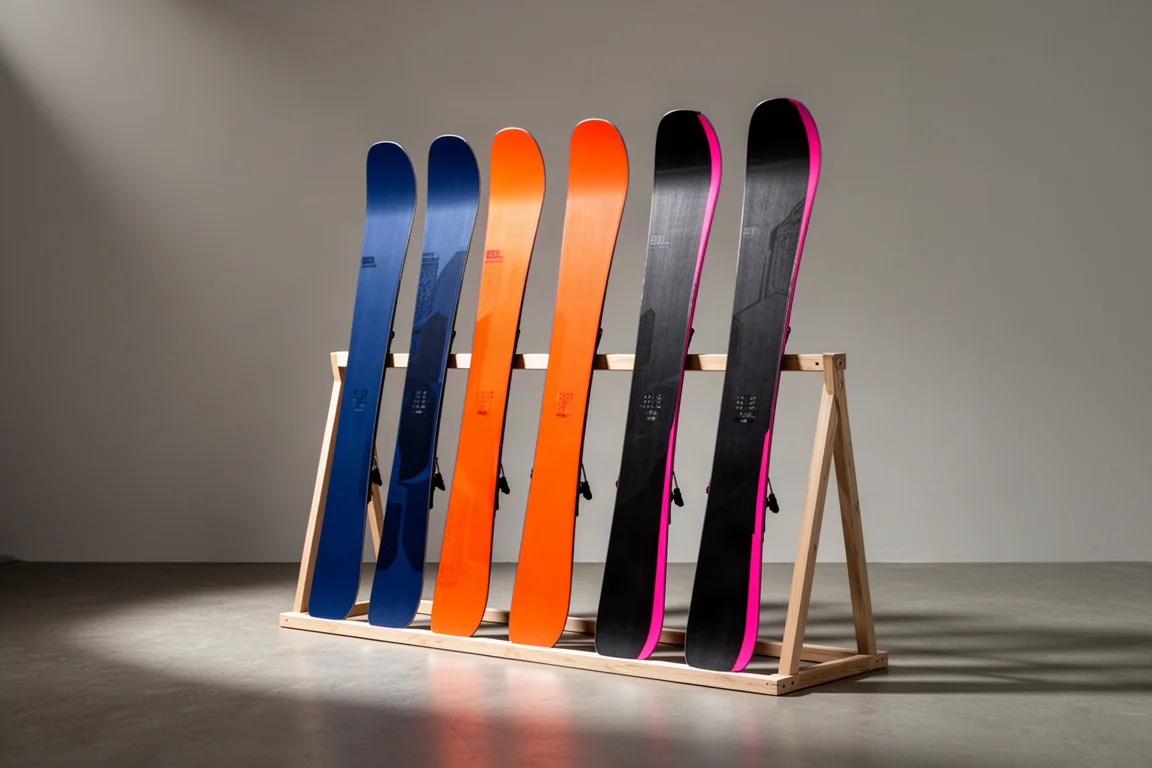
2023 Blizzard Hustle vs Rustler: Six Freeride Skis Compared
Blizzard's 2023 Hustle collection rebuilds the Rustler shape with a lighter core and no metal. Here is how all six skis differ, and which one suits your riding.
Ski Gear
2023 Skis of the Year: Atomic Maverick 88 TI, Salomon QST 106, and Look SPX 12 Pro
Three standout ski picks for all-mountain carving, powder days, and reliable binding performance, with practical buying notes for 2023 models.
Ski Gear
2025 Nordica Enforcer 104 Review: A Directional Charger Replaces the 104 Free
The 2025 Nordica Enforcer 104 drops the Free name and the twin-tip personality, gaining weight, stiffness and composure in rough snow. Here is what changed and who it suits.