Ski Gear
Building a Smarter Ski Quiver: Six All-Mountain Skis That Cover Every Condition
Six all-mountain skis that pair well together, from a hard-charging daily driver to a playful powder tool, based on real quiver planning scenarios.
Introduction
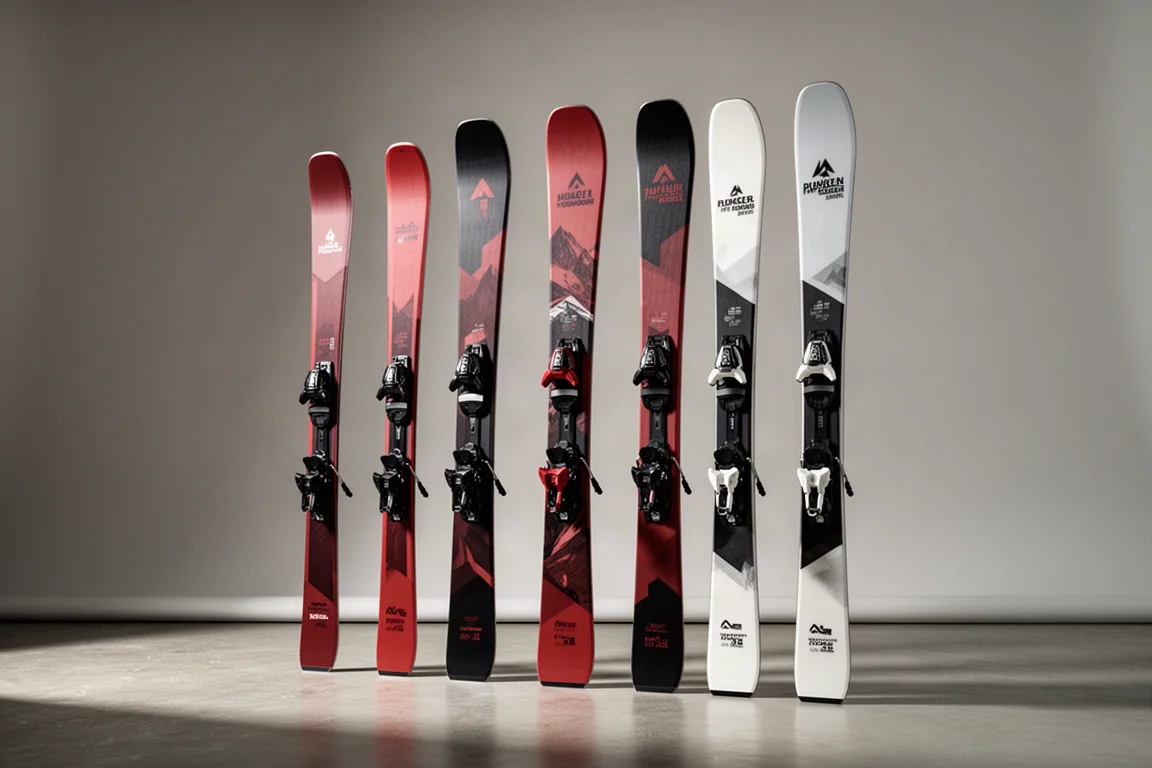
Most skiers eventually realize that no single ski does everything well. A hard-charging frontside ski that feels planted on firm groomers turns into hard work the moment you take it into bumps, and a wide powder tool feels sluggish the rest of the season. The smartest setups we keep coming back to are not built around one flagship purchase, but around a small, deliberate quiver: a daily driver, a crud buster, a short-radius or playful ski, and a powder option.
What makes a good quiver interesting is how little it has to cost. Time and again, well-planned setups assembled from clearance deals, demo skis, and patient secondhand hunting outperform big-budget one-ski collections. Below, we break down six all-mountain skis that keep proving their worth in exactly these kinds of setups, and explain where each one fits.
Why Quiver Thinking Beats One-Ski Thinking
The clearest pattern from real-world quiver reviews is that width and purpose matter more than marketing. A skier who rides mostly western resorts benefits from a mid-width ski around the 95mm range as a daily platform, a wider ski for soft snow at the end of the day, and something narrower or more specialized for firm mornings and short-radius turns.
There is also a safety angle worth taking seriously. Skiers who spend their days on narrow race-style skis can find themselves without much of a platform when snow softens in the afternoon, and the consequences of a high-speed crash on the wrong ski are real. A deliberately chosen quiver reduces that risk. Finally, do not assume newer is automatically better. Some model updates bring big improvements, while others are gradual, and an older ski that fits your needs can still be genuinely fun.
The Daily Driver: Atomic Maverick 95 Ti
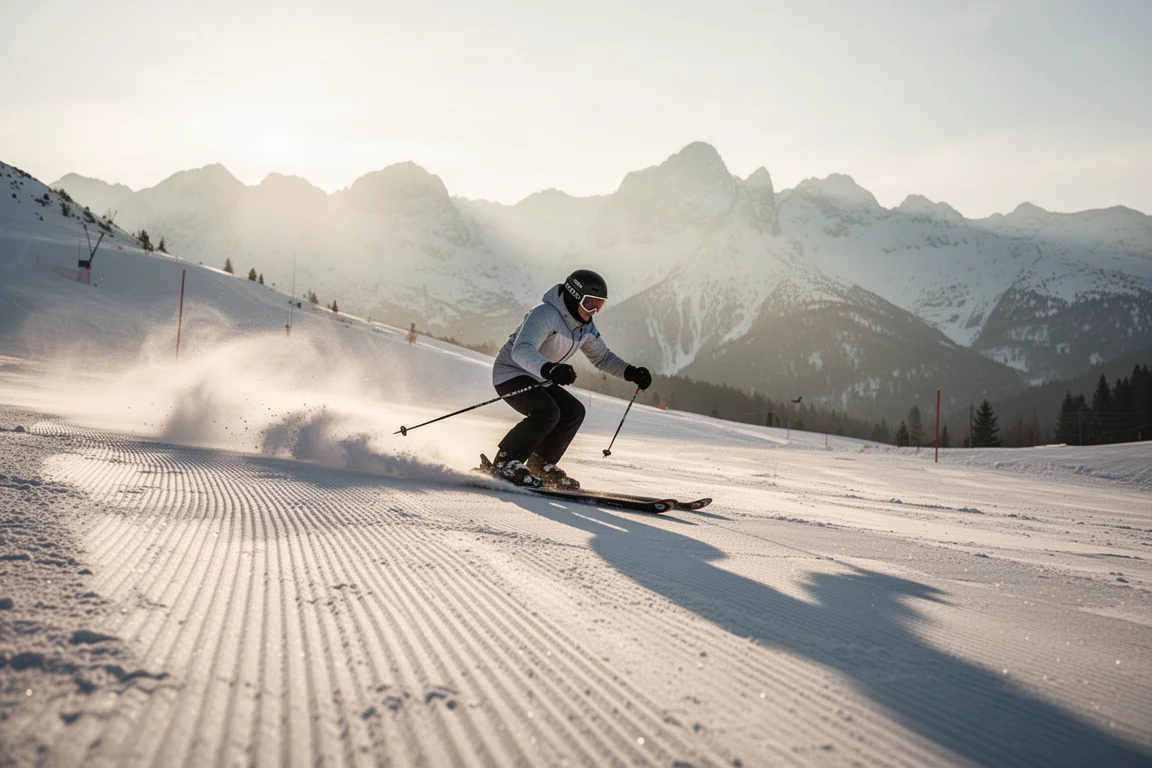
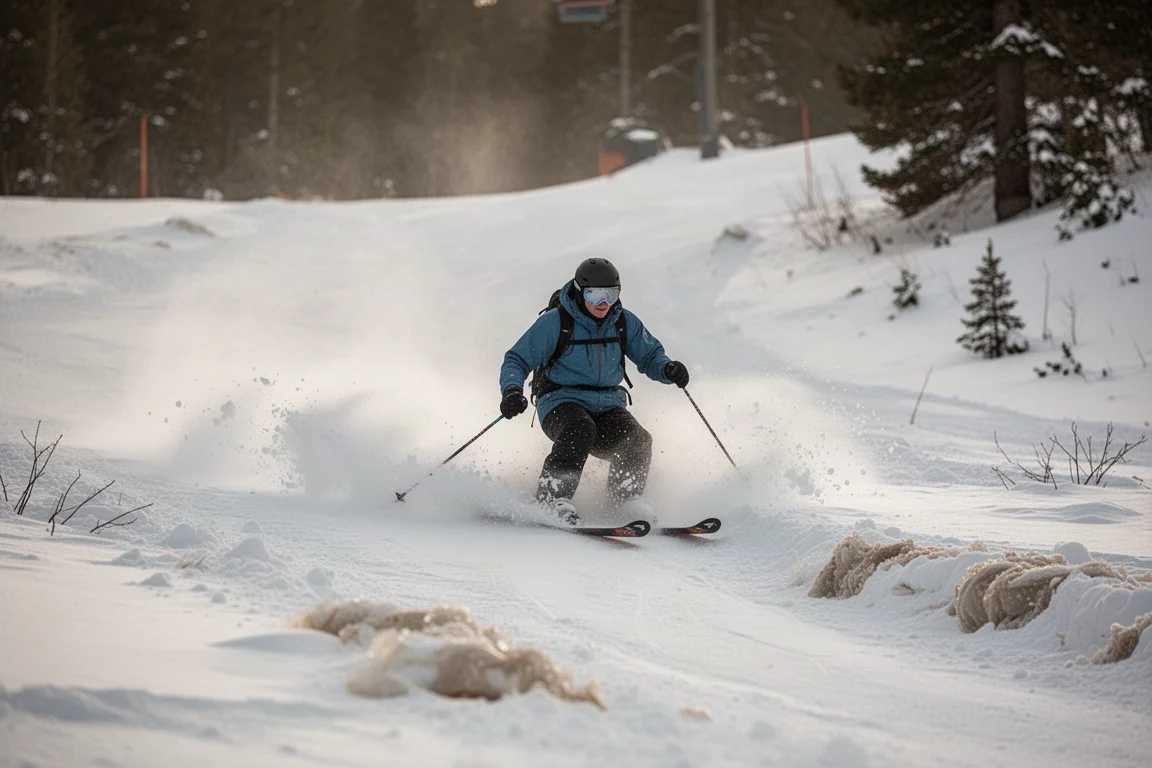
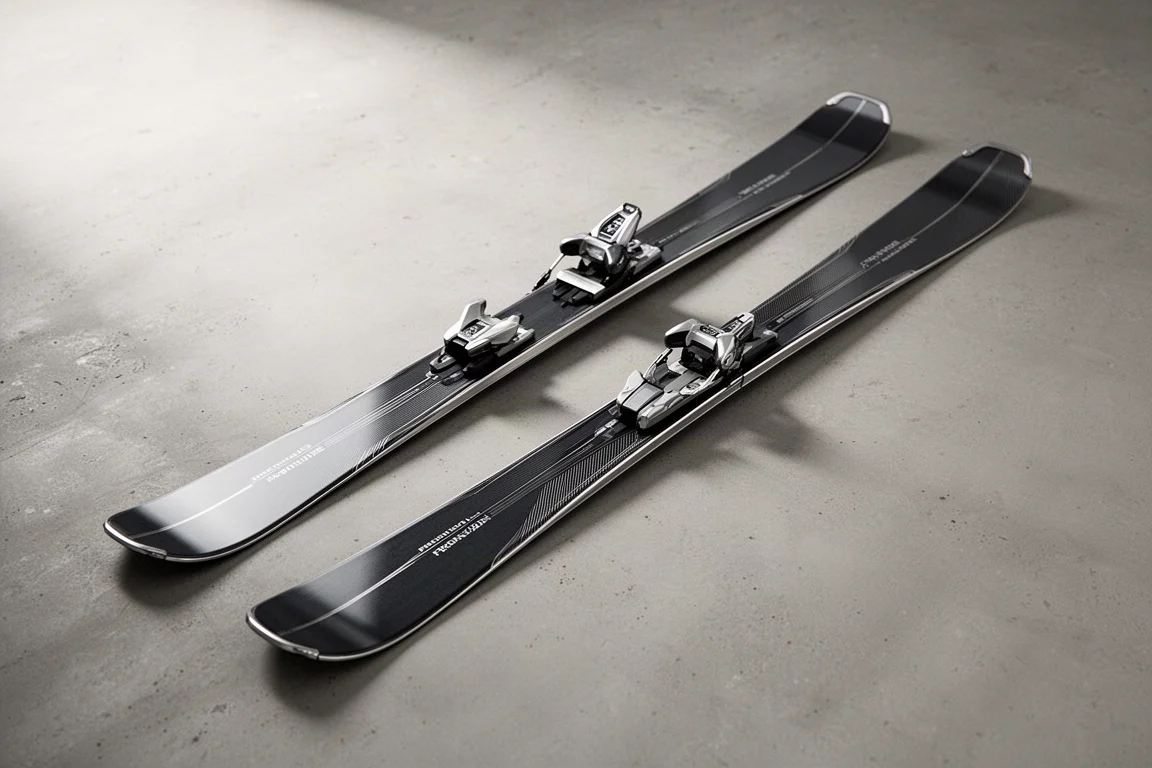
The Atomic Maverick 95 Ti has quietly become the kind of ski people buy after seeing a 95-96mm ski praised as a great western daily driver. It sits right in that sweet spot: enough width to give you a stable platform when the snow gets soft, still narrow enough to be enjoyable on firm morning corduroy. Snagging a pair on sale, as many have done on the secondhand market, only strengthens the case.
It fills the daily-driver slot of a quiver cleanly, leaving room for a dedicated crud buster and a powder ski without awkward overlap.
The Spring Crud Buster: Völkl M7 Mantra
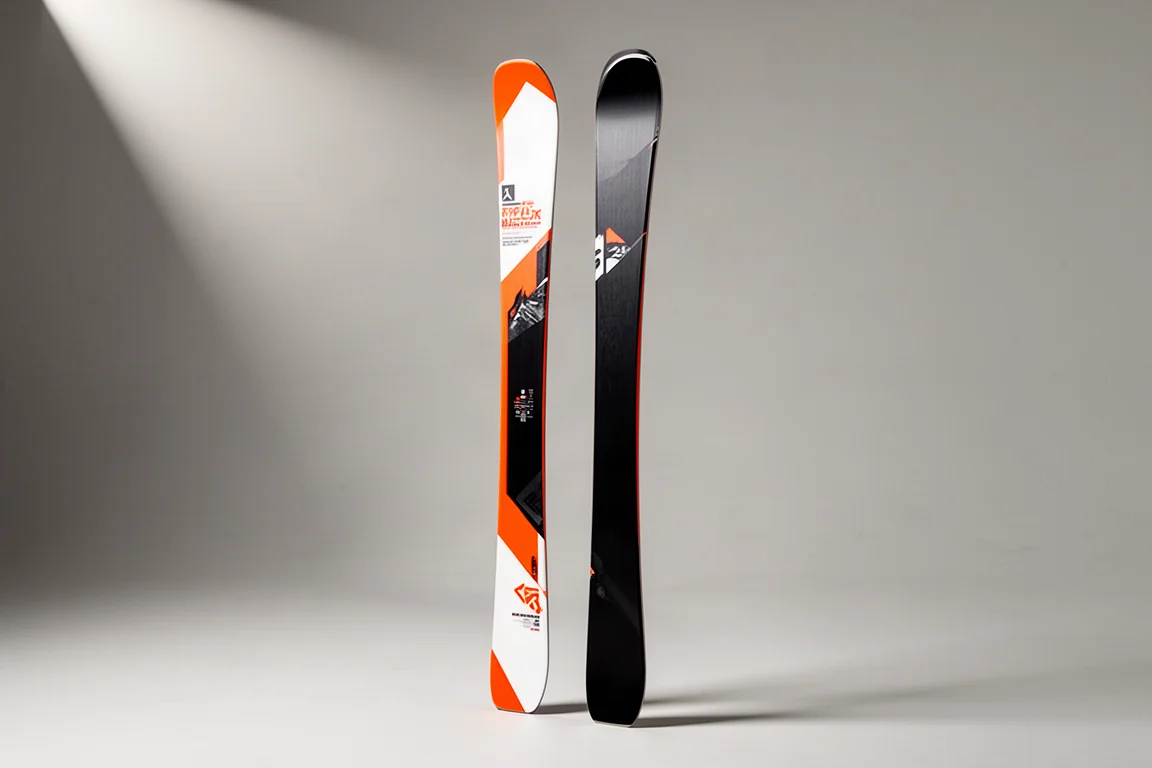
The Völkl M7 Mantra has earned a reputation as a top recommendation for spring skiing and cutting through crud, and it represents a meaningful step up from earlier Mantra generations. Where the older Mantra and Kendo shapes were great at going fast and busting through variable snow but demanded a lot of work in bumps and trees, the M7 is noticeably more forgiving while keeping the hard-charging character.
Demo skis with bindings mounted, picked up through reputable ski shops on the secondhand market, have made this ski one of the best value plays in the category, especially against its full retail price when bought new.
The Hard-Snow Carver: Stöckli Montero AR
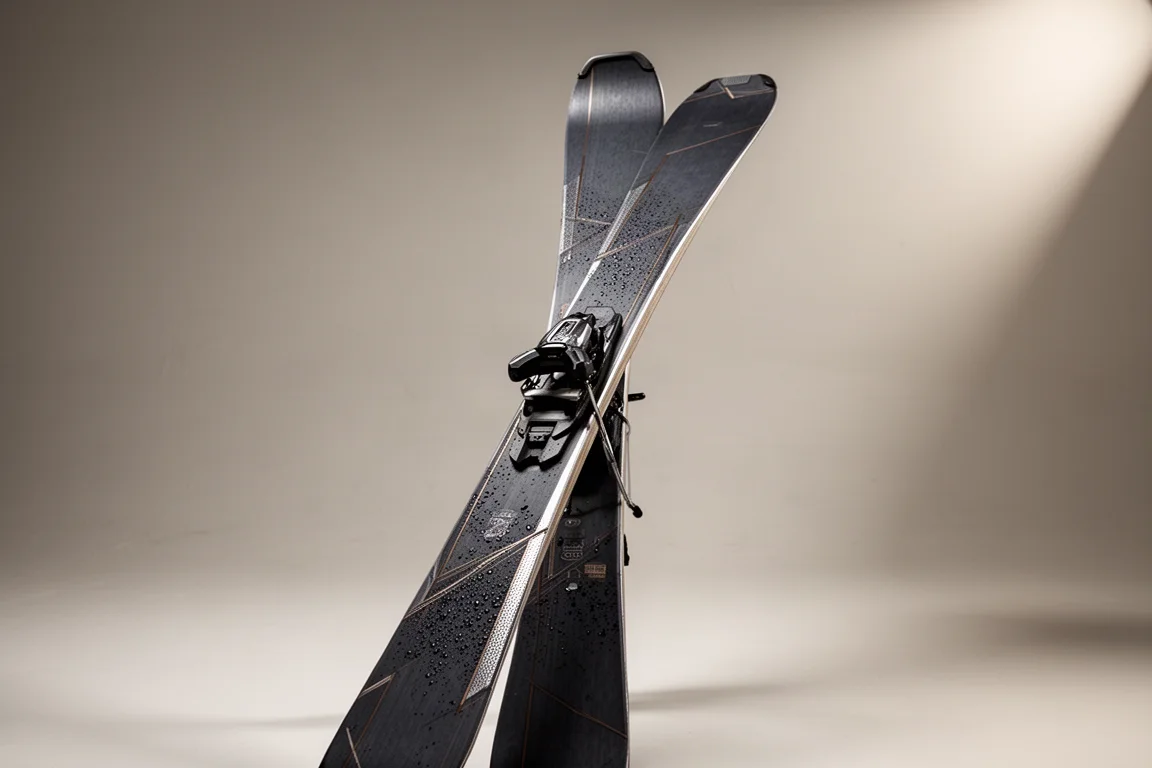
Some skis simply click. That is the story people tell about the Stöckli Montero AR: skiers set out to demo alternatives, tried the Montero AR first, and were so impressed with the carving performance that they bought it on the spot. It serves as both a daily driver and a dedicated hard-snow ski, and the damp, planted feel it delivers is the trait skiers describe wanting from the brand.
For skiers rebuilding an Eastern or firm-snow-focused quiver, the Montero AR is the natural anchor. It pairs well with a wider ski for deep days, and its shorter-radius character also makes it worth comparing against dedicated short-turning skis if quick arcs are your priority.
The Powder Specialist: Atomic Bent 110
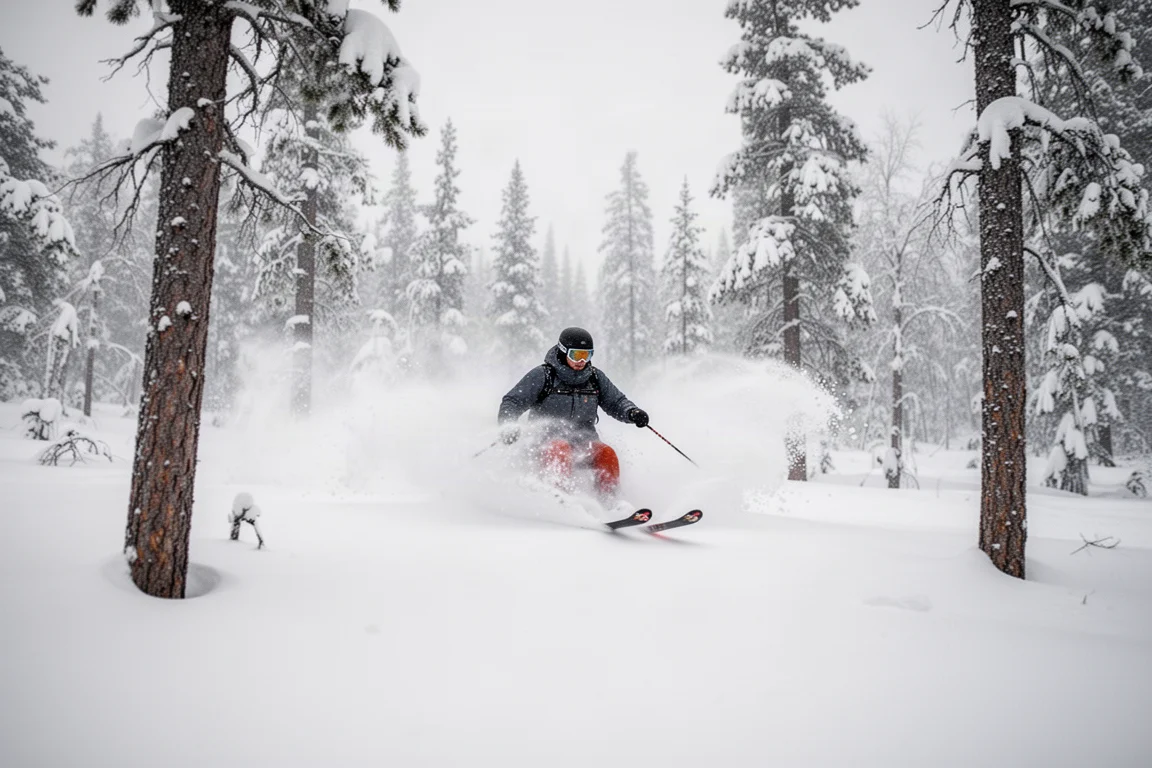
For dedicated powder days, the Atomic Bent 110 keeps coming up as the recommendation, largely because of how aggressively it gets discounted during seasonal sales. The heavily rockered tips and tails make these skis ride shorter than their stated length, which is worth factoring into sizing: many buyers deliberately size up, and taller, heavier skiers often prefer the longer lengths for flotation and cruise.
On mounting position, personal taste rules. A useful starting point for taller, heavier skiers is about one centimeter behind the factory recommended line: it preserves flotation and the way the ski cruises, whereas a more centered mount favors quick, swively turns in brush and tight terrain. If you are unsure, demo bindings let you experiment before committing.
The Playful Short-Radius Option: Elan Ripstick 96 Black Edition
When a hard-charging ski like the Mantra starts feeling like too much work in bumps and trees, the Elan Ripstick 96 Black Edition is the common prescription. It brings a more playful, easier-turning character for trees and moguls while keeping enough width to remain useful on soft snow.
It is a frequent upgrade recommendation for skiers rebuilding their quiver logic around two ideas: a damp, planted ski for grip and confidence, and a playful ski for everything tight and technical. Its turn radius sits on the longer end of the short-radius category, but it still covers the “fun, nimble” slot that a stiff charger never will.
The Do-It-All Travel Ski: Black Crows Justis
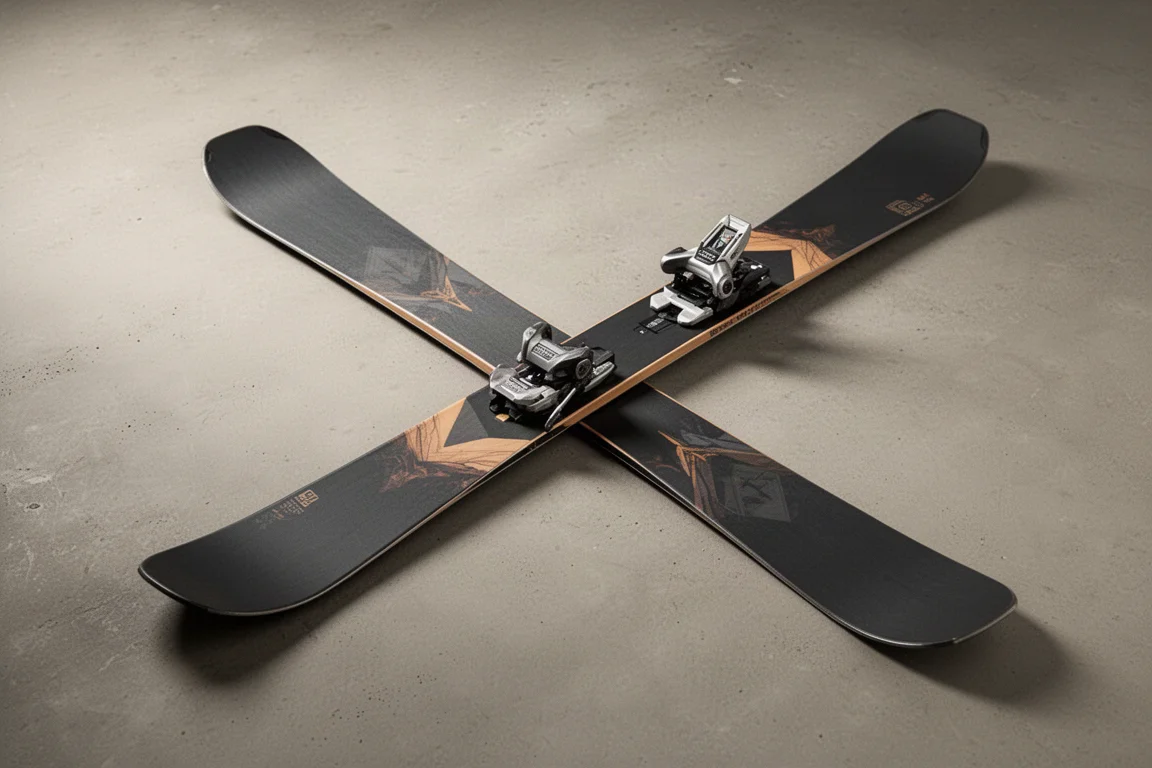
For a safe-bet travel ski that goes from resort mornings to unfamiliar destinations, the Black Crows Justis stands out. Its shape allows genuine carving while remaining versatile enough for variable conditions, and it has been described as a favorite travel ski for exactly that reason. It is not the most damp or the ultimate crud buster, so it works best alongside a ski that handles those duties.
If you want one ski to throw in the bag for trips to different mountains and snow conditions, this is the profile to shortlist. Demoing a pair of Black Crows Octo at the same time is also worthwhile if you want a more short-radius flavor from the same brand family.
Putting the Quiver Together: Buying Advice
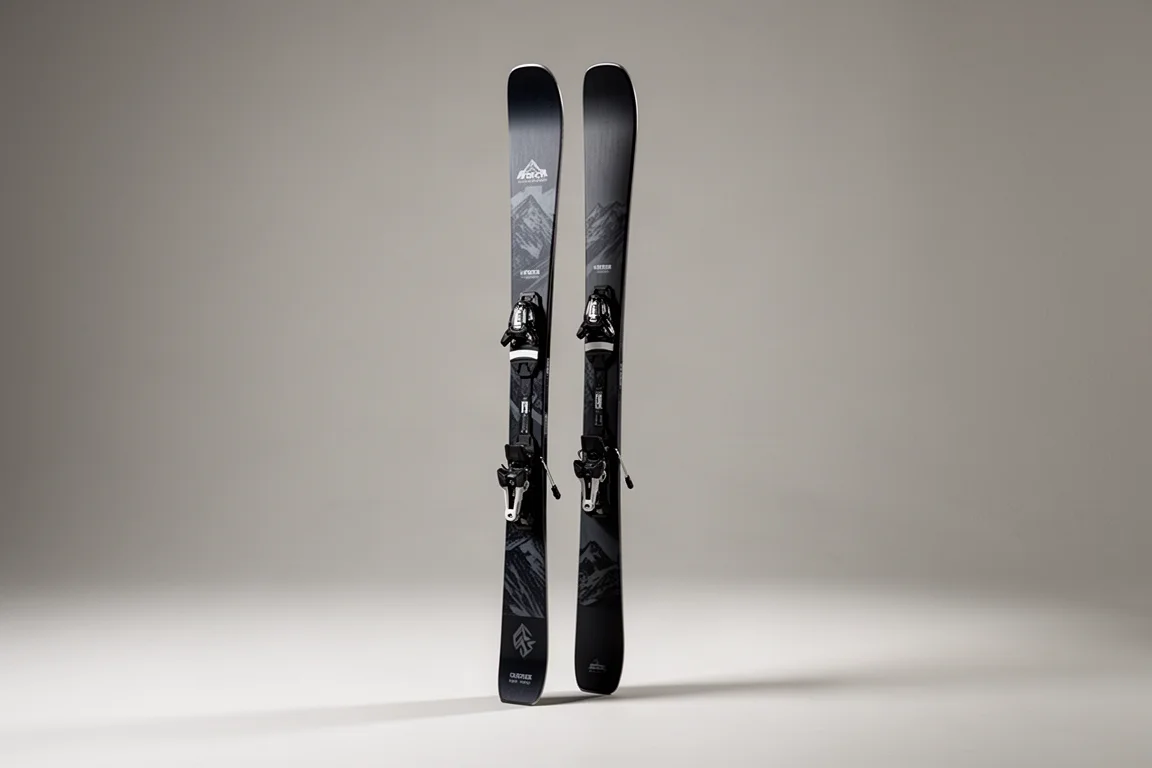
The strongest real-world quivers we have seen follow a simple formula: a daily driver around 95mm, a crud buster or spring ski like the M7 Mantra, a playful or short-radius ski, and a dedicated powder tool. Retired race skis and aging all-mountain skis can fill rock-ski duty, but be honest about what deserves a spot.
Two cautions apply to older gear. First, bindings on skis more than a decade old should be inspected by a shop before you trust them, especially in the backcountry where consequences are higher. Second, skis you no longer use have value: donate them, bring them to a ski swap, or sell them cheaply locally rather than letting them gather dust.
If you are buying new at retail, budget-conscious options like demo skis with bindings and end-of-season sales routinely cut hundreds off the price. And if your daily driver is getting old, it is worth demoing a narrower, more modern alternative before automatically replacing it with the same shape. A well-matched quiver bought patiently will outperform an impulse quiver every time.
Conclusion
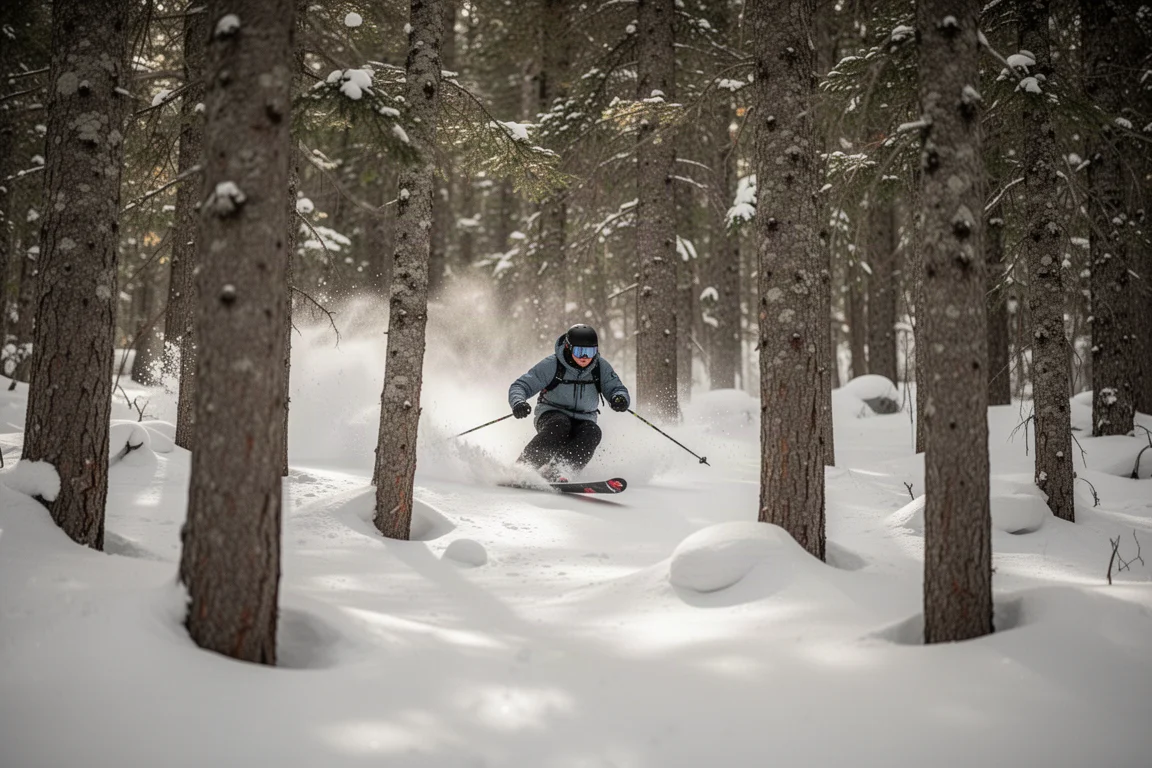
A great ski quiver is less about owning more skis and more about owning the right ones. The Atomic Maverick 95 Ti and Stöckli Montero AR cover the daily and hard-snow duties, the Völkl M7 Mantra handles spring crud, the Elan Ripstick 96 Black Edition brings playfulness to bumps and trees, the Atomic Bent 110 owns powder days, and the Black Crows Justis ties it all together as a travel ski. Match each purchase to a real gap in your setup, buy patiently, and retire what no longer earns its place.
Further reading
Related Reviews

Ski Gear
2023 Blizzard Hustle vs Rustler: Six Freeride Skis Compared
Blizzard's 2023 Hustle collection rebuilds the Rustler shape with a lighter core and no metal. Here is how all six skis differ, and which one suits your riding.

Ski Gear
2023 Skis of the Year: Atomic Maverick 88 TI, Salomon QST 106, and Look SPX 12 Pro
Three standout ski picks for all-mountain carving, powder days, and reliable binding performance, with practical buying notes for 2023 models.

Ski Gear
2025 Nordica Enforcer 104 Review: A Directional Charger Replaces the 104 Free
The 2025 Nordica Enforcer 104 drops the Free name and the twin-tip personality, gaining weight, stiffness and composure in rough snow. Here is what changed and who it suits.