Ski Gear
Best All-Mountain and Powder Skis 2026: Six Models Worth a Closer Look
Six standout ski models across all-mountain, frontside and powder categories, with the strengths and trade-offs to weigh before buying.
Introduction
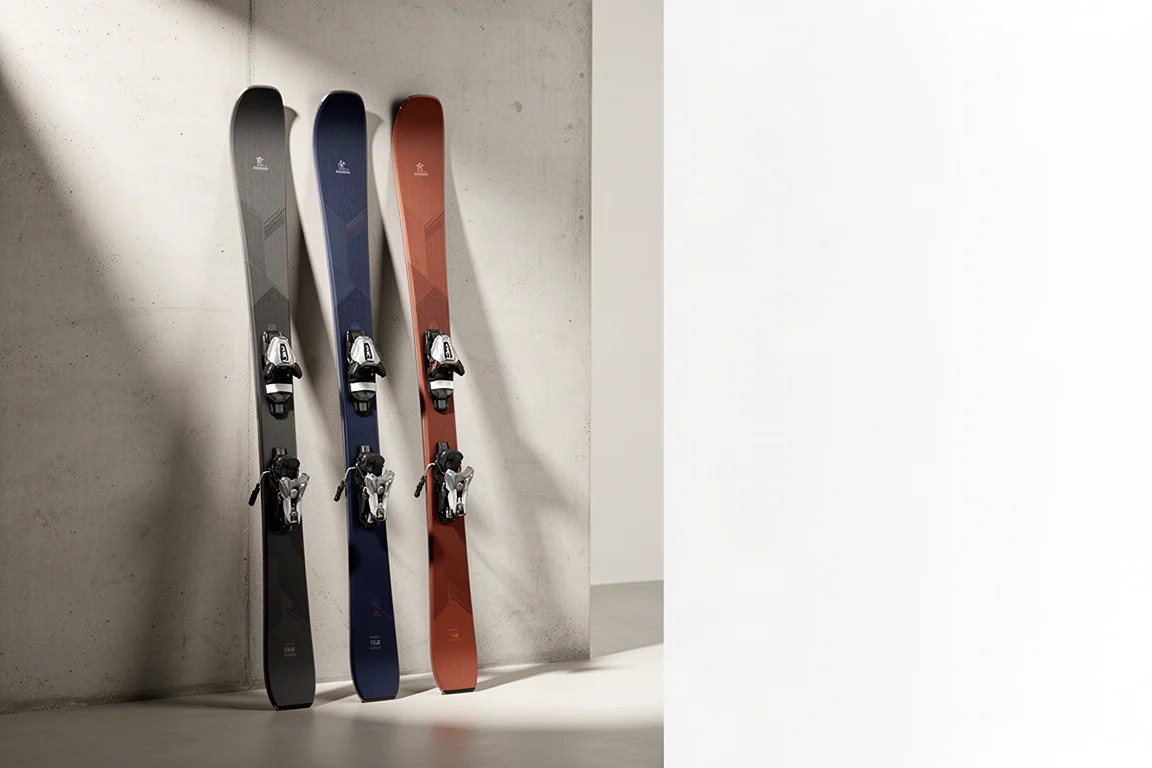
Ski lineups change quickly, and a strong reputation at the brand level does not always translate into a ski that suits a particular rider. The models below stood out within their categories: dependable all-mountain shapes that work in a wide range of conditions, a frontside-focused carver with reliable edge grip, and two powder skis built for soft snow and tree lines.
Each pick here earned its place through consistent performance rather than a single standout trait. Some are safe bets you could take almost anywhere, while others are more specialized and reward a rider who knows what kind of terrain they spend most of their time on.
Head Kore 93: A Dependable All-Mountain Choice
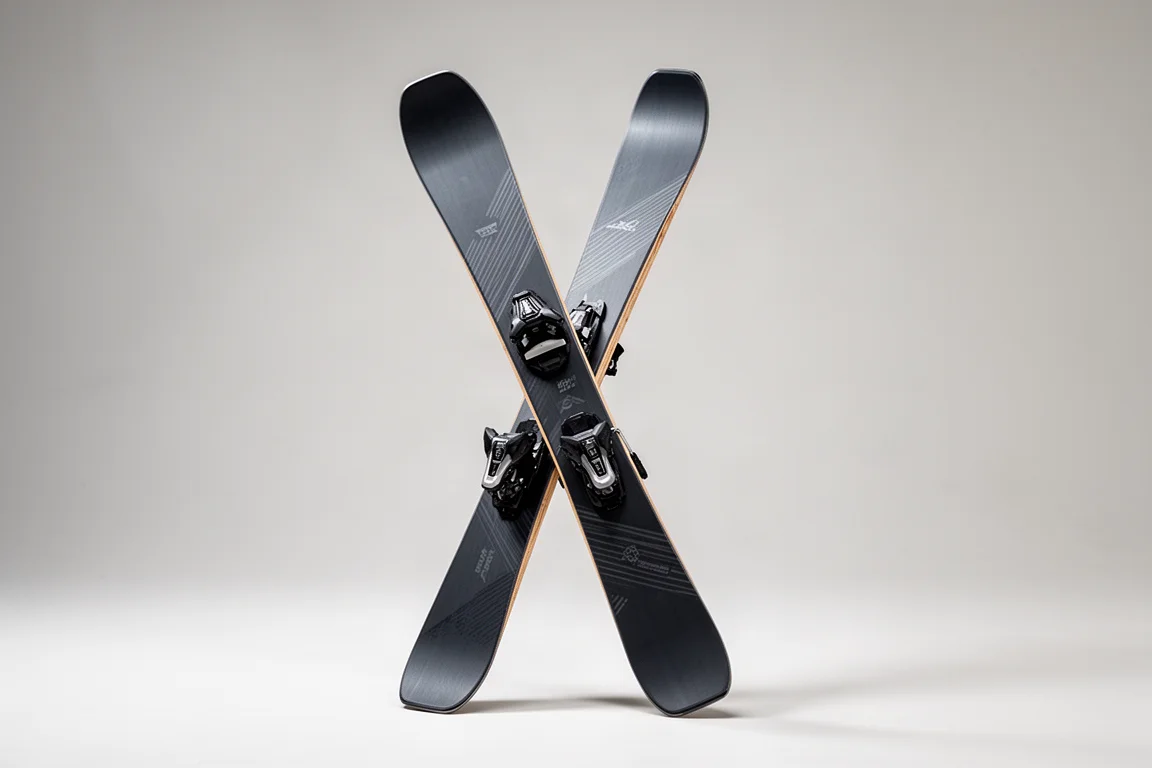
The Kore 93 has become one of the most reliable all-mountain skis in its class. It is the kind of ski you can take almost anywhere and expect it to behave predictably, which makes it a sensible choice for travel when you cannot bring a full quiver. Riders on the lighter side may also want to look at the narrower Kore 87, which carries a similar character in a more manageable platform.
The wider Kore 105 has a playful feel, and the Kore 99, while solid, comes across as a stretched version of the 93 without the same balance. The 93 remains the one most riders will get along with immediately.
Atomic Maverick 88 Ti: A Versatile Daily Driver
Atomic covers a lot of ground with the Maverick family. The 95 Ti and 100 Ti fill the gap above the 88 Ti, and the 105 CTi adds more surface area for softer days. Elsewhere in the range, the Bent 100 was reworked for 2025 and now delivers energy in and out of the turn, and the Backland is a strong backcountry option that also works well as a first powder ski.
The 88 Ti is the most versatile of the group and works as a genuine daily driver, handling groomed runs and softer conditions without demanding much from the rider. It is the pick here for anyone who wants a single ski to cover the majority of their days.
Atomic Bent 110: A Powder Ski for Tight Trees
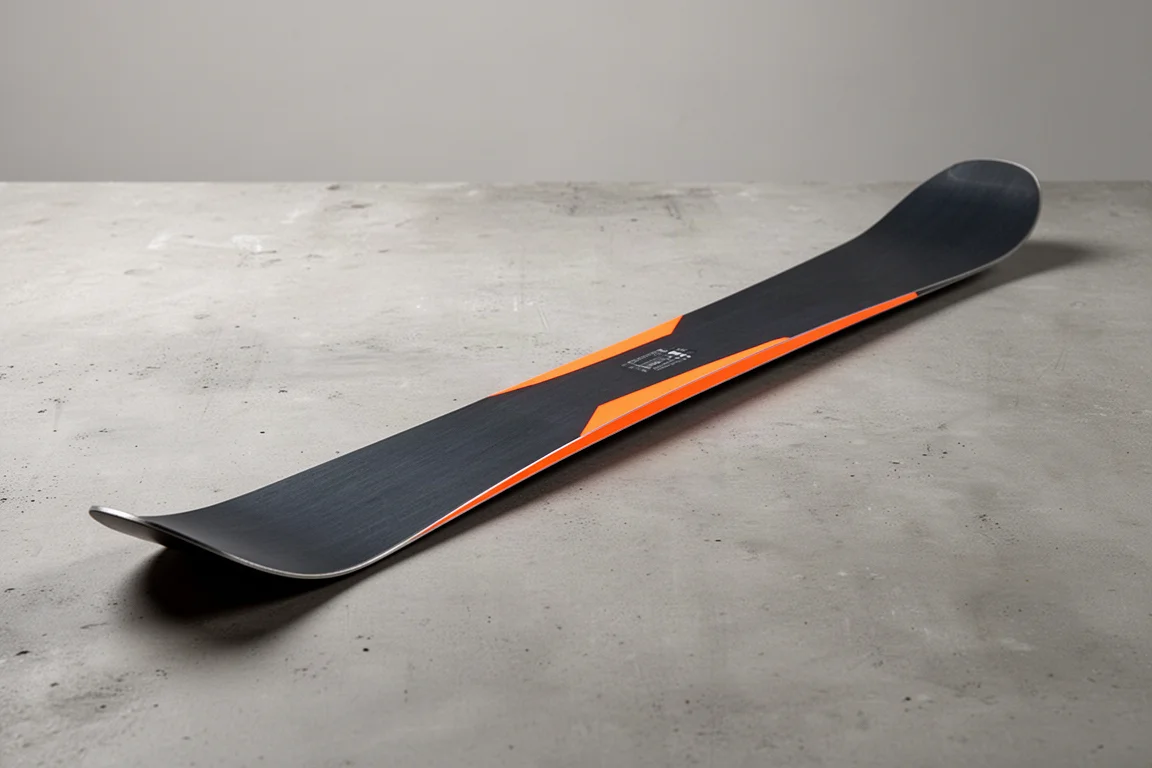
The Bent 110 is a playful powder ski that comes alive in soft snow and tight tree lines. It has the light, maneuverable feel that makes quick direction changes easy in terrain where you cannot afford to get hung up on the tips.
It is a specialist rather than an everyday ski. On firm groomed terrain it gives up some of the edge grip and stability that narrower all-mountain shapes provide, so it makes the most sense as part of a two-ski quiver or for riders who plan their days around fresh snow.
Volkl Kendo 88: Frontside Precision
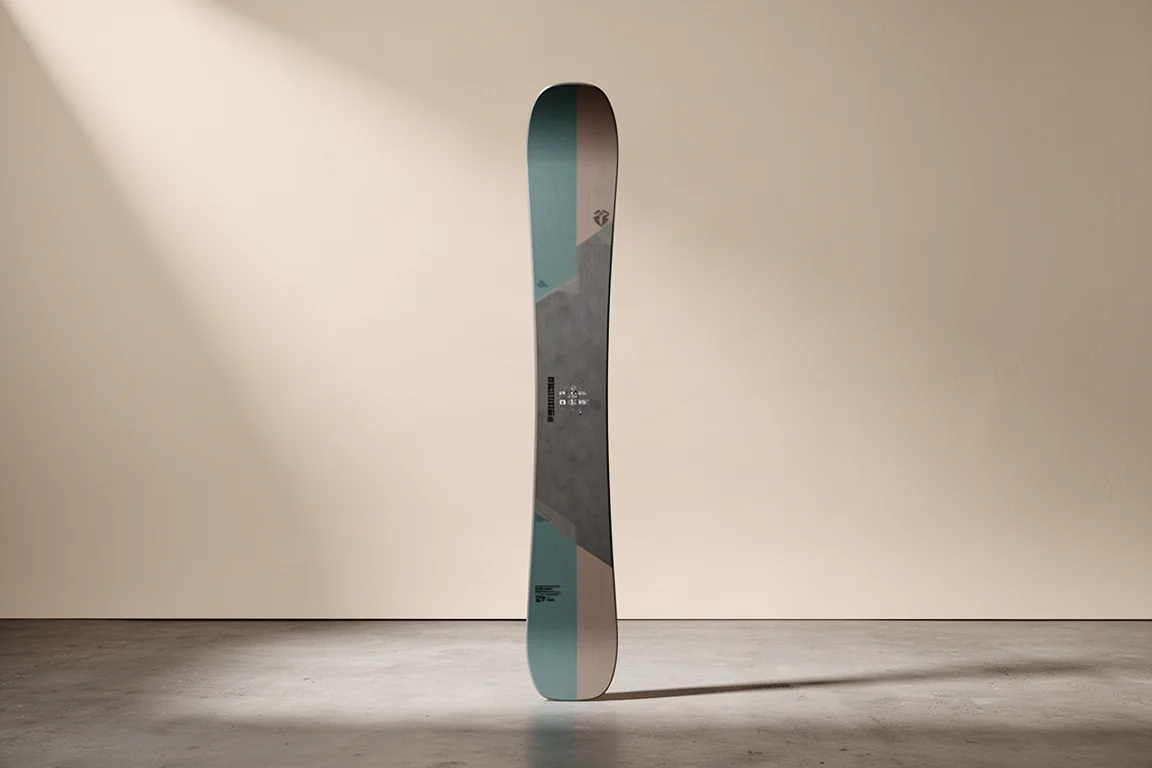
Volkl has a strong record with its narrower all-mountain models. The Kendo 88 is the standout, an 88mm ski with dependable edge grip and a consistent feel that makes it easy to trust on groomed runs. The Mantra M6 also performs well for riders who want a bit more width without giving up frontside character.
The Deacon, in the narrower widths, is aimed at intermediate skiers and did not leave the same impression. That is a fair trade for a lineup where the Kendo 88 is so strong. Riders who spend most of their time on piste and want a ski that holds an edge through firm morning conditions will get the most out of it, while deep snow days are better served by a wider shape.
Nordica Enforcer 99: A Crud-Cutting Charger
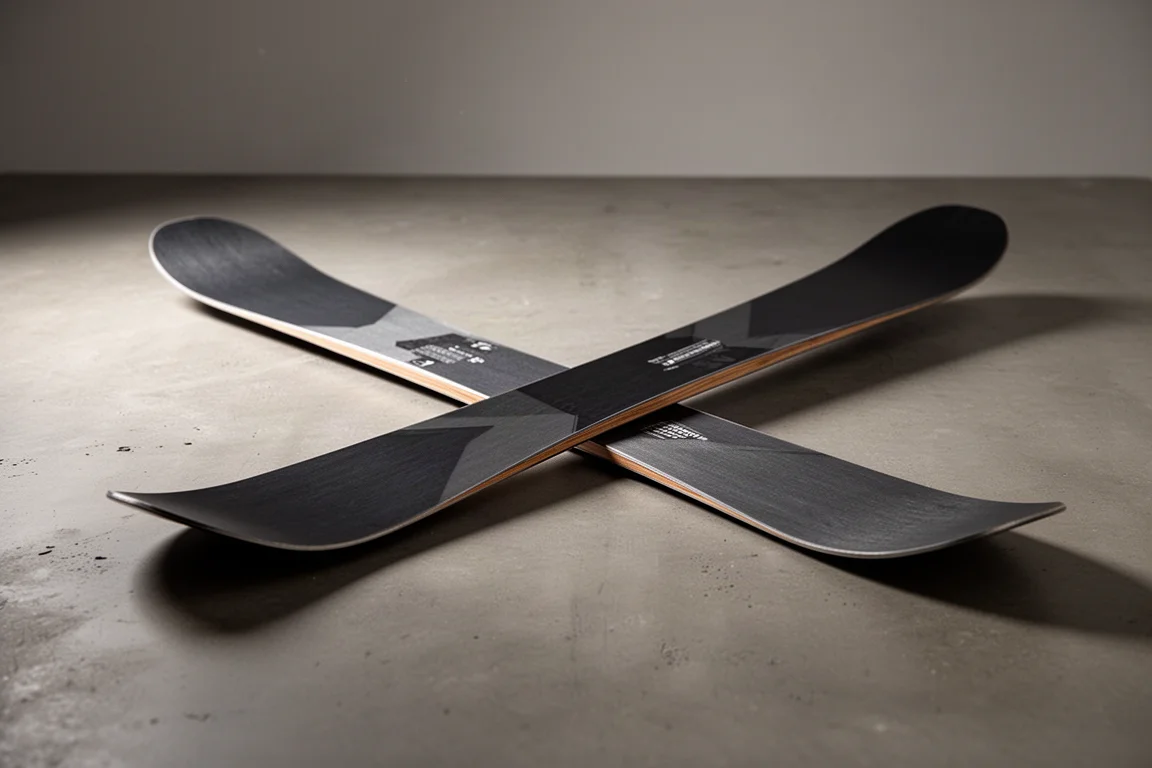
The Enforcer name has had an uneven run. The earlier Enforcer 100 was disappointing, feeling soft and failing to deliver much energy out of the turn. The updated Enforcer 99 is a different story and ranks among the strongest all-mountain skis for riders who want stability in variable snow.
Its strength is in chopped-up conditions, where the ski stays composed and keeps driving through the end of the turn. For anyone who skis a lot of tracked-out terrain or firm, wind-affected snow, that composure is the main reason to consider it.
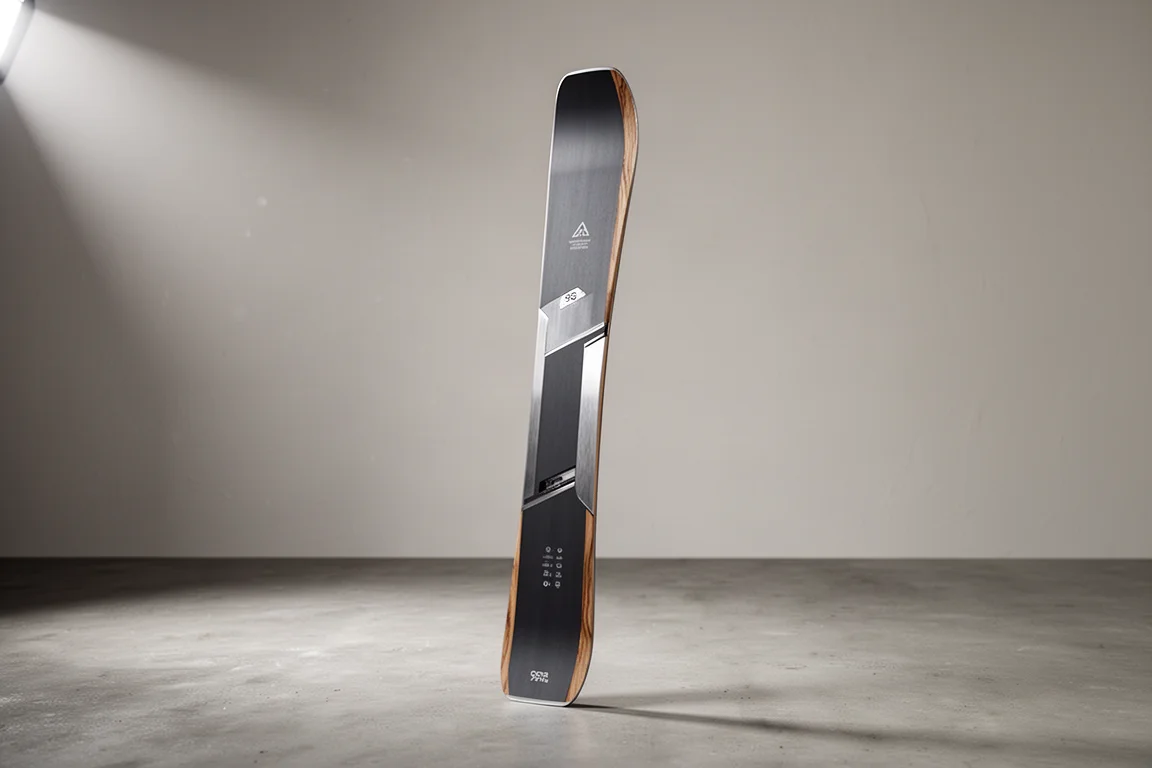
Salomon QST 106: A Powder Ski That Floats
The QST family is one of the most consistent in skiing. The QST 92 is one of the best value options available, a fun daily driver that stays floaty and playful off trail even if its turn accuracy is not its strongest trait. The QST 98 is a dependable safe bet for riders who want one ski to cover most days.
The QST 106 sits at the powder end of the range and is a favorite for soft snow, with a surfy feel that comes closer to snowboarding than most skis manage. Very wide shapes such as the QST Blank ask more of the rider and can feel like a lot of ski once the snow firms up.
Buying Advice
The right choice depends less on brand reputation and more on the conditions you actually ski. A rider who spends most days on groomed runs will get more from a narrower, frontside-focused shape like the Kendo 88 or the Maverick 88 Ti than from a wide powder ski that rarely sees soft snow.
If you split your time between groomed runs and off-piste terrain, an 88mm to 99mm all-mountain ski is the most flexible single-ski option. The Kore 93 and Enforcer 99 both sit in that range, with the Enforcer leaning toward stability in tracked snow and the Kore toward easy, predictable handling.
Riders who plan around storms should look at the powder end of the range. The Bent 110 and QST 106 are both built for soft snow, and either makes a strong second ski alongside a narrower daily driver.
Conclusion
These six models cover the main ways most riders use a ski, from frontside carving to deep-snow float. The Kore 93 and Maverick 88 Ti are the safest all-round choices, the Kendo 88 is the frontside specialist, the Enforcer 99 handles variable snow with confidence, and the Bent 110 and QST 106 are the picks for soft snow days. Matching the ski to the terrain you ride most is the surest way to end up with a pair you keep reaching for.
Further reading
Related Reviews
Ski Gear
2023 Blizzard Hustle vs Rustler: Six Freeride Skis Compared
Blizzard's 2023 Hustle collection rebuilds the Rustler shape with a lighter core and no metal. Here is how all six skis differ, and which one suits your riding.
Ski Gear
2023 Skis of the Year: Atomic Maverick 88 TI, Salomon QST 106, and Look SPX 12 Pro
Three standout ski picks for all-mountain carving, powder days, and reliable binding performance, with practical buying notes for 2023 models.
Ski Gear
2025 Nordica Enforcer 104 Review: A Directional Charger Replaces the 104 Free
The 2025 Nordica Enforcer 104 drops the Free name and the twin-tip personality, gaining weight, stiffness and composure in rough snow. Here is what changed and who it suits.