Snowboarding Gear
Best All-Mountain Freestyle Snowboards: 8 Directional Twin and Twin Picks
A practical guide to eight all-mountain freestyle snowboards, from stiff, damp chargers to lightweight, pressable decks, with notes on who each one suits.
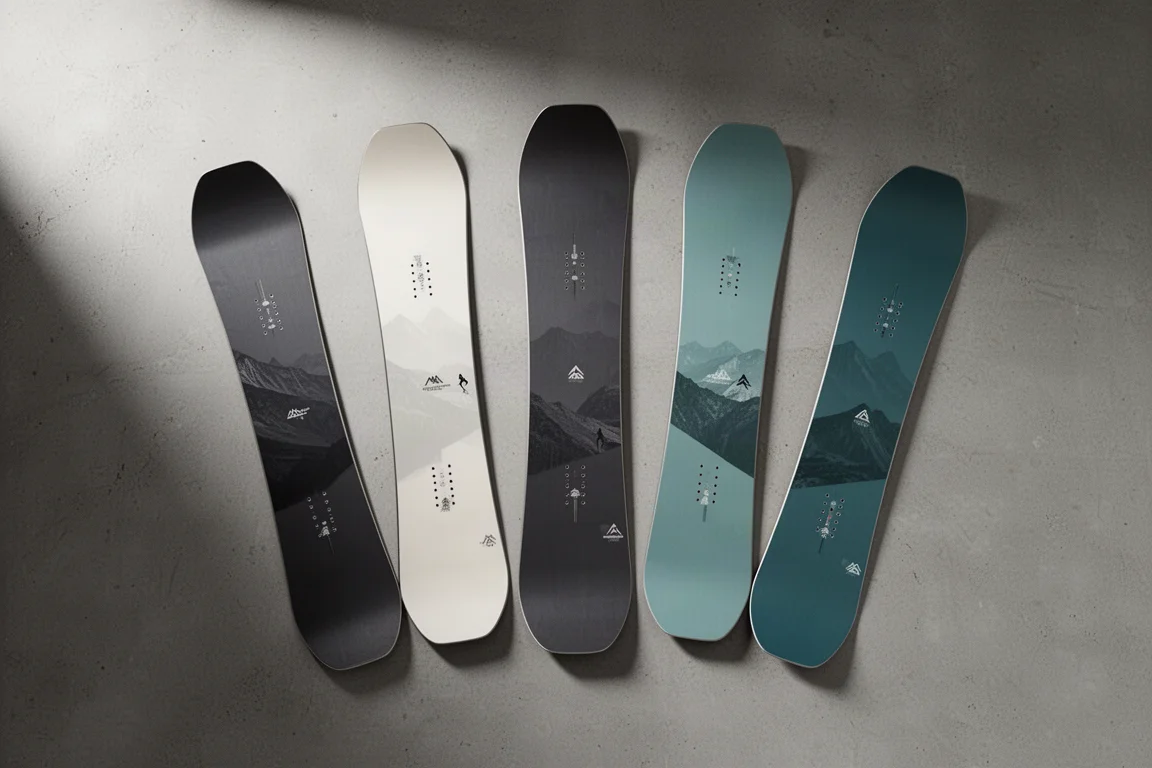
Introduction
All-mountain freestyle is the category that refuses to pick a side. These are boards built as directional twins or true twins, which means they can hold an edge on a groomer in the morning, absorb a park lap in the afternoon, and still keep their composure when the snow turns deep or chopped up.
The list below covers five ranked picks and three honorable mentions. Every board here is designed to be ridden across the whole mountain rather than narrowed into a single discipline, so the real differences come down to how stiff the flex is, how much damping the construction provides, how easily the board presses and butters, and how quickly it starts to feel like a deck you have owned for years.
If you want one snowboard that does not require a second snowboard, this is the shortlist.
How We Evaluated These Boards
The criteria are the ones that show up on snow: edge hold and grip on firm or icy sections, pop and snap when you load the tail, damping through crust and chunder, pressability in the park, float in powder, and base speed across long flat runouts. Construction details matter too, particularly edge-grip technologies and the way a core and sidewall are built, because those decide whether a deck feels lively or vague underfoot.
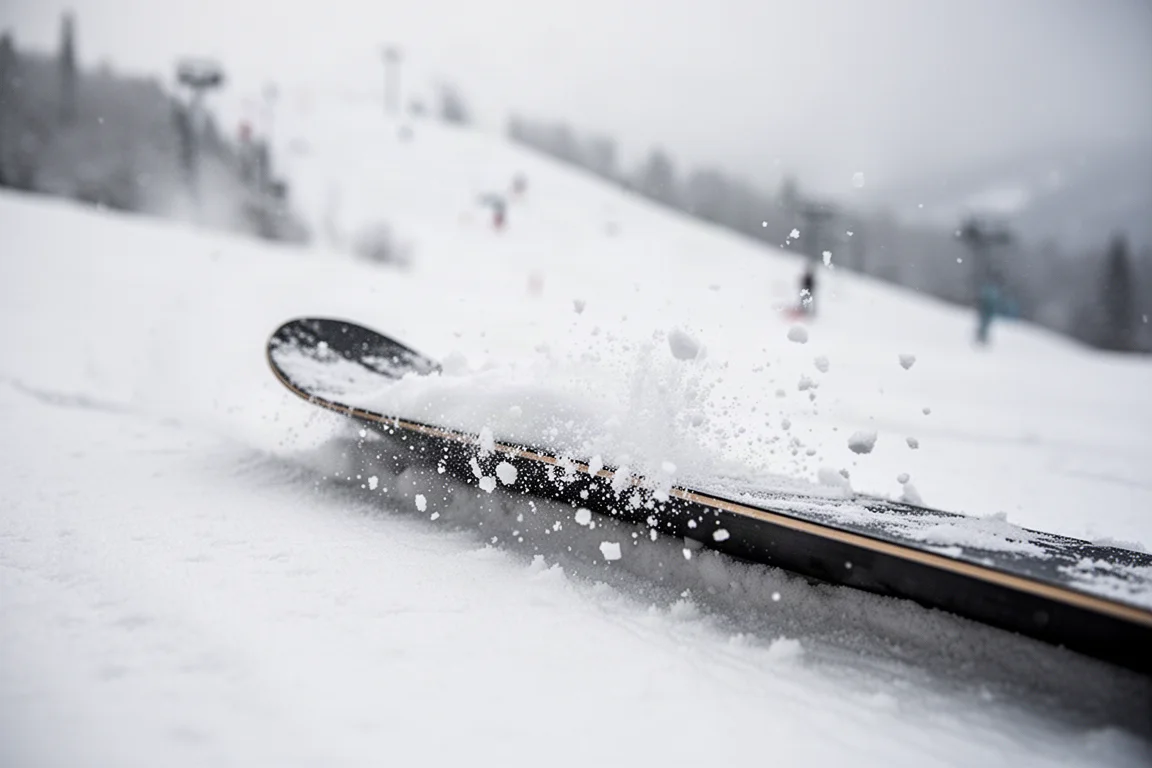
Flex is the biggest dividing line. A stiffer, more damp board cuts through rough snow and holds a line at speed, but it asks more from you when you want to press, butter, or ride switch in the park. A softer, more forgiving board is easier to manipulate but gives up some of that stability when the terrain gets aggressive. Which one is right depends entirely on what you are willing to trade away.
5. Amplid Singular
The Amplid Singular, rather than the Singular Twin, is the model that earns a place here. It cuts through crust and chop with ease, lays a trench when you commit to a turn, and offers solid pop and snap without ever feeling like a plank.
What stands out is how complete it feels across the whole mountain. It is the kind of deck that surprises you on the first run and then keeps delivering, because there is no terrain where it feels out of place or nervous. You can ride it all over the mountain and never have to think about it.
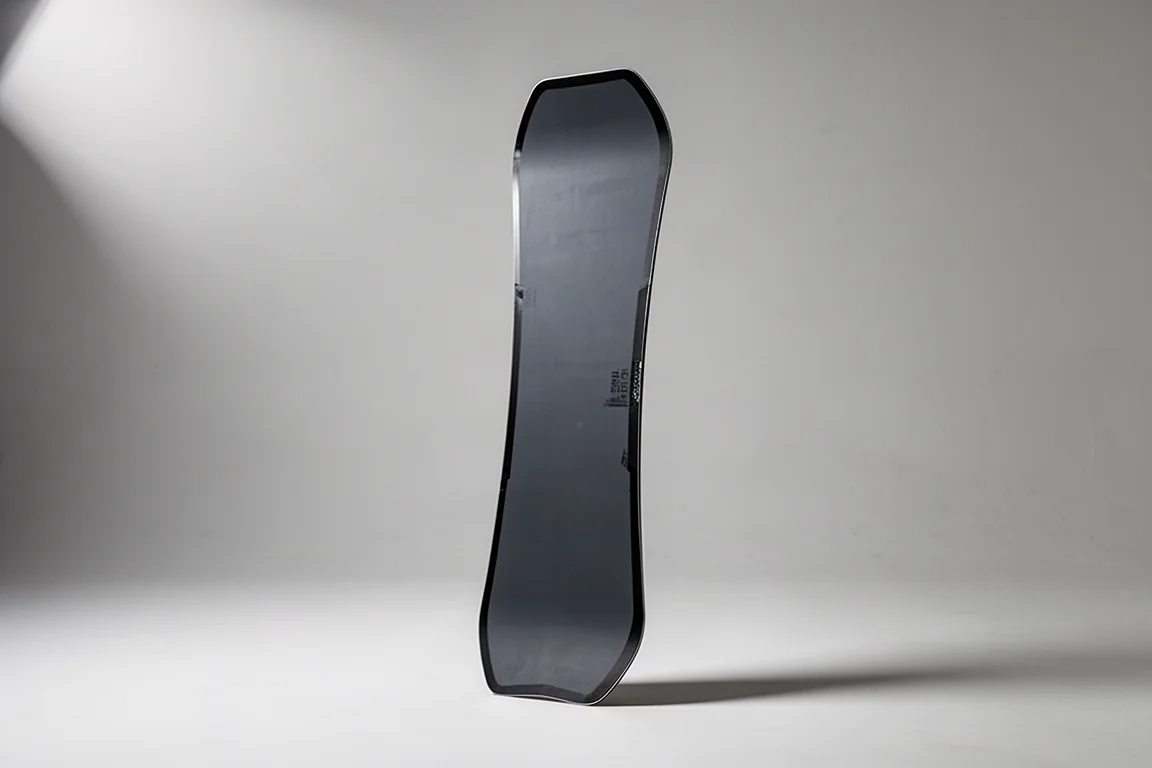
4. Wired Directive
Wired Snowboards is a Canadian brand with a designer who has spent a long career in the snowboard industry and shaped a lot of well-regarded decks, and the Directive reflects that experience. It sets an edge with relative ease, which makes carving feel natural rather than forced.
Away from carved turns, the Directive stays playful. It is buttery in the tips yet stable underfoot, so a small bump in the trail becomes an opportunity to pop rather than a moment to brace for. It is a deck you can do everything with, and it rewards riders who like to mix carving and airtime into the same run.
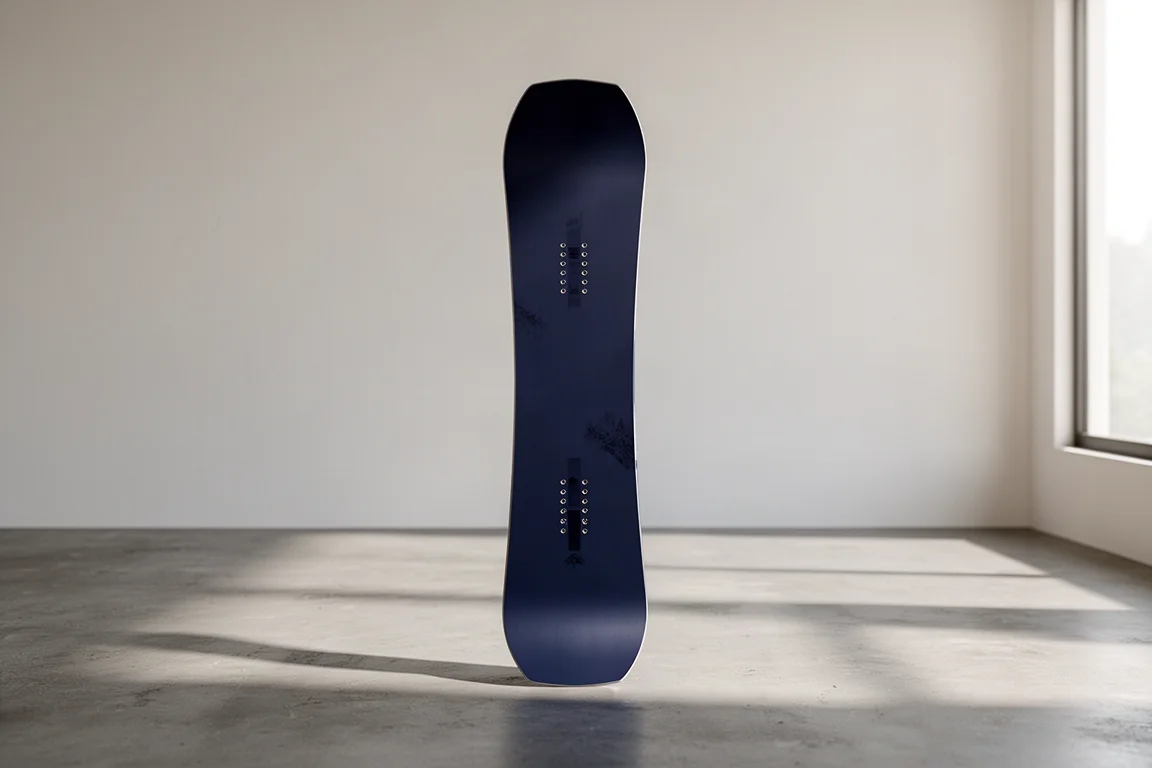
3. Lib Tech TRS
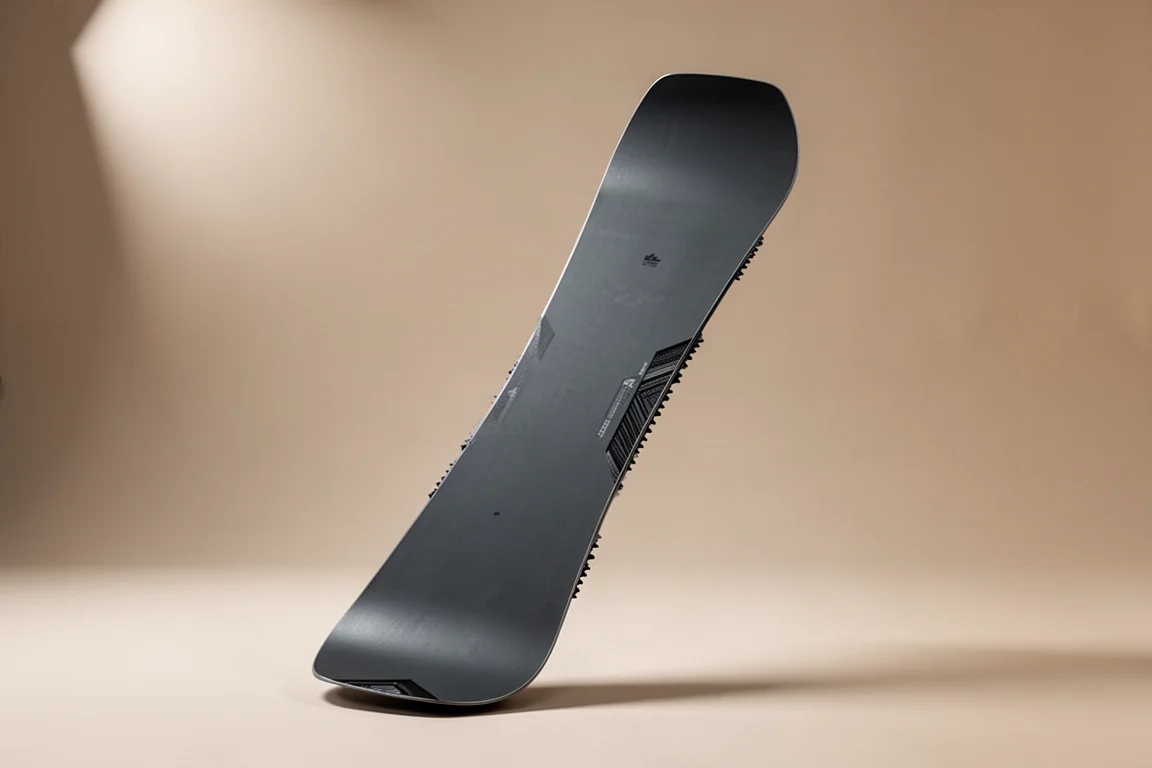
The TRS is the stiffest board on this list, and that is the whole point. It is aimed at riders who want something more aggressive and more damp, with a measured amount of Magne-Traction in the edge profile so the board sets an edge and locks in when the snow is firm or variable.
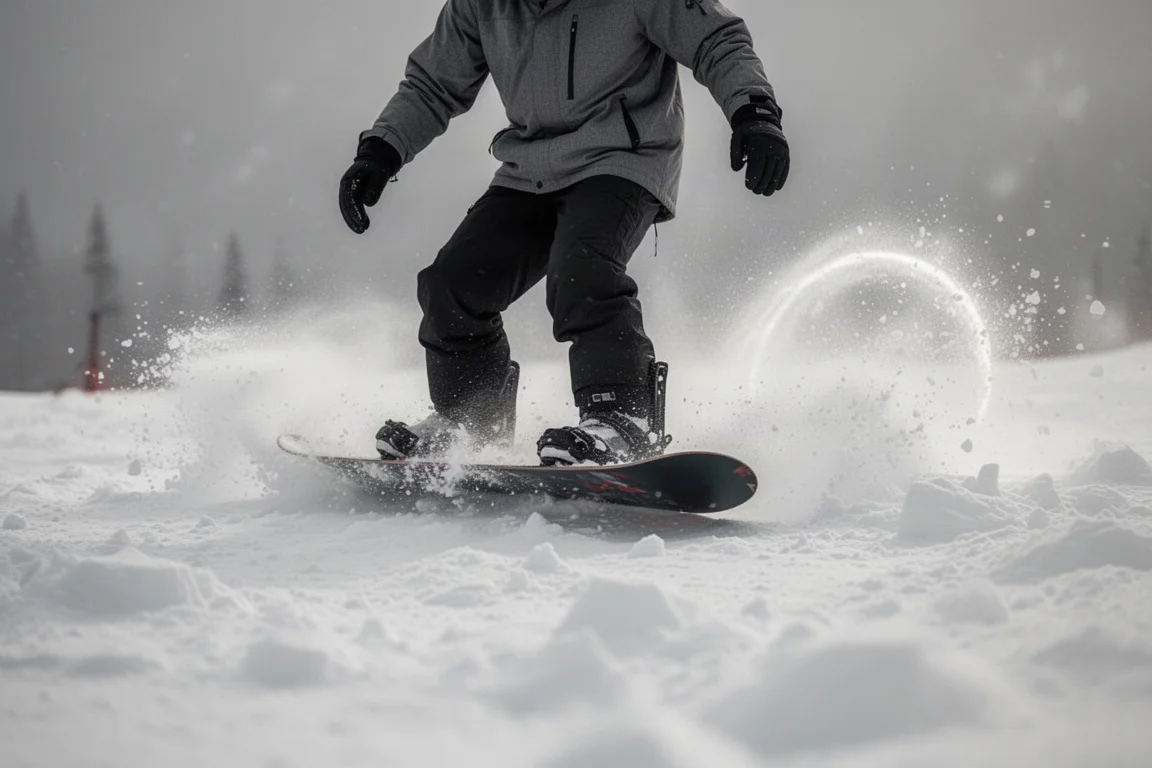
That stiffness has a cost. The TRS busts through chop and chunder with real authority and holds its composure at speed, but it is harder to press and butter than the softer options here. If your priority is a stable, aggressive ride rather than a park-friendly flex, that trade-off is worth understanding before you buy.
2. Ride Shadowban
The Shadowban uses a Slim Wall construction that adds grip along the edge and contributes damping to the ride, which is why it feels planted when you lean into a turn. It also has exceptional pop, the trait Ride boards are known for, so it boosts willingly off natural features and side hits.
Pressing takes a little more effort than on a dedicated park deck, though less than on the stiffest boards in this list. The good news is that it breaks in and settles into a feel that resembles a board you have ridden for years. Solid in powder, solid on a groomer, solid in the park: you can do everything with it and go into autopilot while you ride.
1. Spring Break Resort Twin
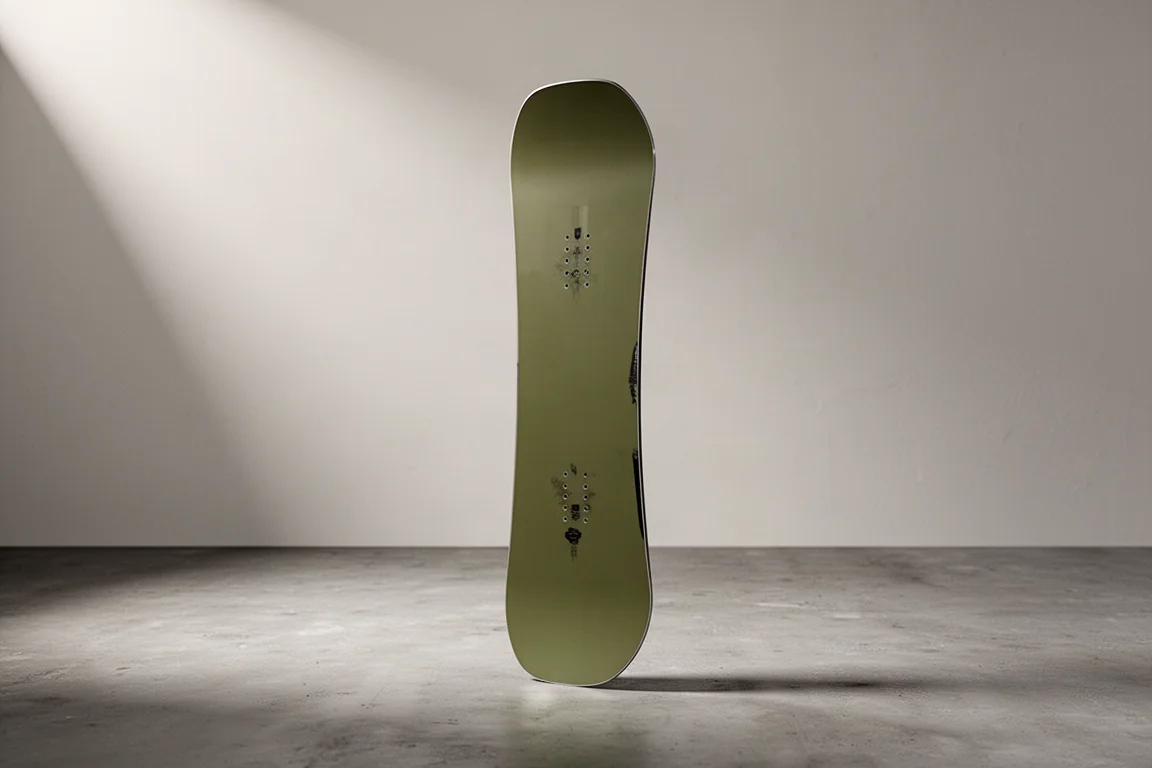
The Resort Twin is the most versatile board here. It rails turns, it pops, it is easily pressable, and it floats decently in powder, which is exactly the combination you want from an all-mountain freestyle deck.
It is also lightweight, and the base finish holds speed well, so flat runouts do not drain your momentum. The overall impression is a board that does everything well rather than specializing in one thing, and that versatility is what puts it at the top of this list.
View more details for Spring Break Resort Twin
Honorable Mentions
These three boards are all strong options that narrowly missed the top five. They are worth a look, particularly if your priorities differ from the ranking above.
Signal Sierra
The Sierra is a beefier board, roughly on par in stiffness with the stiffest options on this list. It lays a trench and boosts when you really push it, which makes it a satisfying choice for riders who like to ride aggressively. Signal is also a brand where deals tend to show up later in the season, which matters if you are watching your budget.
Jones Mountain Twin
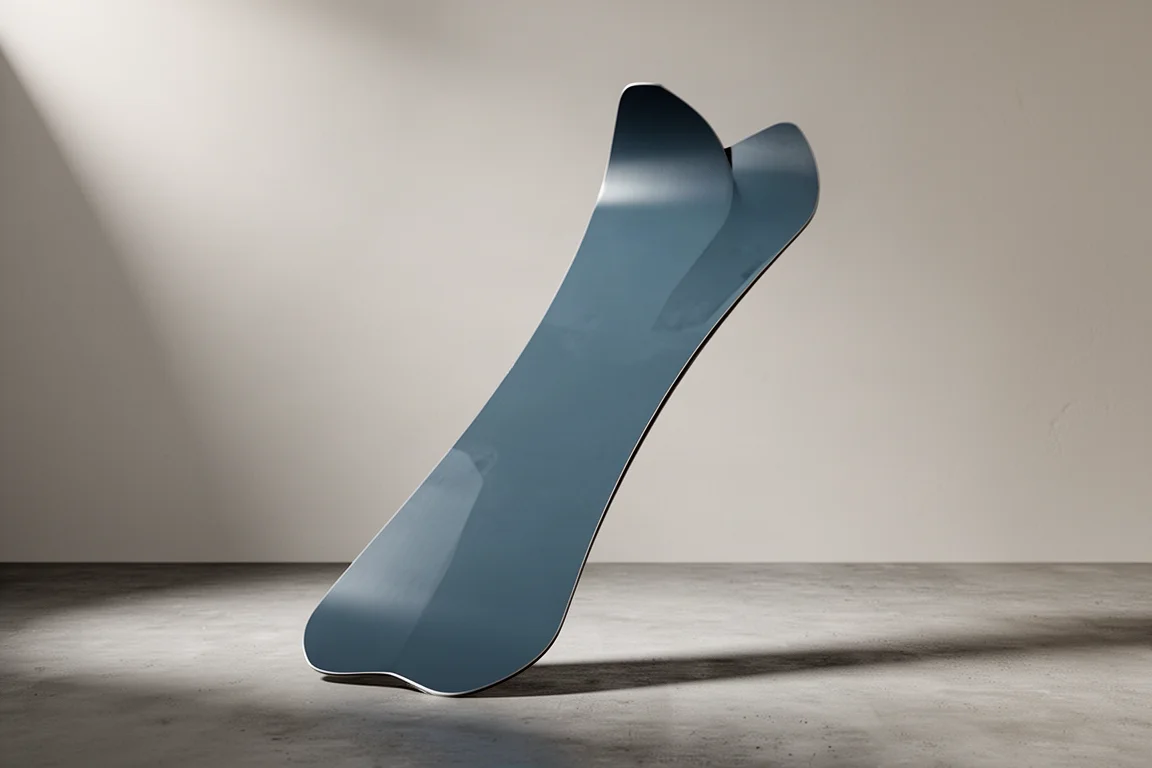
The Mountain Twin uses cam rocker with extra contact points underfoot and a little 3D shaping in the nose and tail. The result is a well-balanced board that handles everything you point it at without demanding much in return.
View more details for Jones Mountain Twin
Capita Mercury
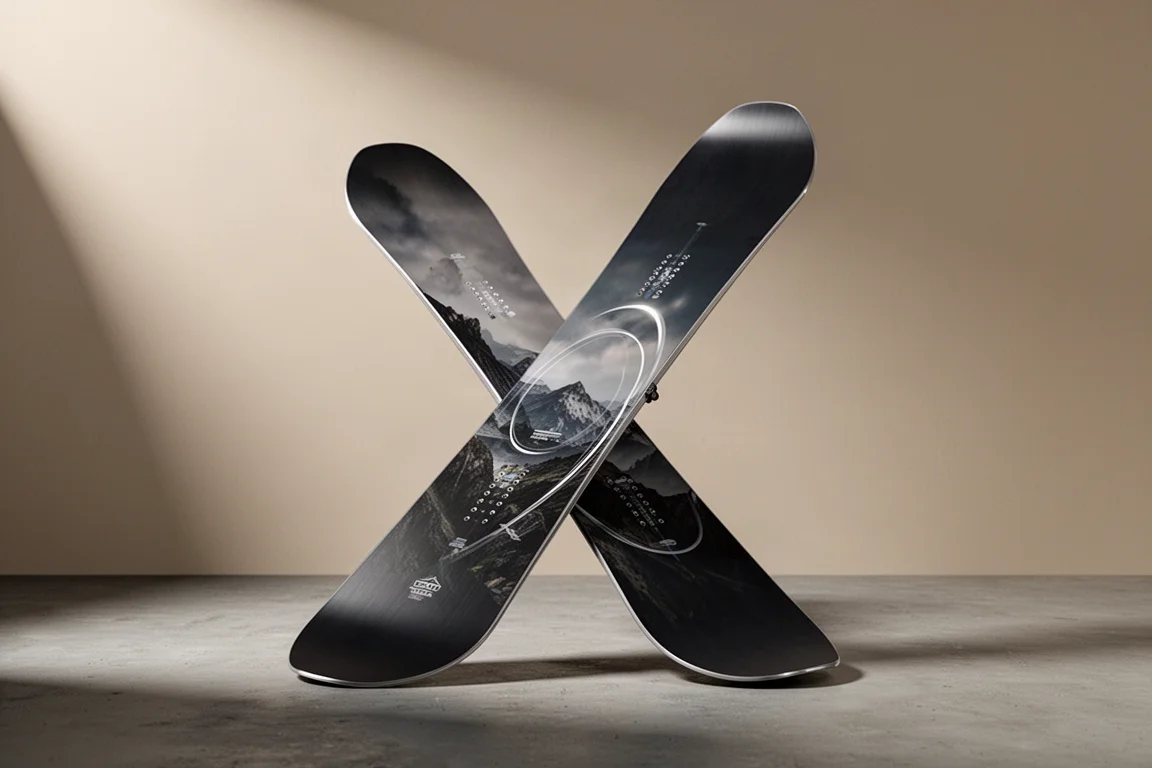
The Mercury has been tweaked over the years and has moved back toward the ride that made it stand out, though it is not quite there yet. Even so, it rides exceptionally well, and it is the obvious pick if you want something from the Capita lineup that you can simply get on and go with. It does it all.
Buying Advice
Start with flex, because flex decides almost everything else. If you spend most of your time carving groomers and want a board that stays calm when the snow gets rough, the stiffer options here, the TRS and the Sierra in particular, will suit you better. If you want to press, butter, and ride park as much as you carve, the softer and more pressable boards on this list will be easier to live with.
Beyond flex, think about where you actually ride. Boards with strong edge grip and damping pay off on firm, variable snow, while lighter boards with fast bases make more sense if you cover a lot of ground and cross long flats. There is no single best answer here, only the board that matches the terrain you ride most often.
Budget is the last variable. Seasonal discounts on some of these brands can be substantial if you are willing to wait, while others hold their value. Either way, it is worth settling on flex and terrain first, then letting price choose between the finalists.
Conclusion
All eight of these boards are capable all-mountain freestyle decks, and the differences between them come down to stiffness, damping, and how much effort they ask for when you want to press or play. The Spring Break Resort Twin tops this list for its combination of versatility, turn performance, and light weight. The Ride Shadowban and Lib Tech TRS are excellent choices for riders who want a damp, poppy board, while the Amplid Singular and Wired Directive offer a more balanced middle ground. The honorable mentions are not compromises either, and the Signal Sierra in particular deserves attention if you like a firmer ride and want to shop later in the season.
Further reading
Related Reviews
Snowboarding Gear
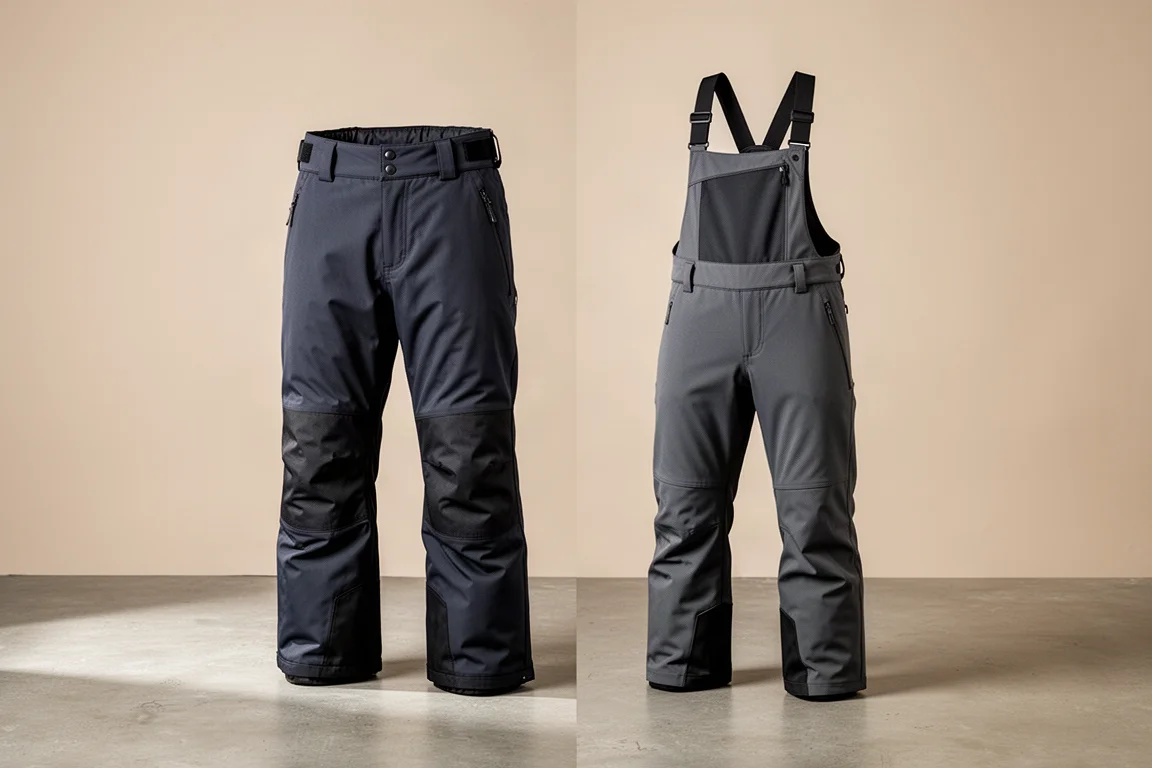
686 Smarty Pants vs 686 Dispatch Bib: Traditional Pants or Bib Pants?
A head-to-head look at two 686 snow pants, weighing warmth, comfort, durability, and breathability to help you pick the right style for your riding.
Snowboarding Gear
Bataleon Thunderbolt Review: A Powerful All-Mountain Freeride Snowboard
A deep-camber freeride snowboard with 3BT and SideKick shaping, tested in powder, chop, ice and soft groomers. Here is who it suits and what to weigh up.
Snowboarding Gear
Best All-Around Park Snowboards: Five Balanced Freestyle Picks
Five park snowboards that balance jumps, rails, and everyday freestyle riding, plus three honorable mentions worth a closer look.