Ski Gear
Best All-Mountain and Powder Skis 2026: Eight Picks for Carving, Powder, and Everything Between
Eight all-mountain and powder skis matched to clear priorities, from stiff carving tools to forgiving soft-snow shapes, with sizing and buying guidance.
Introduction
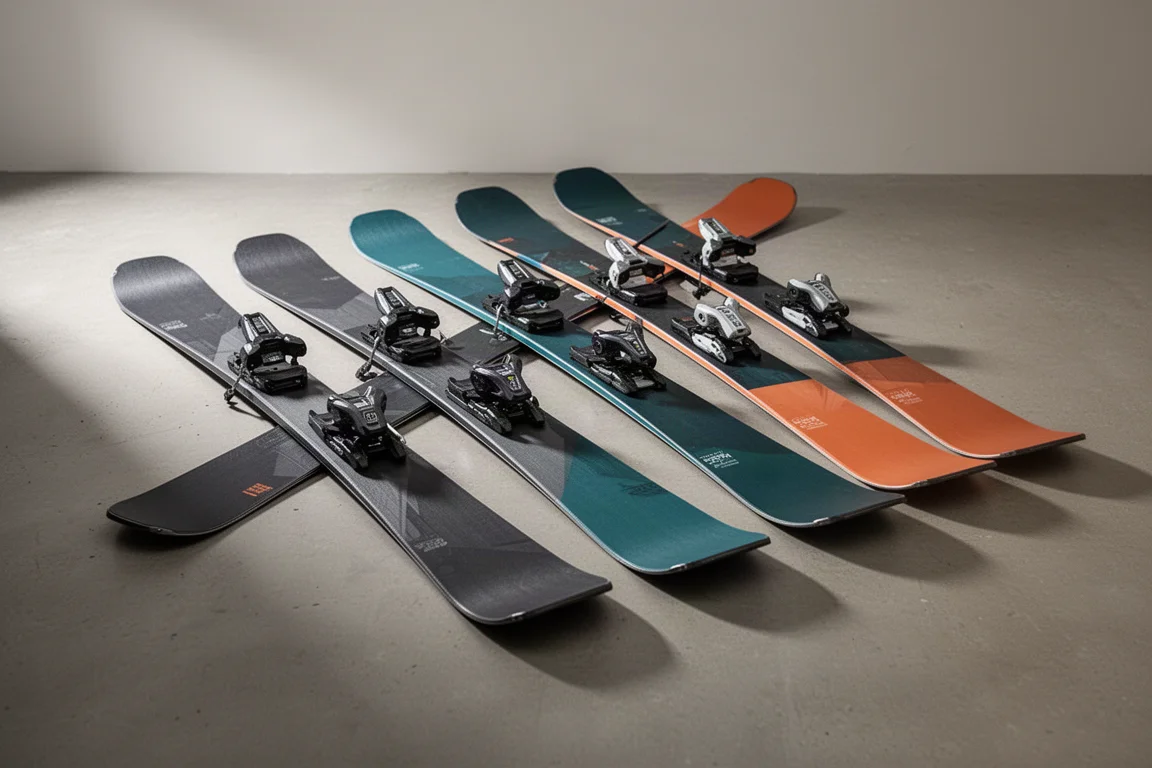
Choosing a ski is rarely about finding the single best model on the market. It is about matching one or two real priorities, carving precision, powder flotation, forgiveness, or maneuverability, to the terrain you actually ski. The eight skis below cover those priorities, from a stiff all-mountain carver to wide powder shapes that are genuinely easy to live with. They also address the questions that come up most often: how a newer skier should think about progression, what works as a single travel ski for western conditions, and how to size a wider ski sensibly.
How These Recommendations Came Together
A few principles shaped this list. The first is that no ski can substitute for mileage. There is no model that will move a skier from beginner to intermediate on its own; time on snow and one or two focused skills do that. A ski can only make those miles easier or harder.
Demo programs matter for that reason. Many hills offer a flat fee that lets you try several models in a day, and those fleets usually include approachable options. If a ski already helped someone progress, it may keep working while they refine technique.
The second principle is honesty about width. Skis wider than roughly 110mm underfoot are demanding to move edge to edge, and the mechanics can be hard on the hips over a full day. Float always comes with a physical cost.
Third, stiffness and playfulness are a genuine trade-off rather than a ranking. A stiffer ski rewards strong downhill pressure and precise carving. A softer, more playful ski forgives rougher inputs and encourages a looser style. Neither is better without knowing how and where the ski will be used.
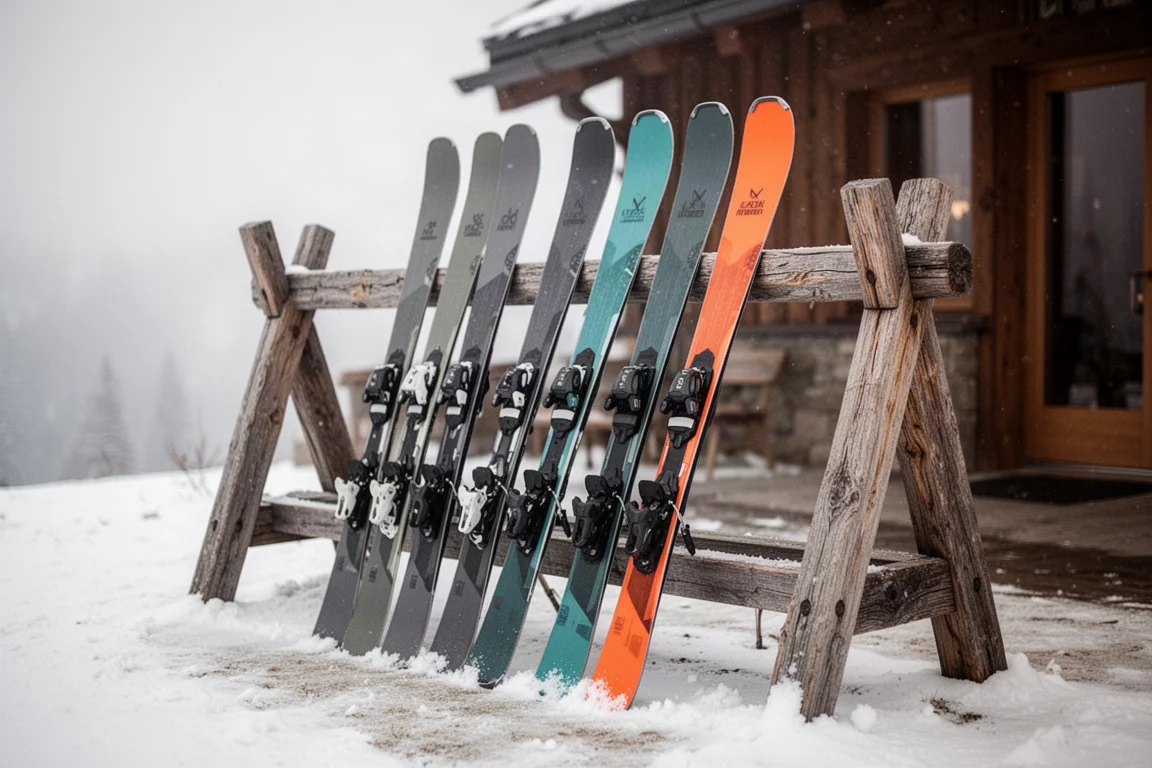
The picks below are grouped by the priority each one serves best, so you can scan straight to the terrain and style that match your own season.
Best for Carving: Atomic Maverick 95 TI
The Maverick 95 TI is the pick when groomed performance is the priority. It is a stiffer ski and not the most forgiving in this group, which is precisely why it carves so well. It holds an edge and rewards a rider who is actively pressuring the downhill ski.
Its 95mm waist is a sensible middle ground for western travel. Horizon Tech works to provide flotation on surprise powder days, so a few inches of fresh snow does not end the day. In genuinely deep snow the shape will struggle compared with a dedicated powder ski, but it delivers options in a width that still performs on piste.
Best All-Around Value: Salomon QST 98
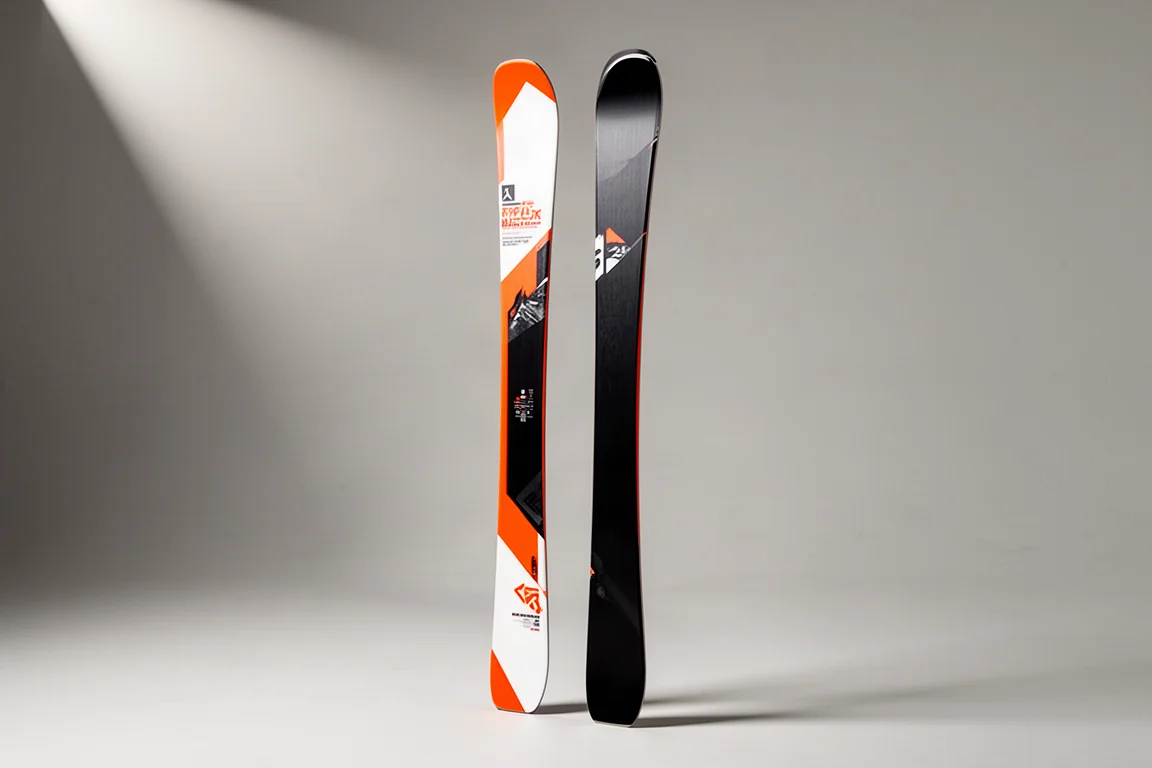
If the priority is off-trail fun with enough groomer competence to get home comfortably, the QST 98 is one of the more versatile options available and offers strong value for the money. Its turn is comfortable and predictable, and it still carves well.
The trade-off is precision. It does not track quite as accurately as the Maverick 95 TI, so a rider chasing pinpoint edge grip on hardpack will notice the difference. What it gives back is a surfy, relaxed feel in soft snow that makes off-trail skiing more enjoyable. It is a reasonable safe bet for a one-ski quiver, particularly for someone whose emphasis leans off piste.
Most Forgiving Freeride Option: Blizzard Rustler 10
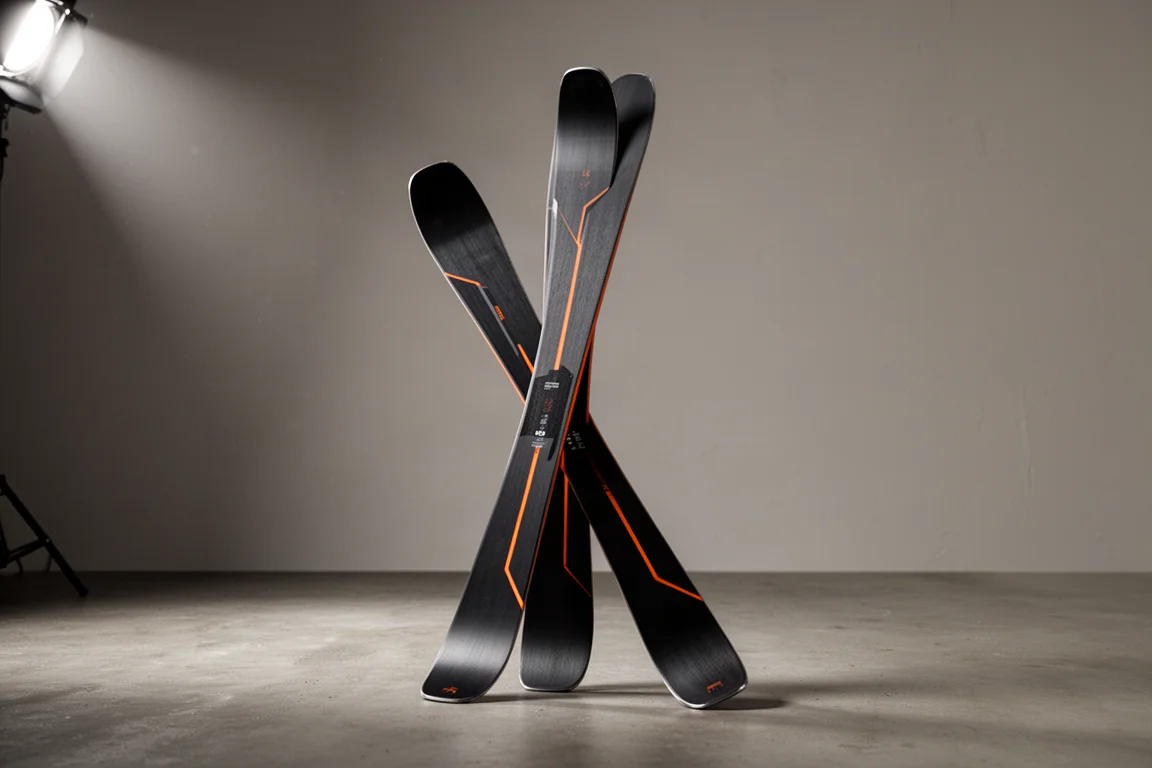
The Rustler 10 is the most forgiving of the all-mountain options here and leans playful. Riders who are unsure whether they prefer a stiff, planted feel or something looser often find this kind of shape easier to enjoy from the first run.
Forgiveness has a cost in high-speed stability and edge hold on firm groomers, so it suits a rider who values adaptability and easy turn initiation over maximum carving precision.
View more details for Blizzard Rustler 10
Best for Progression: Elan Ripstick 96 Black Edition
The Ripstick 96 Black Edition takes a different approach. Its asymmetrical shape effectively starts the turn for the skier, which frees attention for the rest of the turn: edge pressure, balance, and finish. For a skier moving from beginner toward intermediate, and already beginning to pressure the downhill ski, that assistance can be genuinely useful.
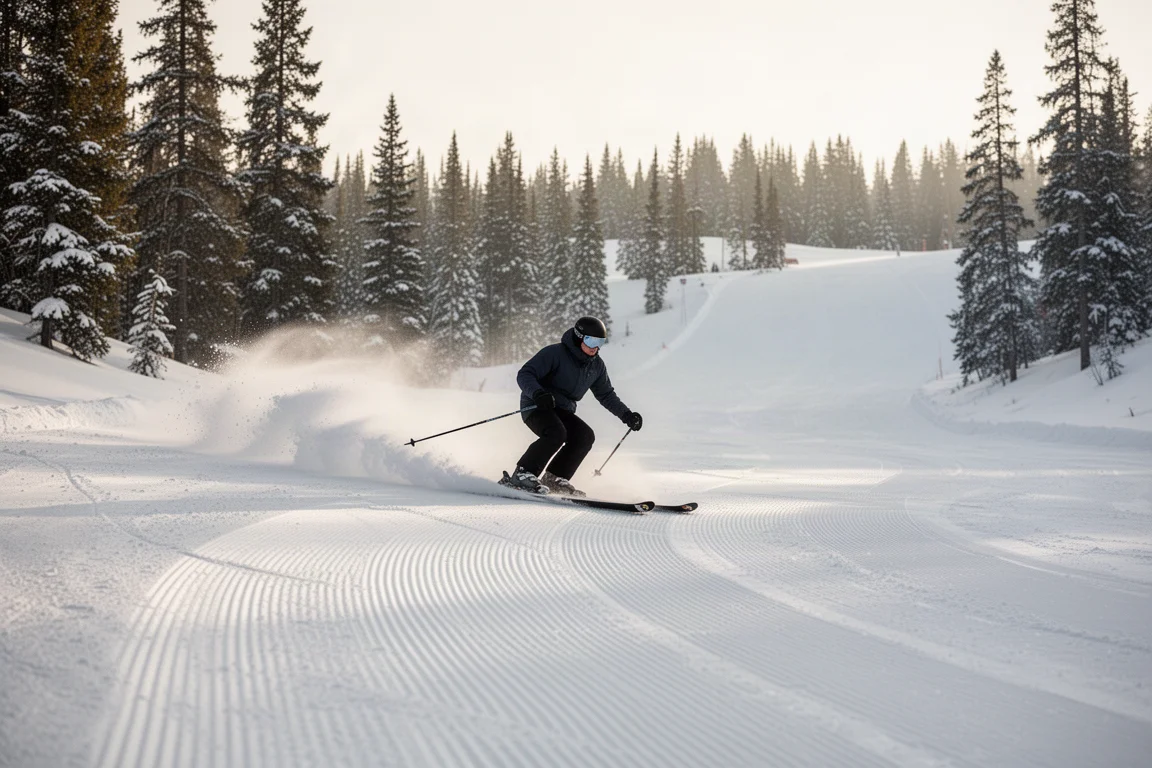
It is not a magic fix. It is simply one less thing to think about while building miles, which is the point. Riders who are still skiing mostly on their uphill ski, or who are not yet loading the ski at all, will get more from time with an instructor and a forgiving rental than from any particular model. Once downhill pressure is part of the picture, a shape like this one helps.
Best Dedicated Powder Ski for Newcomers: Atomic Backland
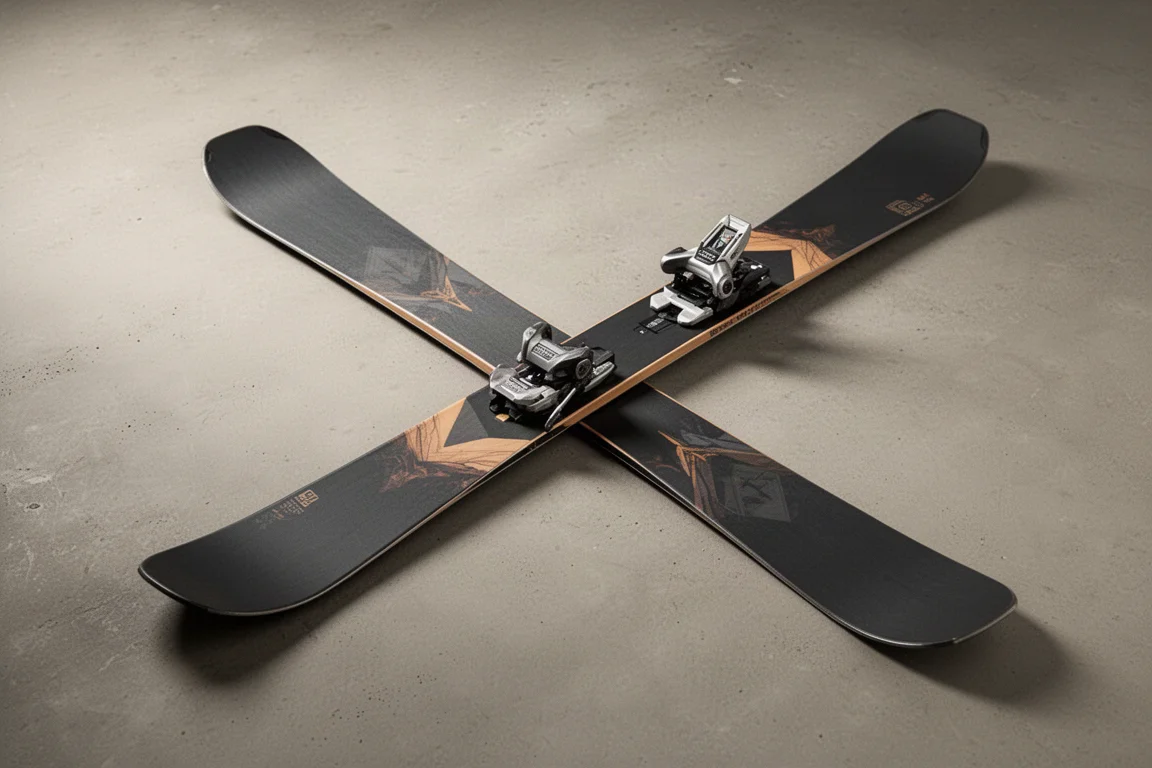
For a first dedicated powder ski, the Backland is the most forgiving option discussed here. It is built to make soft snow approachable rather than to demand a strong, aggressive input.
That makes it a sensible starting point for a rider who wants to build confidence in powder before moving to a more demanding shape. Skiers who already charge hard in deep snow will likely want something with more backbone.
Best Lightweight Powder Alternative: Head Kore 105
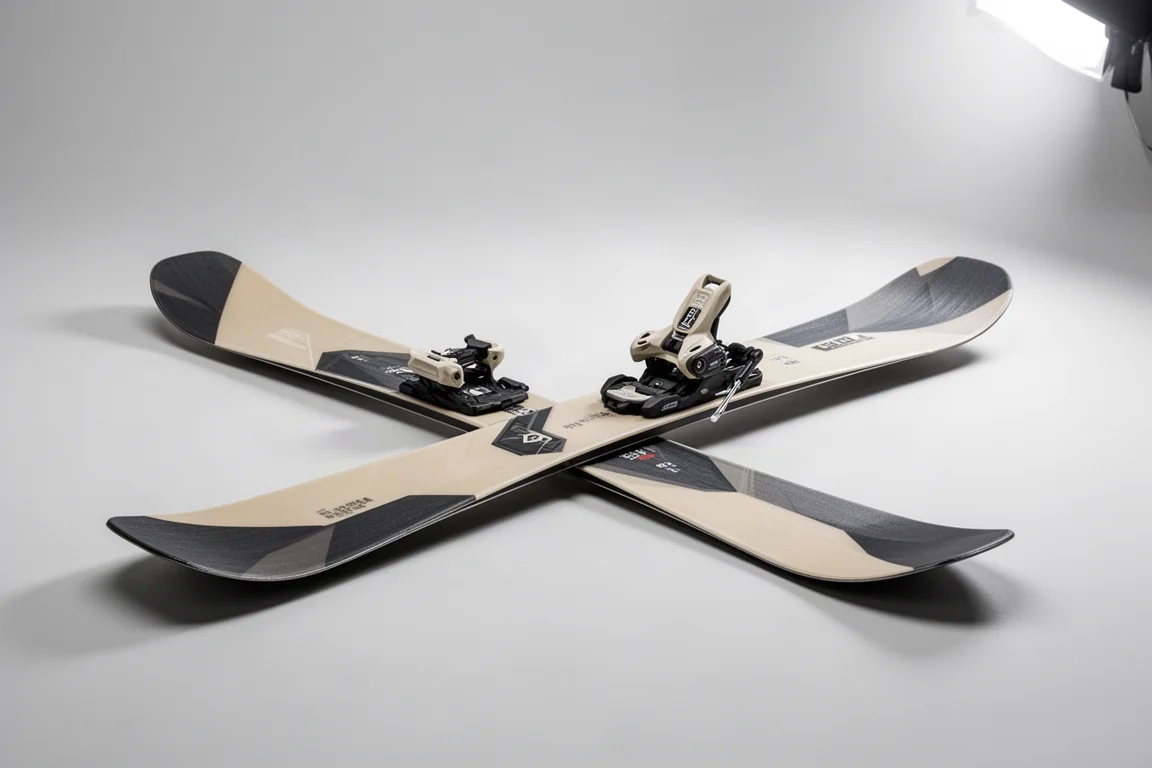
The Kore 105 sits just behind the Backland on forgiveness. It remains easy to manage in soft snow while offering a slightly different feel underfoot.
It works well as a middle step: approachable enough for a rider new to powder, but with enough substance to stay interesting as confidence and speed increase.
Most Playful Powder Ski: Atomic Bent Chetler 110
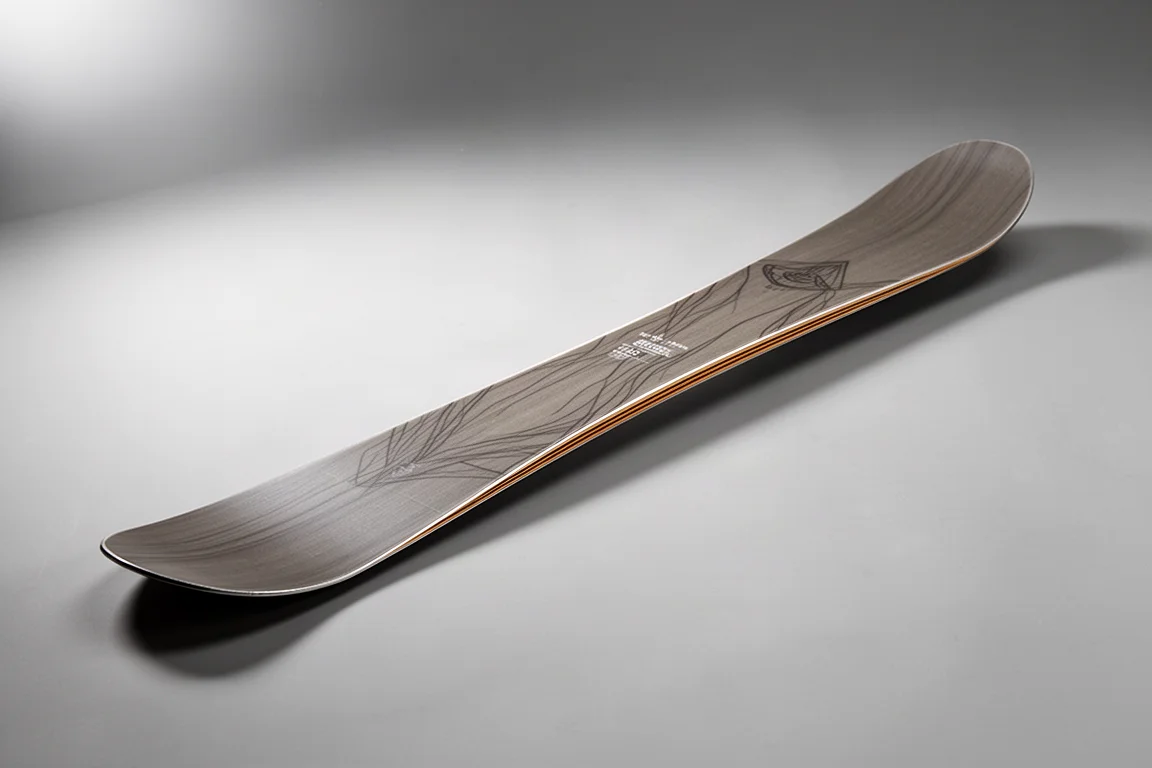
The Bent Chetler 110 is a center-mounted powder shape, which makes it noticeably more maneuverable off trail than its width suggests. It is poppy and fun, forgiving in soft snow, and unusual among wide skis in that it can still be carved on groomers without feeling like a punishment.
Riders weighing it against the 120mm version should note that the narrower model is easier to manage for most skiers.
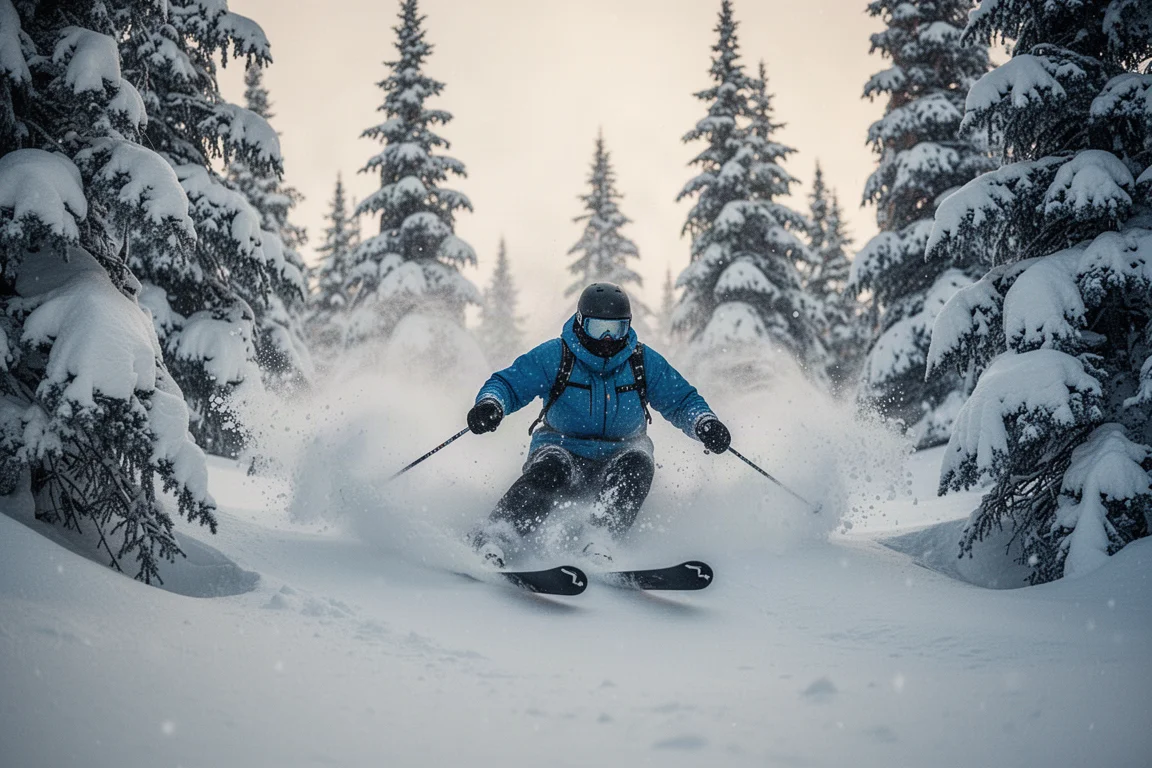
On the 2025 model year the ski is unchanged apart from graphics, so a 2024 topsheet is the same ski for less. In the 172 length, the 2024 model has been listed around $412, and retailers that price match can bring that down by a further 5%, landing under $400. That is a lot of powder ski for the money. Sizing should follow the terrain you ski most: shorter lengths pivot more easily in trees and tight lines, while longer lengths add float and stability in open terrain.
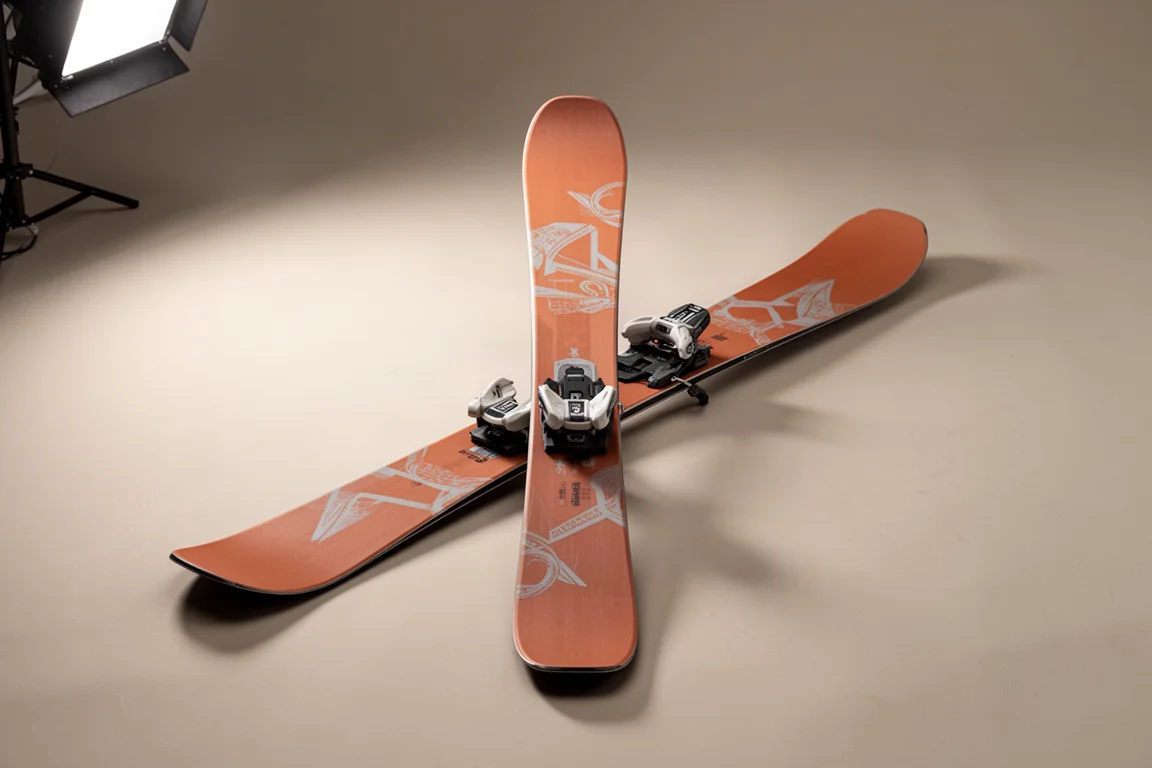
Best Wide Option for Intermediate Riders: Salomon QST 106
The QST 106 is a wide ski, and length choice matters more here than on narrower models. For a taller, intermediate rider who spends most time just off piste in soft snow, the shorter 181 length is the more maneuverable choice. It is easier to pivot and less likely to run away in tight terrain.
The 189 length will track and build speed, which is welcome in big open lines or when skiing from a cat, but it can become cumbersome for a rider who is still building powder skills. Being stuck between skis in soft snow without the ability to make quick turns is exactly the scenario the shorter length avoids.
Buying Advice
Start with a single priority. If most days are on groomed runs and the goal is to improve carving, a stiffer ski with a 95mm waist will be more rewarding. If most days are spent off piste and the goal is having fun in soft snow, a more surfy shape in the high 90s will suit better, even if it gives up some precision on hardpack.
Demo before committing if you can. Flat-fee demo programs let you test several models in real conditions, which is far more useful than any spec sheet. Once you know which feel you prefer, sizing becomes the next decision, and shorter lengths are usually the safer choice for riders newer to powder.
Finally, treat width as a deliberate choice rather than a default. Skis above roughly 110mm underfoot are demanding to move edge to edge and can be hard on the hips, so they make the most sense as a dedicated soft-snow tool rather than a daily driver.
Conclusion
There is no single ski that fits every rider, but there is usually one that fits your priority. The Maverick 95 TI rewards carving and still handles surprise powder, the QST 98 is a versatile, good-value all-rounder, and the Rustler 10 is the forgiving, playful option. The Ripstick 96 Black Edition helps newer skiers build complete turns, the Backland and Kore 105 are the approachable powder picks, the Bent Chetler 110 is the playful wide ski that still carves, and the QST 106 is best sized short for intermediate riders. Match the ski to your terrain, put in the miles, and the rest follows.
Further reading
Related Reviews
Ski Gear
2023 Blizzard Hustle vs Rustler: Six Freeride Skis Compared
Blizzard's 2023 Hustle collection rebuilds the Rustler shape with a lighter core and no metal. Here is how all six skis differ, and which one suits your riding.
Ski Gear
2023 Skis of the Year: Atomic Maverick 88 TI, Salomon QST 106, and Look SPX 12 Pro
Three standout ski picks for all-mountain carving, powder days, and reliable binding performance, with practical buying notes for 2023 models.
Ski Gear
2025 Nordica Enforcer 104 Review: A Directional Charger Replaces the 104 Free
The 2025 Nordica Enforcer 104 drops the Free name and the twin-tip personality, gaining weight, stiffness and composure in rough snow. Here is what changed and who it suits.