Ski Gear
Best All-Mountain and Backcountry Skis 2026: Six Models Worth Considering
Six all-mountain, freeride and touring skis worth shortlisting this season, with plain guidance on the terrain each one suits and the trade-offs to weigh first.
Introduction
Autumn is the practical time to buy skis. Inventory is still deep, previous-season models are discounted, and the current generation of all-mountain and freeride shapes is genuinely better than what was on the wall a decade ago. If you are replacing a pair that is 15 years old, the biggest difference will not be in the graphics. It will be in how easily a modern ski holds an edge on firm snow, how much lighter it feels underfoot, and how much less work it takes to roll from edge to edge.
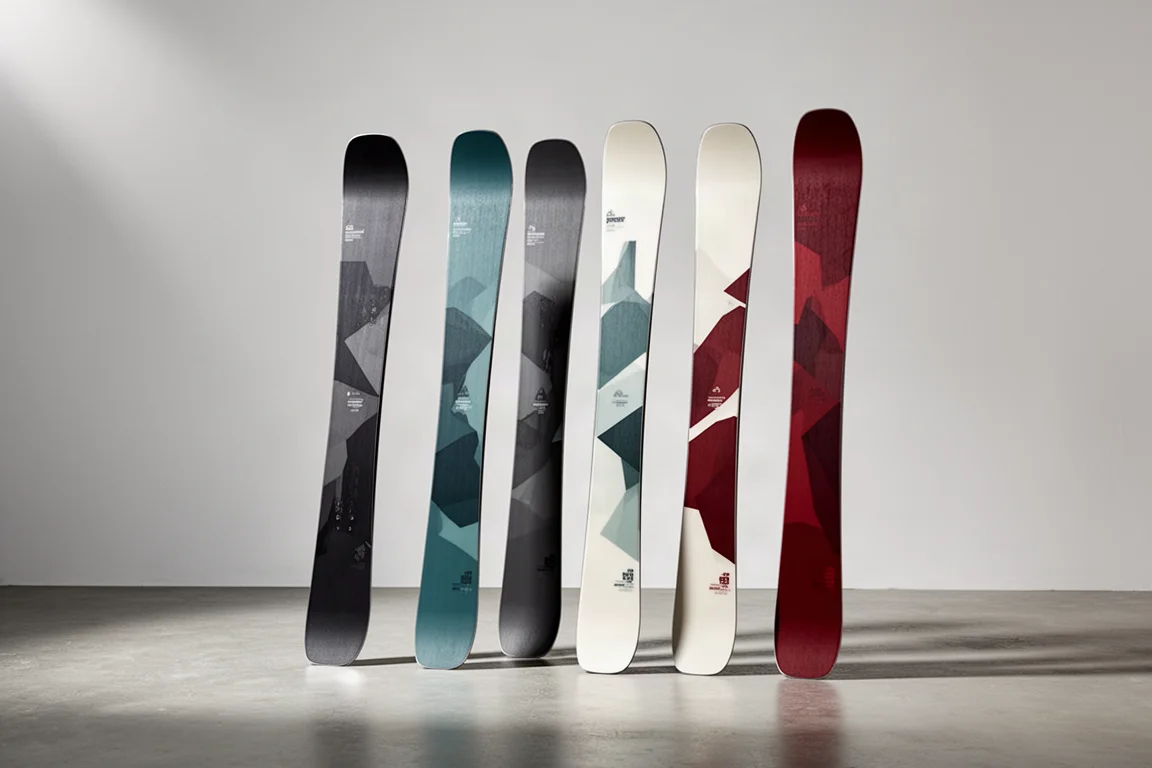
This guide covers six models that stood out in our time on snow, spanning playful freeride shapes, lightweight touring skis and carving-focused all-mountain options. We also flag a few models we cannot yet recommend with confidence, and explain why.
What to Look For in a Ski
Three things matter most when narrowing a shortlist: where you actually ski, how much float you need on your best days, and how much effort you are willing to put into edge-to-edge transitions.
Waist width is the obvious starting point. A ski in the 88 to 98 mm range handles groomed runs, firm snow and most resort days well, while something closer to 100 to 110 mm gives you more float when the snow gets deeper. Past that, a ski starts to feel like work. Very wide platforms take more effort to roll from edge to edge and can wear on your hips over a full day, which is worth remembering if you are shopping purely on the numbers.
Turn radius is the second lever. A shorter turn radius is fun on small hills, narrow trails and when you are skiing with children, while a longer radius rewards open terrain and higher speeds. Some skis offer a flexible radius that lets you shorten turns when space is tight and open things up when it is not.
Finally, weight. Light skis are easier to tour on and quicker to swing around, but they give up some composure in heavy, wet snow. Heavier skis feel more planted and damp, at the cost of uphill effort.
The good news is that the floor has risen across the whole category. Skis have come a long way in how well they carve and how well they handle off-trail snow, so an all-mountain ski is a far more capable choice than it was when your current pair was built.
Atomic Bent 110: Best All-Around Value for Soft Snow
The Bent 110 is the ski we would hand most riders who want one pair for soft-snow resort days. It is playful, easy to steer, and it stays composed when the snow gets deeper. For most days on a mountain in Utah, Idaho or similar snow country, it is plenty of ski, and it is genuinely hard to imagine more than a small fraction of days where you would want anything wider.
At the time of writing it has been discounted to around $325, which makes it one of the better value picks in this group and an easy first recommendation for anyone replacing an old pair.
Atomic Backland 102: A Light Touring Ski With Strong Downhill Manners
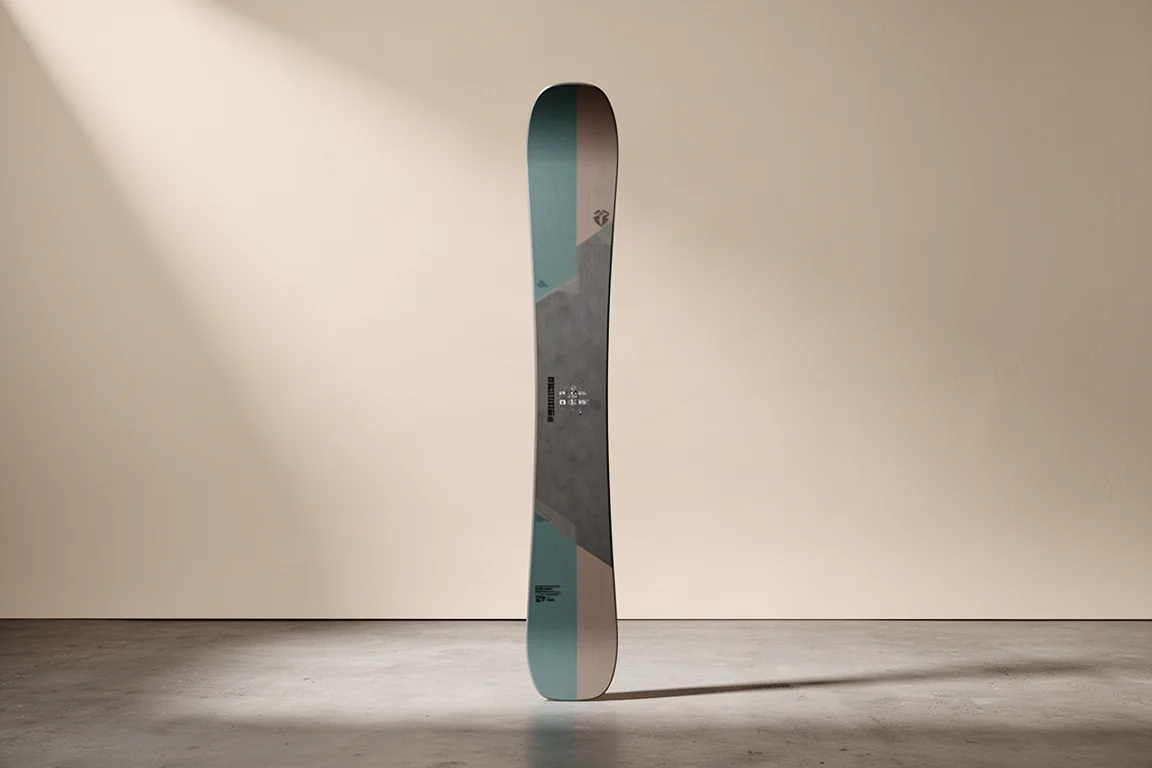
The Backland 102 is built for touring riders who still want a ski that performs on the descent. It is very light, forgiving on your line, and it handled powder well in our time on it. Around 100 mm underfoot is a sensible width for a do-everything backcountry ski, wide enough to float without becoming a burden on the climb.
The trade-off is inherent to the weight. In heavy, wet snow a light ski gives up some performance compared with a heavier freeride shape, so if most of your touring happens in dense coastal snow, factor that into the decision.
View more details for Atomic Backland 102
Black Crows Draco Freebird: A Backcountry Ski That Carves Smoothly
The Draco Freebird is a 110 mm backcountry ski, and it is one of the smoothest carvers we have used in that category. It held an edge far better than its weight suggests, handled off-trail terrain confidently, and stayed easy to manage. For riders whose priority is a backcountry ski that does not feel like a compromise on the way down, this is the one to look at first.
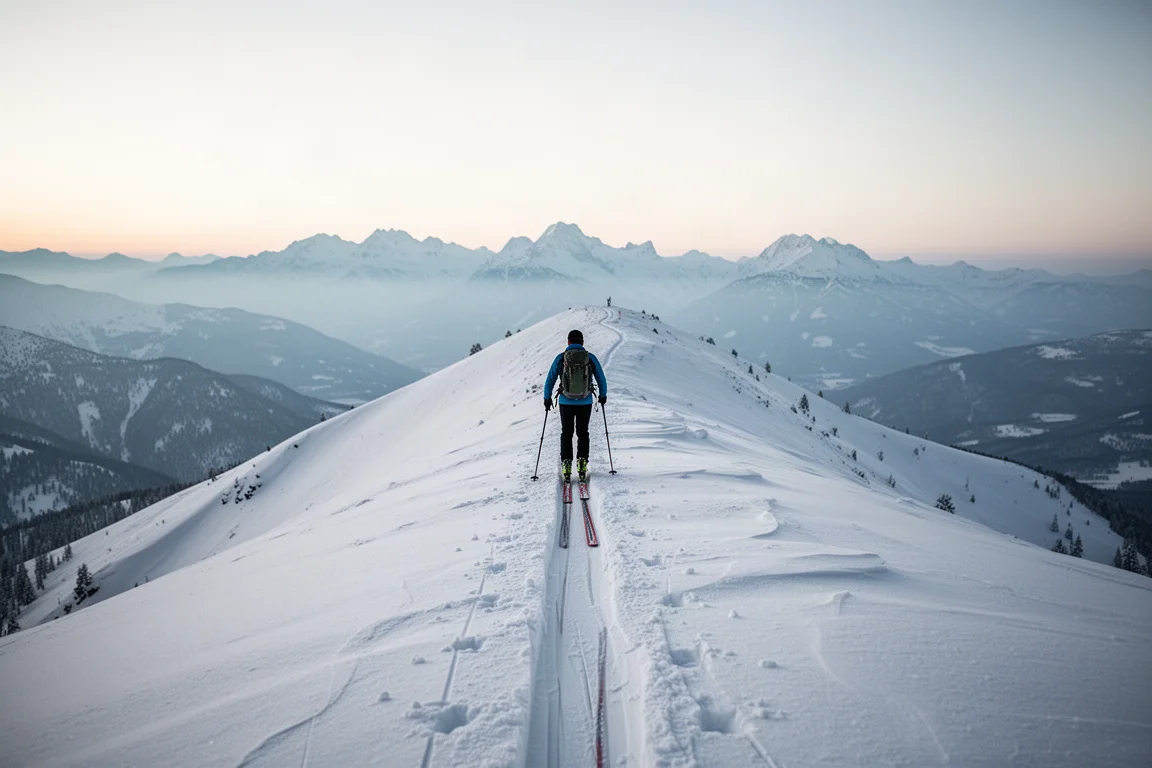
It is wider than a dedicated 100 mm touring ski, so riders who mostly tour on firm or wind-affected snow may prefer something narrower. Everyone else gets a very light package that still feels planted when the terrain steepens.
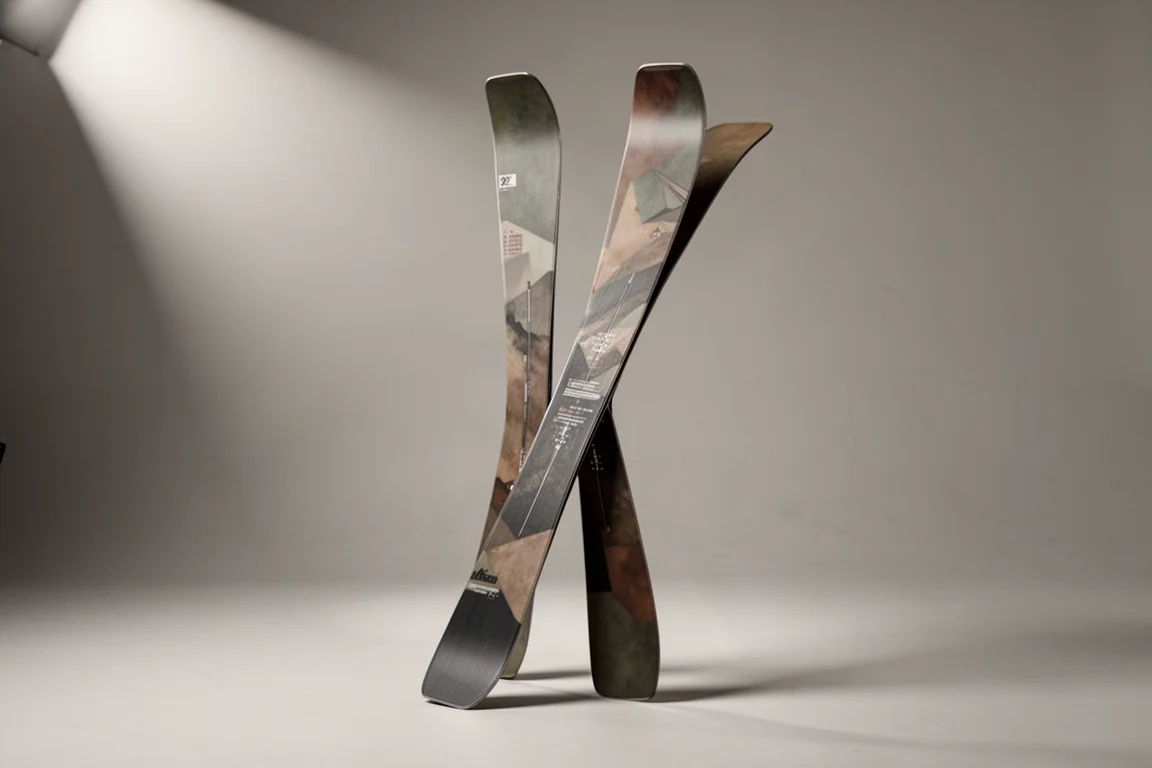
Head Kore 93: The Carving-First All-Mountain Choice
The Kore 93 is the pick for riders who care most about carving. It is precise, responds on demand, and works as a genuinely good all-around ski for a resort quiver. Off-trail performance is not quite at the level of a wider freeride shape like the Salomon QST 98, so choose it if groomed runs and firm snow are where you spend your time.
Light weight is the usual concern with this ski, and in practice it has not been an issue for heavier riders. At around 230 lb it has felt stable rather than nervous, while a lighter model in the same family was noticeably too light. That suggests the 93 hits a better balance for bigger skiers.
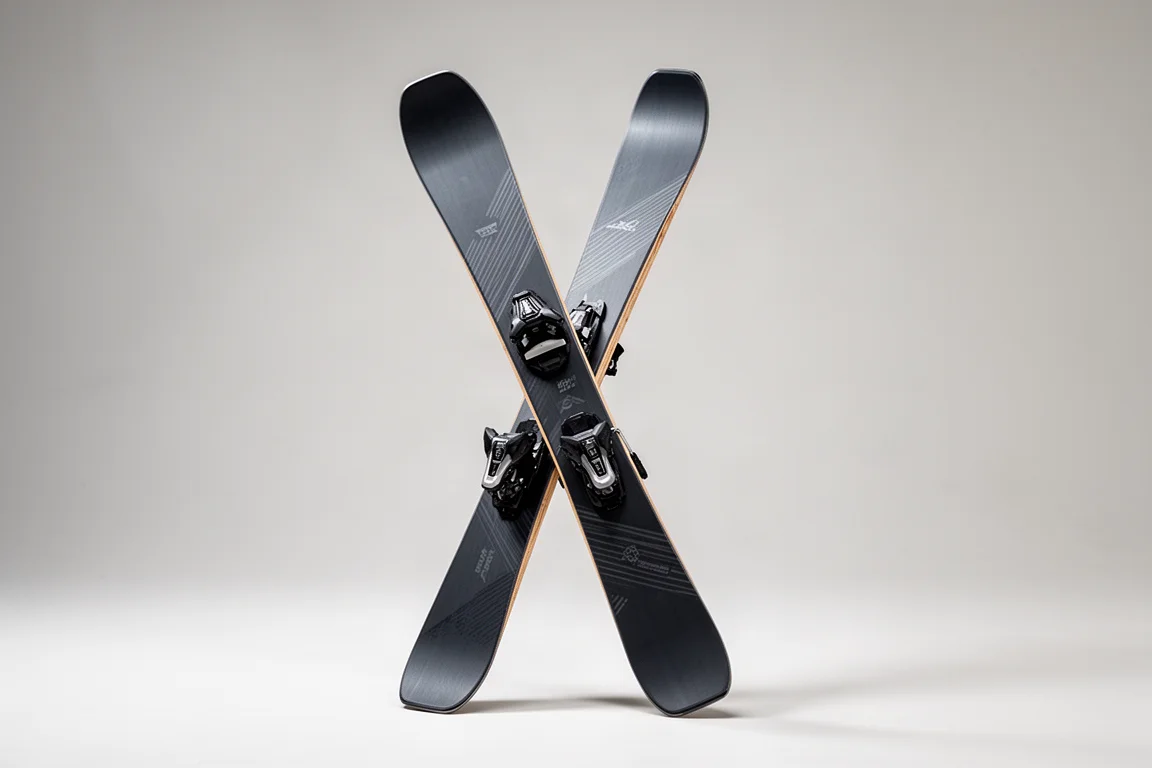
Salomon QST 98: A Travel-Friendly All-Mountain Option
The QST 98 is a versatile width for riders who split their time between small local hills and occasional trips to bigger mountains. It floats better than its width suggests, stays comfortable across mixed conditions, and is easy to throw in a bag for travel.
It is not the most accurate ski in this group. It tends to ride on the surface rather than track exactly where you point it, so riders who prioritize precision on groomed snow may prefer the Kore 93. If your priority is off-piste skiing and time in the trees, the QST 98 is the better of the two.
Like the Bent 110, it has been discounted to around $325 at the time of writing, which puts both of them among the strongest value options here.
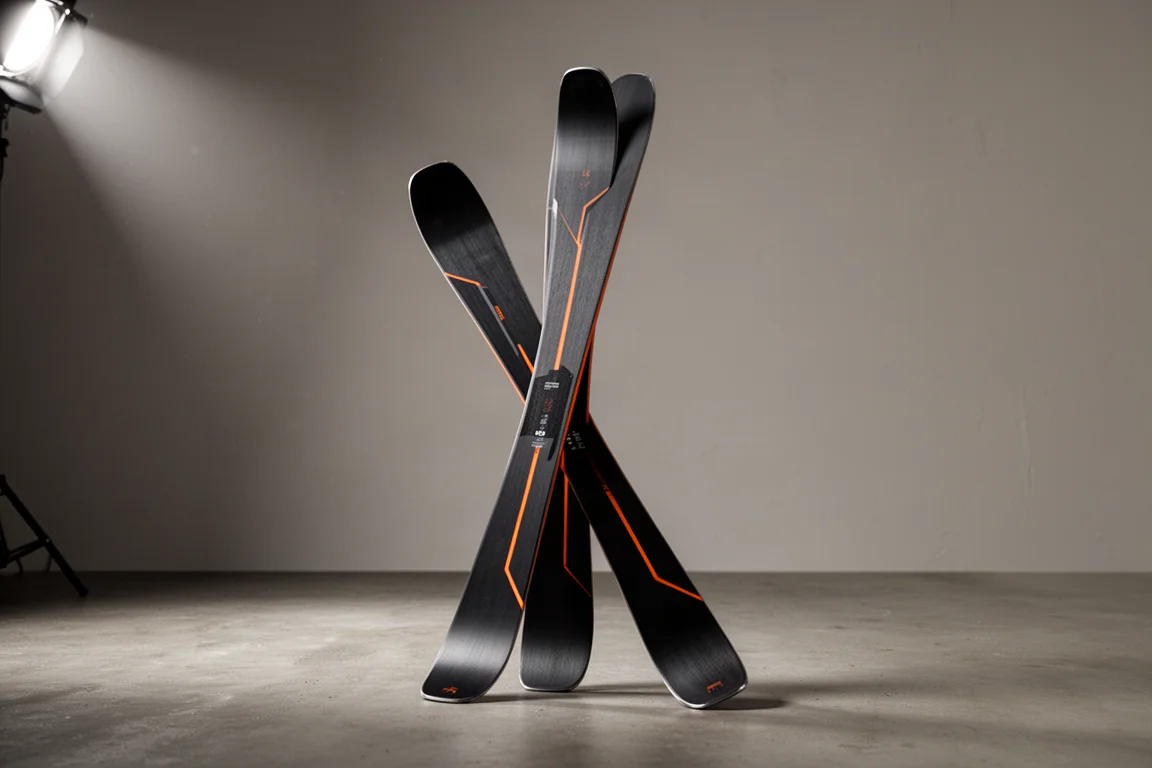
Black Crows Octo: Short-Turn Fun for Smaller Hills
The Octo is built around a short turn radius, which makes it a natural fit for smaller hills, narrower trails and days spent skiing with children. Short turns come easily, and the ski still handles itself well when you take it to a larger western resort. It will not be the tool of choice on a deep powder day, but for the majority of resort terrain it stays fun and manageable.
For an intermediate rider stepping up from a very old pair and skiing mostly local hills, this is one of the easiest recommendations in the group.
Other Models Worth a Look
A handful of other shapes came up that are worth knowing about, though we cannot give each of them the same level of detail. The Atomic Bent 100 is a heavier alternative that carves well and uses a powder-oriented tip and tail design, and it works as a touring option for riders who do not mind the extra weight. The Head Kore 105 is another touring-friendly choice in that width range. For small hills and tight trails, the Volkl Kendo 88 and its Mantra 88 successor offer a flexible turn radius that lets you shorten turns when space is tight and open them up when it is not. The Black Crows Mirus Cor suits riders who want a freestyle-leaning twin tip.
One ski we will not recommend is the Atomic Bent 120. It has not been available to test, and the 2025 version received a stiffer wood core, which means older stock is a different ski entirely. Without time on it, a recommendation would be guesswork, and that is not useful to anyone spending several hundred dollars.
Buying Advice
Match the ski to the majority of your days, not to the best day you hope to have. If you ski a small hill most weekends, a shorter turn radius and a waist between 88 and 98 mm will serve you better than a wide powder shape. If you take one or two trips west each season, look for something that travels easily and floats better than its width suggests. Buying a second pair later is always more expensive than choosing the right single pair now.
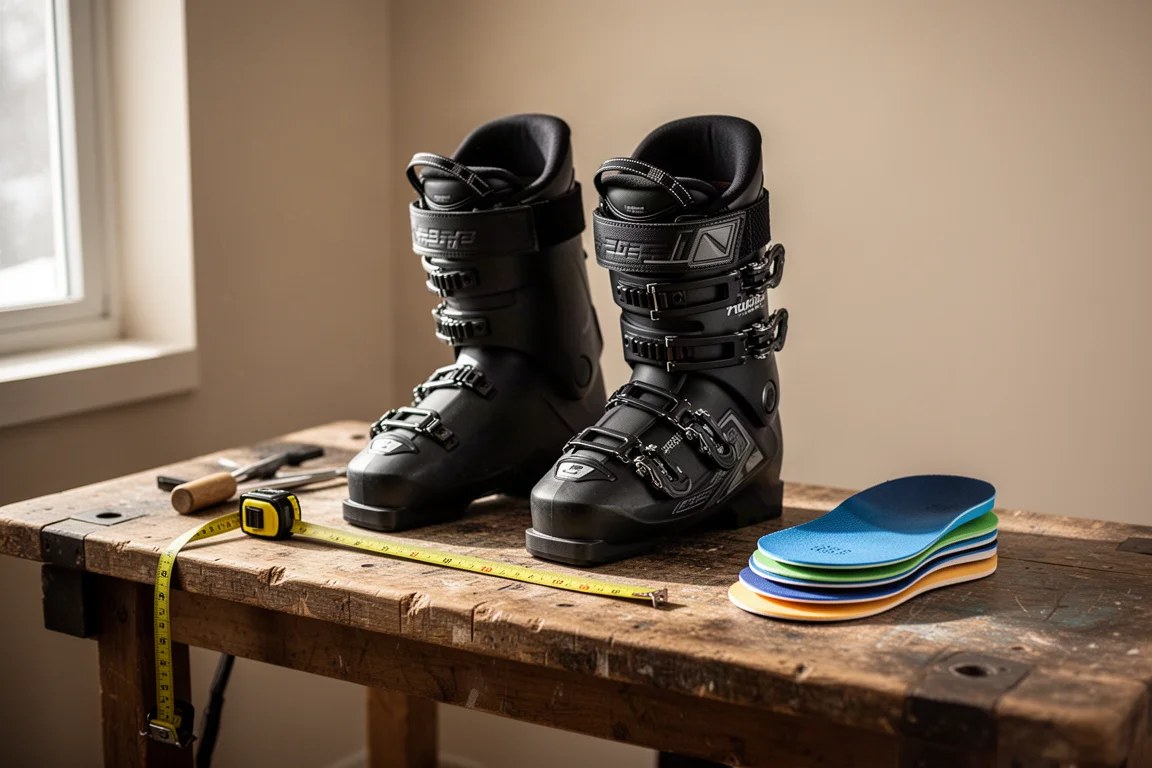
Ski boots deserve a separate decision, because properly fitting boots matter more than any other equipment choice. If you are replacing a boot you already know fits, buying the same model online can save a significant amount, and many retailers have workable return policies. If you need a proper fit for the first time, book a fitting and buy from the shop that did the work, or at least check pricing before you start so there are no surprises at the counter.
Conclusion
The right ski is the one that matches the terrain you actually ski. For most riders wanting a single soft-snow resort ski, the Atomic Bent 110 is the easiest recommendation here, especially at current pricing. Touring riders should look at the Atomic Backland 102 for light uphill effort, or the Black Crows Draco Freebird if downhill performance matters more. Carving-focused skiers will be happiest on the Head Kore 93, the Salomon QST 98 suits off-piste days and travel, and the Black Crows Octo is the pick for small hills and short turns.
Modern skis have improved enormously over the past 15 years, so almost any current model on this list will feel like a clear step forward from an older pair.
Further reading
Related Reviews

Ski Gear
2023 Blizzard Hustle vs Rustler: Six Freeride Skis Compared
Blizzard's 2023 Hustle collection rebuilds the Rustler shape with a lighter core and no metal. Here is how all six skis differ, and which one suits your riding.

Ski Gear
2023 Skis of the Year: Atomic Maverick 88 TI, Salomon QST 106, and Look SPX 12 Pro
Three standout ski picks for all-mountain carving, powder days, and reliable binding performance, with practical buying notes for 2023 models.

Ski Gear
2025 Nordica Enforcer 104 Review: A Directional Charger Replaces the 104 Free
The 2025 Nordica Enforcer 104 drops the Free name and the twin-tip personality, gaining weight, stiffness and composure in rough snow. Here is what changed and who it suits.