Kitchen Appliances
Best Air Fryers Tested: Which Models Cook Well Without Breaking the Budget
A comprehensive test of seven popular air fryers reveals which ones deliver consistent performance, which have safety concerns, and which offer the best value for most home cooks.
Introduction
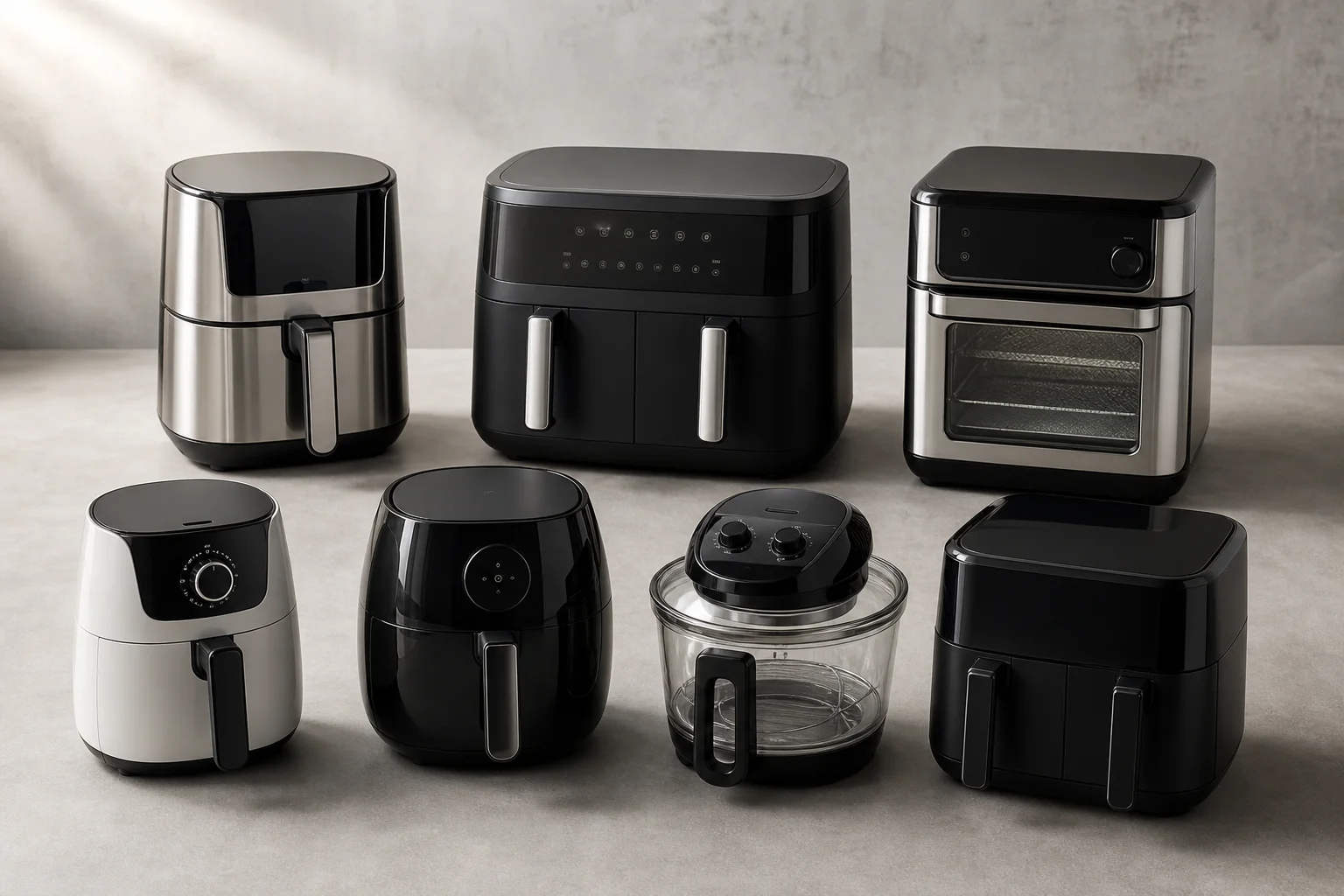
Air fryers have become a kitchen staple, but the market offers options ranging from budget-friendly compact models to expensive premium units. The key question for most home cooks is straightforward: do you need to spend hundreds of dollars to get reliable performance, adequate capacity, and ease of use? Or do cheaper alternatives deliver comparable results?
To answer this question definitively, I tested seven of the highest-rated air fryers currently available. The testing process was rigorous and systematic, covering performance, safety, durability, noise levels, and practical usability.
Testing Methodology and Performance Criteria
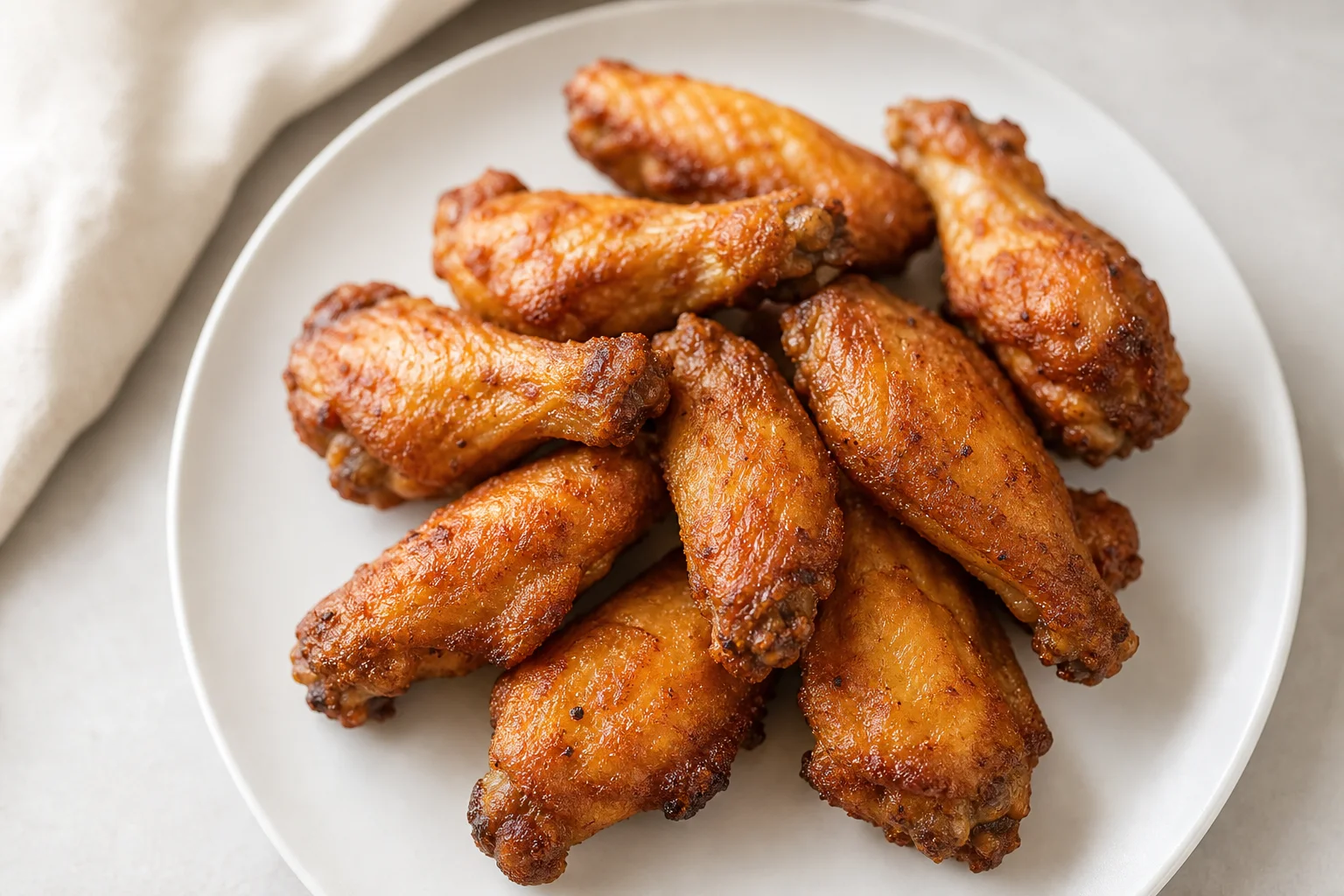
Each air fryer was evaluated using the same standardized approach. I cooked fries, cookies, and roasted squash in each model using identical settings and timing to compare cooking consistency. Chicken wings were cooked at the same temperature in each unit until fully done, which revealed significant timing differences between models.
I measured noise levels on air fry mode at 400°F to assess how disruptive each unit would be during regular use. Durability testing involved removing the crisper plate 100 times from each basket and inspecting for coating scratches and rubber bumper damage. I also tested basket stability by shaking each unit to verify the crisper plate would remain secure during cooking, a critical safety consideration.
Beyond performance, I documented key specifications for each model: countertop footprint, actual cooking surface area, height, weight, cord length, available settings, and special features. This comprehensive approach reveals not just which air fryers cook well, but which ones are practical for everyday kitchen use.
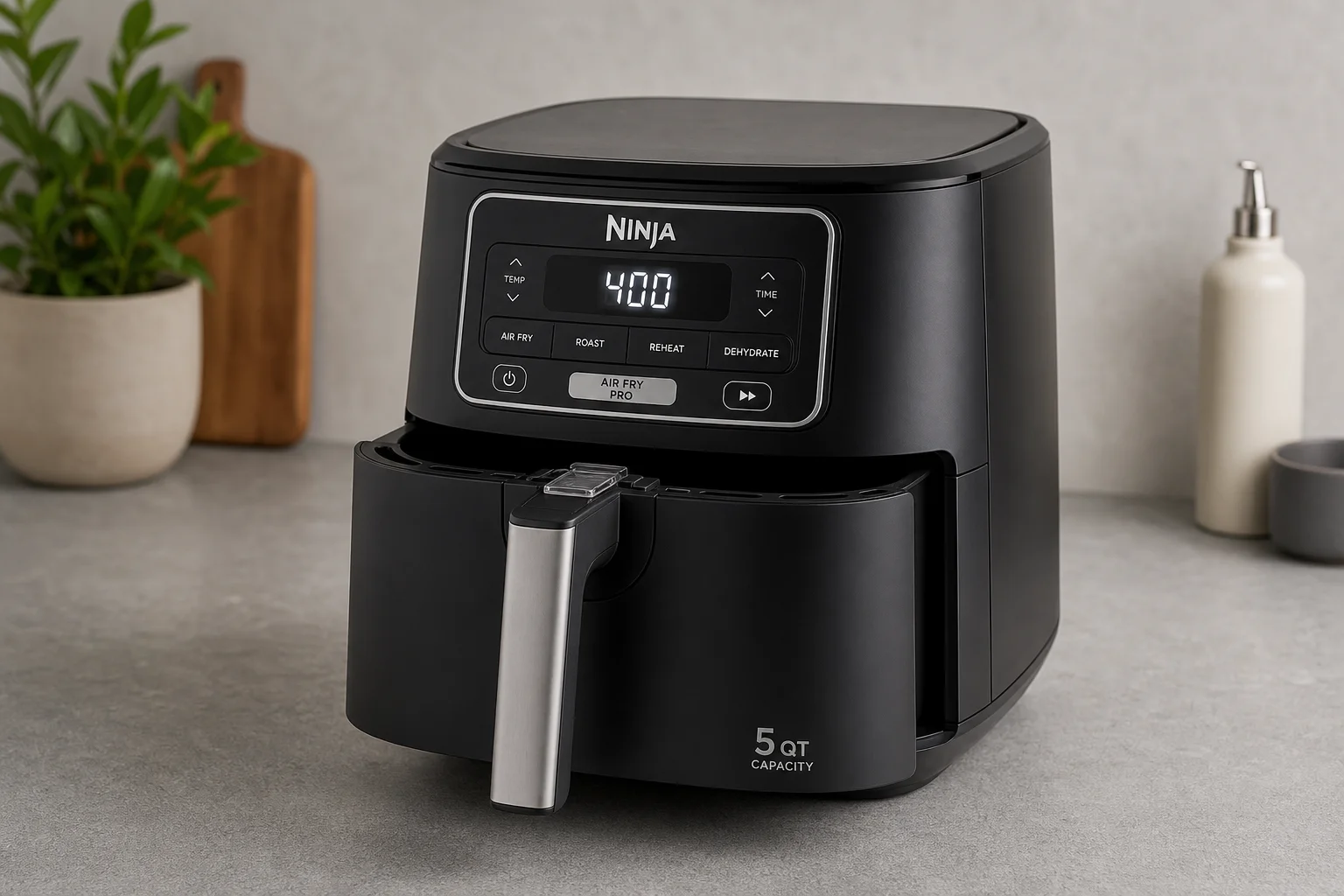
Budget-Friendly Option: Ninja Air Fryer Pro 4-in-1
The Ninja Air Fryer Pro 4-in-1 offers a 5-quart capacity, though the actual cooking surface is quite limited. It accommodates approximately four slices of bread or 11 chicken wings at a time.
This model was among the fastest heating air fryers tested. Chicken wings cooked completely in just 15 minutes and emerged crispy with excellent browning. Fries turned out crunchy, squash roasted evenly, and cookies baked acceptably, though slightly dark on top.

The physical button interface is preferable to touchscreen controls, and the display shows countdown time in minutes and seconds rather than minutes only. However, the crisper plate falls out when you tilt the basket, requiring you to hold it down with a utensil while pouring food out, which is problematic given the extreme heat. The timer does not pause automatically when you remove the basket, potentially disrupting cooking time if the basket is out for more than a few seconds. Additionally, this model was the loudest air fryer in the test group.
Compact Countertop Oven: Chefman Multifunctional Digital Air Fryer
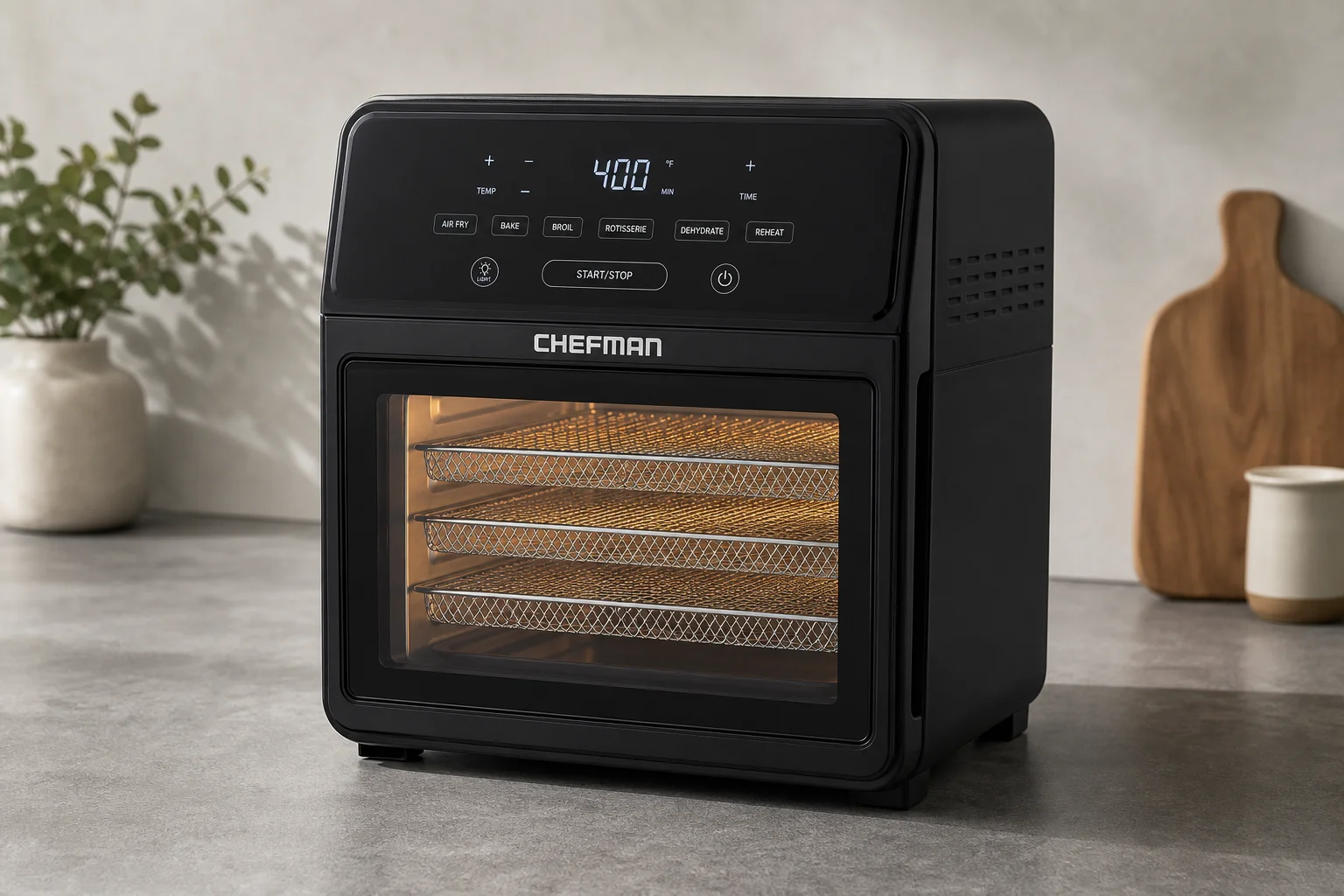
The Chefman is more accurately described as a countertop oven than a traditional air fryer. It features a glass door that opens forward, three wire racks instead of a basket, and an interior light for visibility.
Capacity is significantly larger than compact basket models. You can fit up to 12 slices of bread or 27 wings using all three racks, making it suitable for cooking multiple items simultaneously. The unit includes a rotisserie function for added versatility.
Performance testing showed crispy wings, well-cooked squash, and evenly browned fries. Cookies baked well, though the tops were slightly darker than the bottoms. However, several design flaws are concerning. The unit tips forward when you open the door, requiring you to hold it in place with your other hand, creating a genuine safety hazard. The wire racks are thin and sharp, tearing sponges and trapping food. The touchscreen is unreliable, with buttons that require precise pressure to register and a frustrating design where maximum or minimum temperature selections loop around to the opposite end.
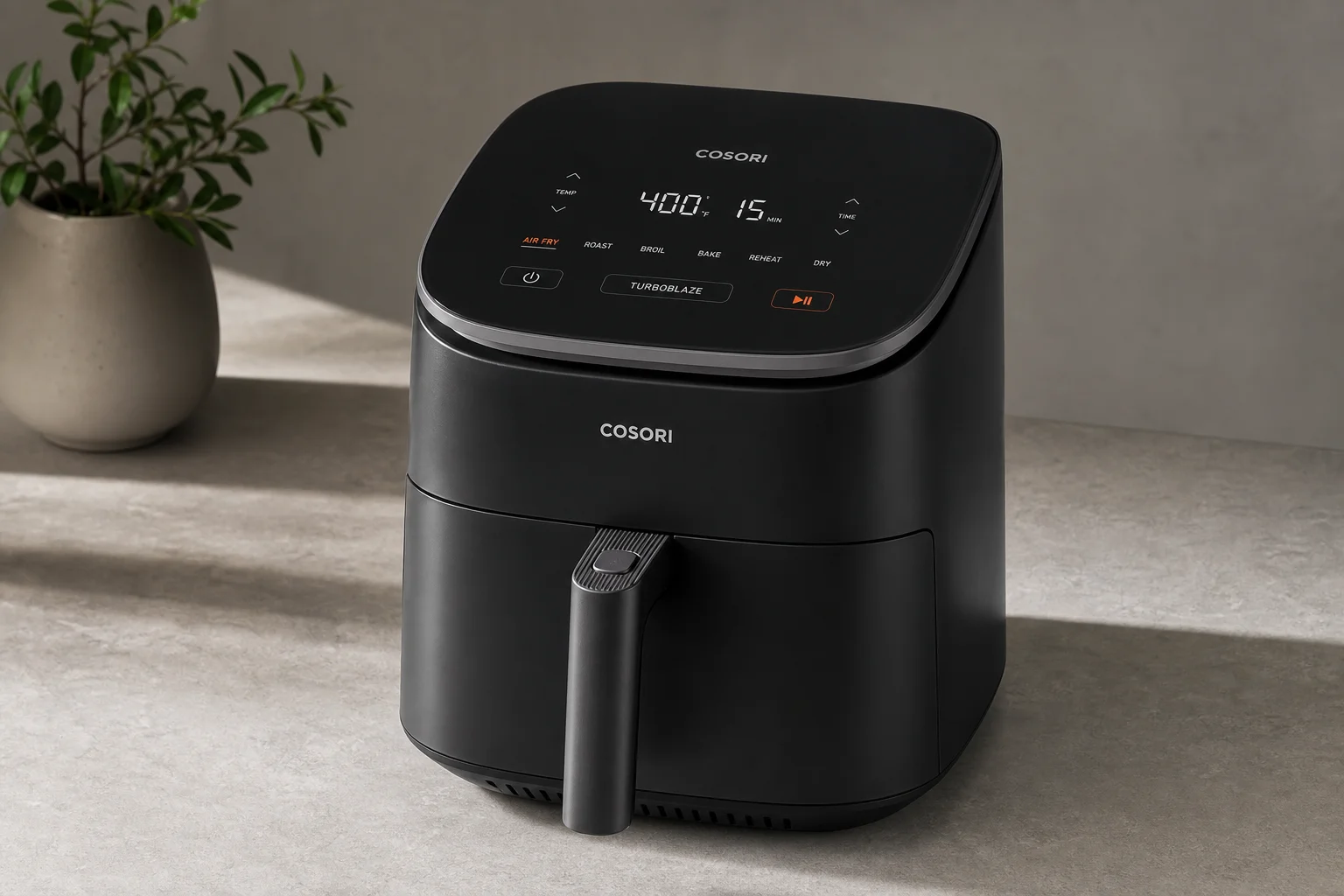
Compact with Safety Features: COSORI TurboBlaze 6-qt
The COSORI TurboBlaze is compact yet accommodates approximately five slices of bread and 14 chicken wings. The 40-inch cord is the second-longest in the test group. Touchscreen controls on the top provide a clean, modern appearance.
This is the only air fryer tested with a safety latch on the handle, requiring you to press down before pulling the basket out. This design prevents accidental drawer extension if the unit tips. The crisper plate fits securely and does not fall out even when the basket is shaken vigorously.
Performance was solid. Wings emerged crispy, squash roasted evenly, and cookies baked with only slightly darker tops than bottoms. Fries cooked well, though not quite as crispy as top performers. The unit ranks among the quieter models tested. One design oddity is the large holes in the center of the crisper plate, allowing small foods like fries or sliced vegetables to fall through and become trapped underneath, which seems like an easily correctable oversight.
Best Overall Performance: Instant Vortex Plus 6-qt
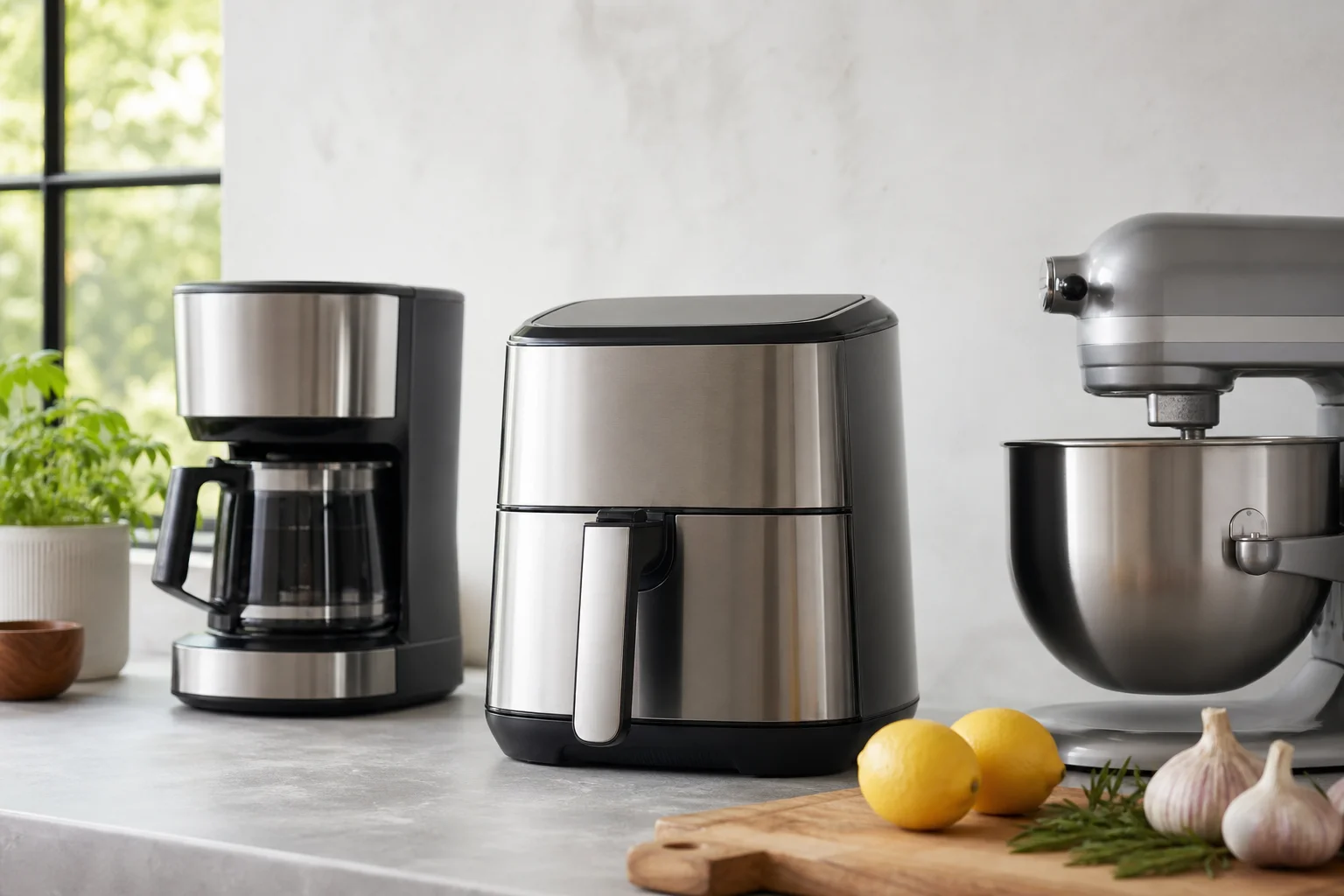
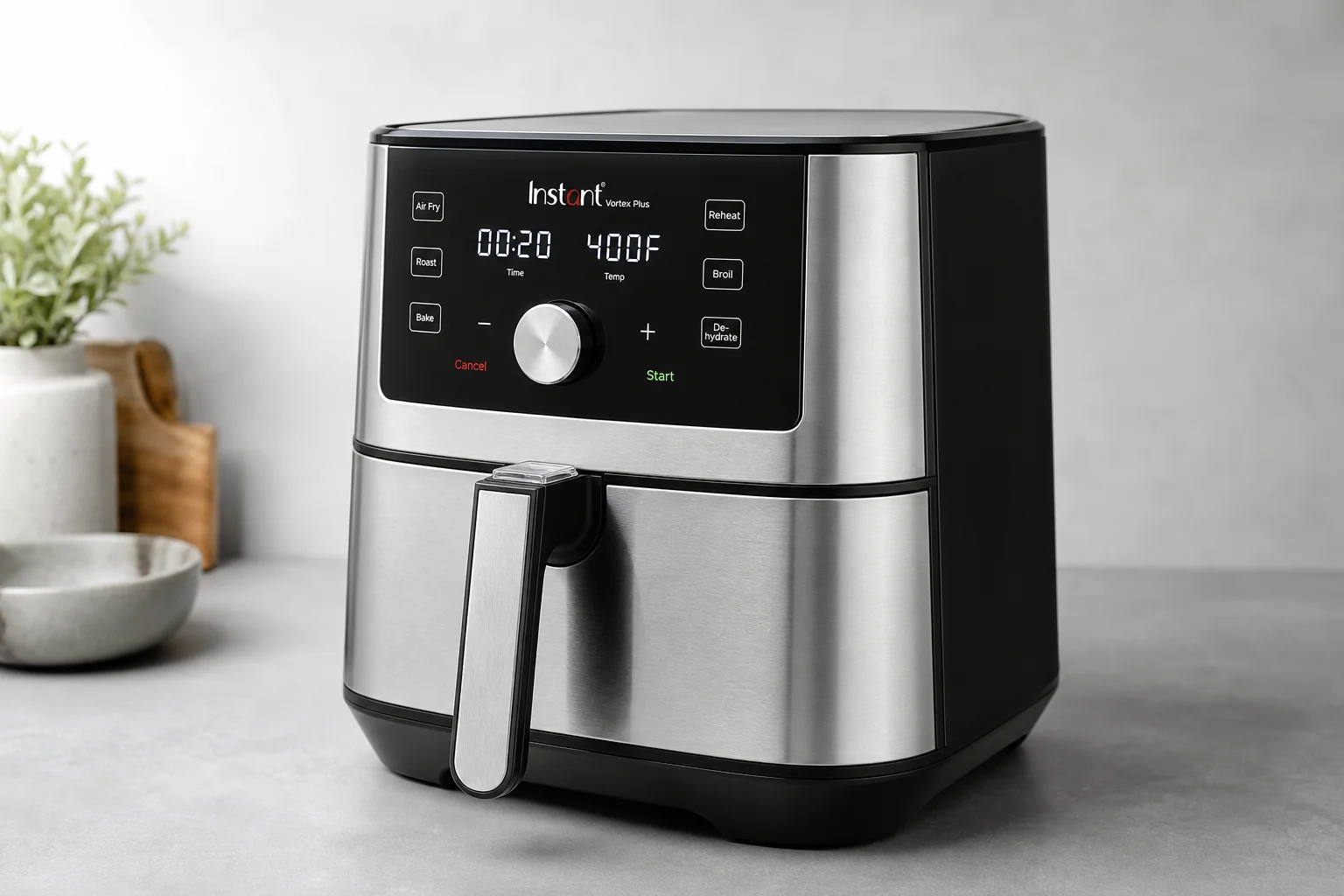
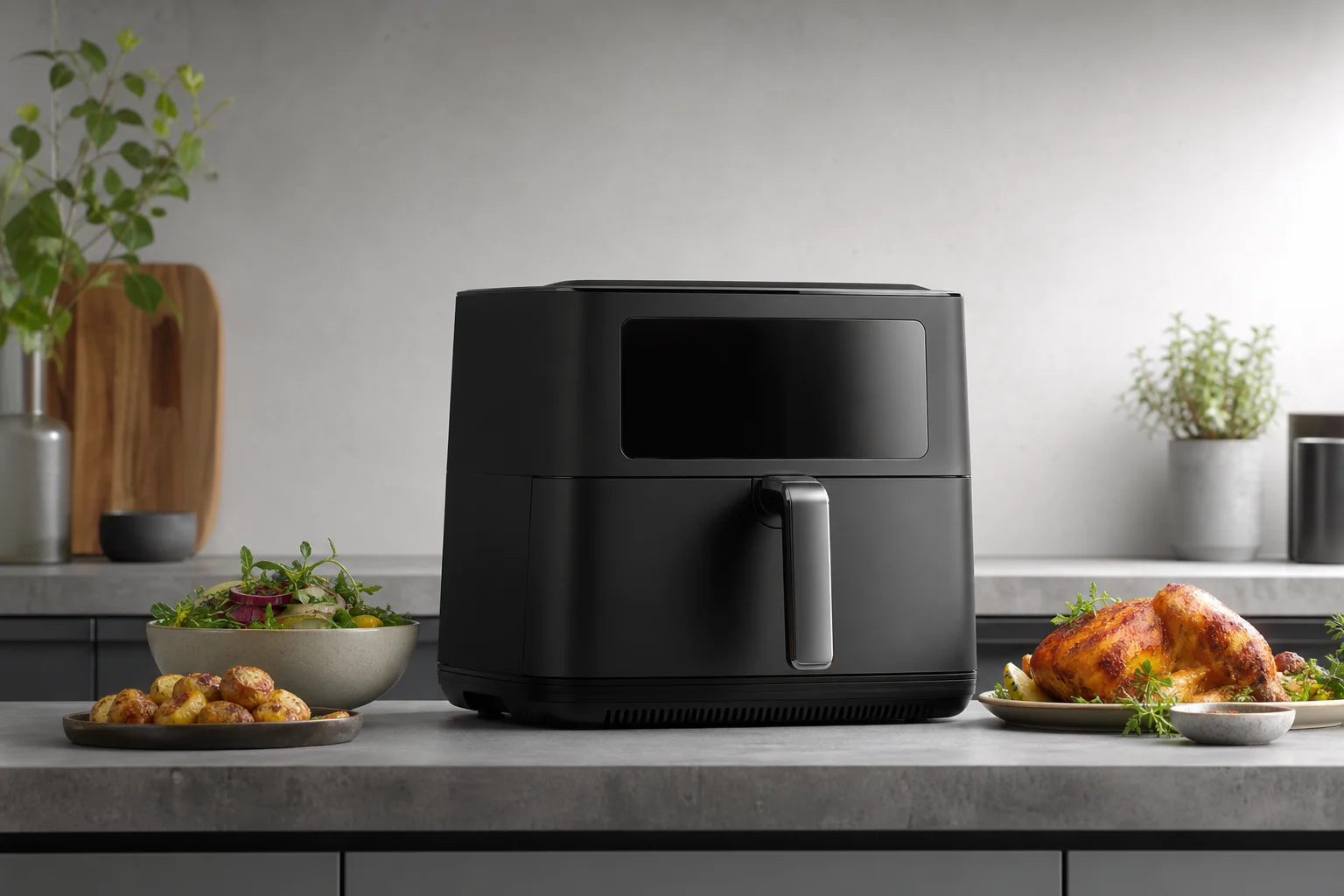
The Instant Vortex Plus has earned “best overall” recognition from both Serious Eats and America’s Test Kitchen, and testing confirmed why. It matches the COSORI’s 6-quart capacity, but the wider, less tall basket provides more usable cooking space. You can fit approximately 16 wings without overcrowding, compared to 14 in the COSORI.
The stainless steel front provides a polished appearance that coordinates well with other kitchen appliances. This is the only air fryer tested with automatic preheating, reaching 400°F in exactly 2 minutes and 39 seconds, though food placed in the basket before preheating completes still cooks properly.
A distinctive feature is the halfway-through beep reminding you to shake or flip food. While some users find this annoying, it is genuinely helpful for consistent results. Performance across all test foods was excellent. Wings required 25 minutes but emerged crispy and juicy, fries browned evenly, and squash cooked perfectly. Cookies had ideal top color but were slightly underdone on the bottom. Noise levels ranked second-lowest among all models tested.
The crisper plate does not fall out when tilting the basket, though it did dislodge when shaken hard, and one rubber bumper began to come loose, though it easily popped back in place. Some negative reviews mention a chemical or plastic smell during initial use, which I observed in the first few uses but which disappeared after several uses and cleanings.
Unique Design: Ninja Crispi
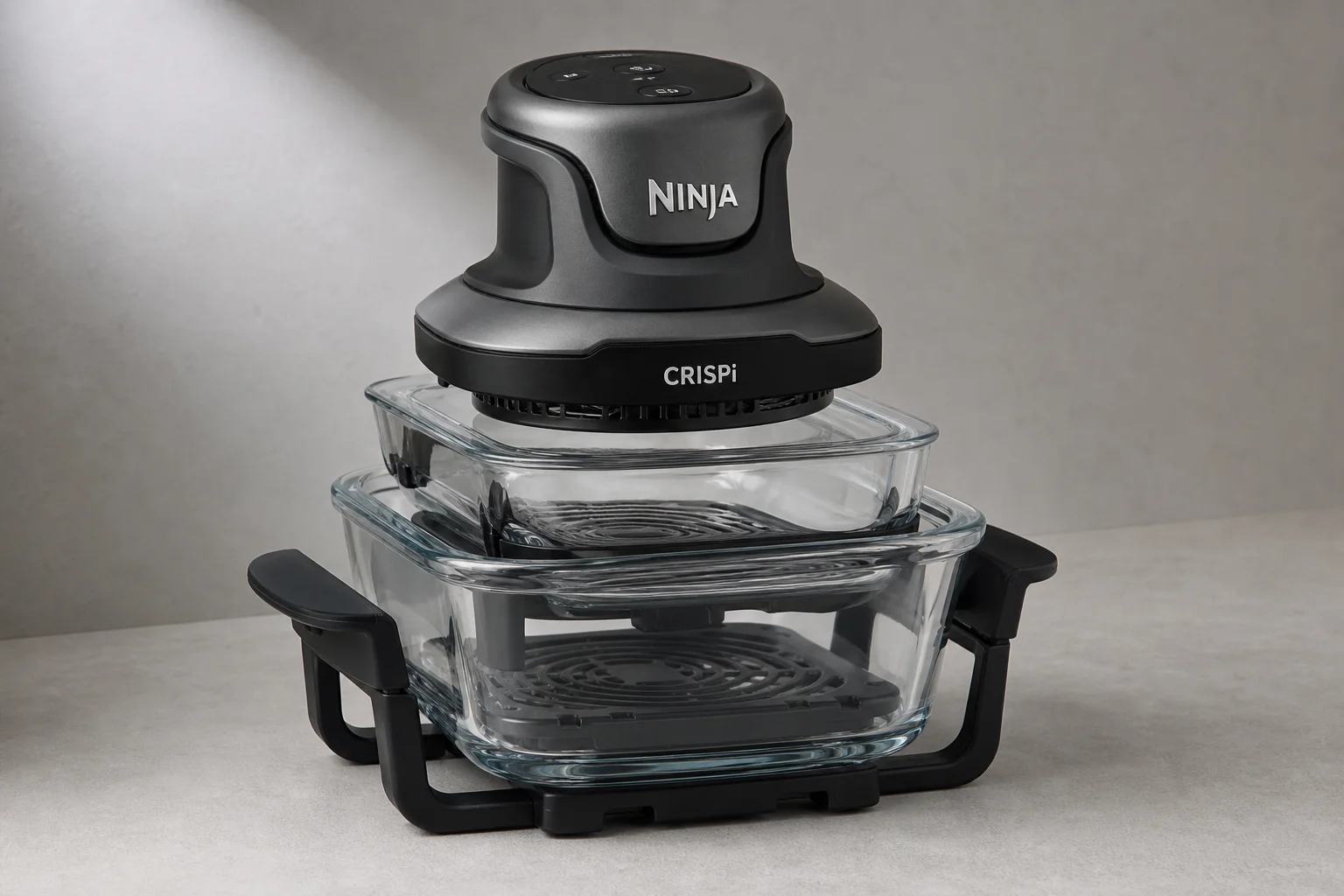
The Ninja Crispi stands out as the most unconventional air fryer tested. Instead of a traditional basket, it includes two glass containers, a lid with a built-in heating element and fan, and crisper plates to elevate food and promote air circulation. The containers include regular lids for storing and reheating leftovers.
Capacity is limited. The larger container fits four overlapping slices of bread or 11 wings, while the smaller holds approximately one and a half slices of bread and six wings. The glass design allows you to watch food cook without worrying about nonstick coating degradation, but the feature set is extremely basic. You cannot set a specific temperature, only choose from four preset modes and adjust cooking time.
Performance was surprisingly good. Wings emerged crispy, fries browned evenly, and squash developed a crisp exterior with a soft center. Cookies, however, were overcooked on top, completely undercooked on the bottom, and stuck to the glass.
The most significant concern is safety. The glass exterior reaches extremely high temperatures, measuring over 120°F five minutes after cooking. The heavy, awkward lid sits only a couple inches above the counter surface when removed, with the heating element still very hot on top, creating a burn risk if placed on flammable or heat-sensitive materials. Cleaning is also problematic, as water and food become trapped in the small space between the glass and plastic base and handles, unreachable by sponge or towel.
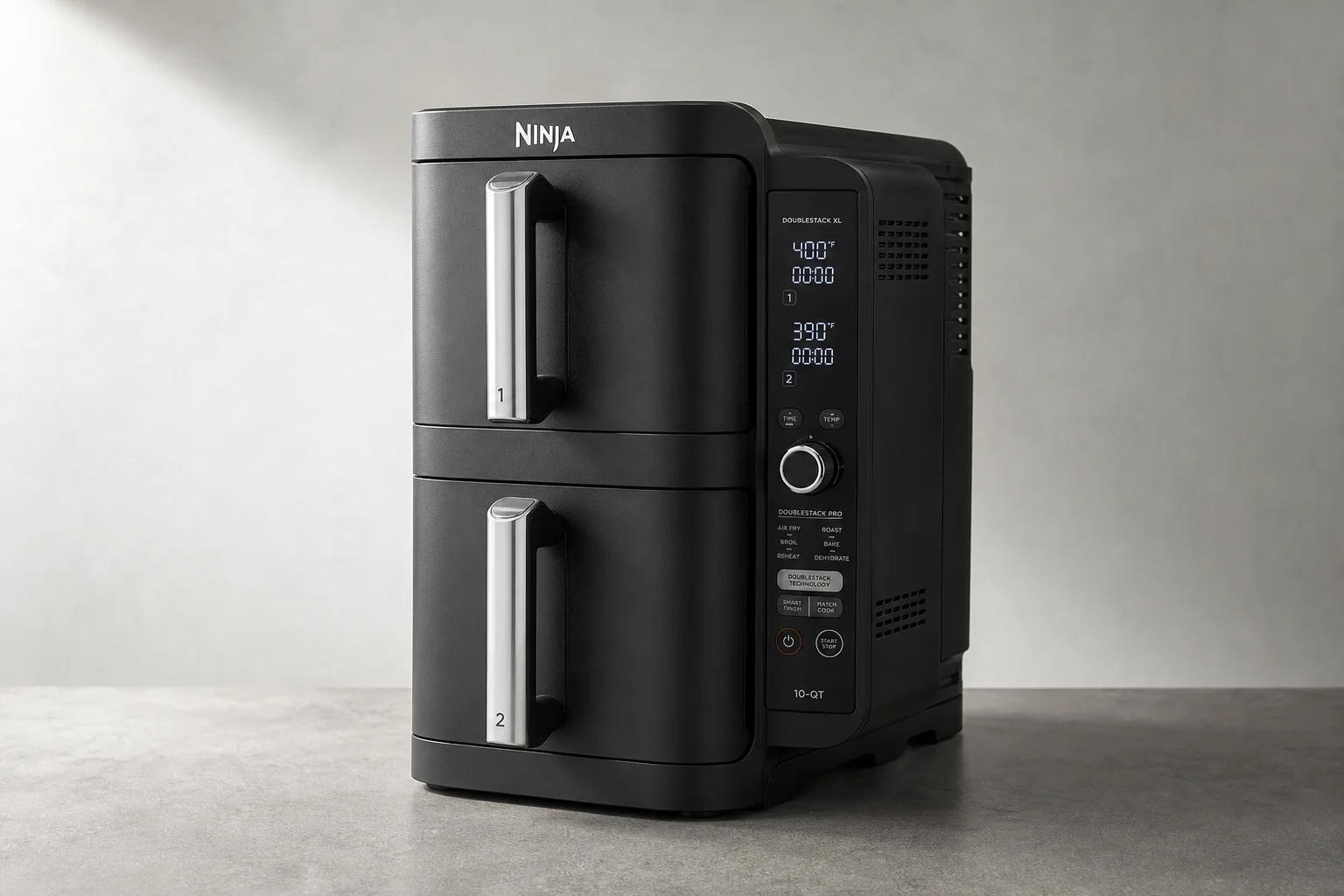
Dual-Basket Design: Ninja DoubleStack XL
The Ninja DoubleStack XL is a two-basket, 10-quart air fryer with a computer tower-like appearance. At 22 pounds, it is the heaviest model tested. The 29-inch cord is the shortest in the group. Fans are positioned in the back rather than the top, with holes in the basket backs to promote air circulation.
Each basket includes a crisper plate and metal rack enabling two-layer cooking, theoretically providing four cooking surfaces. In practice, each surface is small, accommodating only about three slices of bread or 10 wings. Oil and grease accumulate in the back holes or spray onto the heating element, complicating cleaning.
Performance consistently lagged behind other models. Wings required 25 minutes but lacked the crispness of competitors. Fries emerged slightly soft, squash was less brown, and cookies were the least cooked on top. The top basket runs slightly hotter than the bottom, but even accounting for this, performance trails other units. Unlike the smaller Ninja Pro, the crisper plates remained secure when tilted and shaken. However, like the other Ninja model, the timer continues running when you remove the basket.
Premium Choice: Typhur Dome 2
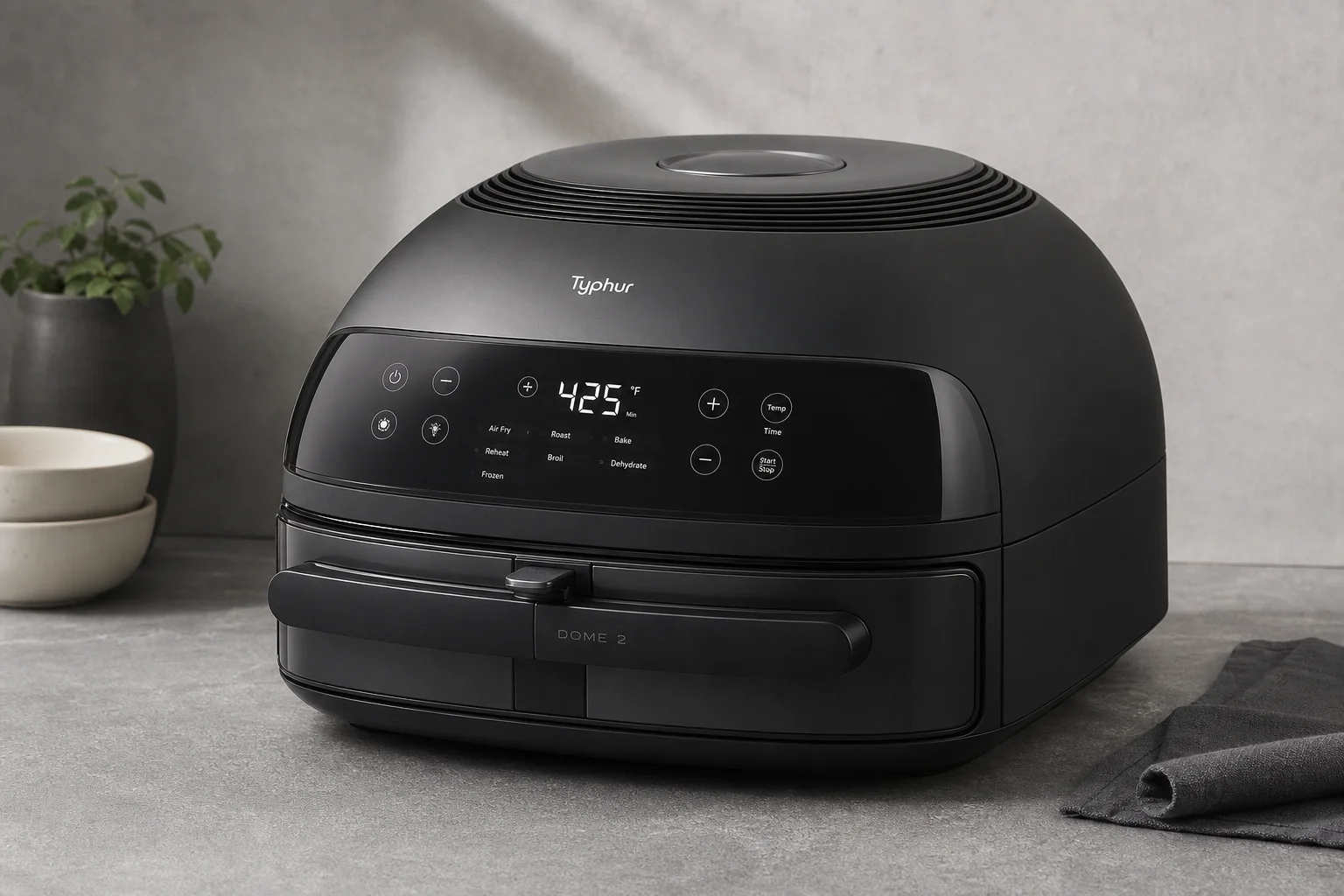
The Typhur Dome 2 is the most expensive and largest air fryer tested. It occupies substantial countertop space and has limited interior height, preventing cooking of tall foods. However, it offers the largest cooking surface by far, accommodating approximately seven slices of bread or 25 wings.
The defining feature is dual heating elements, one on top and one on bottom, unlike most air fryers which have only a top element. This design delivers measurable benefits. Wings cooked in just 18 minutes, making it the second-fastest overall, and cookies baked the most evenly of all models tested. All other foods emerged crisp, brown, and perfectly cooked.
Typhur’s claim of quieter operation is accurate. At 51 decibels, it was the quietest model tested. The crisper plate dislodged when shaken hard but remains secure when tilted. The unit connects to a smartphone app, which, while not essential, is a convenient feature. The app pairs easily and provides alerts when food is done, plus access to self-cleaning mode, which has not been necessary during testing.
Buying Recommendations
For maximum performance, the Typhur Dome 2 is the clear winner. The dual heating elements cook more evenly, the large cooking surface eliminates overcrowding, and it delivers the quietest operation. The trade-off is size and cost, which may not suit all kitchens or budgets.
For most people, the Instant Vortex Plus offers the best balance. It does not consume excessive countertop space, yet provides adequate capacity for cooking for four or five people. The stainless steel finish coordinates with modern kitchens, helpful features like the flip reminder improve results, and performance is consistently reliable.
The COSORI TurboBlaze and Ninja Air Fryer Pro are solid alternatives with their own strengths, though each involves trade-offs in capacity, safety features, or noise levels.
Air fryers to avoid include the Chefman, Ninja DoubleStack, and Ninja Crispi. The Chefman’s forward-tipping design is a serious safety concern. The Ninja Crispi’s extremely hot glass exterior and portable heating element present unacceptable burn risks. The DoubleStack sounds appealing with its dual cooking zones, but the bulky footprint, small individual baskets, and slower cooking performance make it impractical compared to alternatives.
Conclusion
Spending more on an air fryer does deliver tangible benefits in performance, safety, and usability, but the most expensive option is not necessary for most households. The Instant Vortex Plus demonstrates that mid-range pricing can provide excellent results, reliable performance, and practical features without the premium price tag or excessive countertop footprint of the most expensive models. Choose based on your available space, cooking volume needs, and budget, but prioritize safety features and consistent performance over novelty functions.
Further reading
Related Reviews

Kitchen Appliances
Arboleaf Smart Kitchen Scale Review: Connected Cooking Made Simple
A Bluetooth-enabled kitchen scale that syncs with a nutrition-tracking app, offering real-time weight monitoring and recipe guidance for home cooks.
Kitchen Appliances
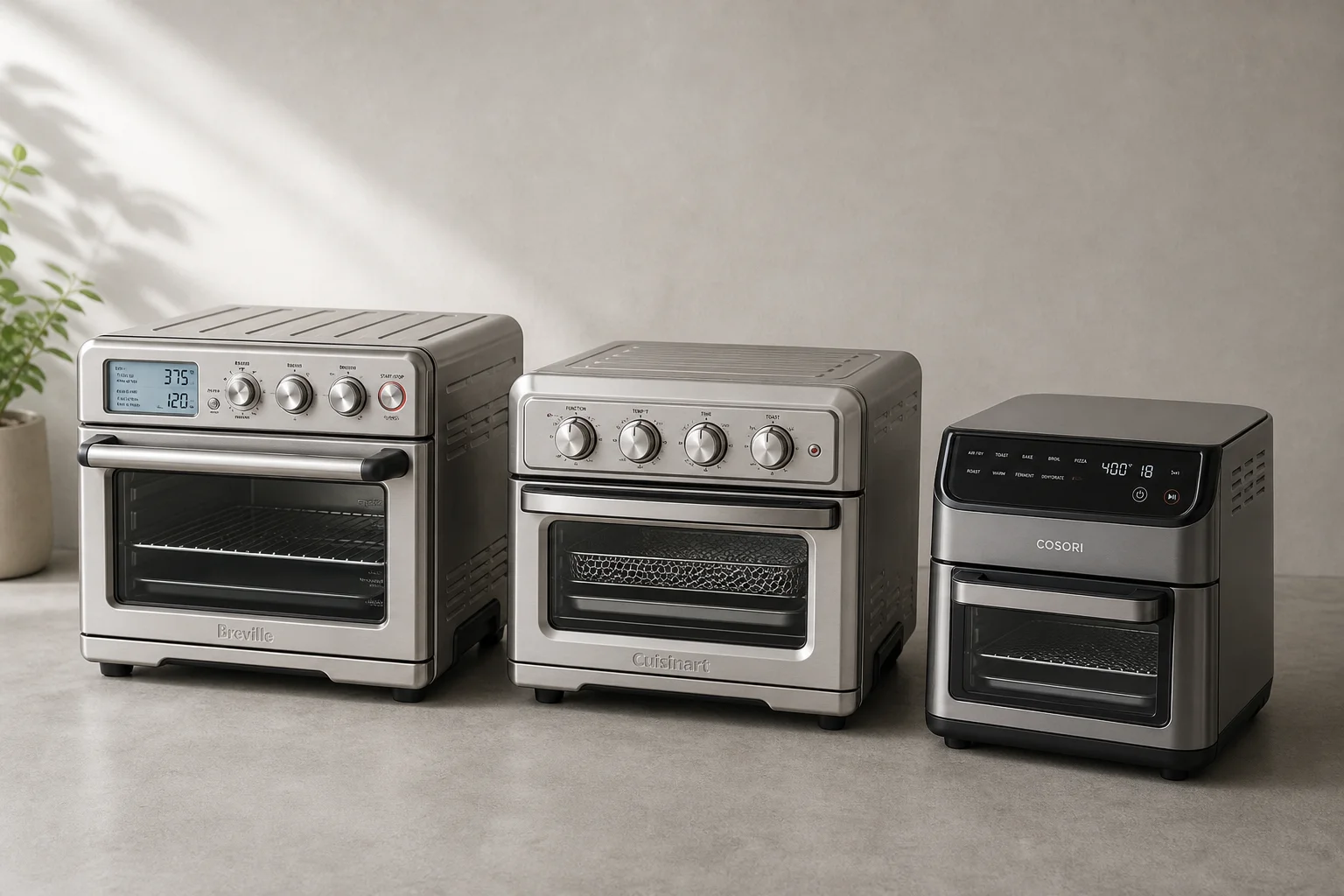
Best Air Fryer Toaster Ovens: Three Top Picks for Multi-Function Cooking
Three high-performing air fryer toaster ovens tested for versatility, ease of use, and real-world cooking results. Find the right fit for your kitchen.
Kitchen Appliances
Best Air Fryer Toaster Ovens Under 100: Five Practical Options for Budget-Conscious Kitchens
Five air fryer and toaster oven combinations that deliver real cooking performance without breaking the bank, each with distinct strengths for different kitchen needs.