Running Shoes
Every Adidas Running Shoe Reviewed: Which One Should You Buy?
From the budget-friendly SL2 to the radical Prime X 2 Strung, a practical breakdown of eight Adidas running shoes and who each one is really for.
Introduction
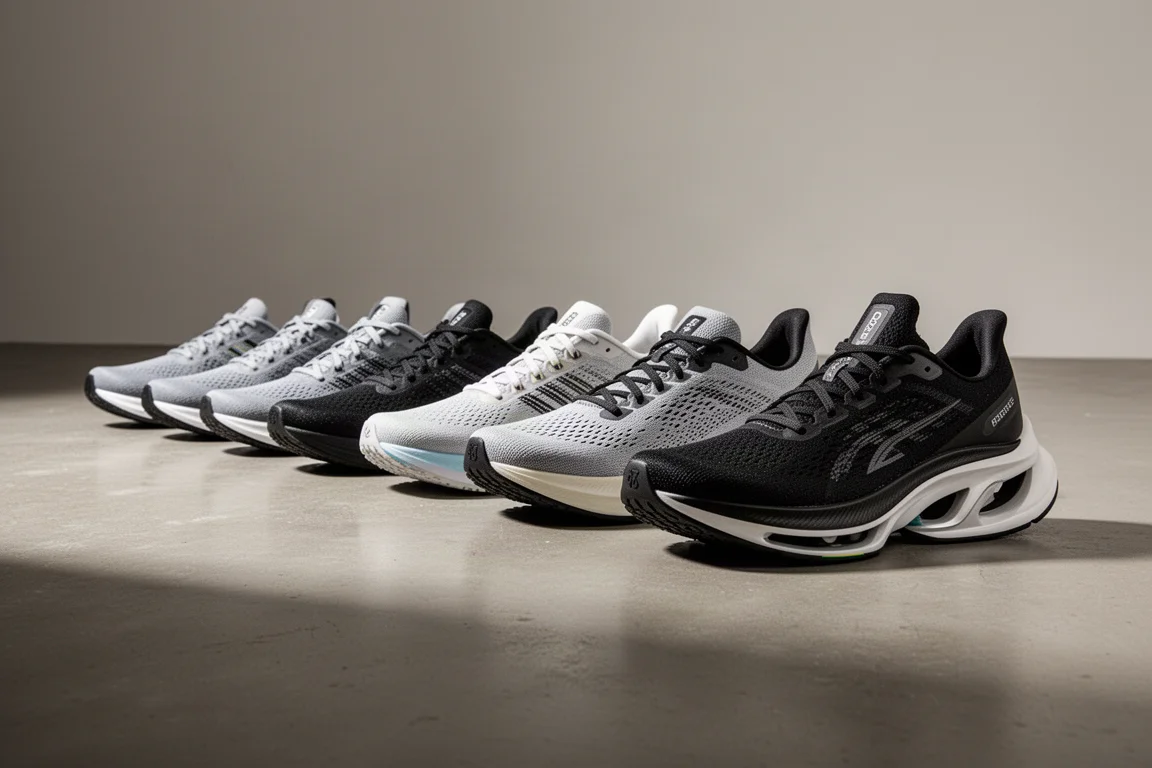
Adidas currently runs one of the deepest lineups in running shoes, from genuinely excellent budget trainers to some of the best marathon racing shoes in the world. To help you pick the right pair, this guide works through eight models from the least expensive to the most expensive, covering what each shoe is designed for, what works, what does not, and who should buy it.
Adidas SL2: The Best Value Daily Trainer
The SL2 is an entry-level daily shoe built to handle lots of different runs fairly well: an easy mileage shoe that can still pick up the pace when you want it to. It uses a layer of Lightstrike Pro, Adidas’s high-end super foam, sandwiched between two layers of the more hardwearing Lightstrike 2.0. There is no plate. It sits at 36 mm of stack with a 9 mm drop, weighs 287 g, and costs £110. Size up half a size; the fit runs narrow and slightly short.
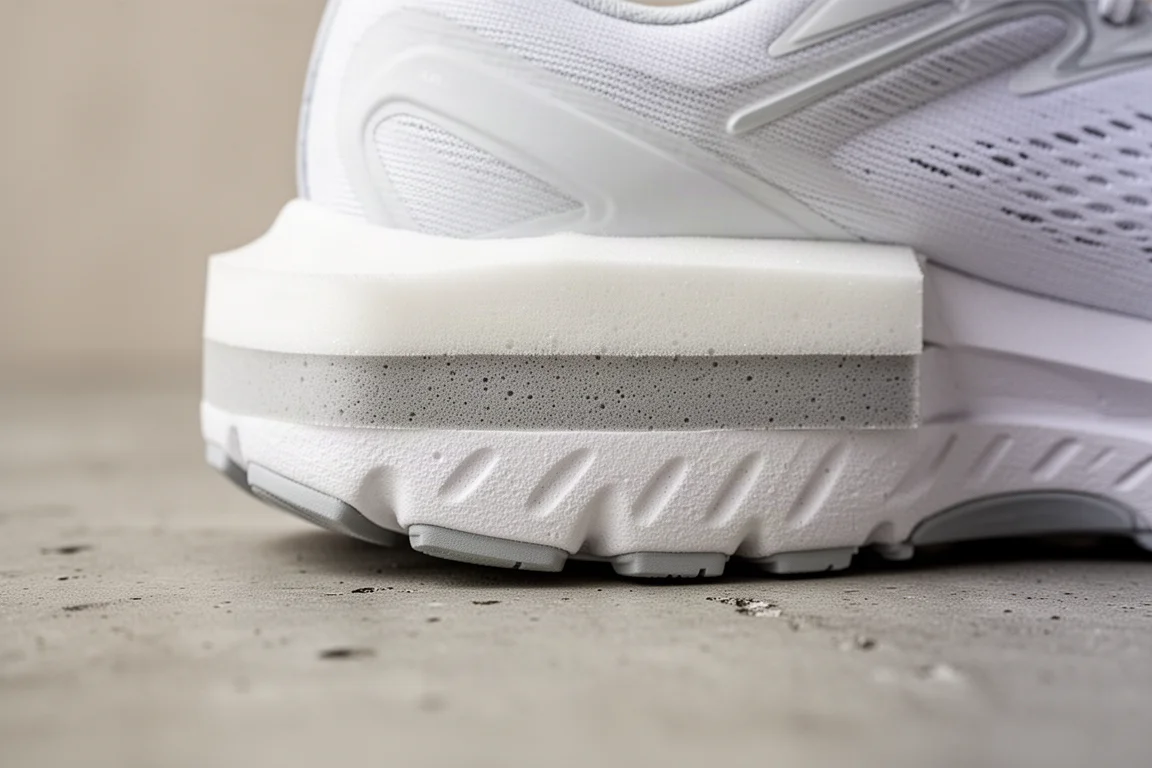
What stands out is how engaging and snappy the ride feels for the price. Foams at this level are usually firmer and duller, so having genuine premium foam in a budget shoe makes the SL2 one of the best value running shoes on the market right now, period, not just within Adidas. Durability and outsole grip are solid too, even without the flagship Continental rubber. The main downsides: it is definitely on the narrow side, so wide-footed runners will struggle, and the soft, narrow platform is not the most stable in corners. For new runners who do not want to spend big money early, or anyone who just wants a great value shoe to get it done, this is an easy recommendation.
Adidas Adios 9: The Old-School Racing Flat
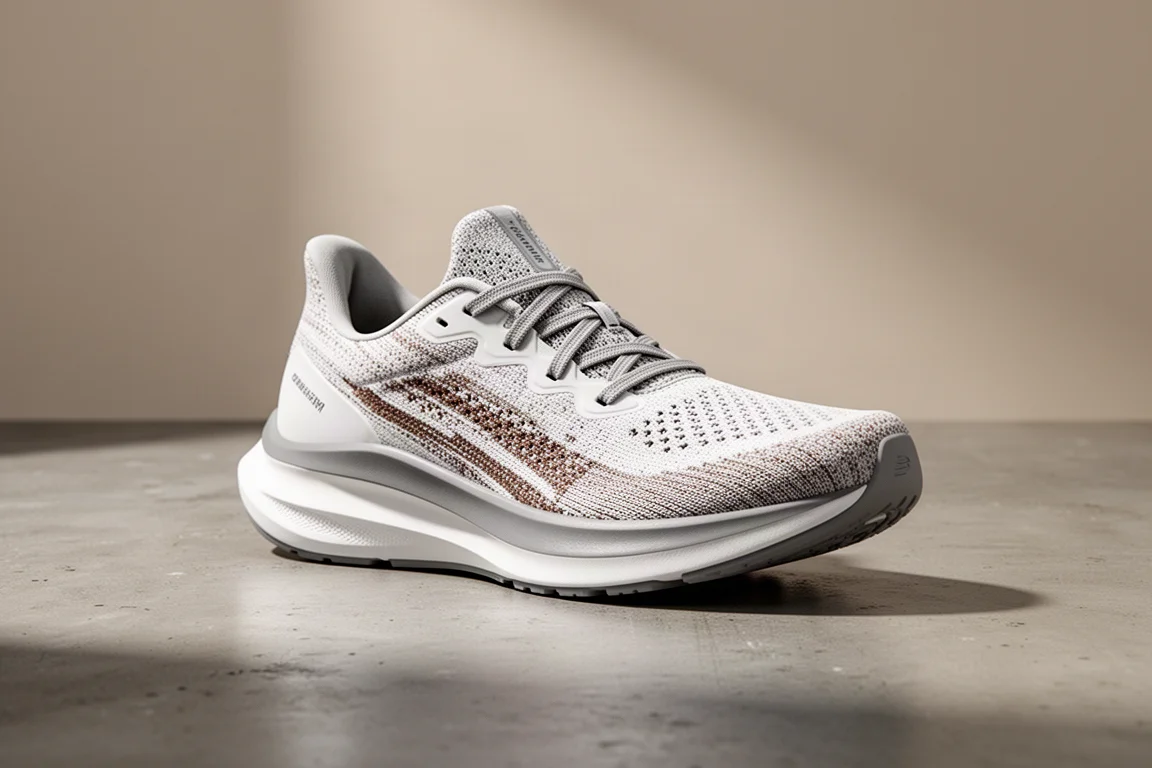
The Adios 9 is a low-stack speed shoe for racing 5Ks and 10Ks and for fast sessions, with an old-fashioned racing flat feel. It is ultra lightweight at 210 g, which puts it among the lightest shoes you can buy, with 27 mm of stack at the heel and a 7 mm drop. Lightstrike Pro runs throughout the midsole, there is no plate, and the fit is true to size at £120.
The appeal is simple: it is extremely light, snappy, and a joy to run in when you want a fast turn of speed. Comfort is surprisingly good for such a stripped-back shoe, with a slipper-like fit and secure lockdown. In a world of heavy, clunky trainers and max-stack everything, it is refreshing that a low-profile option like this still exists for runners who want to feel the ground and get quick turnover. The caveats: a very narrow toe box, and it is a niche choice in 2026. Most runners will prefer a higher-stacked alternative for longer distances, and you will likely need a second shoe for your bulk mileage.
Adidas Evo SL: The Versatile Speed Daily
The Evo SL is a daily trainer with more emphasis on speed: where the SL2 is better at easy paces, the Evo SL handles tempo and faster running better. It has far more stack than the Adios at 39 mm, with a 7 mm drop, a 267 g weight, and full-length Lightstrike Pro with no plate. At £130, you are getting the same premium foam found in Adidas’s top-end race shoes at a very reasonable price.
Versatility is the real strength. It feels comfortable from slow jogs up to genuinely quick 3 minutes per kilometer efforts, making it a great option for runners who want a light, fast-feeling daily shoe without plates or rods. It is true to size. The gripes are minor: a short tongue that is not ideal for heel-lock lacing, laces that feel a touch cheap, an upper that is thin to save weight and does not offer the most secure lockdown, and a shoe that was arguably marketed as more revolutionary than it is. It was also hard to find in stock for a long stretch. You will probably want something else in your rotation for long runs, but as a speed-oriented second shoe, it is excellent.
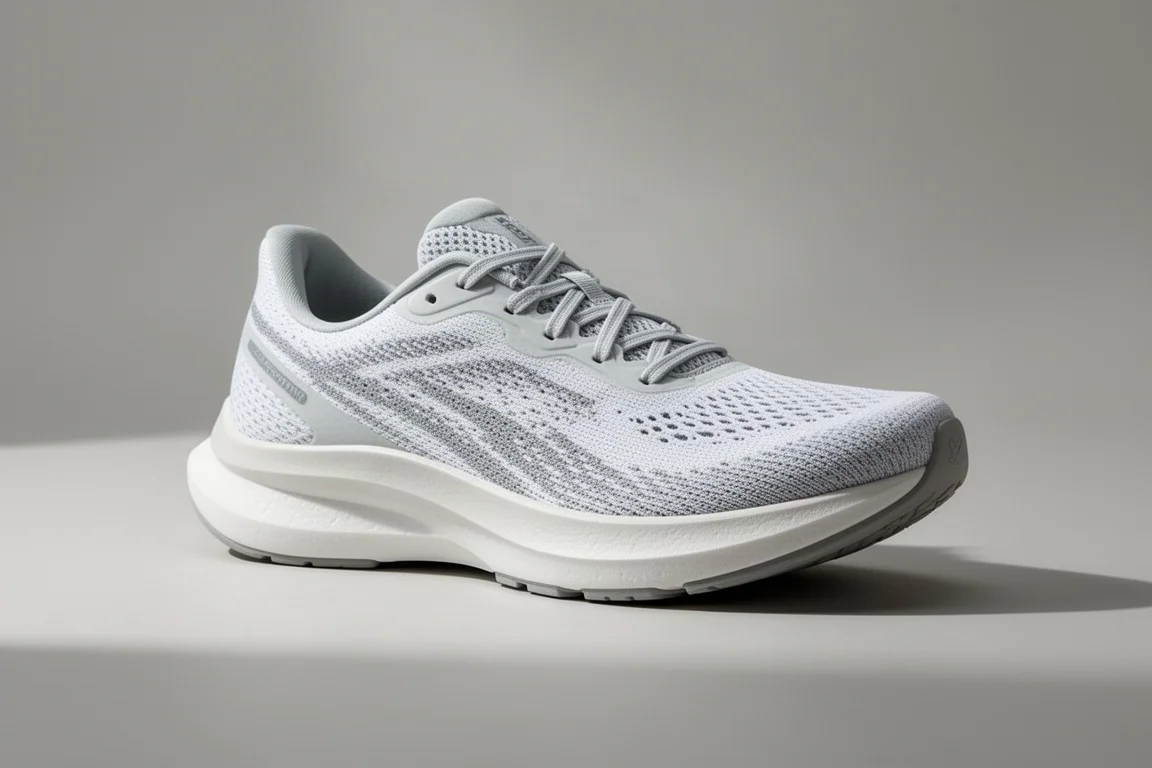
Adidas Boston 12: The One-Shoe Rotation Pick
The Boston 12 is the more durable, longer-distance daily trainer in the lineup, sitting above the Evo SL and SL2. It uses Lightstrike Pro over a newer, more durable Lightstrike 2.0 EVA layer, plus glass fiber energy rods for extra propulsion. It is 38 mm at the heel with a 7 mm drop and 318 g in a UK size 12, at £140. Sizing tip: go half a size down, as these come up a little big with not much padding at the back of the shoe.
Grip is one of the best in class, and the ride is fun and engaging, with the rods and Lightstrike Pro making it easy to pick up the pace even though most of your miles will be easy ones. This is a true do-everything trainer: comfortable at easy paces, good cushioning for long runs, and light enough for speed work and racing. If you want a single shoe rotation, this is arguably the best option in the entire lineup. The main risk is fit: some runners report heel slip due to the stripped-back heel, and a redesign is expected in the next version.
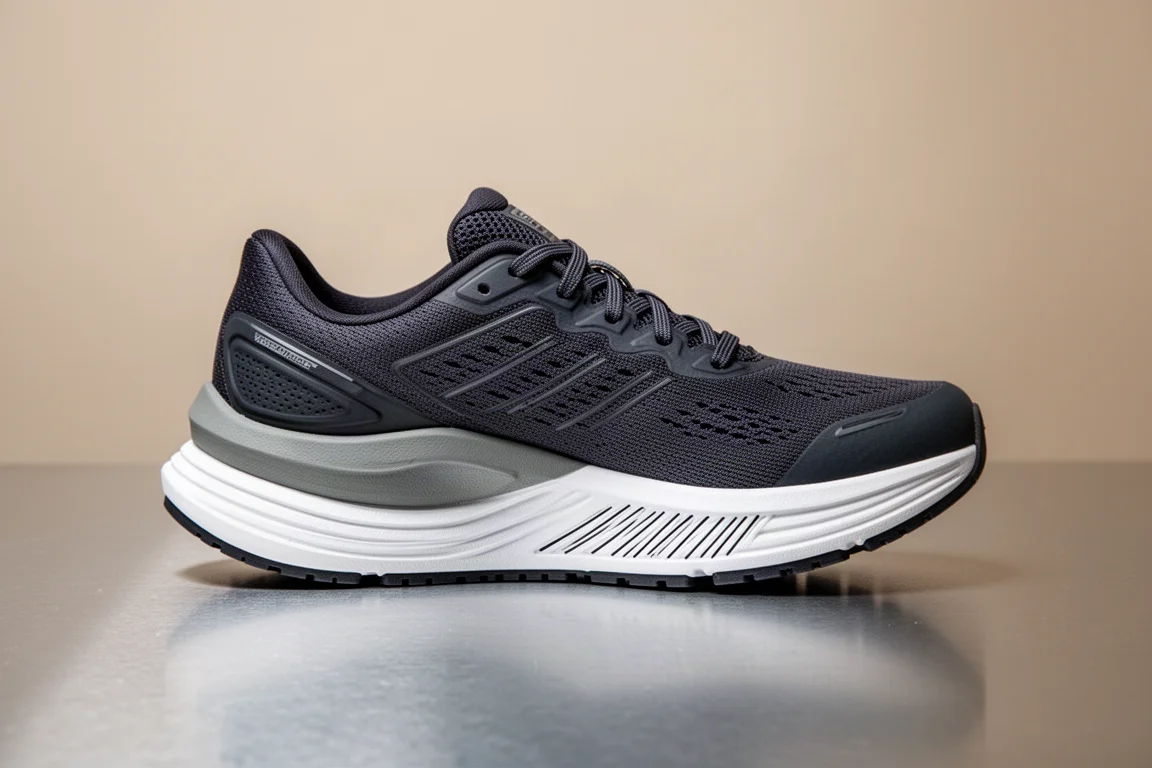
Adidas Ultraboost 5X: The Do-It-All Hybrid
The Ultraboost 5X is the lighter of the two current Ultraboost versions and is best understood as a hybrid lifestyle-running shoe: gym, casual wear, and surprisingly decent runs. It uses Lightboost foam, Adidas’s durable everyday workhorse rather than its premium racing foam, with no plate. Specs are 39 mm of stack, a 10 mm drop, 326 g, and a £160 price tag. Sizing runs true.
It looks good with almost anything, it is well made and comfortable, and it packs a lot of room inside, which is rare for Adidas: the stretchy Primeknit upper accommodates nearly all foot shapes at the front. It also suits all foot strikers and carries Continental grip on the outsole for genuinely great traction. This is the one shoe you might pack for a weekend away and know it covers everything. The downsides: £160 is a lot for this type of shoe, with rivals like the Nike Pegasus coming in cheaper, and you will not get much speed out of it. Comfort first, performance second.

For the occasional runner who wants one cool-looking shoe for the gym, casual wear, and the odd run, the Ultraboost 5X fits the brief well.
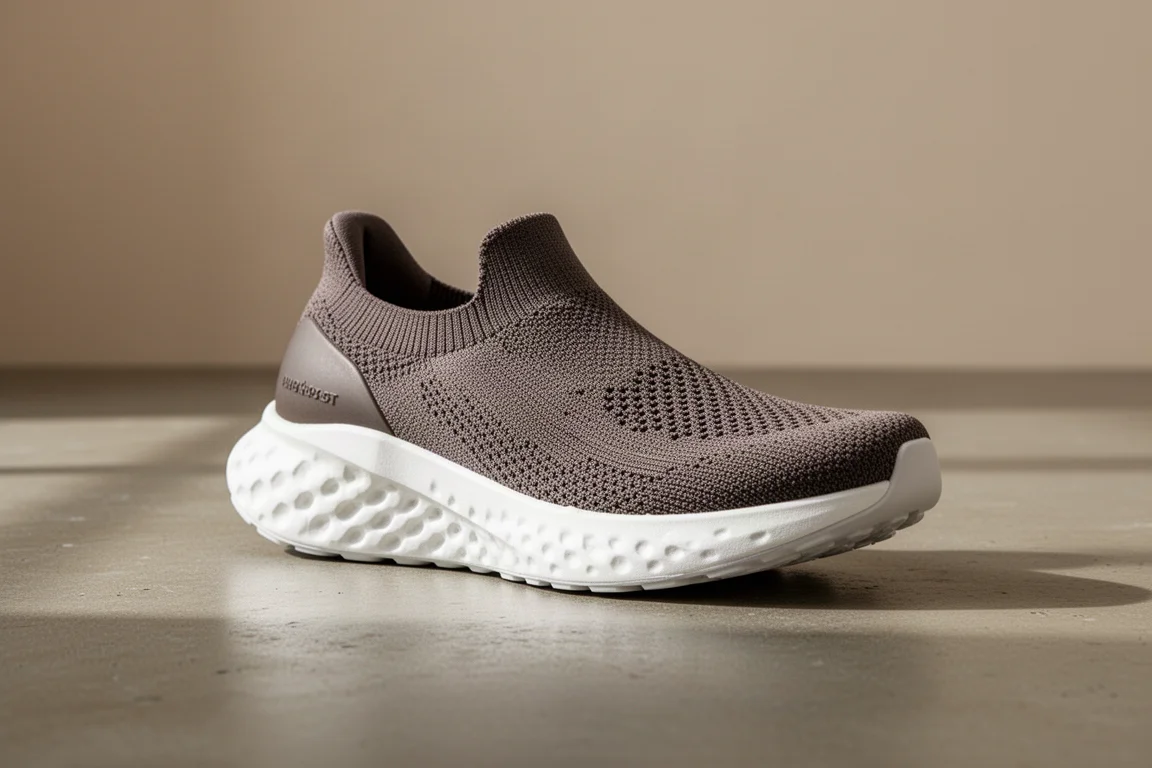
Adidas Takumi Sen 10: Lightweight Speed With Tech
The Takumi Sen 10 is Adidas’s dedicated speed shoe for 5K, 10K, and half marathon racing, similar in role to the Adios 9 but with more tech: two layers of Lightstrike Pro and energy rods through the midsole. It weighs a very light 241 g, sits at 33 mm of stack with a 7 mm drop, and costs £170. Go half a size up; the fit runs snug.
The DNA is consistent with earlier versions, so if you liked the Takumi Sen 8 or 9, this will feel familiar. It delivers a good amount of cushioning and responsiveness, and the rods are unnoticeable while running. What you do notice is the turn of speed: it is snappy, it is fun, and it makes picking the pace back up between reps genuinely enjoyable. The Continental grip is excellent, and the upper is very breathable, making it a strong choice in hot or wet conditions. The familiar drawbacks apply: a narrow fit, and a stripped-back upper with minimal heel padding that could irritate some runners even if it did not cause problems for everyone.
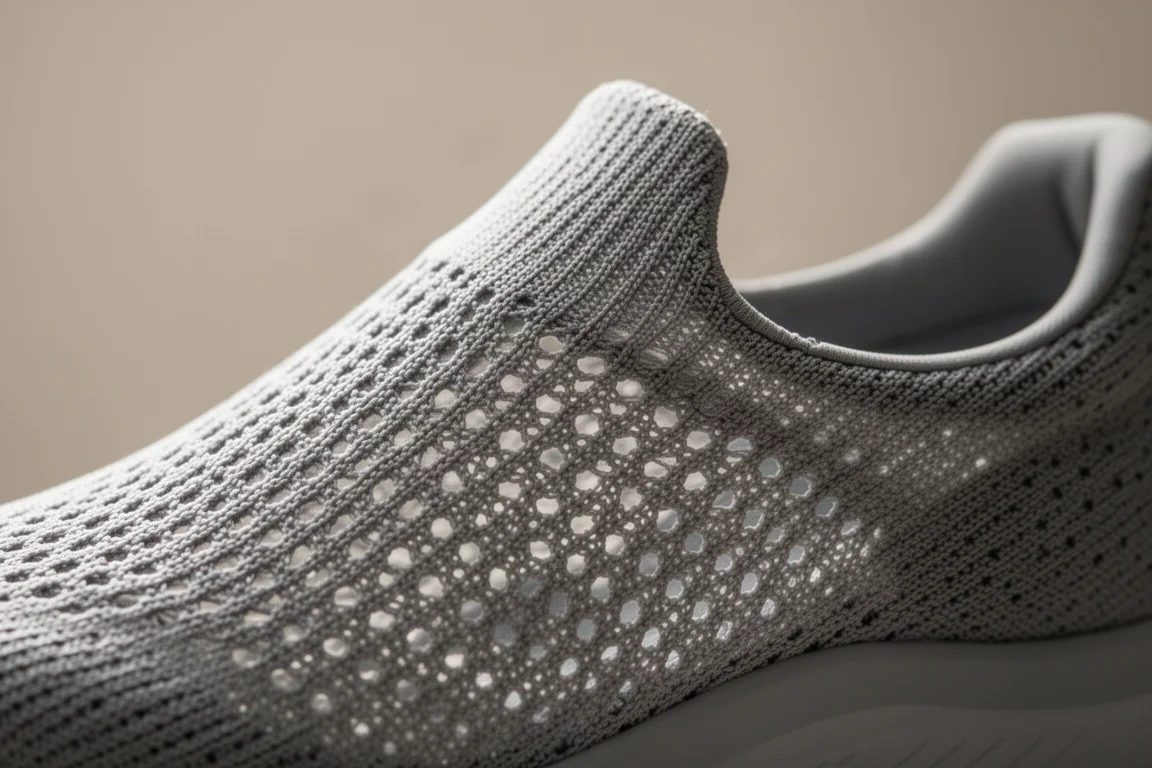
As a lightweight, responsive race shoe for short distances, or as a dedicated speed day shoe within marathon training, it is one of the most enjoyable options in the lineup.
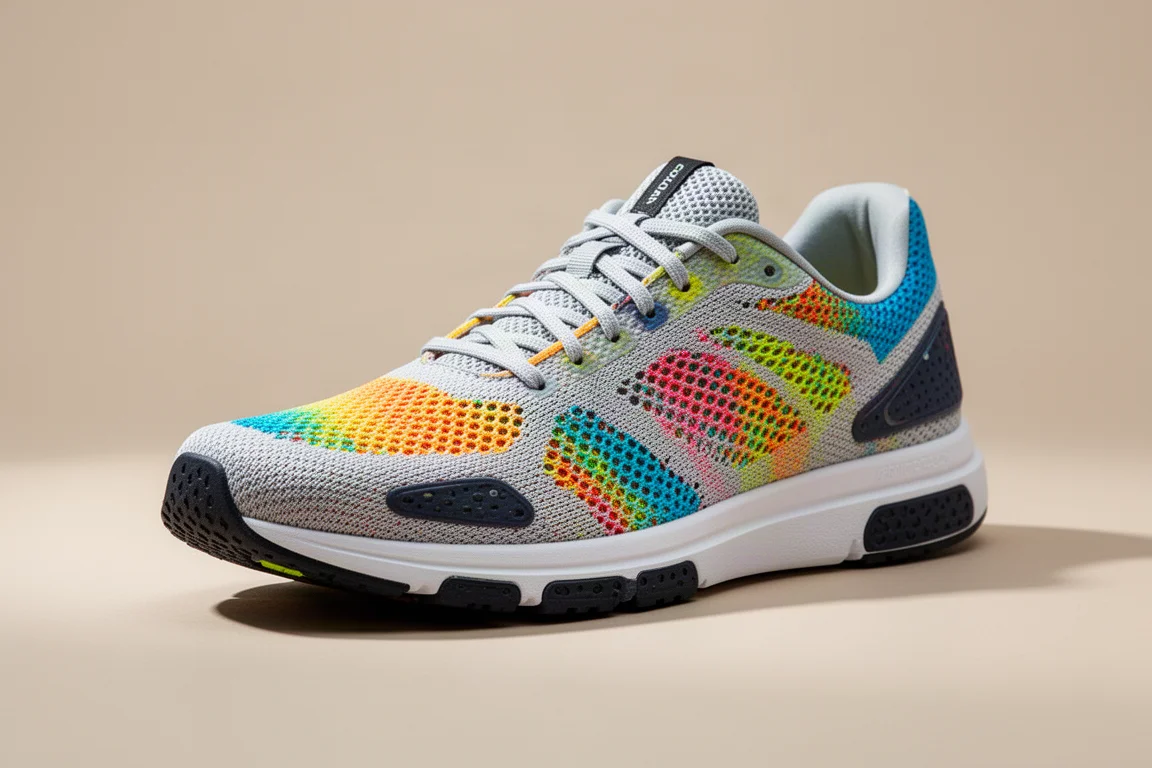
Adidas Adios Pro 4: The Marathon Racer
The Adios Pro 4 is Adidas’s flagship half marathon and marathon racing shoe and one of the best marathon racers currently available. It uses a double layer of full-length Lightstrike Pro with carbon-infused energy rods, at 39 mm of stack, a 6 mm drop, and just 237 g in a UK size 12. Priced at £220, it undercuts the equivalent Nike Vaporfly by around £20. Fit is about true to size, though wider-footed runners should go half a size up.
It is the most comfortable marathon racing shoe many runners have ever worn, with a smooth, aggressive forefoot rocker that promotes a lovely foot strike. It happily sits at marathon pace but also handles 5K and 10K efforts, meaning you could genuinely race anything from a 5K to a marathon in it. Lockdown is excellent thanks to the Lightlock system, grip is outstanding with Light Traction and Continental rubber, and it feels light and fast on the start line. The trade-offs: the soft heel foam may feel too soft or slightly unstable for heavier heel-striking runners, small stones can catch in the outsole during training, and the laces feel a touch cheap.
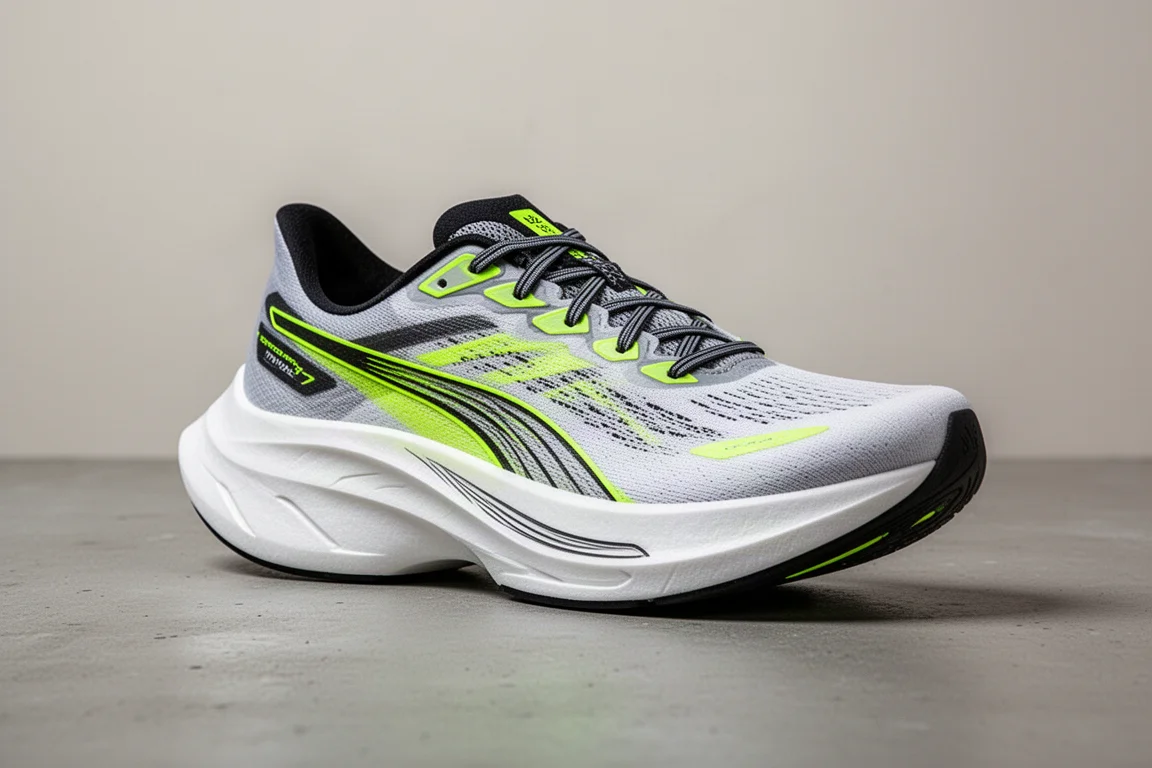
Adidas Prime X 2 Strung: Maximum Tech, Maximum Stack
The Prime X 2 Strung is what happens when Adidas throws every piece of technology it has at one shoe: three layers of Lightstrike Pro, more than any other Adidas shoe, plus two carbon plates. That combination also makes it illegal for competition under current rules, with 50 mm of stack exceeding the legal limit and the dual plates breaking plate rules. It is a long-distance racing and training shoe for half marathons, marathons, and potentially ultras, for runners not bound by those regulations. It costs £250, weighs 357 g, has a 7 mm drop, and Adidas recommend going half a size up.
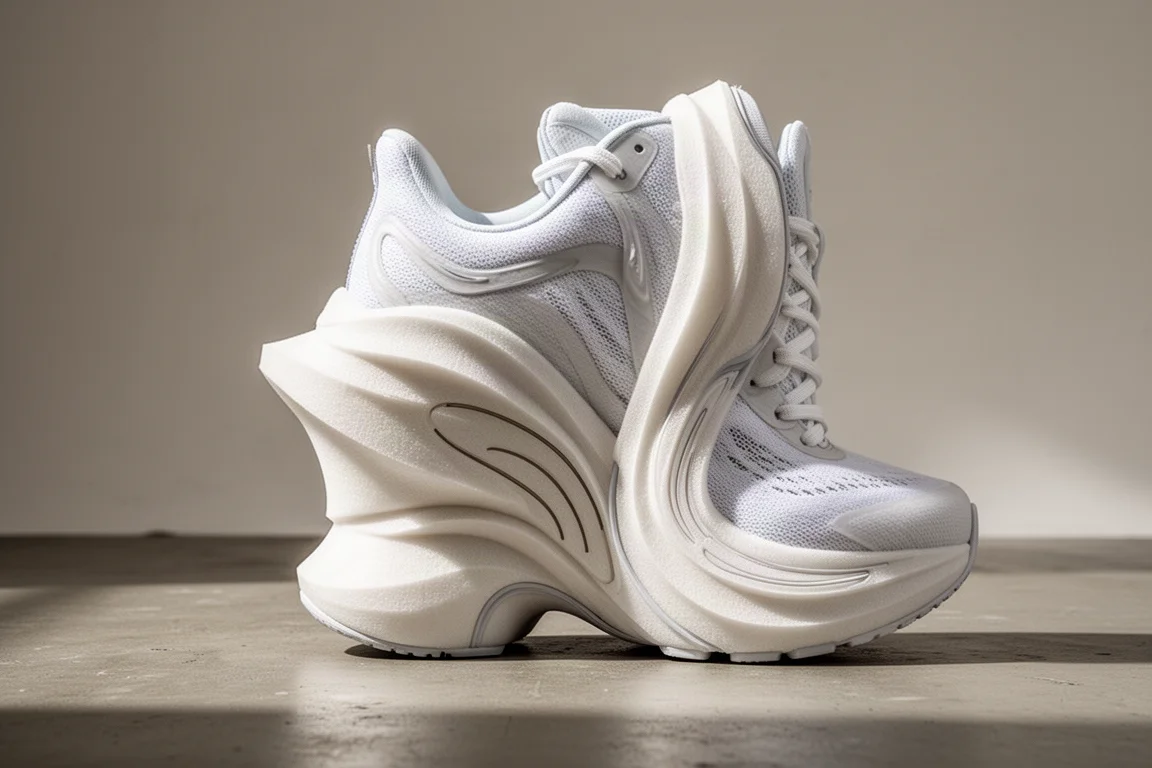
The long-run comfort is genuinely high, with a trampoline-like ride that makes cruising easy miles a lot of fun, and no one is likely to bottom out that enormous foam stack, which makes it a viable race option for heavier runners. The Strung upper is unique and works well, with good breathability. It is, however, seriously expensive, heavy for a race shoe, and stability is about what you would expect from 50 mm of foam: it demands strong ankles. Viewed realistically, this is more of a training shoe than a race day weapon; most runners racing seriously would be better served by the Adios Pro 4.
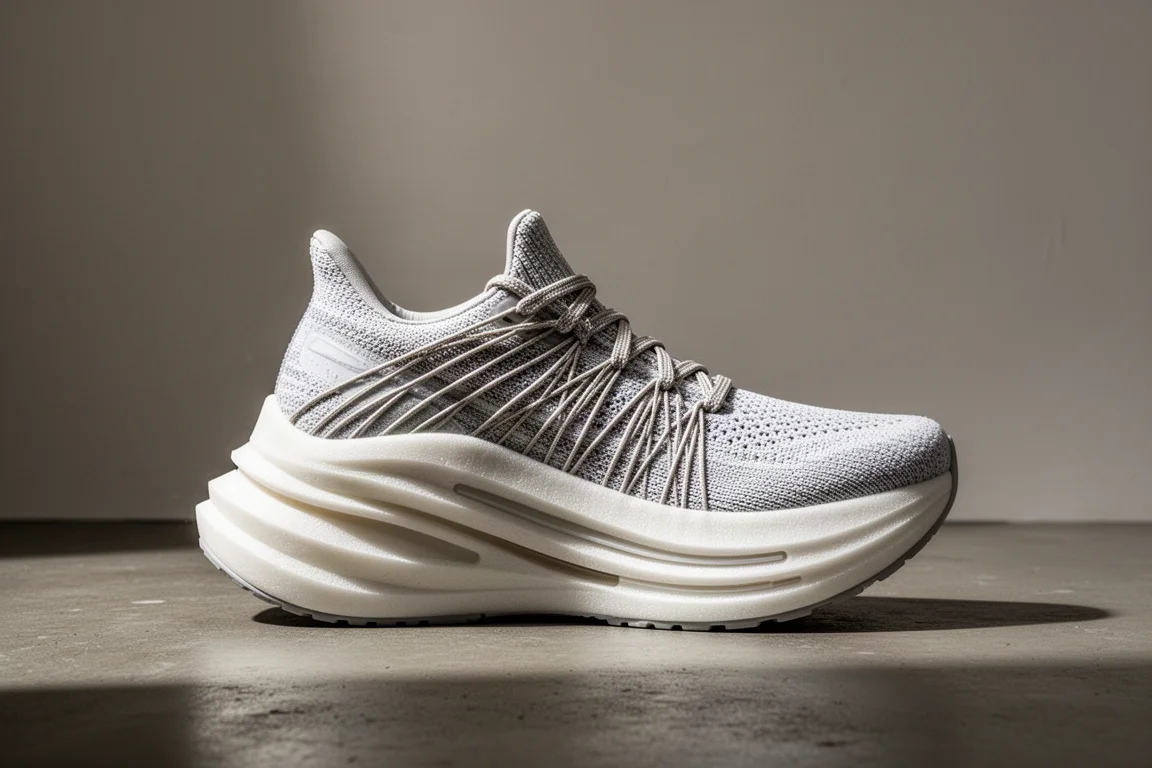
Other Adidas Options Worth Knowing
A few other shoes sit outside the main eight. The Adios Pro Evo 1 is an extremely lightweight elite racing shoe at £450, brilliant but really designed for the strongest, most elite athletes, and not a practical choice for most runners. If you need more support, the Supernova Solution and the Prima are Adidas’s stability options worth checking out.
Buying Advice: Which Adidas Shoe Is Right for You?
If you want one shoe to do everything, the Boston 12 is the strongest single-shoe rotation pick, with the SL2 as its cheaper, rod-free alternative. If your priority is short-distance speed, the Takumi Sen 10 adds tech and the Adios 9 keeps things simple and cheap. For a fast daily shoe with premium foam, the Evo SL is the value play. Marathon racers should look straight at the Adios Pro 4, while the Ultraboost 5X covers lifestyle and light running duty, and the Prime X 2 Strung is a fun, rule-bending long-distance option for those with the budget.
Conclusion
Adidas’s range covers nearly every running need exceptionally well, with standout value at the budget end, excellent versatility in the middle, and a genuinely world-class marathon racer at the top. Match the shoe to your primary use case and fit, and there is very likely an option in this lineup that will work for you.
Further reading
Related Reviews

Running Shoes
Best Road-to-Trail Running Shoes: Three Versatile Options for Mixed Terrain
A practical guide to three road-to-trail running shoes that handle both pavement and mild trails, with clear strengths and trade-offs for different runner types.

Running Shoes
Best Running Shoes for Achilles Tendonitis: Three Options Explained
Three running shoes with different heel drops and support features designed to help reduce Achilles tendon pain during walking and running.

Running Shoes
Best Running Shoes for Women: Five Top Choices Ranked
A ranked guide to five women's running shoes, from versatile daily trainers to high-performance racing options, with real strengths and trade-offs for each.