Running Shoes
Best Accessible Running Shoes: FlyEase and Easy-Entry Options for Limited Mobility
A practical look at the few running shoes genuinely designed for hands-free or single-action entry, plus how alternatives like Salomon Quicklace and BOA compare.
Introduction
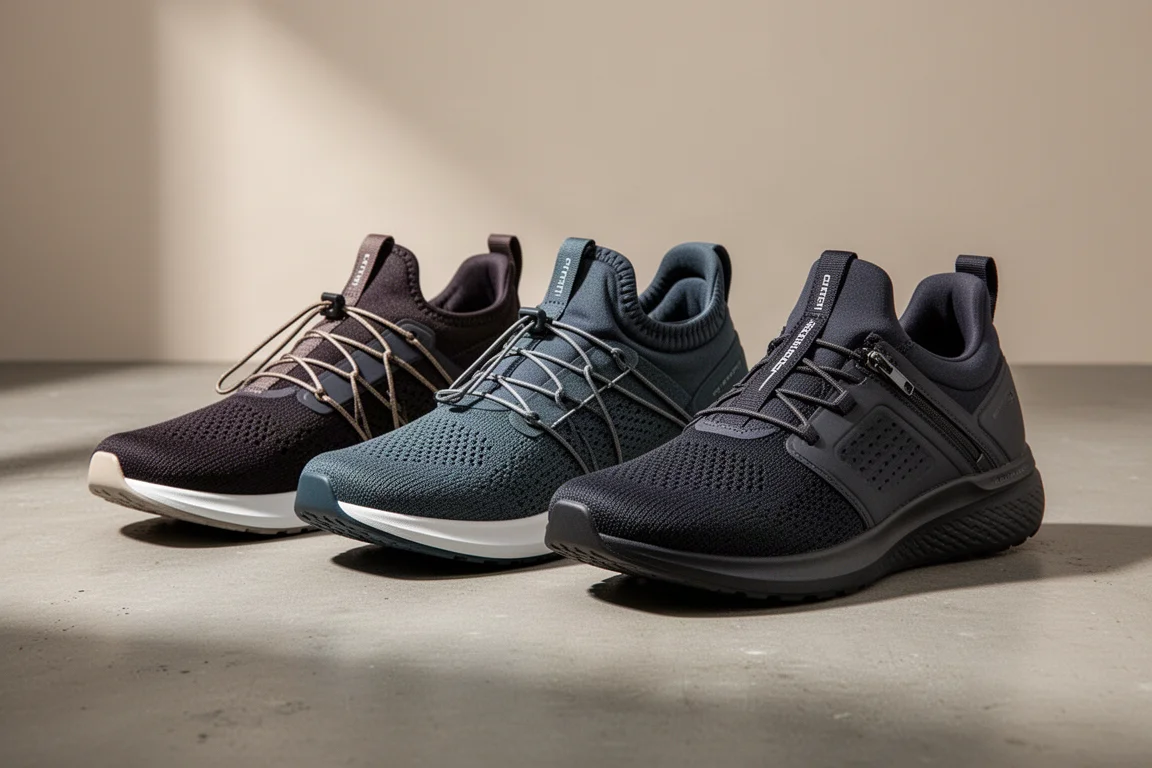
Running shoes that are genuinely easy to get on and off are surprisingly rare. For anyone with limited hand function, restricted arm mobility, or trouble reaching down to their feet, the standard lace-up design is a real barrier, not a minor inconvenience. When the options were surveyed, one manufacturer stood out for actually addressing this: Nike. Its FlyEase line, which began around 2015 after a young man with cerebral palsy contacted the company to ask for shoes that could be fastened without traditional laces, has grown into several models across running, basketball, and lifestyle lines. Each uses a single-action fastening that removes much of the strain of tying a shoe.
Nike Air Zoom Pegasus 38 FlyEase
The Air Zoom Pegasus 38 FlyEase keeps the underfoot cushioning and general appointments of the standard Pegasus daily trainer, but replaces normal laces with much thinner, trail-style cords. You tension them via a side tab made of Velcro: the entire lateral heel side of the shoe is the loop section of the material, and the tab carries the hook half. Pull to tighten, stick the tab down, and you are set without needing to touch it again.
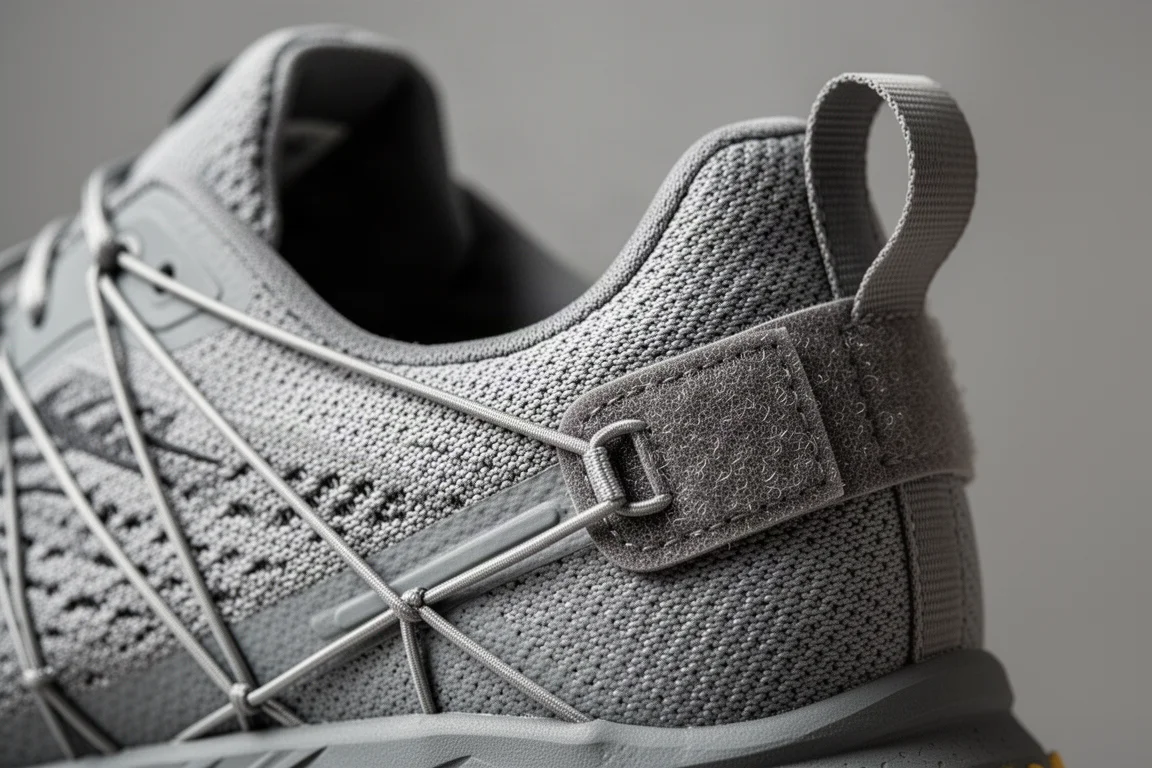
Getting in and out is handled separately by a zip fastening on the medial side that opens back toward the toe box. Zip up, press the tab against the coarse material under the zip, and the shoe behaves a bit like a boot: one system sets the tension, the other stays put. Velcro can wear with continuous use, but the design anticipates that by making the zip the primary entry route. Notably, Nike charges the same price for this accessible version as for the standard model.
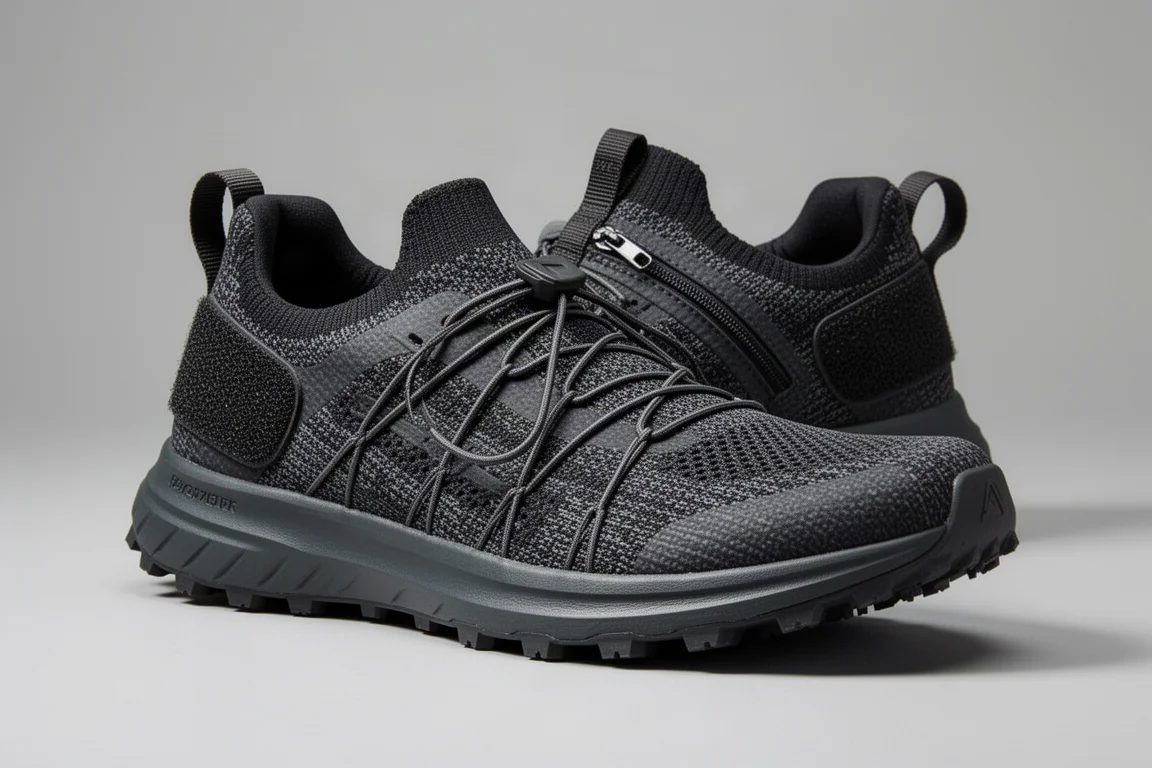
Nike Tempo Next% FlyEase
The Tempo Next% FlyEase is also priced the same as its standard counterpart and builds on a shoe many runners rate highly as a pace-day trainer. Its headline feature is an ingenious collapsible heel area: it springs back into shape after you enter the shoe, and you can stand on the back of it to collapse it again for an easier exit.
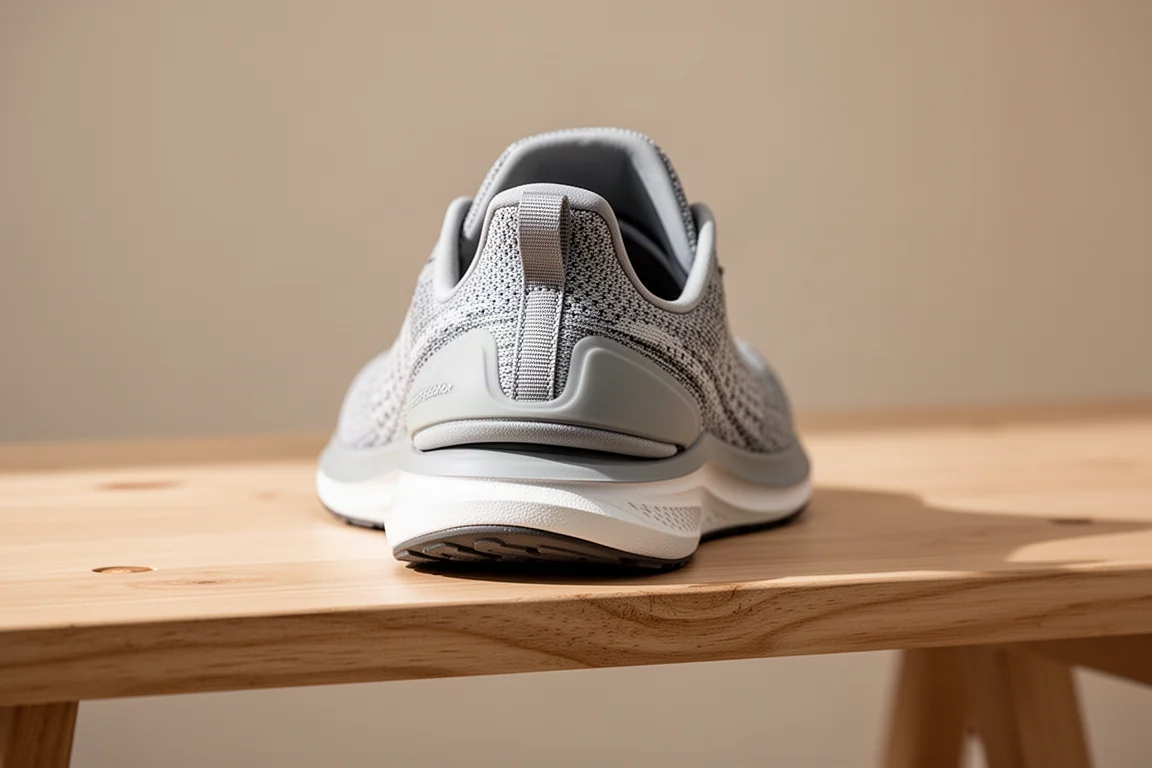
That heel is supported by two elasticated pull loops, one at the top of the laces and one near the toe box. They operate an internal mechanism that locks the laces in place or loosens them off for getting out. There is even a small tab on top of the tongue to help grab and position the shoe. The loops might look like they would flap about while running, but the elastic sections should pull them close enough to avoid irritation. Like the Pegasus, the lacing uses very thin cords.
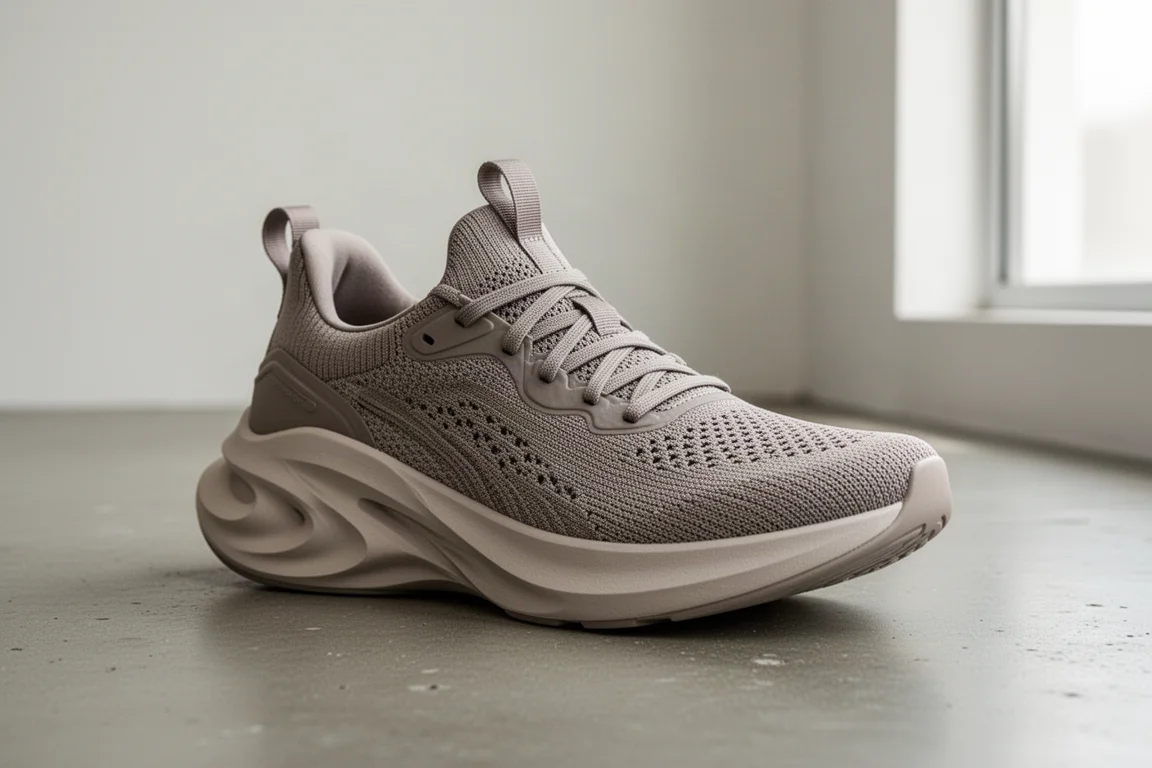
Nike Revolution 5 FlyEase
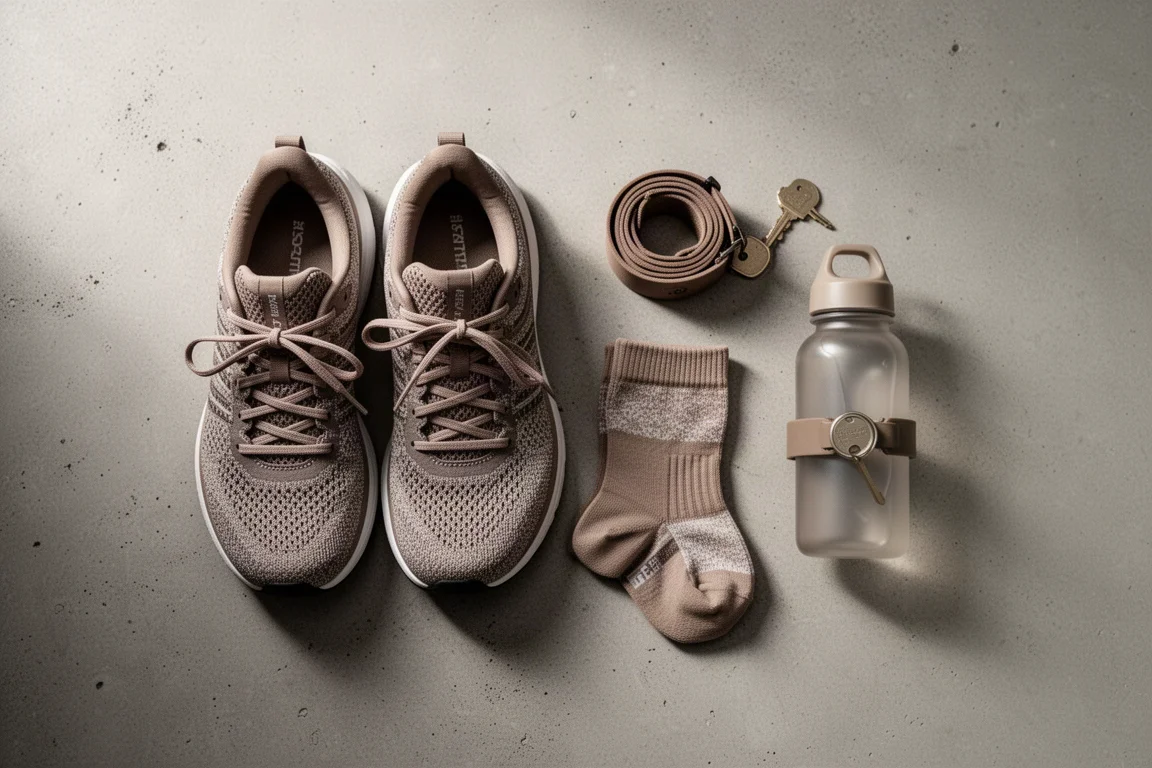
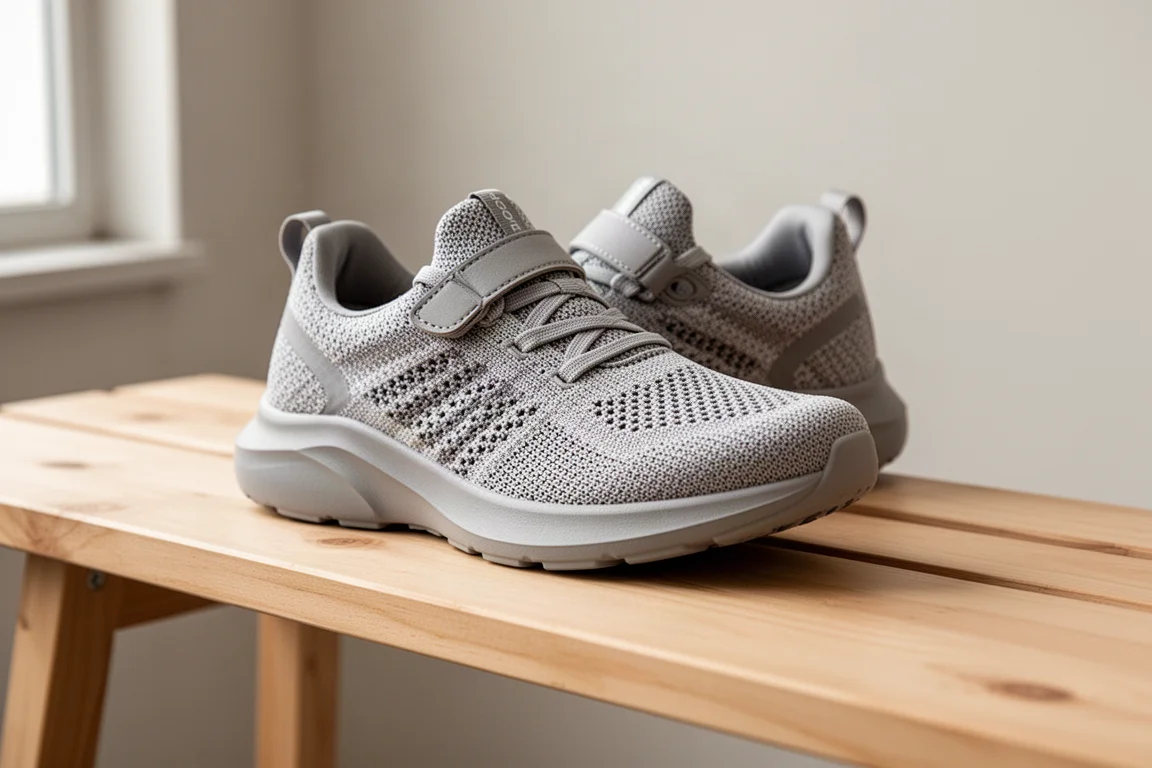
Beyond the two headline trainers, Nike offers a broader family of FlyKnit FlyEase options, including the Revolution 5, the Glide FlyKnit, and a range of basketball shoes developed over recent years. These give runners with mobility restrictions more ways to stay within the same fastening philosophy rather than falling back to standard laces.
Other Easy-Entry Systems: BOA and Salomon Quicklace
Other brands do have systems that could loosely be classed as accessibility-friendly. The BOA system, used by Adidas and several other companies on trail shoes and high-end ski boots, is a dial-based tightening system with metal cords that are more robust than the thin cords on FlyEase models. The push-to-operate dial is a good idea, but it can demand fairly fine motor skills to operate properly and may frustrate some users.
Buying Advice: Choosing the Right Easy-Entry System
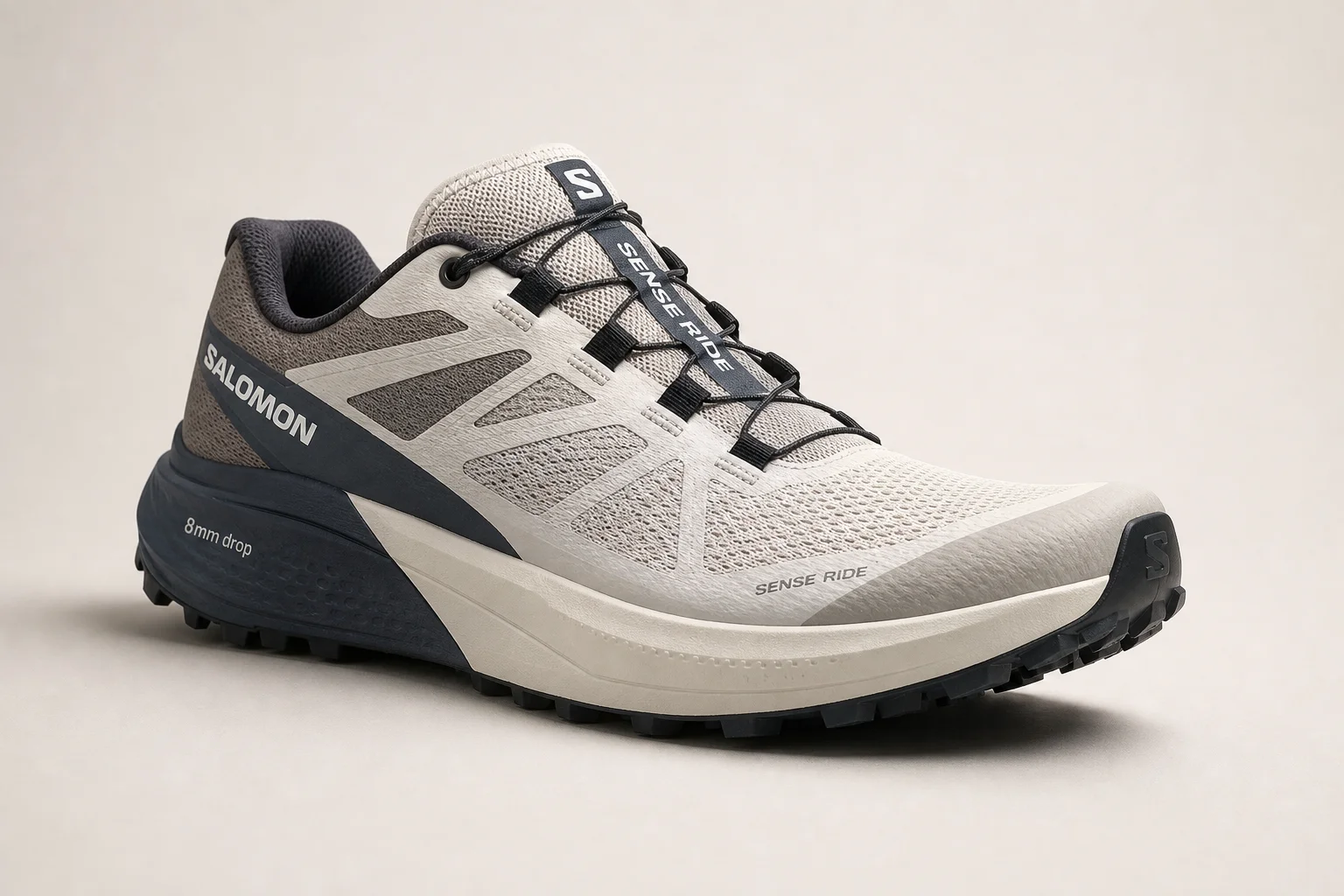
If you need a dependable daily trainer you can fasten one-handed, the Pegasus 38 FlyEase’s split approach of tension plus zip entry is the most complete solution described here. For faster sessions, the Tempo Next% FlyEase pairs its collapsible heel with an elastic pull-loop mechanism. If your limitation is mainly hand dexterity, note that Salomon’s Quicklace toggle system, found on shoes like the Sense Ride, really needs both hands to operate properly, along with the frustration of stowing the excess lace in its small pocket. The broader takeaway is uncomfortable but worth stating: Nike is essentially the only major manufacturer offering high-end accessible running options, and other brands need to raise their game.
Conclusion
Accessible running shoes should not be a niche, yet the market currently offers very few. Nike’s FlyEase models, sold at the same price as their standard counterparts, show that easy entry does not have to cost extra, while systems like BOA and Quicklace help some users but fall short for one-handed use. If limited mobility is stopping you or someone you know from running, the options above are a genuine place to start, and the gap in the market is worth calling out.
Further reading
Related Reviews

Running Shoes
Best Road-to-Trail Running Shoes: Three Versatile Options for Mixed Terrain
A practical guide to three road-to-trail running shoes that handle both pavement and mild trails, with clear strengths and trade-offs for different runner types.

Running Shoes
Best Running Shoes for Achilles Tendonitis: Three Options Explained
Three running shoes with different heel drops and support features designed to help reduce Achilles tendon pain during walking and running.

Running Shoes
Best Running Shoes for Women: Five Top Choices Ranked
A ranked guide to five women's running shoes, from versatile daily trainers to high-performance racing options, with real strengths and trade-offs for each.