Ski Gear
Best 90mm All-Mountain Skis: Twelve Standout Options for Every Style
A practical roundup of twelve all-mountain skis in the 88 to 92 mm waist range, covering precision carvers, playful twin tips and lightweight options, with the trade-offs worth weighing before you buy.
Introduction
The 88 to 92 mm waist band is the busiest part of the all-mountain market, and for good reason. A ski this wide is narrow enough to carve confidently on groomed runs and wide enough to stay composed in softer snow, which is why so many skiers end up shopping here.
The group splits sharply, though. Some models are built around precision: metal laminates, long effective edges and firm flex patterns. Others lean toward playfulness, with lighter cores, more rocker and taper, and shapes that pivot easily in trees and moguls. This roundup covers twelve options that represent both ends of that spectrum, plus a few that sit squarely in the middle.
How to Think About This Category
Three things separate skis in this width band more than anything else, and understanding them makes the rest of the choices much easier to sort through.
Construction comes first. Metal laminates add stability and dampness, but also weight, and how that metal is shaped matters as much as how much of it there is. A frame that narrows in the forebody keeps the tip lighter and easier to enter a turn, while a full-width sheet underfoot keeps grip and power where you actually need it. Skis that skip metal entirely often compensate with thicker wood cores, more camber, or carbon.
Rocker and taper come next. A longer rocker profile with generous taper makes a ski pivot easily and float well, at the cost of some edge hold on firm snow. A flatter profile with minimal taper produces a long effective edge, which feels precise and planted, though it can be less forgiving when conditions get variable.
Weight is the third variable. Lighter skis are quicker edge to edge and easier to maneuver, which is a real advantage in trees and moguls. Heavier builds tend to feel calmer at speed. Flex pattern follows from all three of these factors, and core thickness is one of the most effective ways to tune how a ski bends: two skis with similar shapes can feel completely different depending on how much wood sits between the edges.
Best Overall Precision Pick: Volkl Kendo 88
The Kendo 88 is a useful benchmark for this whole category. It pairs a tailored titanal frame with tailored carbon tips. The metal is narrower in the forebody, and the carbon tip adds torsional rigidity up front while keeping the weight down, so turn entry is easy and the finish of the turn is strong. The gap between the frames is wider as well, which allows a more natural flex.
It remains a stiff ski, but the shaping changes make it noticeably livelier and less planky than earlier versions of this width. A shorter sidecut underfoot, plus straighter tips and tails, makes it turnier and easier to release, and it stays composed in a few inches of soft snow. At 177 cm it weighs 1,930 g.
Premium Lightweight Precision: Stöckli Stormrider 88
Light and stiff at the same time is a difficult combination to pull off, and the Stormrider 88 does it with a Karuba and Balsa core wrapped around two metal sheets, one of which doubles as the top sheet. At 175 cm it comes in at 1,750 g, roughly 200 g lighter than the Kendo 88 at a comparable length.
The payoff is excellent vibration damping, edge grip and torsional stiffness in a package that is still easy to flick around. The profile is flatter than most, with camber underfoot and very little tail rocker, which makes it especially capable in moguls, trees and softer snow. It suits intermediates through to expert skiers.
Most Playful and Versatile: Salomon QST 92
The QST 92 received a new tip shape, more taper and an extended rocker profile. Nearly half the ski is rocker and the turn radius is 15 m, while the whole package weighs just over 1,800 g at 176 cm. CFX fiber, a wood core and a thicker sidewall underfoot all feed into the ride.
The result is a ski that is quick, agile and playful, and that floats well beyond its width. It is excellent in soft snow and trees, and it stays surprisingly damp for something so light. Carving is its relative weakness next to the precision-oriented models here, but as a single ski to cover a wide range of days it is hard to argue with.
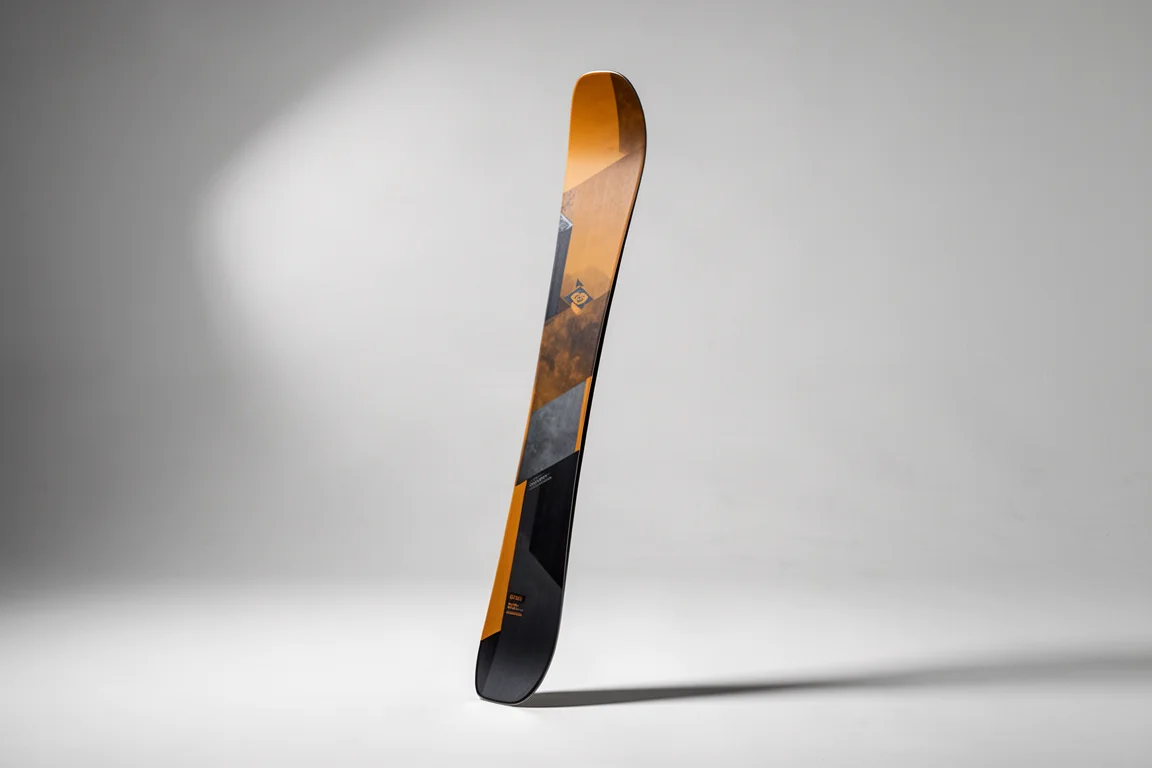
Best Competition Park Twin Tip: Volkl Revolt 90
The Revolt 90 replaces the Revolt 87 as the competition-focused park ski. It is fully symmetrical in both sidecut and rocker, at 118/90/118. A partial vertical sidewall runs underfoot and transitions to cap construction in the tips and tails, paired with a light swing weight wood core, so the ends of the ski are lighter and spins come more easily. The flex is forgiving, particularly in the tips and tails.
Early taper is a deliberate part of the design. It helps the ski smear into jumps and reduces catching on switch takeoffs, which makes it more confidence-inspiring for riders pushing their trick list. It is built to be center mounted, which limits how much all-mountain ability it has. At 180 cm it weighs 1,830 g.
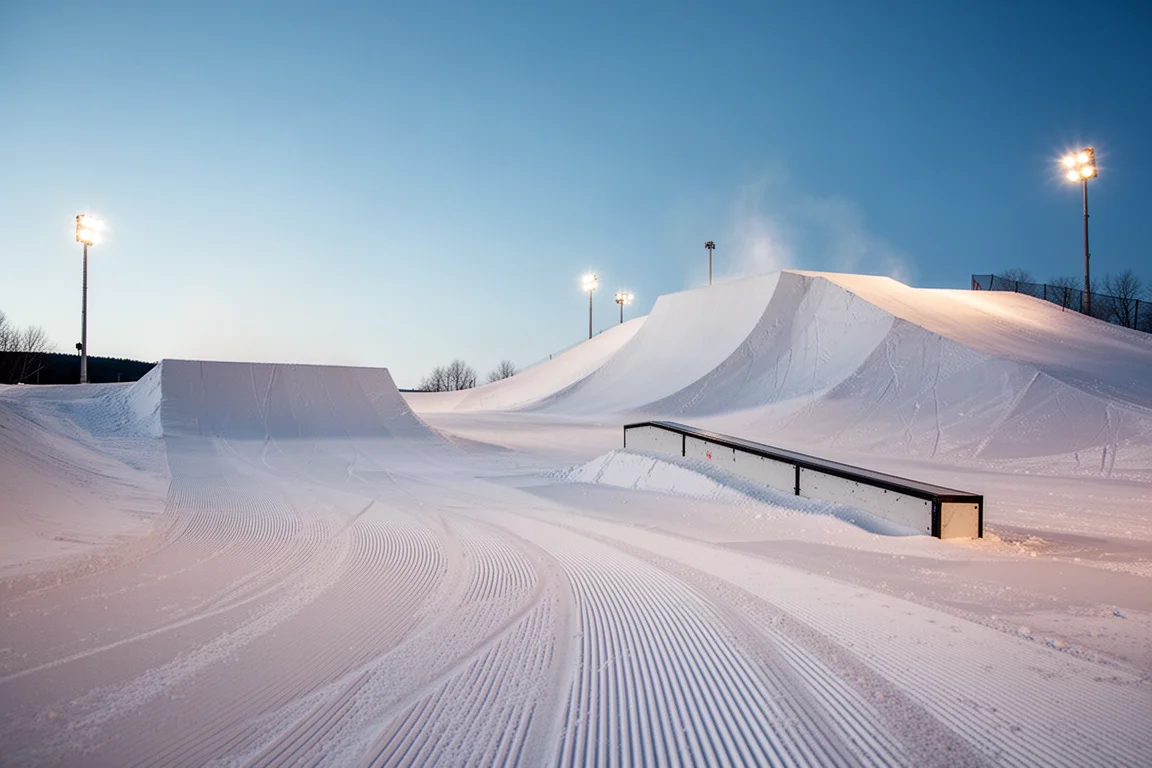
For skiers whose priority is progression in the park, whether that means spins, switch-ups on rails or simply more confidence off jumps, this is the shape to look at.
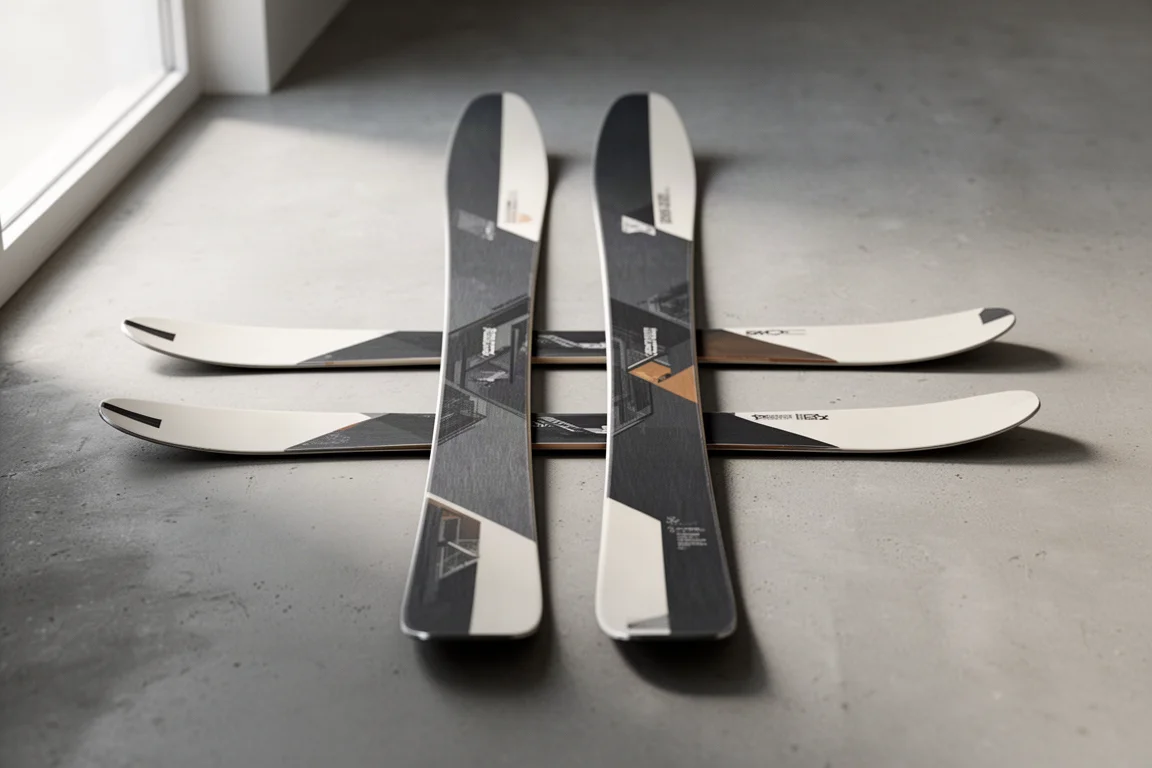
Freestyle-Leaning All-Mountain: Line Blade Optic 92
The Blade Optic 92 is a new addition, replacing the outgoing 88 and 94 in that line. It is the only Blade Optic built without metal, and at 175 cm it weighs 1,700 g.
A thicker core underfoot tapers into cap construction in the tips and tails, and the rocker begins right where the sidewall meets the cap. The result is a half twin tip that grips well underfoot and floats nicely in soft snow, with a light, energetic feel. It is one of the quickest and most agile skis in this group and a genuinely strong choice for tight trees. It has also found a following among skiers who spend time in the park but want all-mountain range from the same ski.
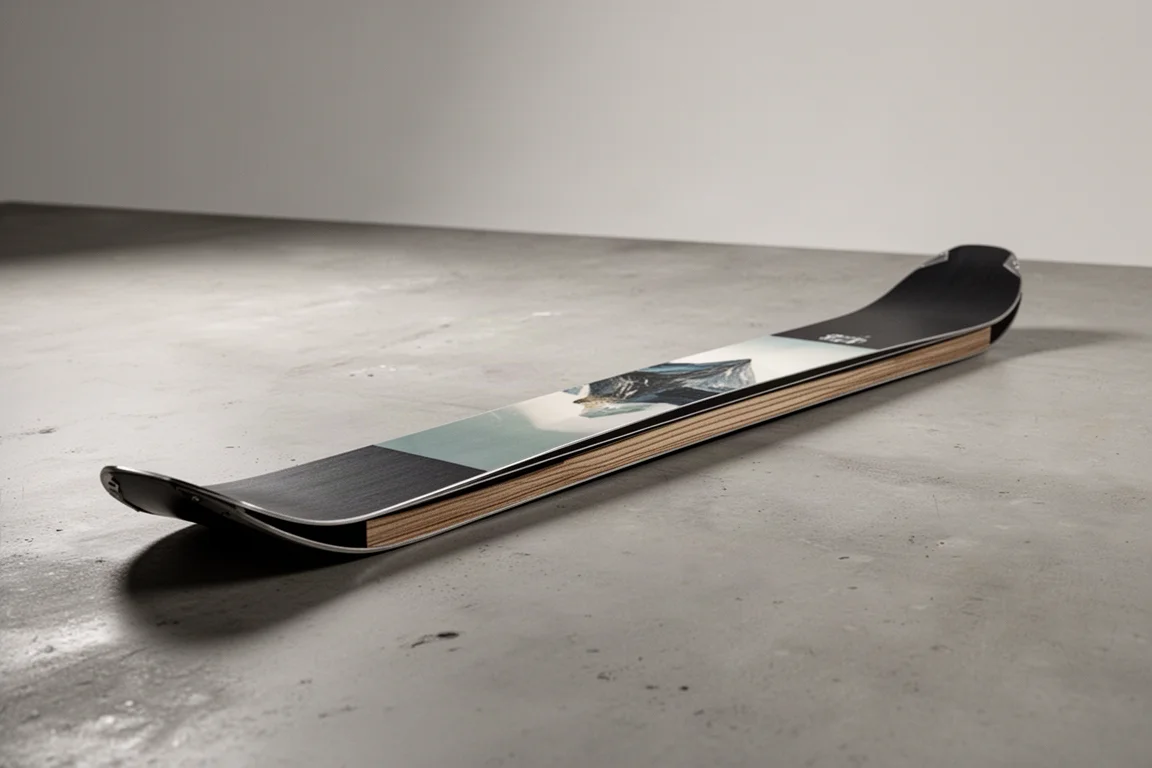
Best Value Playful Choice: Atomic Bent 90
The Bent 90 is a good reminder that a simple build can be excellent when the shape is right. A wood core is paired with Horizon Tech in the tip and tail, which keeps the ends free of metal for easy edge release. It weighs around 1,660 g in the longest length, and at $499 it is the least expensive option in this roundup.
The flex is bendy, so this is not a carving ski, and it can feel nervous if you push it hard on groomed terrain. As a tree and bump ski, though, it is one of the best around, and it is a natural match for lighter skiers or anyone who spends most of their time off trail at moderate speeds.
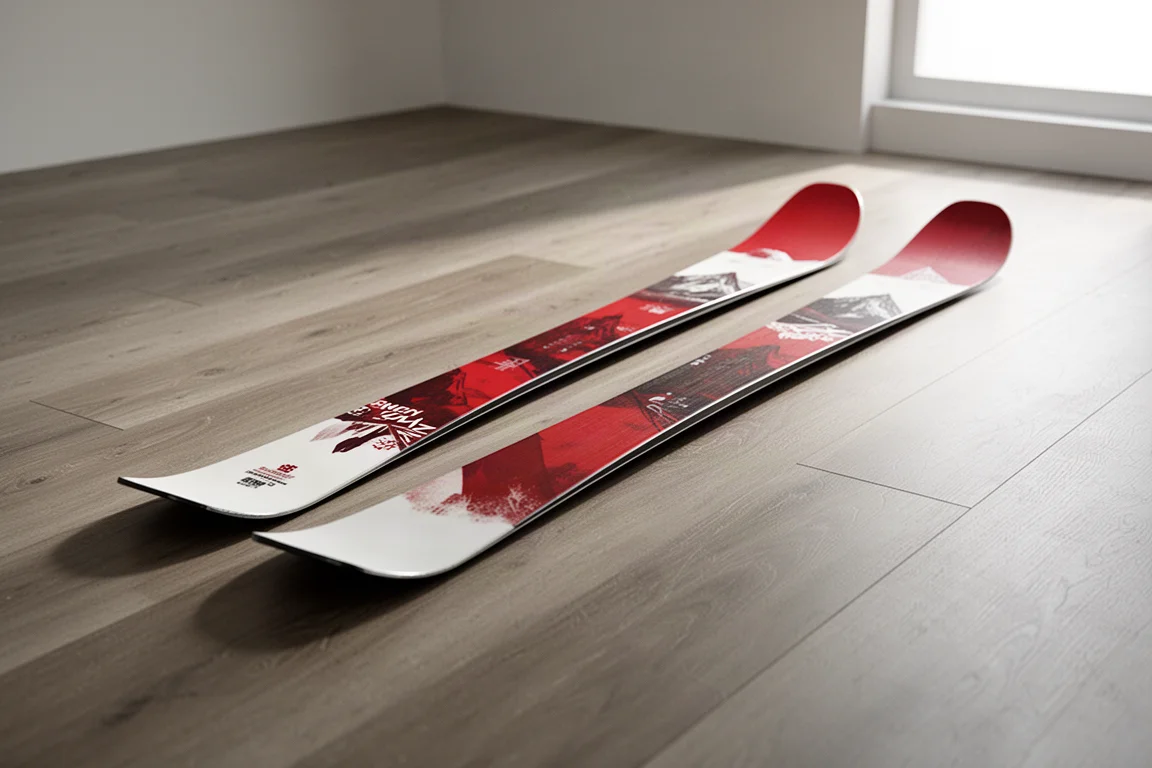
Frontside Powerhouse: Blizzard Brahma 88
The Brahma 88 carries more metal than anything else here: two and a half sheets, plus an extra piece under the binding zone, and it weighs 2,023 g at 177 cm. A True Blend wood core tunes the flex for each individual length.
Turn initiation is precise and the effective edge is long. There is dramatic splay at the tip but very little rocker, and a tail that holds all the way to the end of the turn. It is fast and strong, and fairly one-dimensional: groomers and firm snow are where it makes the most sense. Heavier skiers get more out of it, and many prefer to size down a length rather than go long.
Compared with the lighter, more rockered options in this group, the Brahma asks for more input and rewards a strong, forward stance. It is a ski that grows with a committed skier rather than flattering a casual one.
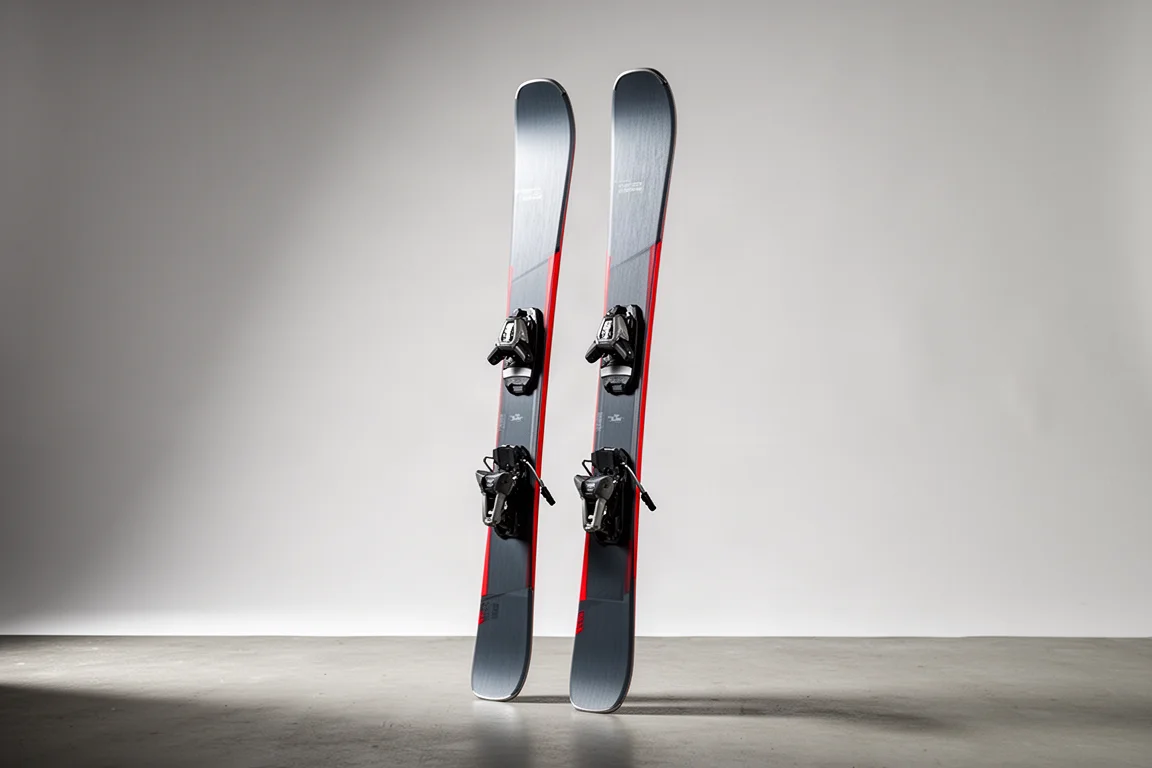
Lightweight and Quick: Head Kore 87
At 1,617 g in a 177 cm reference length, the Kore 87 is the lightest ski here, and also one of the stiffest. Karuba wood and carbon keep the weight down, and the carbon top laminate is curved to match the sidewalls, which makes the ski unusually reactive for its weight. A top sheet added this season also quietens it noticeably.
Every movement translates quickly to the edge, which makes the ski feel immediate and precise. It is excellent in moguls for most skiers, though the stiff flex asks for a lighter touch than a softer ski would, and it is not as smooth over rough snow as the heavier metal-laminate builds.
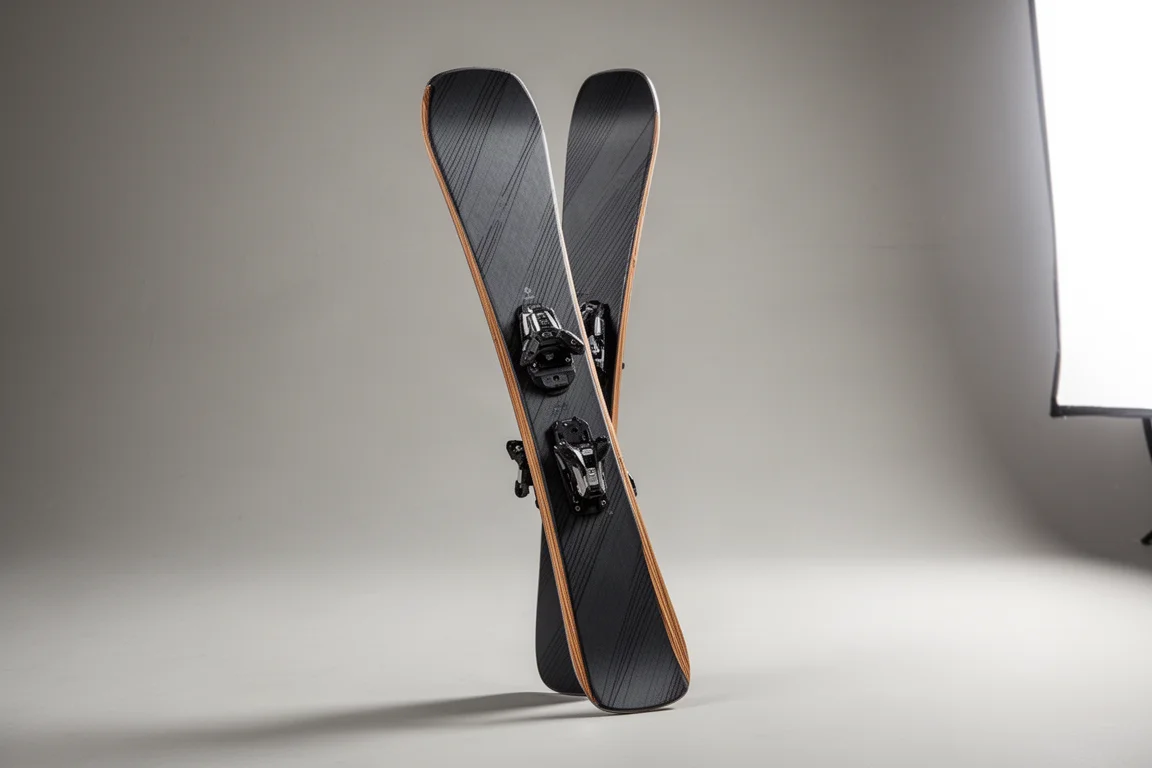
Balanced All-Mountain: K2 Mindbender 89 Ti
The Mindbender 89 Ti uses a Titanal Y-Beam, with the metal flaring wider in the forebody, running full width underfoot and flaring again near where the tail rocker starts. The flex is softer than the Kästle MX 88 or the Stance 90, and there is more rocker than the previous version, yet it carves better thanks to a shorter turn radius and a true vertical sidewall running the length of the ski.
At 1,850 g it is lighter and quicker than the Stance 90 while still doing a bit of everything: carving, damping and enough float for soft snow. If you want one ski that does not specialize, this is the kind of build that makes that possible.
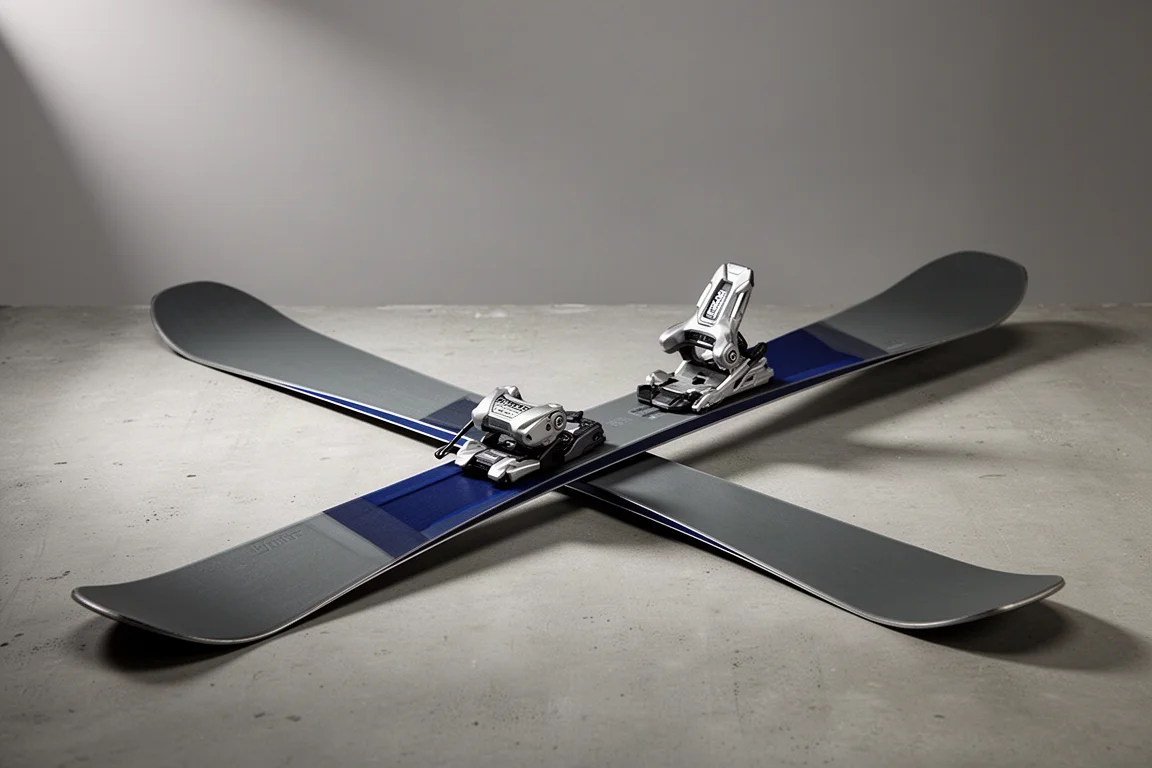
Soft-Flexed Off-Piste Fun: Elan Ripstick 88
Under 1,700 g, carbon rods running through the core, and a genuinely unusual design: left and right skis with an asymmetric profile that carries more camber and more carbon on the inside edge.
The flex is soft lengthwise but the torsional stiffness is high, which means the more edge angle you apply, the more the ski gives back. That produces a large sweet spot and an easy, rewarding ride for a wide range of skiers. It is one of the best options here for moguls, trees and ungroomed terrain. Heavier skiers often do better on the wider Ripstick models, where the same construction has more to push against.
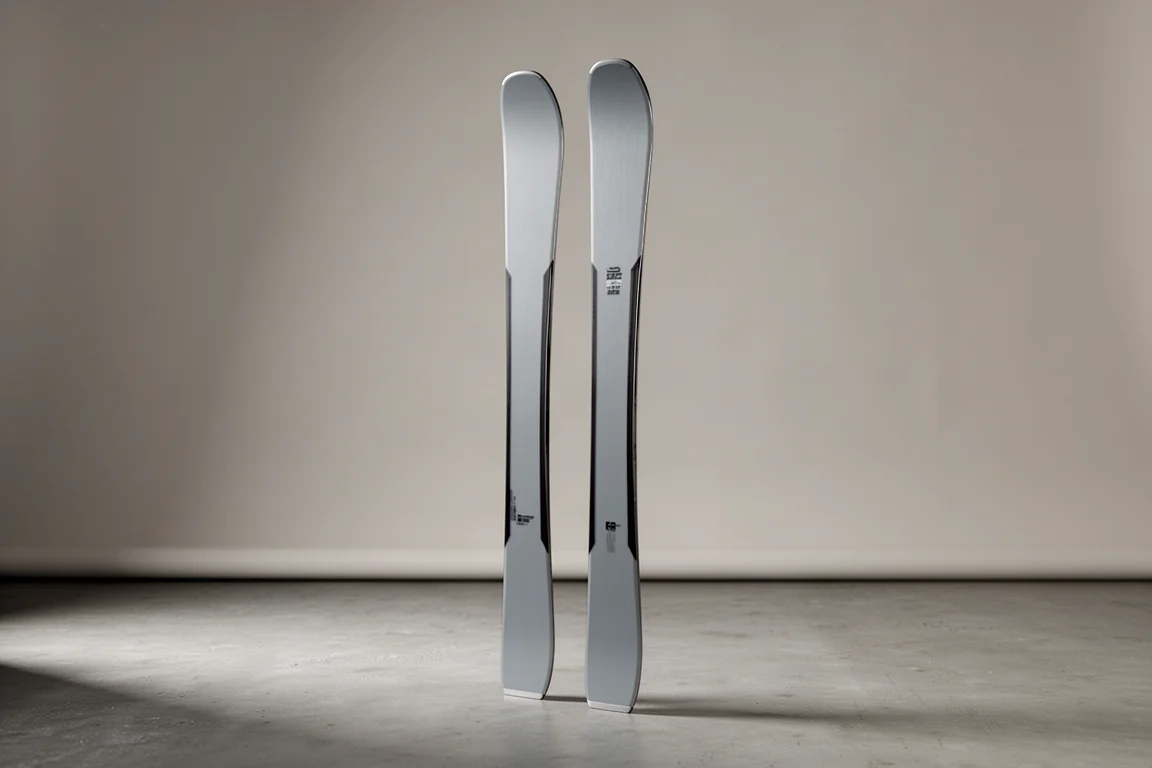
Premium Carving Precision: Kästle MX 88
Hollowtech removes mass from the shovel, which cuts vibration and makes the ski quicker from turn to turn. Denser wood runs through the centre of the core with lighter wood on the outside, and a pre-preg fiberglass laminate added this season makes production more consistent and the ski slightly stiffer.
This is the most frontside-oriented ski in the roundup, with unflinching edge grip and rebound. The flat, squared-off tail locks in hard, and the ski is demanding at the top of its performance range, though less so than the Brahma 88. The tail is the detail most skiers will notice first: it holds beautifully on firm snow and feels noticeably locked in when conditions turn soft.
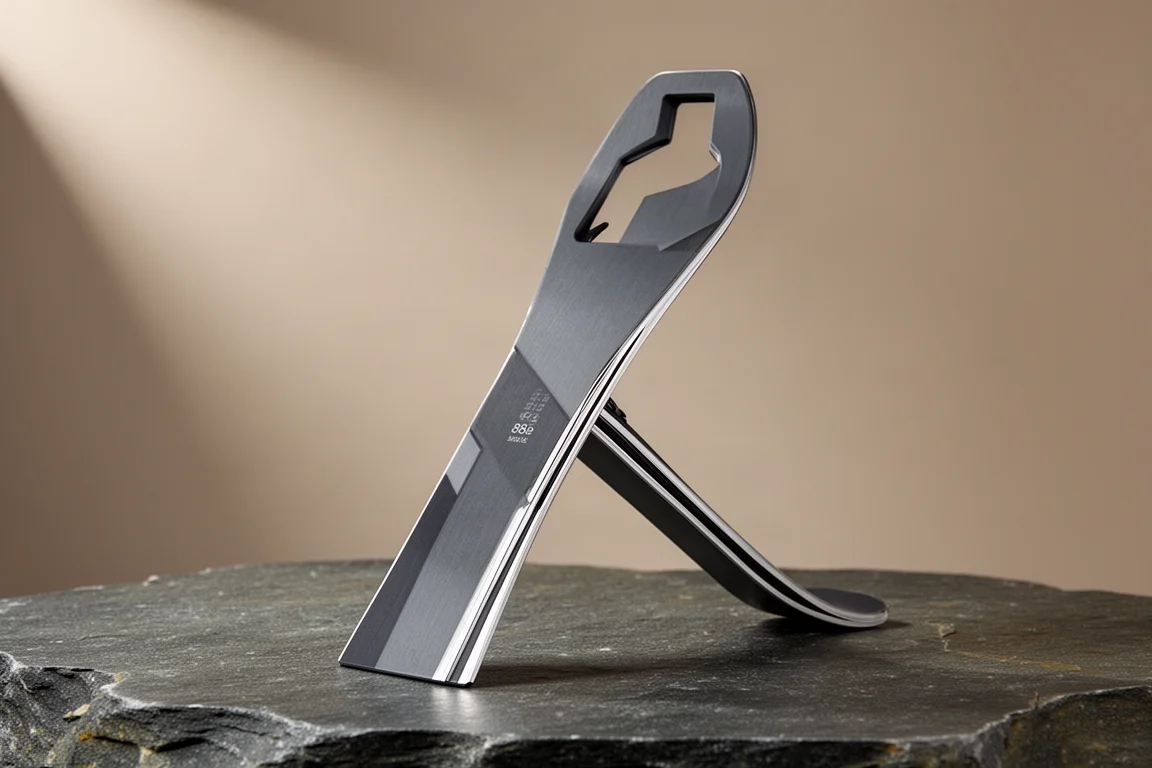
Wide Frontside Stability: Armada Declivity 92 Ti
A new top sheet, the same build underneath: articulated titanal banding that lets the ski flex torsionally while keeping the edge in control. It weighs 1,870 g at 180 cm.
The feel is damp, quiet and smooth, closer to a precision frontside ski than to the freestyle-influenced shapes the brand is known for. It carves strongly without feeling locked into a turn, which keeps it versatile across conditions. The closest comparison is Blizzard’s Rustler 9, which is looser and more maneuverable, while the Declivity is stronger on trail.
Buying Advice: Matching a Ski to Your Style
If most of your days are on groomed runs and you want precision, edge grip and stability at speed, the Kendo 88, Brahma 88, Kästle MX 88 and Stöckli Stormrider 88 are the natural shortlist. Expect to work for the performance on the Brahma and the MX 88, while the Kendo and the Stormrider are a little more accessible for a strong intermediate.
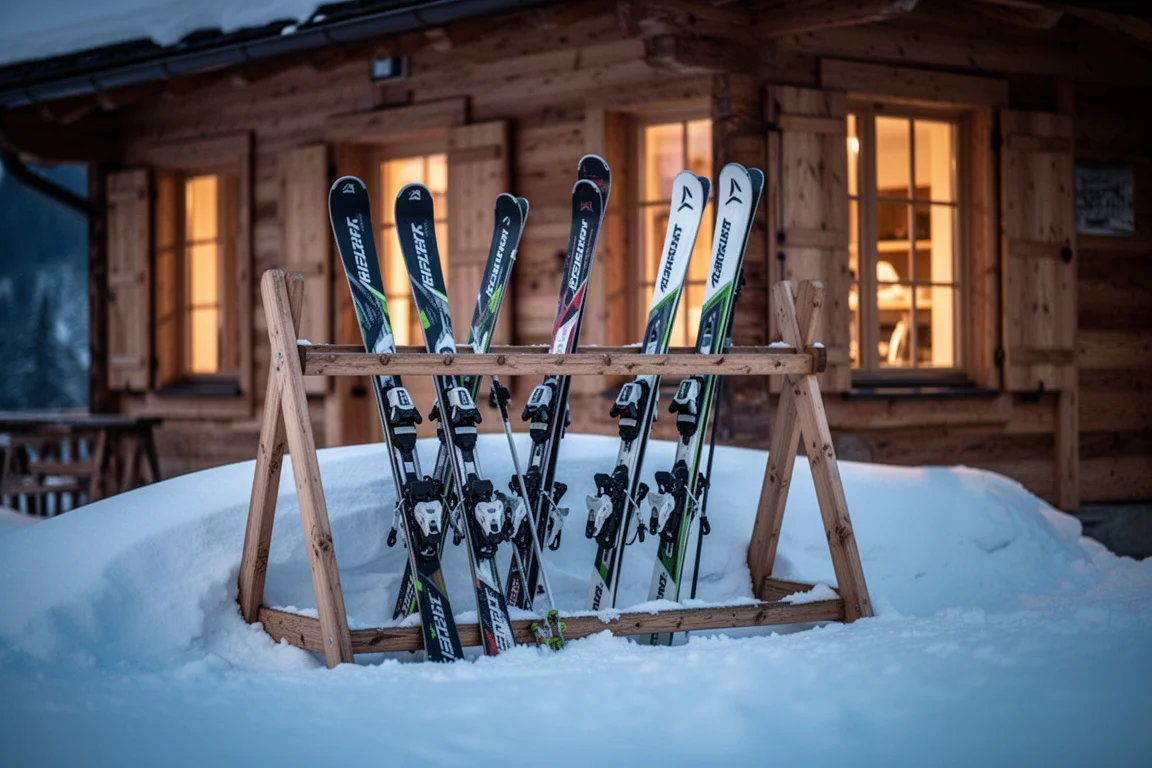
If you want playfulness, quickness and float for trees, moguls and soft snow, the Salomon QST 92, Atomic Bent 90, Line Blade Optic 92 and Elan Ripstick 88 are the better fit. Lighter skiers tend to get more out of these shapes, and heavier skiers often find the wider versions of a given model more supportive. The Mindbender 89 Ti sits between the two camps as the most even-tempered all-rounder here, and the Revolt 90 is the one ski in the group that should only be bought with park skiing as the priority.
Conclusion
There is no single best ski in this width band, and that is the useful takeaway. Each of these twelve is built around a different set of priorities, and the right one for you depends on where you actually ski and how you like to turn. If you want a single ski that handles the widest range of days without much compromise, the Kendo 88, QST 92 and Mindbender 89 Ti are the safest places to start. If you know your terrain and your style, the more specialized options here will reward that clarity.
Further reading
Related Reviews
Ski Gear
2023 Blizzard Hustle vs Rustler: Six Freeride Skis Compared
Blizzard's 2023 Hustle collection rebuilds the Rustler shape with a lighter core and no metal. Here is how all six skis differ, and which one suits your riding.
Ski Gear
2023 Skis of the Year: Atomic Maverick 88 TI, Salomon QST 106, and Look SPX 12 Pro
Three standout ski picks for all-mountain carving, powder days, and reliable binding performance, with practical buying notes for 2023 models.
Ski Gear
2025 Nordica Enforcer 104 Review: A Directional Charger Replaces the 104 Free
The 2025 Nordica Enforcer 104 drops the Free name and the twin-tip personality, gaining weight, stiffness and composure in rough snow. Here is what changed and who it suits.