Running Shoes
Best 5K Training Shoes: Seven Solid Options for Faster Running
From lightweight daily trainers to plated speed shoes, these are the running shoes worth considering when you are training for a 5K.
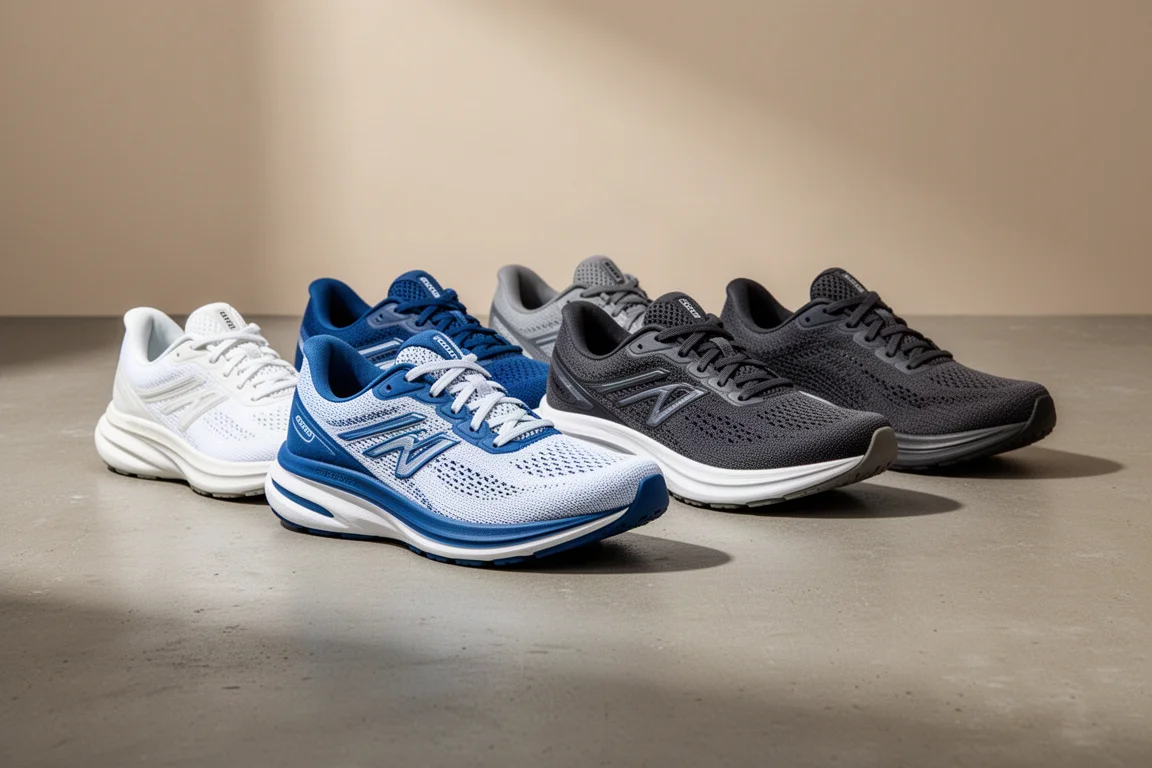
Introduction
Training for a 5K calls for a different shoe than marathon prep. Most of your runs sit under an hour, paces are quicker, and nimbleness matters more than maximum cushioning. That means lightweight, versatile trainers tend to beat tall, plush mileage machines.
This roundup covers seven options that handle the mix of easy runs, workouts, and race-pace efforts a 5K plan throws at you, whether it is your first 5K or your hundred and first.
What Makes a Good 5K Training Shoe?
Pace is relative. A 5K pace for one runner might be another runner’s marathon pace, so the key is matching the shoe to your own effort levels rather than chasing a single number.
For 5K work, the priorities are a lighter feel, enough cushioning to stay comfortable, and versatility across intervals, tempo runs, and easy days. Shoes built for half marathon and marathon training are designed for more time on feet, which is exactly what you usually do not need here.

New Balance Rebel v4
The Rebel v4 is the pick for lightweight simplicity. It weighs less than most everyday trainers in this category yet still offers soft, bouncy foam, a nice blend of newer cushioning trends and a more traditional low-to-the-ground feel.
At 30mm in the heel, it is nowhere near the 40mm stacks of dedicated marathon trainers, and that restraint is the point. It is a favorite for everything under an hour, though two-hour long runs are better left to other shoes. It also has a planted, reasonably stable feel for gym use and walking, just not for lateral cuts or court sports. Durability is average at roughly 300 miles, but grip is genuinely good in wet weather and the colorway range is strong.
Hoka Mach 6
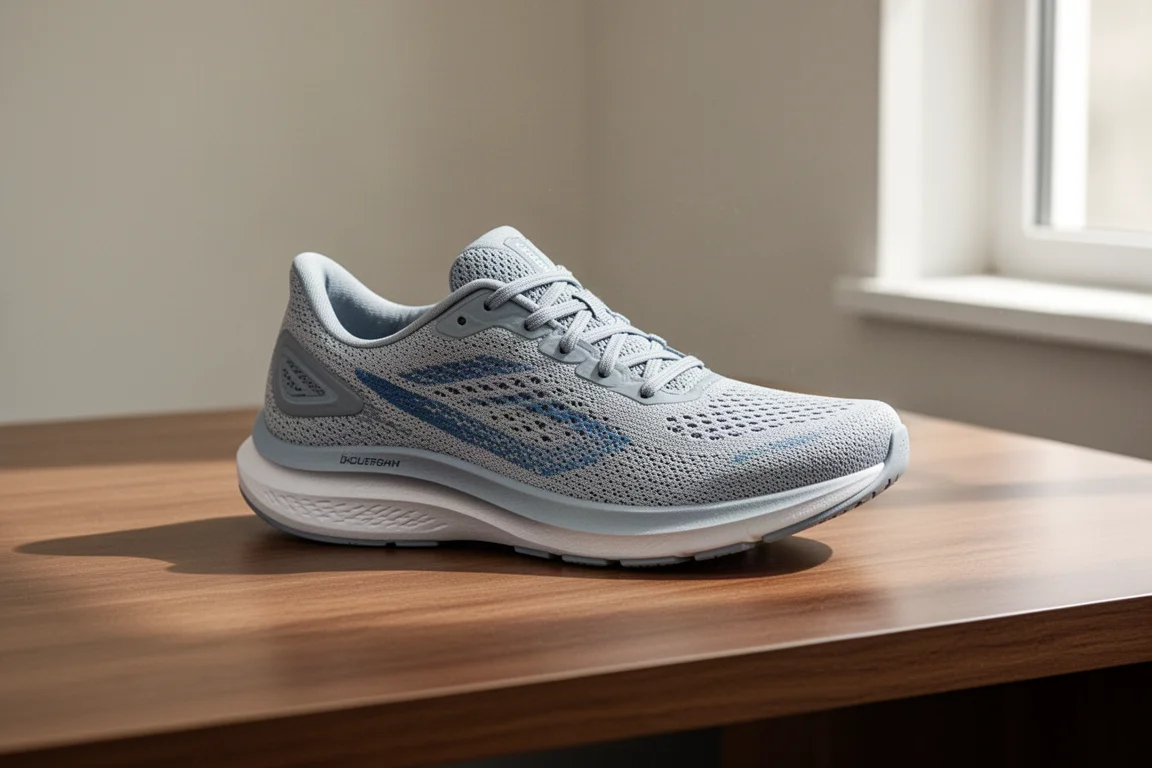
The Mach 6 is one of the most fun shoes of the year and a direct competitor to the Rebel v4. It is bouncier out of the box, feels more protective underfoot, and still has the speed capability for faster work. Paces from around 5:20 to 5:40 and relaxed 8:30 recovery runs all work in this shoe.
One caveat: sizing runs inconsistent. A size 10.5 in one colorway fit like a 9.5, while another colorway in the same size fit perfectly. If you buy, try it on foot or order from a retailer with easy returns, and consider going up at least half a size in the white version.
The Rebel is slightly better for gym use, but for pure running enjoyment, especially faster running, the Mach 6 is the one.
Nike Pegasus 39
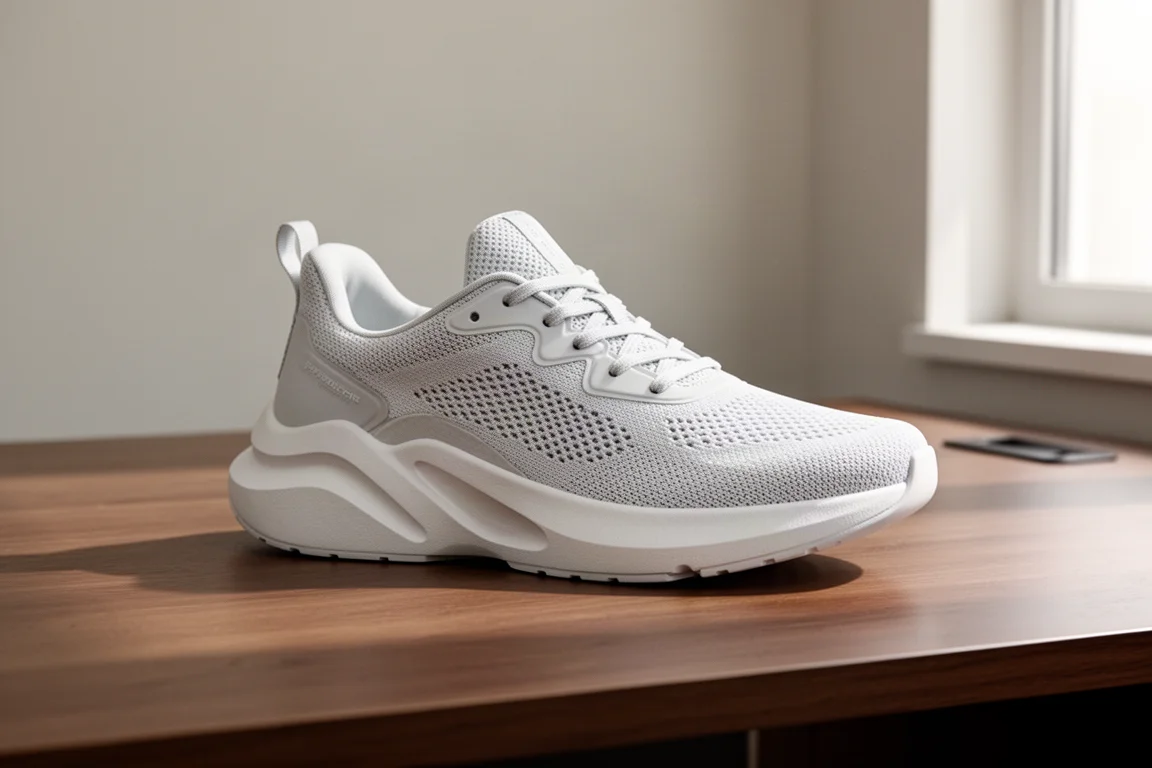
The Pegasus 39 is not the most exciting or the newest shoe on this list, but it is the true workhorse. The midsole uses React foam with a balanced, neither-too-soft-nor-too-firm ride that perks up once you pick up the pace.
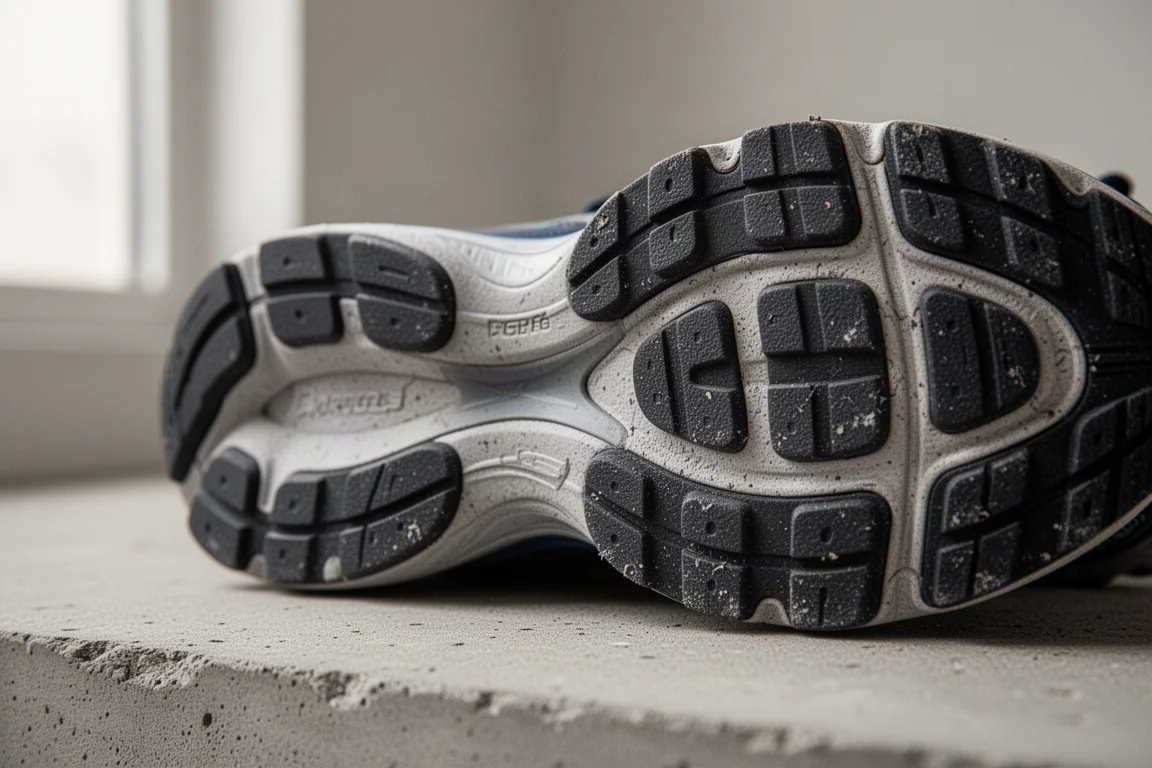
Its standout trait is durability. A well-used pair taken to 600 miles still showed a thick, intact outsole, a padded tongue, and an upper in decent shape. Compared with competitors, the Pegasus carries far more outsole rubber front to back, which is why it simply lasts.
At close to $60 or $70, it is one of the best value deals on the market. It works for long runs, short runs, travel, the gym, and errands, which makes it an easy recommendation for anyone training for a first 5K.
Saucony Endorphin Speed 3
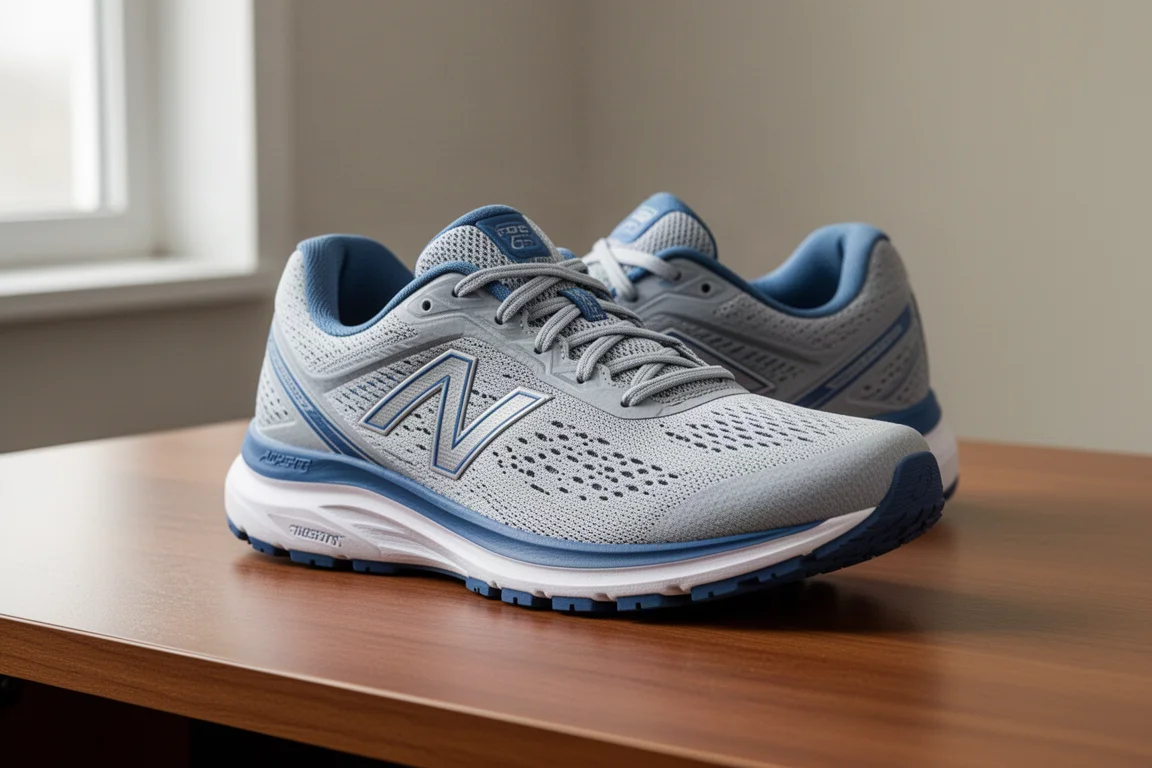
The Endorphin Speed 3 is the fun, elevated pick. It combines race foam, a plastic plate, and a lightweight upper into a ride that rolls you along and pops off the forefoot. This generation is preferred over the newer Speed 4 here, as the geometry, plate feel, and upper come together more cohesively in the 3.
There is a caveat for everyday use: it is a plated shoe, and some runners prefer not to wear a plate every day because of the assistance it provides. If you already own a basic trainer like a Pegasus or Rebel and want a more lively option for workouts, this slots in perfectly. It also handles runs up to 90 minutes or two hours.
At around $130 on sale, it is a strong deal for a shoe with this much snap. For couch-to-5K beginners, though, the Pegasus, Rebel, or Mach 6 are safer first picks.
View more details for Saucony Endorphin Speed 3
Puma Deviate Nitro 2
The Deviate Nitro 2 is arguably the most versatile shoe in this group. It pairs two foams, with Nitro Elite in the forefoot as the star: soft without feeling squishy, and genuinely quick. A carbon composite plate adds propulsion.
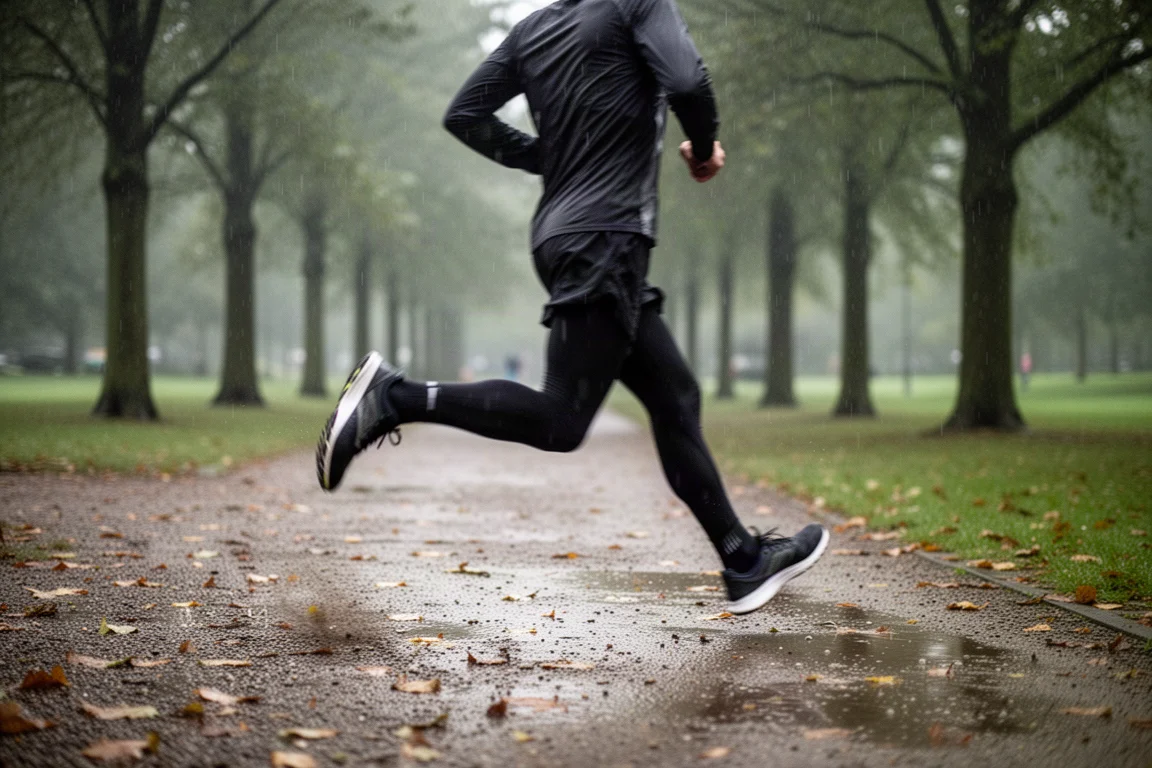
The reason it earns a 5K spot is grip. Tested to 100 miles including a four-mile hike in the Blue Ridge Mountains, the outsole inspired real confidence on wet and uneven ground, something that cannot be said for the Mach 6 or a plated shoe on twisty turns. If your 5K training involves parkruns, cross country, or off-road miles, this is a top pick as both daily trainer and workout shoe.
Full price is $160 and deals have been scarce recently, so it sits at the higher end of this list. It is also not a basic shoe, which cuts both ways: you get serious tech, but less of a stripped-down feel.
Bonus Picks for Comfort and Cushion
Two more shoes did not make the main list but suit specific needs. Neither is a bad 5K trainer; they are simply built around more cushioning than most 5K plans require.
Asics Novablast 4
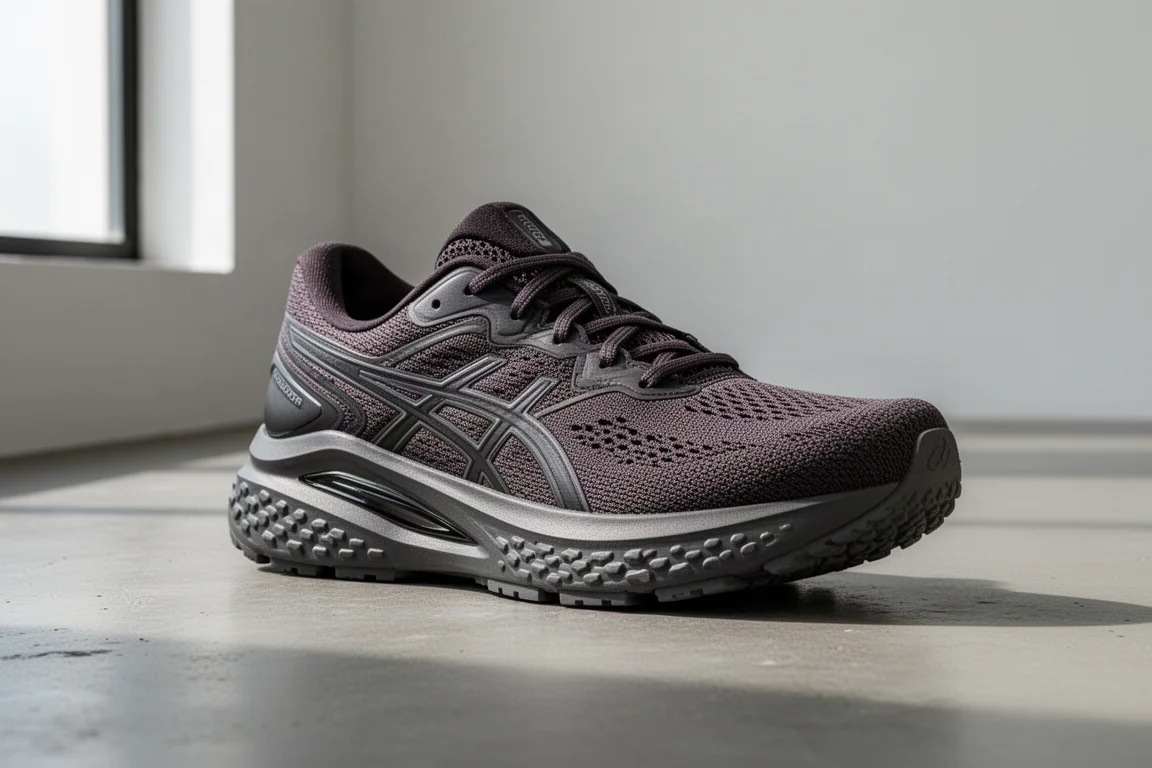
The Novablast 4 is the comfort pick. It is very cushioned, very supportive, and very stable thanks to a wide base, with noticeably more stack and width than a basic trainer like the Pegasus. If you are a bigger runner, coming off a couch-to-5K plan, or simply want maximum protection and a comfort-first ride, this is the one to choose. It also works well if you need some stability but do not want a full stability shoe. It comes in at $140, matching the Rebel v4 and Mach 6.
View more details for Asics Novablast 4
Nike Vomero 17
The Vomero 17 was left off the main list for a simple reason: the Pegasus 39 or 40 delivers a more basic version of the same idea for less money. The Vomero is on sale for $90 and remains an excellent workhorse, just softer, bouncier, and heavier on foot. It fits better as a marathon-style, high-cushion trainer. If you are not running high mileage, not doing many runs over 90 minutes, and not running every day, the Pegasus or Mach 6 make more sense for 5K purposes.
Overall Buying Advice
A quick recap of how these slot together:
- New Balance Rebel v4: lightweight, simple, easy to run in, and gym-friendly. Best all-around 5K pick.
- Hoka Mach 6: fun, bouncy, soft, and versatile, with faster-run capability. Watch the sizing.
- Nike Pegasus 39: the durable workhorse that lasts and lasts, at an outstanding price.
- Saucony Endorphin Speed 3: the plated speed option for workout days, great value on sale.
- Puma Deviate Nitro 2: the grip and versatility champion for off-road and wet conditions.
- Asics Novablast 4 and Nike Vomero 17: comfort-oriented cushioned alternatives for those who want more shoe underfoot.
If you are just starting out, the Pegasus or Rebel v4 are the safest entry points. If you have a base trainer already and want more speed for workouts, add the Endorphin Speed 3 or Mach 6.
Conclusion
The best 5K training shoe is the one that matches your pace, your mileage, and your terrain. Lighter, simpler shoes like the Rebel v4 and Pegasus 39 cover most runners well, while the Mach 6, Endorphin Speed 3, and Deviate Nitro 2 add speed and grip for those who want it. Pick for your own training, not for someone else’s.
Further reading
Related Reviews

Running Shoes
Best Road-to-Trail Running Shoes: Three Versatile Options for Mixed Terrain
A practical guide to three road-to-trail running shoes that handle both pavement and mild trails, with clear strengths and trade-offs for different runner types.

Running Shoes
Best Running Shoes for Achilles Tendonitis: Three Options Explained
Three running shoes with different heel drops and support features designed to help reduce Achilles tendon pain during walking and running.

Running Shoes
Best Running Shoes for Women: Five Top Choices Ranked
A ranked guide to five women's running shoes, from versatile daily trainers to high-performance racing options, with real strengths and trade-offs for each.