Gaming Monitors
Best 4K Gaming Monitors 2026: Top Picks for Every Budget
A practical guide to the best 4K gaming monitors of 2026, covering premium OLEDs, value-focused QD-OLEDs, HDR-capable mini-LED LCDs, and budget IPS options.
Introduction
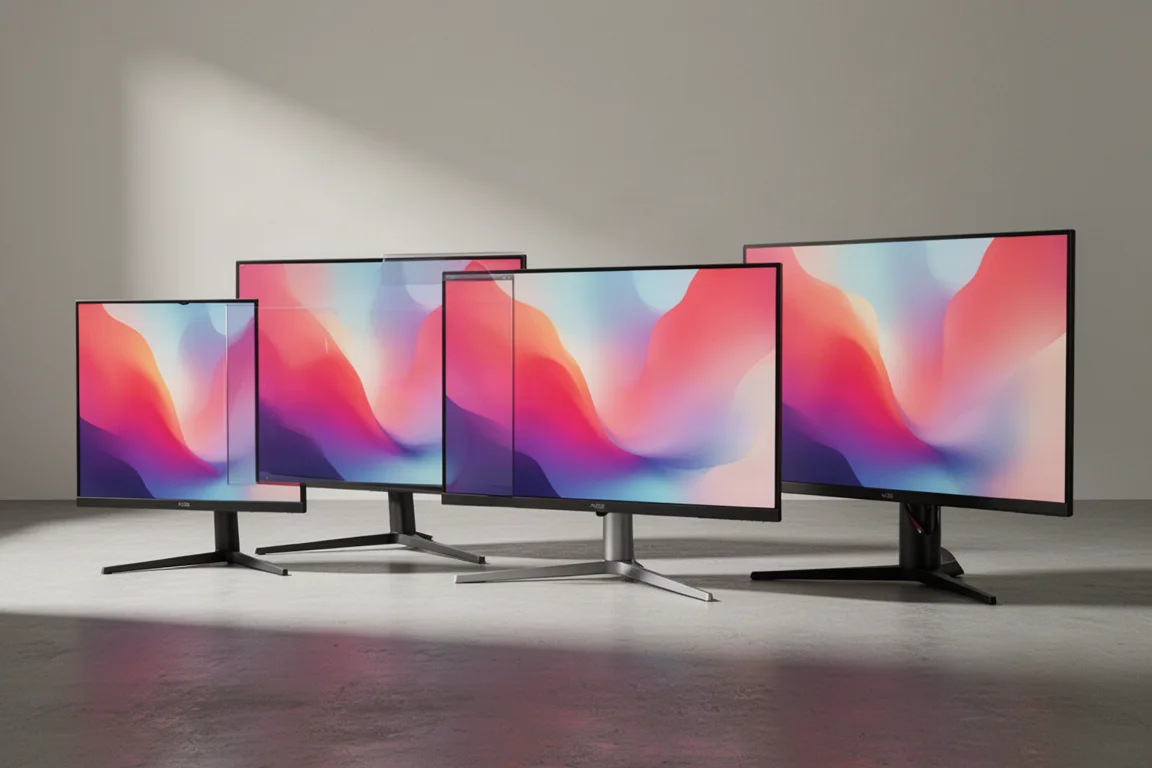
The 4K gaming monitor market in mid-2026 offers more strong options than ever. From premium OLEDs with stunning contrast to budget-friendly IPS panels, there is a display for nearly every budget and use case. This guide focuses on monitors that have been personally tested and confirmed to perform well, rather than relying on spec sheets alone. Recommendations are based on real test data and hands-on experience, with pricing that reflects the current market.
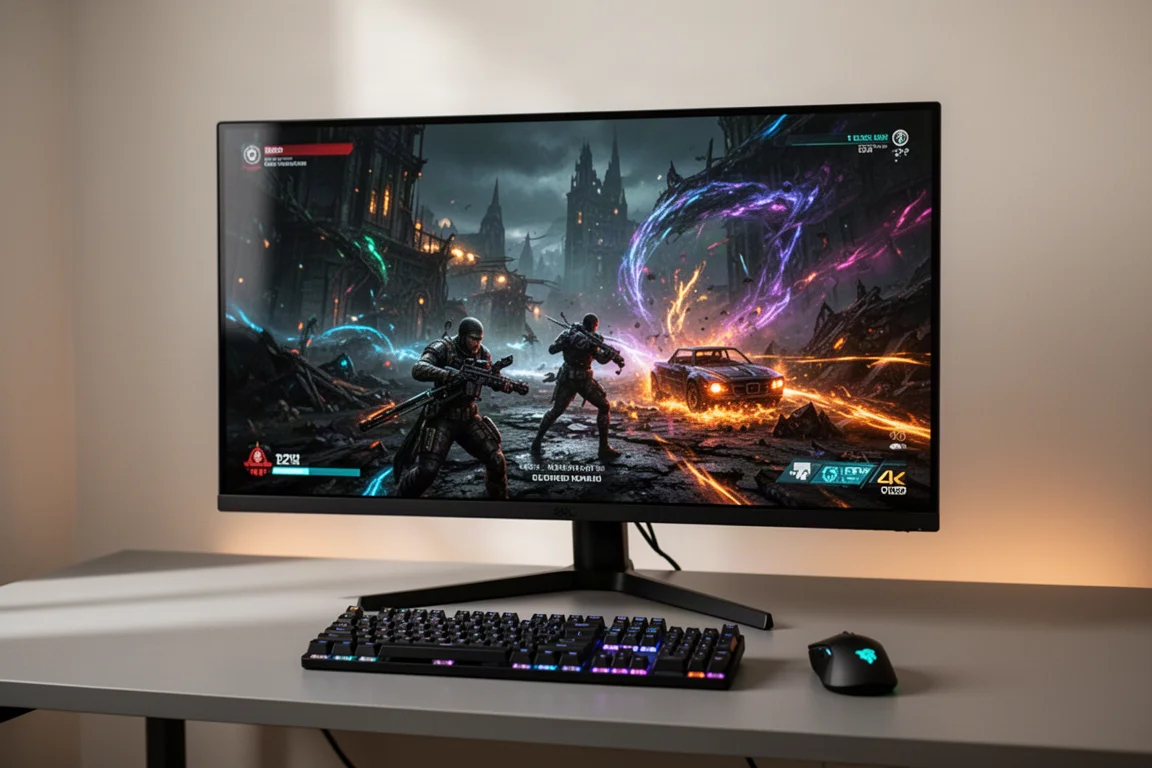
The landscape has shifted significantly over the past year. 32-inch 4K OLEDs have become the standard for immersive gaming, while 27-inch models offer a more compact, higher-density alternative. Meanwhile, mini-LED LCDs have matured into genuinely capable HDR displays, and budget IPS panels continue to deliver outstanding value. Whether you prioritize motion clarity, HDR performance, or affordability, there is a monitor here worth considering.
How These Picks Were Made
Every monitor featured in this guide has been fully reviewed or is a variant of a product that has been tested. The focus is on confirmed performance across key areas: resolution, refresh rate, HDR capability, motion clarity, and feature set. Pricing is based on current market data and can change over time, so it is worth checking live prices before making a purchase.
The recommendations are not paid placements. Each product earned its place based on test results and real-world use. When comparing models, the emphasis is on overall value rather than raw specifications, because a monitor that looks good on paper does not always deliver in practice.
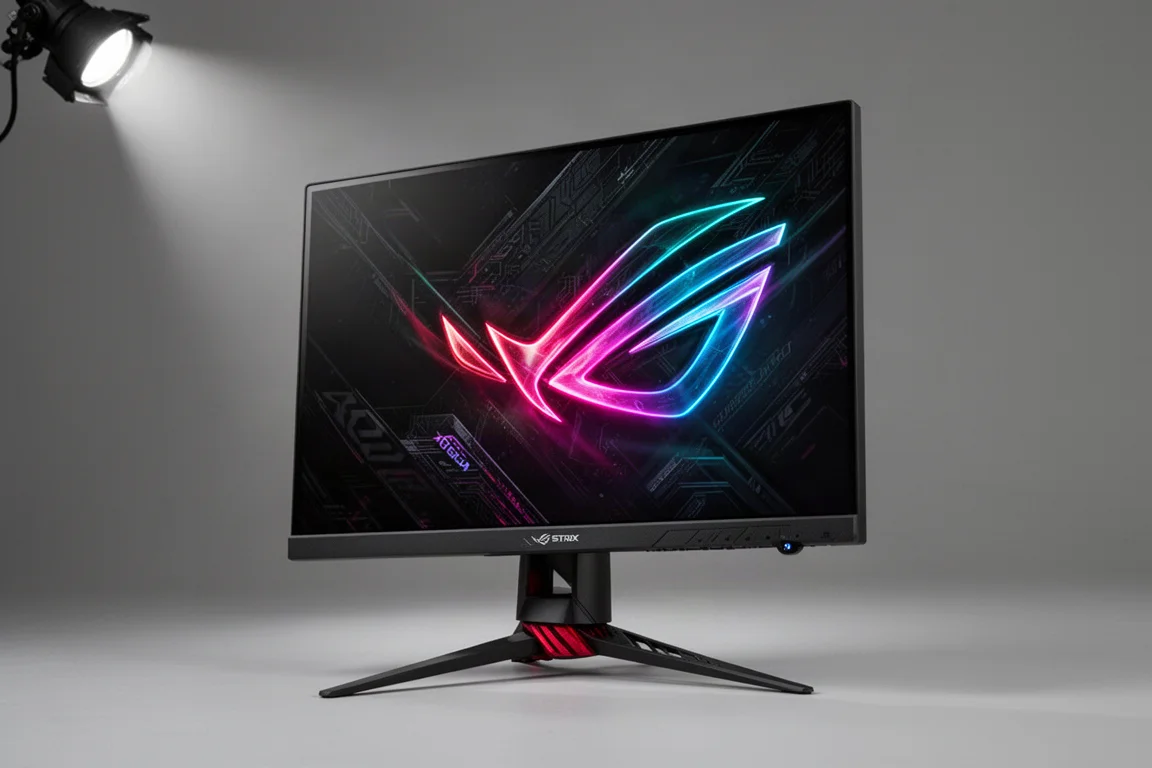
Best 32-Inch 4K OLED: Asus ROG Strix XG32UCWMG
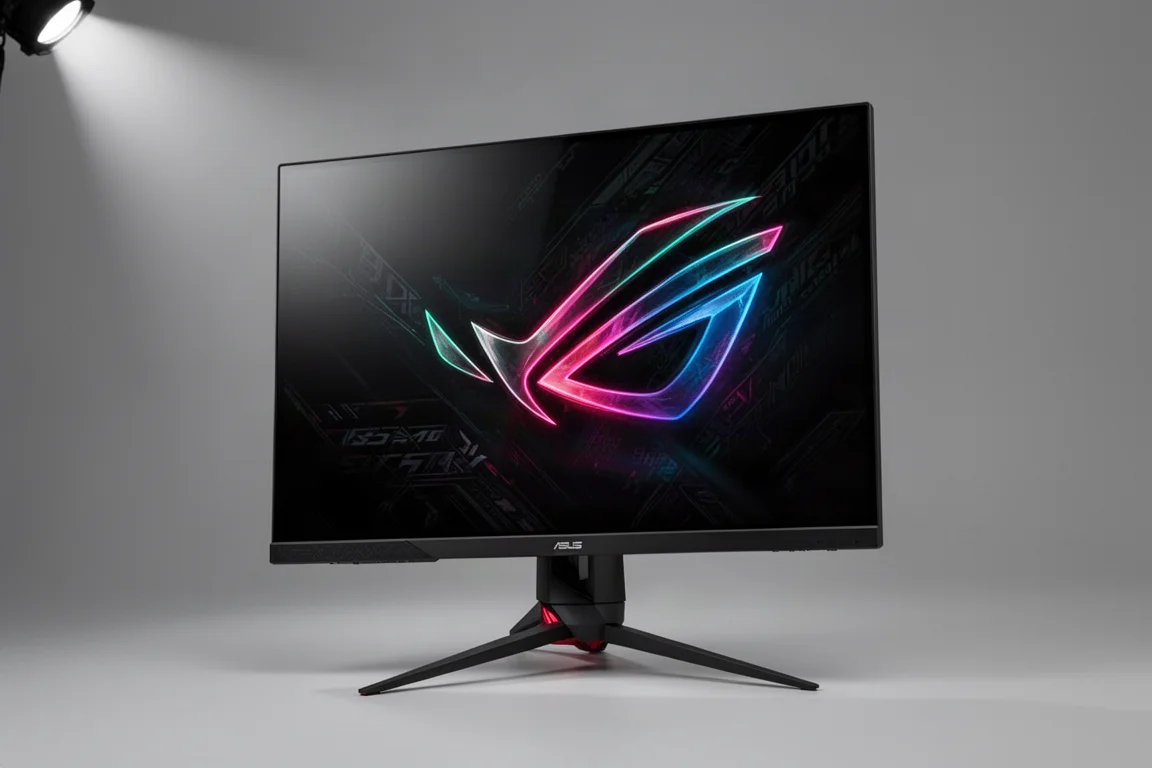
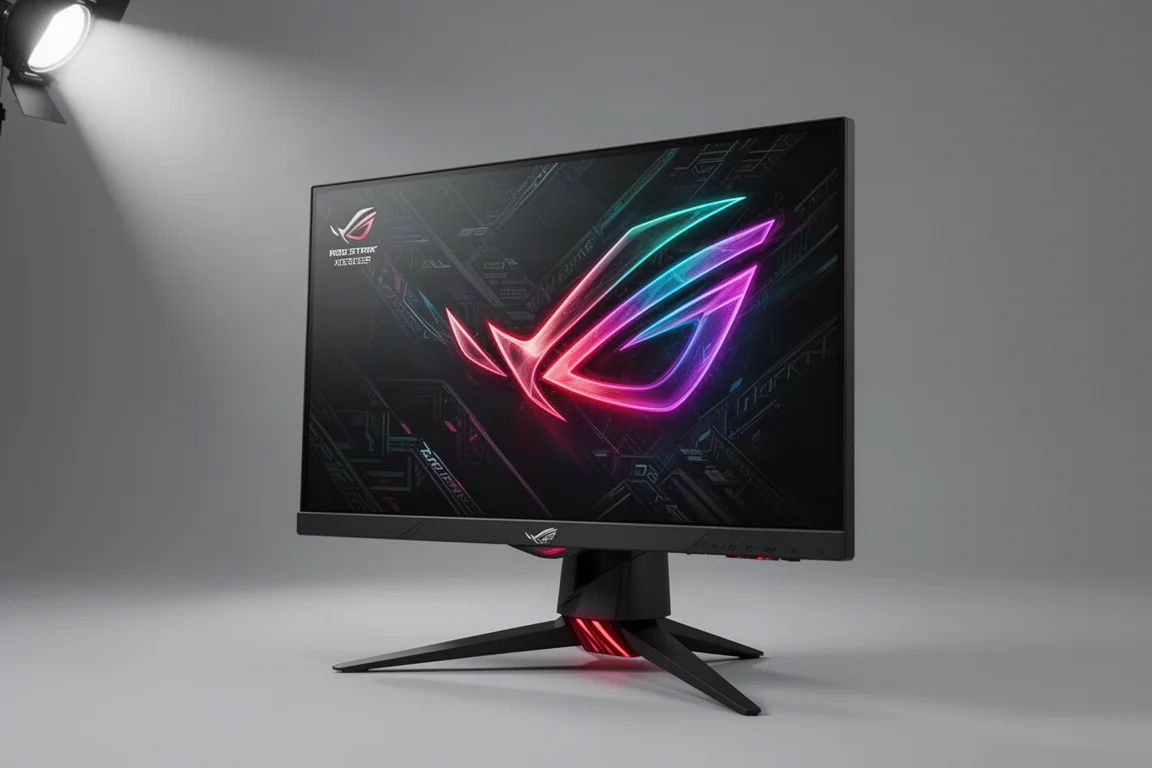
The Asus ROG Strix XG32UCWMG remains the overall best 32-inch 4K OLED monitor. This is a 32-inch 4K W-OLED panel with a 240 Hz refresh rate, and it earns the top spot thanks to its excellent feature set. The glossy true black finish preserves blacks in all lighting environments, avoiding the grayish black appearance that QD-OLED panels can exhibit in brighter rooms.
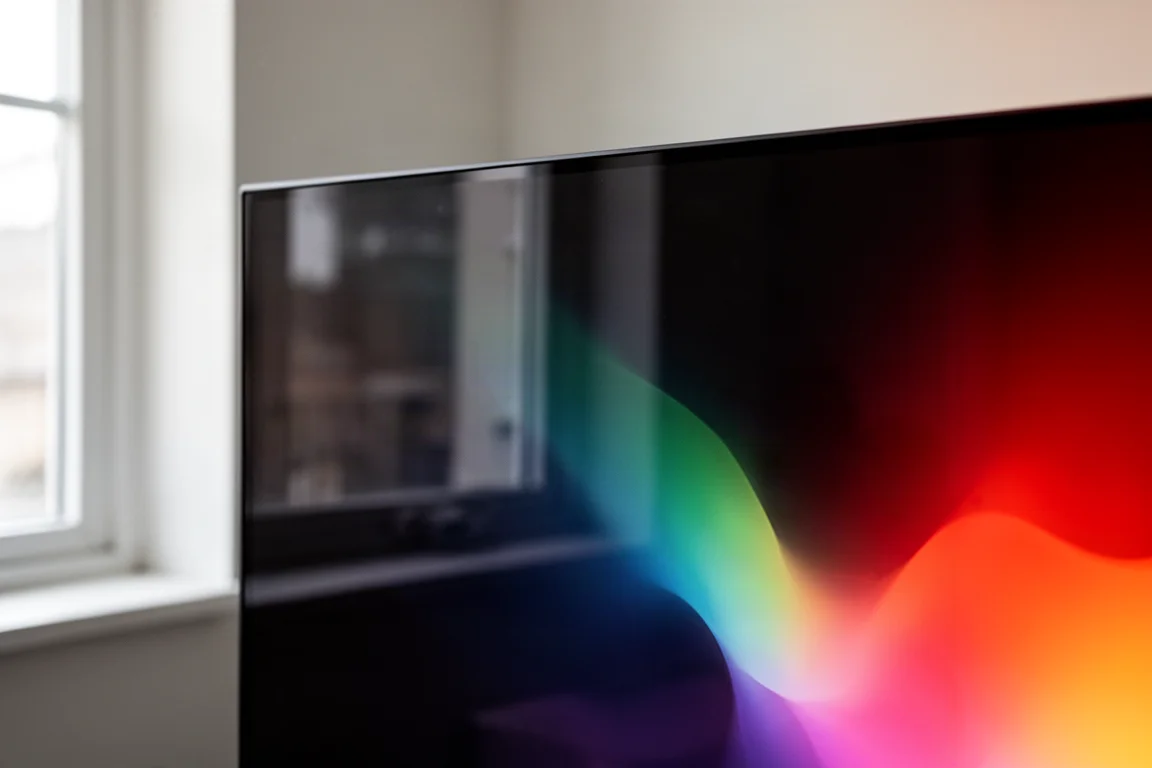
W-OLED technology brings two key advantages over QD-OLED. First, HDR performance is more consistent, with no panel dimming in bright scenes and peak brightness reaching 1,000 nits. Second, the 4K 240 Hz panel supports a dual mode that runs at 1080p 480 Hz, which is exceptionally clear for competitive gaming. Asus also includes useful features like a proximity sensor, OLED anti-flicker mode, ELMB, and unlocked color controls.
The XG32UCWMG typically retails for just under $1,000, which is on the higher end of 32-inch 4K pricing. QD-OLED alternatives start around $800, so the premium is roughly 25%. For those seeking a premium 4K experience with the best black levels and HDR consistency, this W-OLED model is a reasonable investment.
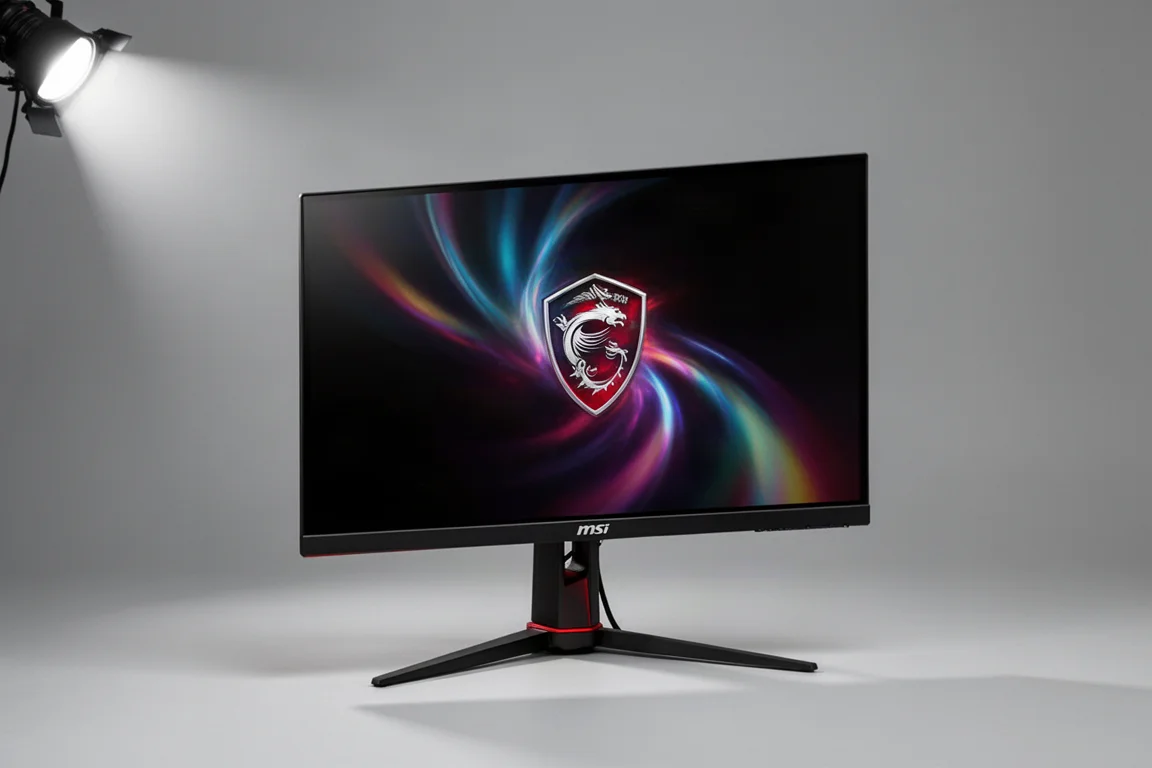
Best Value 32-Inch QD-OLED: MSI 321UPX
For those prioritizing value, QD-OLED monitors are hard to beat. Most offer great performance, and the MSI 321UPX stands out as a routinely excellent value buy. This 32-inch 4K 240 Hz QD-OLED uses the original 2024 panel, which delivers slightly lower full-screen brightness than the newer 2026 panel but remains a strong performer.
The 321UPX is typically priced at $800, making it a compelling option compared to newer models that debut at higher prices. The newer 2026 panel offers higher full-screen brightness at 300 nits versus 250 nits, slightly improved black levels in bright rooms, and is about 8% brighter in HDR content. However, these gains are modest, and the older panel is not worth a significant price premium.
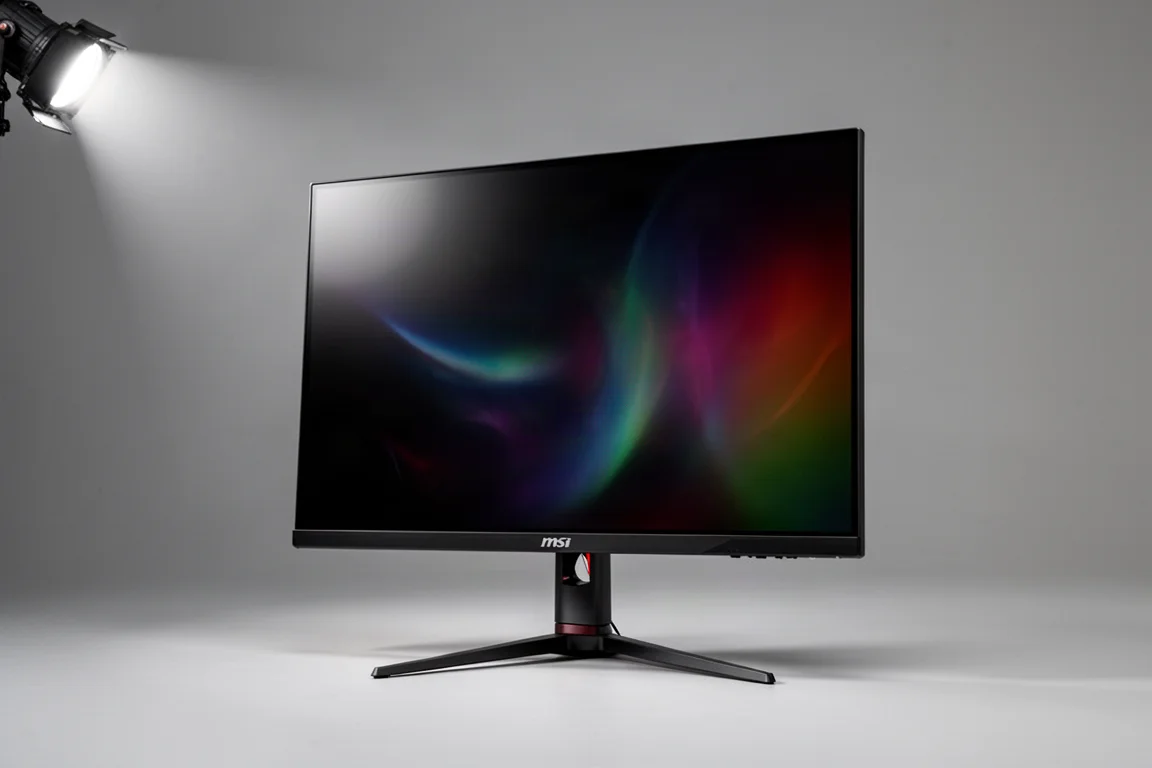
If the newer panel is available at the same price as the older model, it is worth choosing. But in most cases, the 321UPX at $800 represents the better value. It is the model recommended in most situations, offering a great balance of performance and price.
Best Newer Panel 32-Inch QD-OLED: MSI 322URX24
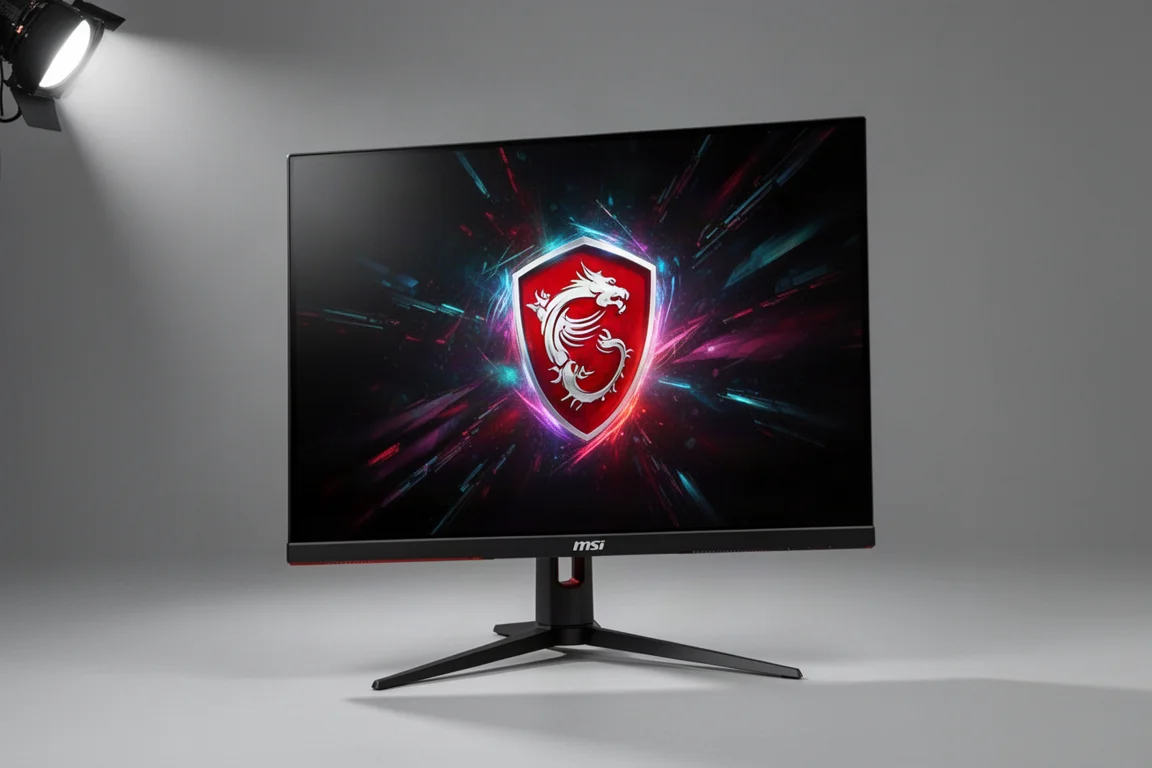
The MSI 322URX24 is a newer 32-inch 4K 240 Hz QD-OLED that uses the updated 2026 panel. This panel brings higher full-screen brightness at 300 nits, slightly improved black levels in bright rooms, and an 8% brightness increase in HDR content. It is identifiable by its DisplayHDR True Black 500 certification, while the older 2024 panel carries a 400 tier rating.
At a debut price of $1,100, the 322URX24 commands a significant premium over the older 321UPX. The performance gains are real but modest, making it difficult to justify the extra cost unless the newer panel is available at a comparable price. For most buyers, saving $300 and opting for the older model is the smarter choice.
Best Curved 32-Inch QD-OLED: MSI 321URX
The MSI 321URX is another strong 32-inch 4K QD-OLED option that has been tested and performs well. It offers the same core panel technology as other 32-inch QD-OLEDs, delivering excellent color volume, high color brightness, and good uniformity. The 321URX is a solid choice for those who want a flat 32-inch QD-OLED with proven performance.
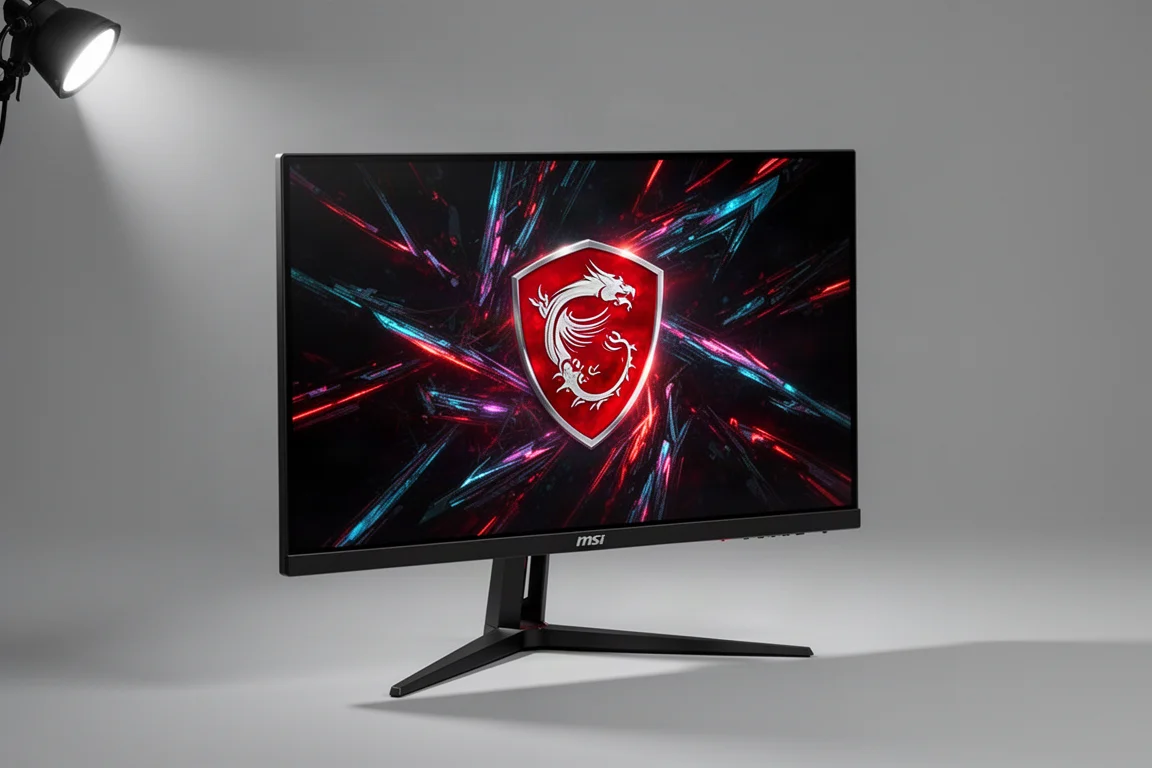
Pricing for the 321URX is competitive with other QD-OLED options, and it is worth considering when comparing models in this category. Most variants offer great performance, so the best choice often comes down to regional availability and the specific features you want.
Best Curved 32-Inch OLED: Dell AW3225QF
The Dell AW3225QF is the recommended choice for those who prefer a curved 32-inch 4K OLED. It delivers the same strong QD-OLED performance as flat alternatives, with the added immersion of a curved panel. This model has been tested and confirmed to offer excellent HDR gaming performance with deep blacks and vibrant colors.
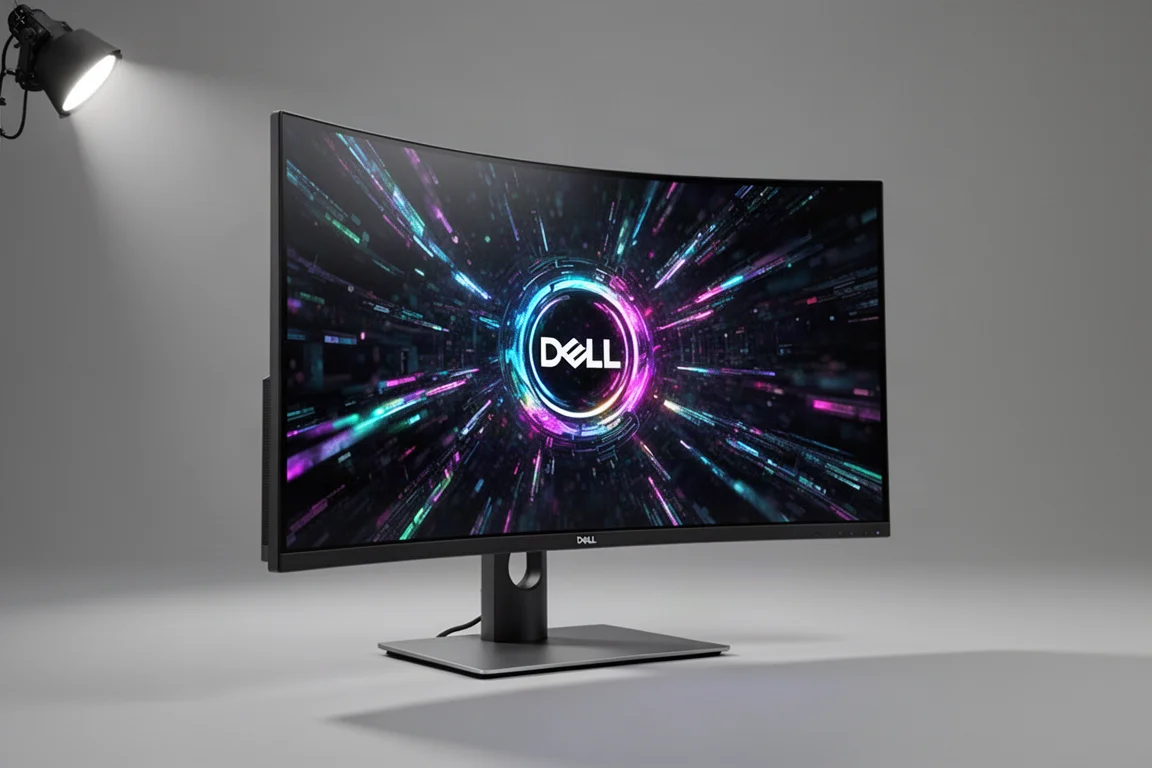
The AW3225QF is a great option for gamers who find curved panels more engaging for single-player titles. It is priced competitively within the 32-inch QD-OLED category, and its performance is on par with other top-tier models.
Best Matte Finish 32-Inch OLED: Samsung G81SF
For those who prefer a matte finish over glossy, the Samsung G81SF is the standout 32-inch 4K OLED option. The matte coating reduces reflections in brighter environments, making it a practical choice for rooms with significant ambient light. Performance is otherwise comparable to other 32-inch QD-OLEDs, with excellent color and HDR capabilities.
The G81SF is a solid alternative to glossy models, especially for users who find reflections distracting. It is worth considering alongside other 32-inch QD-OLED options, with the final choice often coming down to finish preference and pricing.
Best Budget 32-Inch OLED: Asus ROG Strix XG32UCDS
The Asus ROG Strix XG32UCDS offers a 165 Hz refresh rate at a more significant discount than most 240 Hz models. At just $600, it is $200 less than most 240 Hz 32-inch QD-OLEDs, making it an exceptional value for a 32-inch QD-OLED.
The lower refresh rate means motion clarity is not quite as good as the 240 Hz models, but outside of that, performance is identical to the higher-end versions. For those who prioritize color performance and HDR over the highest refresh rates, the XG32UCDS is well worth considering.
Best 27-Inch 4K OLED: Dell Alienware AW2725Q
For those after a smaller 27-inch panel for HDR gaming, the Dell Alienware AW2725Q is the go-to choice. It uses QD-OLED technology and is a shrunk-down version of the first-generation 32-inch panels, offering similar performance in a more compact, higher-density format.
The AW2725Q offers excellent brightness, deep blacks thanks to its glossy panel, and strong HDR gaming performance. The only real downside is it lacks some premium features like a USB-C display signal input. At a typical price of $700, it delivers fantastic bang for buck.
Best 27-Inch 4K OLED Alternative: Gigabyte MO27U2
The Gigabyte MO27U2 is very close to the AW2725Q in what it offers. It uses the same QD-OLED panel and delivers similar performance, though its highest brightness HDR mode uses a boosted configuration rather than a traditional peak 1000 mode. Outside of that, it performs on par with other 27-inch QD-OLEDs.
The MO27U2 has a great design, USB-C connectivity, and a KVM switch, which is a strong set of hardware features. At a price between $650 and $700, it is a compelling alternative to the Dell model.
Best 27-Inch 4K OLED Value: MSI MAG272UPX24
The MSI MAG272UPX24 is a newer 27-inch 4K QD-OLED that uses the same panel as the Dell and Gigabyte models. It has no major feature differences compared to those options, but it omits features like DisplayPort 2.1 to keep the cost down.
At a typical price of $730, with recent sales dropping it to $700, the MAG272UPX24 is definitely an option to explore. It is expected to perform just like the higher-end 272URX, making it a strong value choice in the 27-inch QD-OLED category.
Best Premium 27-Inch 4K OLED: Asus ROG Swift PG27UCDM
The Asus ROG Swift PG27UCDM is the best 27-inch 4K OLED that has been tested, but it comes at a premium price. At $1,100 with an all-time low of $934, its best-ever price is still well above the typical cost of the recommended value models.
The PG27UCDM includes useful features like the proximity sensor, which adds convenience. However, for most buyers, the value-focused options like the AW2725Q or MO27U2 offer nearly identical performance at a significantly lower price. The PG27UCDM is best for those who want the absolute best 27-inch OLED and are willing to pay for it.
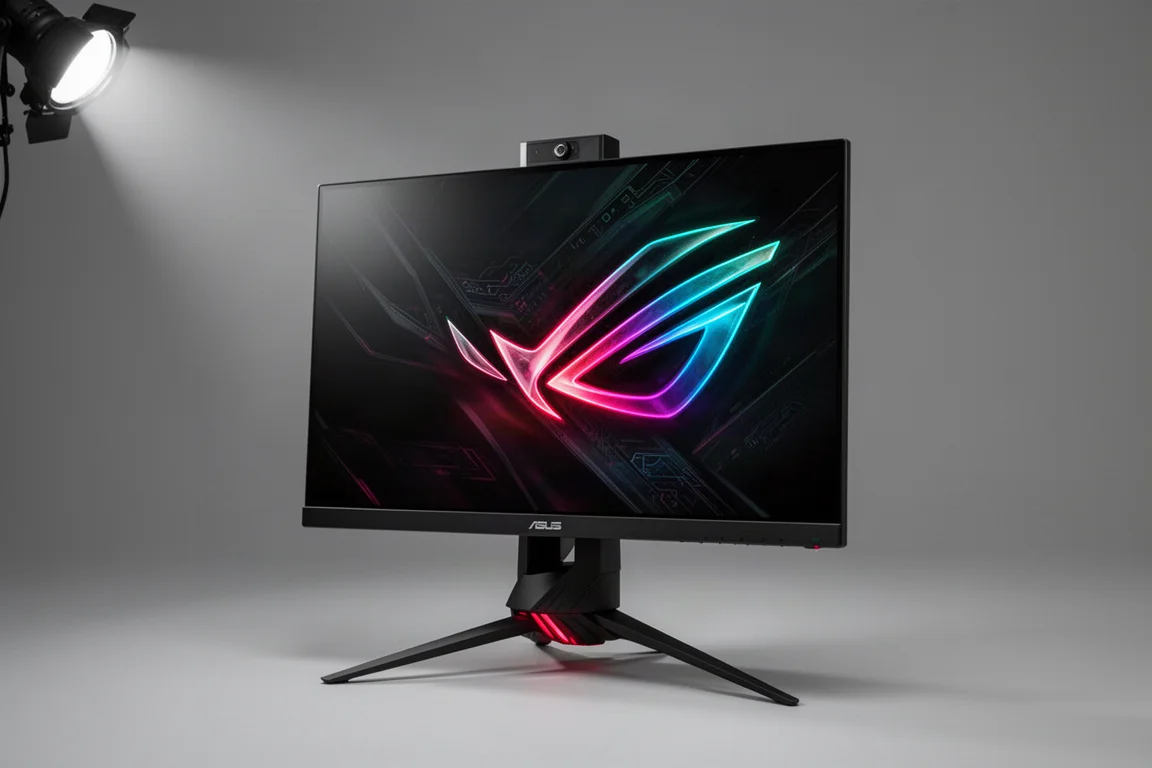
Best 27-Inch 4K OLED with Proximity Sensor: Asus ROG Strix XG27UCDMG
The Asus ROG Strix XG27UCDMG is another high-end 27-inch 4K QD-OLED that includes the useful proximity sensor found in the ROG Swift model. It offers the same core panel performance as other 27-inch QD-OLEDs, with the added convenience of automatic presence detection.
This model is worth considering for those who want the proximity sensor feature without stepping up to the full ROG Swift price. It delivers strong performance and a premium feature set, though it remains more expensive than the value-focused options.
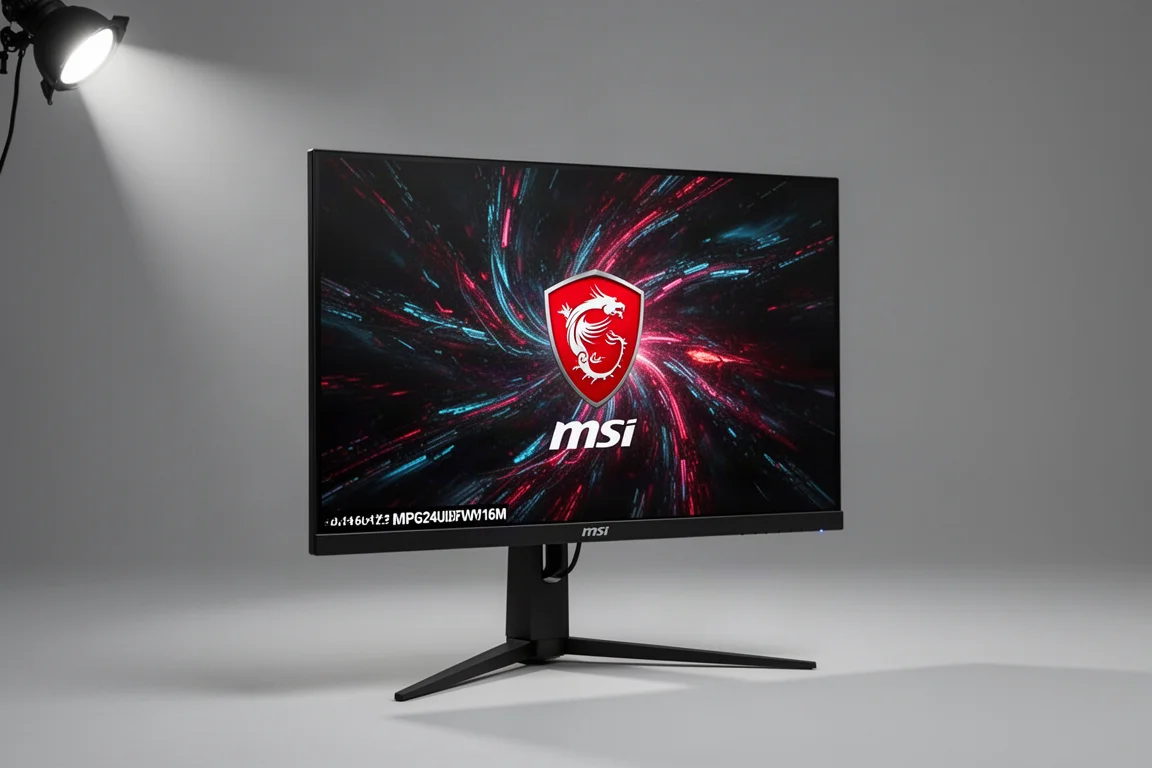
Best 4K Mini-LED LCD: MSI MPG274UIDFW16M
For those who want 4K HDR capability without OLED burn-in concerns, mini-LED LCDs are an excellent choice. The MSI MPG274UIDFW16M is one of four models that use the same panel: a 27-inch 4K 160 Hz IPS LCD with a 1,152-zone mini-LED backlight and support for a 1080p 320 Hz dual mode.
These monitors are genuinely capable of displaying HDR images properly, with full-array local dimming that provides a large increase in contrast over SDR monitors. The 1,152 backlight zones allow for deeper blacks and decent control, meaning bright and dark elements can be shown on screen at the same time. This creates the impressive HDR effect that justifies the price.
The MSI model favors contrast and black levels in HDR scenes, making it a strong choice for those who prioritize deep blacks. It is priced between $400 and $500, which is about a 30 to 40% premium over basic 4K SDR monitors.
Best 4K Mini-LED LCD for Brightness: AOC U27G4XM
The AOC U27G4XM is another strong 27-inch 4K mini-LED LCD option, using the same panel as the MSI model. It is tuned more towards 160 Hz performance, making it well suited for fast-paced gaming.
The AOC model is still bright but favors contrast and black levels in HDR scenes, similar to the MSI. At a price between $400 and $500, it offers excellent value for those seeking HDR-capable LCD performance without OLED concerns.
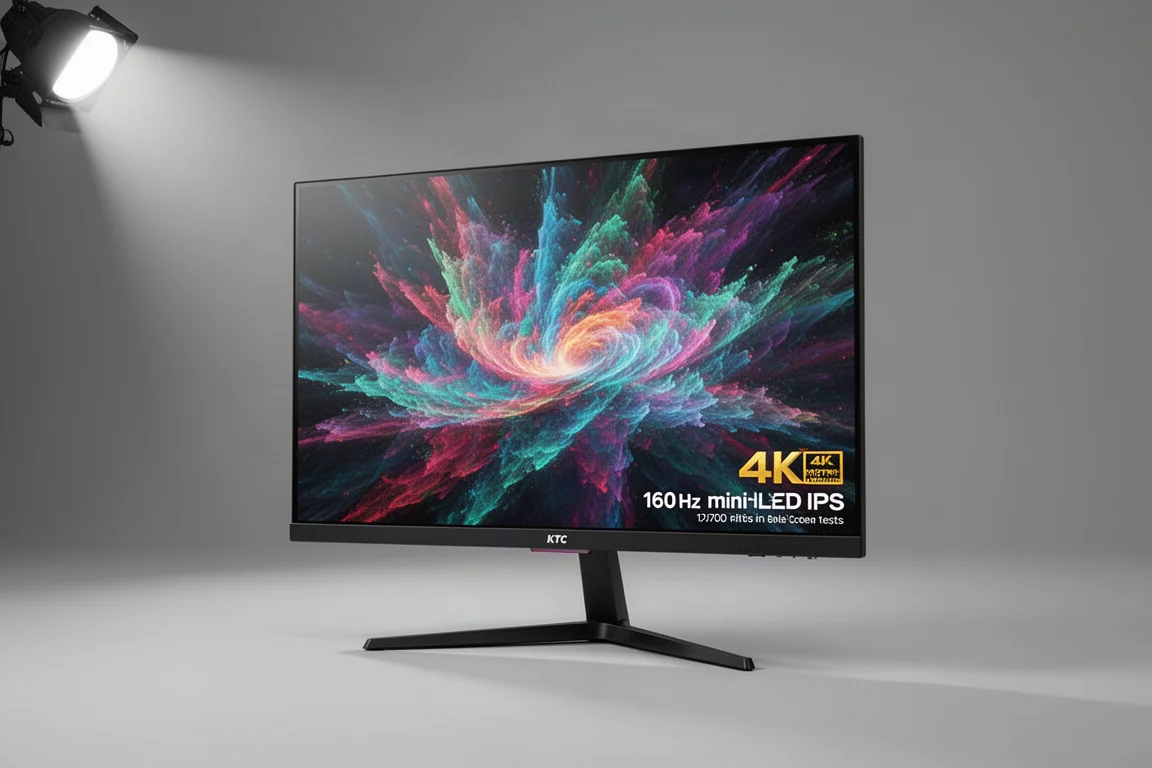
Best 4K Mini-LED LCD for Peak Brightness: KTC M27P6
The KTC M27P6 is the brightest of the mini-LED LCD options, achieving over 1,700 nits in real scene tests. It is well balanced for the middle part of the refresh rate range and delivers solid performance for HDR gaming.
The KTC model pushes brightness the highest, occasionally at the expense of contrast. For those who want extreme brightness in HDR scenes, this is the model to choose. It is priced competitively within the $400 to $500 range.
Best Budget 4K Monitor: Gigabyte M27UP
For an affordable 4K monitor for gaming and productivity, the Gigabyte M27UP is the best option. This 27-inch 4K 160 Hz IPS LCD has an MSRP of $380 but is regularly available on sale for $330, at which point it is a fantastic buy.
Despite its low price, the M27UP offers the same performance as other 4K IPS LCDs. It is decently fast with a single overdrive mode, has good calibration, a wide color gamut, and acceptable IPS-level contrast. It also offers a 1080p 320 Hz dual mode, increasing responsiveness and motion clarity for competitive gamers.
Best Budget 4K Monitor Alternative: Asus ROG Strix XG27UCG
The Asus ROG Strix XG27UCG is a very similar monitor to the Gigabyte M27UP. Right now, it is about $50 more expensive, but if it goes on sale, it is worth choosing whichever of the two is cheapest.
The XG27UCG offers the same core performance as the M27UP, making it a strong alternative for budget-conscious buyers. Both monitors deliver excellent value in the budget 4K category.
Buying Advice
When choosing a 4K gaming monitor, the first decision is panel size. 32-inch OLEDs offer a more immersive experience for 4K gaming, while 27-inch models provide higher pixel density in a more compact format. Prices for 32-inch OLEDs have come down significantly, with some models now available for around $600.
For those who want the best HDR performance and are willing to pay a premium, the Asus ROG Strix XG32UCWMG is the top choice. Its W-OLED panel delivers superior black levels and consistent HDR brightness. For better value, QD-OLED options like the MSI 321UPX offer excellent performance at a lower price.
If you are concerned about OLED burn-in or want extreme brightness, mini-LED LCDs like the MSI MPG274UIDFW16M or KTC M27P6 are excellent alternatives. They offer genuine HDR capability with local dimming and are priced between $400 and $500.
For budget buyers, the Gigabyte M27UP at $330 is the best value 4K monitor available. It delivers strong performance for both gaming and productivity, with the added bonus of a 1080p 320 Hz dual mode for competitive play.
Conclusion
The 4K gaming monitor market in mid-2026 is in excellent shape. Premium OLEDs deliver stunning HDR and motion clarity, while mini-LED LCDs offer a safer, brighter alternative. Budget IPS panels continue to provide outstanding value for those who do not need HDR.
The best choice ultimately depends on your priorities: the Asus ROG Strix XG32UCWMG for the best overall 32-inch OLED, the MSI 321UPX for value, the Dell Alienware AW2725Q for 27-inch gaming, and the Gigabyte M27UP for budget buyers. Whichever you choose, you will be getting a monitor that has been tested and confirmed to perform well.
Further reading
Related Reviews
Gaming Monitors
AOC Q27G41ZDF vs Asus ROG Swift OLED PG27AQDP: Budget vs Premium OLED Gaming
Two 27-inch 1440p OLED gaming monitors at vastly different price points. We compare brightness, color accuracy, text sharpness, refresh rates, and real-world performance to see what justifies the premium.
Gaming Monitors
ASUS ROG OLED Gaming Monitors 2026: New Panels, Sizes, and Brightness
ASUS announced several new ROG OLED gaming monitors at Computex 2026, including a 24.5-inch esports panel and a 32-inch 4K RGB stripe model.
Gaming Monitors
ASUS ROG Swift PG32UCWM Review: A New Direction for W OLED
The first 32-inch 4K OLED gaming monitor with an RGB stripe subpixel layout brings sharper text and better color brightness, but brightness regressions and a high price hold it back.