Tools
Best 12-Inch Locking Bit Holders: Diablo, Milwaukee, and DeWalt Compared
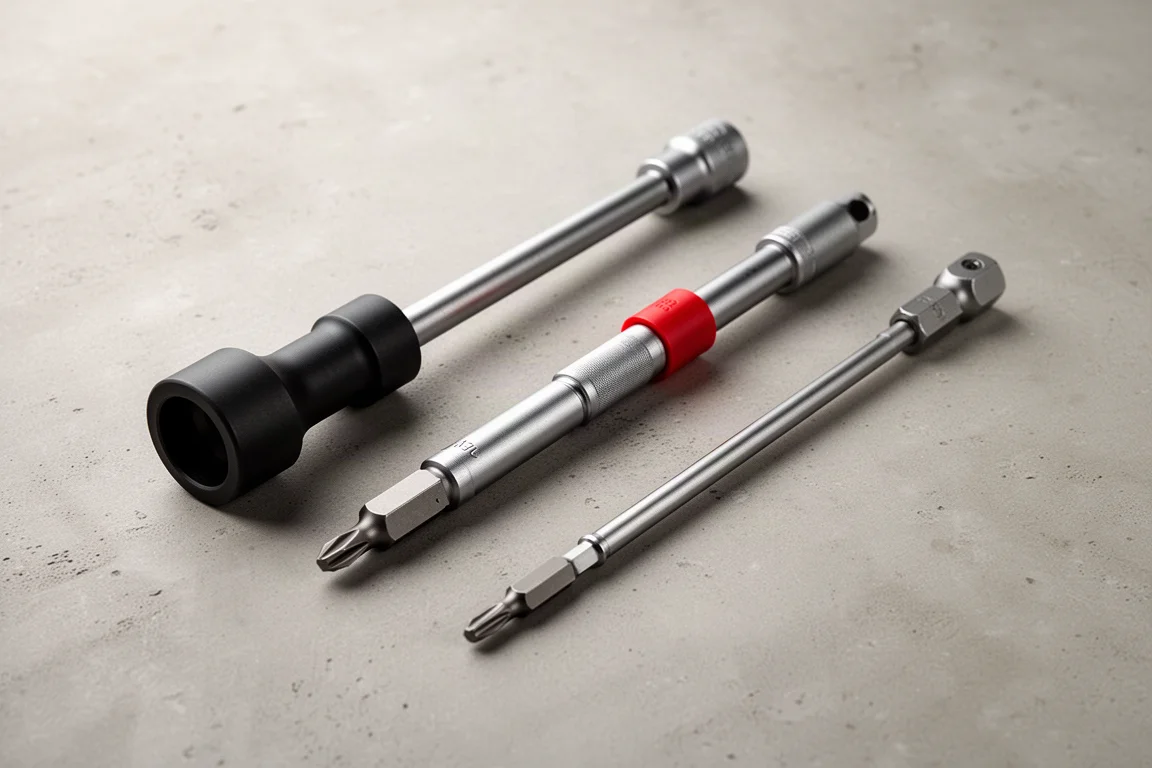
Three 12-inch locking extension bit holders put side by side to see which holds bits tightest, weighs least, and works best in tight spots.
Introduction
Long extension bit holders are one of those quietly brilliant accessories: they move your hand back from the fastener, giving you far more visual real estate over what you are actually doing. Combined with a ratcheting screwdriver handle, a 12-inch locking bit holder practically becomes a superpower for reaching recessed or awkward screws. Three 12-inch locking versions stand out: the Diablo, the Milwaukee, and the DeWalt. They are all the same length, but the differences among them matter more than you might expect.
Why a Locking 12-Inch Bit Holder Is Worth Having
There are plenty of bit holders out there, including simple magnetic versions and shorter screwdriver-style holders. But when you are working 12 inches away from the tool, a lot can go wrong, and a magnetic-only holder can let the bit pop out. A locking collar that clamps onto whatever bit you insert keeps it snug the whole way out.
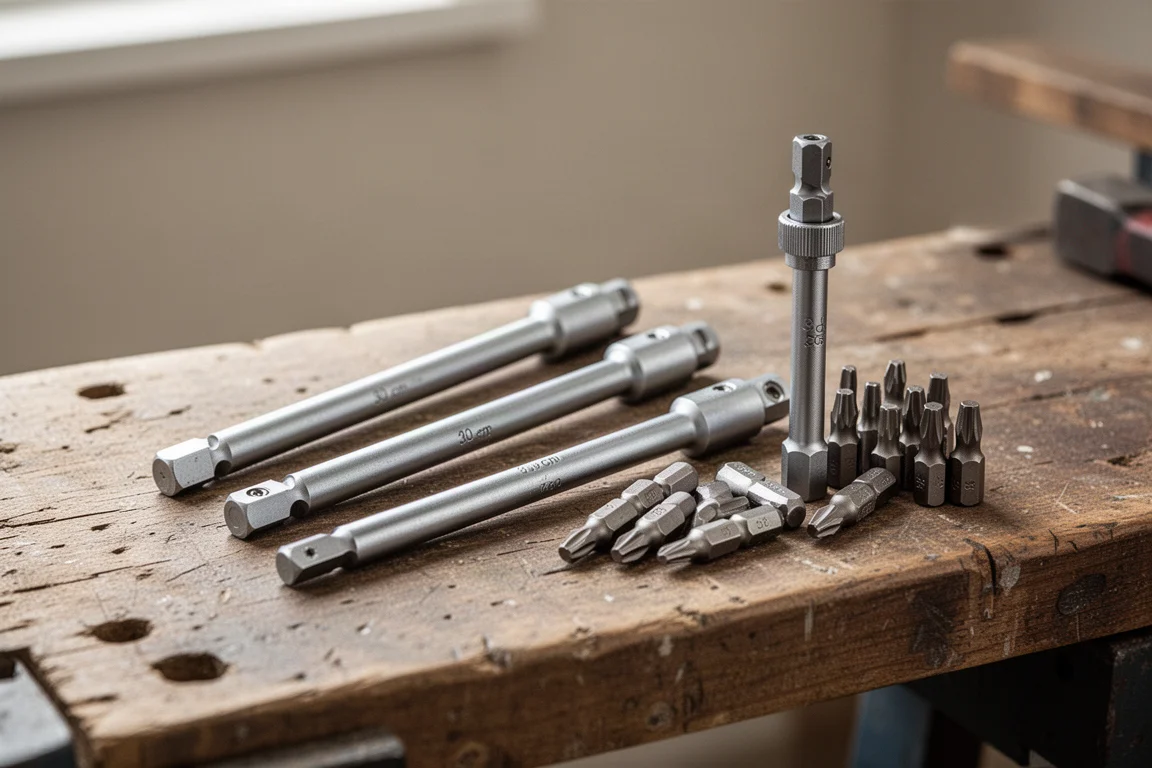
All three of these holders can be used with a plain handle, but they work best paired with a locking or ratcheting handle so the whole assembly stays controlled at that distance.
Size, Weight, and Build Differences
Although all three are 12 inches (about 30 cm) long, the physical proportions differ noticeably. The DeWalt is by far the thinnest shaft, the Diablo is the thickest, and the Milwaukee sits in the middle.
Measured shaft diameters come out roughly as follows: the Diablo is about 9.5 mm, the Milwaukee about 8 mm, and the DeWalt about 7.2 mm. Head sizes are close: roughly 15.5 mm for the Diablo, 15.3 mm for the Milwaukee, and about 14.75 mm for the DeWalt.
Weight follows the same pattern. The DeWalt is the lightest at around 100 g, the Milwaukee is about 134 g, and the Diablo is the heaviest at roughly 165 g. If you are working overhead or in tight quarters, that extra bulk on the Diablo is worth factoring in.
Bit Insertion, Play, and Extraction
All three let you simply push a bit in and it locks on its own; none require pulling the collar back first. Where they differ is in play, both side to side and up and down.
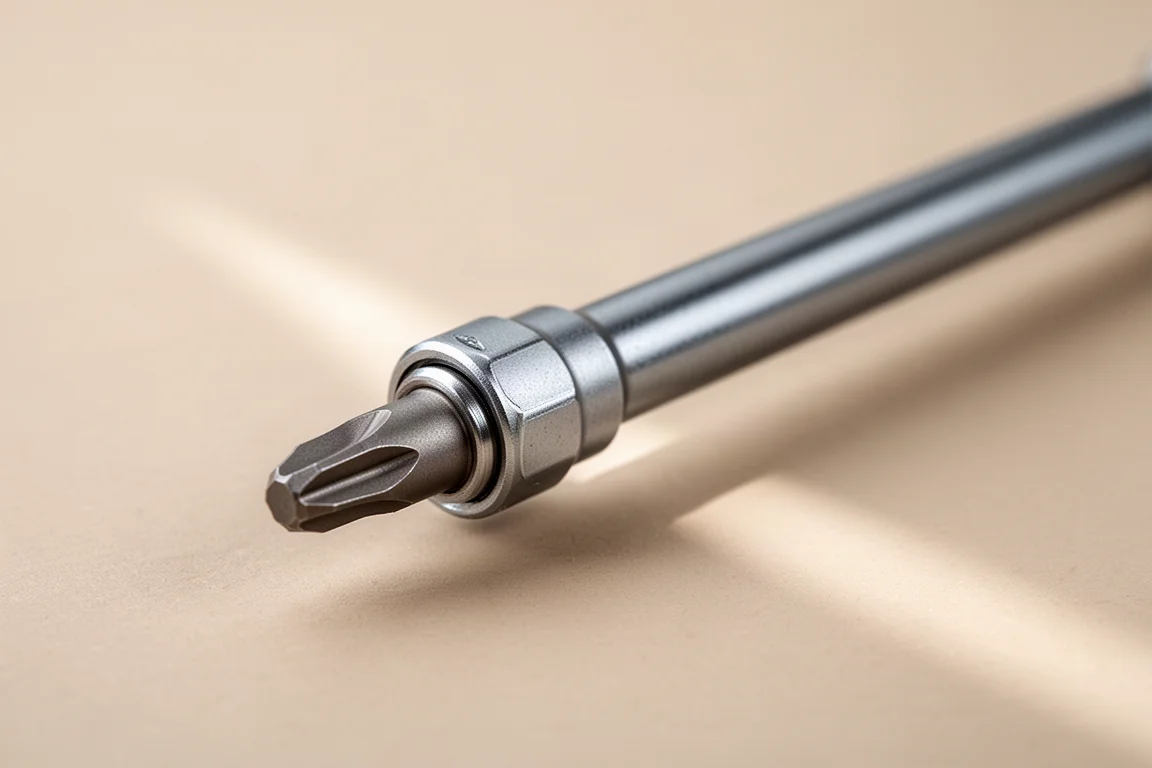
The DeWalt shows a small amount of wiggle in both directions. The Milwaukee has a spring-loaded feel with a little more movement, which can be slightly disorienting when you are wedging the tip into a tight spot. The Diablo is nearly rock solid, with only the faintest knock perceptible.
Extraction direction differs too. On the Diablo you pull the collar toward you, then pull the bit out. On the Milwaukee and the DeWalt you push the collar away, which some people find easier one-handed. On the Diablo you can push the collar back and pull the bit out at the same time, but going the same direction is often simpler.
Holding Regular Quarter-Inch Bits
These holders are designed for quick-lock bits, but they also grip standard quarter-inch bits firmly. With a regular bit inserted, the Milwaukee’s bit sits out the furthest, the DeWalt is similar, and the Diablo leaves the least bit extension from the front.
Even with a plain bit, the DeWalt shows its usual wiggle, the Milwaukee keeps its spring-loaded movement with very little side to side play, and the Diablo has absolutely no play in any direction. That is a real advantage when precision matters.
Which One Should You Buy?
The Diablo is the heaviest and thickest of the three, but it also holds bits the best, with near-zero play. If bit stability is your priority and you can tolerate the bulk, it is the strongest choice.
The Milwaukee splits the difference on every metric: mid-weight, mid-thickness, and spring-loaded holding that still grips reliably. The DeWalt is the lightest and slimmest, which helps in clearance-limited spots, at the cost of a bit more play.
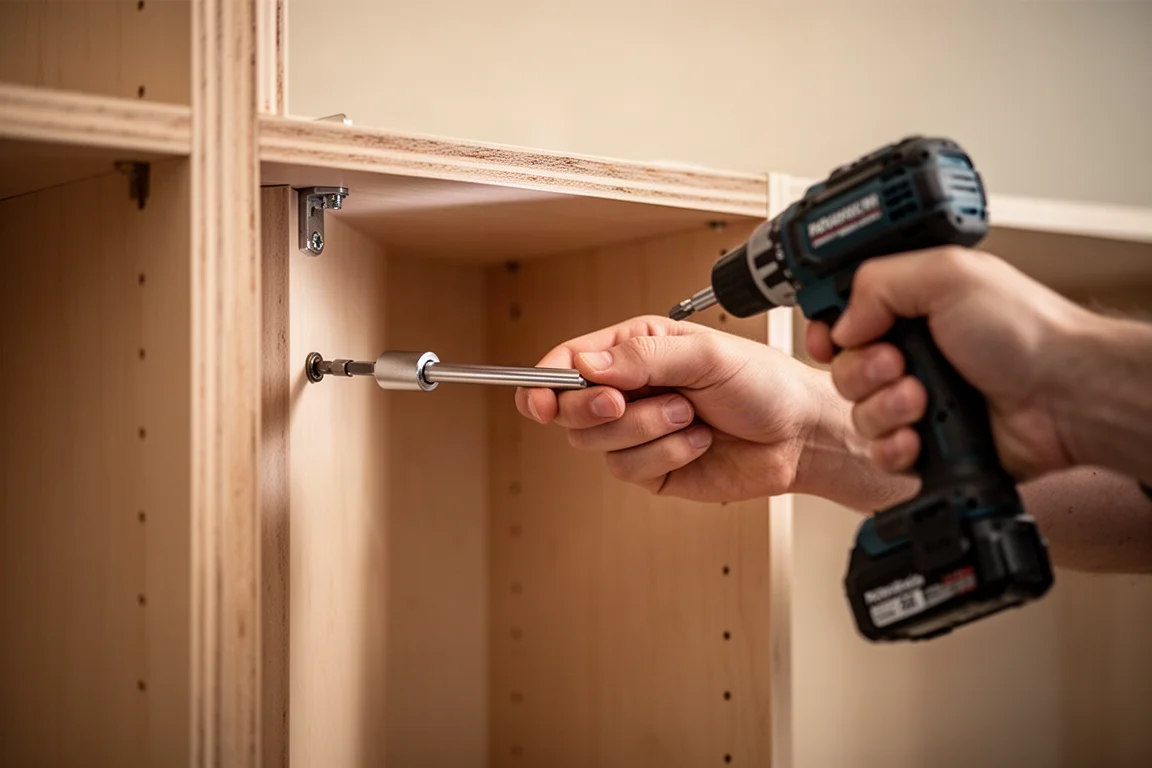
Any of the three would be a good addition to a toolkit, so the decision mostly comes down to whether you prioritize solidity (Diablo), balance (Milwaukee), or slimness and weight (DeWalt).
Stacking and Clearance Considerations
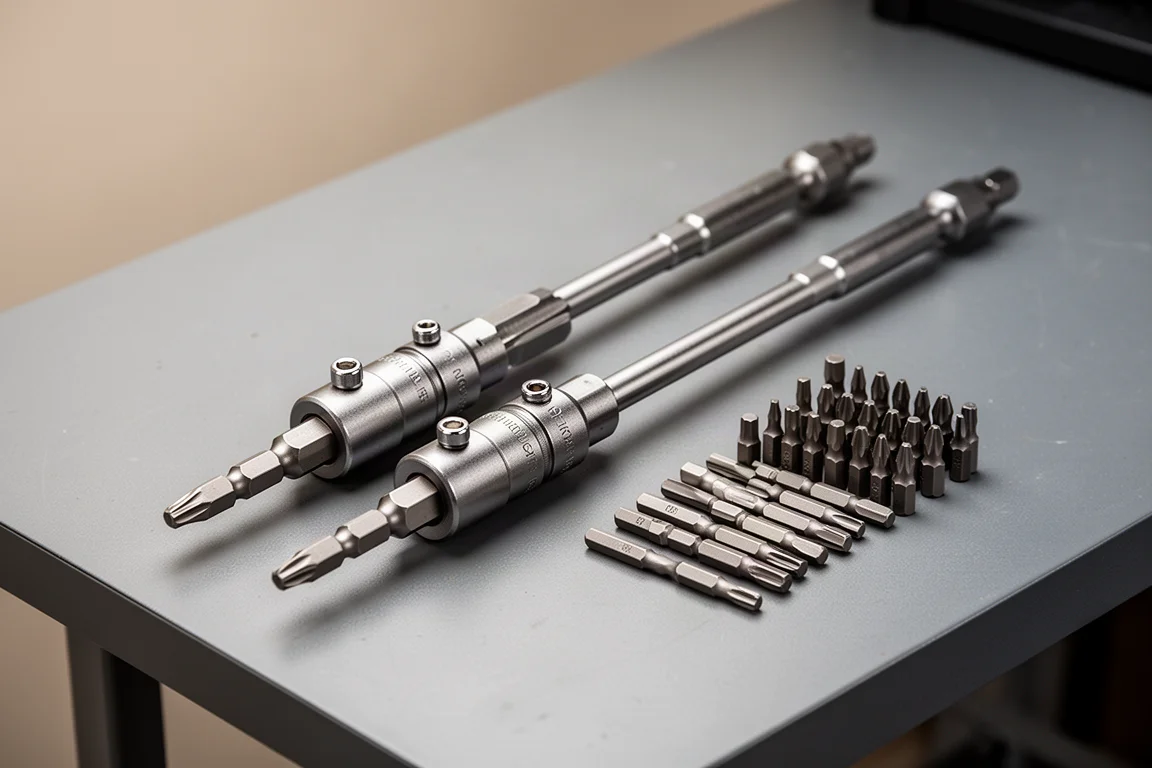
One handy trick: these holders can be stacked end to end if you need extra reach. Stacking introduces additional play, but a connected set still reaches far and holds together. Keep in mind that the locking collars are fairly wide, roughly two bit-widths across, so in very tight clearance situations the collar itself can be the limiting factor.
Conclusion
All three 12-inch locking bit holders deliver on the core promise: secure bit retention at a distance where ordinary magnetic holders fail. The Diablo stands out for rock-solid bit holding, the Milwaukee offers a well-balanced middle ground, and the DeWalt wins on slimness and weight. Pick the one whose trade-offs match how you actually work.
Product link
View more details for Diablo 12-Inch Locking Bit Holder
This product is mentioned in the review. Check the specifications, options, and compatibility before buying.
View more details for Diablo 12-Inch Locking Bit HolderFurther reading
Related Reviews

Tools
Best Contractor Grade Tape Measures 2026: Eight Models Tested Head to Head
We tested eight contractor grade tape measures from Milwaukee, DeWalt, Crescent Lufkin, Tajima, Stanley, Irwin, Gelan, and Craftsman to find the best value and performance.

Tools
Best Precision Screwdriver Sets 2026: Manual and Electric Options Compared
We compare 19 precision screwdriver sets, from budget manual kits to electric drivers, to find the strongest bits and best value.

Tools
Best Stud Finders 2026: Five Popular Models Put to the Test
We tested five popular stud finders on drywall, firewall, and lath and plaster surfaces to see which ones really find studs and avoid false readings.