Tools
Best 12-Inch Bit Holders Compared: DeWalt, Milwaukee, Diablo, and Snap-on
Four foot-long quick-lock bit holders tested side by side, covering locking mechanisms, one-handed use, and which one actually earns a spot in your tool bag.
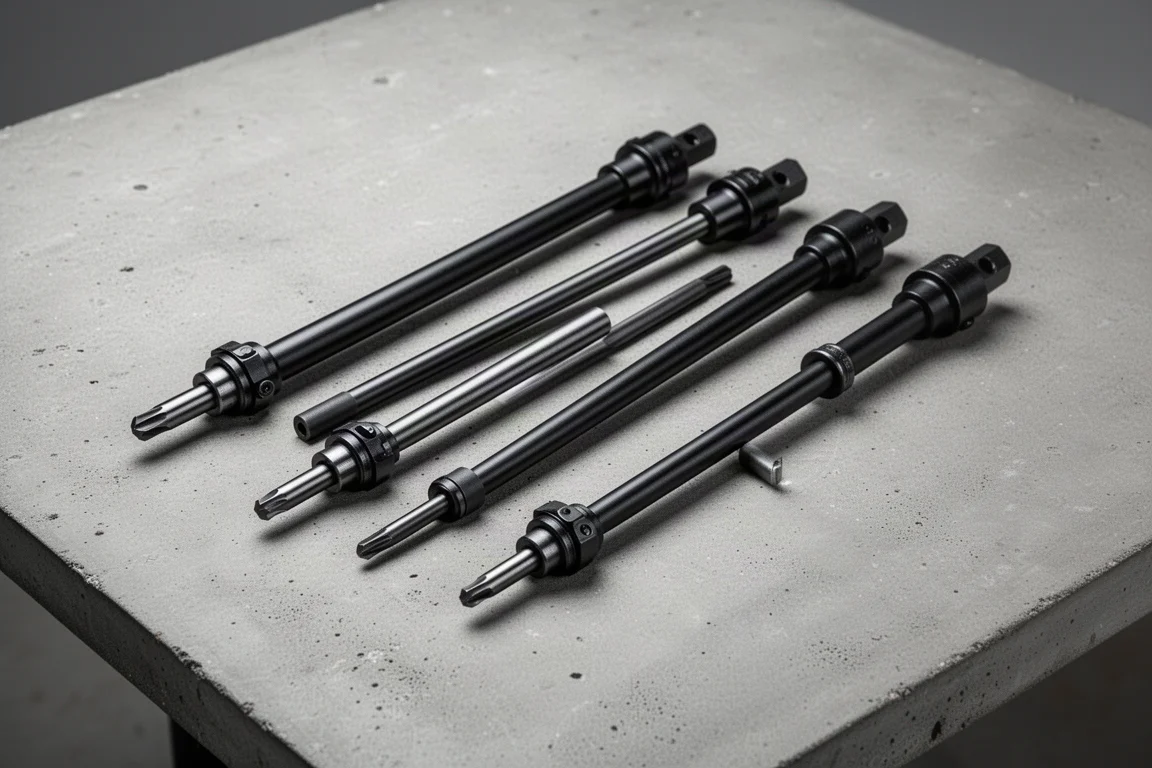
Introduction
Foot-long bit holders are one of those accessories that quietly become indispensable. Once you start using one, you find reasons everywhere: reaching fasteners deep inside cabinets, keeping your driver further back from a wall, getting more light and more hand room into a tight spot, or simply keeping a spinning chuck away from finished surfaces.
A newer low-profile DeWalt 12-inch model, the DW12L, recently showed up as an update to an older favorite, so it seemed like a good moment to line up the main contenders: the DeWalt, the Milwaukee, the Diablo, and the Snap-on. All four are solid, but the differences in how they lock, release, and behave under impact matter more than you would expect.
Why Long Bit Holders Matter
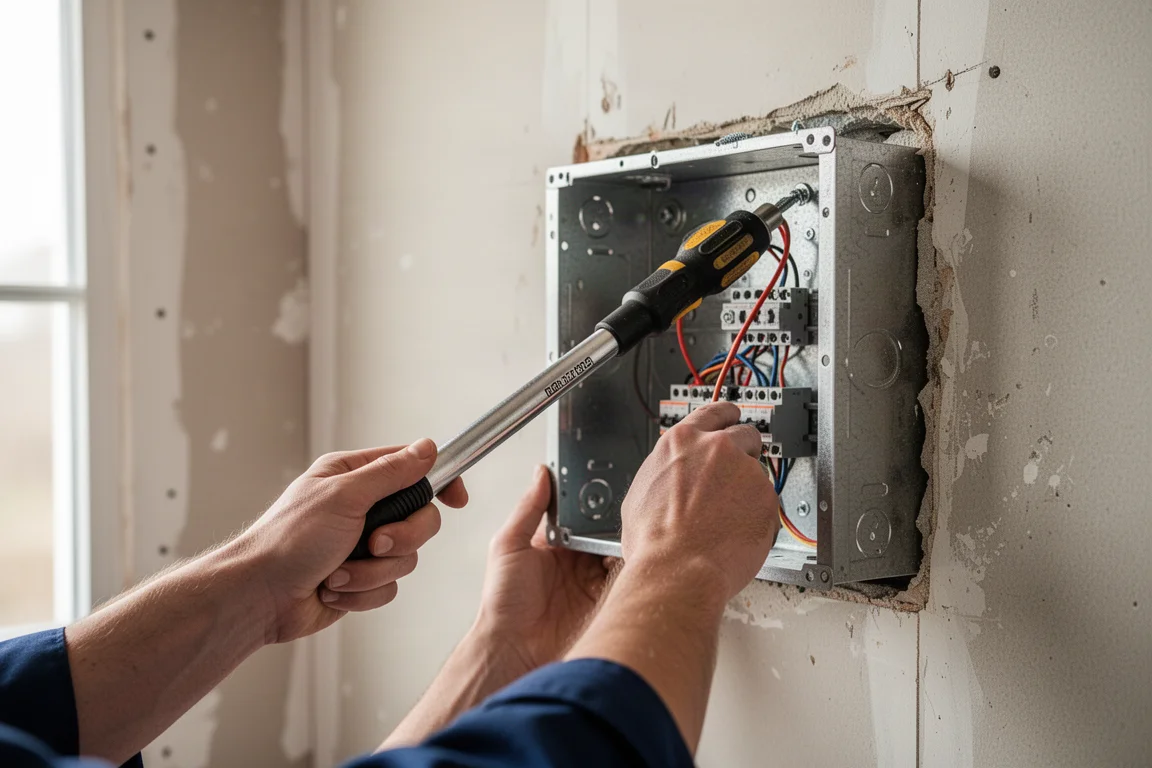
The obvious use is reach: electrical boxes, deep screw pockets, anywhere a driver body will not fit. But the less obvious benefit is control. A longer holder lets you stay further from the fastener, which means better visibility, more room for your hand, and easier one-handed work.
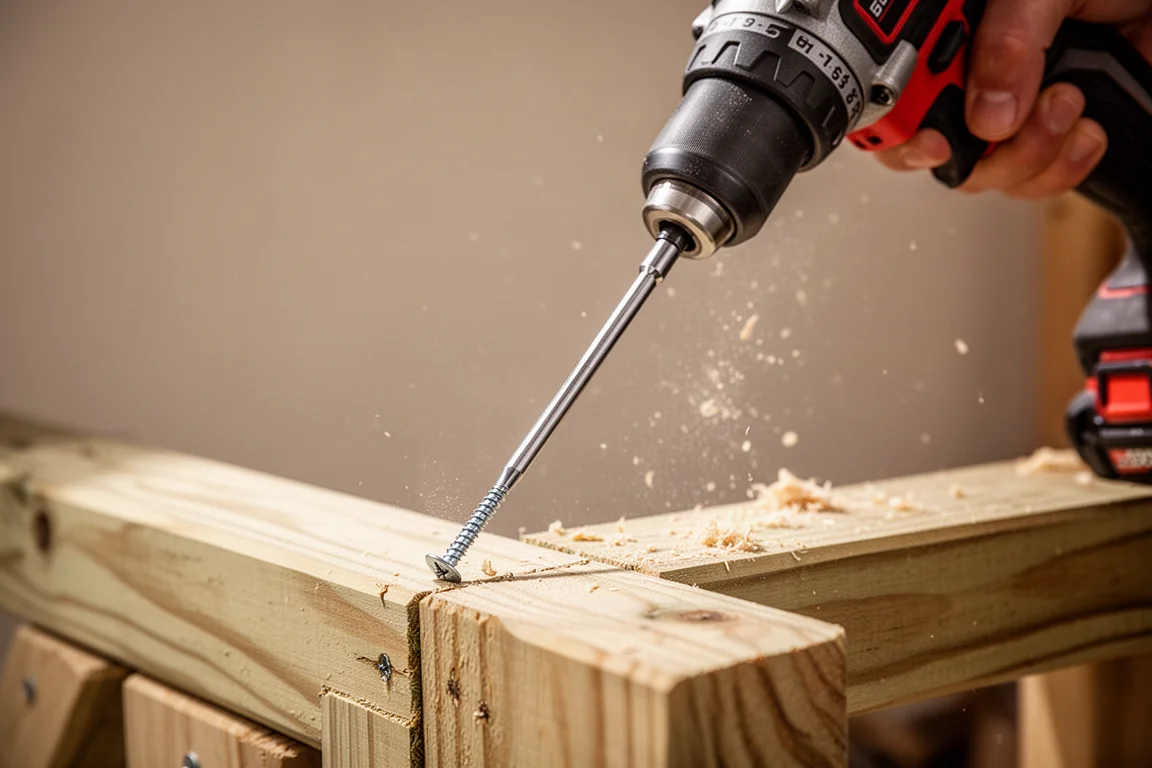
They also shine with deck screws. Slide the collar’s cap up over the screw head, and the holder grips the screw for you, letting you position it one-handed before driving. That saves fingers from sharp burrs on imperfectly finished screws, which can leave slivers if you handle them bare-handed.
Another trick worth knowing: drop a long bit into a shorter holder. That gives you both reach and a low profile at the chuck end, and it works equally well with the Milwaukee and DeWalt versions.
Locking Mechanisms Compared
This is where the four designs genuinely diverge, and honestly, there is no clear winner.
Most holders release by sliding the collar down, away from the direction you pull the bit. The Milwaukee moves its collar in the direction you pull the bit, which frees the lock and lets the bit drop out with almost no effort. In fact, the Milwaukee’s magnet is so effective that bits drop in and lock with very light finger pressure, noticeably less force than the others.
The Diablo requires more force to seat a bit, and you must hold its collar down to release the bit. It is also the only one that will dump the bit out under gravity alone once released, which cuts both ways depending on the situation. Its locking mechanism also means it will not accept a bit unless you release the collar first, which can be an issue when working one-handed.
The new DeWalt puts its release at the bottom, so you hold the collar down while pulling the bit up. It works, but it is the least convenient to operate one-handed.
Milwaukee: The Current Favorite
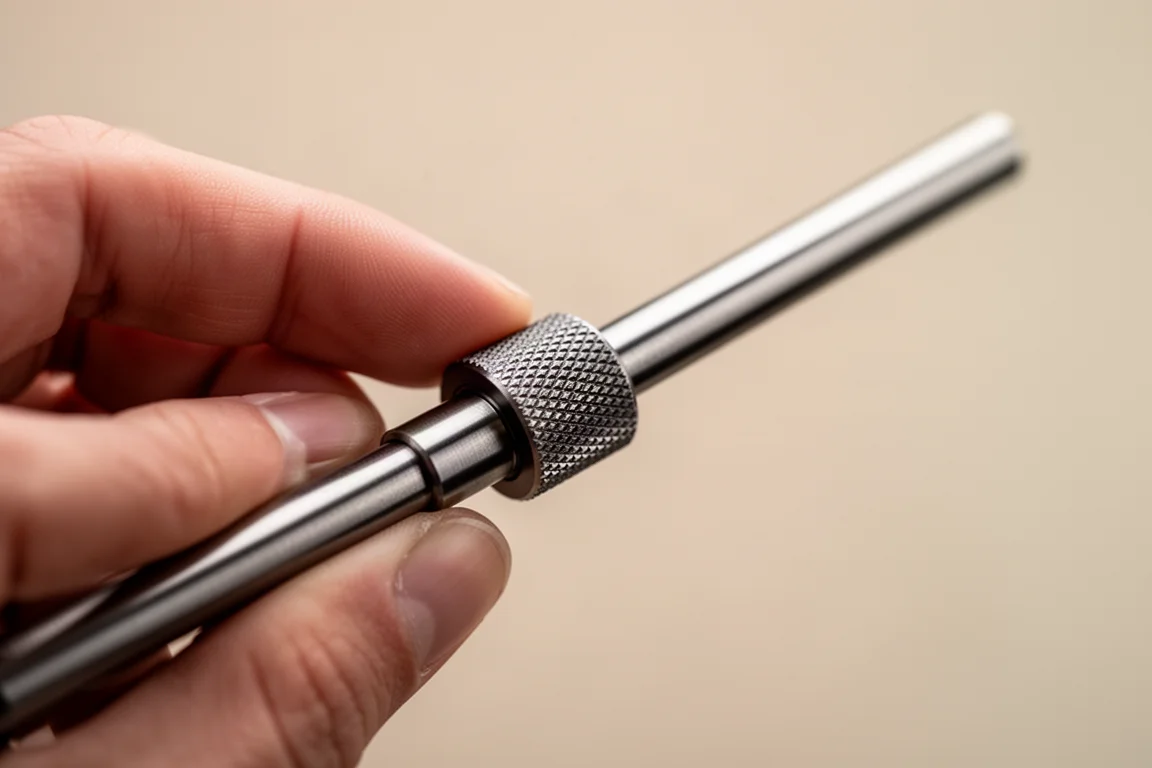
The Milwaukee remains the one to lean toward. Bits lock in with almost no pressure, the release direction is intuitive, and the holder can sit in an unlocked, ready position so a bit can be dropped in one-handed. When you are up a ladder or juggling materials, that kind of friction-free operation is exactly what you want.
It is not perfect. The smooth, low-profile body lacks much texture for grip, and if conditions are cold or wet, bits can sometimes need pliers to remove. But as an all-around daily carry, it is the most dialed-in of the group.
DeWalt DW12L: Low Profile but Fussy
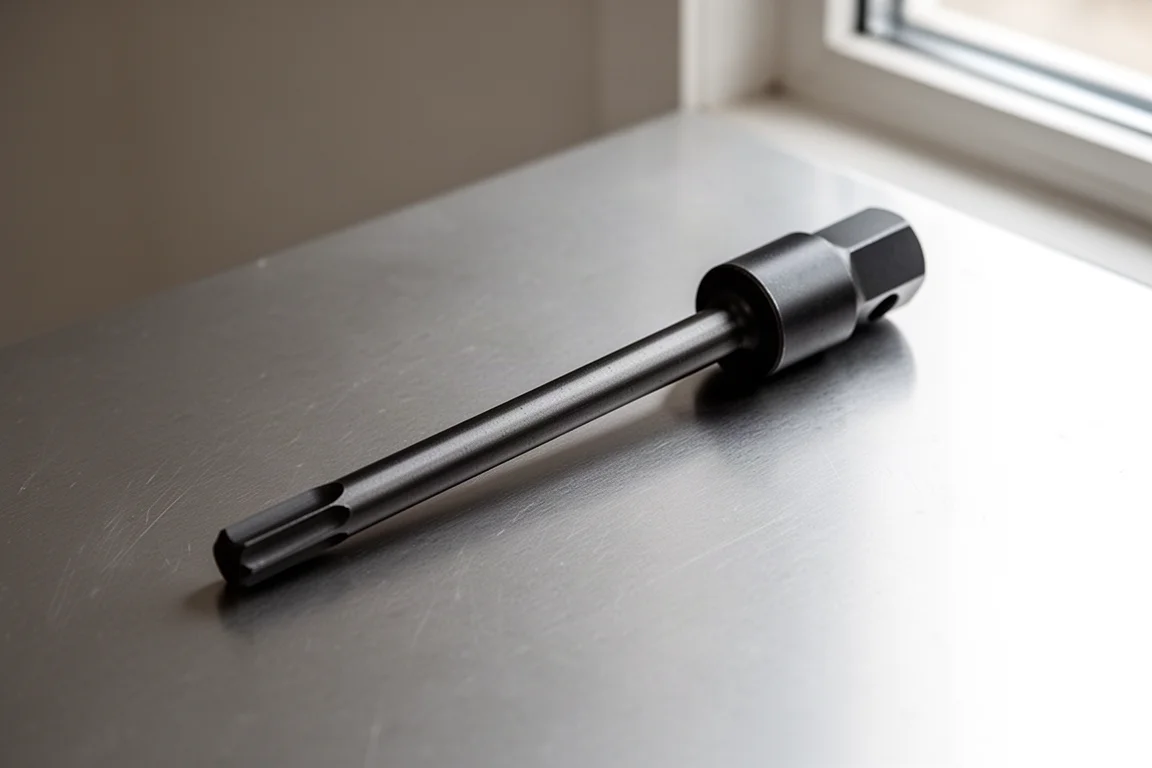
The 12-inch DeWalt DW12L runs about 16 dollars and was picked up hoping it was the update the earlier version needed. On paper, it is appealing: a notably lower profile and a very large, thick shaft compared to the others, which should hold up better under hard impact driving.
The catch is the release. Bits pop in firmly enough, but getting them out means holding the collar down the whole time, and the bit will not come free until you do. In a controlled environment you can manage it with a couple of fingers, but one-handed on a ladder it is a genuine pain. If you love the low-profile form factor, this is the one that occupies that niche, but it does not solve as much as hoped.
Diablo: Strong but Demanding
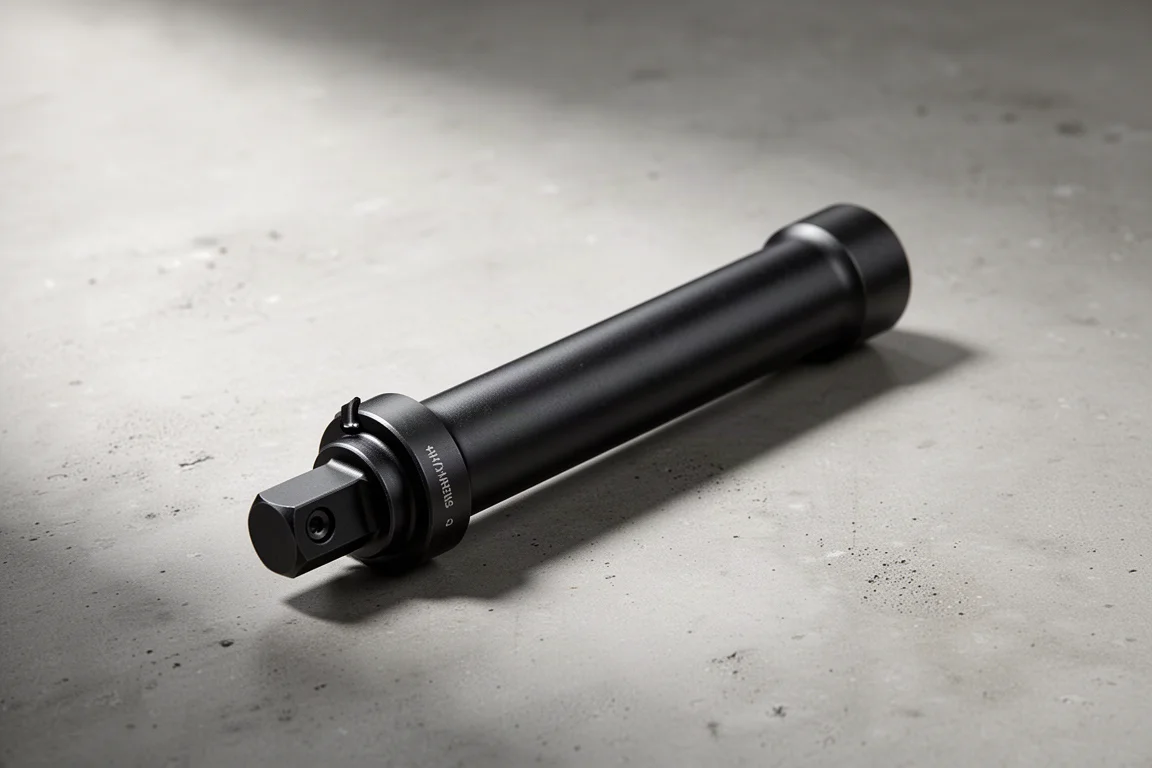
The Diablo has a slightly thicker, heavier body with a little more texture, which some will prefer for grip, and the color scheme is easy to spot in a full tool bag. Its locking mechanism is solid, and under hard impact driving it feels like it will hold up well.
Where it gets awkward is bit handling. Seating a bit takes noticeably more force, and because the collar must be held down to release, extraction usually means pointing the holder down and letting gravity dump the bit out. That is fine on the bench, less fine when you are waving a driver around in a ceiling. The collar also slides forward rather than down, which means with decent dexterity you can slide it forward and grab the bit out at the same time, but it will not accept a bit at all until you release it.
Snap-on: Magnetic Simplicity
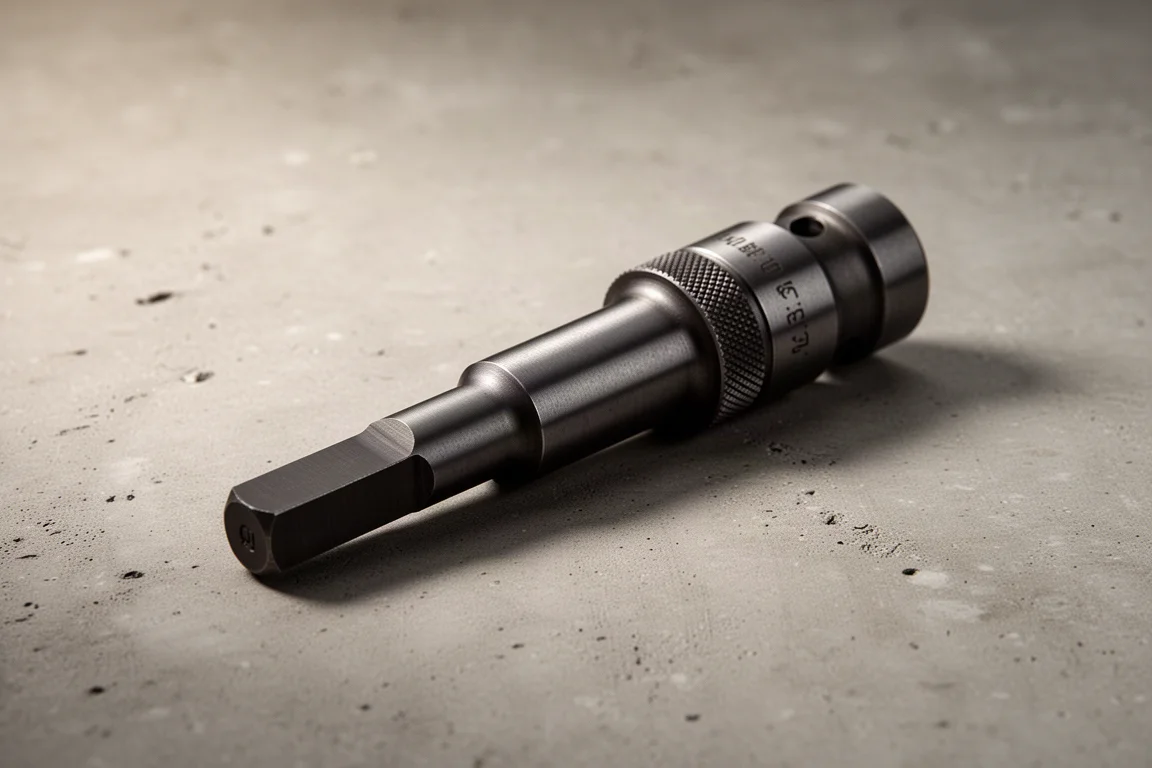
The Snap-on holder is a different animal: it is designed to fit into the Snap-on screwdriver system and relies on magnetism rather than a locking collar. Most of the time the magnet is plenty strong, and there is no collar to fiddle with at all.
The failure mode is specific but real: with Torx bits especially, a bit can get stuck in the fastener. You pull the holder away and end up with an empty holder and a fastener stranded somewhere inside the work. If your fasteners and bits behave, the simplicity is genuinely pleasant; if they do not, it can cost you time.
Which One Should You Buy
If an ideal 12-inch bit holder could be designed, it would combine the DeWalt’s low profile, the Diablo’s color and texture, and the Milwaukee’s release direction and always-ready unlocked state. That product does not exist yet, and the category clearly has room for improvement.
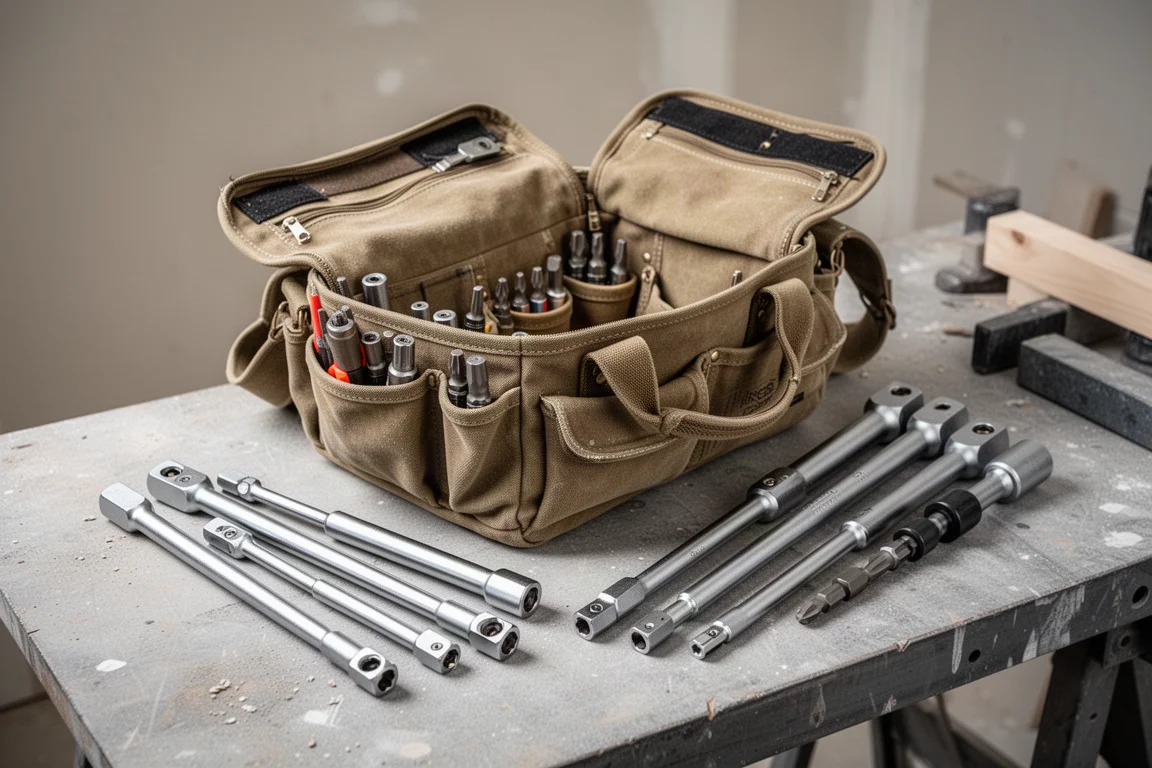
For most people, the Milwaukee is still the safest pick thanks to its effortless bit insertion and release. Choose the DeWalt if low profile is your priority and you can live with the two-handed release. The Diablo suits drivers who want a firmer lock and do not mind the gravity-dump extraction. The Snap-on makes sense mainly if you are already invested in that screwdriver system.
Conclusion
Twelve-inch bit holders are essential, full stop. For electrical boxes, deep fasteners, and deck screws, they earn their place in every tool bag, and it is worth owning at least one good one. But none of the four tested here is fully dialed in yet. The Milwaukee comes closest today, while the new DeWalt DW12L shows the low-profile direction the category could take if the release mechanism gets sorted out.
Further reading
Related Reviews

Tools
Best Contractor Grade Tape Measures 2026: Eight Models Tested Head to Head
We tested eight contractor grade tape measures from Milwaukee, DeWalt, Crescent Lufkin, Tajima, Stanley, Irwin, Gelan, and Craftsman to find the best value and performance.

Tools
Best Precision Screwdriver Sets 2026: Manual and Electric Options Compared
We compare 19 precision screwdriver sets, from budget manual kits to electric drivers, to find the strongest bits and best value.

Tools
Best Stud Finders 2026: Five Popular Models Put to the Test
We tested five popular stud finders on drywall, firewall, and lath and plaster surfaces to see which ones really find studs and avoid false readings.