Ski Gear
Best 100mm Skis 2026: 18 Freeride and All-Mountain Models Compared
Eighteen skis between 98 and 102mm underfoot, from soft freestyle twin tips to stiff directional chargers, with clear guidance on which shape suits which skier.
Introduction
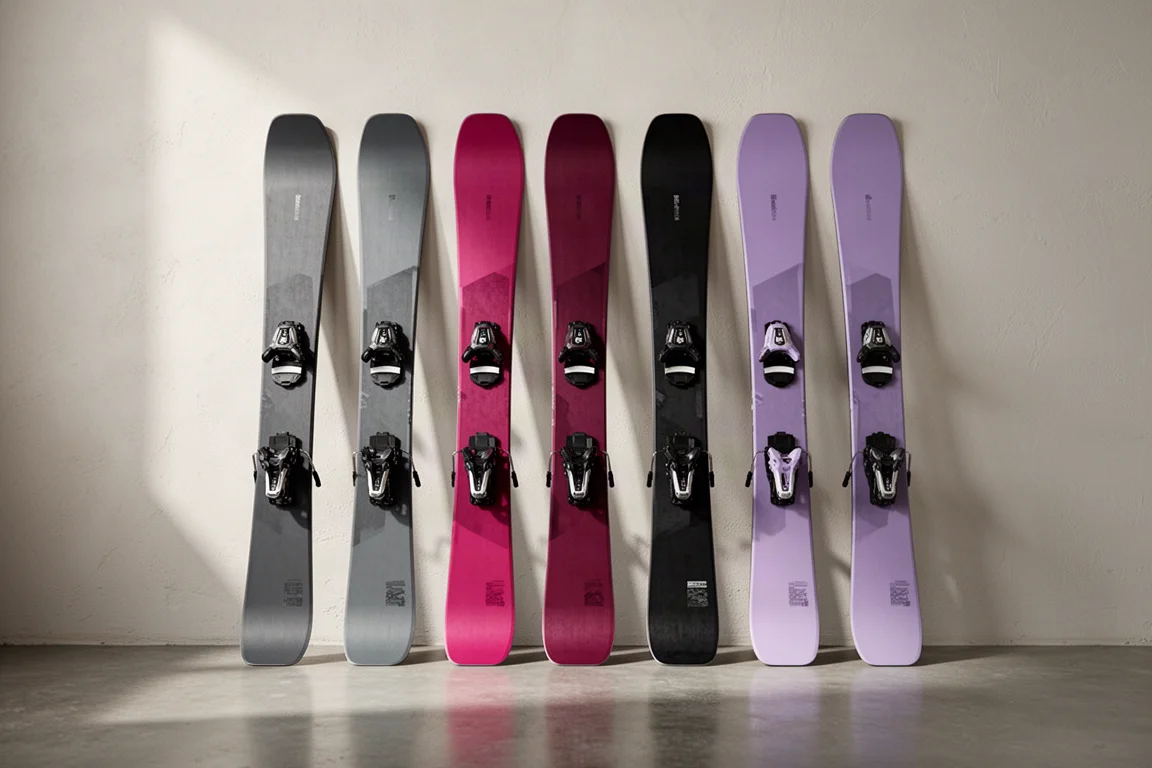
The 100mm waist is the most crowded and most interesting part of the ski market right now. Within a few millimetres of width you can find a soft, surfy twin tip that rewards a sideways, creative style, and a stiff, damp charger that wants nothing more than to run straight and fast. That range is exactly why this comparison exists.
This roundup covers 18 skis between 98 and 102mm underfoot. Most are twin tips, but not all of them. The Salomon QST 100 and the Volkl Revolt 101 sit closer to the directional end of the spectrum, and several other shapes here are gray-area designs that could reasonably be filed under all-mountain instead.
The order below runs from the most approachable ski to the most demanding one. That progression is not perfectly linear. Near the top of the list, the differences in how much ski you have to manage come down to weight as much as anything else. Accessible does not mean basic, and several of the most forgiving skis here are also among the most sophisticated.
How This 100mm Comparison Is Organized
Each entry below covers the same ground: core construction, weight in a stated length, rocker and taper profile, mount point considerations, and the kind of skier the shape is built for.
Weights are given for the specific length noted, so they are not always directly comparable from ski to ski. Turn radius figures, where quoted, come from the stated length as well.
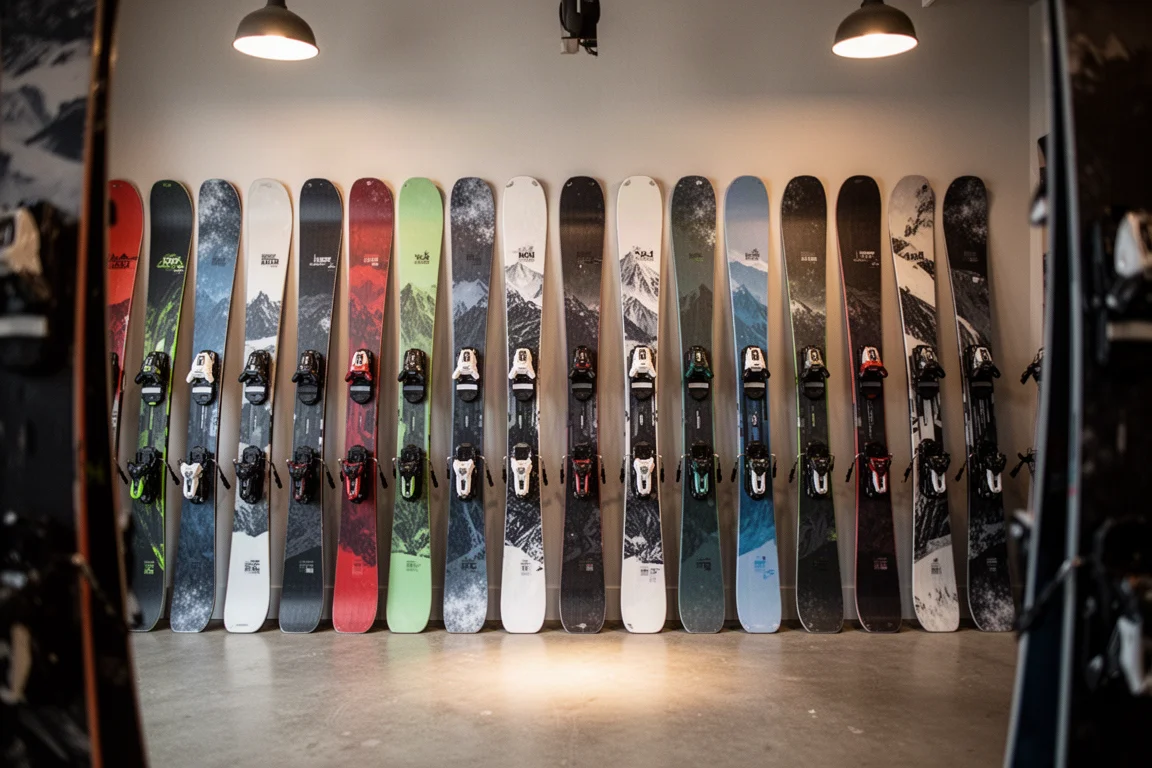
The list is split roughly into groups. The first few skis are light, loose and easy to flex. The middle of the list shifts toward park-oriented twins and heavier freeride shapes. The final third is made up of stiffer, more directional skis, including two metal-free designs that carve far better than their rocker profiles suggest.
One thing worth saying up front: this category is in a very good place. There is no weak ski in this group, only skis that suit different priorities.
Elan Playmaker 101: Approachable Creativity for Freestyle-Minded Skiers
The Playmaker 101 is the lightest ski in this roundup at around 1,628 g in the 180, and it is also the easiest to bend. Elan builds it with a Tube Light wood core and carbon tubes that sit underfoot only, rather than running into the tips and tails the way they do in the Ripstick series. A beveled top surface wraps a pink sidewall through the middle of the ski, which puts more material underfoot while keeping the extremities light and energetic.
The profile is long and surfy, and the ride is exactly what the naming suggests: quick, slashy, smeared turns that come around with very little input. It is not a carving ski, and it will not hold on very firm snow. Mounting further back adds a little edge grip, but precision is not the point here.
What the Playmaker 101 does better than almost anything else in this width is make freestyle-influenced skiing feel accessible. It starts at 180 cm and skis short, closer to a 175. Riders who want to throw a ski sideways without fighting it will get along with it immediately.
Liberty Scope 99: A New All-Mountain Twin Tip From Liberty
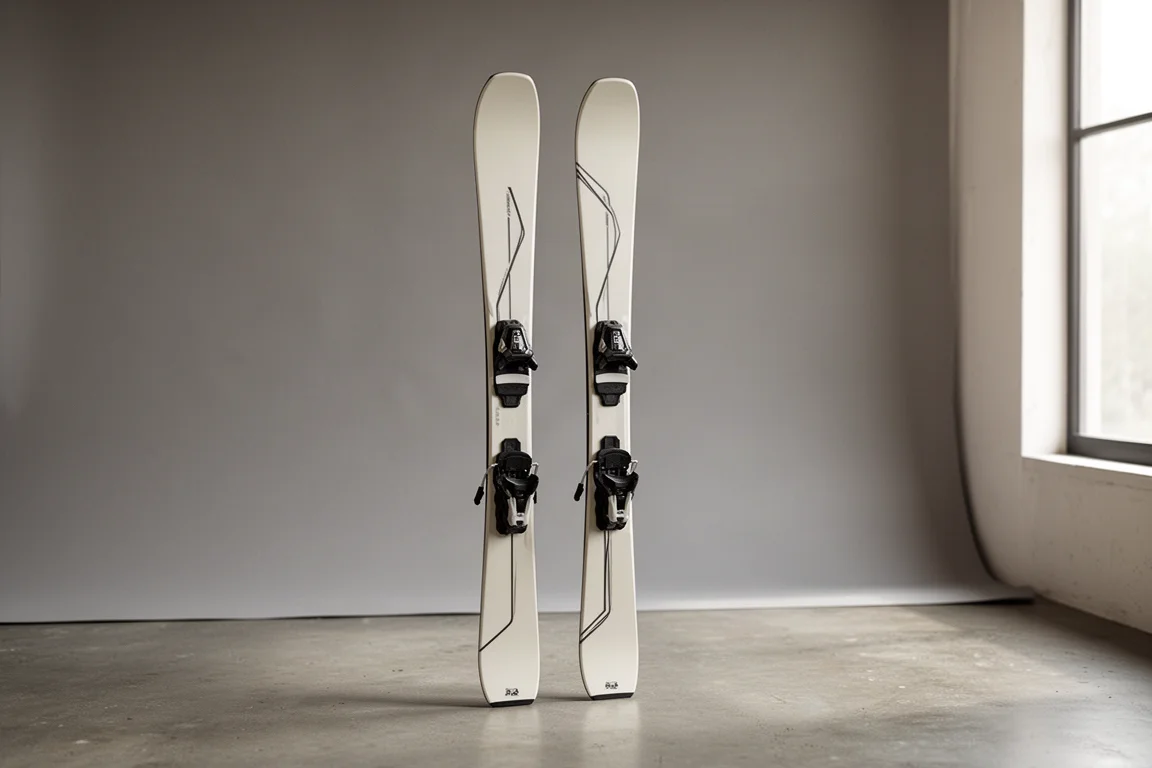
The Scope 99 is new for 2026, arriving alongside a broader update to the Scope line, and it does not feel much like the previous generation of Scope skis. The core is poplar, with a phenolic plate laid horizontally underfoot. Phenolic is a dense, hard material more often seen in sidewalls, and using it as an underfoot laminate gives the ski a firm platform without adding much mass. Weight lands around 1,700 g in the 180, only slightly above the Playmaker.
That thicker core shows up as support. The tail is notably tough, and the ski can be pushed harder than the lightest options here without folding. Camber is reasonably high, which is where much of the responsiveness comes from, and the tip and tail rocker lines are similar in length. It is a full twin tip.
The character is more all-mountain twin tip than park twin tip. It turns more engagingly than the Playmaker and is less eager to slide sideways, though it still works in the park. Think of it as a tree ski first that can be skied switch and taken to a rail line afterwards.
Atomic Bent 100: The Light, Floaty Tree and Bump Favourite
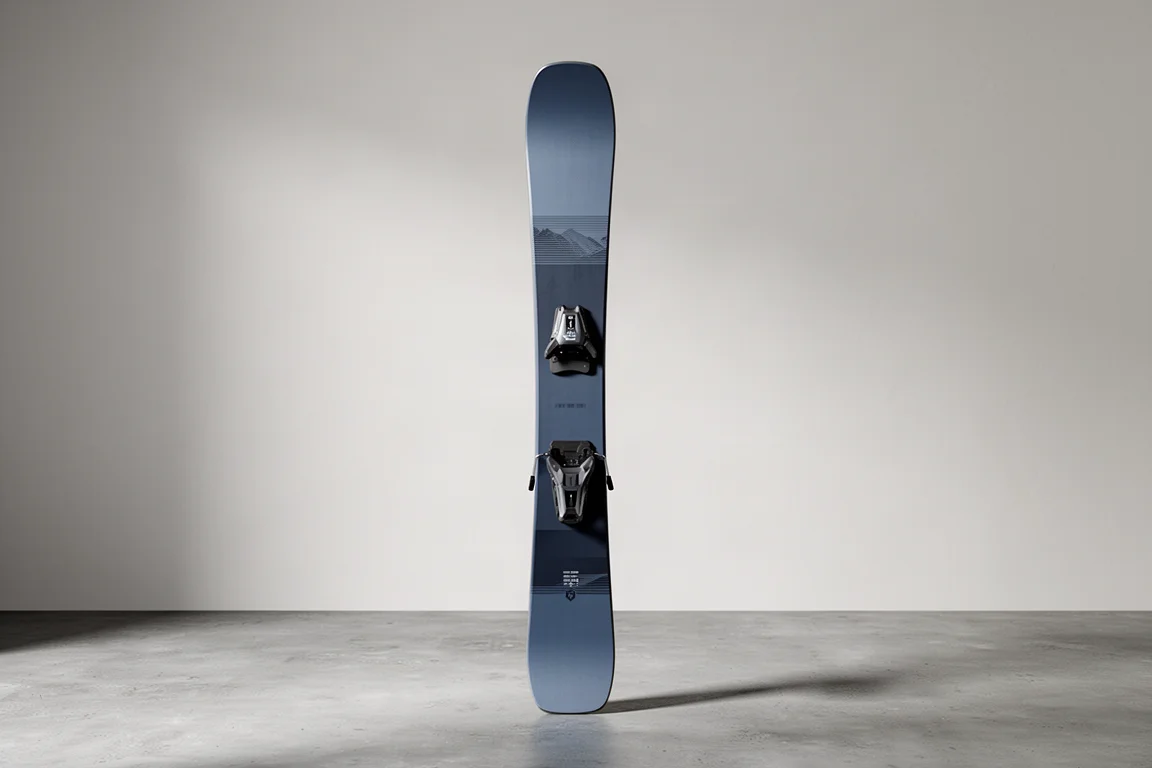
The Bent 100 gets a new graphic this season but carries the same construction as the previous year’s update. That update gave the ski a woodier feel, refreshed the Horizon Tech profile and lengthened the tail rocker for a more freeride-oriented personality. The core is poplar, and weight comes in just under 1,700 g in the 179.
In the hand the ski is light, with soft tips and a slightly more supportive tail. On snow that translates into a shape that is quick and manoeuvrable in trees and bumps, and genuinely floaty for its width. Horizon Tech drops the profile lower through the middle, which makes turning easy in tight terrain.
Carving is not the strength here, and skiers who prioritise edge hold should look at other models in this group. The mount range is 10 cm, and the factory line is the right choice for the vast majority of riders. The Bent 100 was once the obvious pick in this width. It is now one good option among many, but it remains a dependable one for soft-snow days.
View more details for Atomic Bent 100
Armada ARV 100: A Park-First 100mm Twin Tip
The ARV 100 has been in its current shape for a while, but the switch to a poplar core two seasons ago was a meaningful change. Armada also uses a Wedge Wall sidewall, an angled join between core and sidewall so that impacts push the two together rather than apart, and an ash insert underfoot that mainly serves binding retention while adding a little mass.
The result is roughly 150 g heavier than the lightest skis here, and noticeably more consistent. It is not a stiff ski, but it feels solid. The design brief is clearly park first: modest tip rocker, a tip shape aimed at park riding rather than soft snow, a lot of camber, and a matching tail. Turn radius is around 18 m, and the ski is intended to be mounted close to true centre.
That mount point matters. Off trail, riders need to be comfortable with a centred stance, or accept that the tips will dive. In exchange, the ARV 100 is balanced, springy and reliable on edge, and it is one of the easiest recommendations here for anyone who wants a fun 100mm park ski. It is also offered in two different graphics.
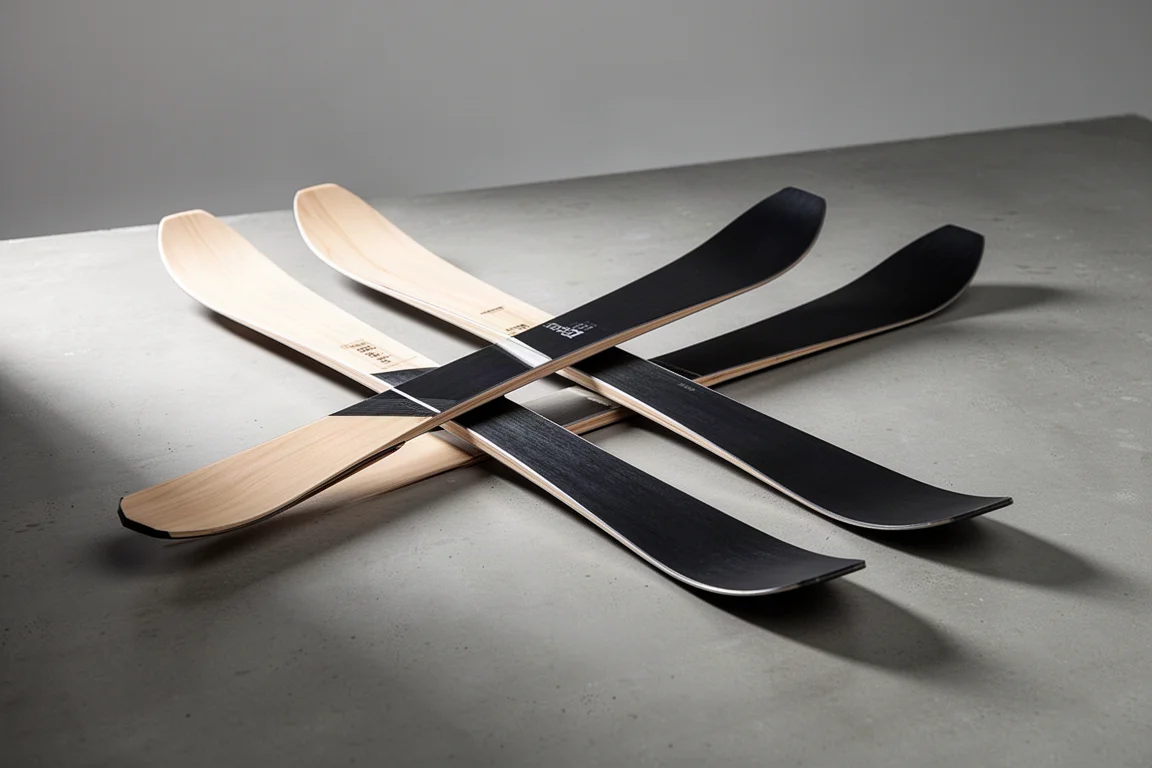
K2 Reckoner 102: Heavy on the Scale, Lively on the Snow
The Reckoner 102 is the first ski here with a genuinely complex build. An aspen core is wrapped in a triaxial fiberglass braid with carbon infused into it, then reinforced with Carbon Boost longitudinal stringers and K2’s Carbon Spectral Braid. Each layer needs its own adhesive, and that is a large part of why the ski weighs 2,180 g in the 184.
Flex it by hand and it bends a surprising amount, especially in the tail. On snow, though, it does not feel like a soft ski. The carbon gives it pop and the tighter crosshatch underfoot adds torsional stiffness, so the ski holds together while making very round turns. The rocker profile is close to symmetrical, with plenty of tip and tail rocker and modest camber.
Riders do need to stay fairly centred, because the shovels and tails are not especially supportive. Durability has improved in the current version, which matters for a ski that gets used hard in the park. It is equally at home letting it run in spring snow and bumps.
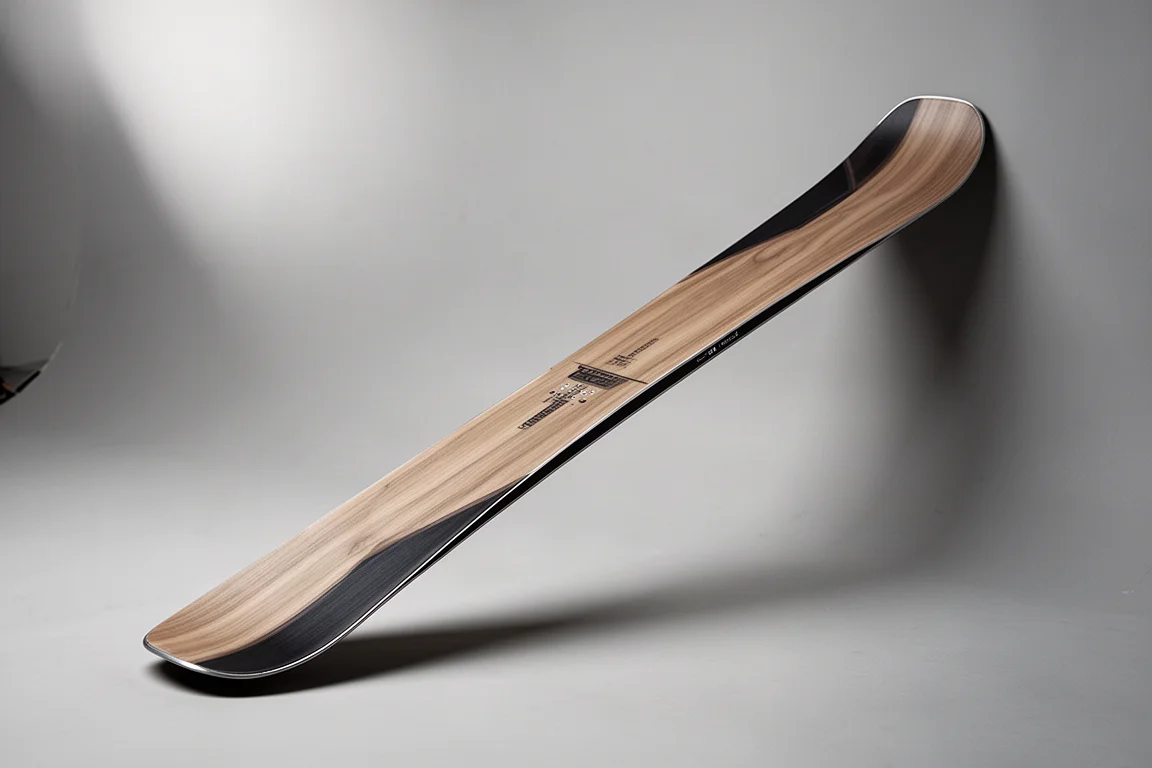
Line Chronic 101: Thin Tips, Strong Middle, Freeride Character
The Chronic 101 uses a simple aspen veneer core, but the milling is anything but simple. The core is thick and strong underfoot and milled almost paper thin in the rockered tips and tails, with the sidewall transitioning from vertical to cap construction exactly where the core thins out. You can see the change in the sidewall, and you can feel it on snow.
That makes for the least consistent flex pattern in this group by design. Flex the tips and tails and you would never guess how strong the ski is underfoot. Weight is comparable to the Reckoner 102, so it lands on the heavier side.
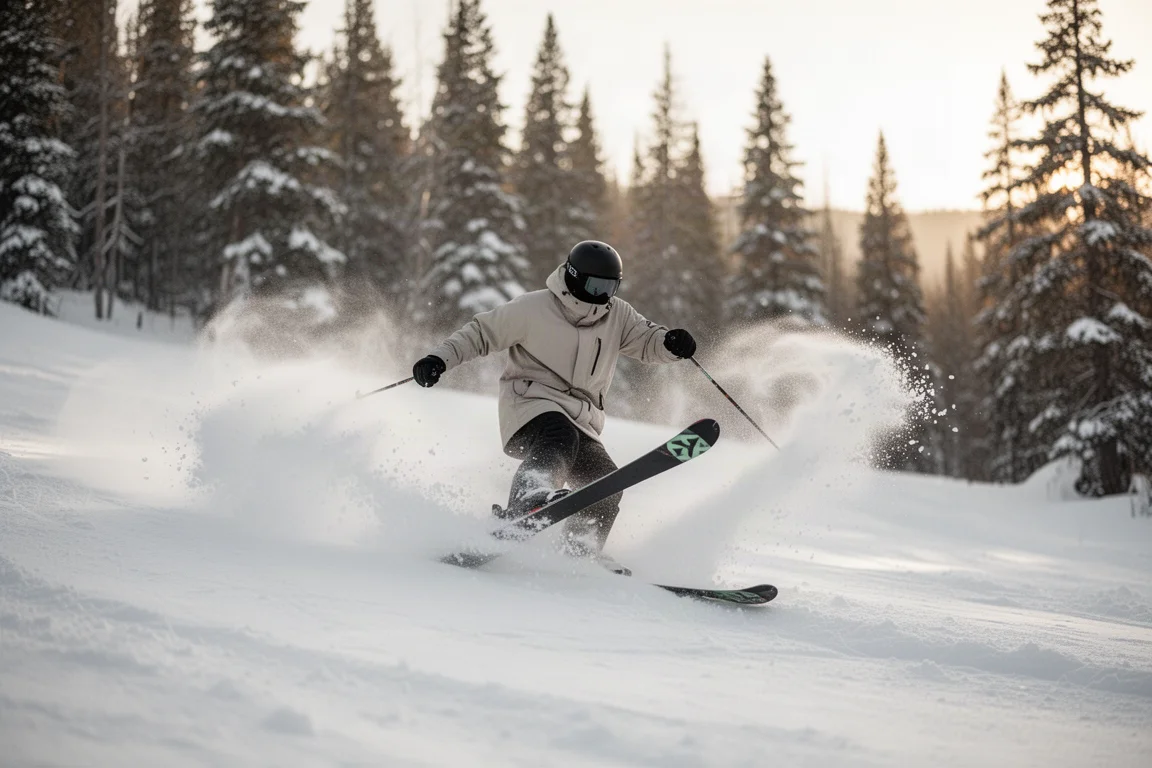
The payoff is a ski that is stable when running straight and easy to throw sideways, with a chargey feel that suits a modern freeride technique. It asks for precision at high edge angles, because the usable platform is the middle of the ski. This reads as an all-mountain freeride ski with park as a secondary interest rather than a dedicated park twin.
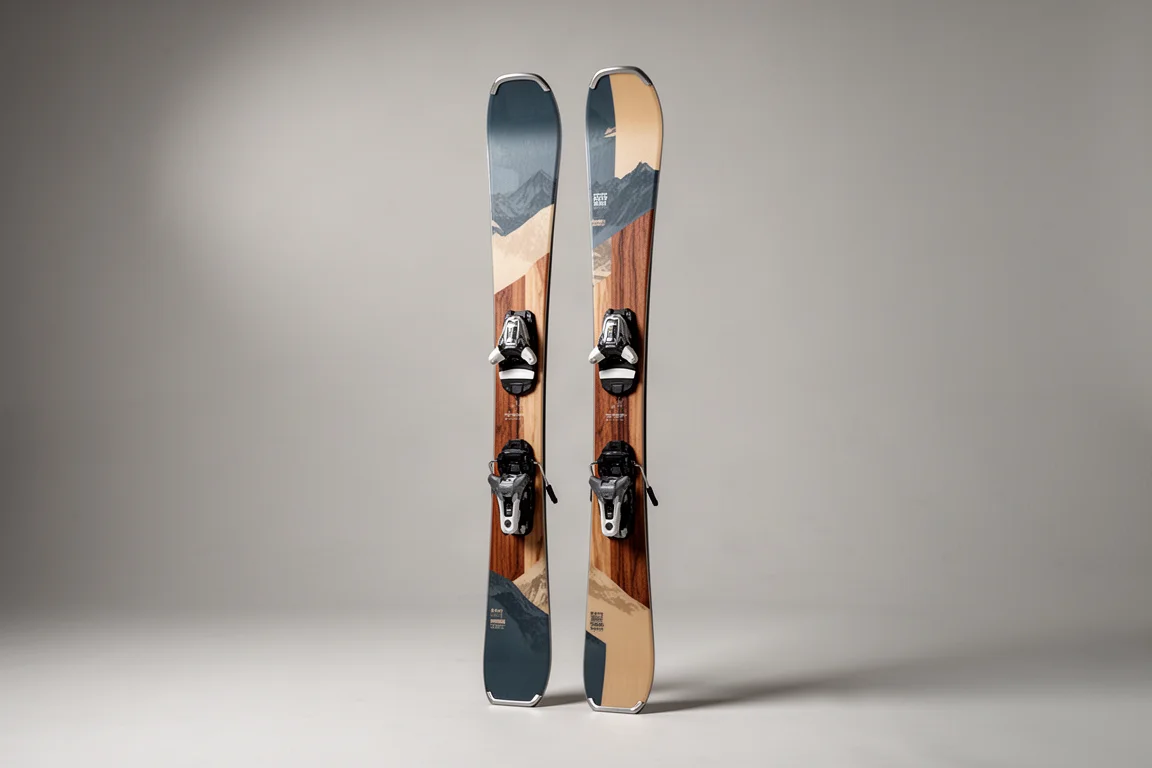
DPS Whaler 100: Short Turns and Technical Terrain
The Whaler 100 is one of the two most directional skis in this roundup, and it earns its place here through its energy and its short turn radius rather than through freestyle ability. The core is poplar with carbon stringers above and below, rather than the two full carbon sheets used in the Kaizen, and weight sits just under 2,000 g.
The shape is unmistakably DPS. Taper is extremely long, the widest point sits well down into the ski, and the rocker line is long and deep. Camber is high and stiff. All of that produces a 15 m turn radius with a short effective edge, which is why the ski turns so easily and floats so well for a 100.
It does not like speed. Because the widest point is close to the foot, the ski gets twitchy when it is run fast, and it prefers to be engaged at all times. For technical, adventurous skiers working tight terrain, that is a fair trade. It is also handcrafted in the United States, carries a craftsman’s signature, and is priced under $1,500.
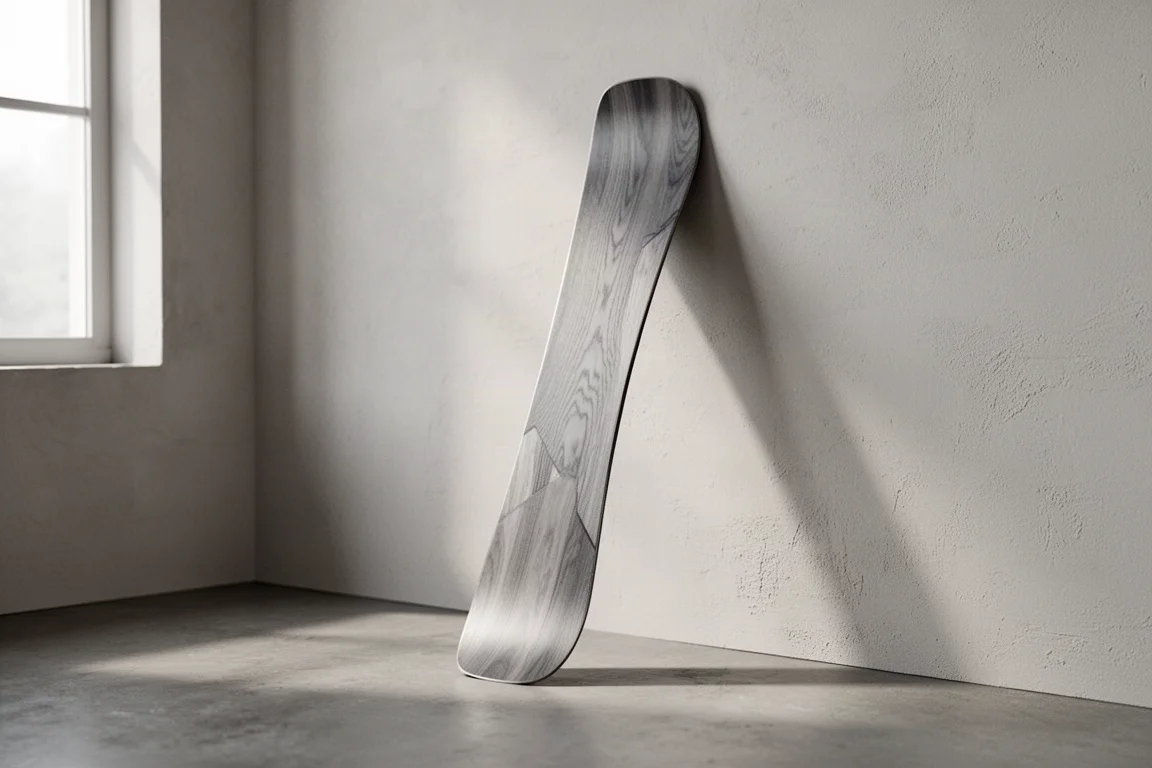
Nordica Unleashed 98 CA: A More Approachable Carving Twin Tip
The Unleashed 98 CA is essentially an Unleashed 98 with the metal removed. The performance wood core in poplar and beech stays, the shape stays, and the result is a ski that weighs about 2,250 g in the 186, close to the metal version, with a similar flex. What changes is how it feels on snow, and that difference is considerable.
The shape is the important part: modest tip rocker, minimal early taper, limited tail rocker and a lower camber height than most twin tips. That combination has always made Unleashed skis exceptional carving tools, and this version keeps that quality while becoming noticeably more approachable and more affordable.
It is also the closest thing currently available to the discontinued Soul Rider, though slightly stiffer and more reactive. Sizing runs from 156 to 186 in a unisex build. Park use is possible, but it demands more from the skier than a dedicated park twin.
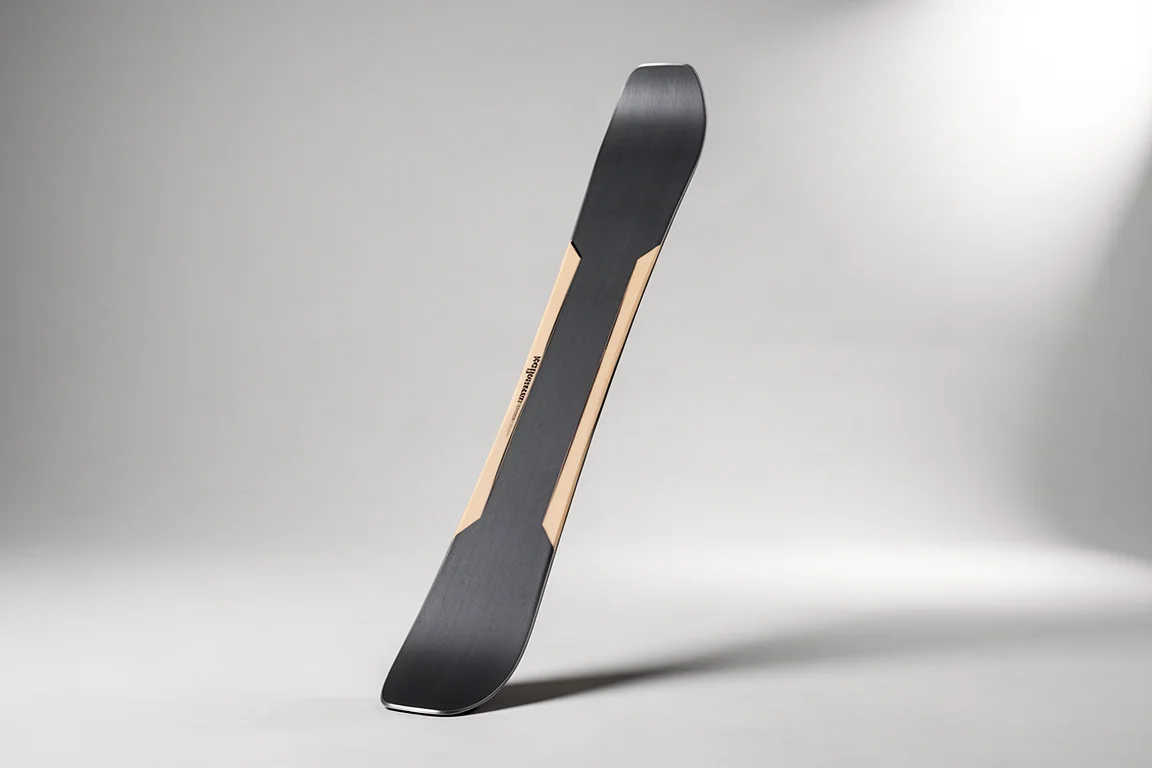
Kastle ZX100: Energy and Rebound Without Metal
The ZX100 follows the blueprint laid down by the ZX 108. Kastle does not change the rocker profile or the taper proportions between sizes, so the 100 is the same design in a narrower footprint. The core blends poplar and beech with no metal, using a wider block format that helped keep the price below $1,100.
Weight lands just under 2,000 g. There is plenty of tip rocker and a long rocker line up front, so the shovel is surfy and mobile while the middle of the ski stays hefty. Camber is higher than on the Paragon, and the tail is flatter, which produces a strong rebound out of the turn.
That makes the ZX100 a medium-radius, medium-speed ski that handles variable conditions and terrain well, and it is a strong tree ski. It has never gained the following it deserves, largely because this is such a crowded category.
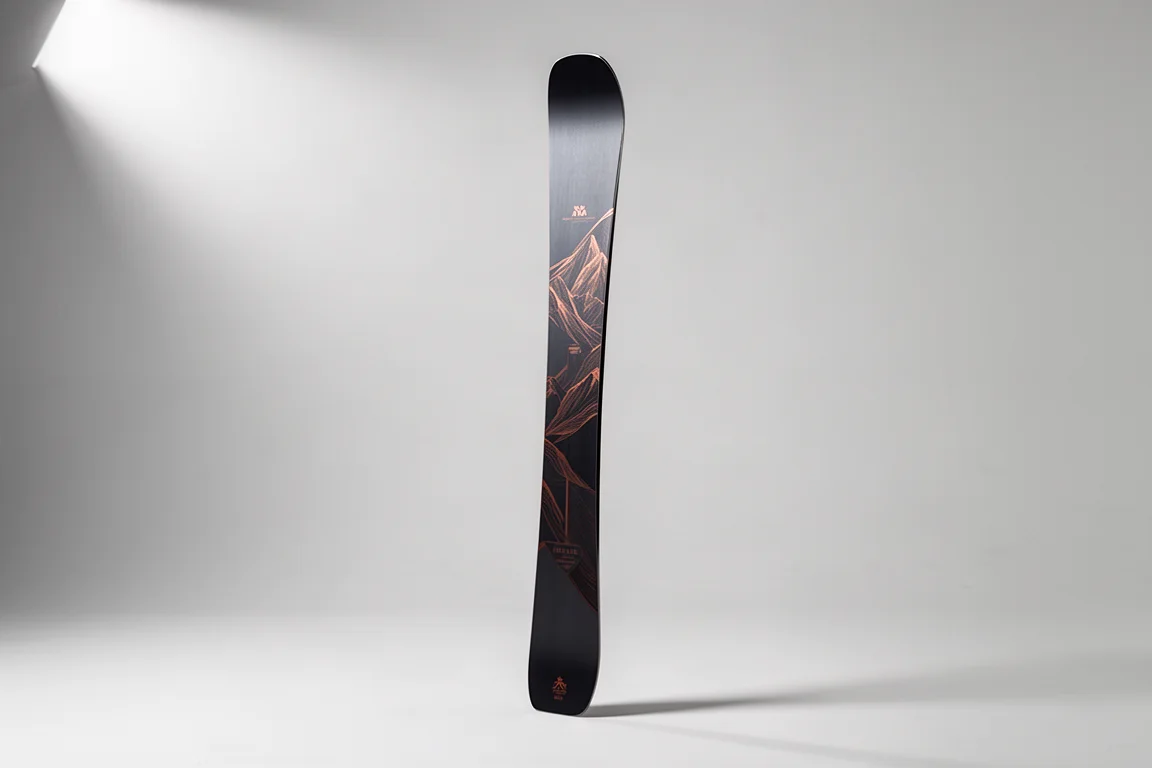
Head Oblivion 102: An Athlete-Driven, Expert-Oriented Shape
The Oblivion 102 is built from four poplar strips with recycled PET material between them, capped by two full sheets of carbon. For a ski this strong, it is impressively light at 1,775 g in the 181. The shape, though, is where it separates itself: a 22.8 m turn radius, very little tip rocker, no early taper and a long effective edge through the whole ski.
That adds up to a ski that is strong, very responsive and eager to give feedback. It also adds up to a ski that almost falls over when it is first tipped on edge, because it does not want to come around quickly. It rewards a specific style rather than flattering everyone.
This is an athlete-driven design, and it shows in the limited 181 and 189 length run. Used as a wide park ski by someone going big and keeping swing weight down, it is excellent. As a general-purpose 100mm twin tip, there are friendlier options here.
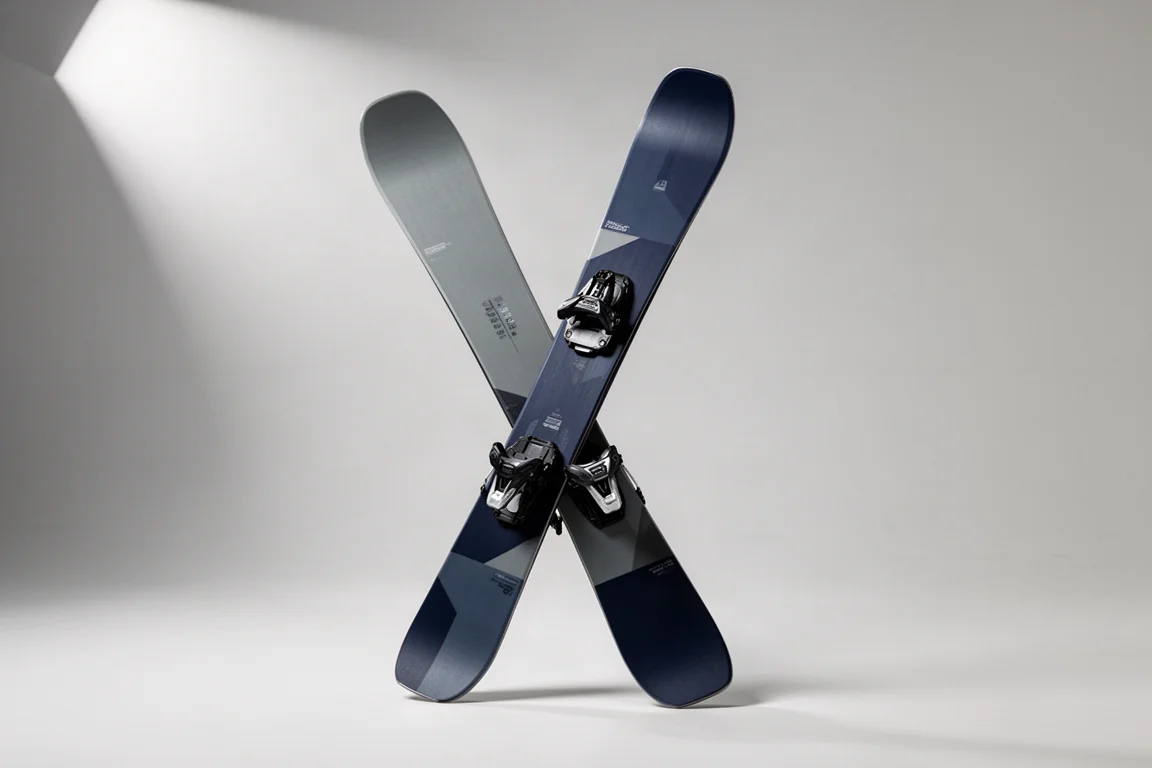
Salomon QST 100: The Most Well-Rounded Option Here
The QST 100 may be the most complete ski in this group. It uses a full poplar core with full-length basalt stringers and a cork amplifier that now wraps the shovel in a horseshoe shape, which lets the basalt run further into the tips and tails. Weight is just under 2,000 g in the 180.
The ride is smooth, quiet and predictable. The cork damps vibration effectively, and the basalt adds energy and consistency. Low early taper lines up with a decent rocker line for float, there is positive camber underfoot, and the tail is long and rounded in a freeride style. The mount point is slightly more forward than on the QST 94, which adds a drifty, smeary quality.
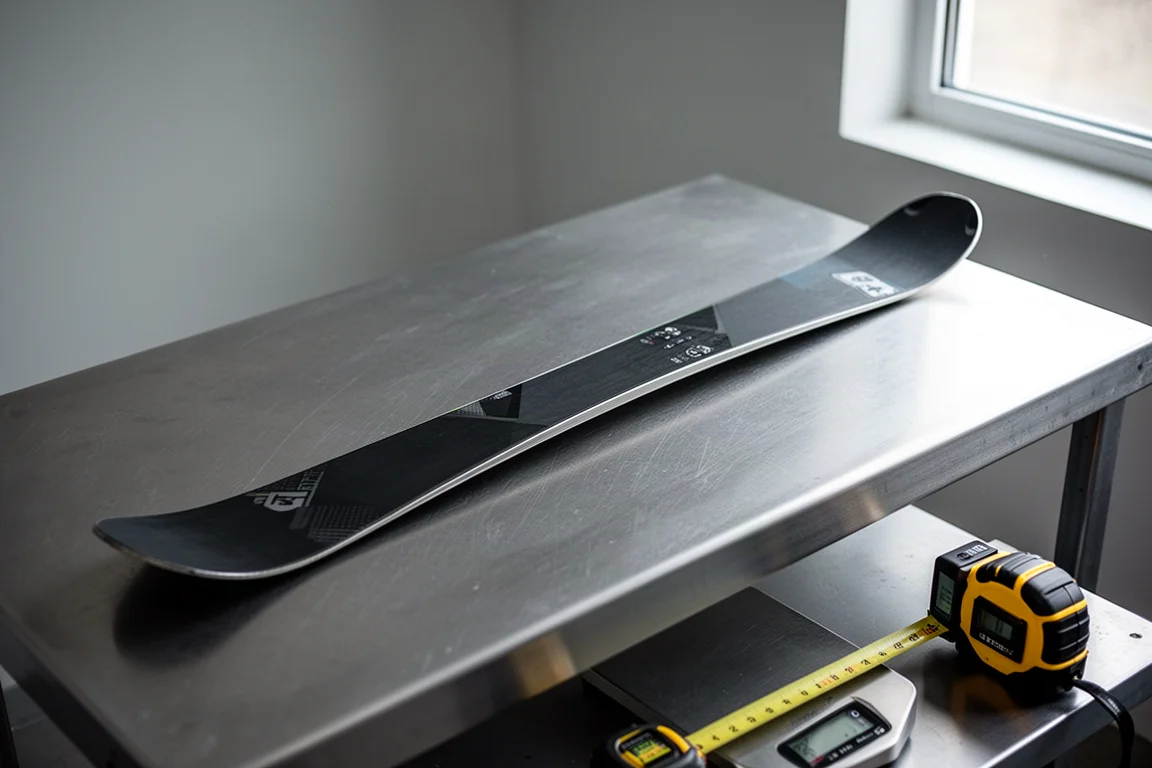
Ask it to do something and it does it, with very few complaints. There is no metal, so it is not the dampest ski on trail, and it is not the most engaging carver in the group. As an all-rounder, though, it is hard to beat, and the 188 steers well enough that the extra length is not a burden.
Rossignol Sender Free 100: A Centered, Do-Everything Twin Tip
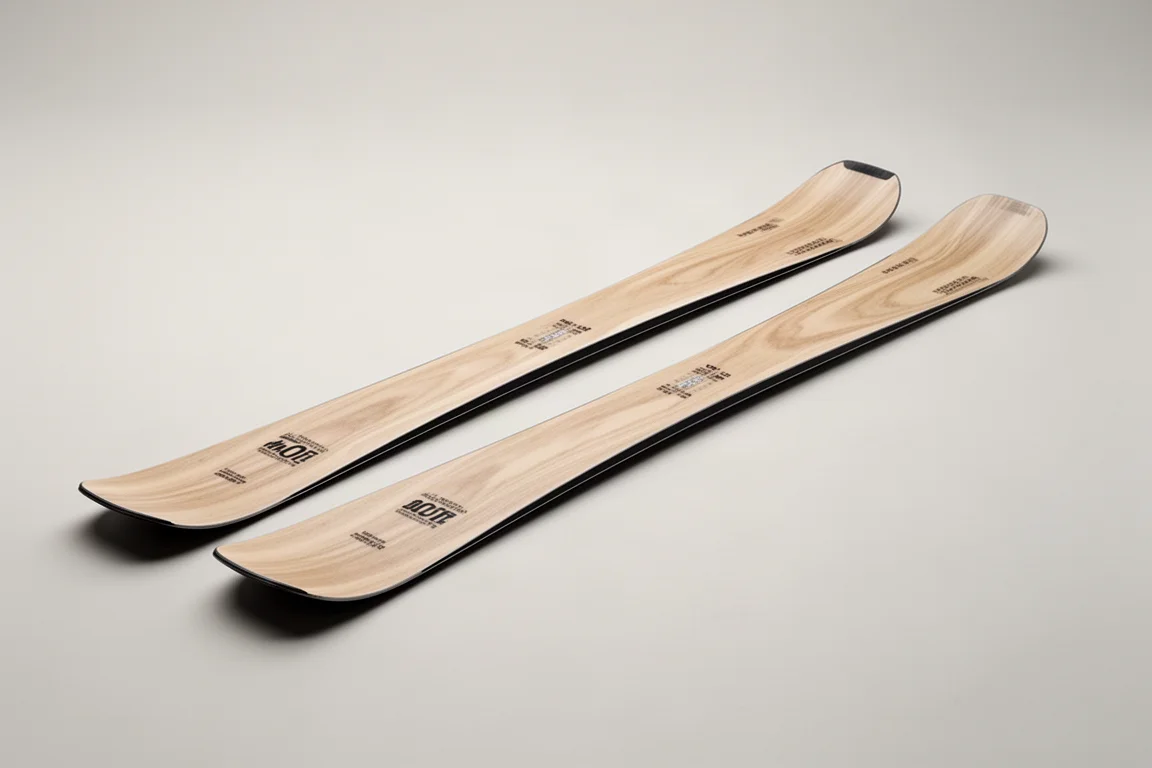
The Sender Free 100 takes the shape and recipe of the well-loved Sender Free 110 and shrinks it, though not identically. The core is poplar, and the carbon and basalt matrix has been flipped to a 2:1 basalt-to-carbon ratio and moved below the core. It weighs 1,900 g in the 178 and is also available in a 184 that has proven very popular.
Flex sits right in the middle, neither stiff nor soft. There is a lot of tip rocker, some early taper, a lot of camber, and tail rocker that matches the tip for a balanced profile from end to end. Damping is the one weak point, so riders who want a quiet, planted feel on firm snow may prefer something else.
Everywhere else it is simply fun. It is light in the park but supportive, not catchy from the rocker profile, and strong in soft snow. It is a centred twin tip, with a minus-two mount line for those who want a slightly more directional feel. The colorway is pink, and there is no alternative.
Armada Stranger: Short Radius, Dense Wood, Distinct Personality
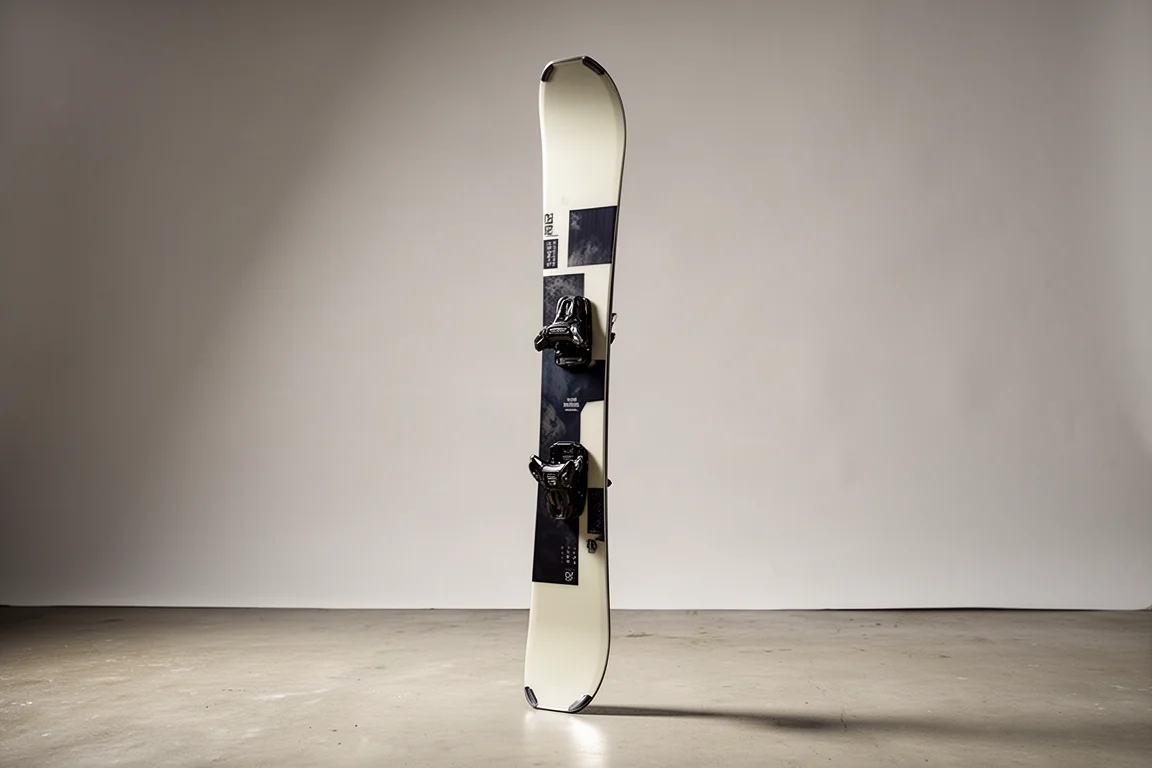
The Stranger is part of Armada’s Zero collection, and it is one of the more unusual shapes in this group. The core blends poplar and ash throughout, which gives a denser and more stable feel and pushes weight to 2,182 g in the 180, among the heaviest here.
It also runs a short 15.8 m turn radius with a 140 mm tip and a 100 mm waist, and it is only offered in 172 and 180. The edge does not wrap all the way around the tip, which trims swing weight. The ash does not make the ski stiff, but it does absorb vibration, and the result is a smoother, more stable ride than the weight alone would suggest.
The profile is dramatic: a flat tail, plenty of rocker and a good amount of camber underfoot. That combination produces short, quick carves and a playful, swervy character in technical off-piste terrain and trees. Production is limited and the shape is unlike anything else on this list, which is part of the appeal.
Dynastar M3 100: Camber-Driven Carving Power
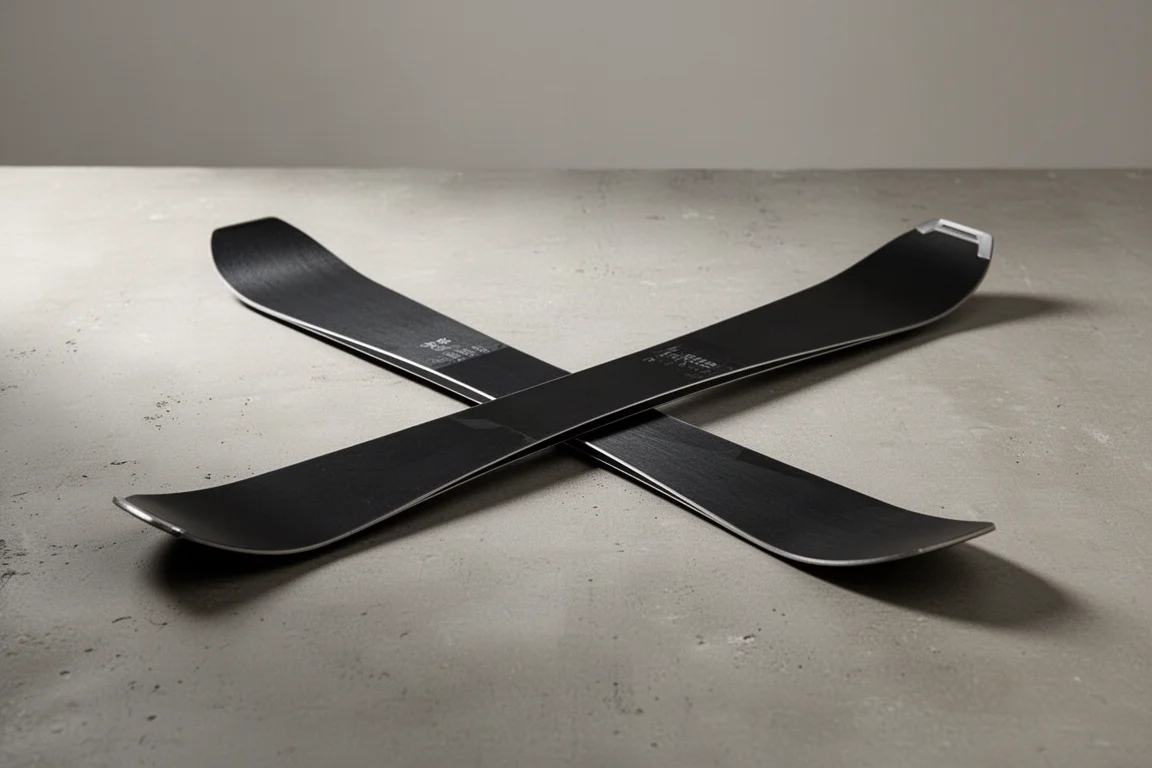
The M3 100 is the last ski in the Dynastar line to move to the Hybrid 2.0 construction, which pairs a poplar core with polyurethane along the edges. The milling and joining of the cores changed from the previous 99, and the shape changed slightly as well.
Weight is 1,960 g in the 185, and the ski is stout. Camber is the headline: there is a lot of it, and it takes real effort to compress. Taper is reduced compared with the 99, so the tips and tails bite more and the ski feels more engaged overall. It still carries plenty of tip and tail rocker, which makes the carving performance all the more surprising.
Get the full effective edge engaged and the reward is an uncommon amount of energy and rebound for a metal-free twin tip. Carving performance is on par with the Unleashed 98. Against the Sender Free 100, the M3 100 trades a little looseness for more bite, and it is a touch more demanding off trail.
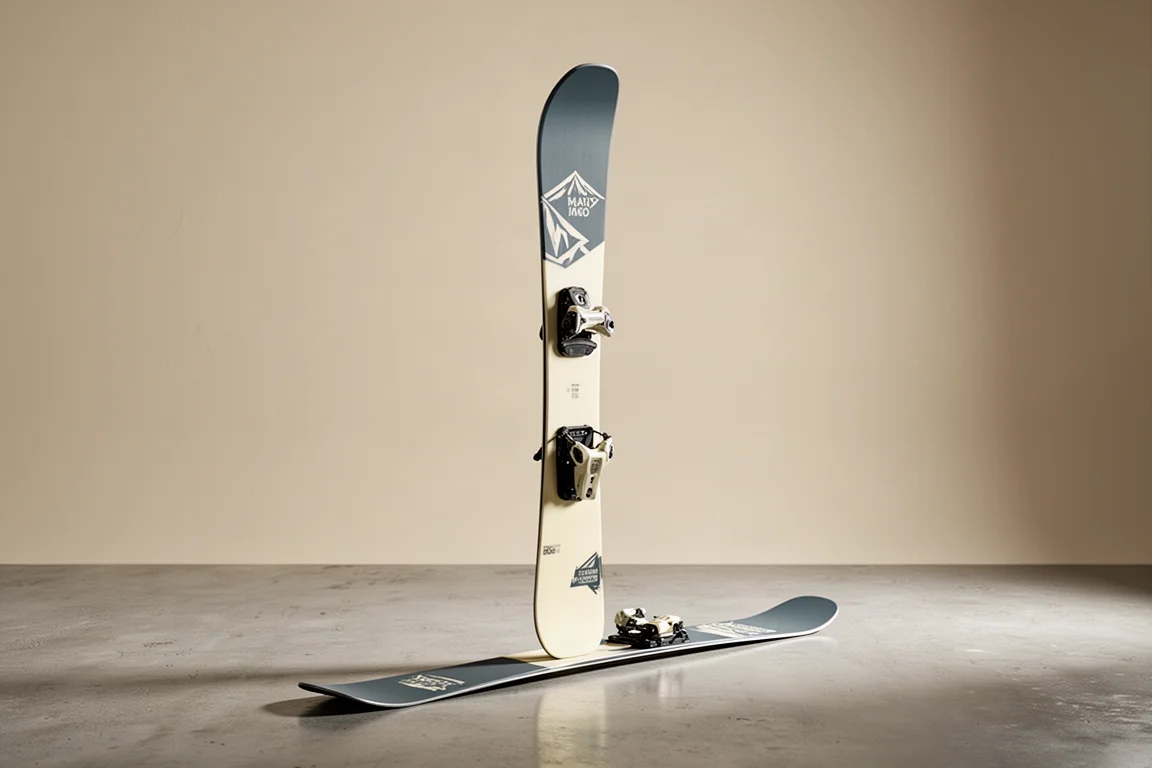
Rossignol Super Black Ops 98: Damped, Quiet, and Built for Speed
The Super Black Ops 98 returns structurally unchanged, with a fresh graphic this season and matching accessories available. The core is poplar, and there is a substantial amount of rubber in the tips and tails along with an Air Tip. That pushes weight to 1,925 g even in the 172, and a longer length would be one of the heaviest skis here.
The upside is damping. This is one of the quietest, smoothest skis in the group, and the flex pattern is welcoming enough to offset some of the weight. Camber underfoot is positive and the flex is fairly stiff. The shape is a classic twin tip with a more directional tail, and the 172 carries a 17 m turn radius.
It likes speed and feels unflinching when it gets there. Off trail and in trees it takes more effort to manoeuvre, and it suits advanced and expert skiers who are willing to work for the reward. Deciding between this and the Sender Free 100 is easier than their similar widths suggest.
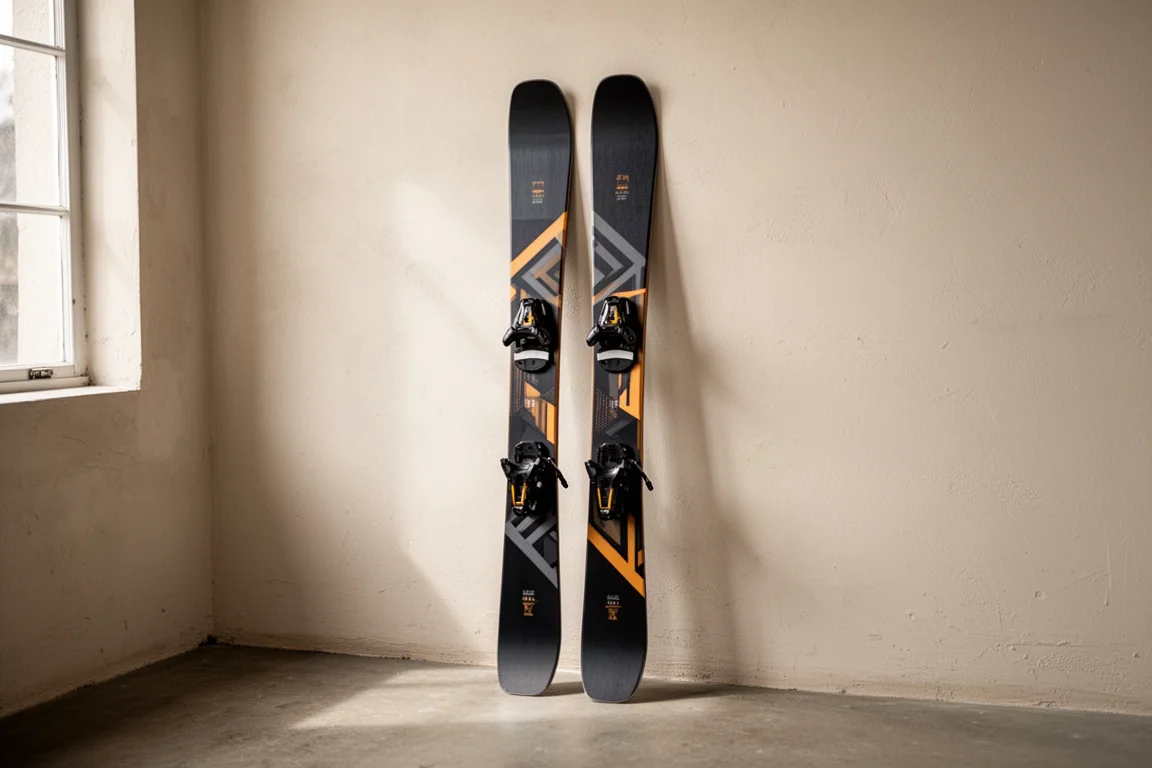
Nordica Unleashed 98: The Carving-First Twin Tip
Now in its fourth season, the Unleashed 98 has had time to establish exactly what it is. The performance wood core pairs poplar and beech with terrain-specific metal: full width in the shovel, tapering through the middle, full width underfoot and full width again in the tail. Weight is 2,250 g in the 186 and the flex is stiff.
This is a carving ski with a twin tip attached. Metal in the shovel damps vibration and builds confidence on firm, bumpy snow, and the ski pulls you into a turn and holds it. Even in a longer length the turn radius is a snappy 18.8 m. The tail is a bonus rather than the point, and the ski would still be a superb directional carver without it.
Soft snow is where it becomes more demanding, and the twin tail can feel grabby in dense crud and chop. Riders who spend their days on groomers and want a ski that keeps driving turns will get the most from it.
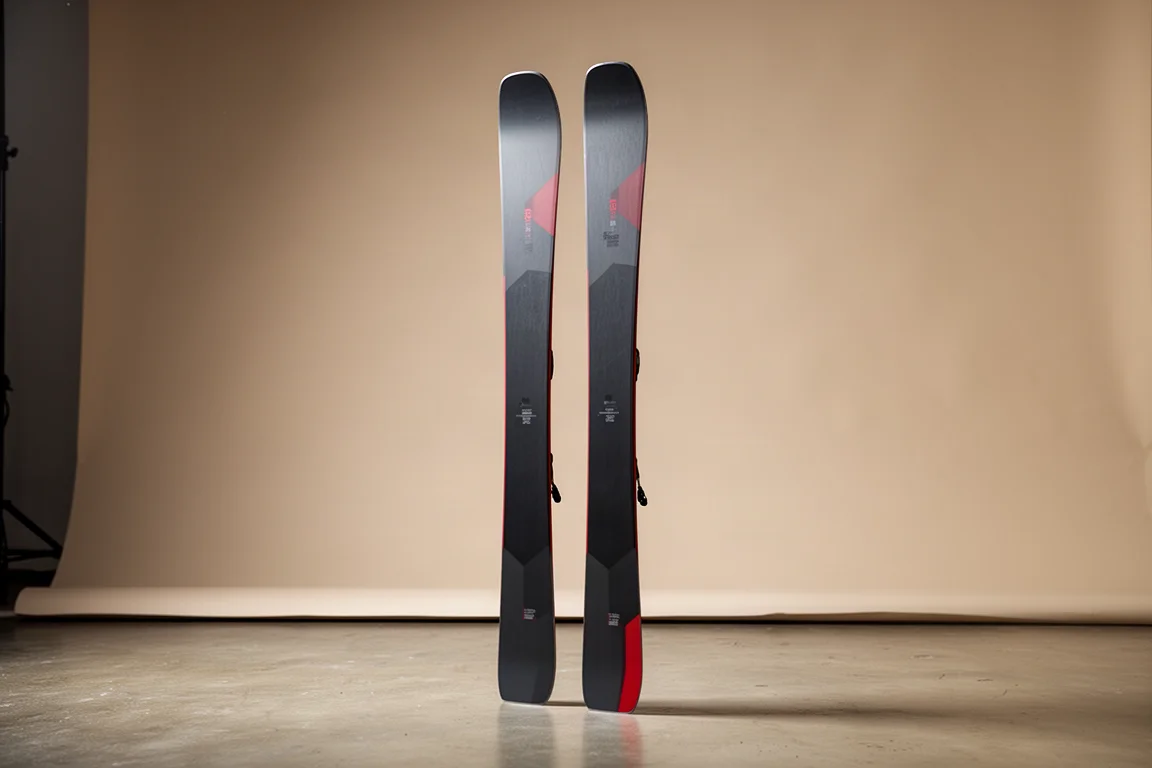
Blizzard Rustler 10: Flatter Underfoot, Easy to Pivot
The Rustler 10 is unchanged apart from graphics. It uses a true blend core mixing beech, poplar and paulownia, with FluxForm metal running full width underfoot and along the edges in the tail. Weight is 1,875 g in the 180, close to the Unleashed 98 in similar lengths and a little lighter.
The tip carries the most dramatic splay in this group, and it rises out of soft snow readily. What balances it is a flatter profile underfoot with very little camber, which makes the ski easy to pivot. Tail rocker is long, but the tail is nowhere near as splayed as the tip, so the ski stays predictable.
Flex is consistent from tip to tail, and shape, profile, construction and flex all work together. It is an advanced ski, but the flatter profile means it will not fight a skier who is stepping into a wider ski for the first time.
View more details for Blizzard Rustler 10
Volkl Revolt 101: A Mini Big-Mountain Ski
The Revolt 101 is the surprise of the group. It is derived from the Revolt 114 and belongs to the Big Mountain Revolt collection rather than the twin tip Revolt line, which explains why it does not behave like a typical park twin. Construction and profile are carried over from the 114 into a smaller footprint.
The multi-layer poplar and beech core is very thick. At 2,150 g in the 182 it is the heaviest ski here, and it is also the stiffest. That stiffness is offset by an extreme rocker profile: early tip rocker, low camber height, short camber length, very long tail rocker and heavy tail taper. Dimensions run 133-101-115, which is a large tip-to-tail change and part of what gives the ski its quickness.
Edge grip is extraordinary and there is effectively no speed limit. It is excellent on groomers, in crud and in spring snow, and it prefers to be pointed down the fall line. In trees the stiffness makes it work, and park use is possible but not a strength. It has been in high demand and sold out to shops.
Overall Buying Advice
If you are shopping in this width, the most useful thing you can do is decide which of these four jobs matters most: park and freestyle, soft-snow trees and bumps, on-trail carving, or fast, variable snow.
For park and freestyle, the Armada ARV 100, the K2 Reckoner 102 and the Elan Playmaker 101 are the most natural fits. All three are easy to throw sideways, and the Reckoner 102 adds the most pop of the three.
For trees and bumps, the Atomic Bent 100, the Liberty Scope 99 and the Kastle ZX100 are all quick and forgiving, with the Bent 100 the lightest and the ZX100 the most energetic out of the turn.
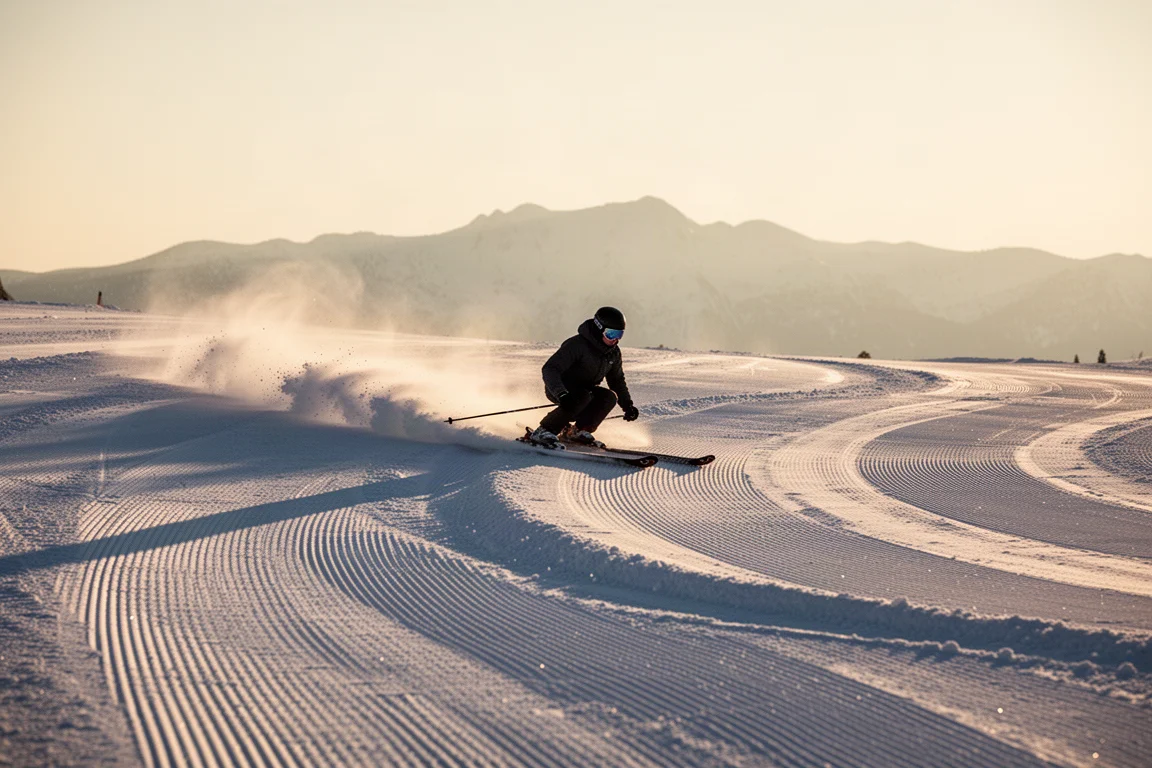
For carving, the Nordica Unleashed 98 and the Dynastar M3 100 are the two strongest metal-free options, and the Unleashed 98 CA offers most of that performance in a more approachable and more affordable package.
For speed and variable snow, the Rossignol Super Black Ops 98, the Volkl Revolt 101 and the Head Oblivion 102 all want a strong, committed skier. The Salomon QST 100, the Rossignol Sender Free 100 and the Blizzard Rustler 10 sit in the middle: well-rounded enough for almost anything, without the sharp edges of the specialists.
Conclusion
This category has never offered this much choice. Soft, surfy twin tips, stiff directional chargers and genuinely well-rounded all-mountain skis all live within a few millimetres of each other, and the differences between them matter more than the numbers suggest.
Match the ski to the job you actually do most often, be honest about how much ski you want to manage, and almost anything on this list will serve you well. The heaviest and stiffest options here reward strong, committed skiing. The lightest ones make creative, sideways skiing feel easy. Everything in between is a question of which trade-offs you are happiest living with.
Further reading
Related Reviews
Ski Gear
2023 Blizzard Hustle vs Rustler: Six Freeride Skis Compared
Blizzard's 2023 Hustle collection rebuilds the Rustler shape with a lighter core and no metal. Here is how all six skis differ, and which one suits your riding.
Ski Gear
2023 Skis of the Year: Atomic Maverick 88 TI, Salomon QST 106, and Look SPX 12 Pro
Three standout ski picks for all-mountain carving, powder days, and reliable binding performance, with practical buying notes for 2023 models.
Ski Gear
2025 Nordica Enforcer 104 Review: A Directional Charger Replaces the 104 Free
The 2025 Nordica Enforcer 104 drops the Free name and the twin-tip personality, gaining weight, stiffness and composure in rough snow. Here is what changed and who it suits.