Skiing
Best 100mm Twin Tip Freeride Skis: 18 Skis From Most Approachable to Most Demanding
Eighteen 100mm freeride twin tip skis compared, from playful park-friendly picks to stiff, directional big-mountain chargers.
Introduction
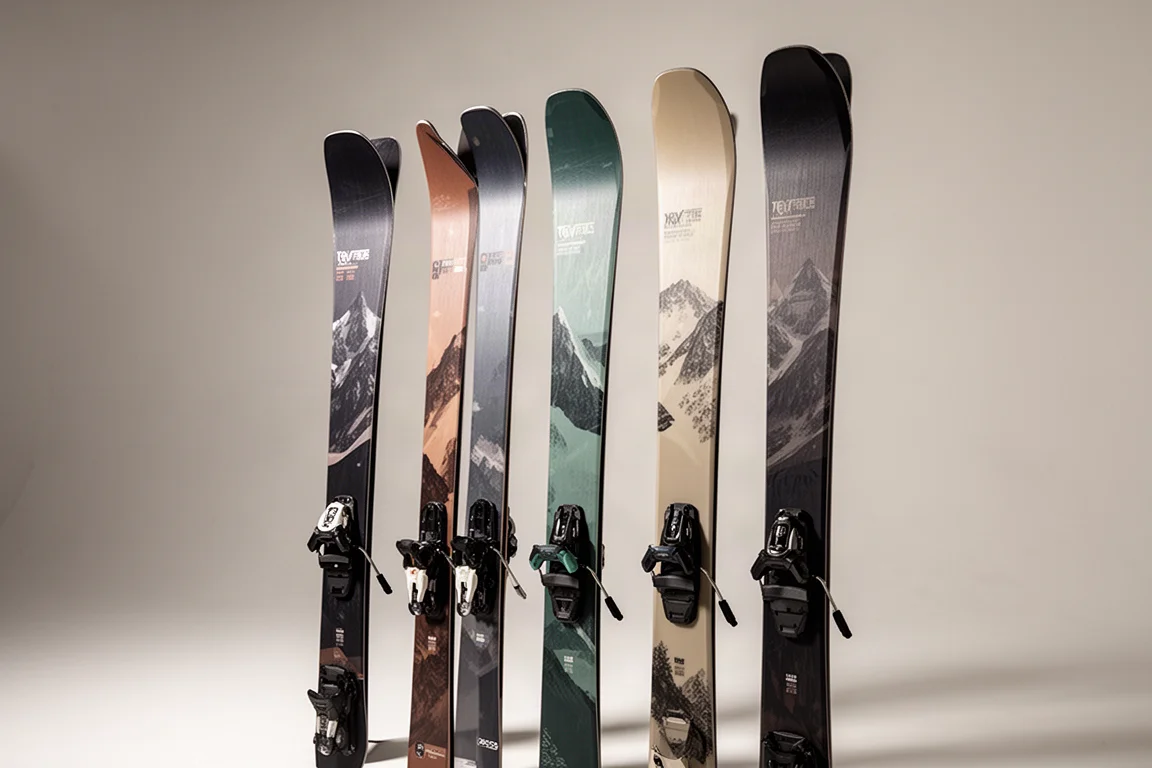
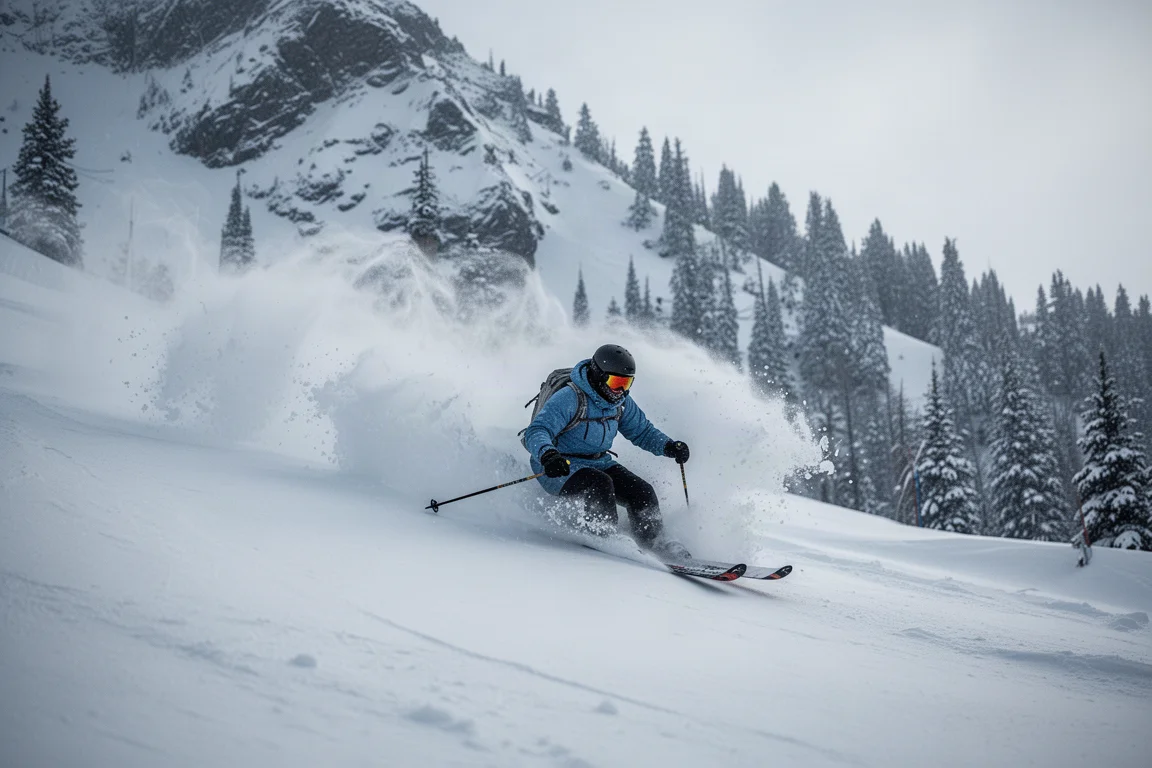
The 100mm twin tip category is one of the most useful places to be in modern ski design. These skis blend park DNA with real freeride capability, and the range of personalities here is wide: some are featherweight and surfy, others are stiff, dense, and carves like a race ski with a turned-up tail. This roundup runs from the most approachable to the most demanding, so you can scan to the point that matches your style, weight, and terrain.
A note on boundaries: several skis here could just as easily live in a 100mm all-mountain category, including the Fischer Ranger 102, Armada Antimatter 100, and Blizzard Rustler 10, which have also appeared in a mid-100s freeride comparison. The Salomon QST 100 was considered for this list but was passed over in favor of the Salomon Depart 2.
Most Approachable First: Elan Playmaker 101
Elan skis are designed to be fun, playful, and approachable above all else, and the Playmaker 101 is no exception despite real engineering underneath. It uses Elan’s TubeLight wood core with two short carbon rods focused underfoot, which quiet the ski and give it a more planted feel. At 1,630 grams it is exceptionally lightweight and pretty soft, with a tremendous amount of tip rocker paired with early taper and significant tail rocker for a genuinely surfy vibe.
It is not just a park ski: it lays down acceptable carves, is exceptional in trees and soft snow, and is a ton of fun in the park where the light swing weight and forgiving flex shine. Heavier or more aggressive skiers may see tip flap and should consider sizing up, especially since a 188 length exists.
Atomic Bent 100
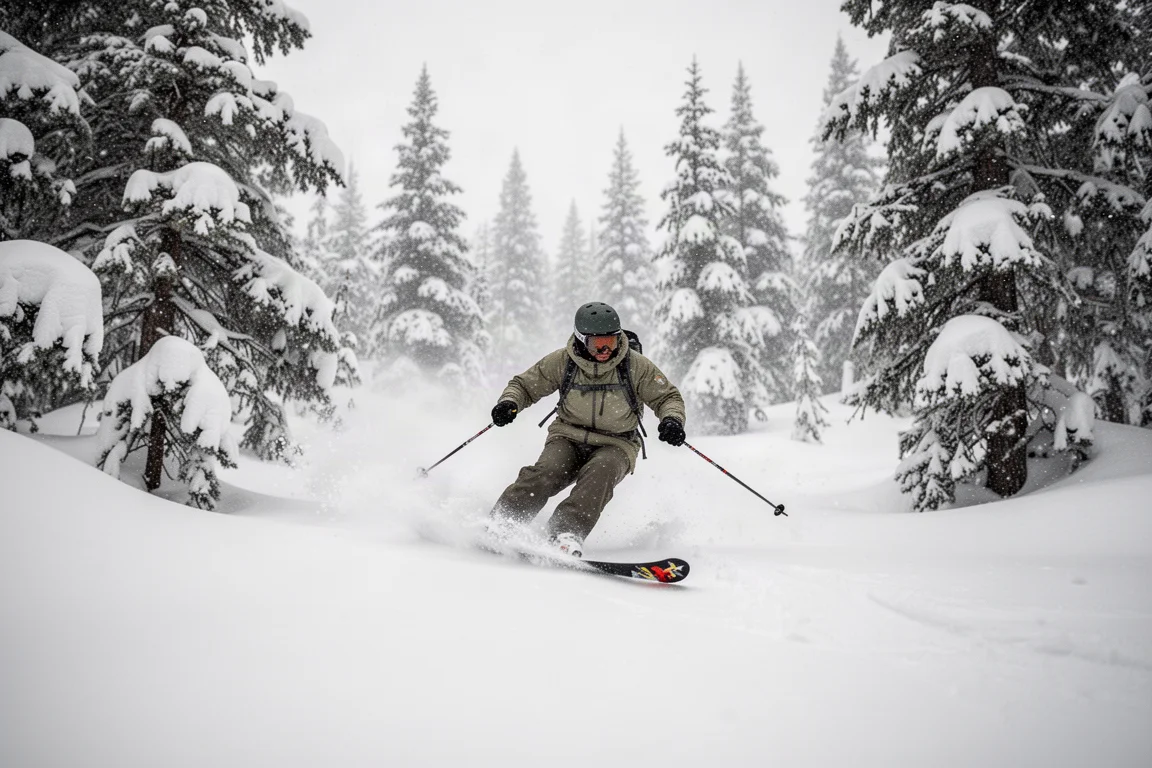
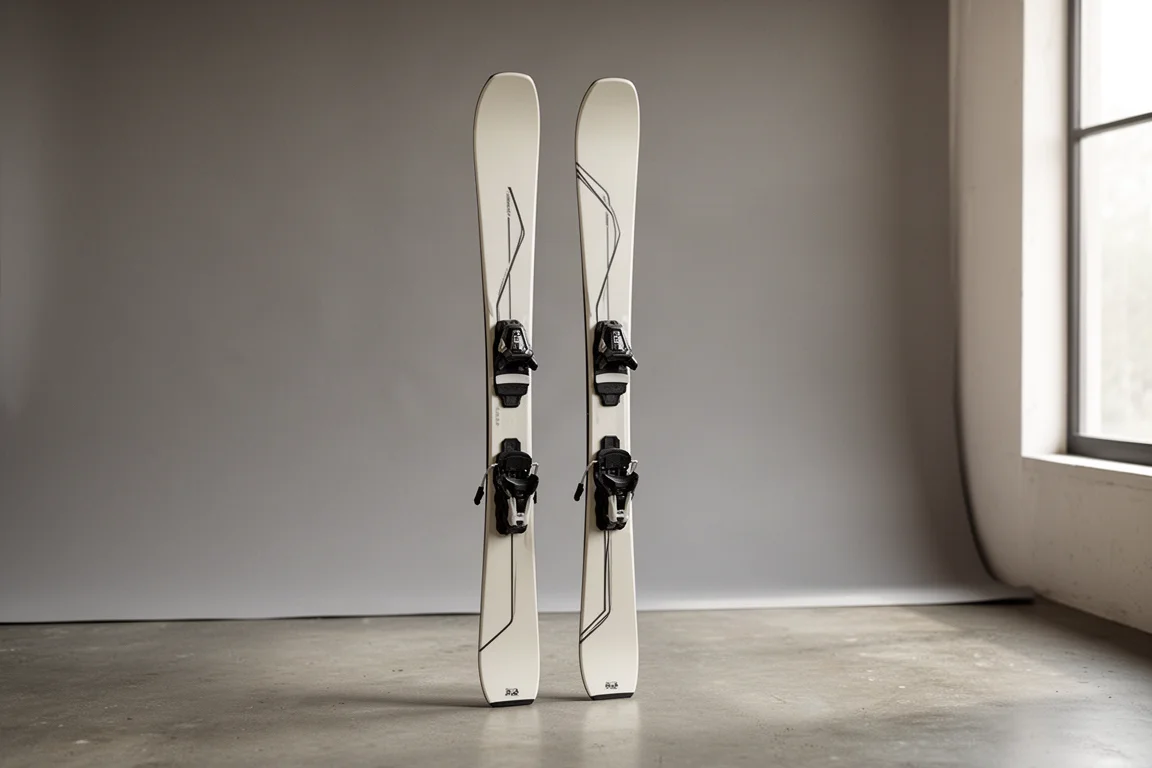
The Bent 100 returns structurally unchanged with a new graphic, using a lightweight poplar core and Horizon Tech in the tips and tails that adds flotation by increasing surface area without adding width. It works: this is one of the best tree skis in the category, a genuinely fun mogul ski, and a great spring ski that plays with three-dimensional snow.
There is real camber underfoot, so you get impressive energy and snap out of the tail despite the twin tip look. It skis more directional than the Bent branding suggests and is very forgiving of mistakes thanks to its low weight. Park is perfectly capable, but better dedicated options exist.
View more details for Atomic Bent 100
Line Pandora 99
The Pandora 99 is a straightforward ski built around an aspen core that is milled thick underfoot and razor thin in the tips and tails, coming in at 1,720 grams. It is stiffer than the Playmaker but still fairly flexible overall, with tip rocker similar to the Bent, good camber, and a long, low tail rocker that makes releasing the tail easy.
This is one of the most normal, well-rounded skis here: groomers, trees, soft snow, bumps, and the occasional park lap are all covered. It is not a park ski, but it is an intuitive, great step-up ski and a no-nonsense choice for a single quiver pair that mixes terrain. It is also not too expensive.
Liberty Scope 99
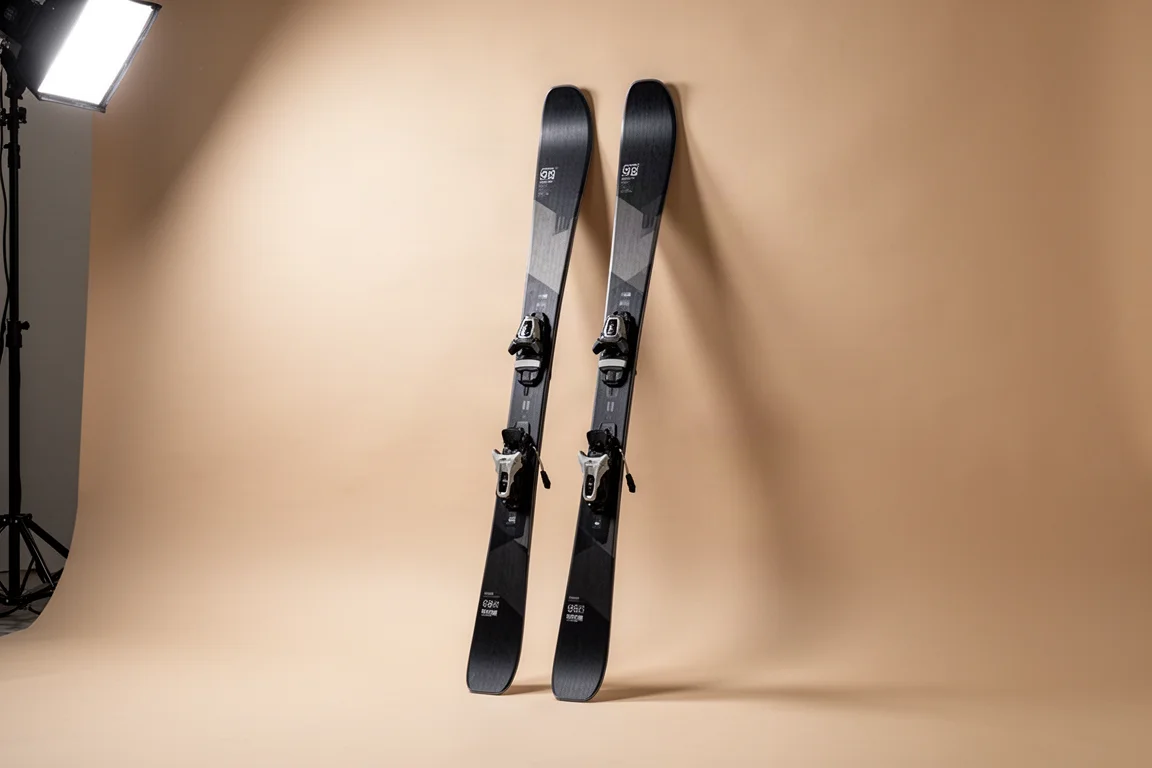
The Scope 99 moves Liberty back toward bamboo, combining bamboo, poplar, and ash with carbon stringers, a phenolic plate underfoot, and poured ABS sidewalls. The result is a smooth, quiet, super maneuverable ski at 1,670 grams with a supportive underfoot core and flexible tips.
Where it shines is exactly where narrow, technical skiing lives: bumps, trees, and anything soft. It is drifty in the shovel, easy to release in the tail, and incredibly easy to steer. It is also quite good in the park, where the softer sidewalls absorb rail impacts. It is precise considering how agile it is, though firm-groomer carving is not its strength.
Salomon Depart 2
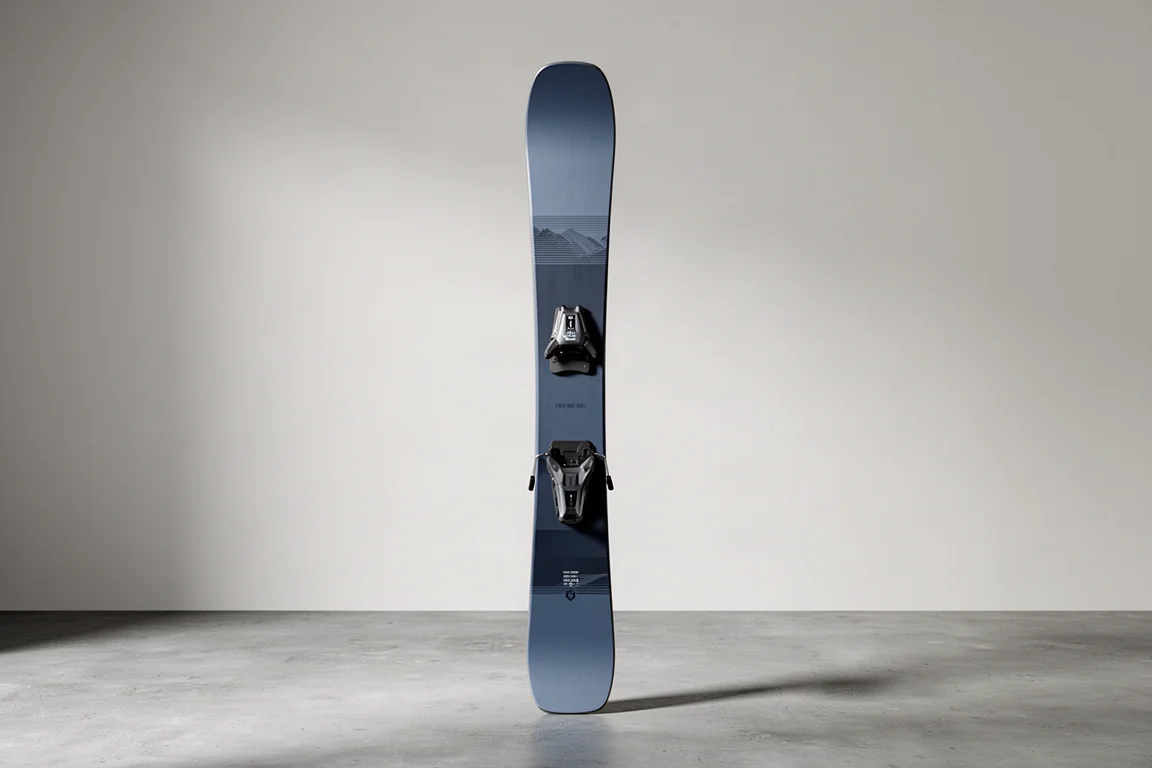
The new Depart 2 uses a poplar and karuba core with a titan layer underfoot for binding retention. It takes the unique, surfy character of the wider Depart 1 and makes it more normal and more useful for more skiers: stronger, narrower, and considerably better on groomers, opening up real potential on firmer snow.
The shape is distinctive: an all-rocker feel with sidewalls that end early, a wide, thick, tapered, pointy shovel with huge surface area for float, moderate camber, and a long, straight tail rocker that barely looks like a twin tip but skis like one. It is not a speed demon, but it is balanced and genuinely fun in the park, and it encourages creative, slashy skiing.
Armada ARV 100
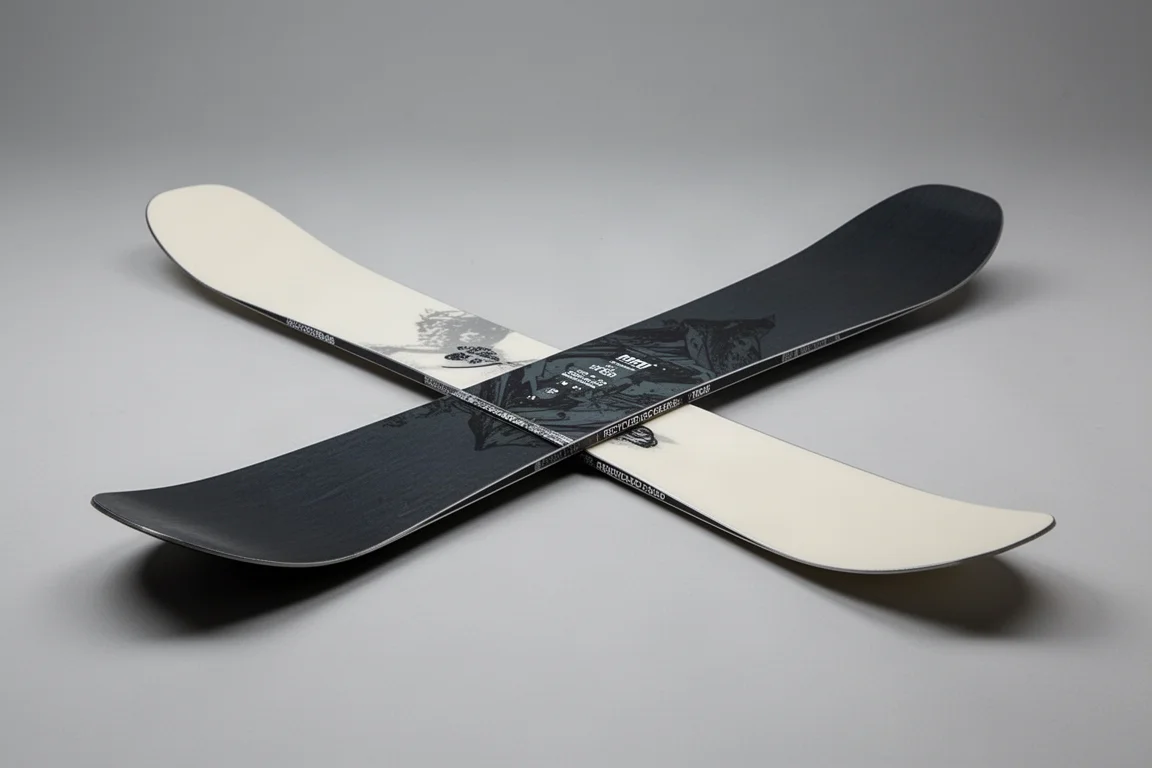
The ARV 100 checks a remarkable number of boxes without losing its freestyle-first ARV character. The simple poplar core, paired with Wedge Wall technology for better cohesion between sidewall and core, gives it real energy and zip. At 1,850 grams in the 179 it has substance, with positive camber underfoot and a taper and rocker profile that progresses noticeably across the ARV width range.
Since switching from poplar-karuba to pure poplar, the ski gained a lot of overall strength and is now arguably among the most stable skis here. It is balanced and central in its stance, fantastic in the park first and foremost, and it will happily head off into bumps, trees, and powder.
Blizzard Canvas 100
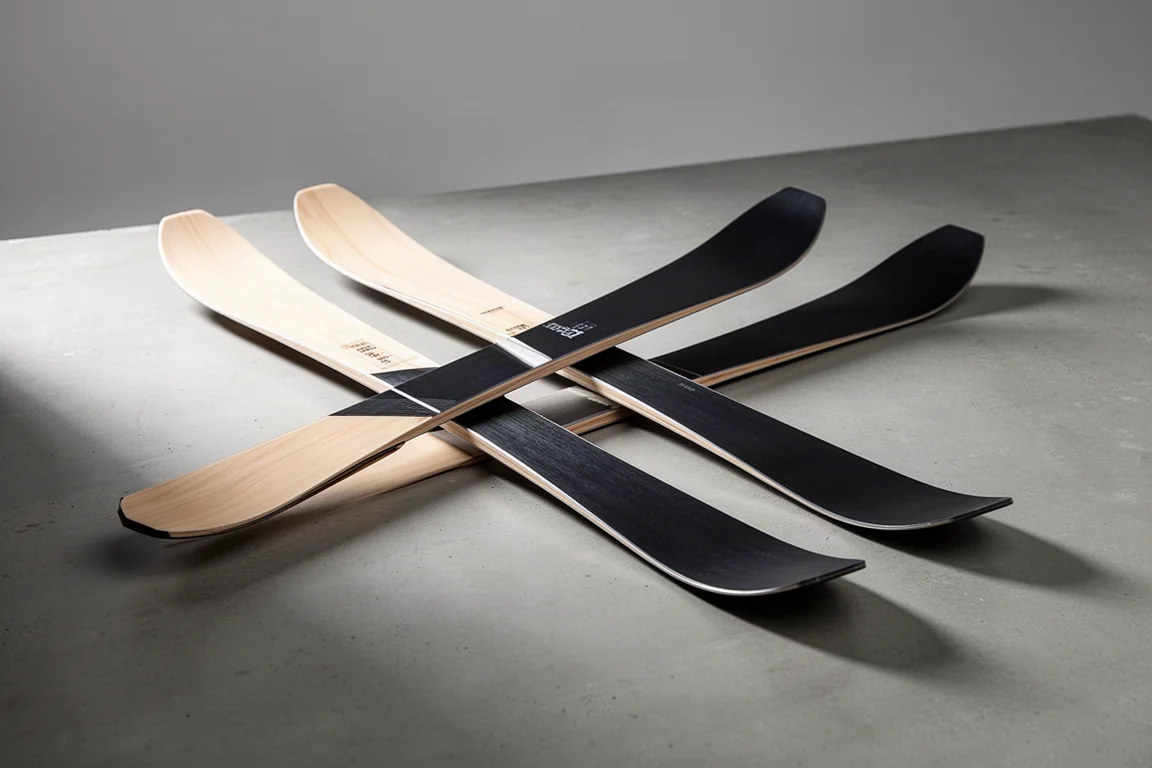
The Canvas 100 is a brand-new line and the most freestyle-influenced ski Blizzard has made in a long time. It uses a poplar and paulownia core with a strip of metal running down the middle, engineered not as a performance stiffener but to retain the ski’s shape over time, and it seems to work. At 1,850 grams in the 186 it is lightweight and highly playful, yet there is genuine Blizzard precision in how it behaves.
The purely playful shape has tons of tip rocker, a pointy finish that removes catchiness in the park, and remarkably light swing weight. Impressively, its torsional stiffness lets it hold a composed, high-edge-angle carve despite being soft and light. It hangs with the Bent 100 in tight trees, grooms better than most playful skis here, and it is affordable. Blizzard took real time and athlete input to develop it, and it shows.
Line Chronic 101
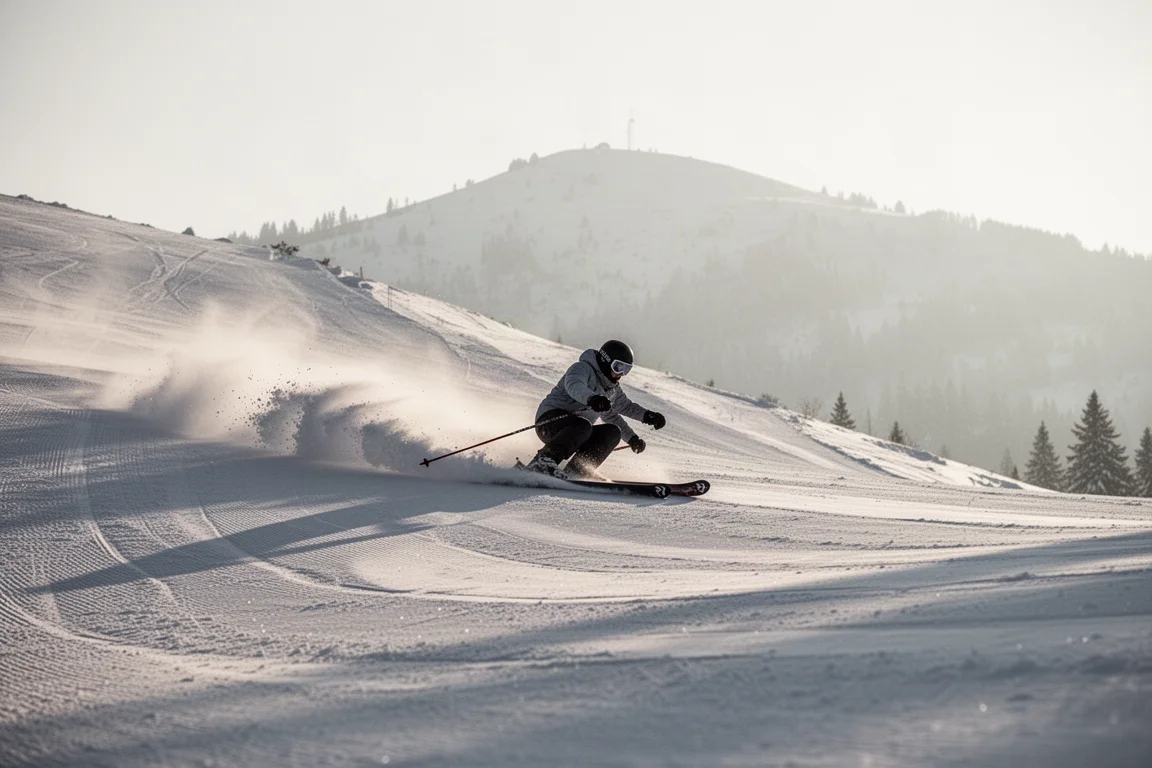
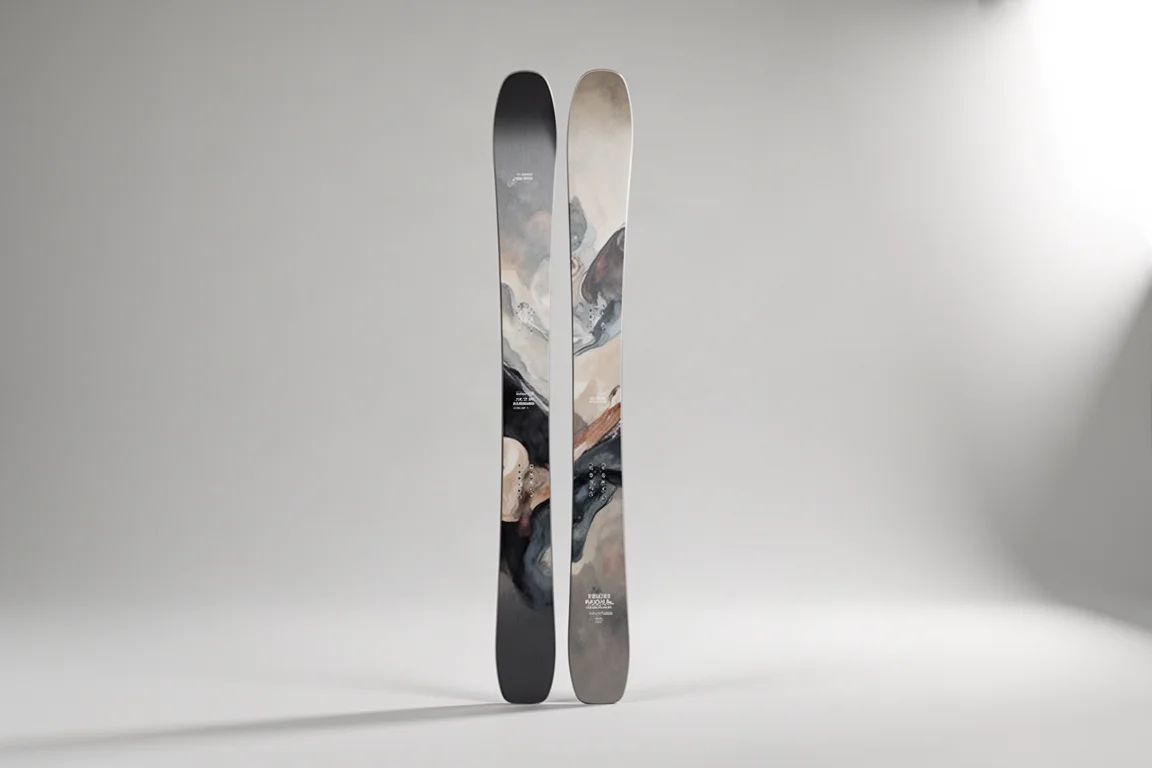
The Chronic 101 is a ski that should not work on paper, then turns out to be a blast on snow. It uses a dense aspen core milled thick underfoot and truly thin and flexible in the tips and tails, totaling 2,093 grams. That weight and density, concentrated underfoot, is why it carves better than its stats suggest, making very round, clean turns on groomers.
It is a well-rounded freestyle ski viewed through a park lens first, with a symmetrical rocker profile and easy tip initiation. The weight is the biggest consideration: heavier skis reward powerful, intentional skiers and even help control rotation in the air, but finesse skiers may prefer something lighter. It is essentially a Playmaker-shaped ski with about 500 more grams.
K2 Reckoner 102
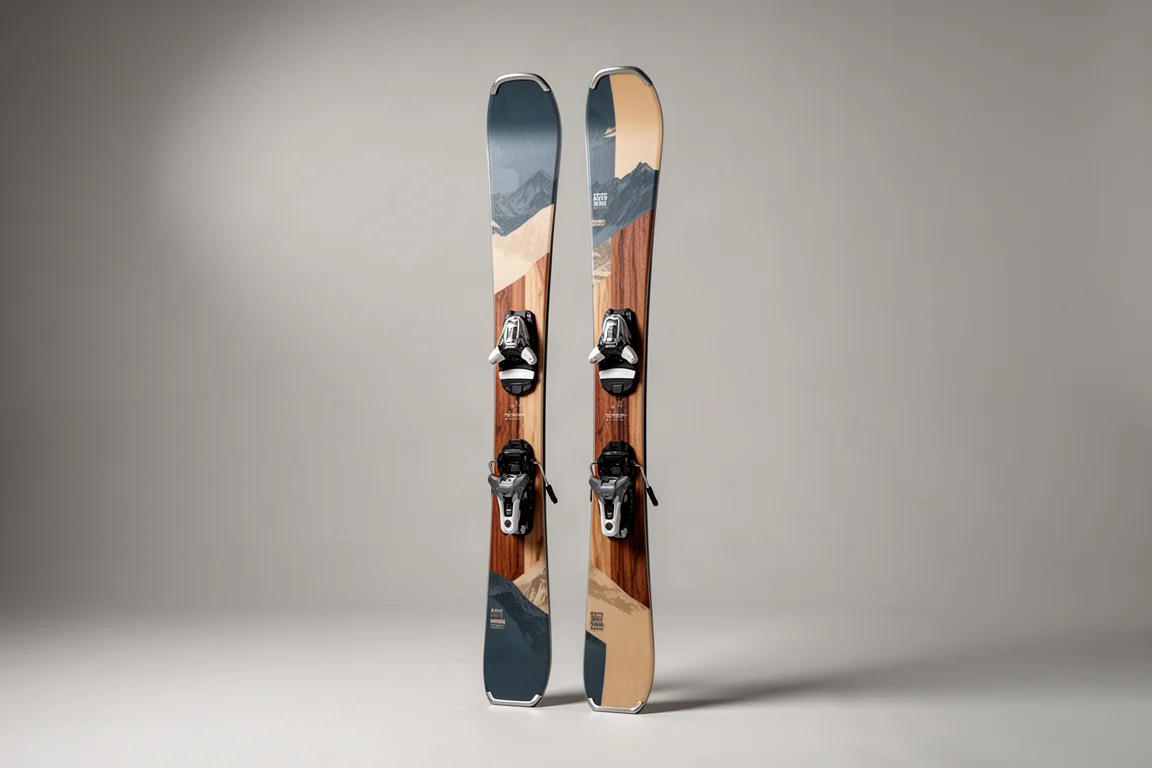
The Reckoner 102 shares a lot with the Chronic and is a ski that wins people over on snow rather than on a spec sheet. Aspen core, two carbon applications (Carbon Boost strips and Carbon Spectral Braid), and 2,010 grams give it heft. The Spectral Braid keeps torsional stiffness high while the longitudinal flex stays very soft, producing deep, round, S-shaped turns on groomers that feel like the ski wants to come back up the hill.
This generation also fixed the durability issues of the original, and testers report it holds up impressively to aggressive park use. Very soft overall with lots of camber and a nearly symmetrical rocker profile, it is phenomenal in the park, where the flex acts like suspension. Its centered mount limit is the main drawback for directional skiers.
Black Crows Venor
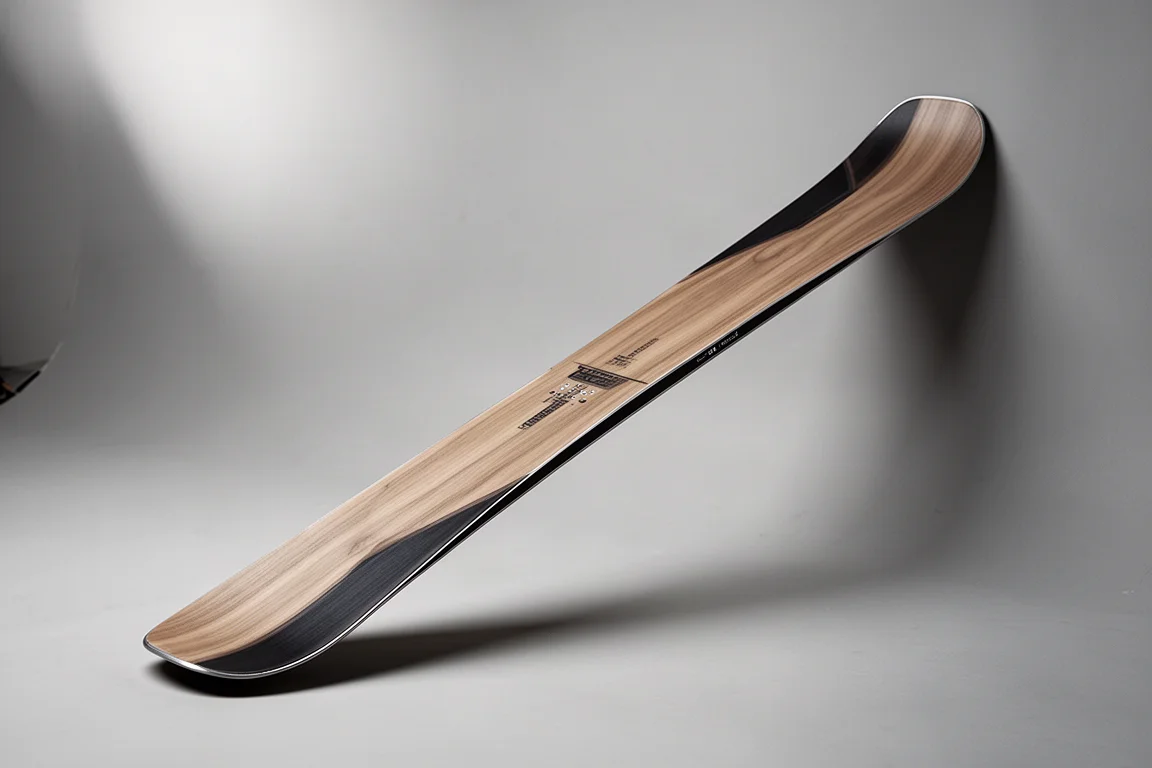
The Venor replaces the Justice as Black Crows’ 100mm ski, but it is a very different ski rather than an update. It uses a poplar core with carbon stringers on top and bottom of the core for energy, without the metal of the Miroir Corse or Justice designs, at a light 1,792 grams in the 181. The shape is striking: pointy tips with exposed ABS, a turned-up swallow tail, and even a hole in the ski near the tail, which appears engineered to let the tail arms start bending earlier.
On snow it is not tremendously intuitive. It rewards a two-footed, surfy stance like the Depart, but when you let it run and get it on edge, it bites hard and carves surprisingly well for such a light ski. It skis short, so size up if you are between lengths, and it was an excellent spring corn ski.
Nordica Oblivion 102
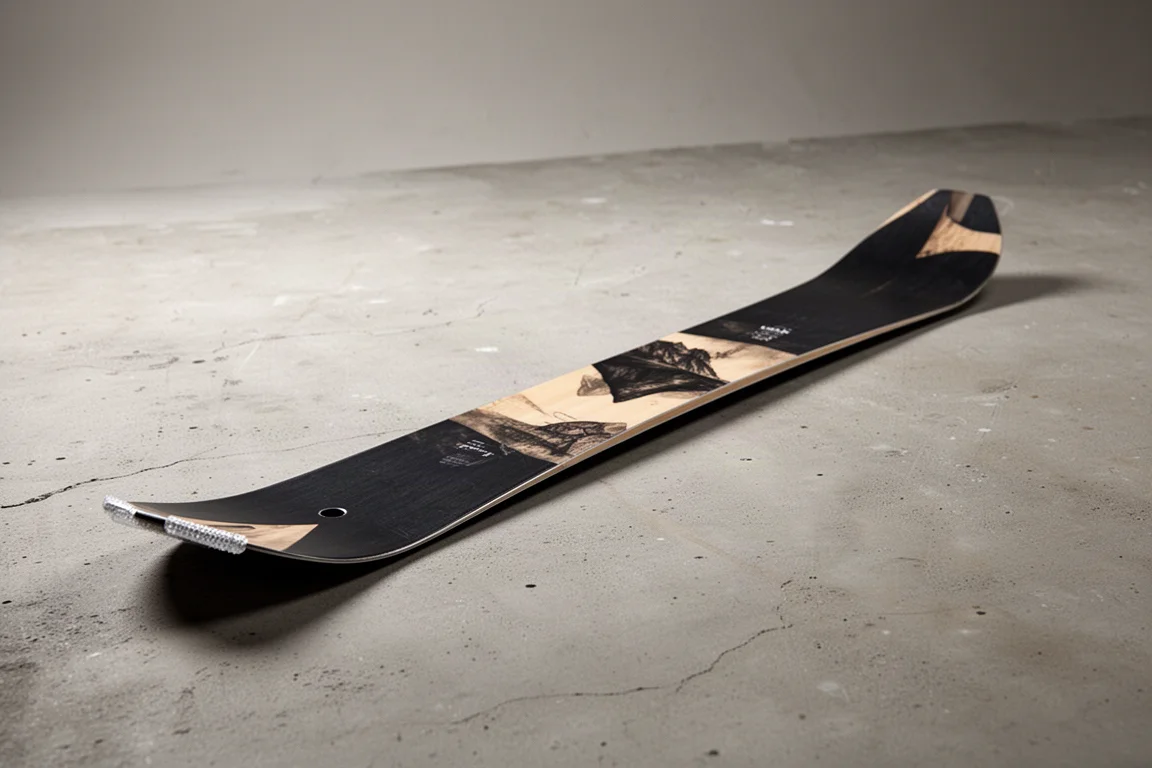
The Oblivion 102 feels like the most traditional twin tip here, in a good way: a race company’s take on a freestyle shape with vertical sidewalls and precise construction. The core is a hybrid poplar and PET design with recycled plastic, two sheets of carbon, and a rubber damping layer in the tips and tails.
That damping layer is the story: at just 1,760 grams, the ski is quiet, smooth, and never feels deflected, which is rare at this weight. It is also one of the stiffest skis here, with no early taper, a long effective edge, and a 22.8-meter turn radius. The long radius is what keeps it from feeling stuck in a turn, making it surprisingly workable in the park, though it is really an expert-oriented ski best suited to big, fast turns. It is not a recommendation for new park skiers.
Faction Studio 2
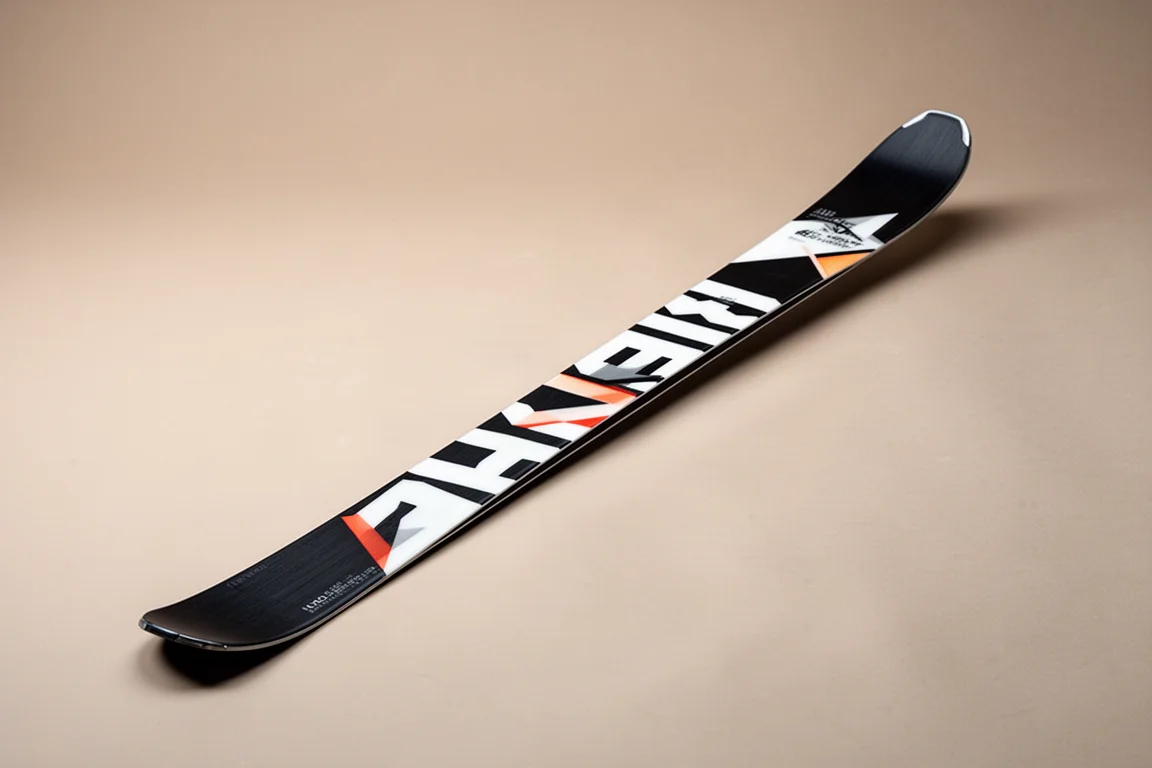
The Studio 2 sits alongside the Oblivion at the demanding end of the category. A poplar core with carbon stringers and a carbon rubber stomp pad, plus a 2,000-gram weight in the 183, make it a burly, very stiff ski, possibly the stiffest here, and stiff in the tip too. Compared with the Prodigy line, the Studio is heavier, more powerful, more symmetrical in its sidecut at 131/102/127, and far more park-influenced.
This is a rewarding ski if you can stay centered and keep up with it. It skis fast everywhere, is extremely capable in the park, and strongly punishes mistakes where a softer ski might forgive them. Think of it as a twin tip Enforcer: an expert ski for skiers who want power, symmetry, and a stiff, supportive flex.
Rossignol Sender 100
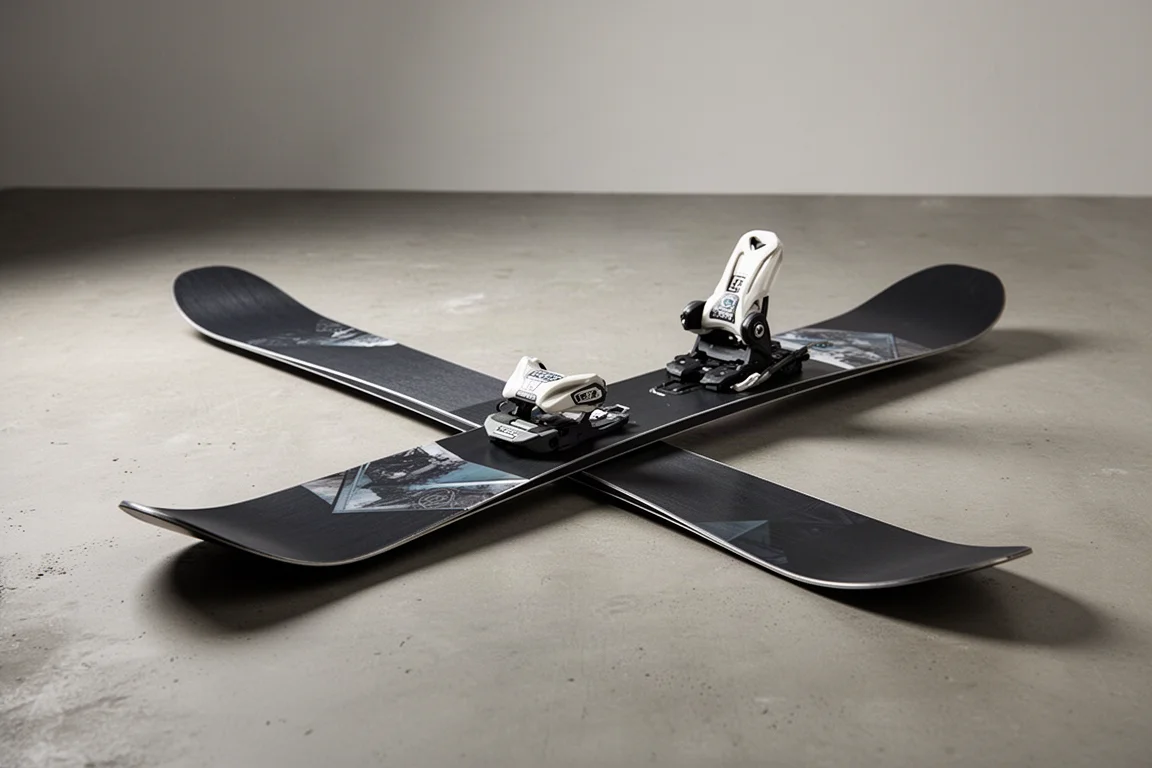
The Sender 100 is derived from the Sender 110, sharing the wood core but with a carbonated basalt layer moved beneath the core in a 2:1 basalt-to-carbon ratio, and no metal underfoot. At 2,000 grams in the 184 it is pretty stiff but not harsh, with high, hard-to-push camber, a symmetrical rocker profile, early taper in the tip, a +2 recommended mount, and a 20-meter radius that skis shorter than the number suggests.
It is a personal-favorite-class ski: among the best carvers here with beautiful layover turns, plenty of power and bite, genuinely good soft snow and tree performance, and perfectly reasonable park capability. It is a loud ski on snow, but the noise is purely cosmetic and it does not get deflected.
Dynastar M3 100
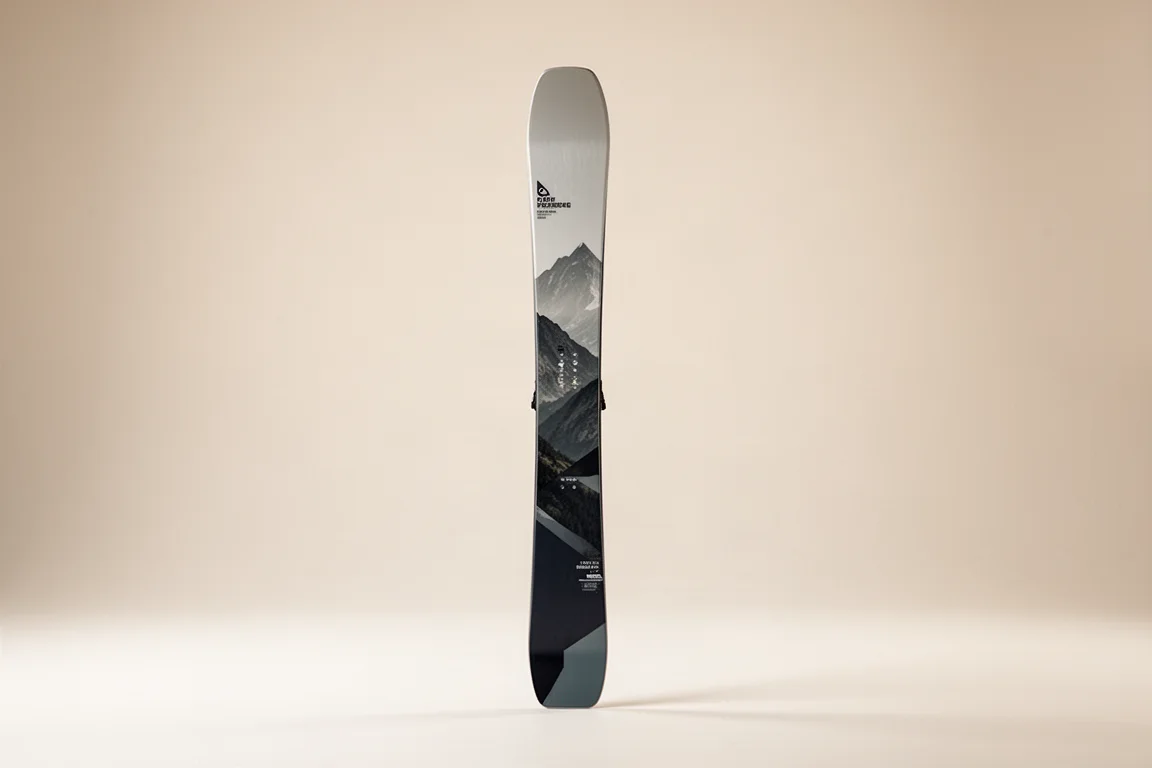
The M3 100 is the carver’s pick in this group, with a new graphic for the year. Hybrid Core 2.0 uses three horizontal layers of poplar, the top two milled and pressed together without adhesive, boosting stiffness and rebound. Polyurethane along the sides extends into the core, keeping the ski smooth and quiet at just under 2,000 grams in the 185.
The defining trait is very stiff, pronounced camber: load it in a carved turn and it shoots you into the next one with almost startling energy. It outcarves the Sender 100 with more bite and a slightly tighter, 18-meter radius, and it feels like you are skiing the middle portion of the ski. Off trail it works, but you have to work harder: it is not a natural smearer and prefers to hook up and engage.
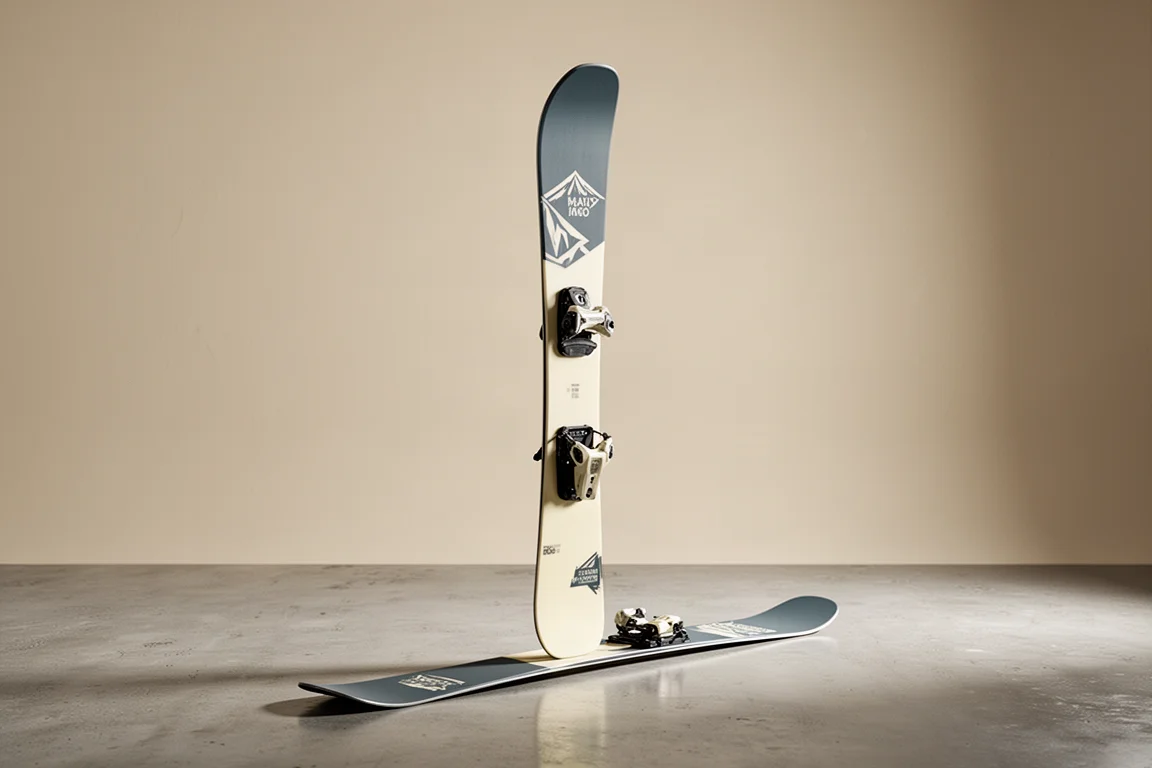
Armada Antimatter 100
The Antimatter 100 is essentially a narrowed-down Antimatter 114, Armada’s big mountain freeride competition ski. It pairs a poplar core with a central strip of metal (Speed Metal) in most of the new Antimatter lineups, at 2,000 grams in the 182. The flex has real support without being stiff-stiff, and the soft-snow-inspired tip shape, with the widest point well down the ski and a pointy, gently tapered finish, comes straight from the 114.
This is a directional freeride ski at heart: excellent for aggressive off-piste skiing with drops, side hits, and natural features, quick in short turns, and remarkably capable in trees on both fresh-snow days and weeks-old surfaces. Carving works but requires active input, as the tip does not pull you into a turn. The main catch is sizing: the next length up from 182 is a big 189.
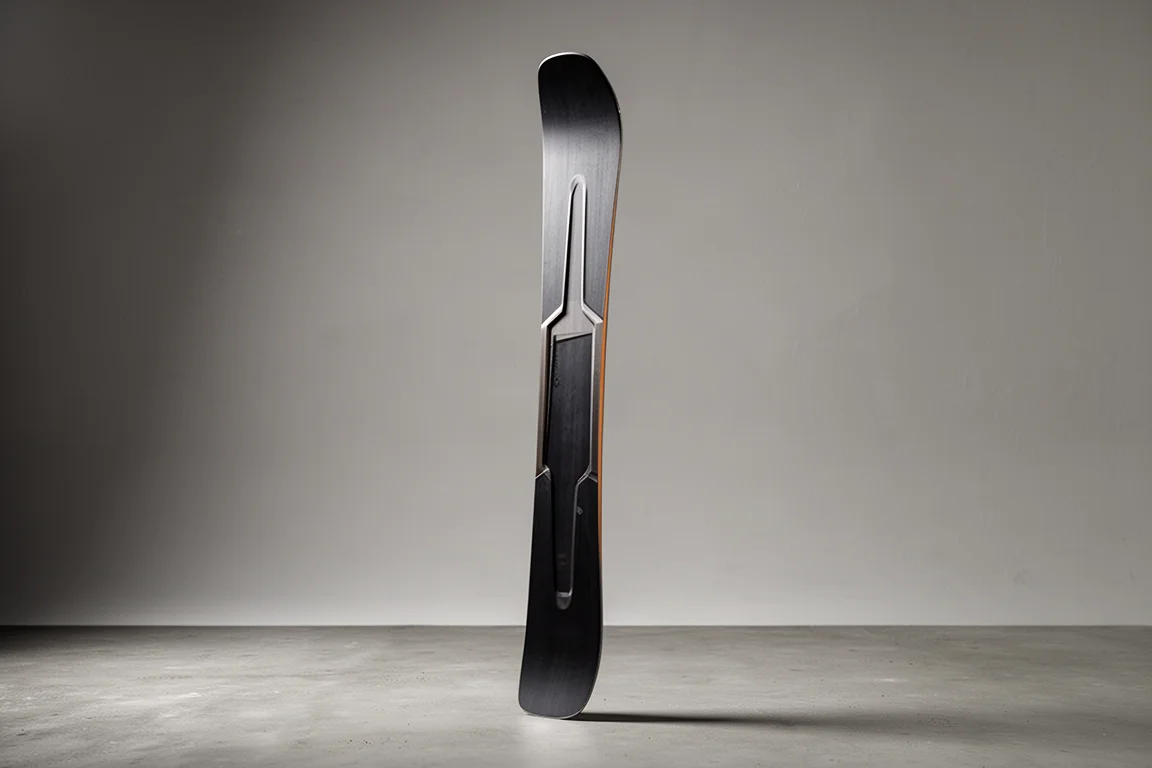
DPS Koala 103
The Koala 103 reads like a ski designed by people staring at the Wasatch: built for Alta and Snowbird-style terrain full of natural features rather than resort parks. It uses a poplar core with carbon strips, weighs 1,950 grams, and has a dramatic profile with a ton of camber underfoot, prototypical DPS taper with the widest point far down the ski, and a long, curvaceous rocker line.
It is a character ski that demands a central, balanced stance and an active skier. Pressuring the tips makes it turn sooner than expected, so patience is required. When you find the sweet spot it makes great turns, especially in powder and soft trees, but it lets you know when you drift from the balance point. It rewards the right style, terrain, and conditions more than most skis here.
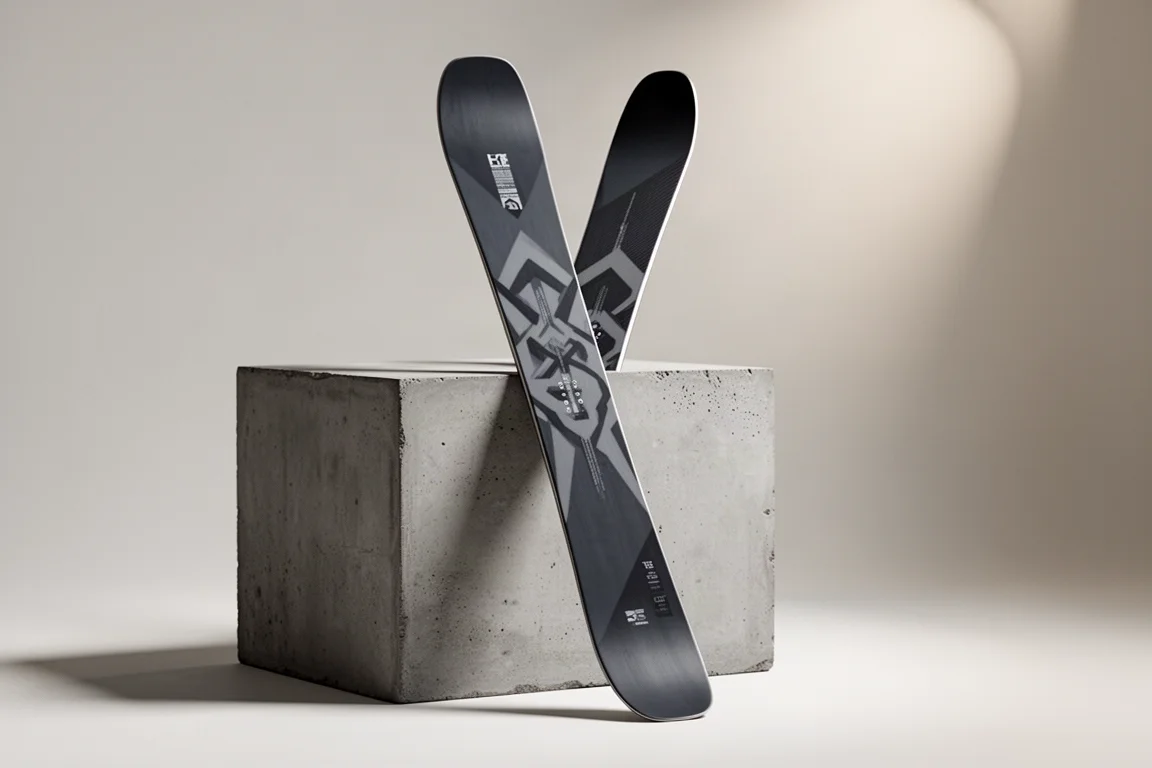
Fischer Ranger 102
The Ranger 102 could comfortably slide into an all-mountain comparison. It uses a dense poplar and beech core with a shaped Ti laminate underfoot, weighing 2,100 grams in the 183. It is one of the stiffer skis here and, while still twin-tip adjacent, it is clearly directional, with much less tip rocker than tail rocker and a single mount point that cannot be customized.
The reward is strong directional freeride performance with enough all-mountain and carving capability to satisfy a lot of skiers, and genuinely fun tree skiing. Long tip rocker helps initiate turns at high edge angles, where there is a lot to push against. Fair warning: it is a divisive ski. Some testers call it incredible, others rate it lowest of the test, with skier weight and edge-angle habits the best explanations. Sizing down, such as to the 176, is a reasonable strategy for off-piste quickness.
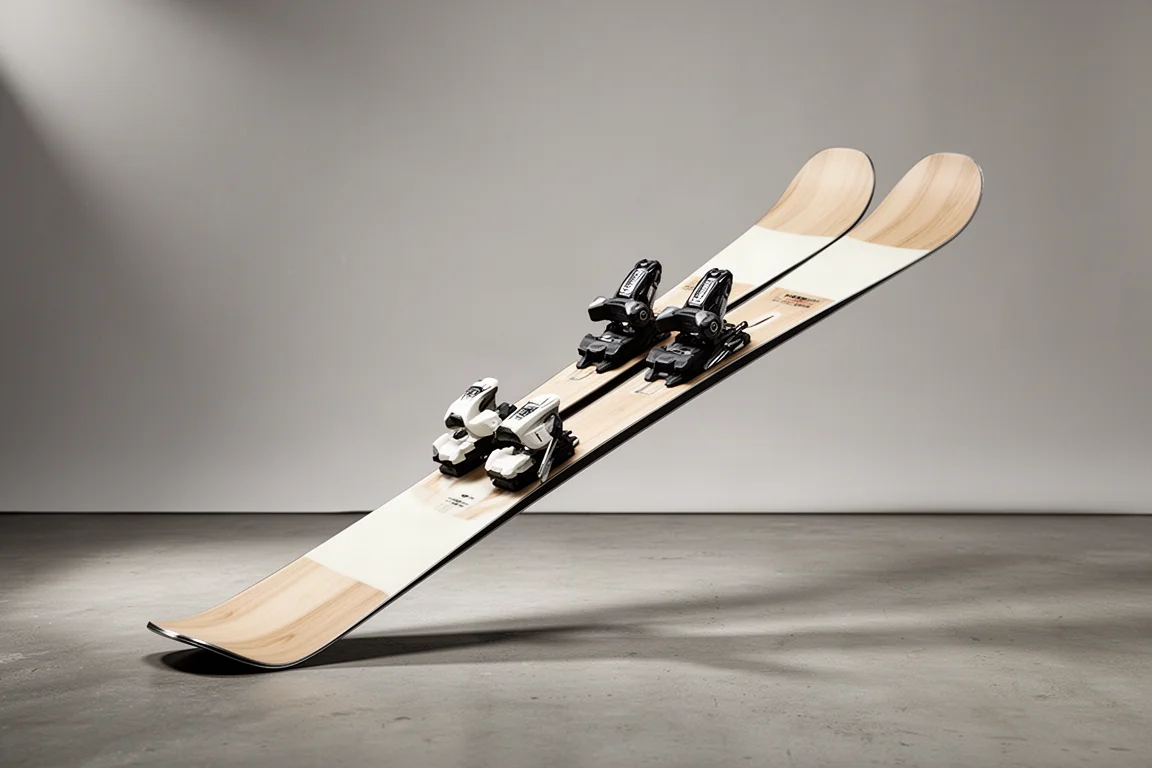
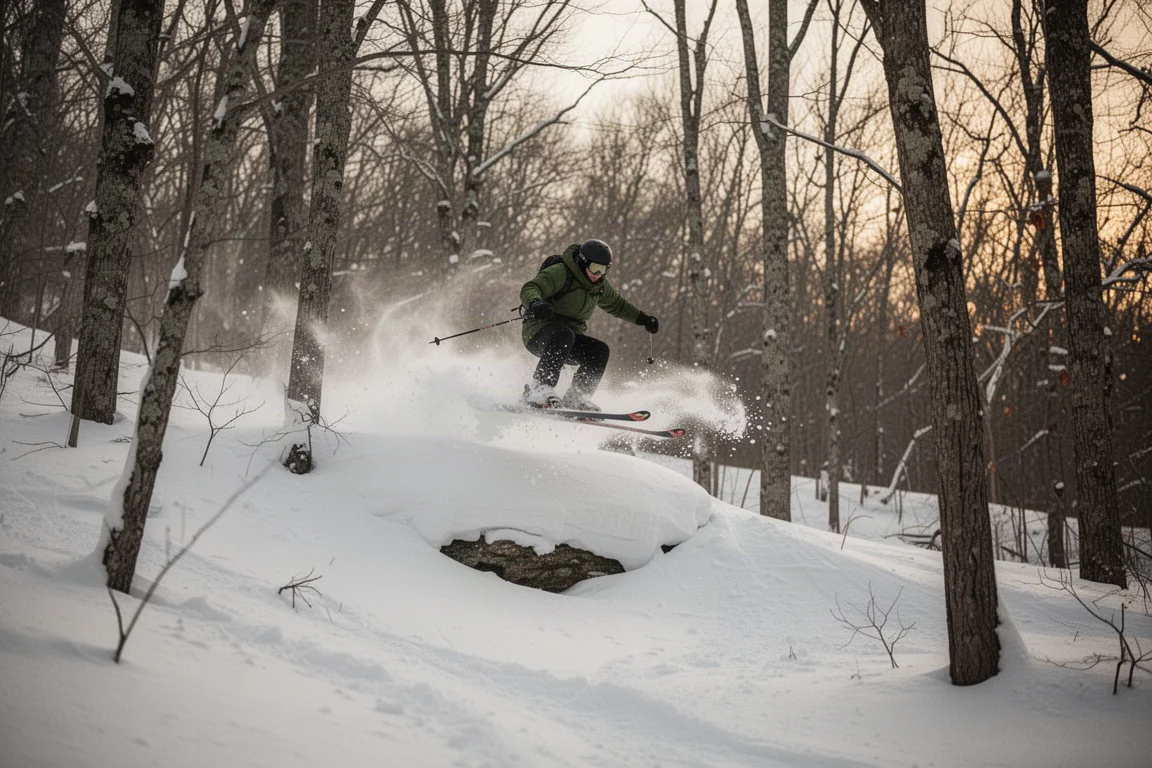
Blizzard Rustler 10
The Rustler 10 earns its place at the demanding end while staying shockingly well-rounded. In 180 and shorter lengths it is 102mm underfoot (104mm at 186 and up), with a True Blend poplar, beech, and paulownia core and Flux Form metal that runs over the edge with a full-width laminate underfoot. At 1,800 grams in the 174, its underfoot grip is pronounced while the tuningly damp Flux Form layout keeps the ski smooth.
The profile is a stark contrast to the camber-heavy skis above: much flatter, with arguably the most dramatic tip play on the wall, making the ski pop out of deeper snow and return quickly to the fall line. It is so smooth and stable yet so willing to be thrown sideways, smeared, and skied creatively that it sits a clear performance level above many of its peers. Its continued strong sales years after this generation launched speak for themselves.
View more details for Blizzard Rustler 10
Overall Buying Advice
If you are a lighter, finesse-oriented skier or park-curious rider, start at the top of this list: the Playmaker 101, Bent 100, Pandora 99, and Scope 99 reward creativity and forgive mistakes. If you want one ski that blends park fun with genuine all-mountain range, the Canvas 100, ARV 100, Reckoner 102, and Depart 2 are the sweet spot. If you are a heavier or more aggressive skier, or you want directional freeride performance with carving bite, look to the Studio 2, Sender 100, M3 100, Antimatter 100, Ranger 102, and Rustler 10, and pay close attention to flex and stance requirements before committing. Several of these skis run short or long relative to expectation, so check the sizing notes in each section.
Conclusion
The 100mm twin tip category is packed with genuinely great skis, and the right pick depends almost entirely on how and where you ski. For a one-ski-quiver choice from this group, the Rossignol Sender 100 matched one skier’s style perfectly while the Blizzard Canvas 100 stood out as the most exciting new arrival. Either way, the best move is to match the ski’s personality to your terrain, weight, and stance rather than chasing specs.
Further reading
Related Reviews
Skiing
2027 Ski Top Sheets: The Best-Looking Skis of the New Season
A fun, opinionated look at the 2027 ski lineup and the top sheets that stand out most, from the Nordica Enforcer 104 to the Rossignol Sender series.
Skiing
Armada Declivity 92 vs Peak 88: Two All-Mountain Skis, Two Very Different Characters
A staff-favorite carving machine and an approachable Bode Miller signature ski, compared for different levels of skier.
Skiing
Atomic 100mm Ski Line Compared: Maverick 100 TI, Bent 100, and Backland 100
Atomic's three 100mm skis share a similar outline, so the real choice comes down to construction, weight, and terrain. Here is how the Maverick 100 TI, Bent 100, and Backland 100 differ.