Fountain Pens
Benu AstroGem Review: A Fountain Pen With an Asteroid Story
Benu's AstroGem pairs colorful, shimmer-flecked resin with a comfortable grip section and a generous Schmidt stainless steel nib. Here is what works and what to check before buying.
Introduction
Some pens arrive with marketing copy. The Benu AstroGem arrives with a space mission. The name traces back to asteroid 1999 RQ36, which was renamed Benu in 2013 after a naming contest organized by The Planetary Society drew roughly 8,000 entries. The winning suggestion came from a nine-year-old in North Carolina, and it references an Egyptian deity depicted as a heron and associated with the sun, creation, and rebirth. When a NASA probe later traveled to the asteroid to collect a sample, a casual online joke about mistaking the news for a story about Benu pens caught the company’s attention and became the spark for this model.
That backstory would not matter much if the pen did not deliver, but the AstroGem is genuinely one of the more visually interesting pens in the current Benu lineup. It is a new release available in seven models named after Greek gods and goddesses: Juno, Palace, Eko, Apollo, Kilo, Leto, and Midas. Priced at $175 and sold through a large number of retailers, it sits in line with the rest of Benu’s range.
Design and Materials
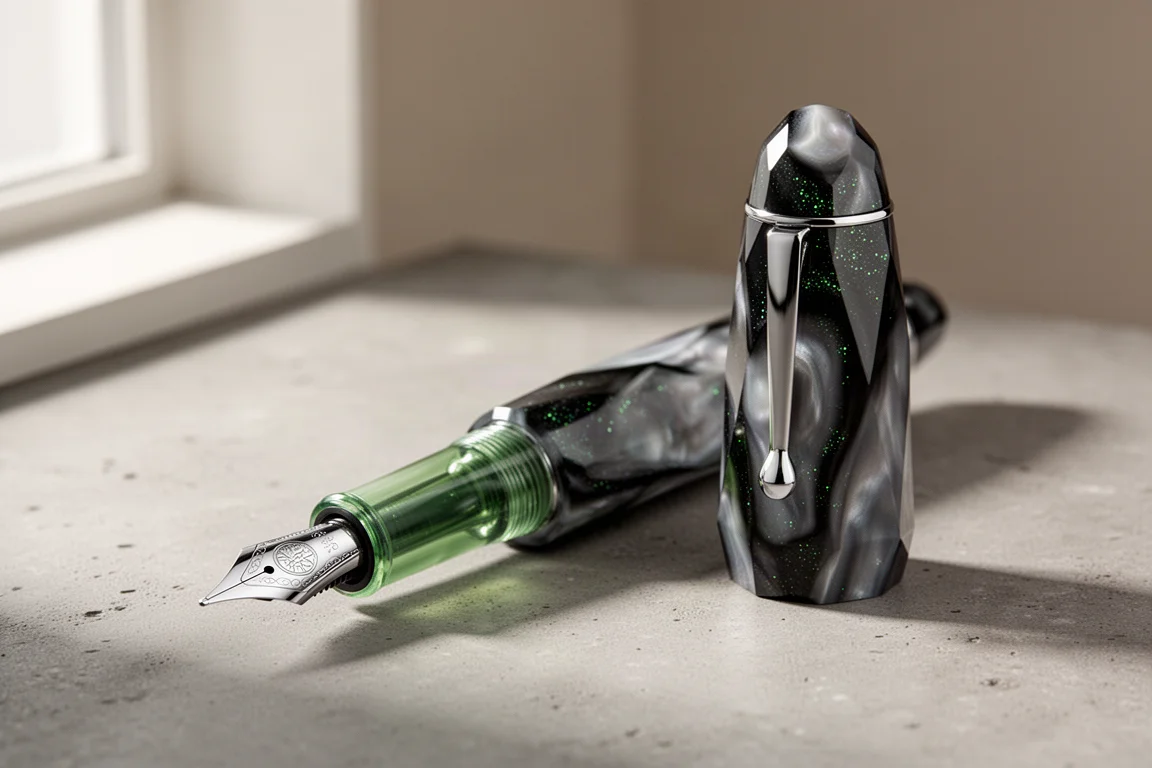
The AstroGem’s shape is deliberately irregular. Some portions are squared, some are faceted, and others are rounded, giving the pen a natural, slightly haphazard look as if it were formed by nature rather than machined. Depending on the model, the resin mixes vibrant colors with embedded shimmer. The Apollo combines deep, vibrant blues with swaths of shimmery red accents, while the Leto uses a black and gray base with shimmery green flecks.
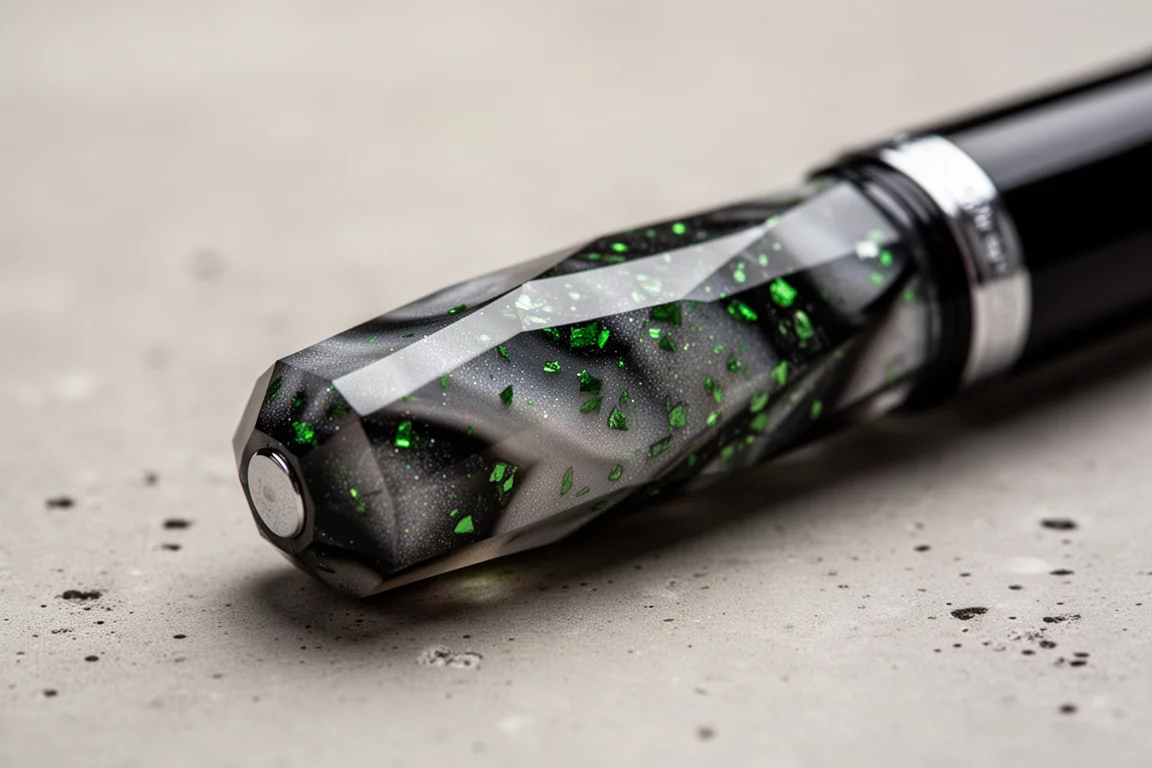
The cap is rounded and bulbous and forms the widest portion of the pen. Benu’s traditional clip carries appropriate tension and can accommodate materials of varying sizes. Near the end of the cap, one facet holds the company name, and it is subtle enough that unless light hits at just the right angle, the branding is easy to miss. A translucent green band sits at the cap’s end, followed by a medium-sized step down to the barrel. The barrel itself is faceted, tapers to a more squared-off end, and finishes with a slight rounding at the very tip.
Cap, Section, and Filling
The cap twists off over roughly three and a half rotations, revealing a number 6 stainless steel Schmidt nib with a prominent B emblem at its center. It is offered in fine, medium, and broad. The section is made from the same translucent green material, beginning with a prominent flare, angling up slightly before the resin threads, then running straight before a medium-sized step up to the barrel.
Because the section material is somewhat translucent, it doubles as an ink window, which makes it easy to keep an eye on your ink level. The section is thick and long enough to accommodate a wide variety of grip styles, and the threads and rear portion are not uncomfortable if your grip comes into contact with them.
The cap posts securely, though the posted profile has a mushroom-like look that will not be to everyone’s taste. Since the pen is already plenty long unposted, most users will likely prefer to leave the cap off. As a cartridge-converter pen, it accepts standard international cartridges, and a converter is included in the box. There is a seam between section and barrel, but the design suggests eyedropper conversion would likely still work, though it is worth verifying with your specific pen before committing to it.
Nib and Writing Experience
The broad stainless steel Schmidt nib on the review unit is generous and wet, laying down a substantial amount of ink with every stroke. Do not expect much line variation from it, but for everyday writing the feed keeps up very well even during fast writing sessions.
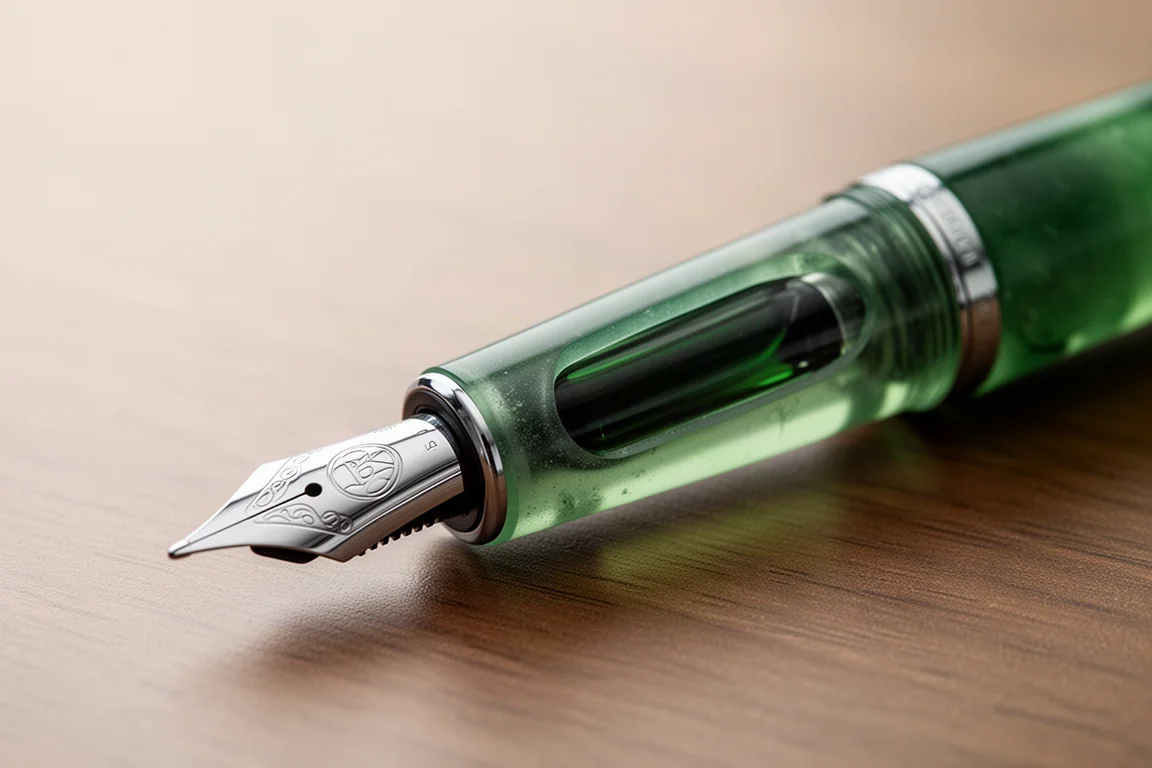
Reverse writing is where the nib shows a weakness: it is a little scratchy, and that is clearly not this nib’s strength. Still, Schmidt’s stainless steel nibs feel somewhat underrated. They are consistent, wet, and pleasant for regular use, and the one on the AstroGem is no exception.
Measurements and Comparisons
Next to other Benu models such as the Euphoria (Steamboat Master), the Talisman Dragon’s Blood, and the Viper, the AstroGem holds its own as a full-sized pen. Compared with non-Benu pens like the Lamy Al-Star, the Faber-Castell Loom, and the TWSBI Diamond 580 Iris, it is comfortably in full-size territory.
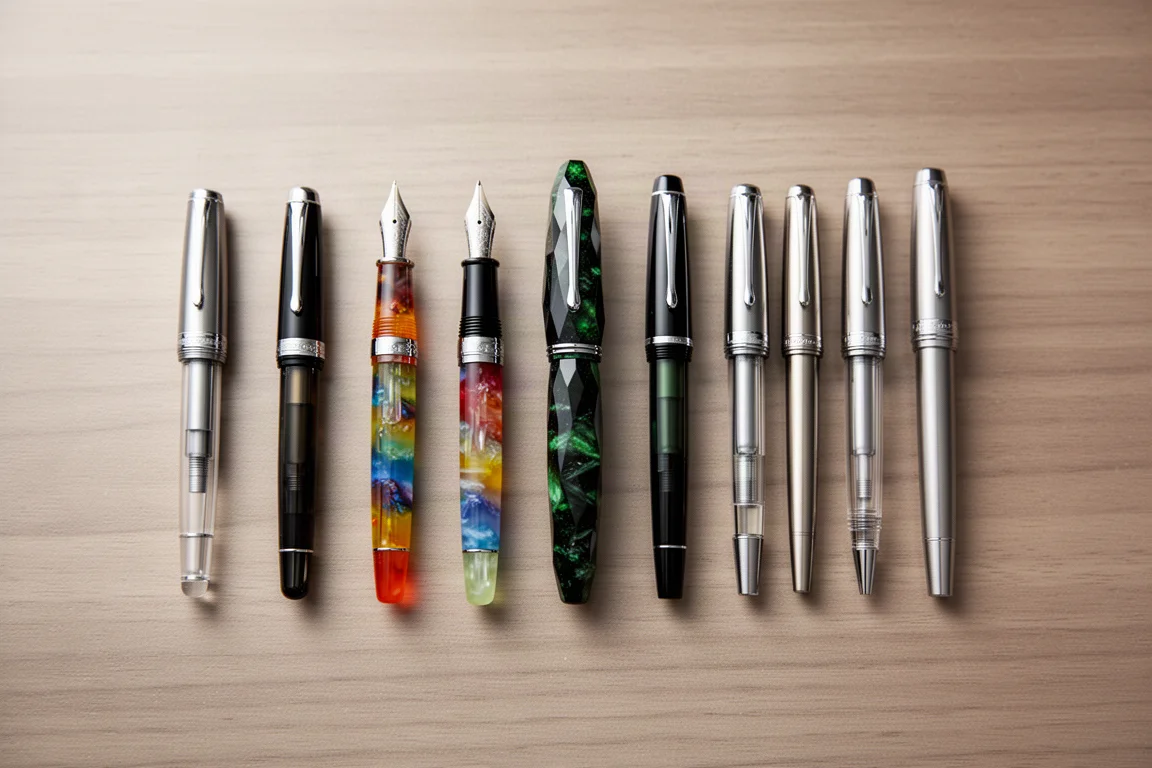
Uncapped, it sits alongside the TWSBI Diamond 580 and Lamy Al-Star in overall presence, though it is smaller than the Euphoria, which is the largest of the compared Benu models. If you already enjoy full-sized pens, the AstroGem should feel familiar in the hand.
Writing Sample and Ink Performance
Paired with a vibrant green ink, the broad nib produces rich, saturated lines with the slight shimmer-friendly flow Benu pens are known for. The nib runs wet and juicy, and the combination of a smooth broad point and generous flow makes the AstroGem feel more premium on paper than its stainless steel nib might suggest.
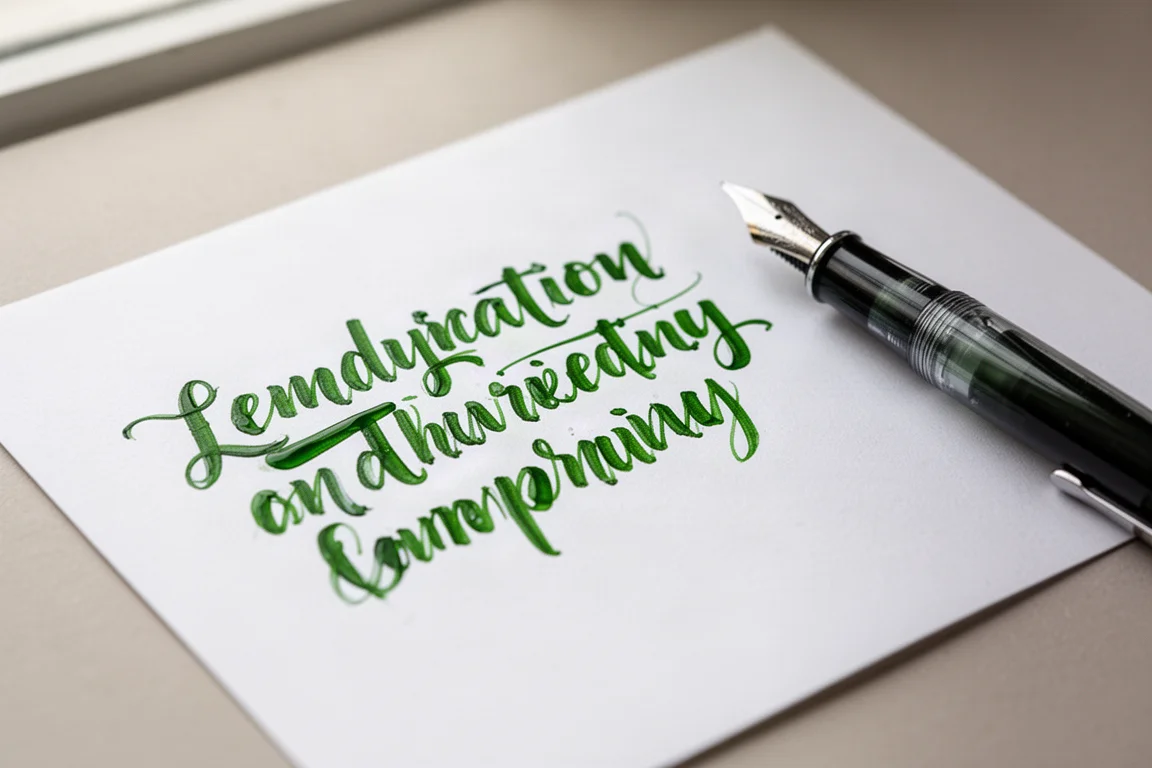
The translucent section means you can watch ink sloshing inside the pen as you write, which is a small but genuinely enjoyable detail. If you favor dry inks, the wet flow of this broad nib will help them feel livelier; if you already use wet inks, expect some longer dry times on absorbent paper.
Things to Consider Before Buying
The AstroGem is not a subtle pen. The mixed facets, rounded bulges, and shimmer-flecked resin are a statement, and the unusual profile will divide opinion. The posted cap balance is awkward enough that most writers will use it unposted, so if you prefer posting your pen, handle that expectation before buying. Reverse writing performance is mediocre, and the stainless steel nib, while pleasant, will not deliver line variation or flex. On the plus side, the price of $175 feels fair within Benu’s broader catalog, and the seven colorways give you real choice, from the blue-and-red Apollo to the green-and-gray Leto.
Buying Advice
Buy the AstroGem if you want a colorful, characterful resin pen with a comfortable long section, a reliable wet Schmidt nib, and a story that few other pens can match. It suits everyday journaling and note writing, especially for anyone who enjoys watching ink levels through a translucent section. Skip it if you prefer understated, classically shaped pens, need a nib for reverse writing, or insist on posting your cap while writing.
Conclusion
The Benu AstroGem is an interesting and refreshing addition to the Benu lineup. The base material feels different from anything the company has used before, trading heavily on pearlescent depth and embedded shimmer without going overboard. Add a wet, generous Schmidt nib, a genuinely comfortable section, and one of the more charming origin stories in the stationery world, and you have a pen that earns its $175 price. For writers who want a daily pen with personality, the AstroGem is an easy recommendation.
Product link
View more details for Benu AstroGem
This product is mentioned in the review. Check the specifications, options, and compatibility before buying.
View more details for Benu AstroGemFurther reading
Related Reviews
Fountain Pens
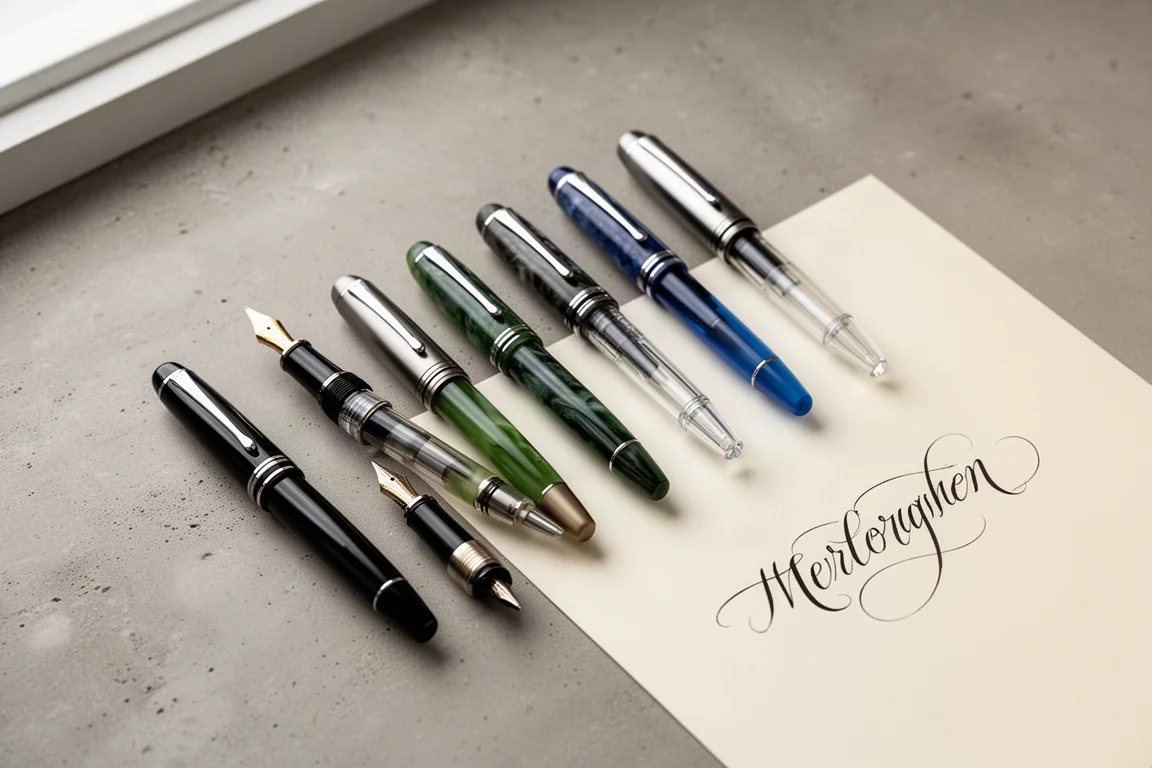
Best Budget Fountain Pens Tested: 9 Pens, One Clear Winner
A hands-on comparison of nine affordable fountain pens for everyday writing, calligraphy, and sketching, with a clear standout for flexible nib fans.
Fountain Pens
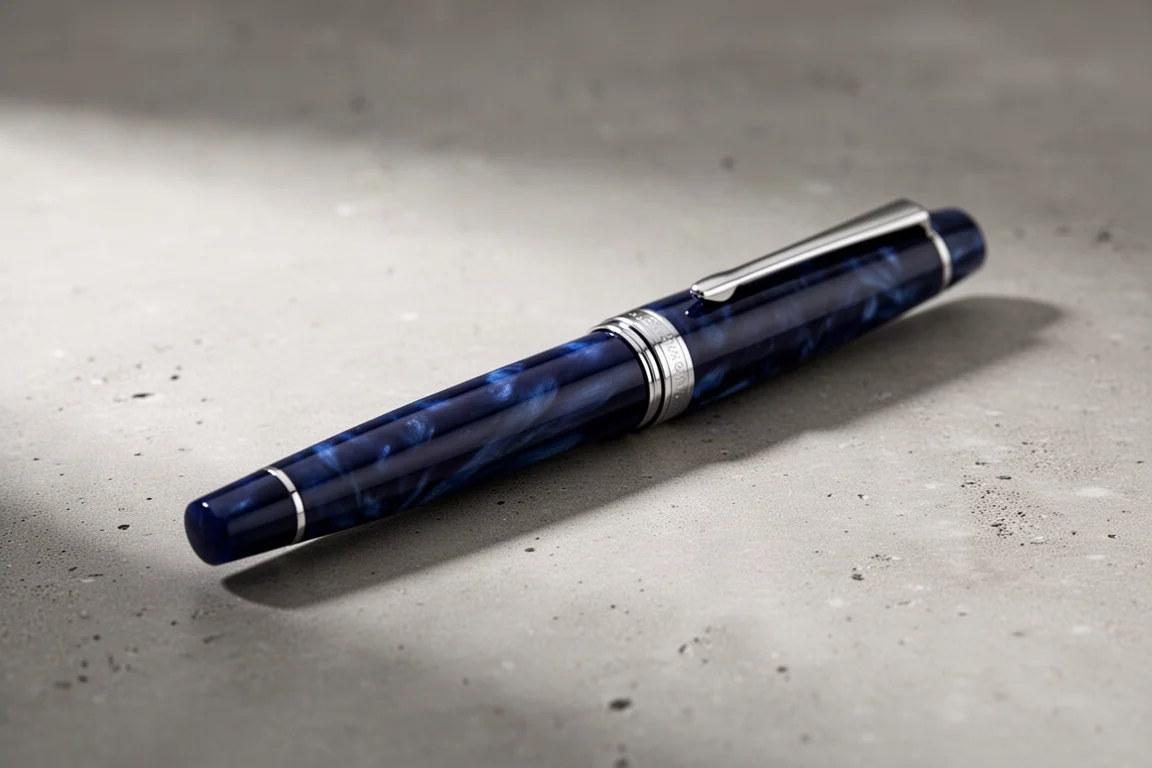
Aurora Optima Review: An Italian Piston Filler That Punches Above Its Price
A 14k gold nib, ebonite feed, and a beautifully deep oraloid body make the Aurora Optima one of the most rewarding piston fillers around.
Fountain Pens
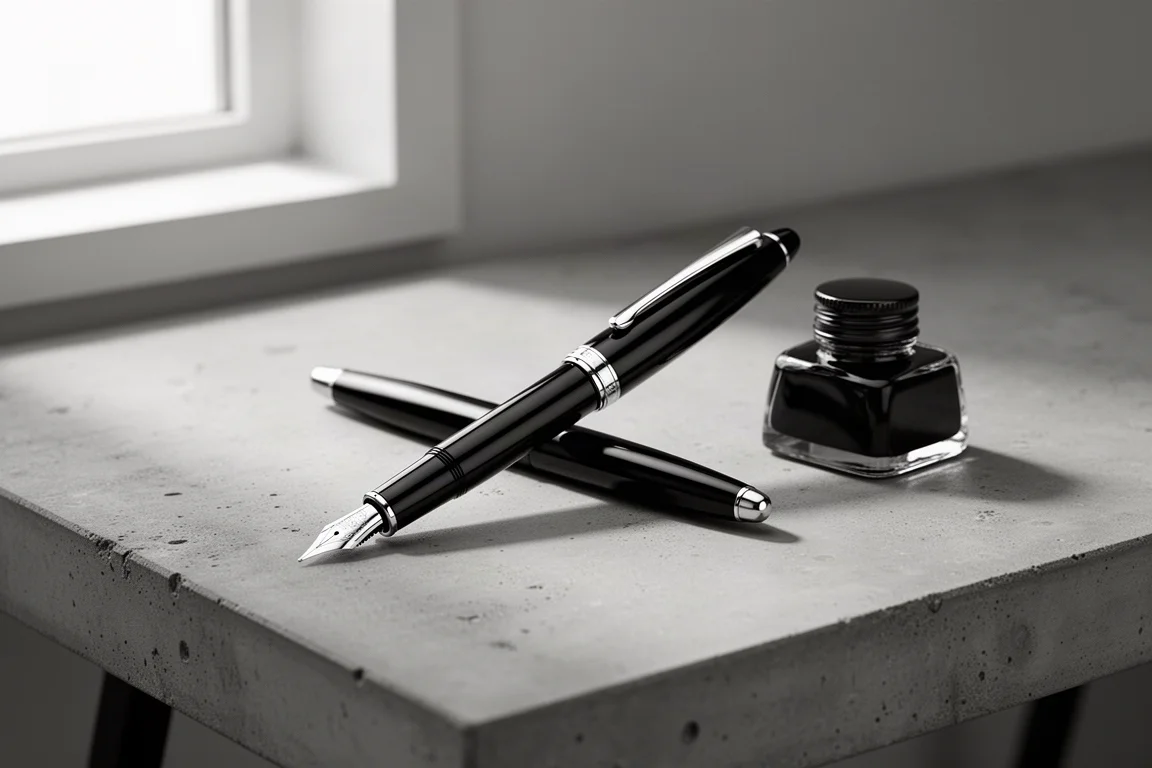
Cross Bailey Light Review: The Entry-Level Fountain Pen Worth Keeping at the Office
A plastic-bodied Cross with a metal clip, snap cap, and famously smooth extra fine steel nib. Around $15, available almost everywhere, and easy to recommend.