Snowboard Bindings
Bent Metal Bolt Review: A Soft, Entry-Level Snowboard Binding
The Bent Metal Bolt brings generous adjustability and a very soft flex at an entry-level price point. Here is who it suits, and where it gives up performance.
Introduction
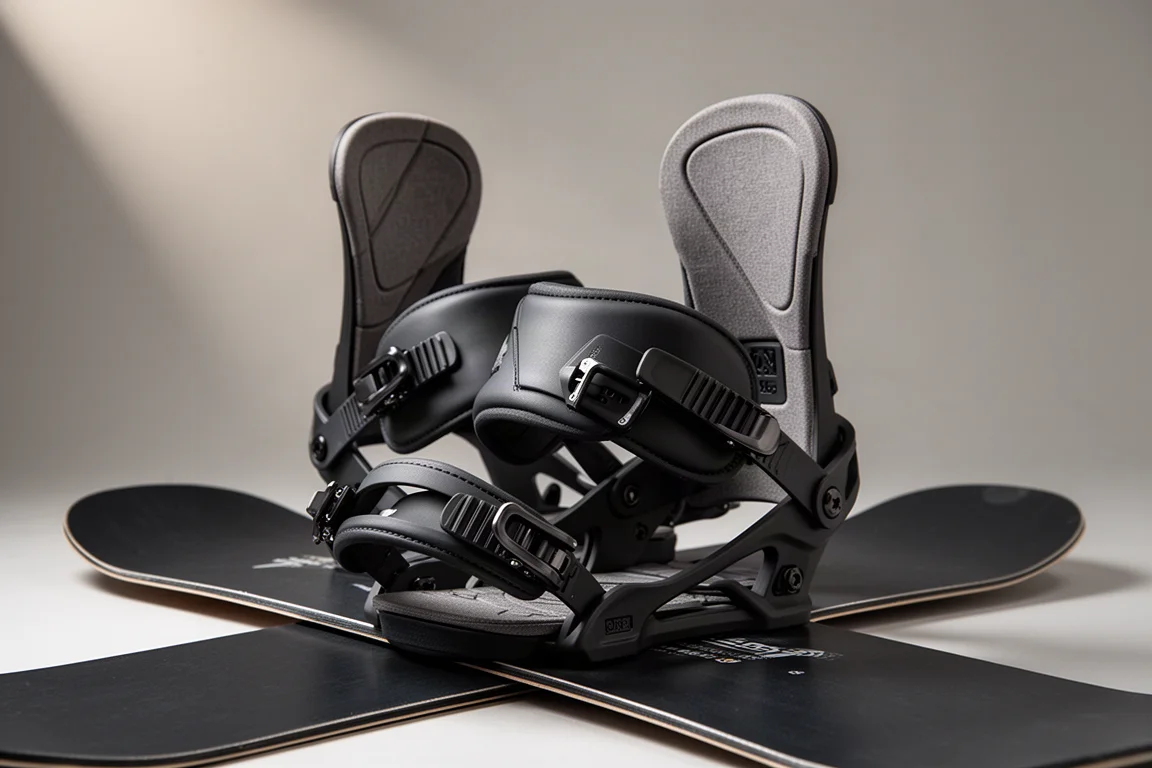
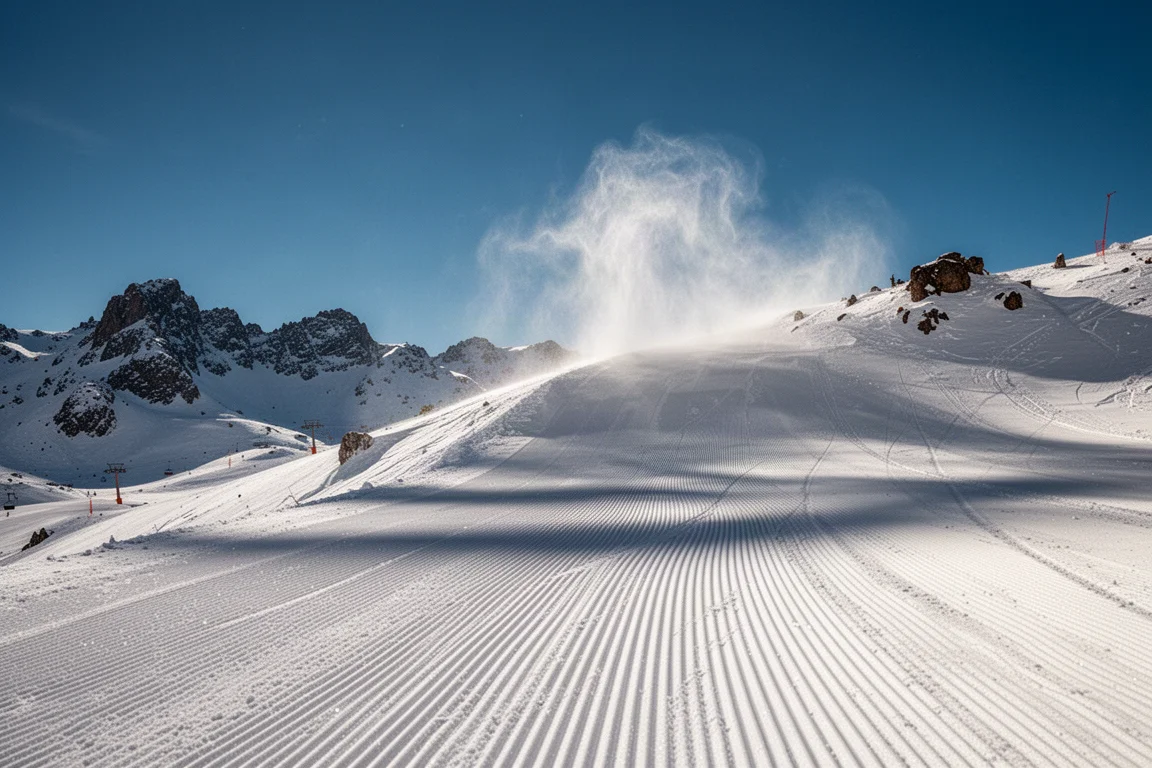
The Bent Metal Bolt sits at the entry-level price point in the brand’s binding range, and it is built around a simple idea: keep the adjustment familiar, keep the flex soft, and keep the cost down. It spent a full day at Arapahoe Basin in warmer temperatures, moderate to high winds at times, and lumpy, choppy snow that softened into lumpy groomers by the end of the day, ridden with a Telos Mike Ranquet snowboard.
That mix of conditions is a fair test for a binding like this. Choppy snow exposes how much vibration a binding passes up through the boot, and soft, slushy groomers show how much drive a rider can put through the high back. The Bolt answered both questions in the same way: it is remarkably soft, and it lets almost everything through.
Who the Bolt Is For
The Bolt is aimed squarely at first-season riders and anyone shopping on price. Bent Metal positions it at the entry-level price point, and the flex reflects that intent. It is easy to press, easy to steer at low speed, and undemanding for a rider who is still working out how much edge pressure to apply. If you are grabbing your first setup off the shelf, this is the kind of binding that will not fight you.
Price-conscious jibbers are the other natural audience. The softness makes the binding feel loose and playful underfoot, and the soft high back folds with you rather than resisting, which suits low-speed freestyle riding and relaxed park laps. The catch is that the same softness becomes a ceiling. Riders with a few seasons behind them will find the Bolt easy to start on and easy to outgrow.
Adjustability and Setup
Forward lean is handled by a block with eight placements: four if you leave it flat, and eight if you are willing to run it at an angle. High back rotation offers three placements. Both toe and heel straps use twist cams so you can lengthen or shorten them and centre them on the boot, and the toe strap adds two points of placement on a pin system, so you can push it down or pull it back depending on whether you want a tighter fit or more room for a bigger boot.
The drive plate is interchangeable with the other drive plates Bent Metal offers, which gives the binding a little room to be tuned later. Beyond that, setup is refreshingly plain. There is nothing here that requires a manual, and nothing that will surprise a rider who has adjusted a binding before.
Main Strengths: Straps, Ratchets, and High Back
The heel strap is the most minimal one on the market today. There is nothing built in to add plushness, and it has a lot of give, so it simply contours around the instep of the boot and lets the boot’s own padding do the cushioning work. The toe strap uses a smaller cutout, which suits a pointy-toed boot well. On a snub-nosed boot it stretches slightly, and it may either fit over the front or crease the side of the boot right where the ratchet sits, so it is worth checking your boot shape before committing.
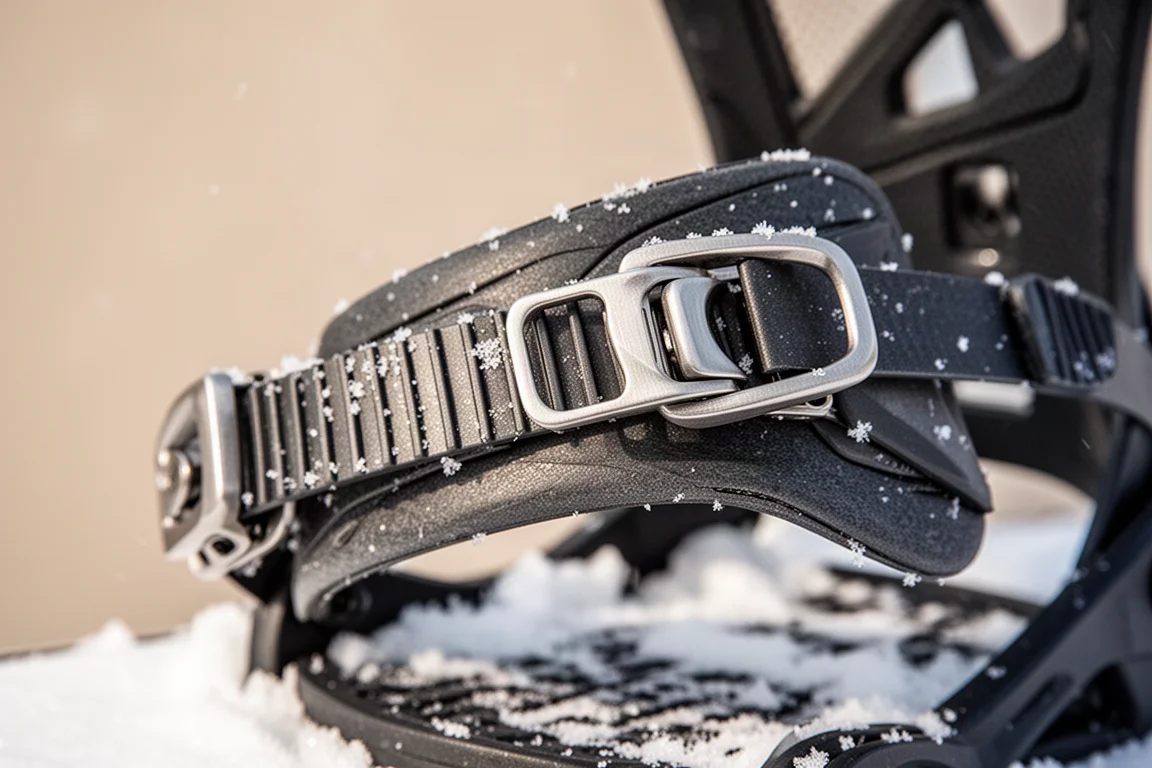
The ratchets were a little sticky early in the day and needed some fumbling to feed the ladder in, then loosened up as the day went on. The heel ratchet has a one-finger quick release while the toe ratchet does not, and the buckle can grip the ladder firmly enough that it needs a harder yank to release, something that eases with break-in. Once engaged, the ladders climb well and stay locked in, which is exactly what a ratchet should do.
The forward lean block is easy to use: twist it and seat it. The high back itself, though, has a great deal of give. Drive into it and there is next to no rebound, because it simply folds with you as you push. A slight wing cups outward for a bit more lateral give. The result is a high back you barely notice, which is comfortable but not supportive.
Ride Feel and Damping
Soft is the only honest way to describe the flex. The straps have give, the high back has give, and even with a regular-size disc there is noticeable lateral play, so the binding rolls from side to side underfoot. It feels like a beginner binding that has been finished to something close to a high-end rental binding.
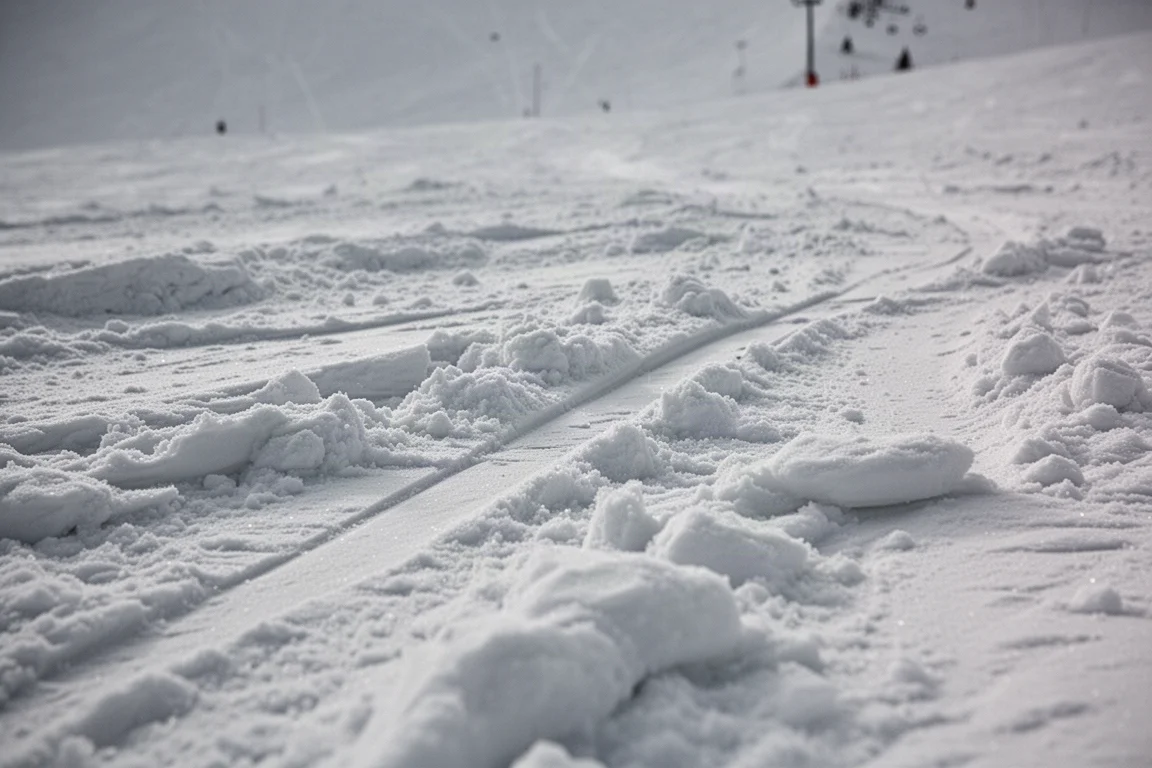
Damping is where the Bolt is weakest. It is extremely lively and it does not absorb vibration at all, so you feel every lump, every chopped-up pile, and every refrozen track through the sole of your boot. On a warm, soft day that is tolerable. On firm or heavily tracked snow it becomes tiring, because the board and the binding are both sending the terrain straight back up at you.
Things to Consider Before Buying
The trade-off for all that softness is that the Bolt is the least forgiving binding in its class. You lose power and drive as energy moves through the flex instead of into the board, and the result is a looser, sloppier feel underfoot. That is genuinely helpful for a rider who is still finding their balance and does not want a binding that punishes every input. It is frustrating for a rider who knows what they want from an edge.
There is also a hardware detail worth knowing about. The heel ladder is very loose and tends to flop down out of the way rather than staying where you put it, and tightening it does not fully solve the problem. It is a small annoyance rather than a failure, but it is the kind of thing you notice every time you step in.
Finally, budget for the boot match. A snub-nosed boot can crease at the toe strap ratchet, and the very soft flex means the binding offers limited support for anyone carrying a heavier build or riding aggressively. Match it to a softer boot and a relaxed riding style and it makes far more sense.
How It Compares and Buying Advice
The Bolt sits alongside established entry-level options such as the K2 Indy, the Burton Mission, and the Ride C4, and it competes on price and simplicity rather than on performance. Its standout quality is adjustability for the money, with the forward lean block, high back rotation, twist-cam straps, and interchangeable drive plate giving a new rider plenty to dial in.
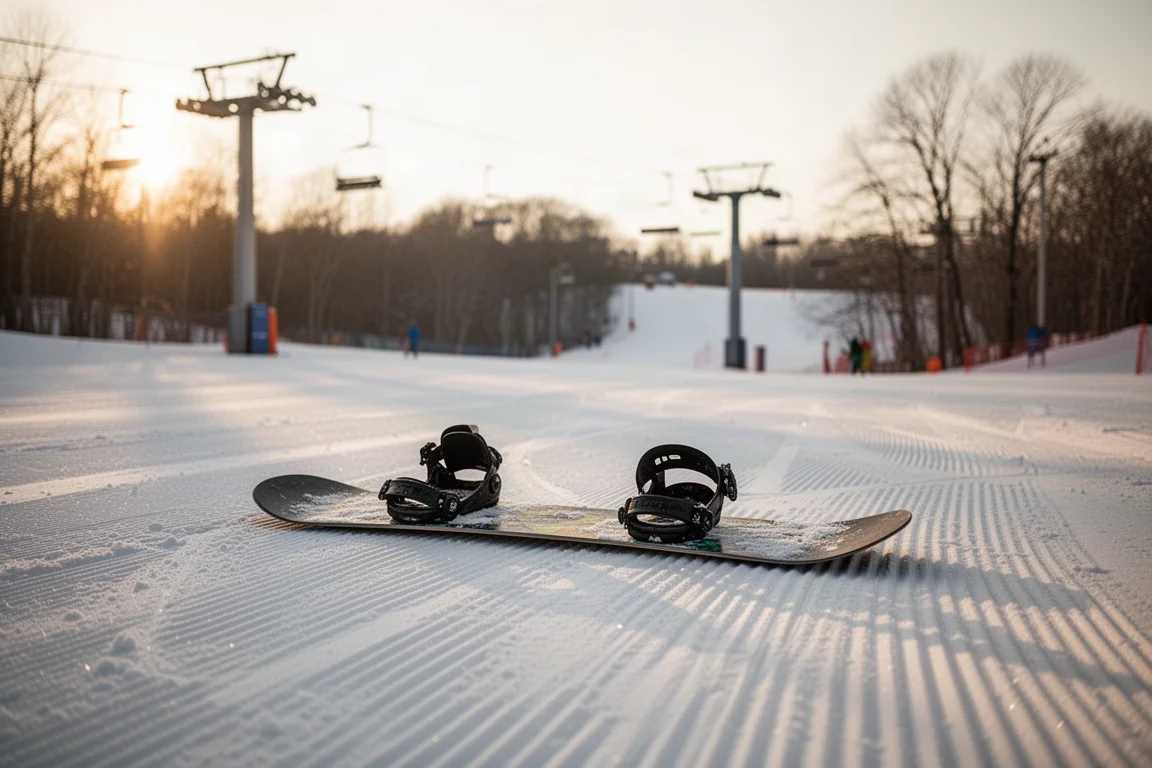
For someone just starting out, the honest verdict is that the Bolt is probably great. It is soft, it is forgiving of messy technique, and it will not punish a rider who is still learning how to load an edge. The catch is the horizon: most riders will quickly outgrow it once they start asking for more drive and a calmer ride. A price-conscious jibber who wants a loose, playful feel and rides mostly soft snow will get more mileage out of it.
If you already know you want power transfer, rebound from the high back, and a binding that filters out chop, spend your money elsewhere. The Bolt is a starting point, not a destination, and it is best bought with that expectation.
Conclusion
The Bent Metal Bolt does exactly what an entry-level binding should do: it is affordable, simple to set up, and soft enough to flatter a new rider. Its adjustability is a genuine strength at this price, and the minimal straps keep things uncomplicated. What it cannot do is dampen, support, or deliver drive, so experienced riders will feel its limits within a run or two. Buy it as a first binding or a relaxed freestyle option, and it will serve you well. Buy it expecting performance, and you will be shopping again next season.
Product link
View more details for Bent Metal Bolt
This product is mentioned in the review. Check the specifications, options, and compatibility before buying.
View more details for Bent Metal BoltFurther reading
Related Reviews
Snowboard Bindings
2024 Union Ultra Snowboard Bindings Review: A Cushy, Freestyle-Focused Favorite
Two seasons on the 2024 Union Ultra: a lightweight, tweakable freestyle binding with standout comfort, a damp molecular bushing, and thoughtful hardware fixes.
Snowboard Bindings
32 Team Phase Binding Review: A Fast Entry Binding Built for Freestyle Laps
The first binding from 32 uses the Phase chassis for quick step-in entry with a softer, freestyle-leaning flex. Here's how it performed on the snow.
Snowboard Bindings
Arbor Cypress Snowboard Binding Review: A Laid-Back Cruiser That Can Charge
A closer look at the Arbor Cypress binding's adjustability, strap feel, and that oddly tall highback before you decide to buy.