Ski Gear
Beginner Ski Gear Mistakes: Four Smart Picks That Get It Right
From thin wool socks to the right ski width, four products that help new skiers avoid the most common gear mistakes.
Introduction
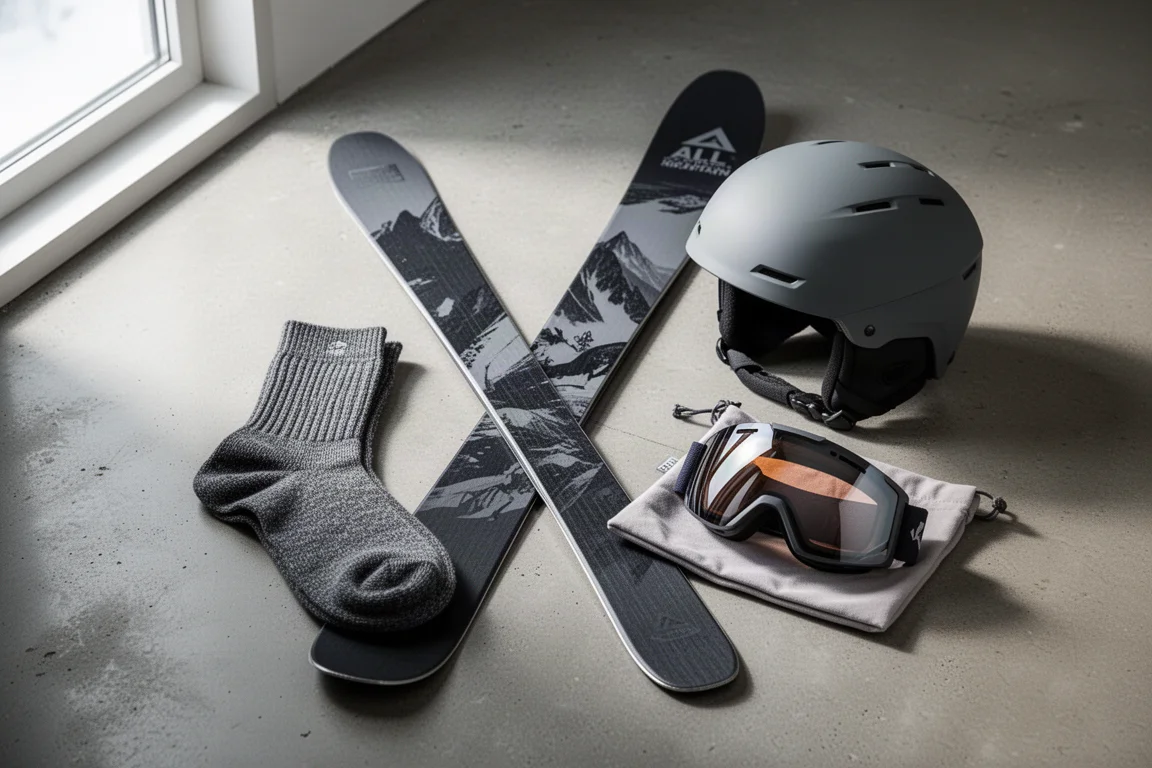
Getting into skiing is expensive and a little overwhelming. Between lift tickets, rentals, and a mountain of niche advice, it is easy to make gear decisions that quietly ruin your days on snow. The good news is that most beginner mistakes are predictable and avoidable: thick bunched-up socks, skis that are too long or too wide, helmets bought second-hand, and boots sized for comfort instead of control.
This guide walks through the most common beginner ski gear mistakes and highlights four products that get the fundamentals right, so your money goes toward skills instead of fixes.
Why beginners get gear wrong
New skiers optimize for the wrong things. They want comfort, they want a ski that “does everything,” and they want gear that will last six years. The problem is that skiing skills stack like blocks: without a solid base on easy, forgiving equipment, every skill built on top sits on wavering ground.
A better approach is simple. Buy a short, easy-turning ski for your first year or two, wear thin smooth socks, get boots fitted properly, and spend on a well-made shell you can layer. Small choices, big difference in how fast you improve.
Used gear: what to buy and what to skip
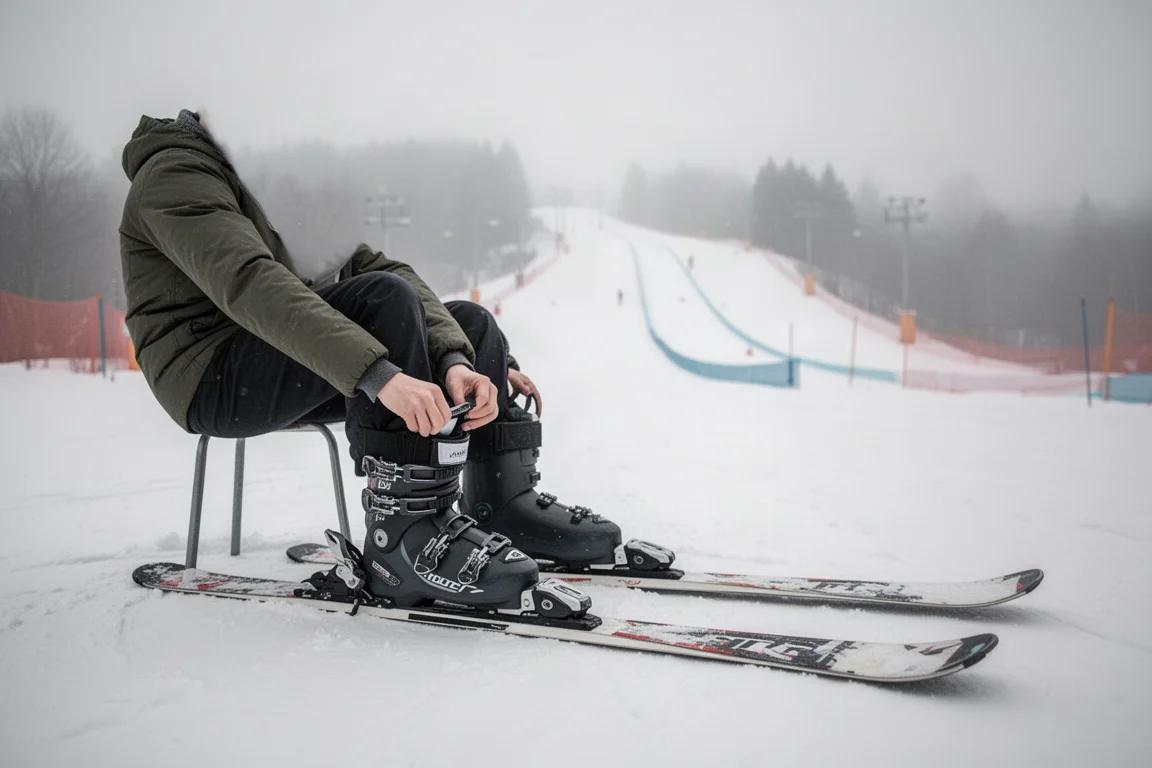
Buying used can be a great way into the sport, but not for everything. Poles, jackets, gloves, and even ski boots (assuming they fit correctly) are often excellent second-hand finds. Kids’ gear especially can be had at deep discounts.
The clear exception is helmets. A helmet is a one-impact safety device, and you have no way of knowing what kind of crash a previous owner took. Once it takes a big hit, it is essentially toast. Look for a new helmet with MIPS, which helps offset rotational forces on the brain, and buy it in summer when last season’s models sell at steep discounts, often for about the same price as a used one.
Ski bindings on used skis deserve caution too. Older bindings may not be safe or correctly sized for your boots, and a check-up costs money. Many listings are a decade old and priced near new. Often, buying last year’s model new during summer sales ends up the same price or cheaper.
Ski socks: thin, wool, and smooth
This one surprises everyone. Most people buy ski socks that are far too thick, and some even wear cotton. Thick socks bunch up, create pressure points on your shins, cause heel blisters, and can wreck the fit of an otherwise perfect boot. The ski boot is the single most important piece of equipment you own, and a cheap pair of socks can undo it.
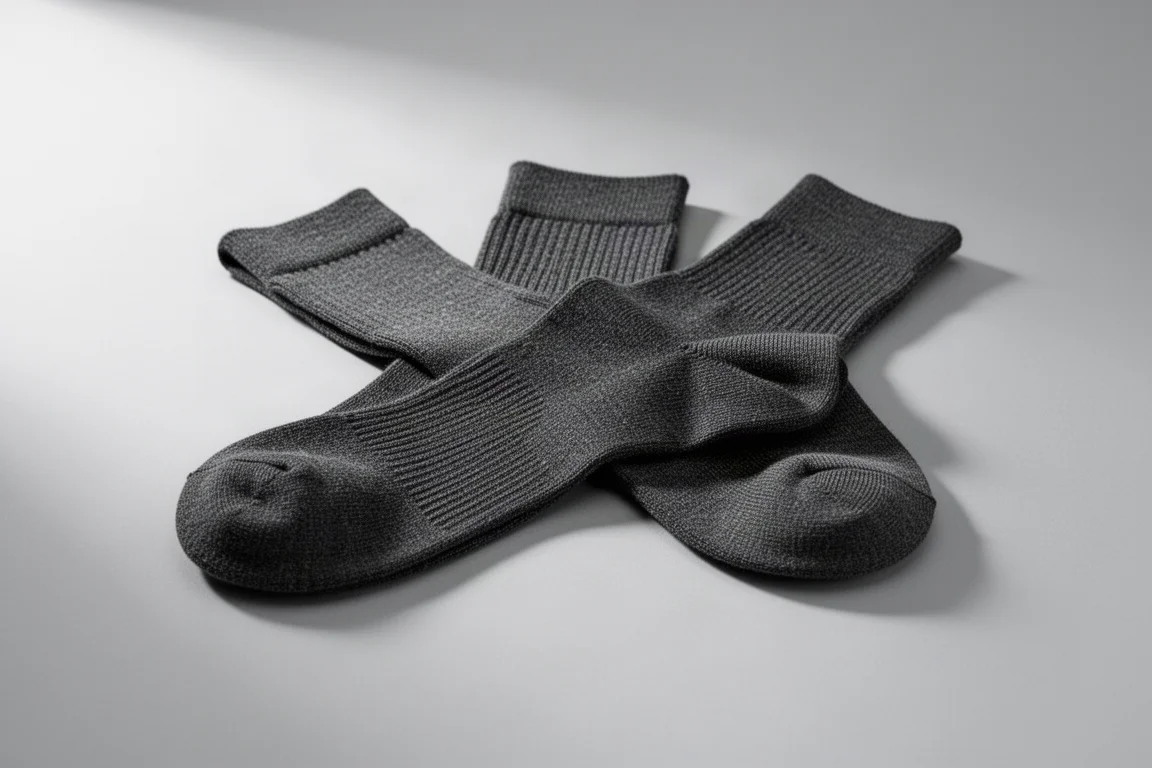
The right choice is a zero-cushion, ultra-thin wool sock pulled tight so it connects cleanly with the boot. SmartWool Zero Cushion is a strong pick here: minimal stitching, no surface texture, and a smooth connection against your shin. Keep a dedicated pair or two in your ski bag and an extra pair for emergencies, because nothing ruins a day faster than an ankle sock under a boot shell.
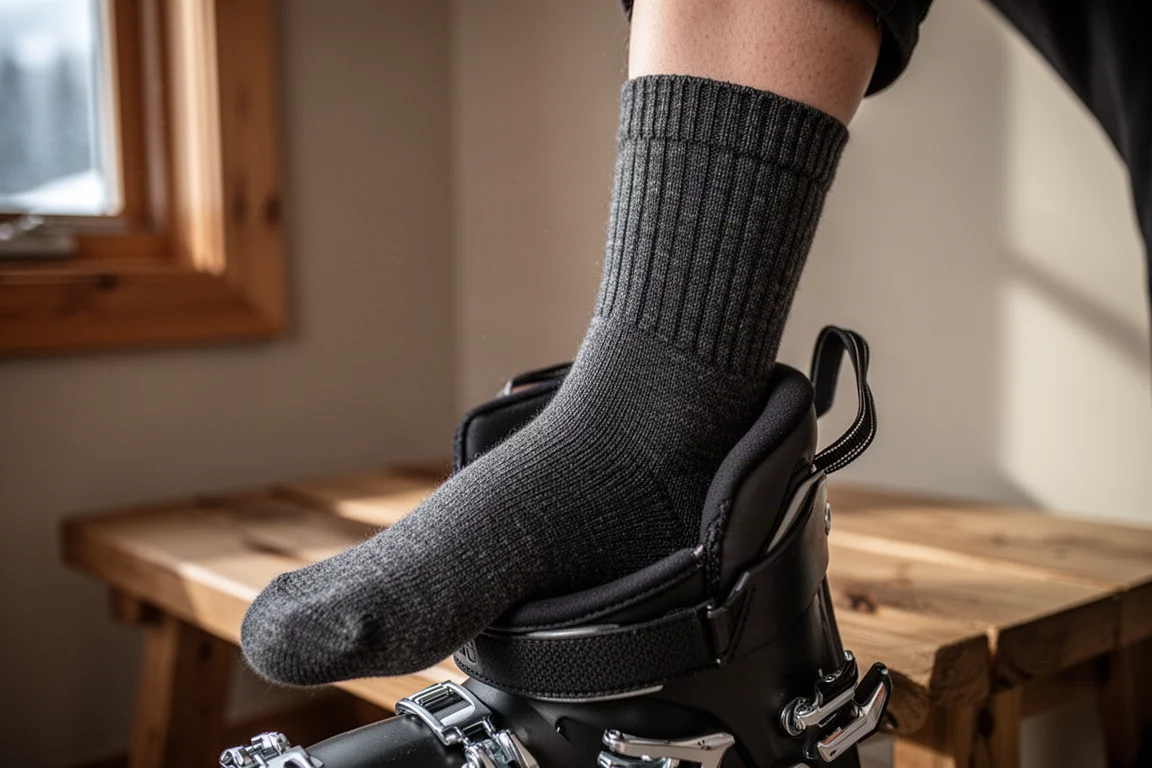
For a simple, affordable fix that protects the most important piece of gear you own, this is the easiest upgrade on the list.
Ski length, width, and the one-ski question
Two related mistakes dominate here: skis that are too long and skis that are too wide.
Length first. Beginners often size up, a habit carried over from childhood “grow into it” thinking. But a long ski takes more time and speed to turn, which is exactly what a learner does not have. A slightly shorter ski initiates turns easily and lets you go edge to edge at low speeds. It is not an ego decision; it is the fastest route to solid fundamentals.
Width is the same story. The idea that wider always means better mostly applies to build quality, not width itself. A beginner does not need a 100 mm ski that tries to do everything. You want something short, carvy, and accessible, and if you are heading into the intermediate phase, a narrower all-mountain ski makes far more sense for learning.
The one-ski-quiver idea sounds efficient, but a do-everything ski limits how quickly you develop. Get a beginner-focused ski for a year or two, build the base, and then expand.
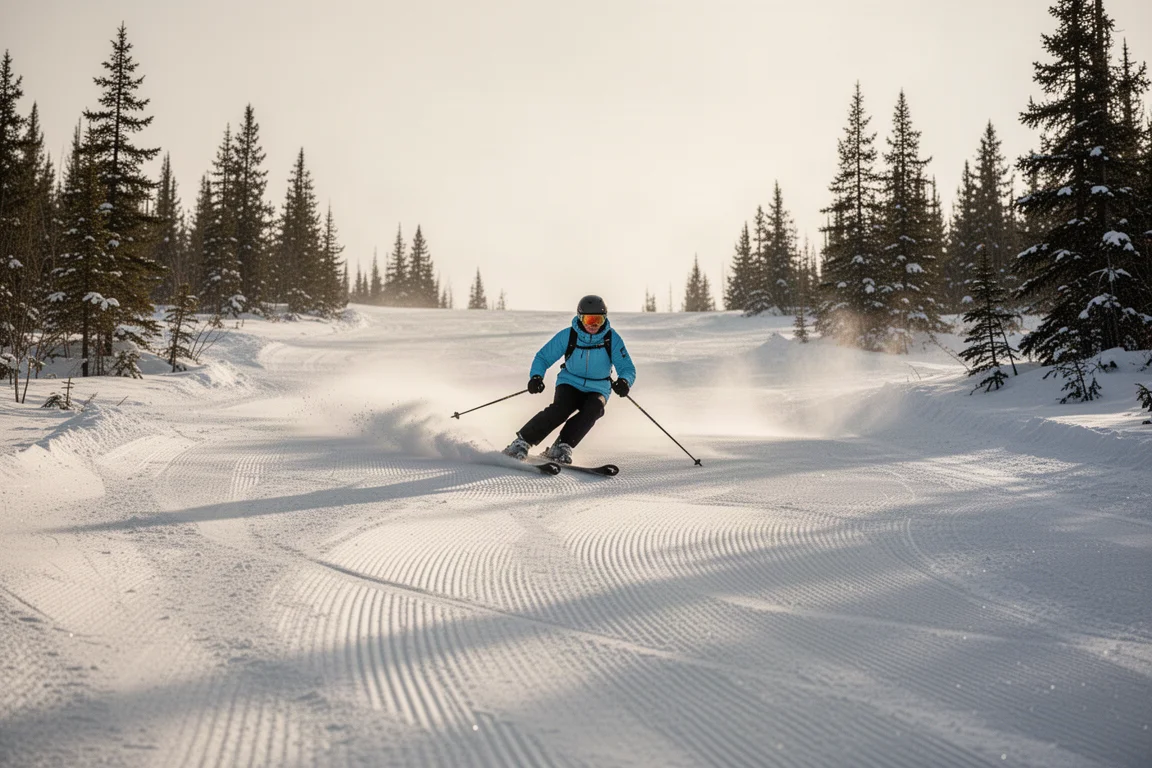
Atomic Bent 100
The Atomic Bent 100 is a do-everything all-mountain ski, and that is precisely why it is not the right first ski. It is a capable tool once your fundamentals are in place and you want one ski that can handle varied terrain, but new skiers will find more width than they can use. Think of it as a second-year or later purchase rather than a first ski.
View more details for Atomic Bent 100
Atomic Bent 120
The Atomic Bent 120 is even further into the specialist category. On a groomed hardpack day with dull edges, a ski like this is not just unhelpful, it can be genuinely dangerous. Powder skis are wonderful on the limited days they suit, but for a beginner those days are rare, and deep snow can actually be less safe and harder to learn on. Demo one if curiosity strikes, but do not make this your only ski early on.
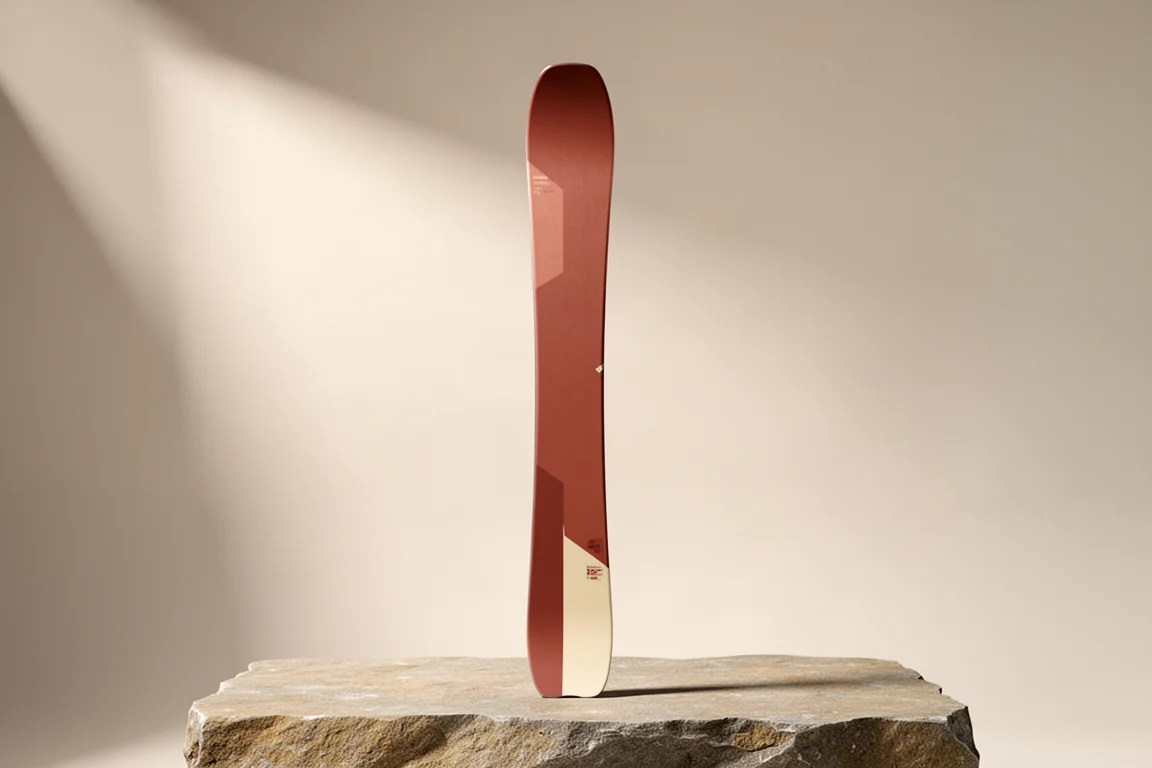
Line Ripstick 88
For skiers moving into the intermediate phase, a narrower all-mountain ski like the Line Ripstick 88 makes a lot of sense. It keeps edge-to-edge transitions manageable while still giving some off-piste accessibility, which is exactly the balance you want while fundamentals are still forming. It supports the walk-before-you-run approach instead of fighting it.
Boots, base layers, and lessons
A few more mistakes are worth covering even though they do not come with a featured product.
Ski boots too big: this is extremely common. Coming from a summer in sandals, people walk into a shop wanting comfort, then end up with boots their feet slide around in, losing toenails and building up heel spurs from the back-and-forth. Go to a trusted boot fitter and trust the sizing they recommend. A quick self-check: roughly two and a half to three fingers behind the shell, depending on fit.
Cotton base layers: the old saying “cotton kills” exists for a reason. Cotton holds moisture, drops your core temperature when wet, and never dries. Skip it entirely, including cotton sweatpants under snow pants, which bunch in the boot and create a whole new set of problems. Good merino wool or synthetic base layers regulate temperature, dry fast, and do not get funky. Ibex, Icebreaker, and Smartwool all make excellent options, and affordable synthetics exist too.
Lessons from friends and significant others: unless your friend is a certified instructor, this almost never works well. Skiing well is not the same as teaching skiing, and the “dropped at the top of the hill, good luck” story is both dangerous and a common reason people quit the sport. Lessons at a small, local hill with a T-bar are more affordable and perfectly sufficient for learning. And under no circumstances take ski lessons from your partner. You are cold, sore, frustrated, and self-conscious; nobody is in a good head space for coaching. Save the relationship.
Getting there safely matters too
Two final mistakes happen before you even click into a binding. First, buy your season pass as early as possible. Passes only go up in price, never down, and early purchase windows often start in late winter for the following season. Mountains sell out of some affordable pass types entirely, like discounted night-skiing passes, so early buyers get both the best price and guaranteed access.
Second, take goggle care seriously. Leaving goggles on your helmet and tossing both in the back of a truck scratches lenses and grinds oil and grit into them, which is impossible to clean. A fogged or compromised goggle can cause vertigo in storms or flat light. Wipe them, bag them, and hang them overnight to air out moisture. Cheap goggles that are cared for beat expensive goggles that are abused.
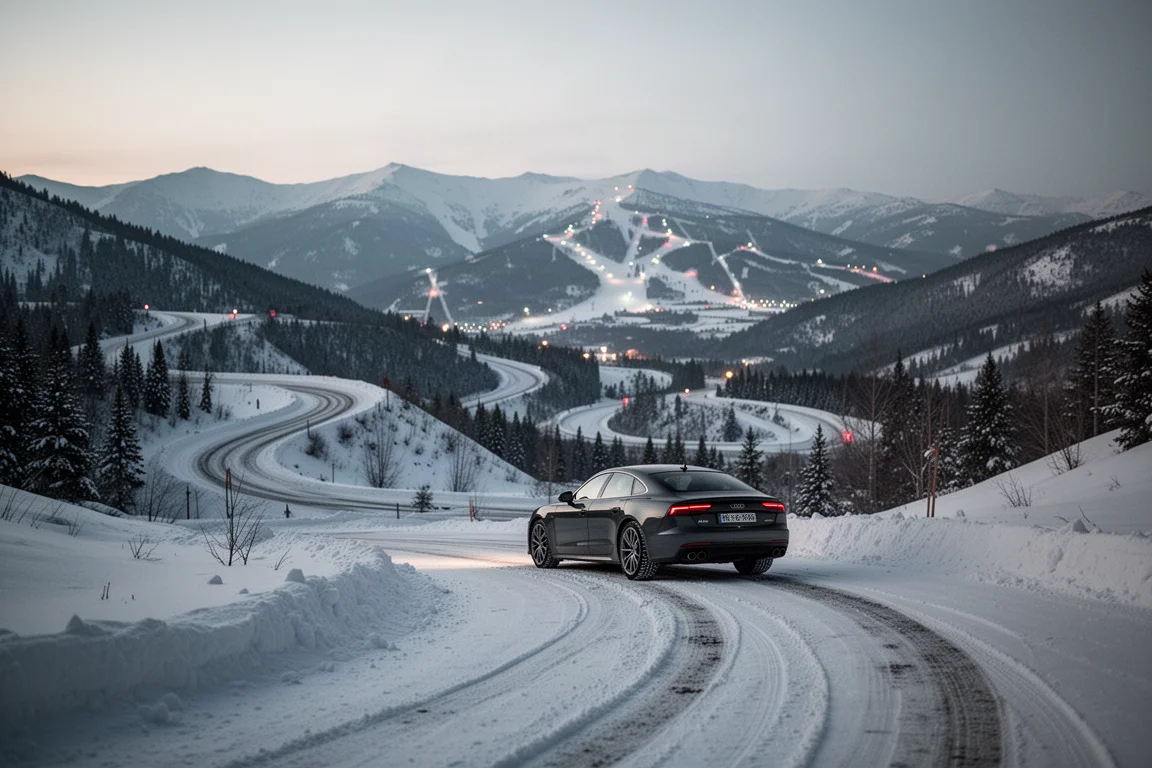
Then there is the drive itself. A large SUV with summer tires has no traction on packed snow, no matter what it cost. All-wheel drive helps, but snow tires are the critical piece for getting up mountain switchbacks and home again. No amount saved on tires offsets a totaled car.
Finally, the number one beginner habit worth breaking: only skiing on fresh powder days. Fresh snow is actually not ideal for learning, it can be too deep, it can hide hazards, and the crowds make everything harder. Off-peak days give you emptier groomed runs, often discounted tickets, and a full range of snow conditions to train on. Spring skiing, milder temps, fewer layers, fewer people. That is where beginners actually get good.
Conclusion
Most beginner gear mistakes come down to one theme: buying for the skier you wish you were instead of the one you are. Thin SmartWool socks protect your boot fit, a shorter narrower ski builds fundamentals faster than a wide do-everything plank, and specialist skis like the Atomic Bent 100 and Bent 120 belong later in your progression. Add a properly fitted boot, a merino base layer, a MIPS helmet bought new, and low-hype ski days, and you will improve faster while spending less.
Further reading
Related Reviews

Ski Gear
2023 Blizzard Hustle vs Rustler: Six Freeride Skis Compared
Blizzard's 2023 Hustle collection rebuilds the Rustler shape with a lighter core and no metal. Here is how all six skis differ, and which one suits your riding.

Ski Gear
2023 Skis of the Year: Atomic Maverick 88 TI, Salomon QST 106, and Look SPX 12 Pro
Three standout ski picks for all-mountain carving, powder days, and reliable binding performance, with practical buying notes for 2023 models.

Ski Gear
2025 Nordica Enforcer 104 Review: A Directional Charger Replaces the 104 Free
The 2025 Nordica Enforcer 104 drops the Free name and the twin-tip personality, gaining weight, stiffness and composure in rough snow. Here is what changed and who it suits.