Outdoor Gear
Bear Canisters Compared: BV450, BV500, Grub Can, and Ursack Almighty
A practical comparison of four backcountry food storage options, from compact hard-sided canisters to a lightweight soft-sided sack, and how to match one to your trip.
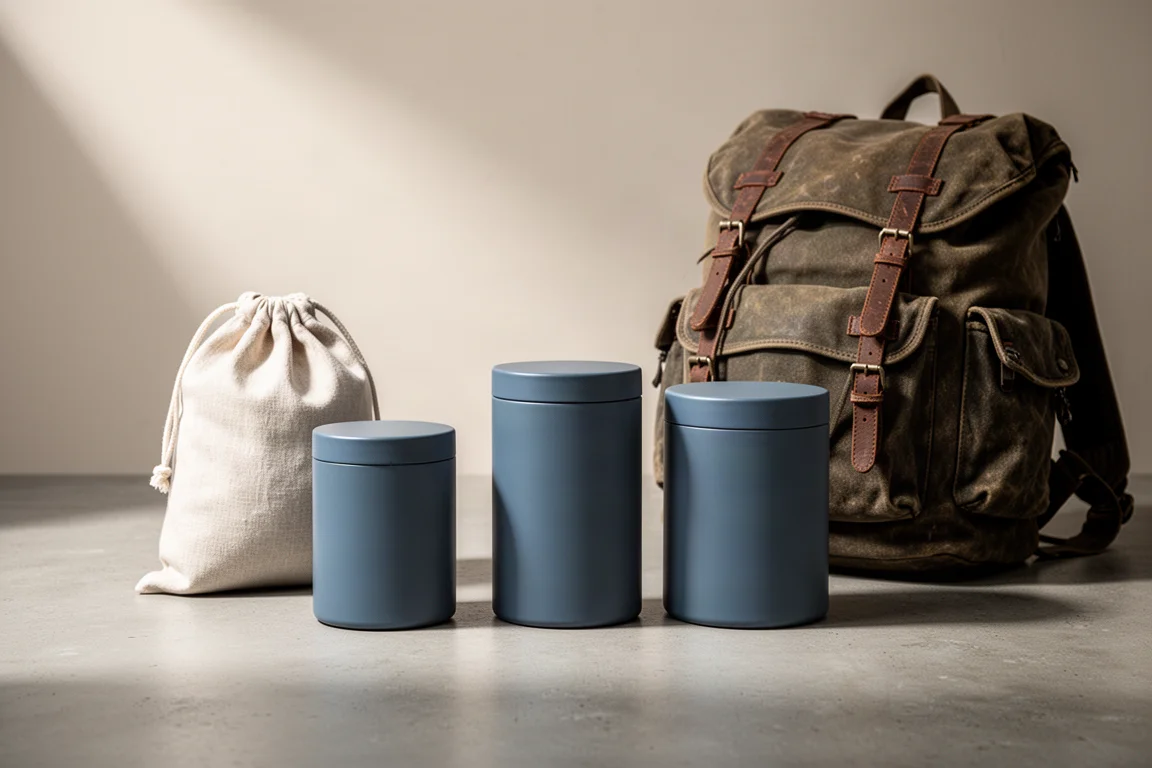
Introduction
The spec sheet for a bear canister gives you a number in liters, and that number tells you surprisingly little about how many freeze-dried dinners and snack bars will actually fit inside. A four liter canister and a three liter canister can look nearly identical on paper, yet what one person eats over two days can look nothing like what another person eats over the same two days.
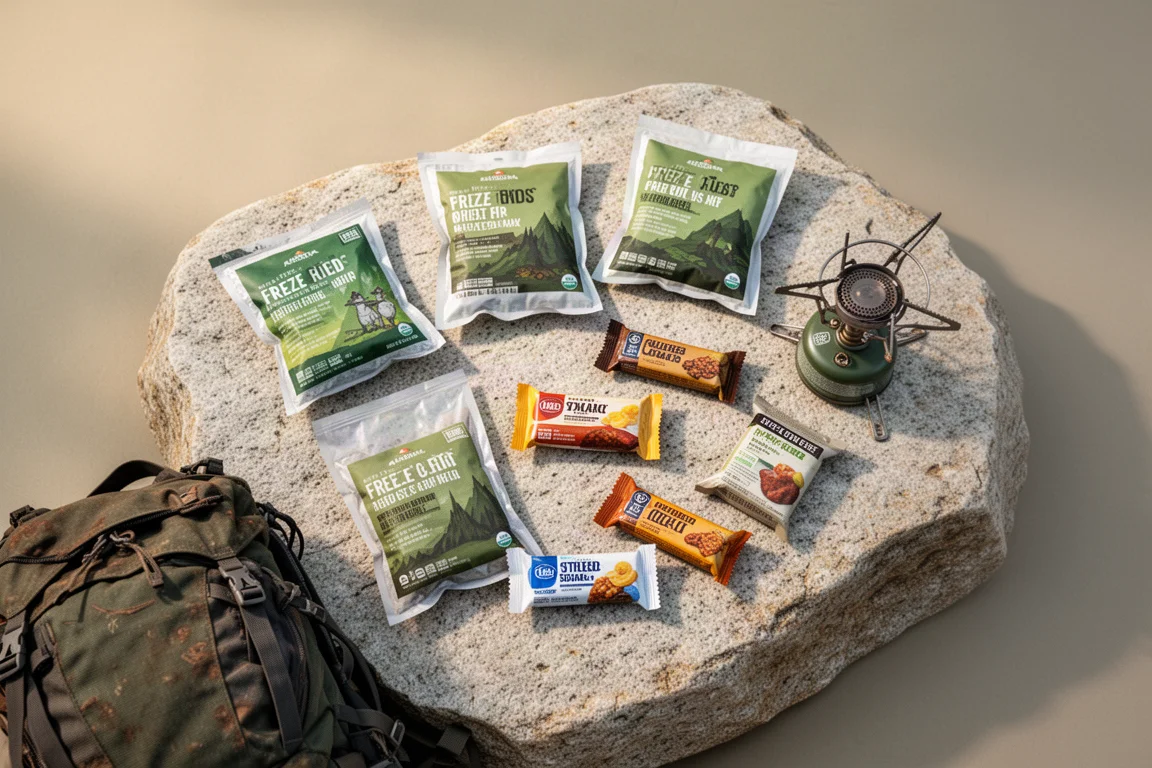
That is the practical question this comparison works through. Four widely used backcountry food storage options are covered below, all filled with the same real menu of freeze-dried meal pouches and bars, so the differences come down to shape, weight, and where each one is actually permitted.
What Matters Most in a Bear Canister
Capacity in real meals beats capacity in liters. The useful measurement is how many of your own dinners, breakfasts and snacks fit inside, because dense bars and bulky pouches occupy space very differently.
Park approval is the first filter. Areas that require canisters publish their own approved lists, and hard-sided models are the common baseline. Soft-sided options are accepted in some places and not others, so the park website is always the final word before you commit.
Shape and packability matter as much as volume. A long, slim cylinder slides into a backpack far more easily than a short, wide one, even when the two hold a similar amount of food.
Weight and bulk are the permanent trade-off with hard-sided storage. You carry the protection whether or not you ever need it, and a heavier canister is felt on every climb.
There are other approaches too. A bear hang is a traditional option, and some hikers sleep with their food, though that is not a method worth recommending when better storage is available.
BearVault BV450: The Compact All-Rounder
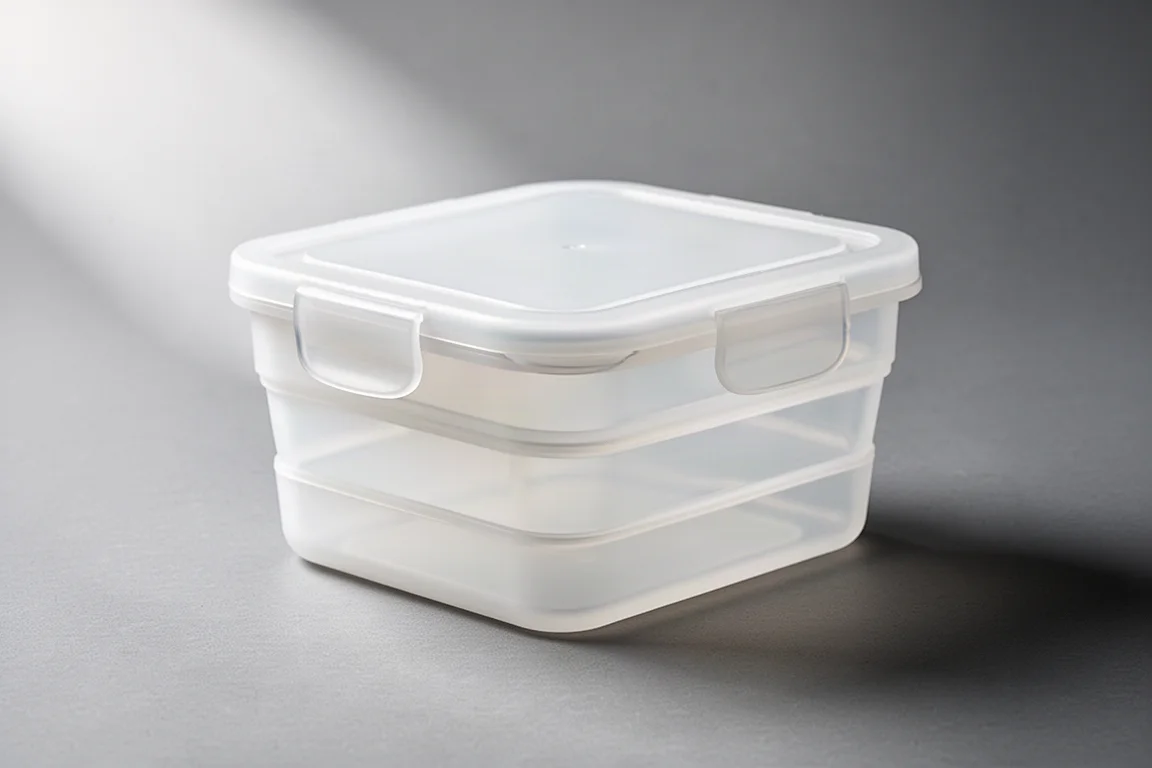
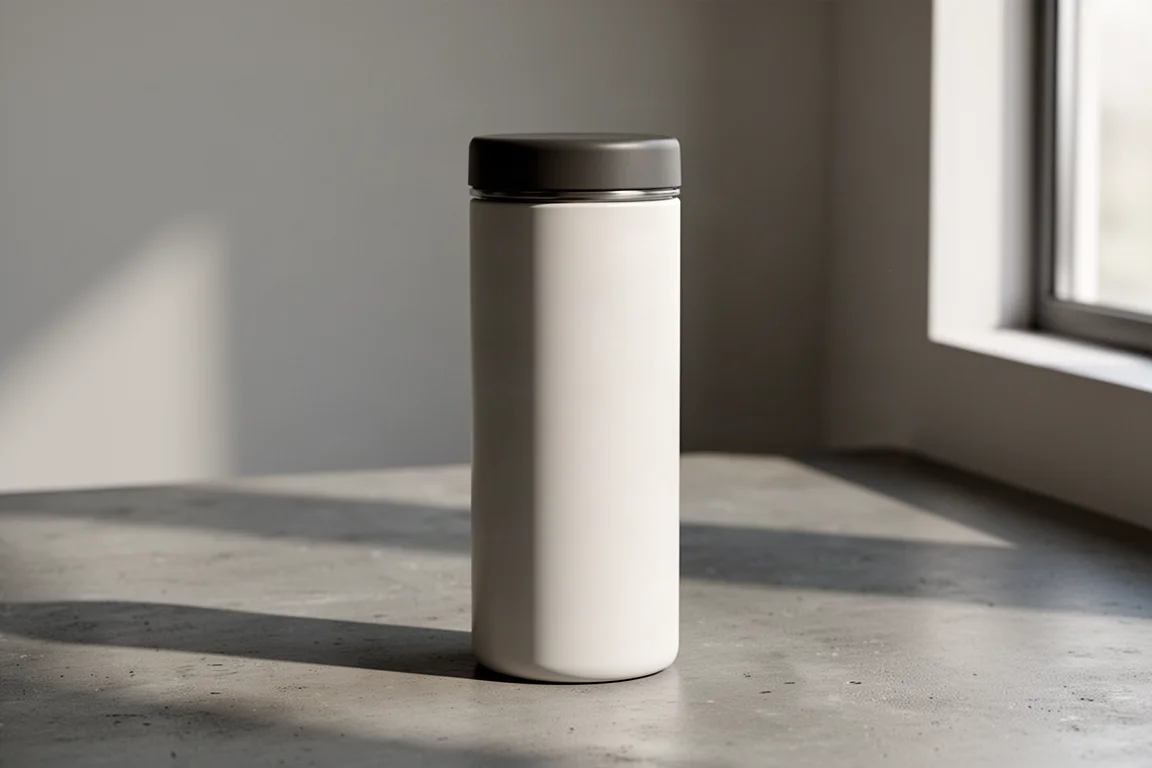
The BearVault BV450 is the smaller of the two BearVault models here and the shape most people picture when they think of a bear canister: a circular cylinder with a lid that snaps tightly shut and seals the contents in. It drops into a backpack, carries well enough on a multi-day trip, and is one of the most commonly accepted canisters in the parks that require them, which makes it a strong value for anyone who hikes in regulated areas.
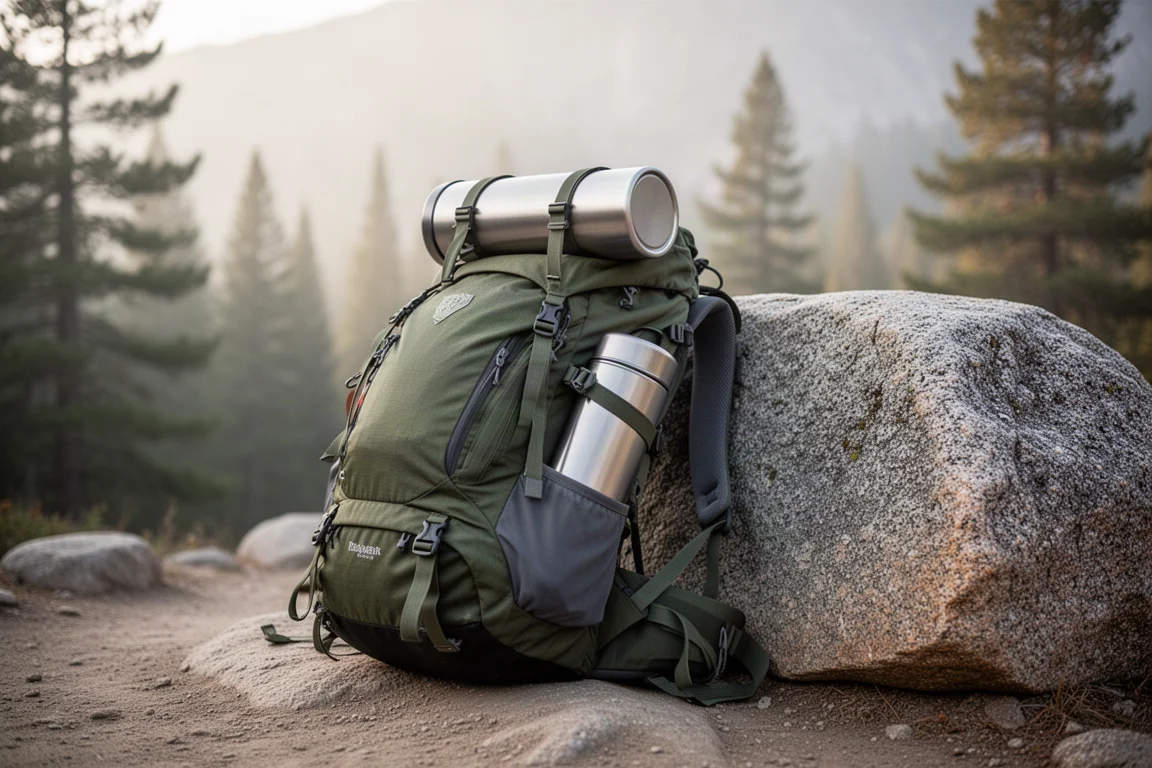
Its drawbacks are the classic ones for hard-sided storage. It is a little heavy and a little bulky in a pack, and while the marketing suggests it doubles as a camp seat, that is more of a consolation than a feature. What it does deliver is dependable, durable food protection that has proven itself over many seasons of use. How many days of food it covers depends entirely on your menu, so plan around your own meals rather than a generic day count.
BearVault BV500: More Capacity for Longer Trips
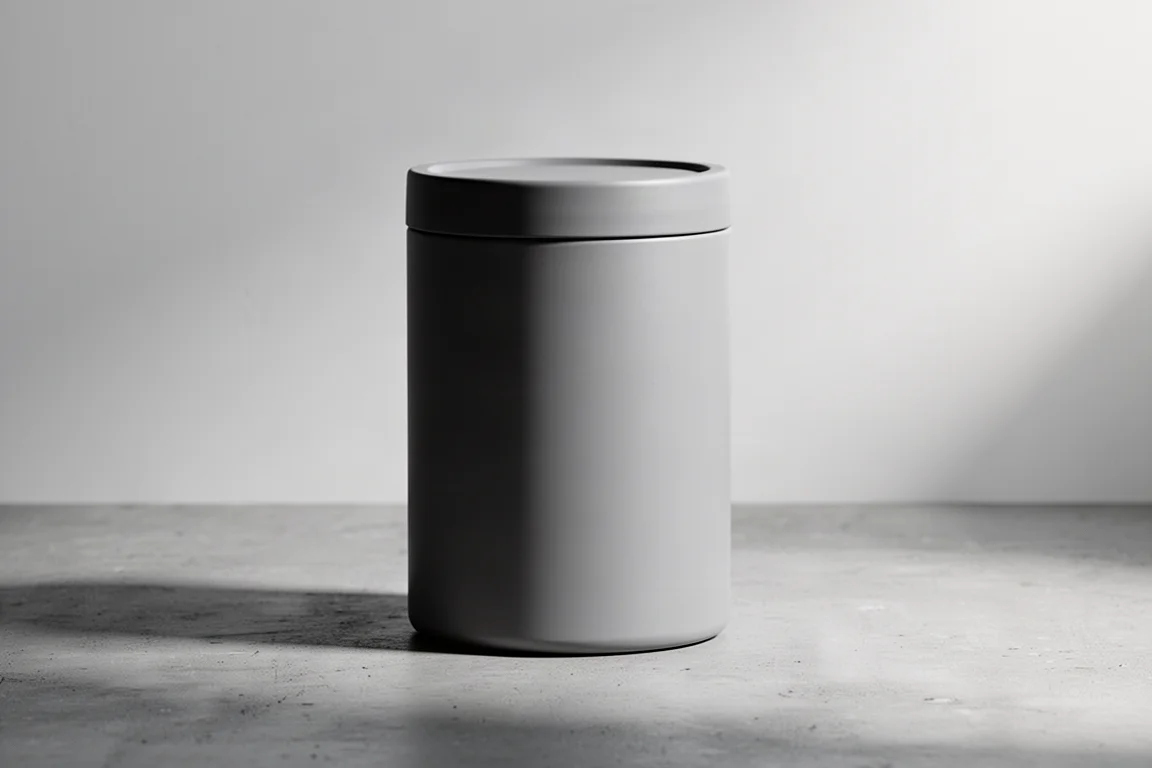
The BearVault BV500 is the larger version of the same design, sharing the snap-tight lid, the cylindrical body and the broad park acceptance of its smaller sibling. The extra room is the whole point: it suits longer trips, bulkier menus, or anyone who would rather not spend the evening playing food-storage Tetris.
The trade-offs scale with the size. It takes up noticeably more room in a pack and adds weight, so it makes the most sense for hikers whose trips are long enough to justify the extra capacity on every step.
Grub Can: The Slim Cylinder Option
The Grub Can takes a different approach to the same problem. Instead of a short, fat cylinder, it is built as a long, narrow one, and that single change makes a real difference when you are loading a backpack. A slim container slides into a pack much more easily than a wide one of comparable volume, which matters on trips where every litre of pack space is already spoken for.
It is a less familiar name than the BearVault models, so it is worth confirming approval for your specific destination before you rely on it. For hikers who have struggled to fit a bulky canister alongside the rest of their kit, though, the shape alone can be the deciding factor.
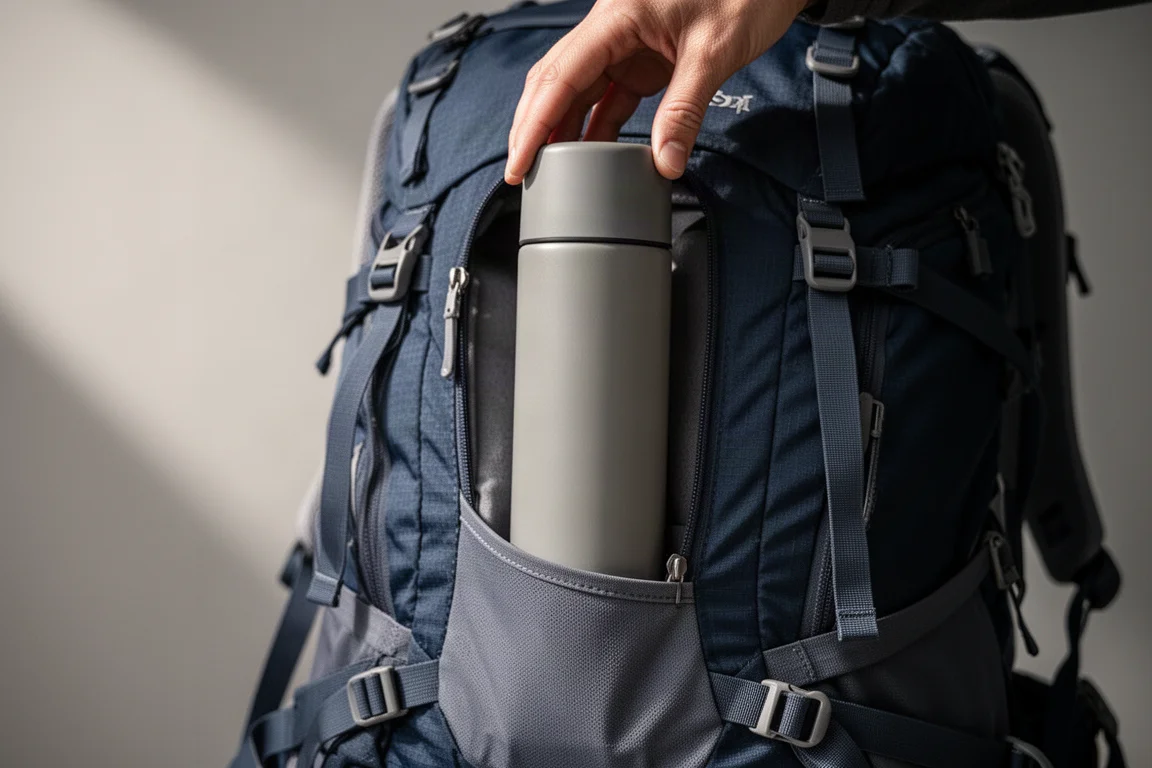
Like any hard-sided canister, it protects food from both large animals and the smaller ones that are far more likely to investigate your camp. Its capacity, as with the others, depends on what you pack.
Ursack Almighty: Lightweight Soft-Sided Storage
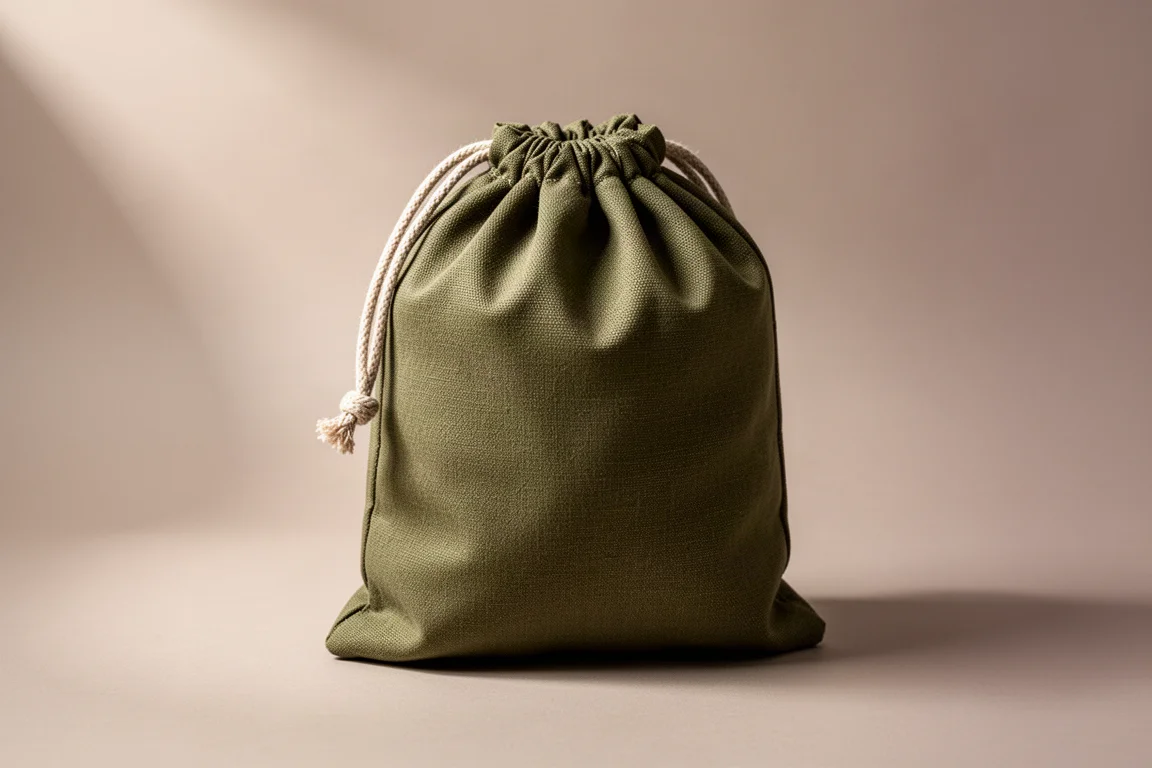
The Ursack Almighty is not a hard-sided canister at all, and that distinction drives everything about it. It is a scratch and bite resistant sack that you tie to a tree, designed so that animals cannot tear into it or carry it away. In many parks it is not an approved food storage method, though it is accepted in some, so checking the park website before you go is essential rather than optional.
What it offers in return is weight. It is dramatically lighter and far more packable than any hard-sided option here, which is why it remains popular with hikers who cover long distances and feel every gram. It is also a genuinely useful answer to rodents, which in most backcountry camps are a far more common threat to your food than bears are.
Buying Advice: Matching Storage to Your Trip
Start with the rules, not the gear. Check the approved storage list for the specific park or wilderness area you are visiting, because a canister that is perfect in one place may not satisfy the requirement in another. If a hard-sided canister is mandated, the BearVault models are the safe, widely accepted choice and the Grub Can is worth confirming individually.
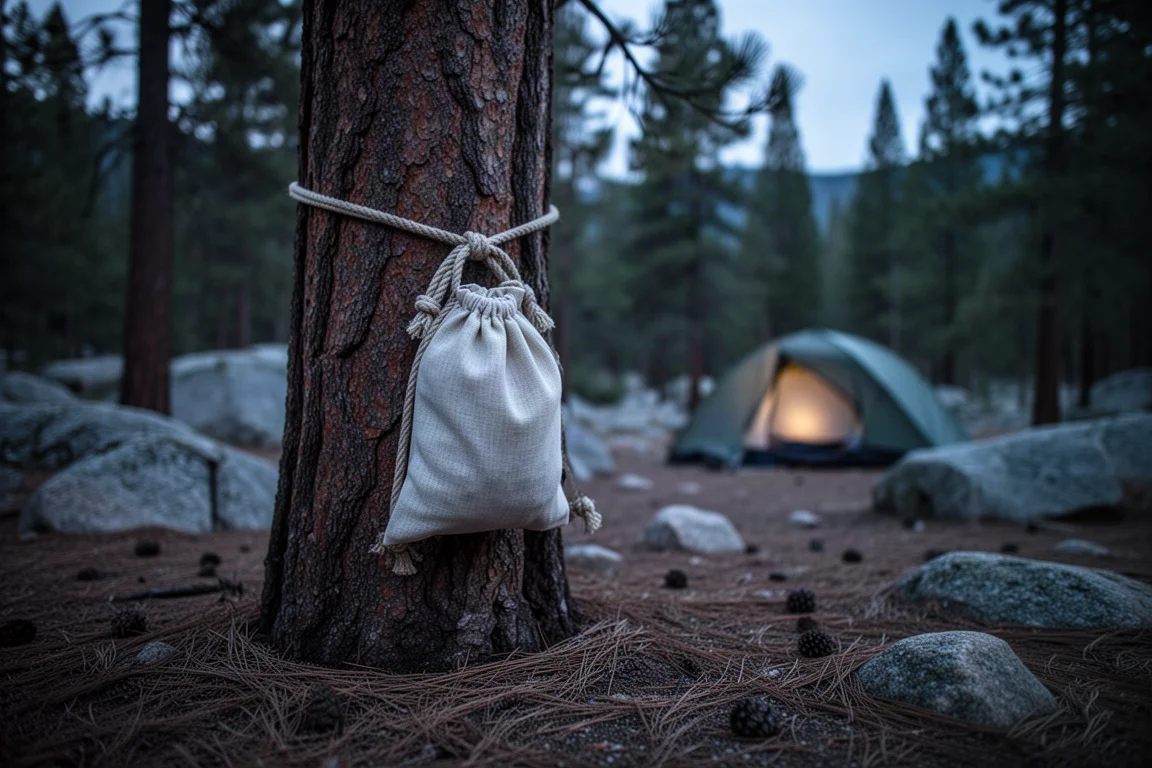
Then match capacity and shape to the trip. Shorter outings and tighter packs favour the compact BV450 or the slim Grub Can, longer trips and generous menus favour the larger BV500, and weight-focused hikers who are permitted to use soft-sided storage will find the Ursack Almighty the lightest option by a wide margin. Whatever you choose, plan around your own menu rather than an advertised day count, since the food you carry is the real variable.
Conclusion
There is no single best answer here, only the storage method that matches your destination’s rules, the length of your trip and the way you pack. A hard-sided canister buys certainty and broad acceptance, while a soft-sided sack buys weight savings where regulations allow it. Confirm the rules first, then choose the shape and capacity that fits the food you actually eat.
Further reading
Related Reviews
Outdoor Gear
Backpacking Gear Evolution: 100 Years of Technology Compared
We tested backpacking gear from 1925, 1975, and 2025 across a three-day hike in Yosemite. Here's how technology has transformed comfort, weight, and the outdoor experience.
Outdoor Gear
Best Affordable Hiking Watches: Five Rugged Options for Outdoor Adventures
Five durable hiking watches that balance ruggedness, functionality, and value for outdoor enthusiasts who need reliable GPS tracking and weather resistance.
Outdoor Gear
Best Backpack Coolers 2026: Five Practical Options for Outdoor Adventures
Five backpack coolers with distinct cooling capabilities, storage features, and design trade-offs to help you choose the right one for your outdoor needs.