Running Shoes
Bayer Recharge Review: A Grounded, Sustainable Running Shoe With Real Trade-Offs
The Bayer Recharge combines vegan, bio-based materials with unique grounding technology, but its firm ride and 300g weight demand a specific kind of runner.
Introduction
Sustainable running shoes have historically come with a familiar warning: expect compromises. The Bayer Recharge arrives with an unusual pitch, combining recycled and plant-based materials with conductive grounding technology that aims to reconnect your body with the ground underfoot. On paper it sounds like a lot for one shoe to deliver, so the real question is whether it runs well enough to earn a place in your rotation.
Design and Sustainable Materials
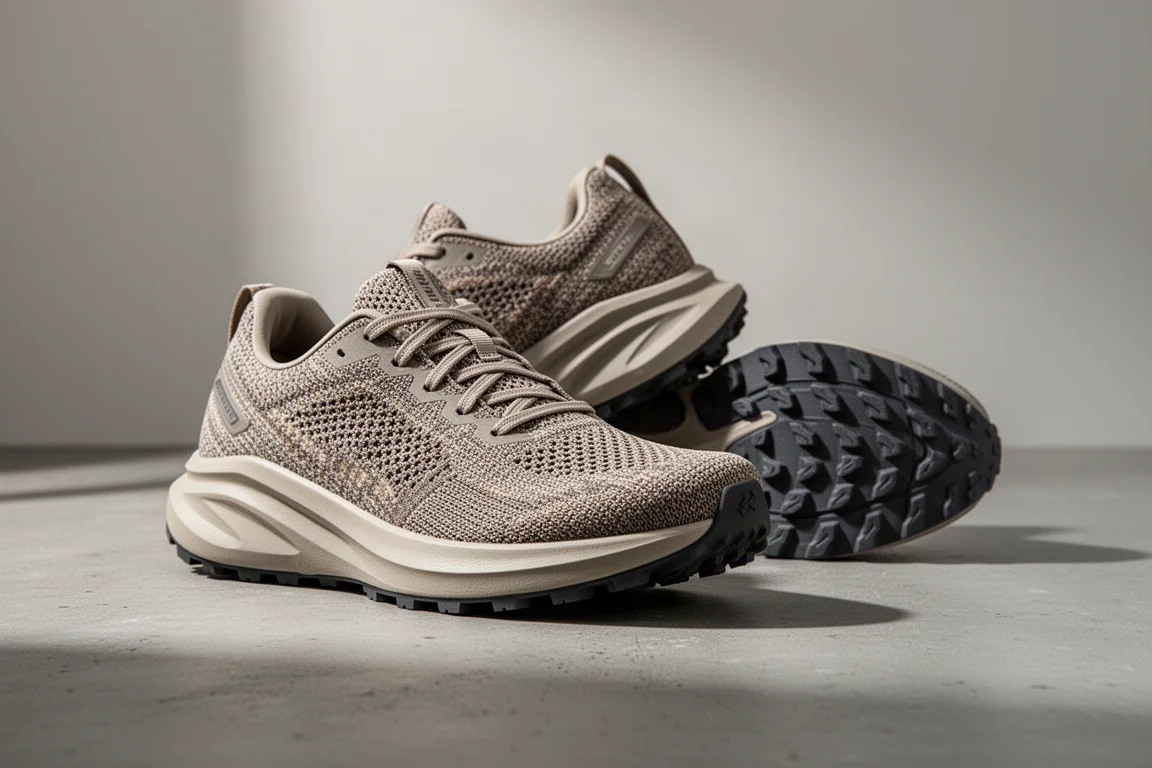
The Recharge is a vegan shoe built from recycled and plant-based components. The EVA midsole is infused with five percent sugar cane, the uppers and linings use 30 percent recycled polyester, the outsole contains 65 percent natural rubber, and the laces are organic cotton. This puts it in the same bracket as other eco-focused shoes like Allbirds and Hylo, rather than alongside conventional performance trainers built on petroleum-based foams.
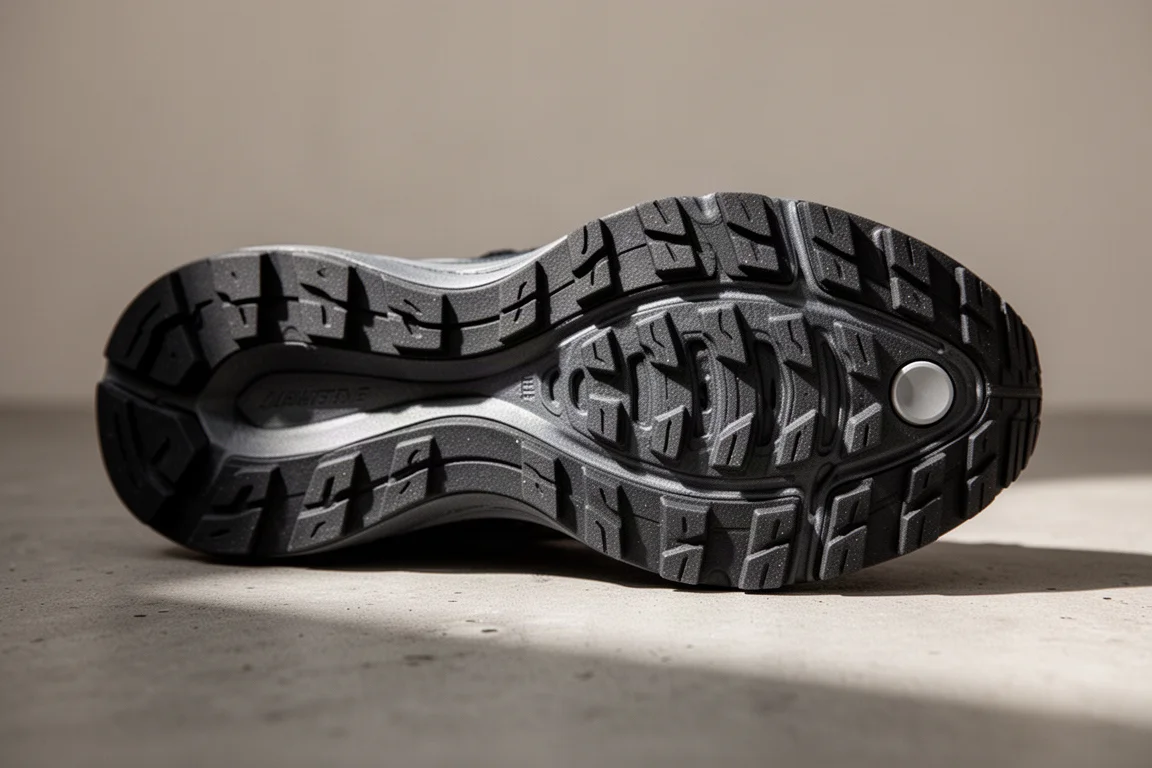
Physically, it leans casual rather than stripped-back and racey. There is a big padded heel collar and a padded tongue that give it a comfortable, cruising feel, plus a dense upper supported by generous overlays that wrap into a proper heel counter. Flip it over and you find a good covering of rubber with deep grip, which makes it confident in all conditions and capable on easy off-road terrain.
Grounding Technology Explained
The most distinctive feature here is the conductive grounding setup. A small nodule in the outsole connects with the ground, feeding through a graphene-infused footbed with conductive stitch insoles, silver fiber webbing in the midsole, and a carbon-infused natural rubber outsole. The idea is that a safe-level electrical charge can travel from the ground up through the sole to your feet, and you obviously should not stand on anything electrically live while wearing them.
Grounding claims, including reduced inflammation, faster recovery, better healing, and improved sleep, are backed by only a small number of studies, usually on small groups. The effectiveness is still genuinely up for debate, though some people swear by it. If grounding is your thing, this is essentially the only running shoe offering it, which makes the Recharge uniquely positioned regardless of where the science lands.
Fit and Sizing
Fit advice is straightforward: go true to size. A tester who normally wears a UK 8.5 found that going up half a size left the toe box feeling a little too long, so the half-size-up trick that works in some shoes does not pay off here.
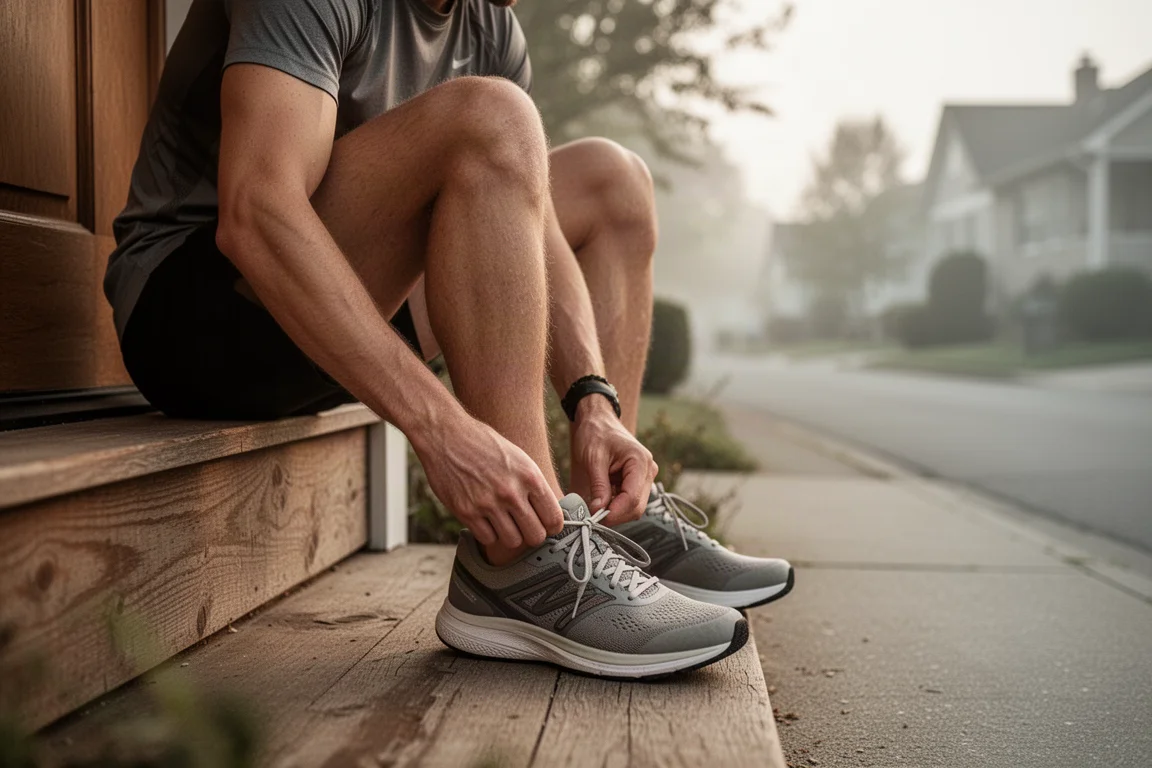
Beyond length, the fit is comfortable with decent hold and lockdown. It is not the most secure shoe you will ever lace up, but it is a pleasant, everyday-style fit that suits its easy-going purpose.
How It Runs
The Recharge surprises. Out of the box it feels firm and heavy, and it does not promise the plush, performance-tailored ride of modern super-foam trainers. On the road, the ride stays firm with limited bounce or give-back from the foam, but it turns out to be genuinely enjoyable for easy running. What you lose in cushioning you gain in stability, getting a simple, predictable platform under your feet.

That firmness and a 300g weight mean you get the best from it on shorter, easier runs at a reasonably high cadence with good form and limited ground contact time. Think relaxed 5Ks and the odd 10K rather than long or fast sessions. Compared within its category, it feels a touch softer than the first-generation Allbirds Dasher and roughly on par with the Hylo Run, and it holds its own against shoes like the Vivobarefoot Condor and other firmer sustainable trainers. If you love pillow-soft shoes like the Asics Gel-Nimbus 25 or Novablast, this is probably not your shoe.
Who the Bayer Recharge Is Best For
This is a strong crossover shoe. The smart casual styling means you can wear it with jeans, take it to the office, then head out for a 5K at the end of the day. It also works nicely in the gym as a firmer platform for workout drills followed by a short treadmill cardio burst.

At 145 pounds it sits slightly above conventional alternatives, and there are cheaper options if sustainability is not a priority. But judged against like-for-like eco shoes rather than outright performance trainers, the Recharge is one of the better options in this bracket and arguably edges the category forward.
Things to Consider Before Buying
The trade-offs are real and worth stating plainly. The ride is much firmer than most modern trainers, the shoe is heavy at 300 grams, and lockdown is good rather than excellent. You are consciously trading some performance for eco materials and a lower environmental footprint. The grounding benefits also remain scientifically unproven, so buy it for the running experience and sustainability story first, and treat grounding as a bonus.
Buying Advice
If you want a sustainable daily trainer for easy miles, occasional gym crossover use, and everyday wear, the Bayer Recharge is worth a look, and it is the only choice if grounding specifically interests you. If you prioritize soft cushioning or performance, look elsewhere. The hope is that future versions refine the foam and shed some weight, because the foundation here is genuinely promising.
Conclusion
The Bayer Recharge is a good-not-great running shoe with a genuinely unique grounding angle. Within the sustainable shoe category it competes well, offering a stable, comfortable platform for easy runs and excellent crossover styling. Accept the firm ride and weight, and it makes a convincing case as an everyday eco-friendly trainer.
Product link
View more details for Bayer Recharge
This product is mentioned in the review. Check the specifications, options, and compatibility before buying.
View more details for Bayer RechargeFurther reading
Related Reviews

Running Shoes
Best Road-to-Trail Running Shoes: Three Versatile Options for Mixed Terrain
A practical guide to three road-to-trail running shoes that handle both pavement and mild trails, with clear strengths and trade-offs for different runner types.

Running Shoes
Best Running Shoes for Achilles Tendonitis: Three Options Explained
Three running shoes with different heel drops and support features designed to help reduce Achilles tendon pain during walking and running.

Running Shoes
Best Running Shoes for Women: Five Top Choices Ranked
A ranked guide to five women's running shoes, from versatile daily trainers to high-performance racing options, with real strengths and trade-offs for each.