Outdoor Power Equipment
Battery vs Gas String Trimmers: Two Models That Show Exactly Where Your Money Should Go
A side-by-side look at the Milwaukee Quick-Lock battery trimmer and the Stihl 4-Mix Combi gas trimmer, covering power, maintenance, running time, and who each one really suits.
Introduction
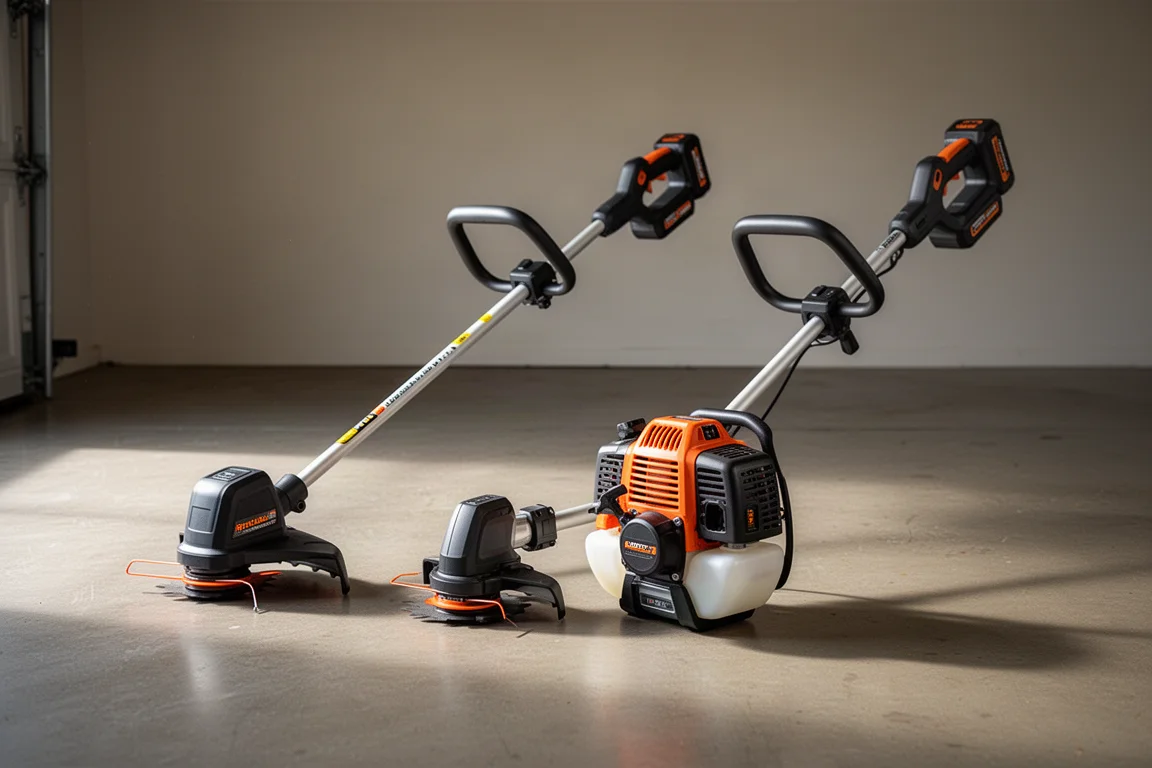
Choosing between a battery string trimmer and a gas string trimmer is one of those decisions that looks simple on the surface and gets complicated the moment you own a bigger lot, fight taller grass, or start calculating what replacement batteries cost. Both types have real strengths, both require at least some maintenance, and both can be the right tool depending entirely on who is buying and what the yard actually demands.
This comparison walks through two specific models that illustrate the trade-off well: a lightweight battery trimmer from a trusted tool battery platform, and a commercial-grade gas unit built to run hard for years. We look at running time, RPM, cutting behavior, long-term upkeep, and resale value, then offer a straightforward recommendation for who should buy what.
The Battery Case: Milwaukee Quick-Lock String Trimmer
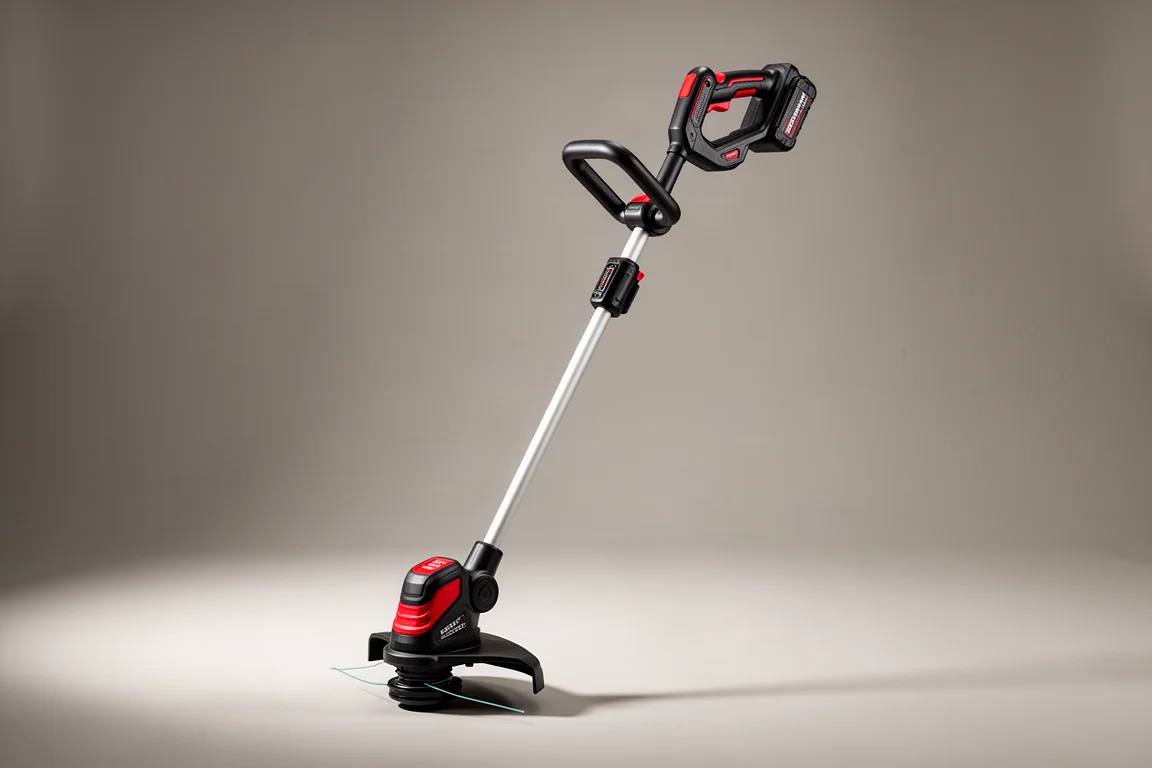
The Milwaukee Quick-Lock string trimmer accepts different attachments at the head, which makes it a flexible base tool rather than a single-purpose device. It is powered by a tool battery platform, it is lightweight, and it is easy to handle. That combination makes it a genuinely appealing choice for seniors or anyone who wants a lighter tool that does not require a hard pull on a starter cord.
The advice for buyers here is to stay with the established tool battery platforms rather than the larger, higher-voltage systems built only for outdoor power equipment. A platform like this delivers all the power most people need in a lighter package, and the same battery can then be used across drills, saws, and other tools in the line, keeping it in use year round instead of sitting idle on a shelf.
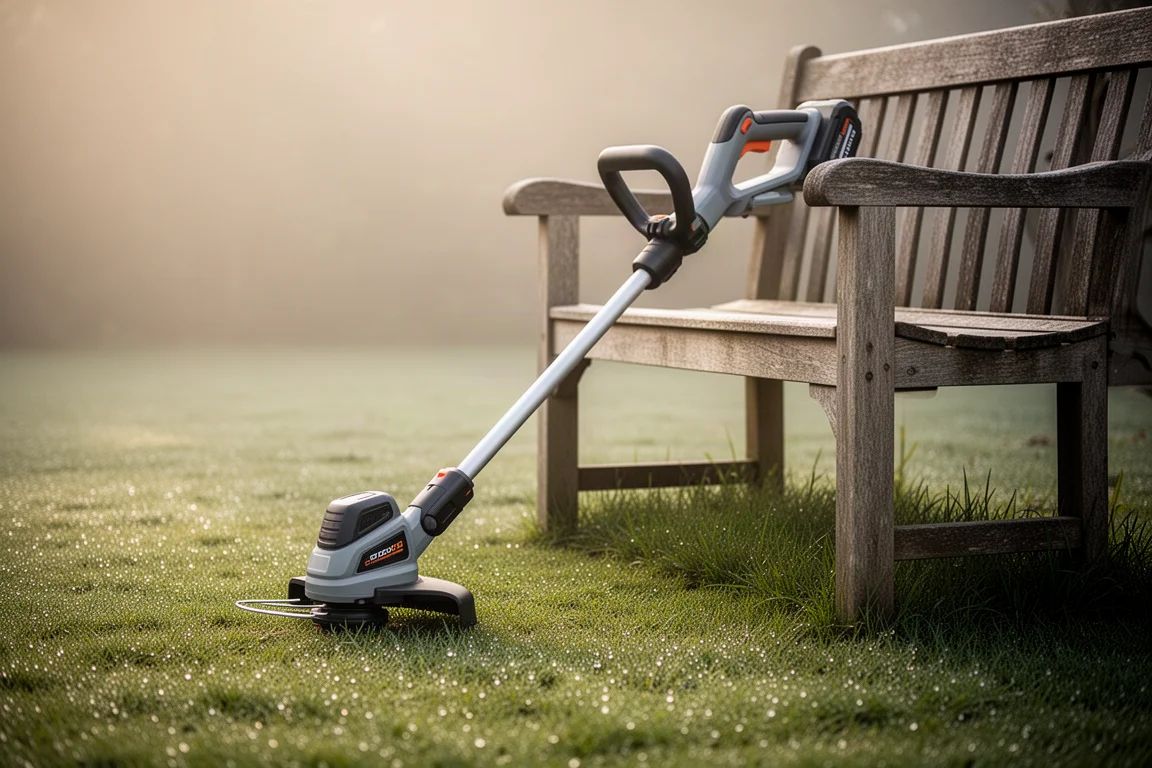
Quality matters more than brand-hopping. Milwaukee has a great reputation in this space, and the practical guidance is simple: buy a quality unit from a brand with service support behind it, because the cheapest options often cost nearly as much and are far harder to get repaired when something breaks.
Fuel and Care: Keeping the Stihl Nearly Maintenance-Free
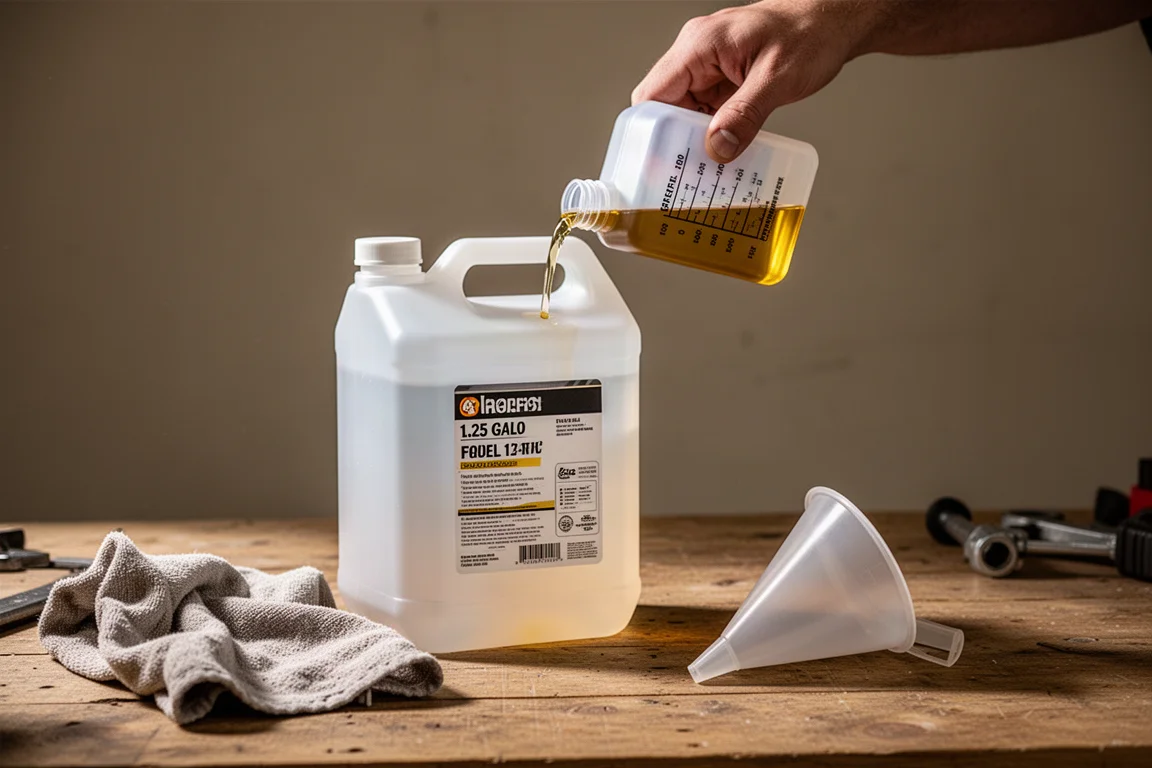
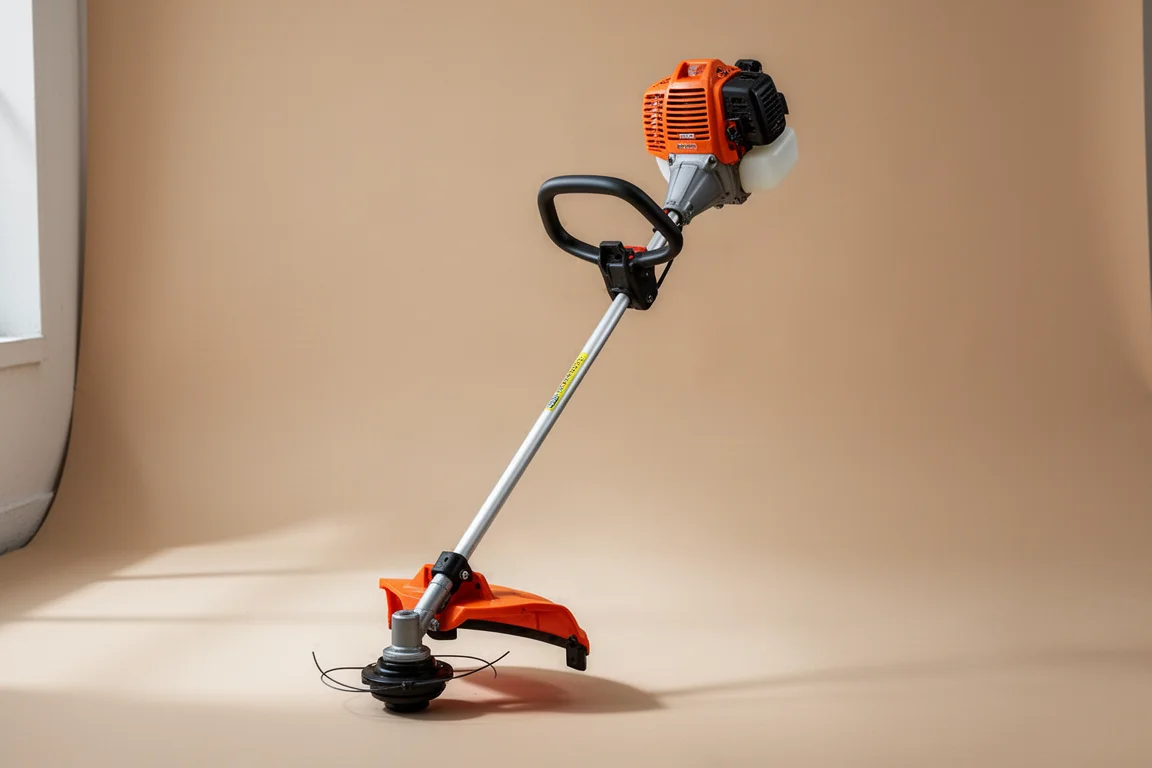
The Stihl Combi system uses what Stihl calls the 4-Mix engine: a four-stroke engine that runs essentially like a two-stroke. You mix oil into the gas, there is no oil in the crank case, and you never have to change it. That design removes one of the biggest traditional maintenance chores of a four-stroke engine.
The care routine is refreshingly simple. Use ethanol-free gas, often sold as rec fuel and widely available these days at a modest premium, and pair it with Stihl oil mixed as recommended. Do those two things and you should avoid hard starting and carburetor clogging. Even a unit that sits unused for a long stretch is easy to bring back with minor repair work. Fuel lines and primer bulbs are inexpensive parts, and most of that wear does not appear for five to ten years, at which point spending fifteen to thirty dollars on upkeep is an easy call.
Starting is easier than many people expect. Hit the choke, press the primer a couple of times, and these engines typically fire within two or three pulls. Easy-pull starter options also exist for anyone who prefers to avoid pulling altogether.
Maintenance: Simple Jobs on Both Sides
Maintenance on both trimmers is basically the same in one key respect. There is a bolt on the side of the gear head that needs to come out, and grease needs to go in that opening every once in a while, probably annually. Use a little grease, not a lot. Some newer models skip the fitting and get greased once, which does not last forever. Most people never grease this point at all, and eventually the gear head burns out, leaving them upset and shopping for a replacement. Grease it, and the problem disappears.
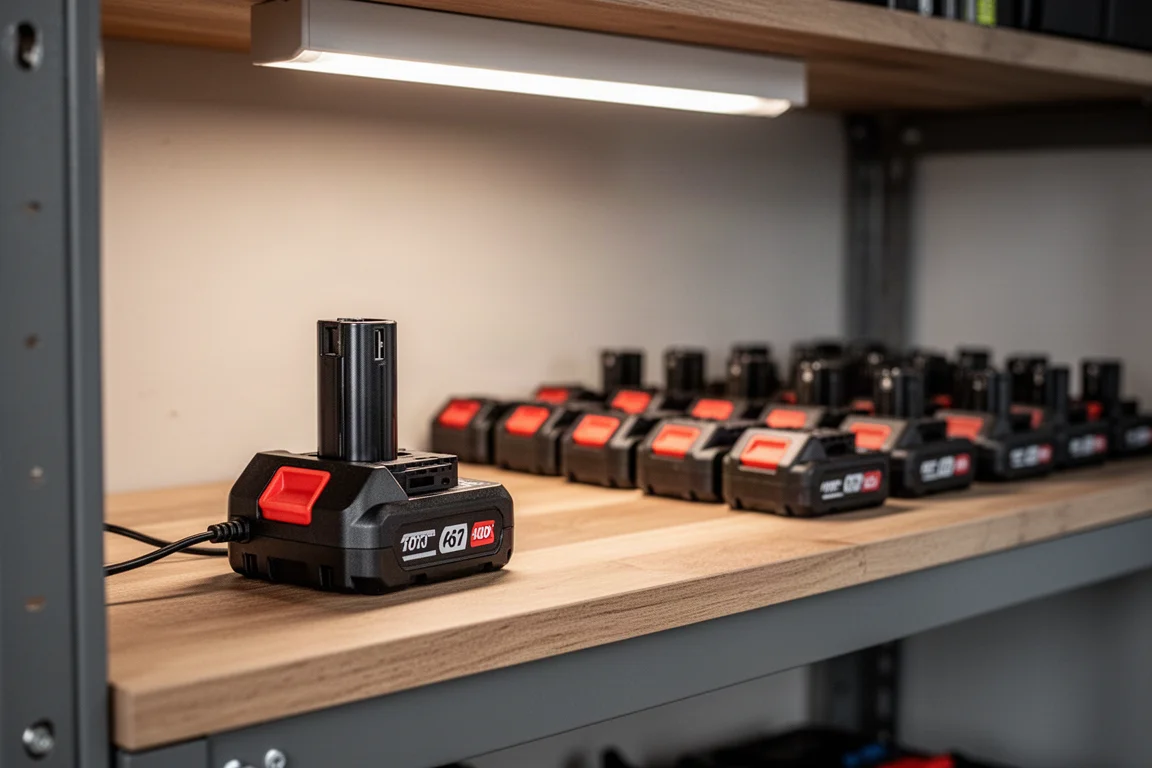
Where battery models differ is the eventual battery cost. When a battery fails, a replacement can run upwards of $400. That is a significant figure, because for similar money you are getting close to the price of a quality gas unit that, with good oil and ethanol-free fuel, can be expected to last around twenty years with basic care.
Performance: Where the Two Designs Diverge
Battery run time lands somewhere between 10 and 30 minutes depending on the battery size, and larger batteries weigh more. For small lawns that is genuinely fine. The trimmer offers fast and slow speed settings to stretch the charge, though the base speed is already slow out of the factory, so the benefit is limited.
The bigger issue is head speed. A battery trimmer like this runs around 6,500 RPM, and at that speed the string deflects back when it hits heavy growth instead of cutting it cleanly. It then starts wrapping grass around the head, especially in taller grass, and the head clogs up. Even larger battery platforms do not fully solve this; some have designed around it a little, but none match gas at the head.
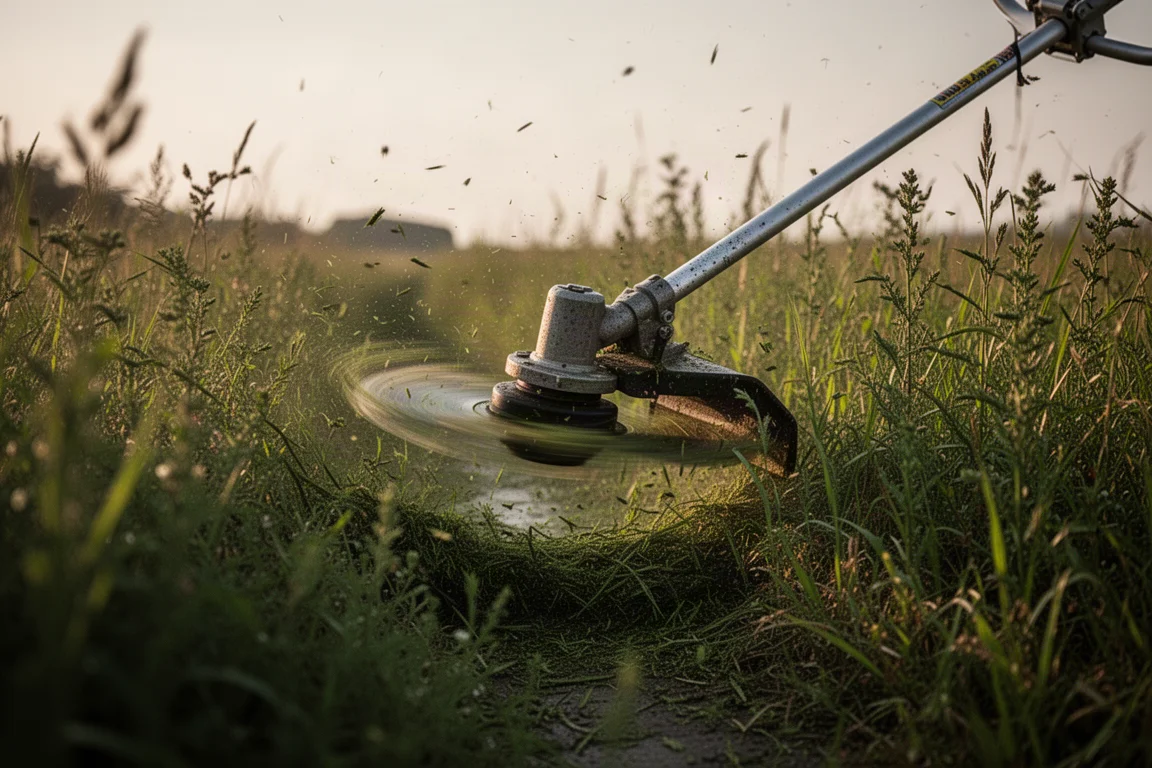
A commercial gas model turns at roughly 10,500 to 11,000 RPM. At that speed weeds get cut instead of wrapped, and you can run thicker line without issue, stepping up from 0.080-inch line to 0.090-inch line or even extreme-duty line, which does a noticeably better job. That gap of four to five thousand RPM is the single biggest performance difference between the two categories.
Resale and Long-Term Value
Buying a battery-operated string trimmer is in some ways like buying a battery-operated car: you are buying a computer, and technology moves. A few years down the line the tool is no longer current, resale value drops to very little, and the batteries may or may not be compatible with newer models. Listings for used battery outdoor power equipment routinely sell for almost nothing, largely because replacement batteries are expensive.
Gas units hold up differently. A well-kept gas trimmer can reasonably last about twenty years, and its small wear items are cheap and easy to replace. Over the long run, battery ownership often ends up costing more than a single quality gas unit that keeps working for decades.
Buying Advice: Putting Your Money in the Right Place
The recommendation splits cleanly along yard size and physical needs. If you are a senior, cannot lift anything heavy, want to avoid pull starts, and have the budget for it, buy a tool-based battery unit and you will likely enjoy it more than you expect. No gas storage, no fuel runs, just plug in and charge. Performance is the trade-off: it works great for small yards, not for ditch lines or really long grass. For city homeowners on small lots, most are completely happy with it.
If you have a larger lot, taller grass, or need to trim for more than 20 to 30 minutes at a stretch, follow the professionals and buy a good gas string trimmer. Buy it from a dealer who can service it, spend a little extra for a quality commercial or even lower-end commercial model, and stay away from big-box versions that are hard to get repaired when service is needed. Anyone who has only used battery power should try a gas unit once; the power difference is substantial and easy to underestimate until you go back.
Conclusion
Both trimmers earn their place for different buyers. The Milwaukee Quick-Lock makes sense for lighter-duty use on small lots, especially for anyone who values low weight and the convenience of a shared tool battery platform. The Stihl 4-Mix Combi is the choice for power, longevity, and tougher growth, with simple ethanol-free fuel care keeping it nearly trouble-free for years. Match the tool to the yard, and either path can be a satisfying one.
Further reading
Related Reviews

Outdoor Power Equipment
Best Cordless Chainsaws 2026: EGO, Milwaukee, and Stihl Compared
Three flagship battery-powered chainsaws from EGO, Milwaukee, and Stihl go head to head in cutting speed, power, weight, and price.

Outdoor Power Equipment
Best Cordless Leaf Blowers 2026: Nine Models Put to the Test
We tested nine leading cordless leaf blowers from Ryobi, STIHL, Toro, EGO, Husqvarna, DeWalt, Makita, Milwaukee, and Echo to find the best blowing force, run time, and value.
Outdoor Power Equipment
Amazon Big Spring Sale 2026: Best Outdoor Power Equipment and Backyard Deals
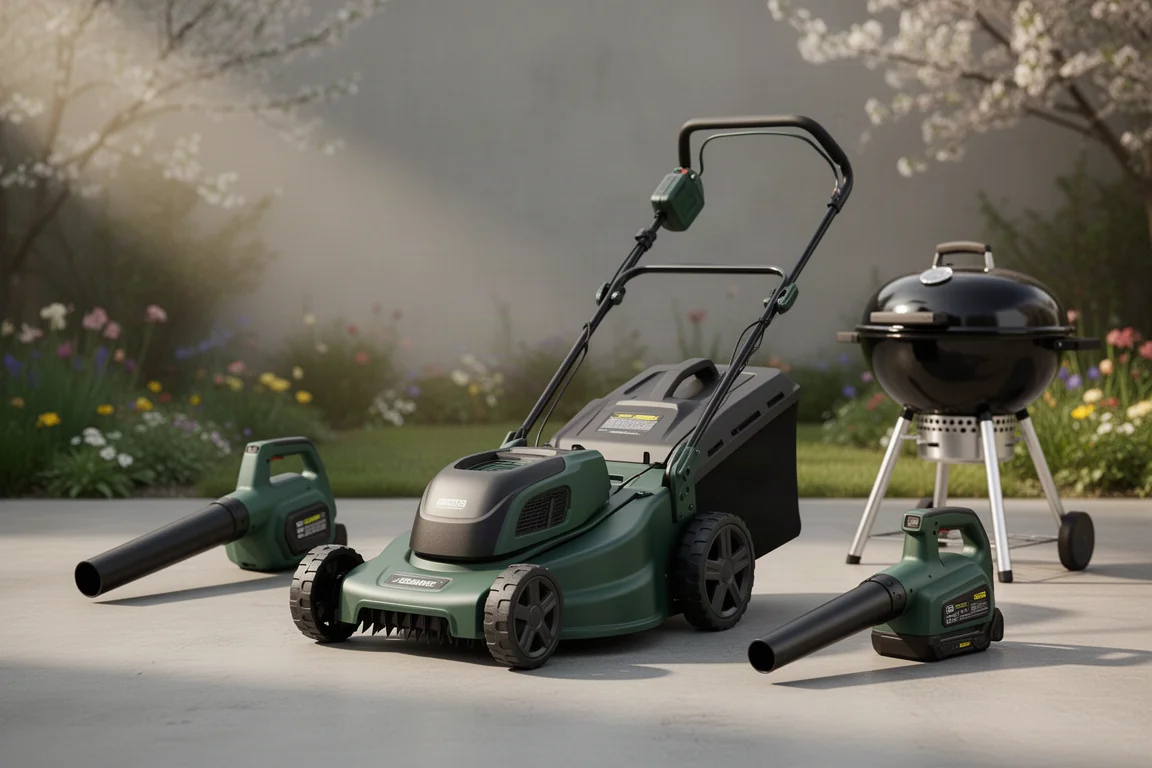
Cordless mowers, blowers, grills, and portable power on sale this spring, with practical advice on which packages are actually worth buying.