Automotive Tools
3 Battery Testers Compared: Viking vs Snap-on vs AutoFix
A hands-on comparison of a $30 budget analyzer and two far pricier testers, with real bench and in-car results to help you decide what is worth buying.
Introduction
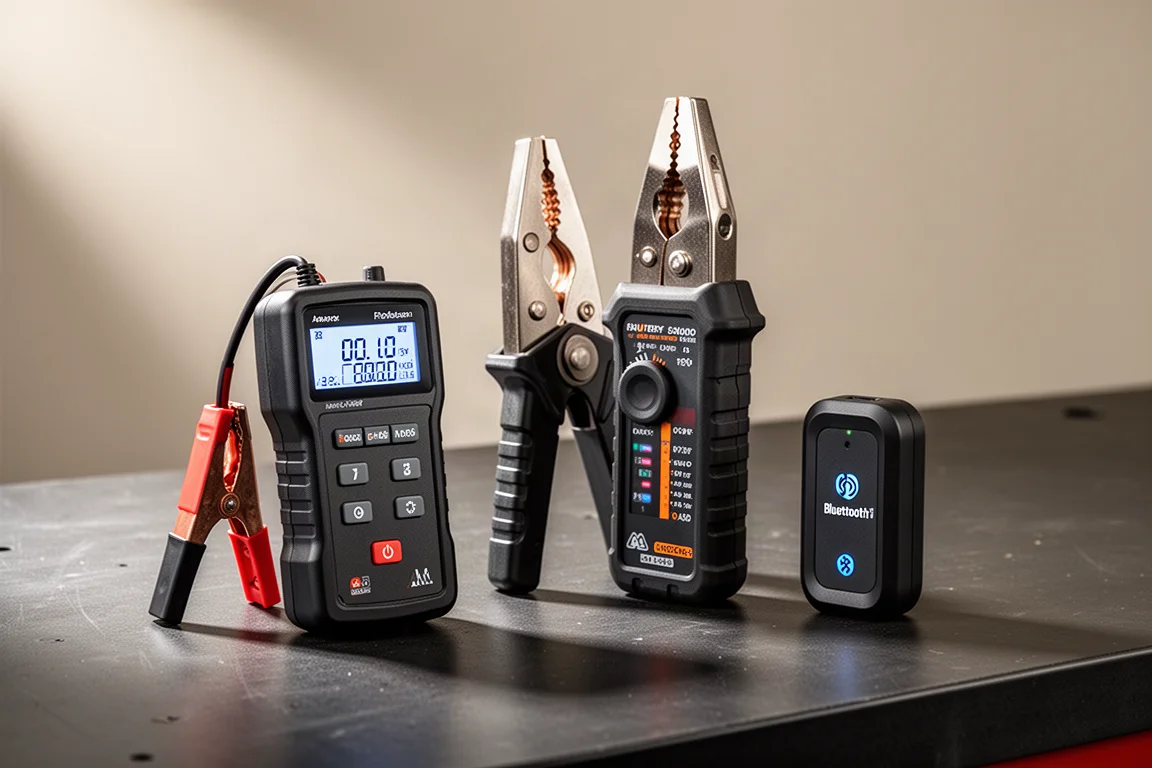
Battery testers are one of those tool categories where the price range is genuinely baffling. On one end you have compact analyzers in the $20 to $30 range that clip onto a battery, run a test, and print an opinion. On the other, professional-shop units that cost several hundred dollars or more. This comparison looks at three of them: the Harbor Freight Viking Battery System Analyzer, Snap-on’s cheapest battery tester at $431, and the AutoFix Smart Battery Tester at $100 for the module alone.
The headline result is uncomfortable for the expensive side: on both bench and in-car tests, the inexpensive Viking produced readings as close to the measured reference voltage as the Snap-on, and in some cases it delivered more usable information.
How We Compared These Testers
The method was straightforward. Each tester was clipped to the same battery on the bench, then taken out to a car and run through a battery test and, where possible, a starting and charging test. A separate voltmeter served as a sanity check on the voltage readings.
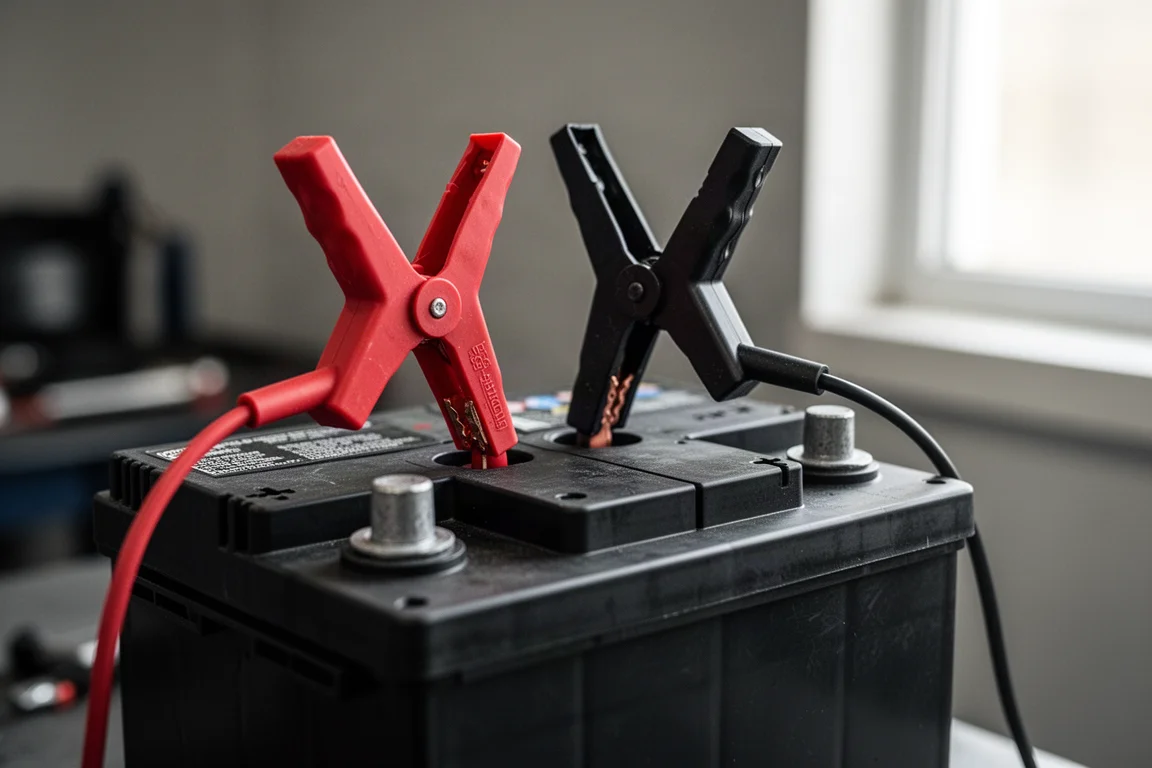
One practical point worth knowing: most testers in this class, including all three here, are powered by the battery itself. If the battery is too weak, the tester may not run at all, and some models refuse to display much information on a battery they do not like.
Viking Battery System Analyzer: The $30 Contender
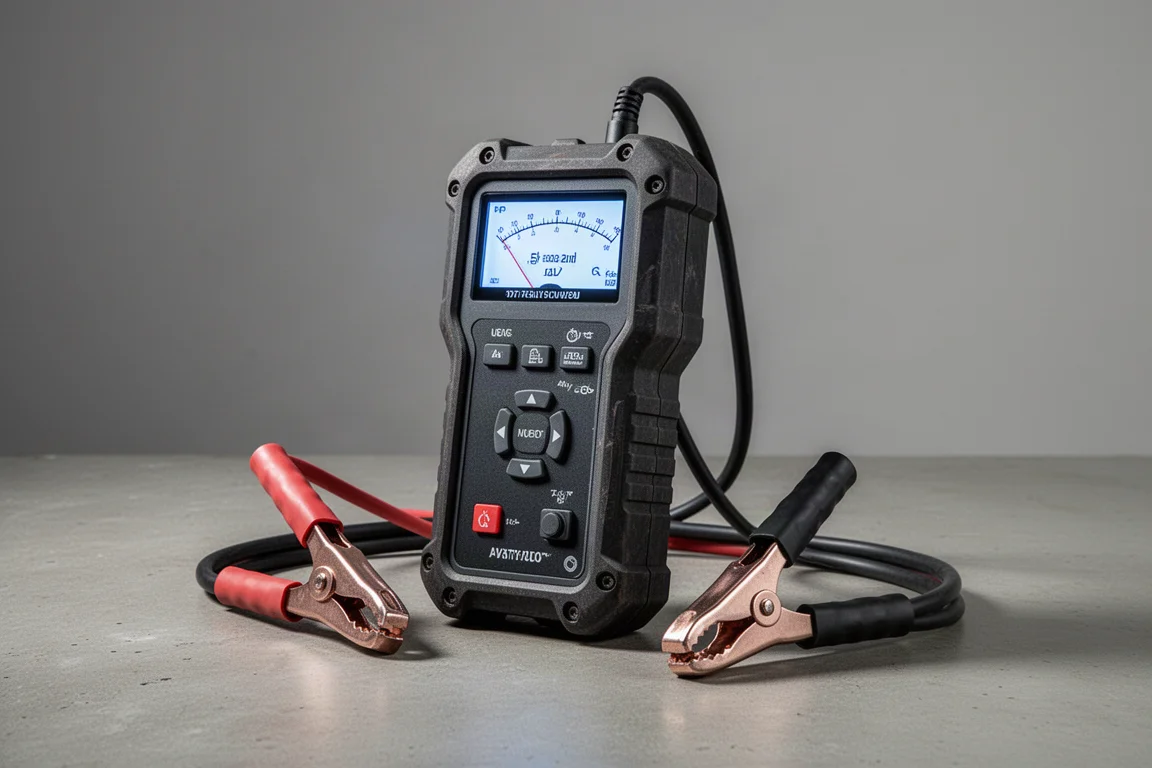
The Viking battery system analyzer has been sold at Harbor Freight for a while, and its pitch is simple: hook it up, answer a few prompts, and get an opinion on whether the battery should be replaced. It sells for about $40 at full price but is frequently available for around $30.
On the bench, both testers were asked to test a battery rated at 550 CCA. The Snap-on measured 12.15 V against the Viking’s 12.14 V, essentially identical, and both matched the standalone voltmeter reading of about 12.2 V. Measured cranking amps differed modestly, with one reading 401 and the other 350 against the 550 rating, a spread of under 50 amps between them.
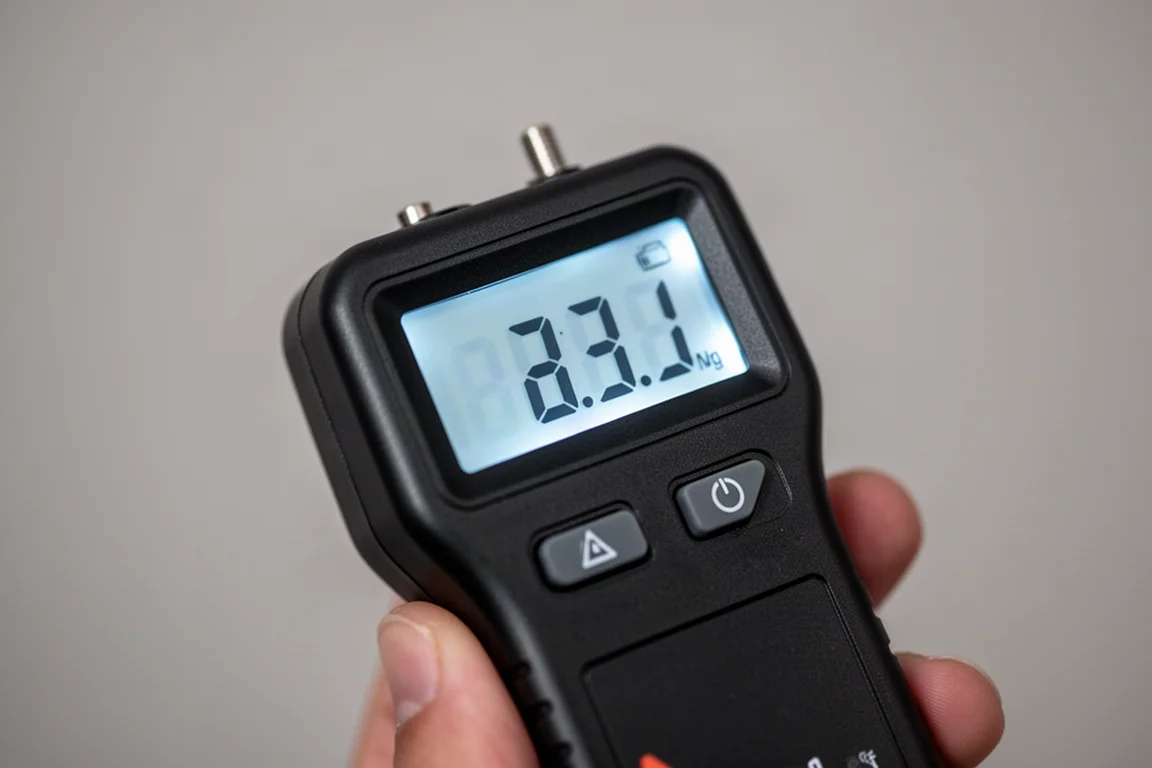
Where they split was the verdict. The Snap-on called the battery good; the Viking called for replacement. That kind of disagreement is the reality of these tools: the verdict is an opinion built on the measured numbers, and the numbers themselves were very close.
Snap-on Battery Tester: The $431 Question
Snap-on’s entry-level tester carries a $431 price, and the brand’s shop-focused units climb from $700 to $1,500. The build quality is visibly better, with nicer clamps, and the test itself runs faster with fewer setup prompts. It also remembers the last CCA setting, which the Viking does not, so there is less button-pressing to get back to 550 CCA.
But in-car testing told a different story. When connected with the engine running, the Snap-on misread the alternator’s 14.6 V input as the battery voltage, threw an error stating it was not a 12-V system, and could not continue. It also refused to run a starting test after reporting “replace battery” on the initial test.

Meanwhile, the Viking walked through its prompts, requested the headlights be turned on for 10 seconds to remove surface charge where appropriate, ran a starting test during cranking, and completed a charging test that reported a pass with 0.1 V of detected ripple. The more expensive tester simply stalled out.
AutoFix Smart Battery Tester: The Connected Option
The AutoFix Smart Battery Tester rounds out the picture at $100 for the module alone. Unlike the other two, it communicates with both a phone and a separate console, which makes it a reasonable middle path for someone who wants more data and connectivity without stepping into full professional-shop pricing.
It is a better fit for buyers who want app-based monitoring rather than a standalone handheld with clamps and an LCD. If your needs stop at a quick pass-or-replace opinion, the cheaper options already cover that.
Buying Advice
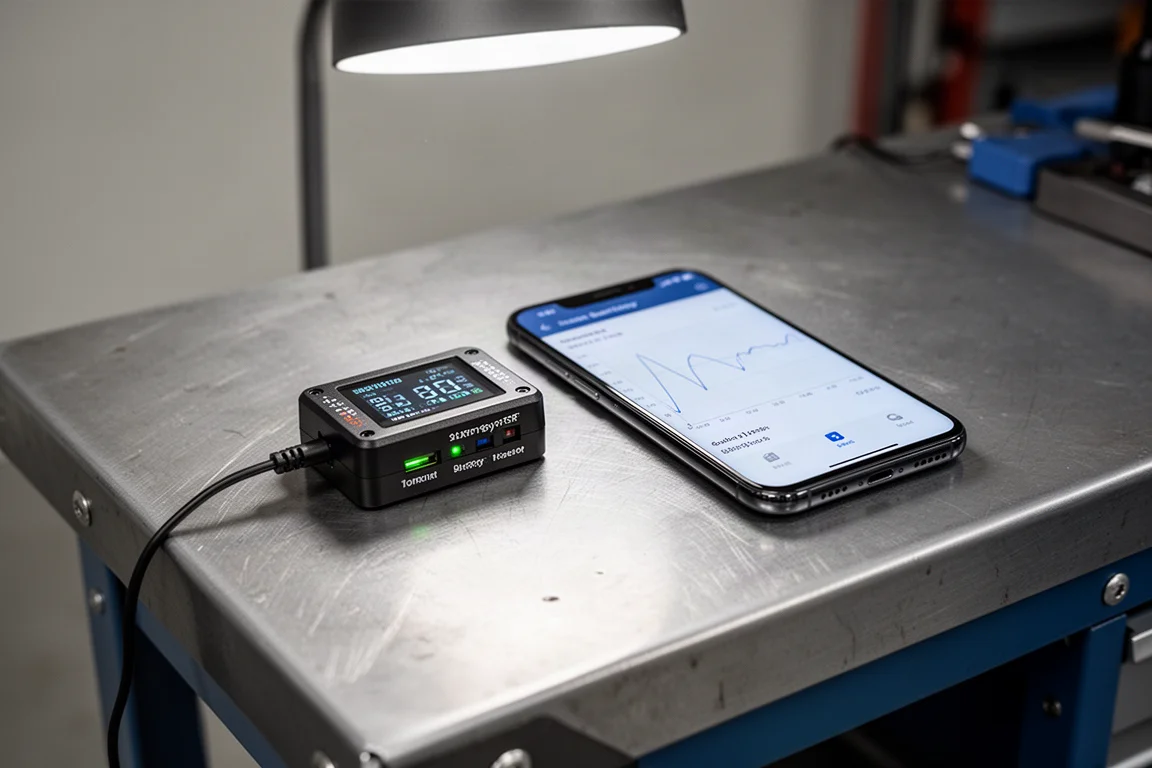
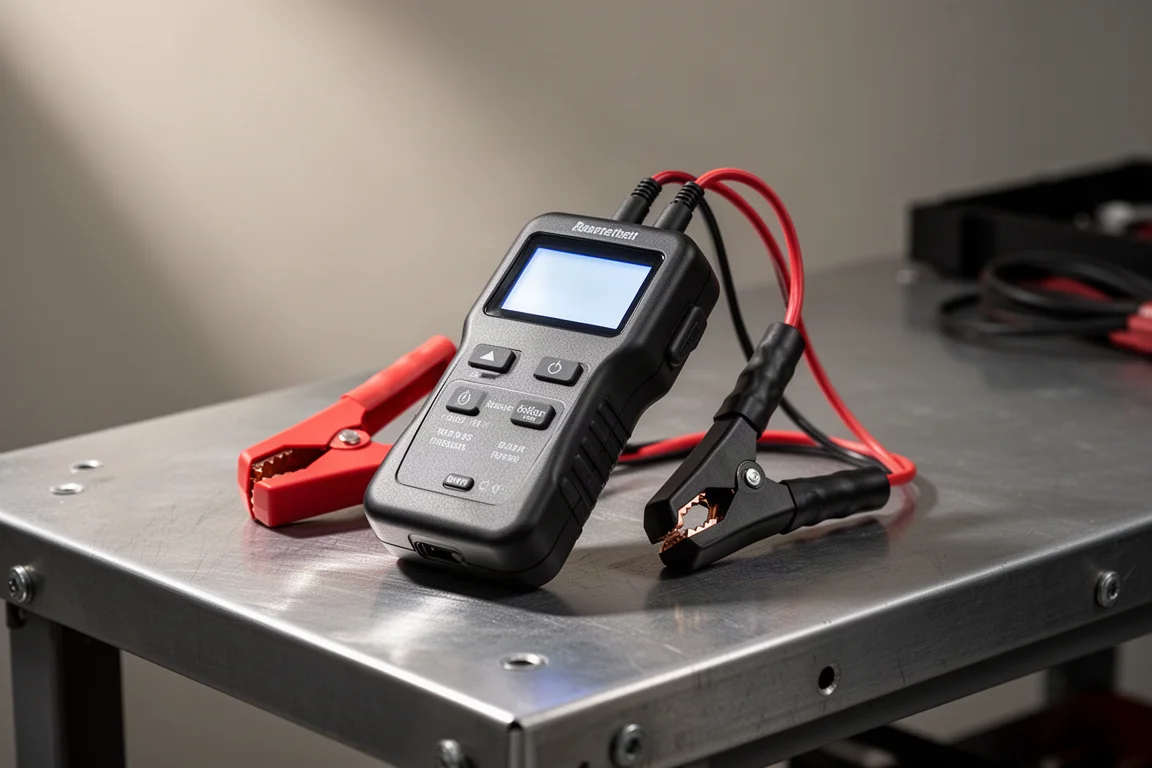
For most home users, the conclusion here is hard to argue with: the Viking produced voltage readings that matched both the reference voltmeter and the $431 Snap-on within a hundredth of a volt, and it kept working in scenarios where the Snap-on errored out. The Snap-on wins on clamps, speed, and convenience features like remembering your last CCA setting, but that is a lot of money for ergonomics. The AutoFix sits in between, trading a handheld form factor for phone and console connectivity at $100.
View more details for Harbor Freight Viking Battery System Analyzer
Conclusion
If you need a battery opinion on a budget, the Viking analyzer at around $30 does nearly everything the entry-level Snap-on does, and in this comparison it handled the full battery, starting, and charging test sequence more gracefully. The Snap-on remains nicer to hold and faster to operate, but the price gap is difficult to justify based on results alone. The AutoFix makes sense only if connected testing matters to you.
Further reading
Related Reviews
Automotive Tools
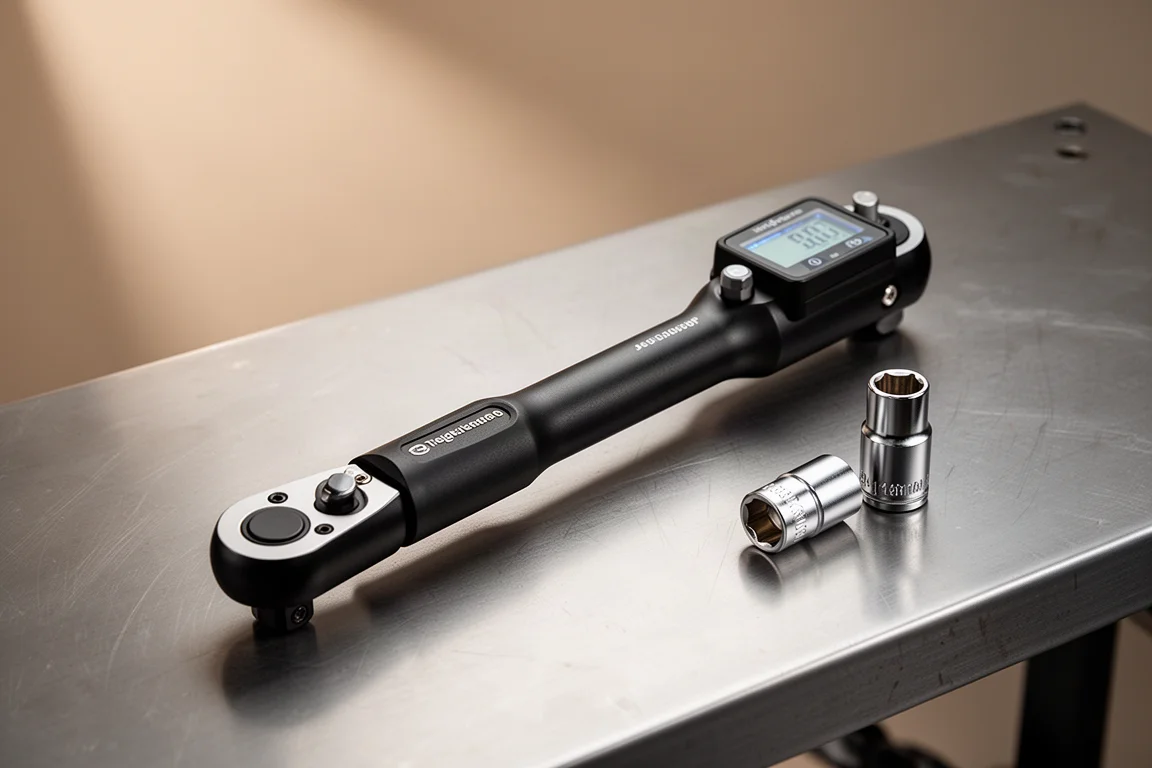
ALAIAL 1/2" Digital Torque Adapter Review: Turn Any Ratchet Into a Precision Tool
A practical look at the ALAIAL 1/2" digital torque adapter, an affordable way to add torque measurement to your existing ratchet.
Automotive Tools
ALAIAL 3/8" Digital Torque Wrench Review: Accurate Fastening Made Simple
A practical look at the ALAIAL 3/8" digital torque wrench, covering its features, ease of use, and real-world performance for vehicle maintenance.

Automotive Tools
Best Gear Pullers 2026: 2-Ton and 5-Ton Options Compared
We compared nine gear pullers across 2-ton and 5-ton classes to see how design, build quality, and price affect real-world pulling performance.