Snowboard Bindings
Battalion Fullback Highback Review: A Freestyle Highback Built Around Give
A closer look at Battalion's Fullback Highback, a minimalist solid nylon highback with a lot of flex, and who should consider it for a freestyle setup.
Introduction
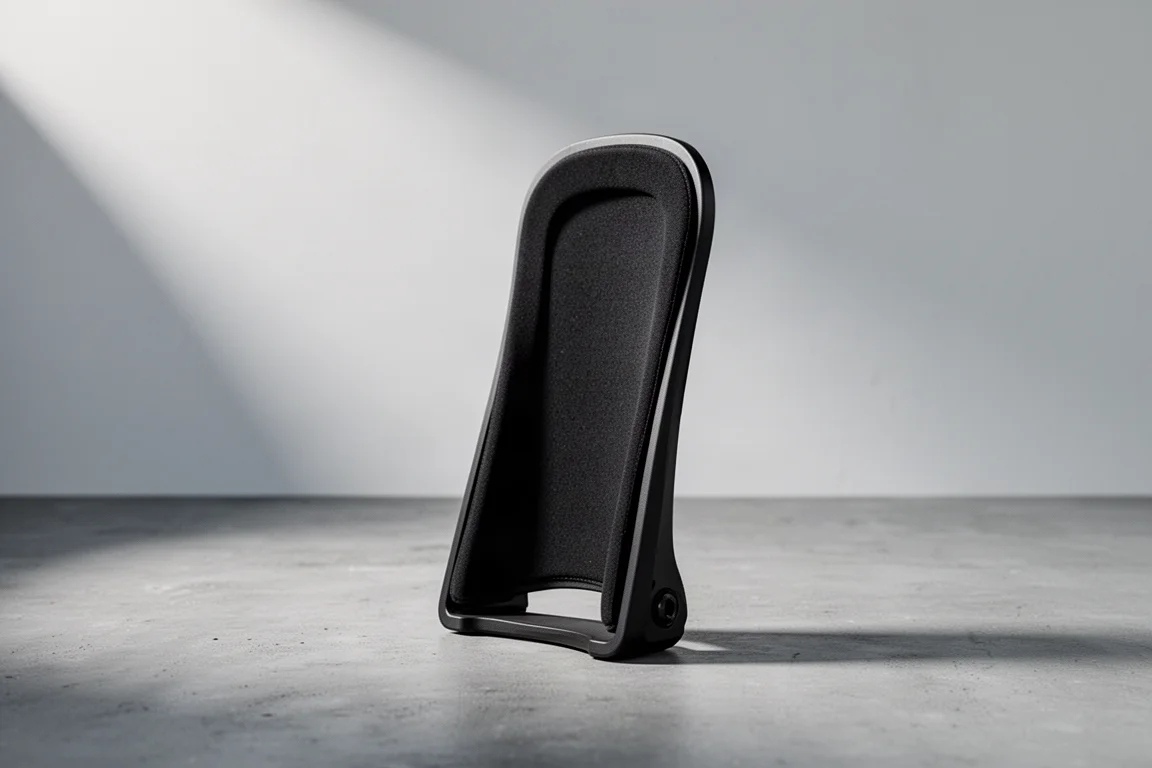
Bindings are where a rider’s intent meets the board, and the highback is the component that carries most of that translation. Battalion’s Fullback Highback is a deliberately simple take on that part: a solid nylon highback with a lot of give built into it, made for riders who want their boots and legs to do more of the work.
It is not positioned as a universal upgrade, and it does not pretend to be one. This is a freestyle-oriented highback, and the case for it rests almost entirely on how much flex you actually want underfoot.
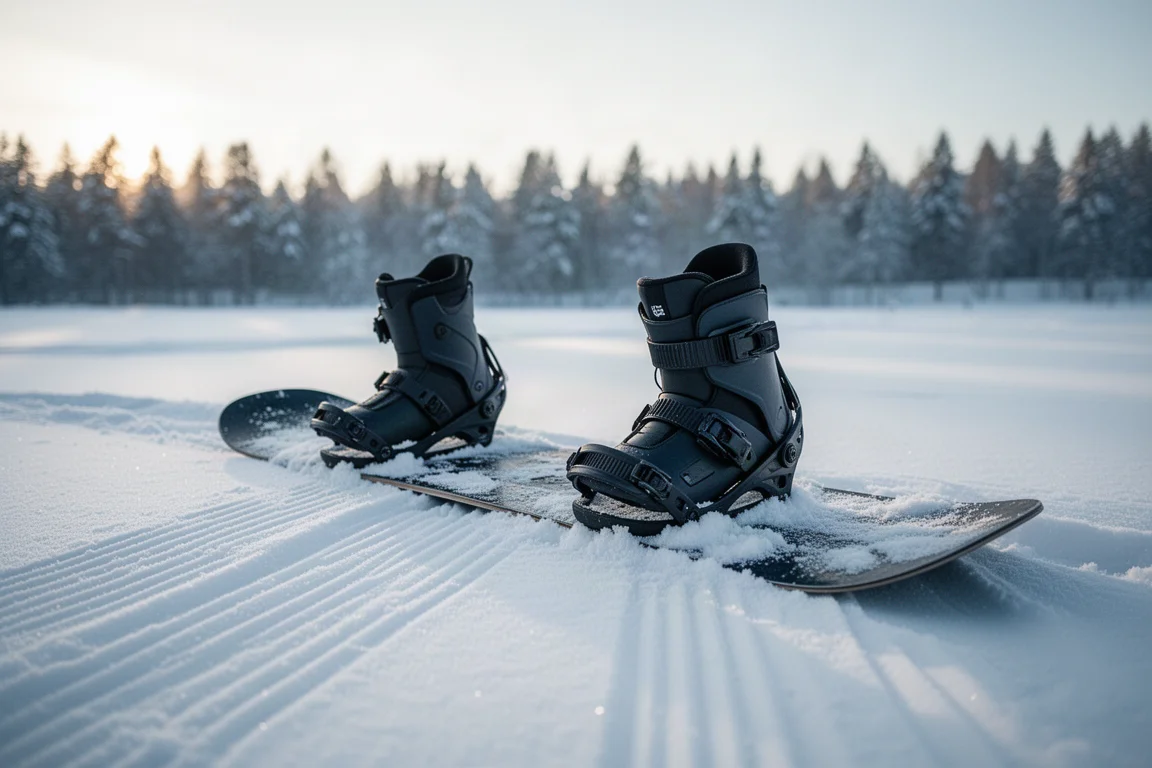
What follows covers what the Fullback Highback is, who it suits, and where a softer highback stops making sense.
Who This Highback Is For
The Fullback Highback is aimed at freestyle riders. Its defining characteristic is give: the nylon flexes readily under pressure, so lateral and forward movements meet noticeably less resistance than they would with a stiffer component.
That makes it a natural match for riders who spend their time on park features, presses, butters, and playful riding, where a binding that fights back is more of a hindrance than a help. If your riding is built around manipulating the board rather than driving an edge at speed, a soft highback fits the intent.
It also suits riders who prefer a loose, surfy feel and are comfortable relying on their own leg strength and boot stiffness for support.
Main Strengths
Flex is the whole story. Because the Fullback Highback is made from solid nylon and engineered with a lot of give, it lets the boot move through a wider range of motion without the binding pushing back. In practice that means easier tweaks, smoother presses, and less resistance when you load the board in a freestyle stance.
The minimalist design reinforces that. There is not a lot of padding, so the highback stays out of the way and adds little bulk between boot and binding. Riders who dislike the sensation of a heavily cushioned, rigid highback pressing into the calf may find this one more comfortable for the way they ride.
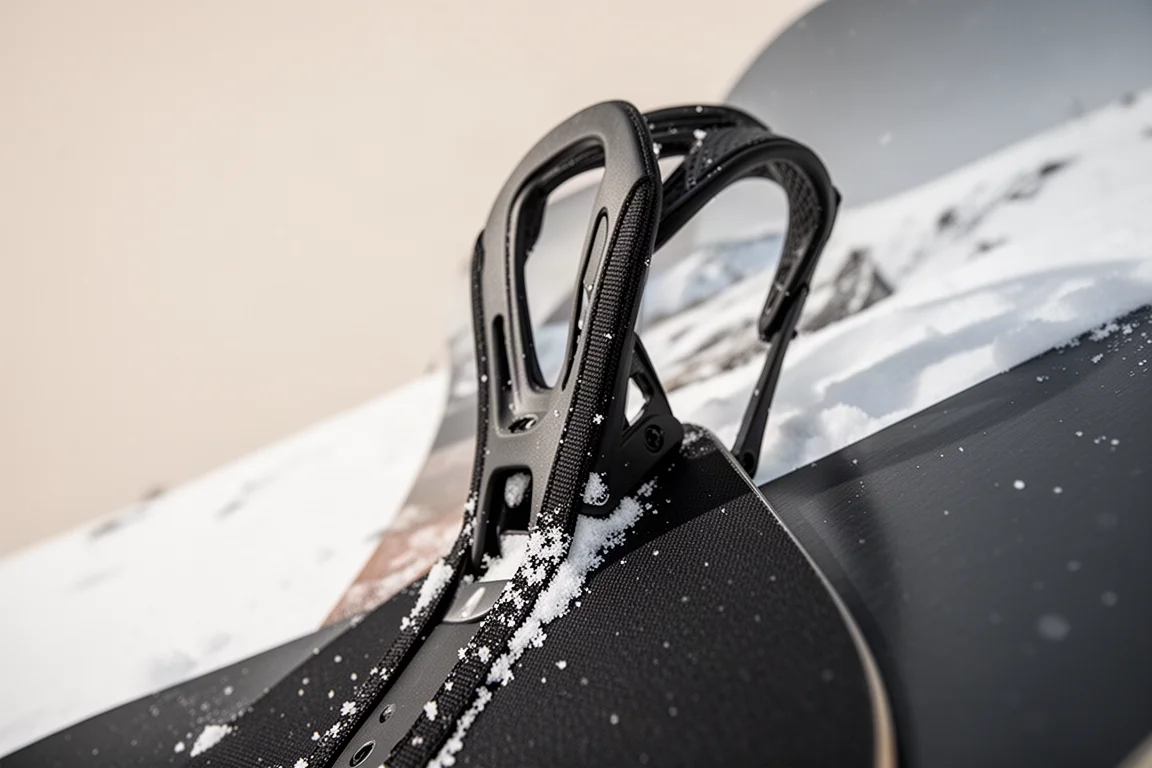
Simplicity is a practical strength as well. A single-material nylon construction with minimal added components is straightforward to live with and easy to understand: there is no complex adjustment scheme to learn, and nothing about the part asks you to think about it once it is mounted.
Things to Consider Before Buying
The trade-off is support. A highback with a lot of give is not a platform you can push back into, and riders who want to drive hard against a stiff highback for edge pressure and response will find this one lacking.
That matters most for riding styles built around aggressive carving, high-speed stability, or strong directional input. In those contexts, the same flexibility that makes the Fullback Highback fun in the park works against you.
Padding is the second consideration. The minimalist build means less cushioning against the boot and calf. Some riders will appreciate the direct feel; others used to a padded highback may notice the difference, particularly over longer days.
How It Fits a Freestyle Setup
A soft highback changes how a binding communicates with the board. With more give, input is less immediate and more progressive: instead of a hard transfer of energy the moment you lean, the flex builds gradually, which is exactly what makes presses and butters feel fluid rather than forced.
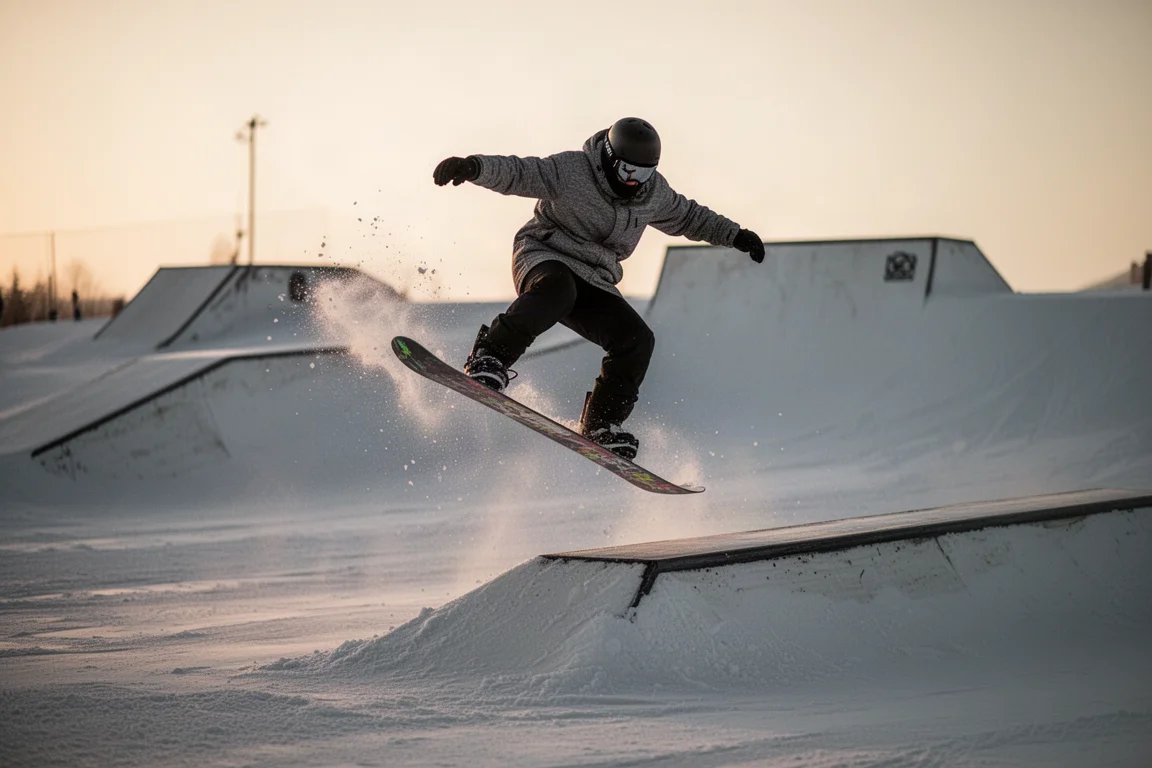
For a freestyle setup, that quality is usually the point. The board stays playful, and the rider is not fighting the binding to get the board to bend or rotate. Paired with a softer boot and a park-oriented board, the Fullback Highback sits comfortably in a build that prioritizes feel over force.
Riders who mix park laps with all-mountain riding should think about how much of their day is spent in each. The more time you spend at speed on hard snow, the more the flex becomes a compromise.
Who Should Look Elsewhere
If you are not a freestyle rider, this is probably not the highback for you. Riders who want something stiffer to push back into, whether for carving, freeriding, or simply a more locked-in feel, are better served by a firmer option.
The same applies if you rely on your highback for support rather than on your boots and legs. A highback with a lot of give assumes the rider is supplying the stiffness elsewhere in the setup.
Buying Advice
The decision comes down to one question: do you want the highback to get out of the way, or do you want it to push back? The Fullback Highback sits firmly in the first camp, and it does that job without extra complexity.
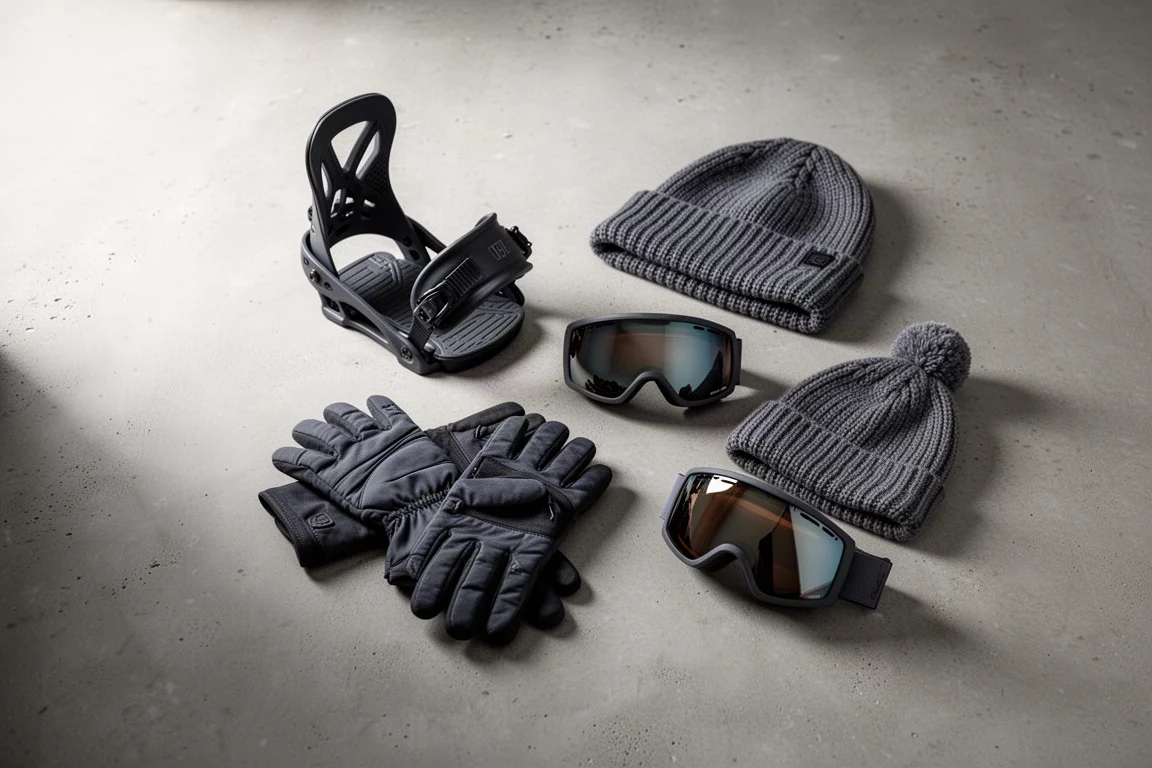
If your riding is freestyle-focused and you like a loose, forgiving feel, this is a coherent choice that matches the intent of that style. If you want response and edge drive from the highback itself, put your budget toward a stiffer design instead. Either way, judge this part on flex first and everything else second, because flex is what it is built around.
Conclusion
Battalion’s Fullback Highback is a simple idea executed plainly: a solid nylon highback with a lot of give, minimal padding, and a freestyle brief. It is not trying to be an all-rounder, and it does not need to be. Freestyle riders who want their binding to move with them will find it does exactly what it says on the box. Everyone else should look at a stiffer highback and not think twice about it.
Product link
View more details for Battalion Fullback Highback
This product is mentioned in the review. Check the specifications, options, and compatibility before buying.
View more details for Battalion Fullback HighbackFurther reading
Related Reviews
Snowboard Bindings
2024 Union Ultra Snowboard Bindings Review: A Cushy, Freestyle-Focused Favorite
Two seasons on the 2024 Union Ultra: a lightweight, tweakable freestyle binding with standout comfort, a damp molecular bushing, and thoughtful hardware fixes.
Snowboard Bindings
32 Team Phase Binding Review: A Fast Entry Binding Built for Freestyle Laps
The first binding from 32 uses the Phase chassis for quick step-in entry with a softer, freestyle-leaning flex. Here's how it performed on the snow.
Snowboard Bindings
Arbor Cypress Snowboard Binding Review: A Laid-Back Cruiser That Can Charge
A closer look at the Arbor Cypress binding's adjustability, strap feel, and that oddly tall highback before you decide to buy.