Snowboards
Bataleon Thunderstorm Review: A Unisex All-Mountain Freeride Snowboard With Traditional Camber
A practical look at the Bataleon Thunderstorm, a new unisex all-mountain freeride snowboard built on traditional camber with 3BT and Sidekick shaping, plus what to weigh before buying.
Introduction
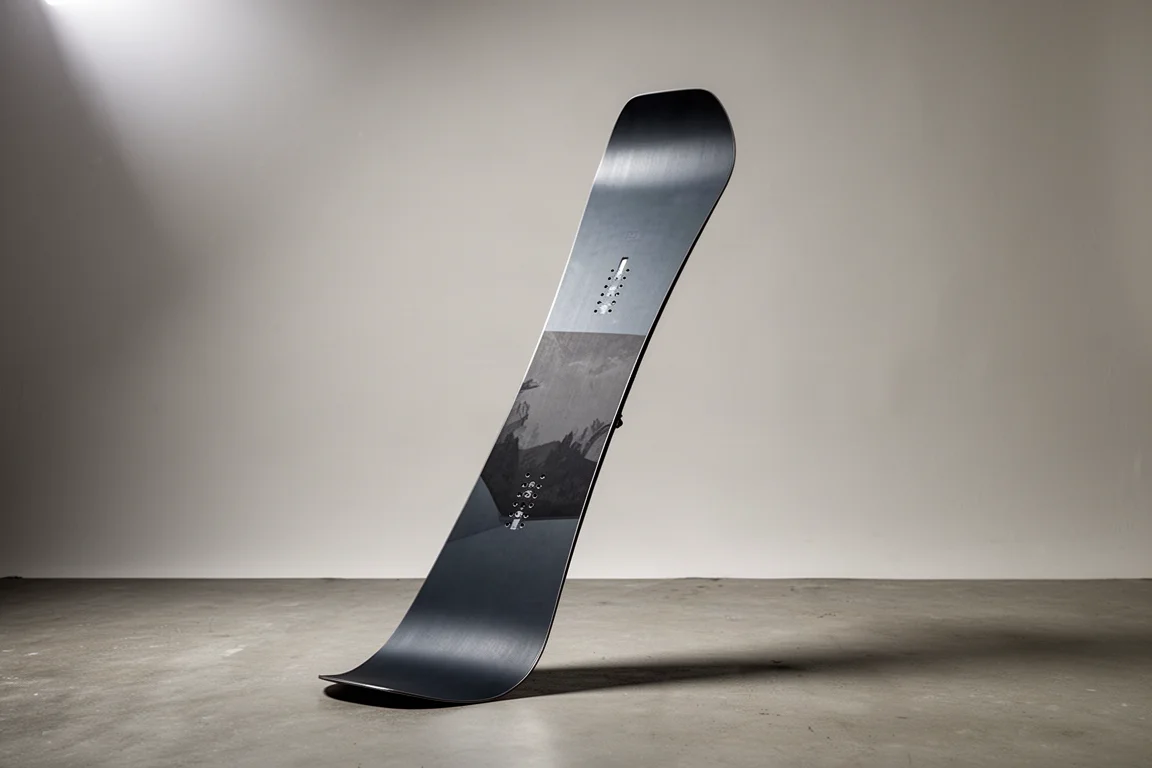
The Bataleon Thunderstorm is an all-new unisex snowboard that folds the brand’s Storm, Thunder, and Thunderbolt ideas into a single all-mountain freeride shape. Its foundation is traditional camber running from contact point to contact point, which is where the load, pop, snap, and drive come from. On top of that sits Bataleon’s 3BT and Sidekick technology, which scoops the nose and tail so the board is less hooky at the contact points, floats better in powder, and butters more easily.
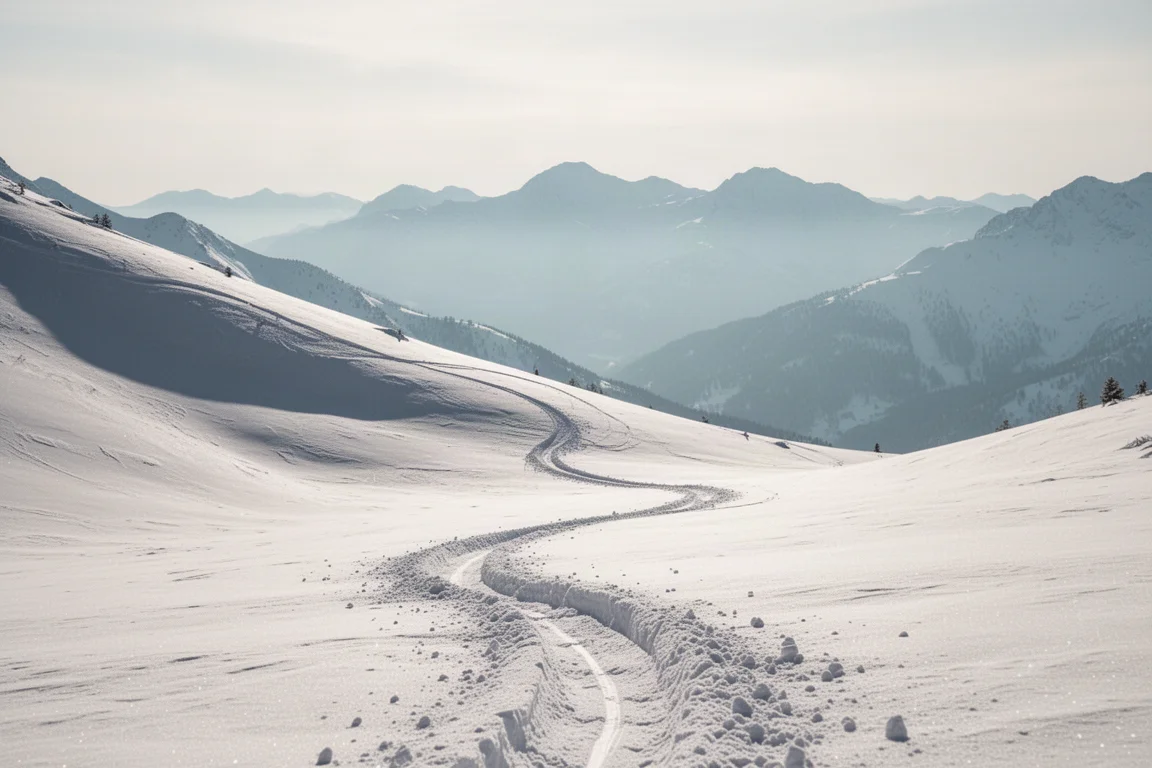
The size run is broad: 144, 148, 152 narrow, 154, 156, 156 narrow, 156 wide, 158, 159 wide, 161, and 162 wide. That spread gives heavier and lighter riders, plus those with larger or smaller boots, a reasonable chance of finding a fit without compromising the unisex design intent.
Real-world impressions come from a day at Arapahoe Basin in sunny, slightly warmer conditions, with five to seven inches of fresh snow that had been baking in the sun. The terrain served up heavier chopped chunder, perfect corduroy, and a little ice for good measure. The board was ridden with Rome Black Label bindings and K2 boots.
Who the Bataleon Thunderstorm Is For
This board is aimed squarely at the powder-chasing all-mountain freeride rider, the sort of person who wants one deck that can handle deep days, chopped resort snow, and a firm groomer without complaint.
The flex sits right around the middle of the road for an all-mountain freeride board, with a slightly softer nose that progressively stiffens back toward the tail and a bit of torsional flex that carries some rebound. It is predictable rather than dramatic. Because of that, the flex is unlikely to feel overwhelming for a female rider or a smaller rider, and the unisex approach works in its favour rather than against it. The snap is there, initiation takes only a little effort, and the stability lets you push through chop and chunder without feeling worked over.
It is a less natural fit for someone who is only now moving into butters, particularly on firm snow. There is a certain amount of fight in the camber, and a rider still learning that skill may be better served by a softer, more forgiving shape.
Main Strengths: Camber Pop, Snap, and Charging Stability
The camber takes a little effort to load up, and that is the trade. What you put in, you get more back. It has snap and it has rebound, so when you load it into a side hit, pop a cat track gap, or pillow pop in the powder, it launches and you do not have to worry about the landing.
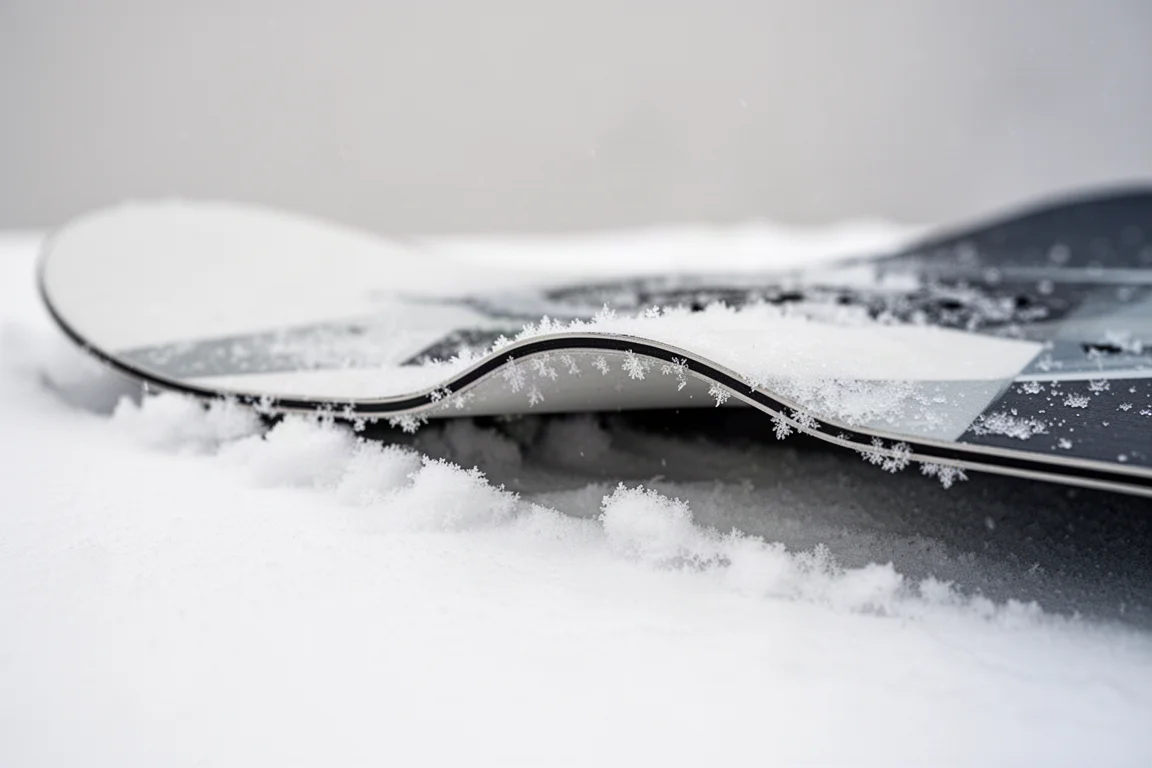
Stability is the other headline strength. The Thunderstorm does a great job of pushing through chop and staying on top of it. You may feel a little kinetic energy coming up underfoot, but not enough to fatigue you over a long day. Along the edge, the top sheet rolls slightly down into the sidewall, which adds grip and helps dampen that energy when you are on edge. The overall sensation is smooth and planted rather than reactive, and it never felt like it was going to buck the rider around.
Powder Float and Buttering With 3BT and Sidekick
The 3D shaping in the nose and tail is what elevates buttering in powder. Because the contact points are scooped, the board does not hook up, so you can spin around and press without fighting the edges. In soft snow, this is one of the most approachable parts of the ride.
On a groomer or firmer snow, the picture changes. When you really push into it, there is noticeably more fight from the camber, and it takes more effort to break the board loose. Speed becomes your friend here. Riders who already know how to butter will not have an issue, while riders who do not may want something else, because there is just enough resistance to make firm-snow and slush butters a genuine technique test rather than a freebie.
Edge Hold and Carving Performance
Edge-to-edge power transmission is nimble, smooth, and powerful. That slight down taper from the top sheet into the sidewall adds edge hold and sends more power to the edge, so you can rail a hard carve and the board gives back more than you are giving it. There is no sense of the edge running out of grip underneath you.
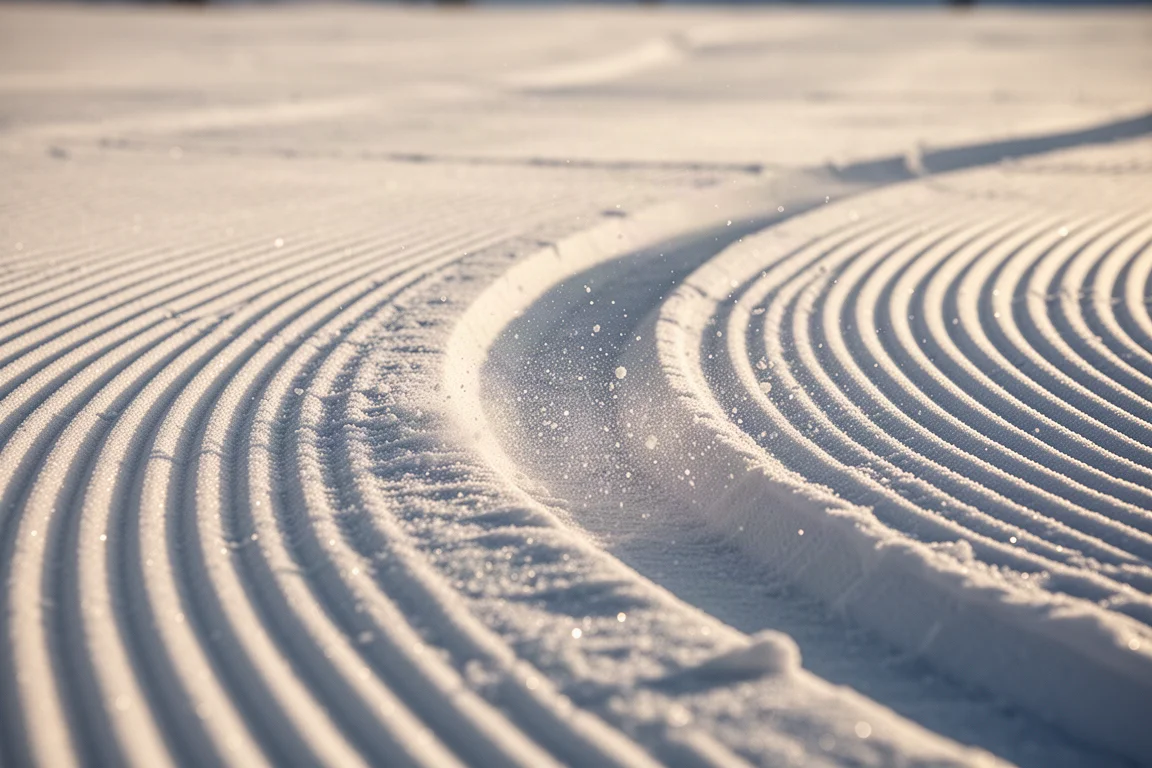
One detail worth understanding before you ride it: with 3BT and Sidekick, the initiation points move back a little closer underfoot. The practical effect is that the Thunderstorm responds well to ankle steering. Short, tight, quick carves and medium carves are handled without concern, and when you want to really lay a turn over, the board will let you do it. Riders who are used to driving hard off the front foot may need a run or two to adjust.
Things to Consider Before Buying
The camber is the source of most of this board’s character, and it is also the main thing to think through. It takes deliberate effort to load, which rewards strong riders and can feel like work to riders who are still building their timing.
Firm-snow and slush butters require real technique. Powder butters are easy thanks to the 3D shaping, but the same trick on a hard groomer is a different proposition.
There is some kinetic energy transferred up underfoot in rough, chopped snow. It is not fatiguing in the way a stiff, unforgiving freeride deck can be, but it is present, and it is worth knowing about if you are sensitive to chatter.
Finally, the size run is wide but specific. Narrow and wide options exist alongside the standard widths, so matching the board to your boot size matters as much as matching it to your weight.
Buying Advice
If you are the powder-chasing all-mountain freeride rider this board was built for, the Thunderstorm makes a strong case. It combines the float and forgiveness of a 3D-shaped nose and tail with the pop, drive, and edge hold of traditional camber, and it does so with a flex that stays predictable across a wide range of rider sizes. For deep days, slam back inserts are included, which lets you set the stance back without tools or compromise.
If you are cross-shopping, boards in a similar space include the Jones Flagship, the Capita Kazu, and the K2 Passport. For bindings, pairings that suit this kind of ride include the Bataleon Astro, the Bent Metal Transfer, and the Jones Mercury.
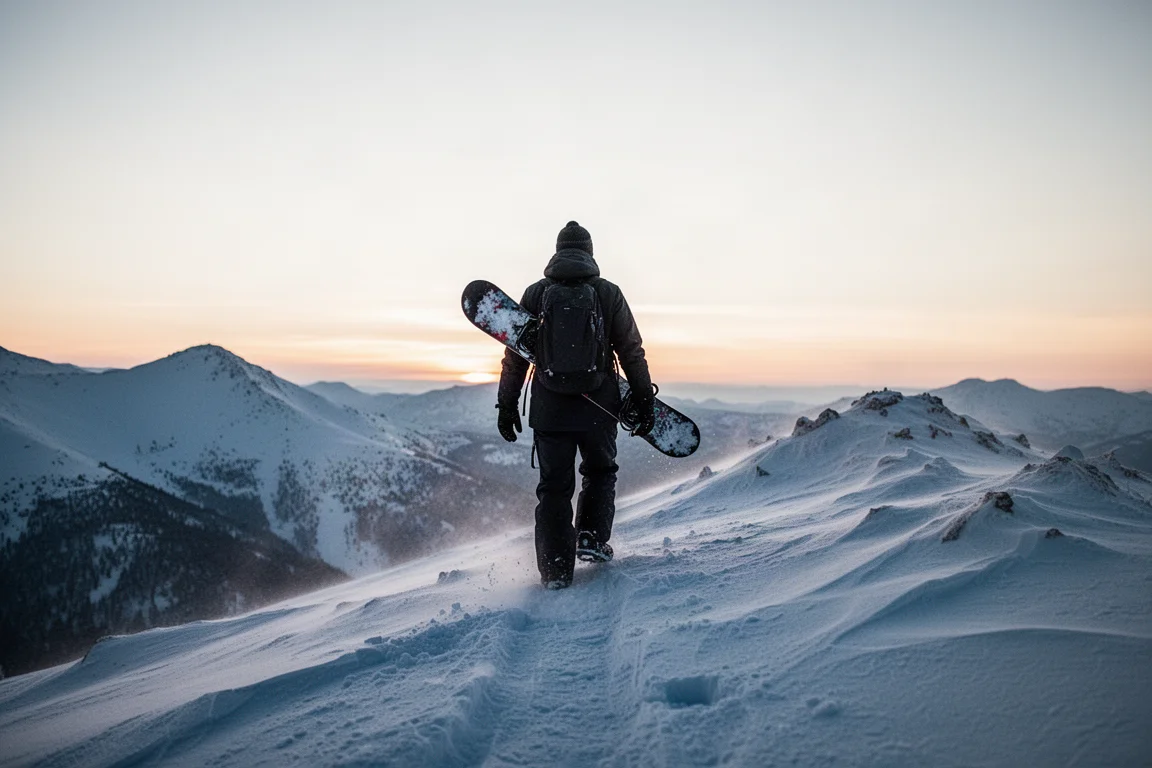
On sizing, work from your weight first and then confirm the width against your boots. The 156 wide, 159 wide, and 162 wide options cover larger boots, while the 152 narrow and 156 narrow are there for riders who want a tighter footprint. If you split your time between deep days and firm resort laps, the mid-range flex means you will not need two boards to cover both.
Conclusion
The Bataleon Thunderstorm is a solid, well-rounded unisex all-mountain freeride snowboard. Traditional camber supplies the snap, pop, and edge drive, while 3BT and Sidekick keep the nose and tail loose enough to float in powder and butter without hooking. It is smooth through chop, predictable in flex, and capable of railing a hard carve when asked.
The caveats are honest ones. Loading the camber takes effort, firm-snow butters demand skill, and rough snow sends a little energy up underfoot. Riders who understand those trade-offs and want one board for powder days and resort charging will find a lot to like here.
Product link
View more details for Bataleon Thunderstorm
This product is mentioned in the review. Check the specifications, options, and compatibility before buying.
View more details for Bataleon ThunderstormFurther reading
Related Reviews
Snowboards
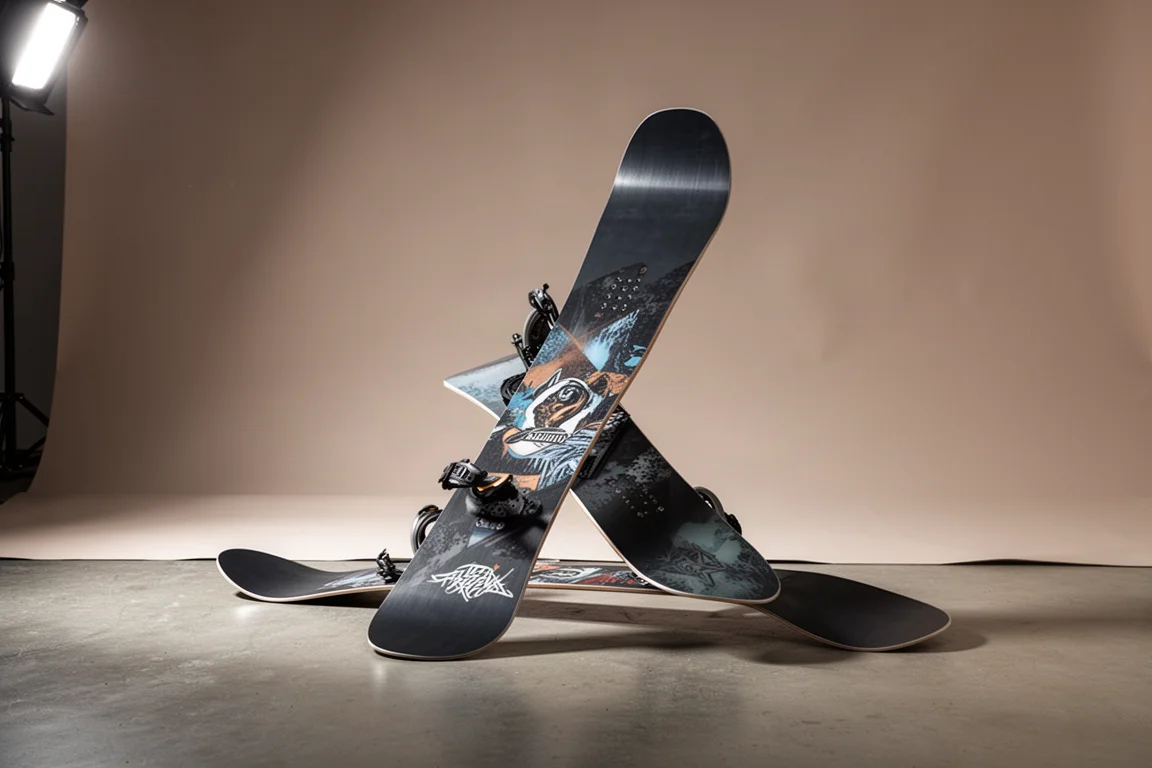
32 Middle Earth Scott Stevens Pro Model Snowboard Review: A Park Board With a Reversed Flex
A medium traditional camber park board with carbon V reinforcement that is stiffer in the tips and more playful between the feet. Here is how it rides and who it suits.
Snowboards
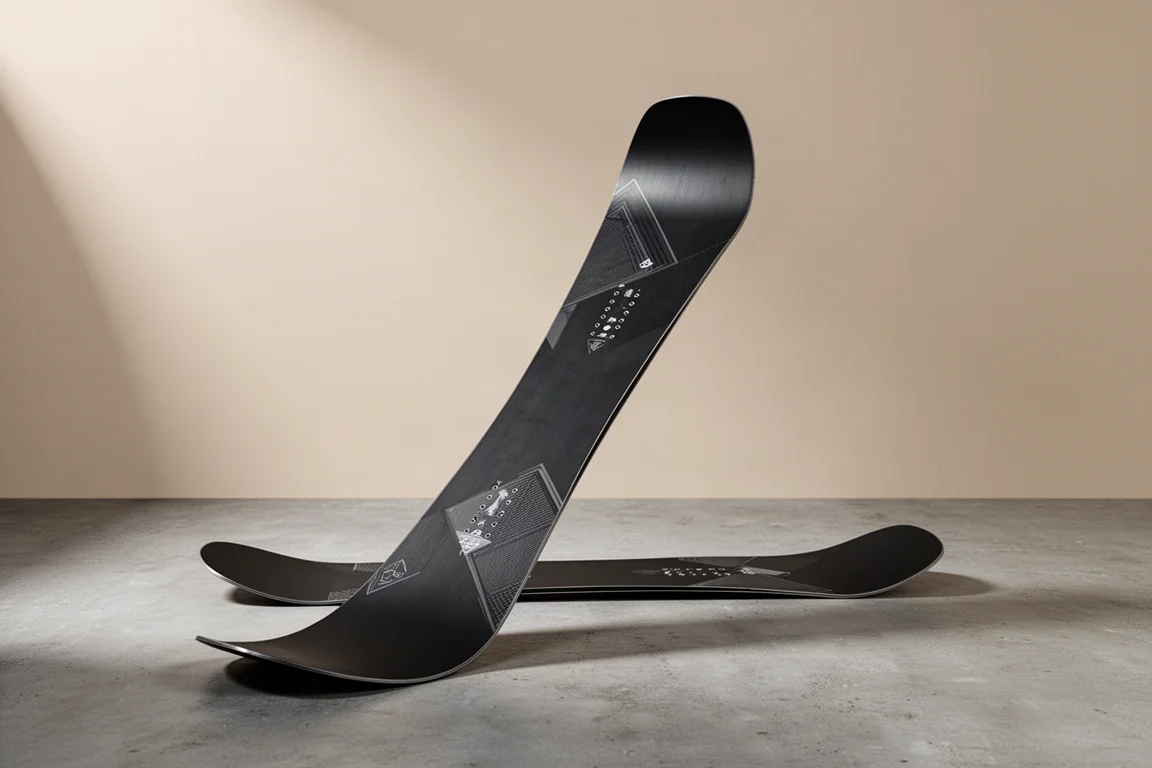
32 Snafu Review: A Directional All-Mountain Freestyle Board with Serious Pop
The 32 Snafu pairs a directional camber-rocker profile with a stiffening tail for powerful carves, big ollies, and a surprisingly damp ride.
Snowboards
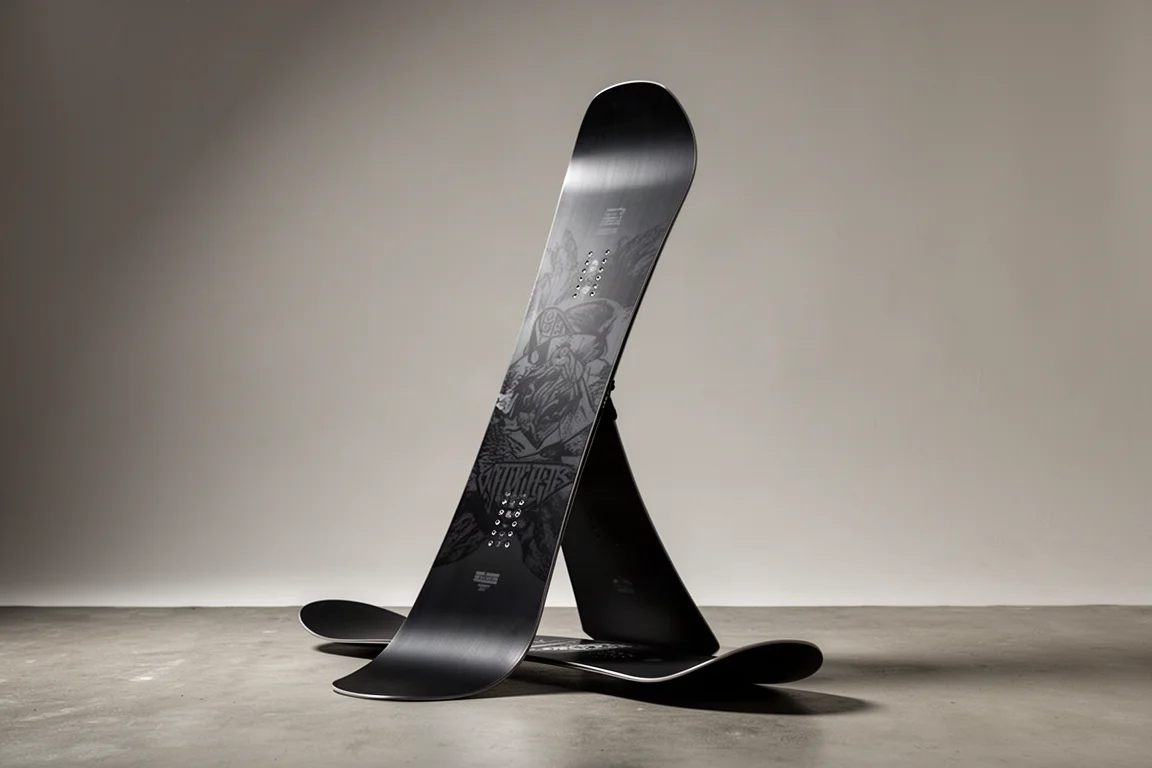
32 XXX Pat Fava Pro Snowboard Review: A Stiff Camber Beast for Hard-Charging Riders
A full-width traditional camber deck that rewards aggression with stability and edge power, but demands effort everywhere else.