Snowboards
Bataleon Stereo Team Review: A Stiffer Twin Built for Senders
Bataleon's new Stereo Team blends traditional camber, mellow 3D tips, and carbon for a poppy, stable freestyle twin that rewards committed riders.
Introduction
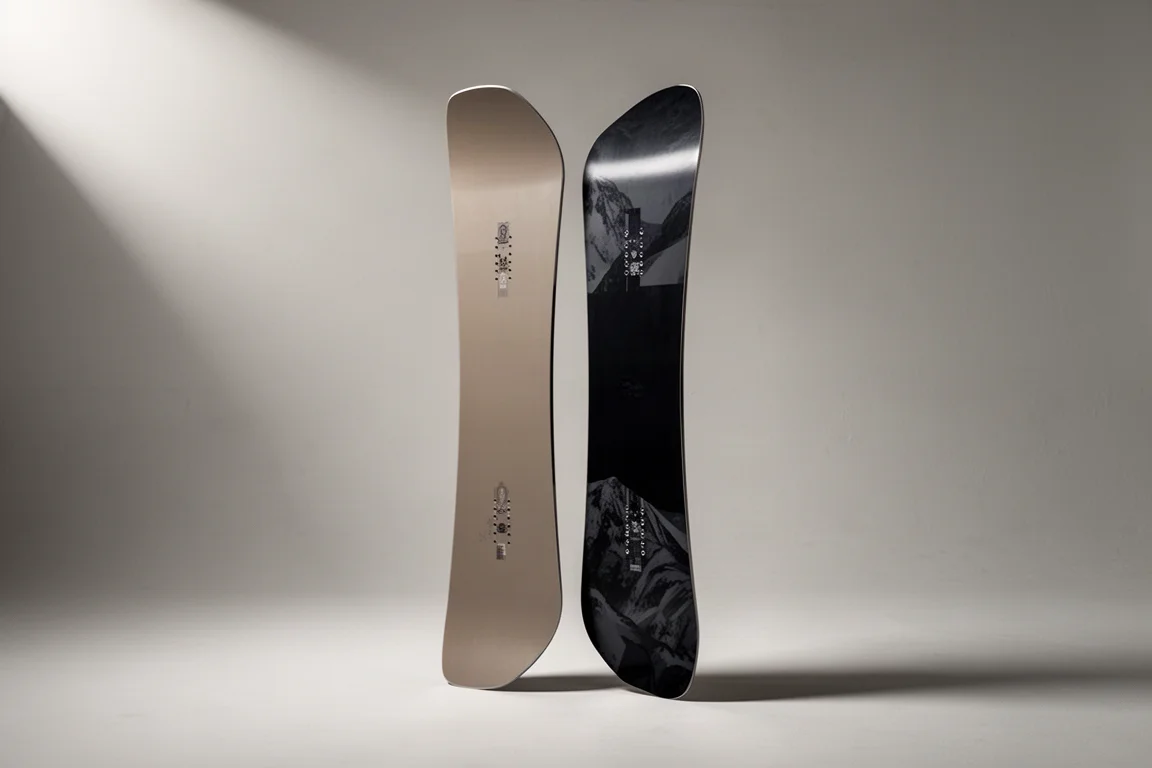
The Bataleon Stereo Team is a completely new model this season, and it’s also the pro model of choice for Ethan Morgan and Halldor Helgason. It’s a stiffer freestyle twin with traditional camber, a carbon layup, and Bataleon’s mellowed-out approach to 3D shaping in the tips. The short version: it’s a board for riders who want to send bigger features without giving up the ability to cruise, carve, and ride switch all over the mountain.
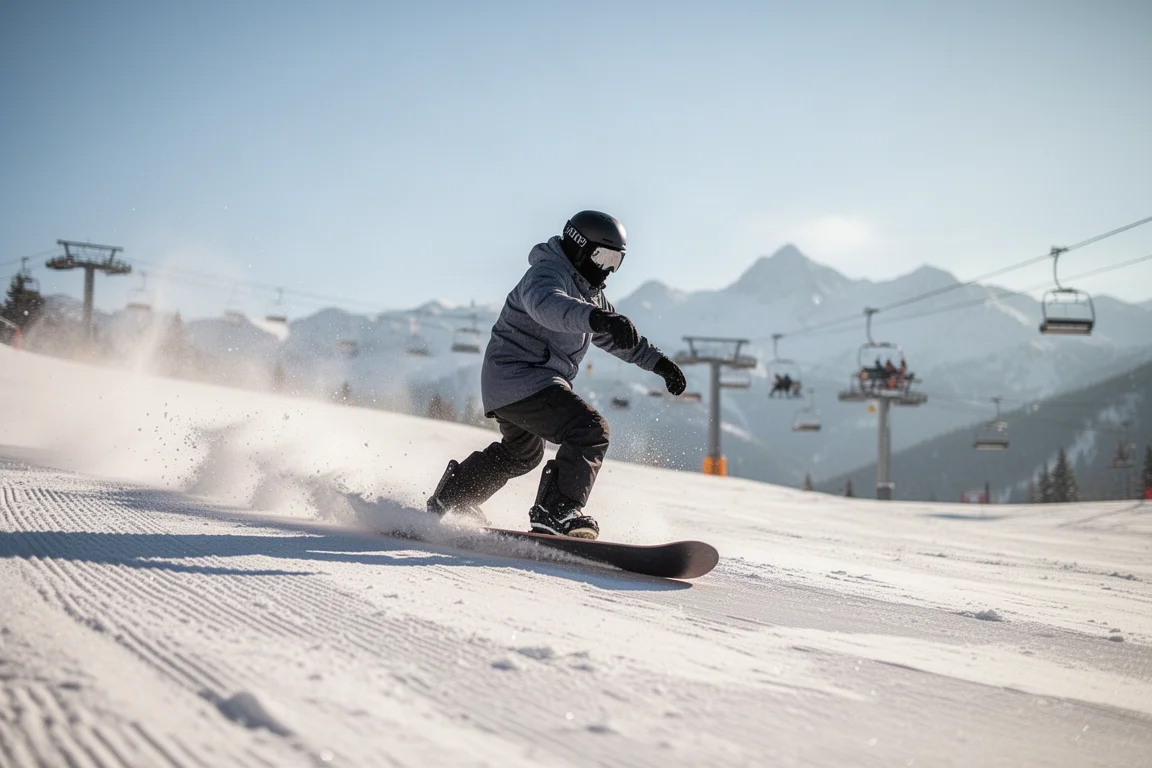
Testing happened on a bluebird day at Copper Mountain with firm, fast groomers, icy scraped-off sections, dust on crust, push mounds, and generally lumpy low-tide snow. Rome Black Label bindings and K2 Thraxis boots rounded out the setup. Tough conditions, but a good proving ground for a board that claims to handle everything.
Who the Stereo Team Is For
This board is aimed squarely at the sender. Someone who wants to hit bigger features, wants a true twin tip so they can ride switch and do everything with it, likes the idea of 3D in the tip so it doesn’t hook up, and still wants to charge around the mountain when they need to. You can absolutely go Mach 10 on this thing.
If you’re a dedicated butter enthusiast, though, read on. There are softer Bataleons that do deep presses far more easily.
Construction and On-Snow Feel
The Stereo Team uses Bataleon’s medium camber with low Sidekick 2.0 technology. The traditional camber runs contact point to contact point, giving you load, pop, snap, and drive. The low Sidekick 2.0 is a more mellow 3D shaping in the tips: you still get the spooned-out tips, but it doesn’t aggressively raise the contact points, so you keep more edge bite. If you’re swizzling up on the nose or tail while buttering, it also won’t hook up as much.
The overall flex firmly entrenches this as a stiffer freestyle board. It’s past the middle of the road, but it’s not a full-blown plank. There’s a tiny sweet spot out in the nose and tail with a bit more give, then a consistent flex from just outside the inserts through the middle. Torsionally, the board fights back: twist it or ankle steer and you get noticeable rebound, a twitchy snap that returns pressure into your input.
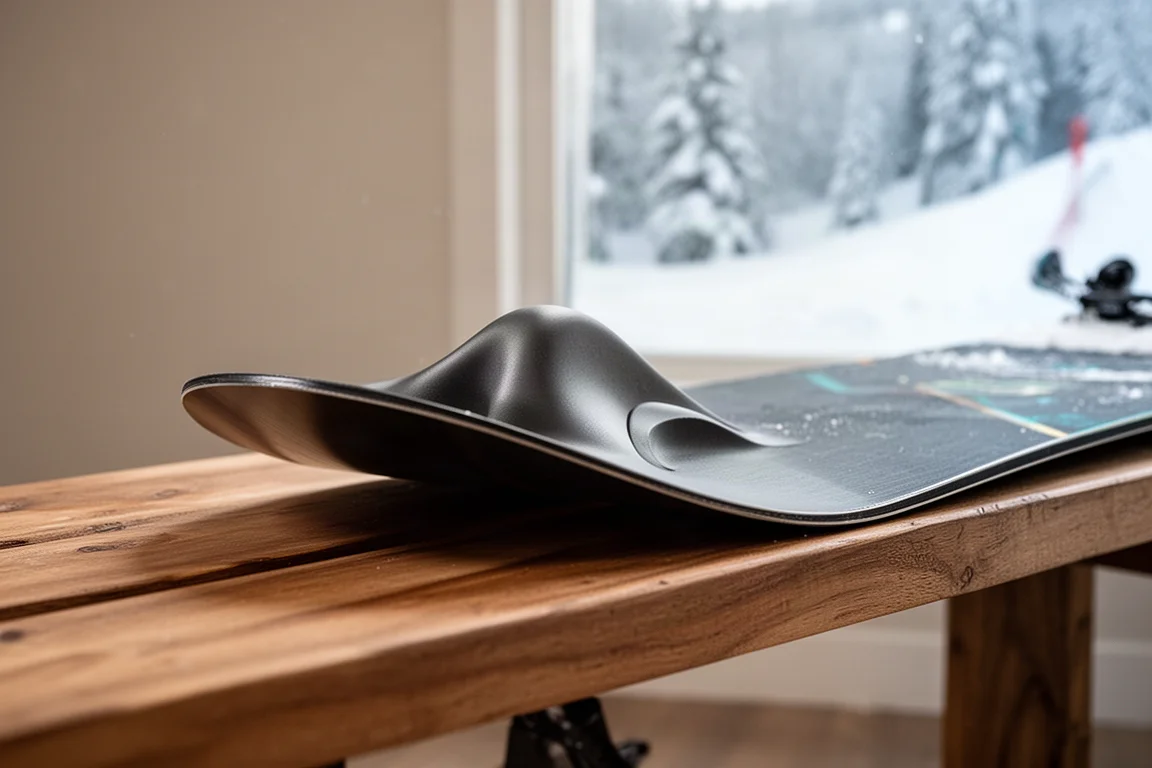
That consistent flex and the small sweet spot cut both ways. Press into the nose or tail and it fights you, reacts, and pops you out rather than sinking into a deep press. The carbon runs edge to edge on the outside and inside of the insert packs, so if you’re slightly off with your weight, you’ll feel it engage and whip you around a little differently. The mellow 3D in the tips saves you here, keeping the board from hooking up when you get off axis.
Stability is where the high cap sidewall makes its mark. The board cuts through chop and chunder with ease, sits on top of death cookies with minimal vibration, and on edge the sidewall helps dissipate kinetic energy. There’s very little jittering, no sense it will wash out, and it absorbs just enough to let you stay locked into the arc of your turn. Bataleon has needed this kind of refinement on more of their boards, and it’s great to see it here.
Pop and Butters
This board has snap. The traditional camber loads up aggressively, and with the carbon layup you feel it rebound. It takes a bit more effort than a softer deck, but what you put in comes back solid. You can be laid back on it and still get that pop; it’s a mellow-laid-back vibe rather than a fully relaxed one.
Butters are the trade-off. The sweet spot in the nose and tail is very small, and it reacts hard when you press in. If you’re after the deepest butters, softer Bataleons like the Disaster Plus or Evil Twin are easier choices. The 3D shaping helps keep the board from hooking up when the carbon catches you off guard, though.
Jump Performance and Pop
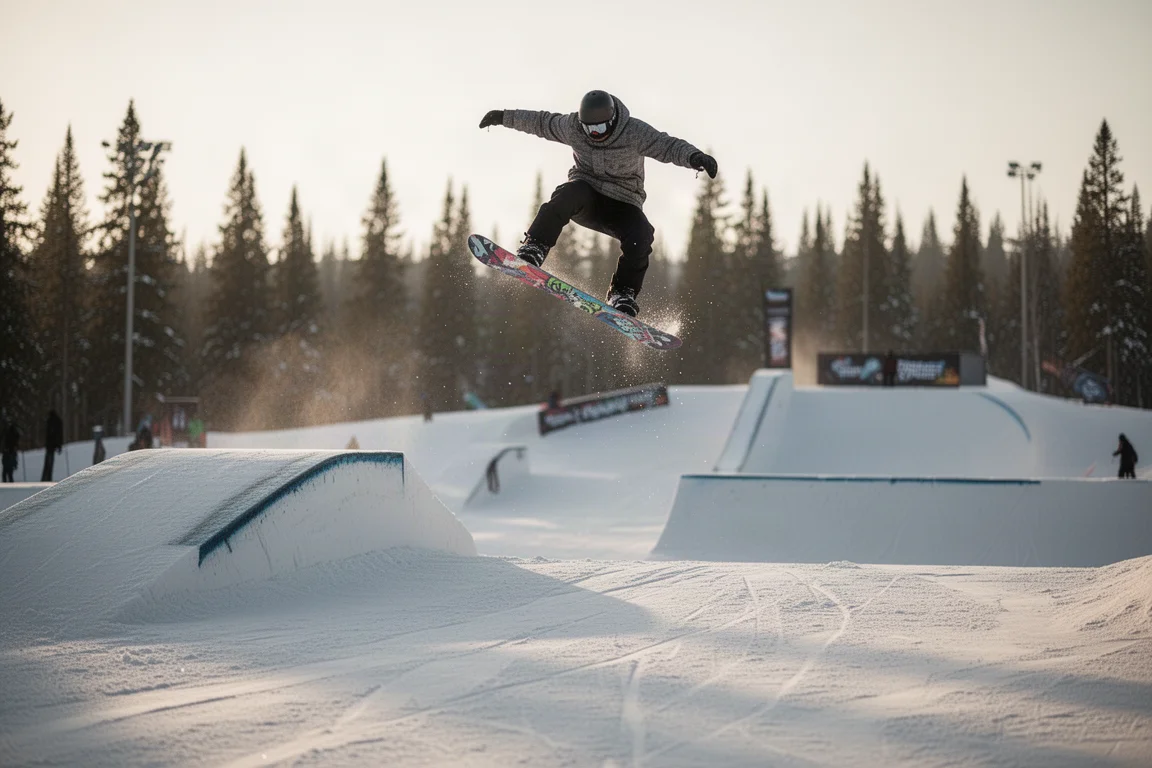
Speed is your friend everywhere on this board. Small, medium, or large, jumps are fine, but it genuinely wants the larger features. On a small jump you’re probably sending it to flat unless you come in slow. Even when you don’t load the lip and just let it launch you, there’s still plenty of reactivity and spring, so you get up in the air regardless.
Jibbing
Jibbing works, but again, speed is your friend. Nose and tail presses won’t be the deepest; you get a minimal press, and the harder you push, the more the camber, core profiling, and carbon engage and want to react. Hit features fast and by the time all of that engages you’ll hopefully be at the end of the feature, springing back out of it. It does lock in and hold a press, which is nice, even if it’s on the weaker side. Going sideways, it’s not a full balance-board act, so don’t worry about clapping out, even from the top rope. Camber locks in and still wants to spring you back out.
Carving and Edge Hold
This is where Bataleon is reinventing itself. The high cap technology and mellowed 3D shaping at the contact points fix a long-standing weakness: in the past, the aggressive 3D cost edge hold and steering happened more underfoot. With the Stereo Team, you can still drive out at the contact points, and there’s a nimbleness edge to edge that shines in short, tight, quick carves.
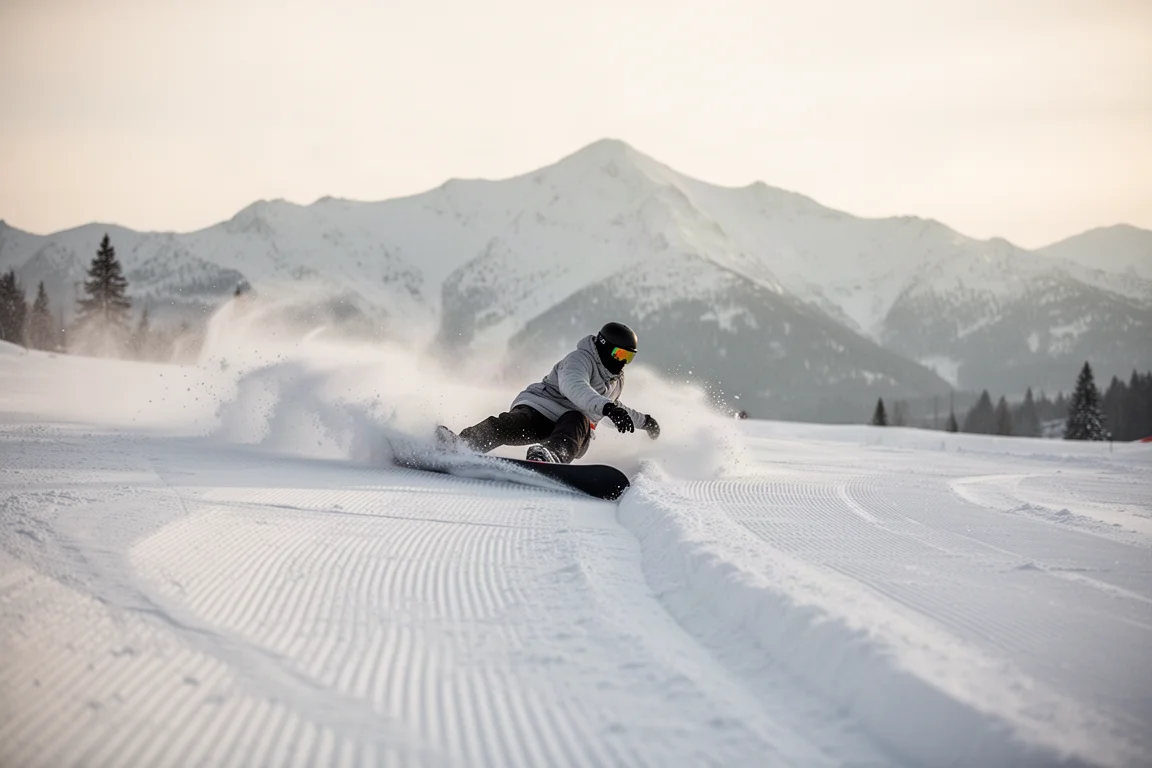
Medium carves are where the board truly excels. Locked in on edge, you feel the power as you swoop from one side of the trail to the other, with the carbon running toe to heel edge helping you engage through ankle steering. Lay it over for a deep, hard, aggressive carve and you get a lot of spring out of the turn thanks to the camber and the carbon strip down the middle, but it’s not as easy as the shorter or medium arcs. If you absolutely need to lay a trench, you’ll work for it, but it’s worth what you get out of it. Those mellow park-style carves are also perfect for getting around a feature or a family of fat skiers without a second thought.
Things to Consider Before Buying
Stiffer than people expect, and that’s not a bad thing. Last year Bataleon’s core profiles ran a little too thin and everything felt softer than it should have; this board reflects the correction. If you’ve ridden Halldor’s Cream model from Yes, this is stiffer than that, closer to the extremely creamy model, the Cream Extreme. Edge hold is also better than on many other Bataleons. The available sizes are 141, 144, 147, 150, 152, 154, 156, 158, plus 153W, 156W, and 159W.
Comparable boards worth a look include the Capita Super DOA, the Jones Tweaker Pro, and the Arbor Red Gerard Pro. Binding recommendations are the Bataleon Astro, the Ride Drone, and the Union Atlas.
Buying Advice
If you’re buying online, using an affiliate link works fine. If you’re heading to your local shop, even better: either way you’re supporting snowboarding. This is a good board for charging around in a true twin that lets you send the park, cruise a groomer, and launch a side hit without worry. It’s a great fit for experienced freestyle riders; riders who want soft, buttery presses should look at Bataleon’s softer freestyle models instead.
Conclusion
Very impressed with the Stereo Team overall. It combines traditional camber pop, carbon-driven rebound, genuinely improved edge hold, and the high cap sidewall’s impressive damping into a true twin that rewards riders who like to go big. It asks for speed and effort, and it pays you back every time. For the sender’s quiver, it earns its spot.
Product link
View more details for Bataleon Stereo Team
This product is mentioned in the review. Check the specifications, options, and compatibility before buying.
View more details for Bataleon Stereo TeamFurther reading
Related Reviews
Snowboards
32 Middle Earth Scott Stevens Pro Model Snowboard Review: A Park Board With a Reversed Flex
A medium traditional camber park board with carbon V reinforcement that is stiffer in the tips and more playful between the feet. Here is how it rides and who it suits.
Snowboards
32 Snafu Review: A Directional All-Mountain Freestyle Board with Serious Pop
The 32 Snafu pairs a directional camber-rocker profile with a stiffening tail for powerful carves, big ollies, and a surprisingly damp ride.
Snowboards
32 XXX Pat Fava Pro Snowboard Review: A Stiff Camber Beast for Hard-Charging Riders
A full-width traditional camber deck that rewards aggression with stability and edge power, but demands effort everywhere else.