Snowboards
Bataleon FunKink Review: One Directional Twin for the Whole Mountain
The Bataleon FunKink returns stiffer and built in a new factory. Here is how the medium camber, 3BT, and SideKick package performs across park, groomers, and powder.
Introduction
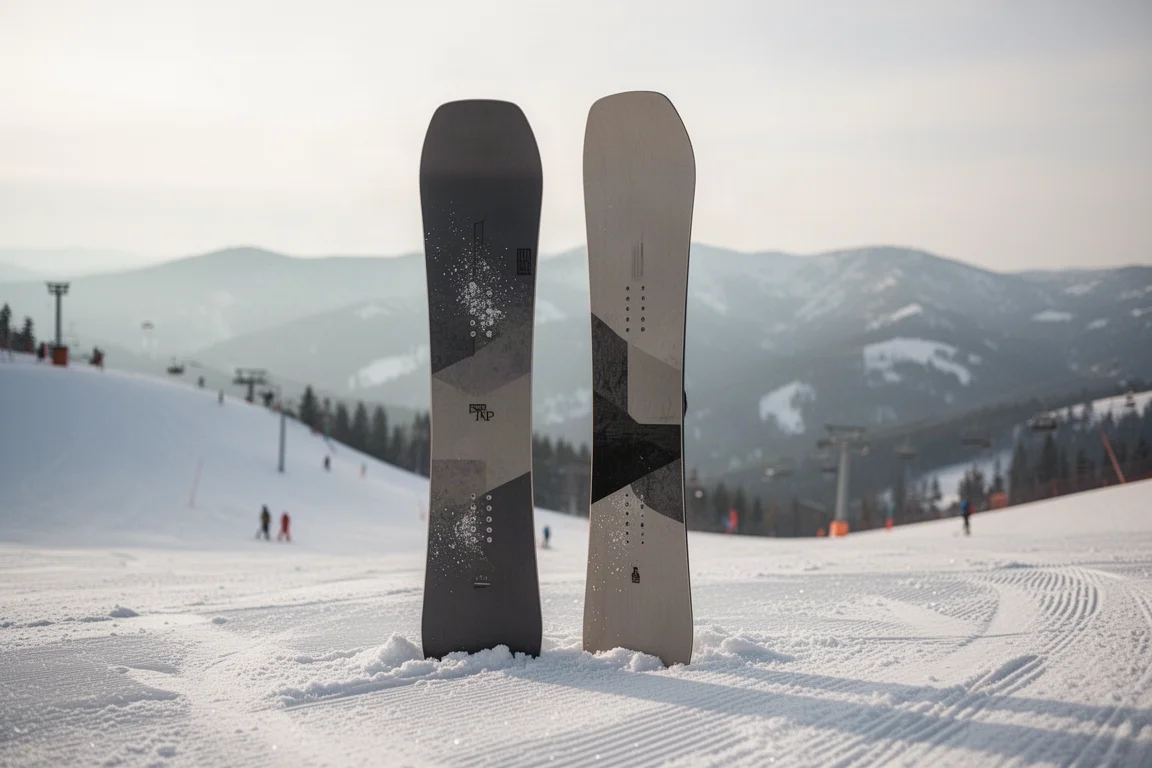
The Bataleon FunKink arrives this season with two notable changes: it is produced in a new factory, and it has been stiffened slightly compared with the version that came before it. The shape itself carries over, which means medium camber, 3BT, and SideKick remain at the core of how the board rides.
Medium camber is a traditional camber profile that arcs from contact point to contact point. That arc is what delivers load, pop, snap, and drive, and it is the reason the FunKink rewards a rider who commits weight into the board. 3BT and SideKick then lift and spoon the nose and tail, which makes the tips less hooky and helps funnel powder out and away.
The FunKink is offered in 149, 151, 154, 157, 159W, and 162W. Time on snow took place at Copper Mountain on a sunny bluebird day with a couple of inches of fresh snow, chopped chunder, pockets of leftover powder, and perfect corduroy, ridden with Rome Black Label bindings and K2 Thraxis boots.
Who This Board Is For
The FunKink is aimed squarely at the rider who wants one board to cover everything. It is a directional twin, so there is slightly more flex in the nose than in the tail, but the overall package sits in the middle of the road rather than at either extreme.
That makes it a sensible pick for someone building a single-board quiver. Park laps, side hits, groomer carving, and the occasional powder morning all fall inside its range, and the traditional camber section gives it enough backbone to stay engaging when the terrain turns faster or steeper.
Main Strengths
The flex pattern is the headline. Torsional flex is noticeable without being abundant, and the rebound is solid rather than explosive. Nothing about the ride feels specialised, which is precisely the point for a board intended to handle a full season of varied conditions.
Flex, Stability, and Snap
Stiffening the middle of the board has made it more stable underfoot than the previous version. There is still chatter at the tip that resonates back slightly under the front foot, and heavily rutted terrain can knock the board around, so staying on top of your knees is worth remembering.
Camber is what gives the FunKink its pop. Load the board and it gives the energy back, whether that means popping off a side hit or launching a gap across a cat track. The feel is closer to a board that has already been broken in over a full season than to something stiff and unfamiliar.
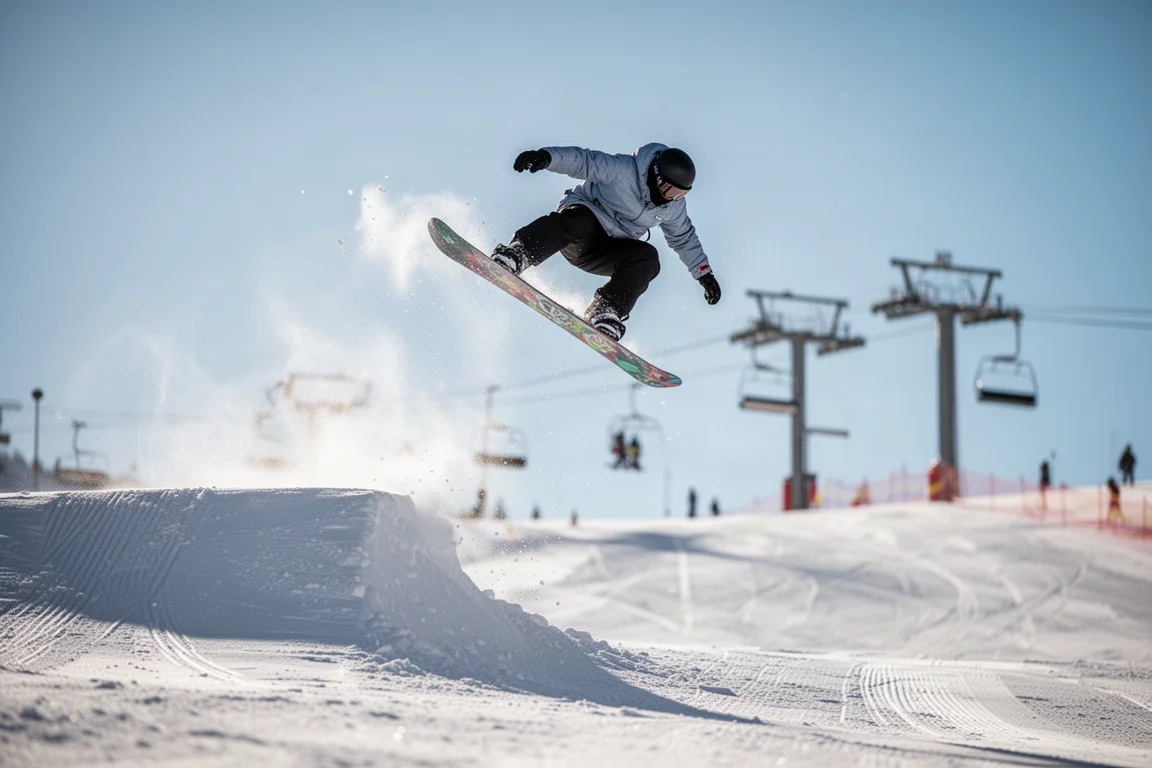
Takeoffs and landings are where that stored energy matters most. On the lip, a loaded board travels a little further and a little higher, and even a lazy, low-effort takeoff still gets you airborne. Small to medium jumps are the natural home for the FunKink. Bigger jumps are possible, but the board does not carry the rigidity for a large landing.
Buttering, Jibbing, and Carving
Buttering is a genuine strength. There is a large sweet spot in the nose and tail just before the upkick, and the board locks into a press easily. Because 3BT and SideKick scoop the tips out, edge catch disappears when the board goes sideways, while the camber section lets you pop cleanly out of the manoeuvre.
Jibbing follows the same logic. Pressing into the flat section of the 3BT in the nose or tail produces a press that carries all the way through a feature and then snaps out at the end. The extra torsional flex locks in without folding, and it holds until the feature is finished.
Carving is where the 3BT pays off differently. Edge to edge engagement feels quicker and more nimble, particularly when driving from outside the front foot, and tight setup turns roll over almost instantly. Push into a medium or harder carve and the camber section locks the board down. The one exception came on serious ice, where the heel side edge kicked out once; elsewhere the board railed and held. Driving from inside the back foot, with the knee pressed into the centre and down, produces a lot of power and a slingshot exit from the turn. Short quick carves, medium carves, long drawn-out carves, and even a deep, aggressive Euro carve are all within reach, though not something to expect on every run.
Things to Consider Before Buying
The trade-offs here are mostly about terrain type and size choice. Tip chatter shows up at speed, rutted-out runs can buck the board around if your stance gets lazy, and the flex is not built around large jump landings. On genuinely icy patches, grip on the heel side edge is not absolute.
Sizing deserves a moment of thought as well. The 154 was the board ridden during testing, though the 157 would have been the better fit and simply was not available at the time. That difference matters, because stepping up a length translates into a stiffer ride overall.
None of these are dealbreakers for the rider the FunKink is designed for. They are simply the areas where a directional twin with a middle-of-the-road flex asks you to stay involved rather than coast, which is a reasonable trade for the versatility on offer.
Buying Advice
If you are between two lengths, sizing up is the more rewarding choice. The additional stiffness adds stability and power, and the snap becomes more pronounced, all of which suits the board’s all-mountain brief. Riders who want the softest, most playful version of the FunKink should stay at the shorter end of the range.
Binding pairings that suit the board include the Bataleon Astro, the Ride C6, and the Bent Metal Transfer. A medium-flex binding complements the board’s middle-of-the-road character without masking the camber-driven pop.
Comparable Boards and Bindings
Riders cross-shopping the FunKink may also want to look at the Jones Mountain Twin, the Ride Shadowban, and the Capita Mercury. All three occupy a similar all-mountain freestyle space, so the decision usually comes down to preferred flex, shape, and how much of the ride you want to spend in the park.
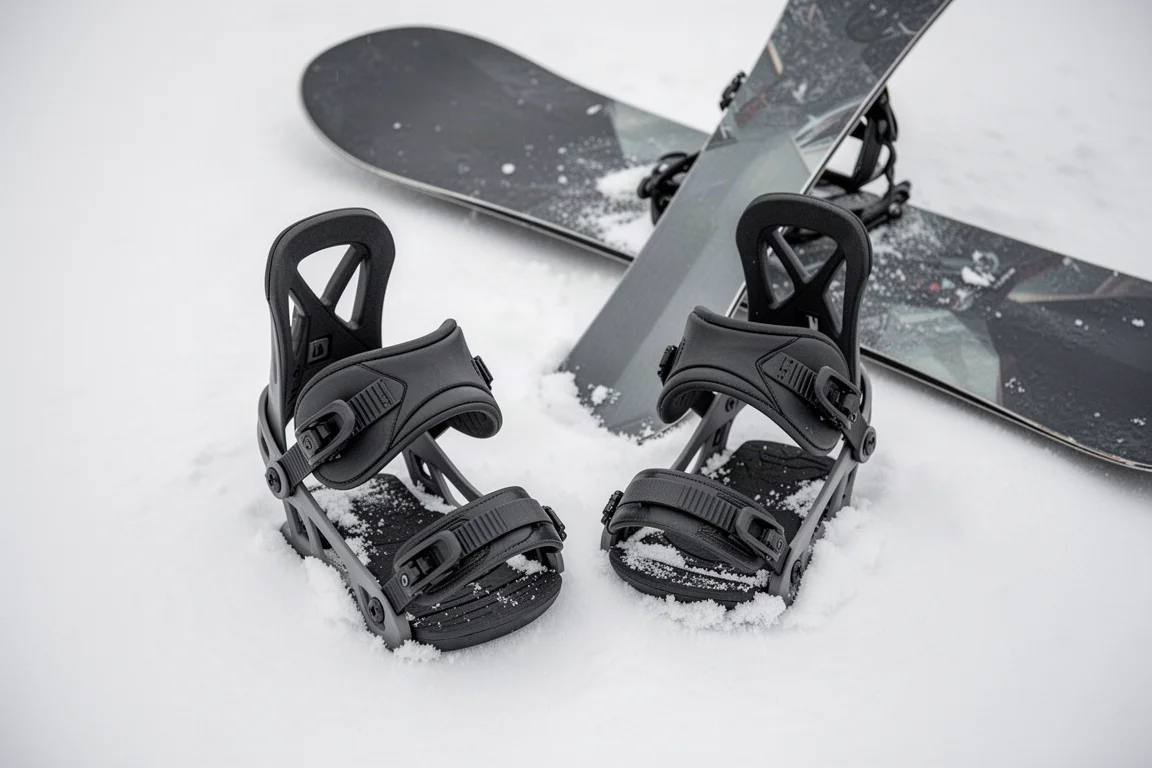
Because these boards overlap so closely in intent, the practical approach is to match the choice to the terrain you actually ride most often, then pair it with a binding in the same flex band. The FunKink’s advantage in that comparison is its combination of traditional camber drive with tip and tail shaping that keeps the board forgiving when you take it sideways.
Conclusion
The Bataleon FunKink is a straightforward proposition: a directional twin with traditional camber for drive and pop, softened at the extremes by 3BT and SideKick so it stays loose and catch-free when you press, butter, or spin. The stiffer build and new factory add stability through the middle without turning it into a demanding board.
It suits the rider who wants a single snowboard to cover park, groomers, side hits, and softer powder days, and who is willing to stay active on the board when conditions get rough. Size up if you want more stability and a sharper snap, and pair it with a medium-flex binding to get the most out of it.
Product link
View more details for Bataleon FunKink
This product is mentioned in the review. Check the specifications, options, and compatibility before buying.
View more details for Bataleon FunKinkFurther reading
Related Reviews
Snowboards
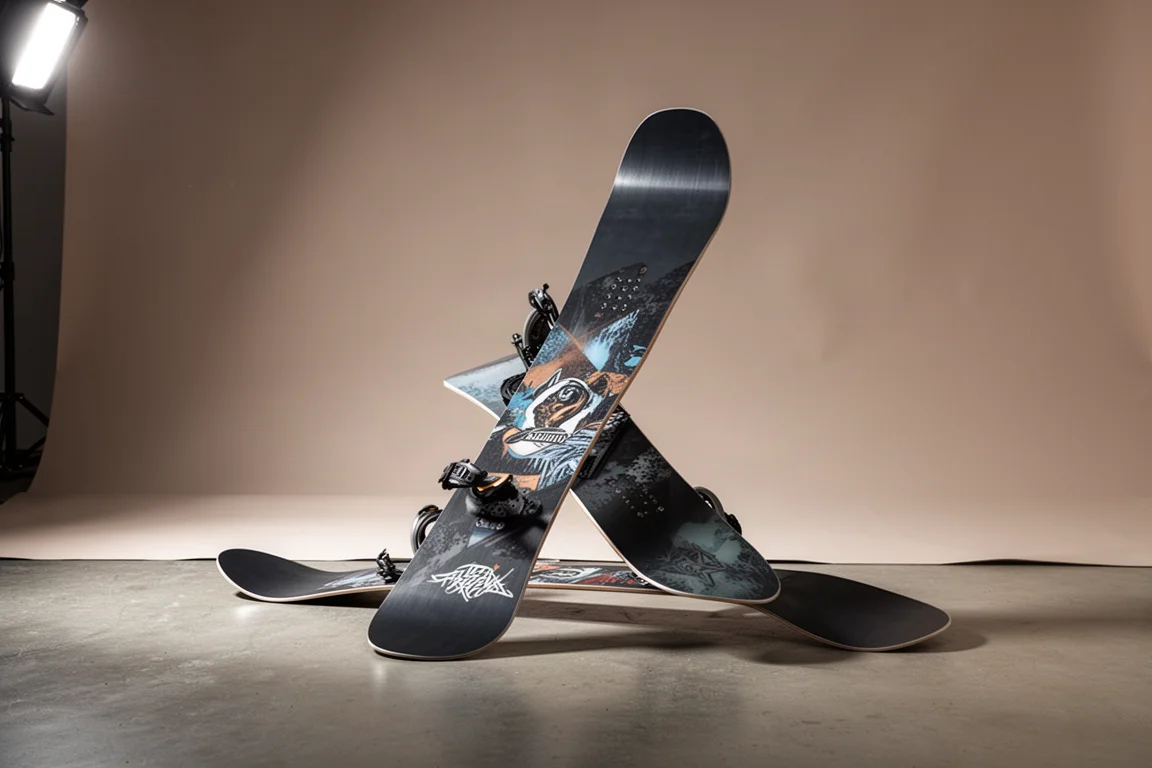
32 Middle Earth Scott Stevens Pro Model Snowboard Review: A Park Board With a Reversed Flex
A medium traditional camber park board with carbon V reinforcement that is stiffer in the tips and more playful between the feet. Here is how it rides and who it suits.
Snowboards
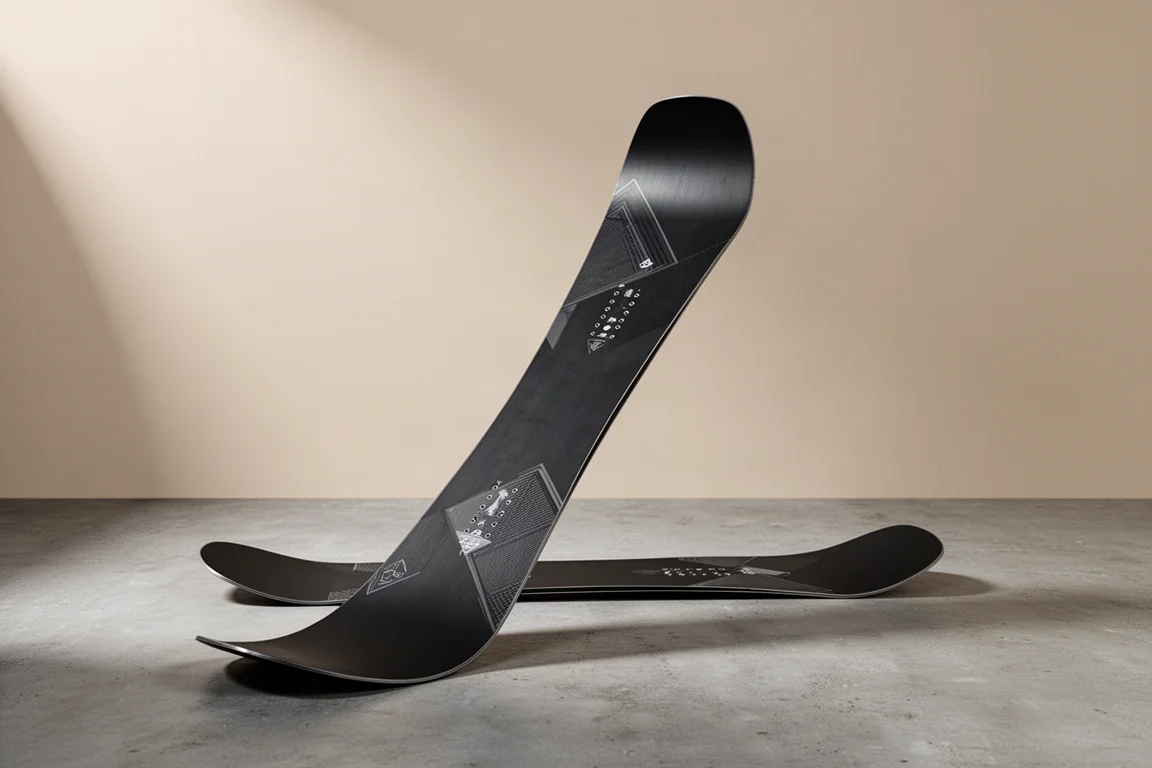
32 Snafu Review: A Directional All-Mountain Freestyle Board with Serious Pop
The 32 Snafu pairs a directional camber-rocker profile with a stiffening tail for powerful carves, big ollies, and a surprisingly damp ride.
Snowboards
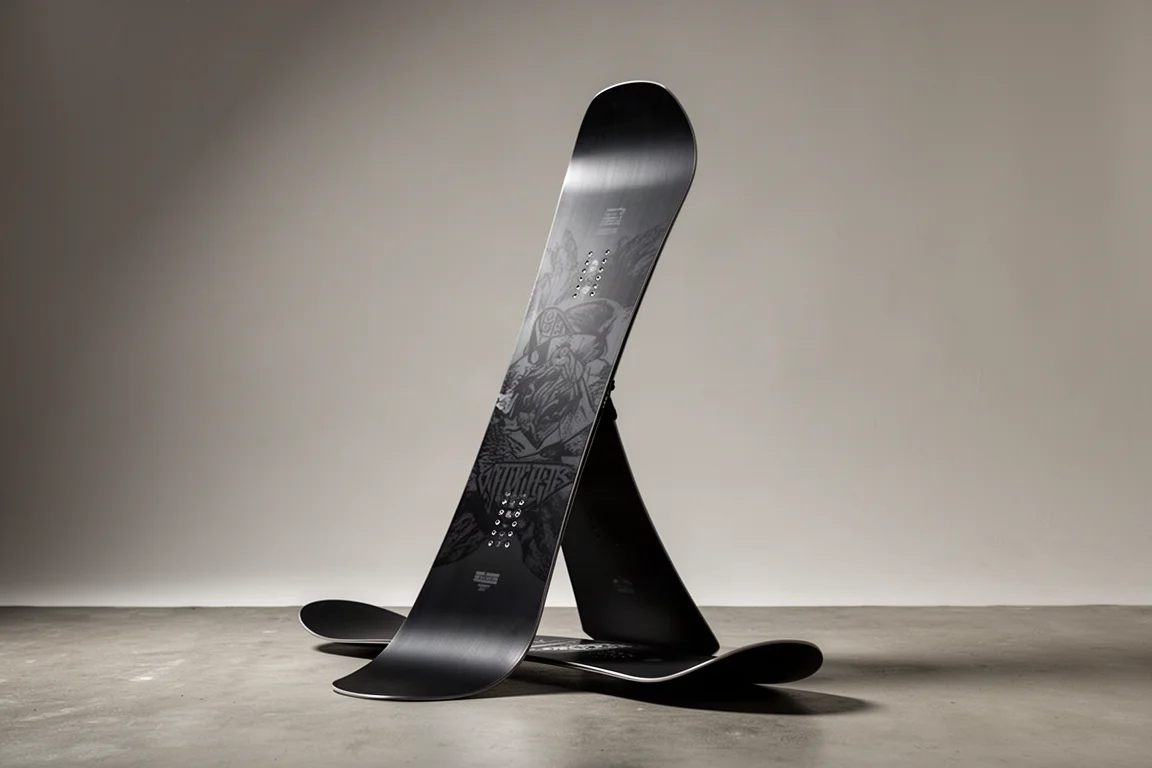
32 XXX Pat Fava Pro Snowboard Review: A Stiff Camber Beast for Hard-Charging Riders
A full-width traditional camber deck that rewards aggression with stability and edge power, but demands effort everywhere else.