Snowboard Bindings
Bataleon Dual Density Foot Pad Review: Less Chatter, Less Foot Fatigue
A practical look at the Bataleon Dual Density Foot Pad, how its two-layer foam construction absorbs board chatter, and which riders get the most from it.
Introduction
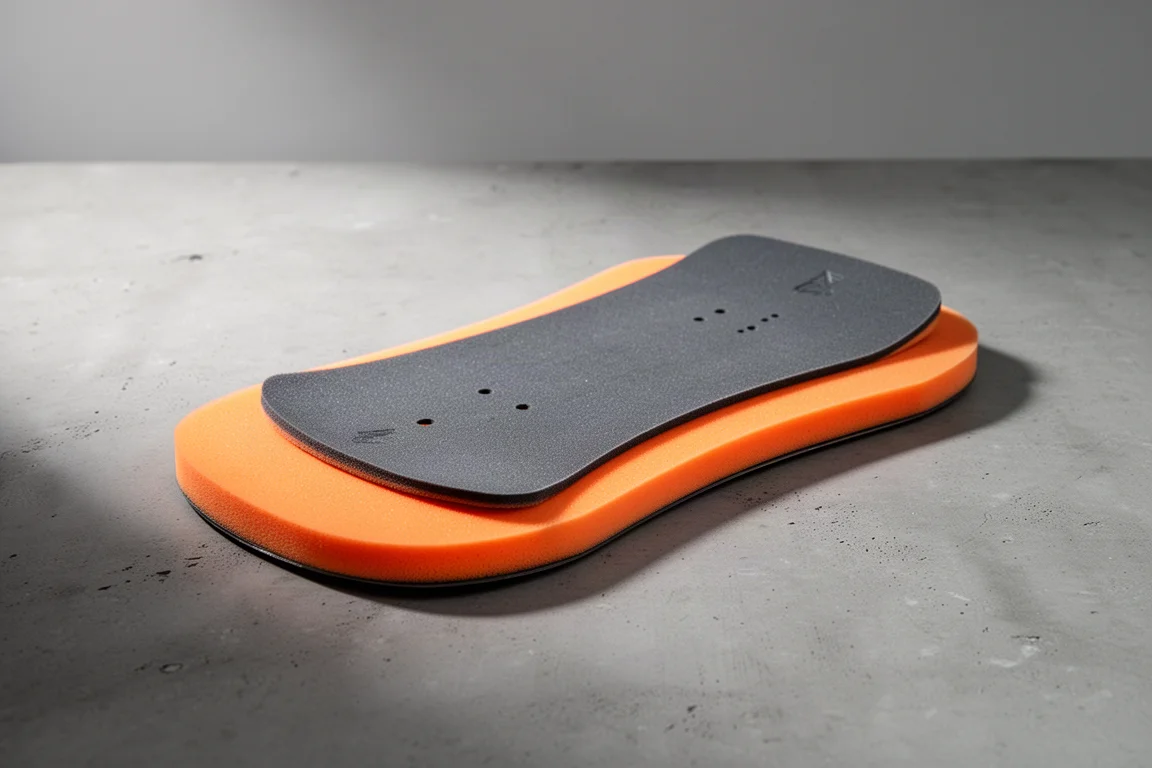
The Bataleon Dual Density Foot Pad is a replacement footbed for Bataleon snowboard bindings, built around a two-layer foam stack rather than a single sheet of material. That construction is the entire point of the product: it sits directly between your boot and the binding baseplate, right where vibration from the board travels into your foot.

Damping is one of the least glamorous parts of a snowboard setup, but it is often the difference between a full day on the hill and calling it early. The Dual Density Foot Pad is Bataleon’s answer to that problem, and it is a component worth understanding before you decide whether your current bindings would benefit from it.
What the Dual Density Foot Pad Does
The pad pairs two foams with different jobs. A softer foam forms the base layer, and a harder, rubberlike material sits on top of it. Together they work as a damping stack: the softer layer absorbs movement while the firmer layer spreads load and keeps the interface stable under your boot.
The effect is a reduction in the kinetic energy that reaches your feet. As you ride, the board transmits constant micro vibrations up through the bindings, and on firm or choppy snow those vibrations accumulate. The Dual Density Foot Pad dissipates a meaningful share of them instead of passing them straight into your boots, which is what makes it such an effective tool for reducing chatter.
Who This Foot Pad Is For
Riders who finish a day with sore knees, hips, or ankles are the clearest candidates. If stiffness and soreness in the joints show up regularly after a few hours, the extra damping is doing exactly the job it was designed for. The same applies if foot fatigue is what usually ends your session.
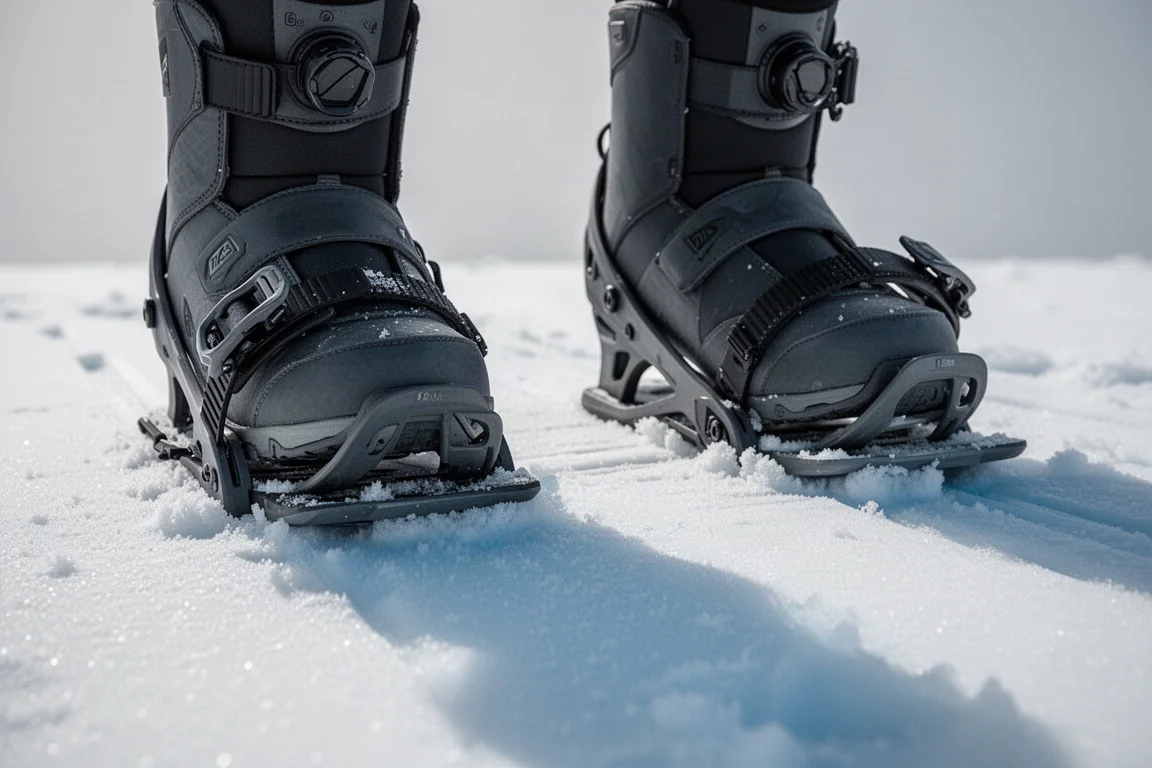
The pad is not aimed at everyone. Riders who deliberately chase a lively, highly connected feel underfoot may find the added damping excessive for their taste. In that case a stock setup is likely the better match, and there is no reason to force a comfort product into a performance preference.
Main Strengths
Damping is the headline. The dual-layer construction is a notably effective way to quiet a binding, and it targets chatter at the source rather than asking you to change your riding style around it.
The practical benefit is stamina. Less vibration reaching your feet means less fatigue building through the day, which supports longer sessions and fewer forced breaks. That is a functional gain rather than a performance gimmick, and it is the reason the pad makes sense for riders who ride long days rather than short park laps.
How It Changes the Ride
The most noticeable change is the character of the ride itself. A binding fitted with the pad feels calmer underfoot, particularly on hardpack and groomed runs where chatter is most obvious. Riders who are sensitive to vibration tend to notice it immediately, because the difference is felt through the soles rather than seen on the hill.
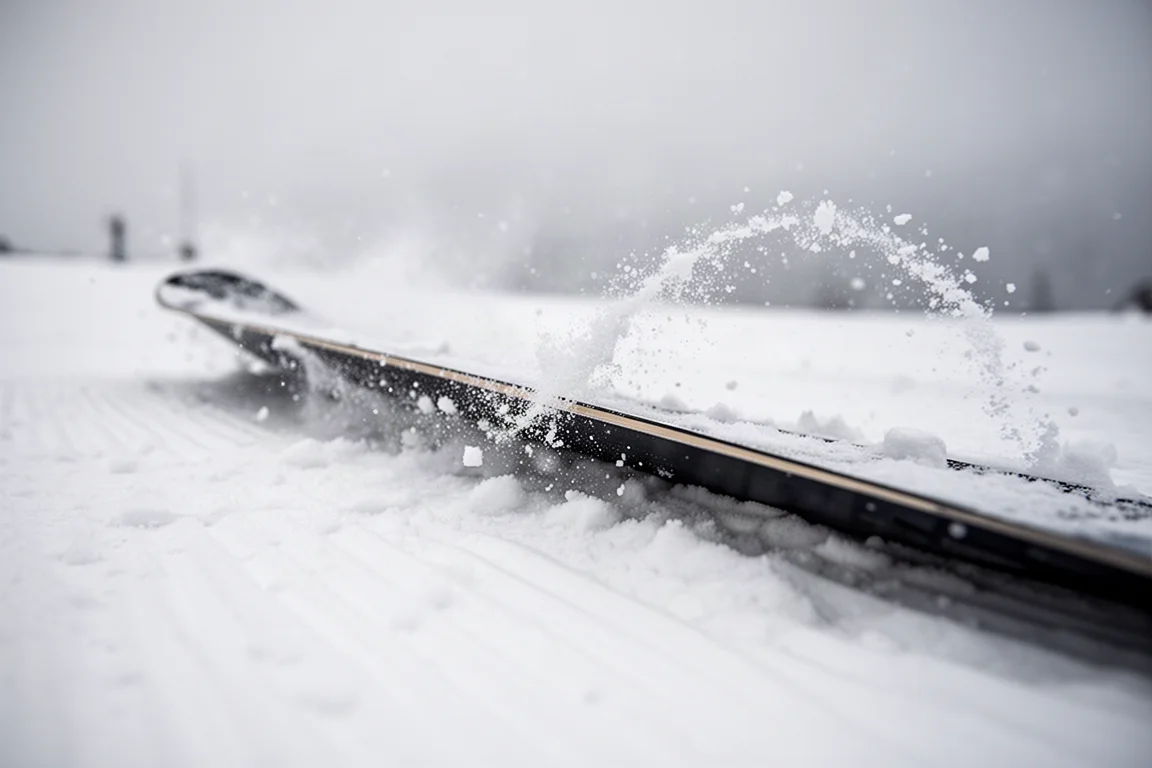
Because the damping works continuously, the benefit compounds over a long day. It is not a single moment of improvement but a steady reduction in the small inputs that otherwise wear you down, and that is what makes the change feel bigger than the part itself.
Things to Consider Before Buying
Compatibility is the first thing to check. The Dual Density Foot Pad is proprietary to Bataleon bindings, so it is not a universal drop-in for every setup on the market. Some bindings built on the same chassis may accept it, but that is not something to assume without verifying your own hardware first.
Riding preference matters just as much. If a direct, energetic feel is what you want from a binding, the damping here will work against that goal. This is a comfort and fatigue product first, and it is worth being honest about which side of that line you sit on before ordering.
Buying Advice
Buy the Dual Density Foot Pad if your priority is comfort over a long day and you already ride Bataleon bindings. It is the kind of upgrade that is easy to justify for riders who feel the hill in their joints by the afternoon, and it addresses a real, repeatable problem rather than a marginal one.
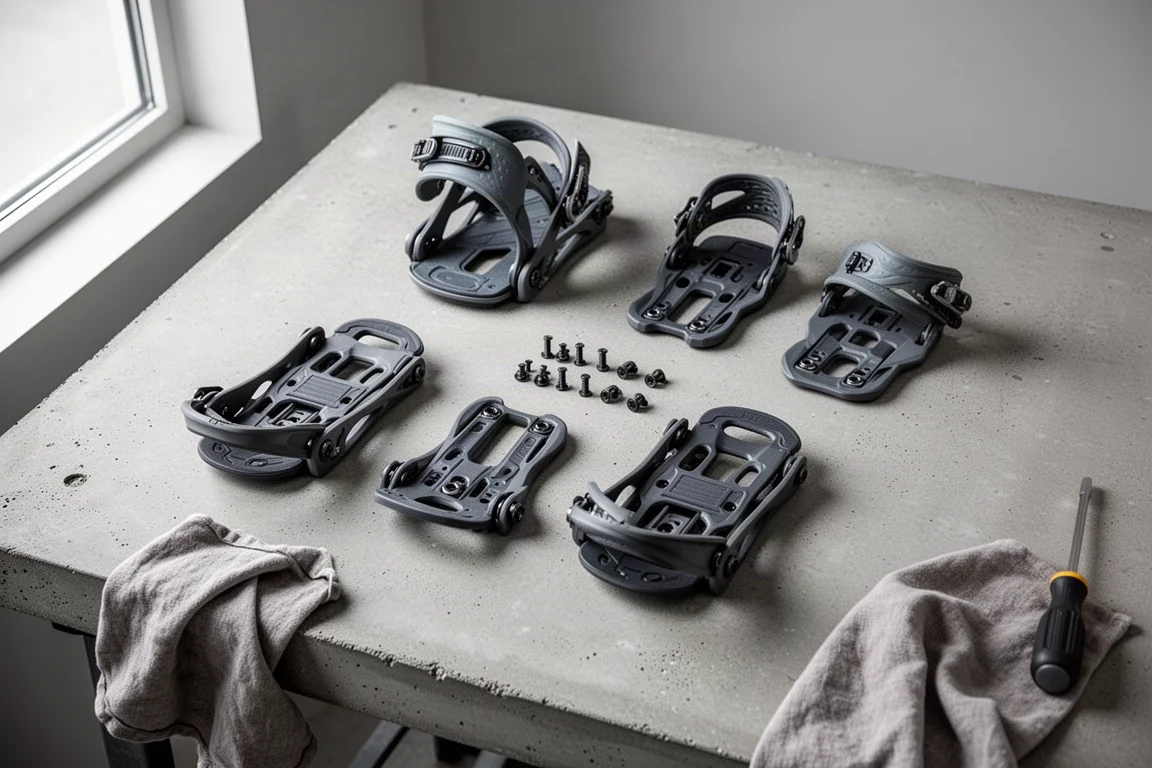
If you are unsure, think about how your sessions usually end. Riders who stop because their feet and legs are worn out will get more from this pad than riders who stop simply because the day is done. Matching the product to that pattern is the whole decision, and it is a simple one to make.
Conclusion
The Bataleon Dual Density Foot Pad is a focused piece of kit: two foams, one clear job, and a noticeable effect on how much vibration reaches your feet. For riders who value a calmer ride and less end-of-day fatigue, it is a sensible addition to a Bataleon binding setup. For riders who want maximum liveliness underfoot, the stock footbed remains the better choice.
Product link
View more details for Bataleon Dual Density Foot Pad
This product is mentioned in the review. Check the specifications, options, and compatibility before buying.
View more details for Bataleon Dual Density Foot PadFurther reading
Related Reviews
Snowboard Bindings
2024 Union Ultra Snowboard Bindings Review: A Cushy, Freestyle-Focused Favorite
Two seasons on the 2024 Union Ultra: a lightweight, tweakable freestyle binding with standout comfort, a damp molecular bushing, and thoughtful hardware fixes.
Snowboard Bindings
32 Team Phase Binding Review: A Fast Entry Binding Built for Freestyle Laps
The first binding from 32 uses the Phase chassis for quick step-in entry with a softer, freestyle-leaning flex. Here's how it performed on the snow.
Snowboard Bindings
Arbor Cypress Snowboard Binding Review: A Laid-Back Cruiser That Can Charge
A closer look at the Arbor Cypress binding's adjustability, strap feel, and that oddly tall highback before you decide to buy.