Snowboards
Bataleon Cruiser Plus Review: High Camber and Directional 3BT Explained
A practical look at the Bataleon Cruiser Plus, a fully directional high-camber snowboard with directional 3BT and a Sidekick nose, and what to weigh before buying.
Introduction
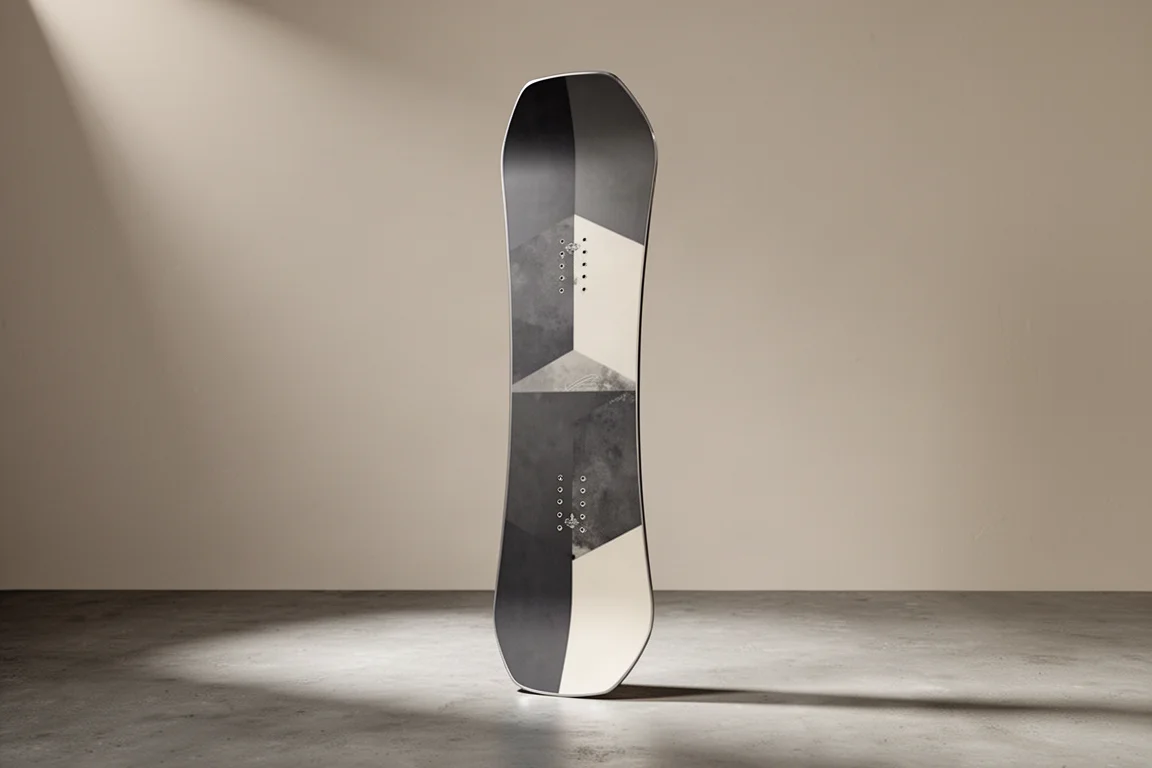
The Bataleon Cruiser Plus is a fully directional snowboard built around high camber and the brand’s directional 3BT shaping. High camber here means traditional camber running from contact point to contact point, and that arc is what supplies the board’s pop, load, snap, and drive. The 3BT profile is directional rather than symmetrical: it is more defined in the nose, with more aggressive beveling at the tip contact point and a more mellow treatment toward the tail. A Sidekick element scoops the nose out further, so the board funnels through crust and groomers more easily instead of catching.
It is offered in 151, 154, 156, 159, 161, and 164, which covers a wide spread of rider sizes and stances. On snow, the shape reads as a mellow resort carver rather than an aggressive all-mountain tool, and the ride is weighted heavily toward the back foot.
Who the Bataleon Cruiser Plus Is For
This is a board for the mellow resort carver: someone who wants a stable platform under the back foot and is happy to steer from the rear rather than drive turns from the front. Riders who appreciated earlier Cruiser and Carver models should be aware that this version feels noticeably more mellow. The engagement and the 3BT feel are different from what those boards delivered, so the character that made the line appealing for playful turning is less present here.
It is not aimed at riders chasing quick edge-to-edge response, lively pop, or a front-foot-driven carve. If those are your priorities, the board will feel like work rather than an upgrade.
Main Strengths: Camber, 3BT, and Stability
Flex is fully directional: a softer nose that progressively stiffens toward the tail. Two defined flex points shape how the board behaves. One sits roughly halfway between the tip and the front insert pack, where the board begins to stiffen. The second sits between the insert packs.
The nose has some flap to it, then firms up once it reaches that first flex point. From the middle flex point back through the tail, the board is at its most stable. That rear section holds its composure best and is the part of the board doing most of the work, which is exactly what the shape is designed to do.
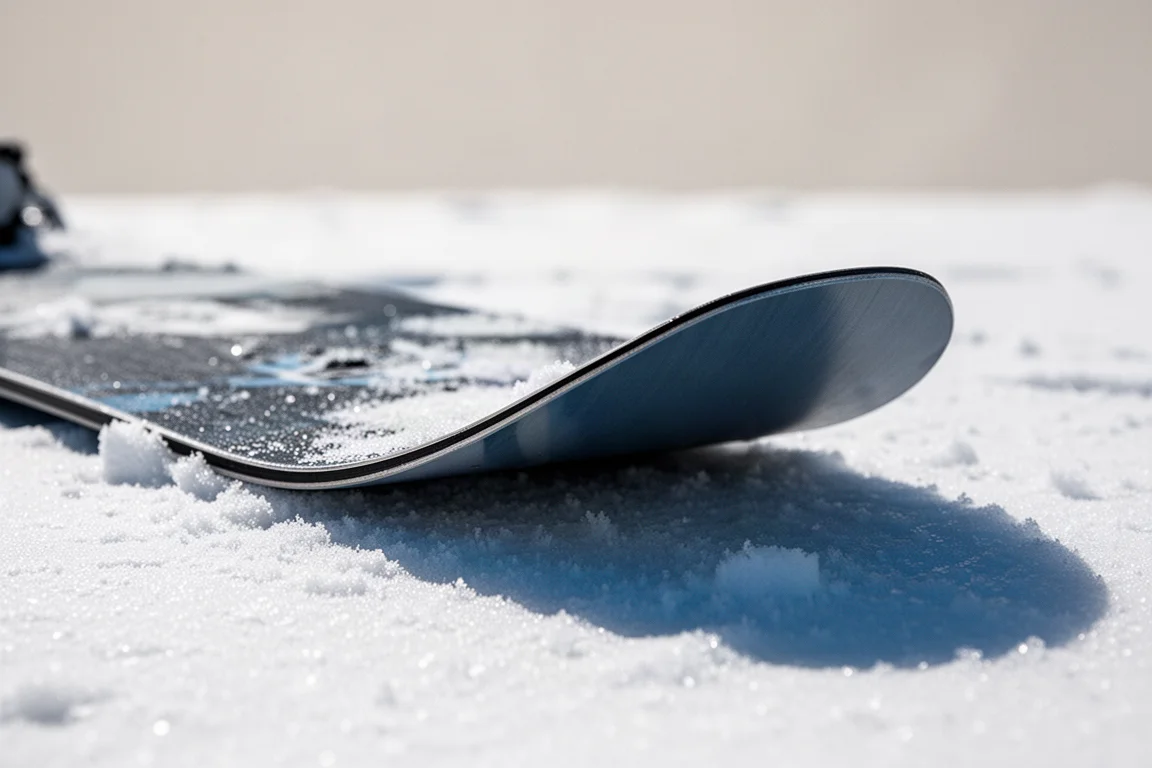
The camber profile is the other half of the story. Traditional camber underfoot gives the board a solid, planted feel when it is loaded, and that arc is the source of whatever spring the board has to offer.
Directional 3BT and the Sidekick Nose
The directional 3BT is more pronounced in the nose, where the beveling at the tip contact point is more aggressive, and softer in the tail. Combined with the Sidekick scoop, the nose lifts and pushes snow out to the side rather than letting it grab. On groomed corduroy with a light dusting on top, and through chopped-up sections, that shaping helps the board run cleanly through the surface instead of getting deflected.
Things to Consider Before Buying
The Cruiser Plus is very back-foot dominant. It does not really engage off the front foot at all; instead, the engagement starts around the middle of the board and runs back through the tail. That has two practical consequences. The first is effort: carving at slow speeds becomes a leg workout, and the edge-to-edge transition is sluggish. The board gets onto an edge and then lumbers back to the other side rather than snapping across.
The second is consistency. Tail disengagement can feel washy, releasing in a way that is hard to predict when coming off an edge. The 3BT shaping here also feels like an older generation of the technology, less settled than what the current version of the profile delivers.
Carving Feel and Edge-to-Edge Response
Driving the board means doing it all from the back foot: kicking the knee toward the center and pushing through the tail. That produces a swoopy carve, but it is not an aggressive one. It turns, and it does it without drama, but it does not reward hard input the way a dedicated carving deck does.
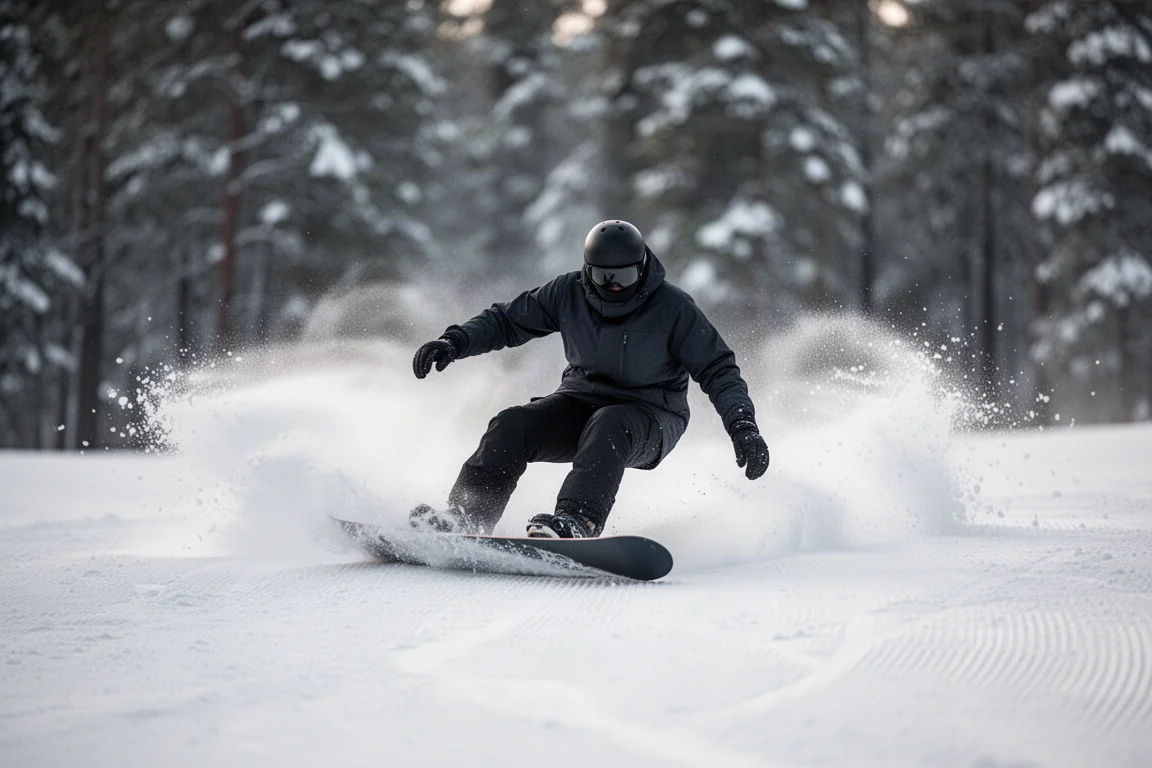
Riders used to a lively, quick-turning board will notice the difference on the first run. The edge-to-edge transition is the clearest example: where a nimble board flicks from edge to edge, this one gets on edge and takes its time coming back.
Flex, Pop, and Back-Foot Dominance
For a board with this much traditional camber, the Cruiser Plus is not the snappiest. Load it up aggressively, roll back onto the tail, and there is some spring, but it is not dramatic. It is enough to launch a side hit or pop over an obstacle, not enough to make you want to send everything in front of you.
One important caveat: pre-production samples of this board came in softer than the final spec, and the brand has confirmed that production versions will be stiffened. Even so, flex was not the main issue with how the board rode. Sidecut, camber, and the positioning of the 3BT are the more likely explanations for its mellow character.
Buying Advice
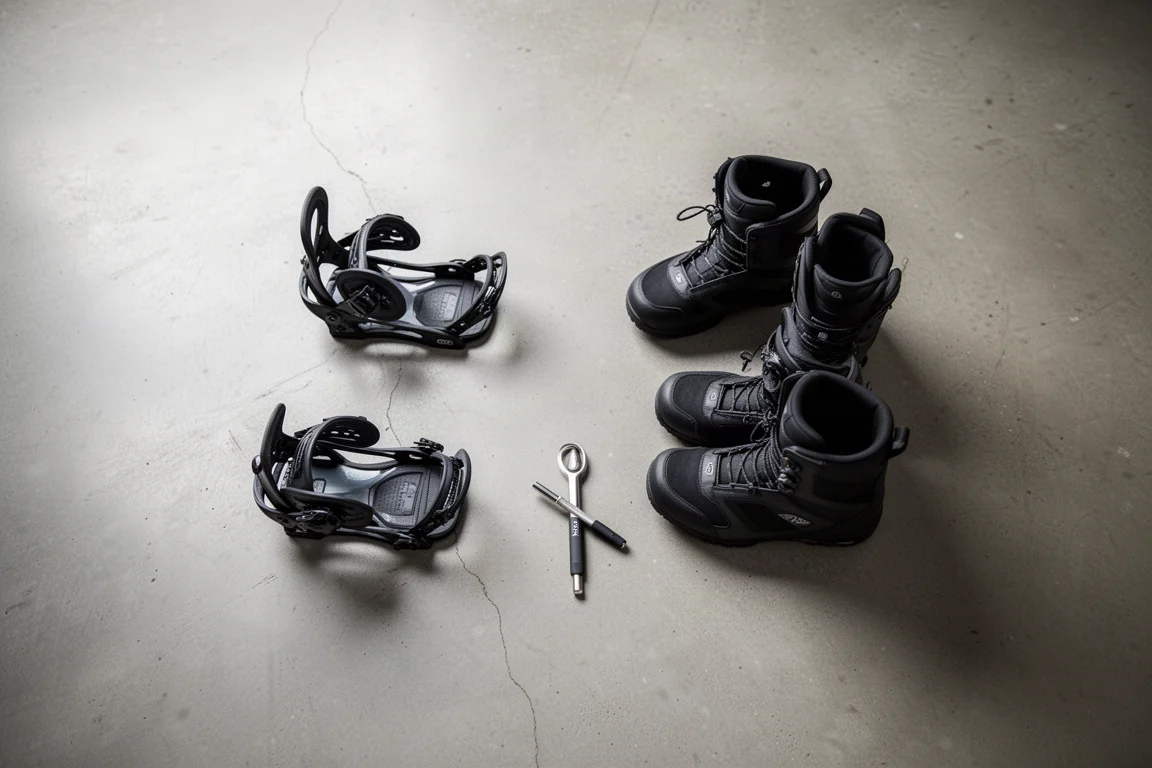
If you are shopping for the Cruiser Plus, pair it with a binding that can support its back-foot-driven style. Options worth considering include the Bataleon Astro Full Wrap, the Union Atlas Pro, and the Nitro Phantom Plus. If you want to compare shapes in the same carving-oriented space, the Korua Pencil Plus, the Ride Peace Seeker, and the Jones Freecarver 9000 are the closest reference points.
Size selection matters more than usual here, because the board’s stability lives in the rear half. Riders who want a relaxed, stable deck for cruising groomers and are comfortable steering from the back foot will get along with it, especially if they value a planted feel over quick response. Riders who want fast edge-to-edge transitions and lively pop should look at the alternatives above instead. Either way, the trade-offs are clear enough to make the decision straightforward before you commit.
Conclusion
The Bataleon Cruiser Plus delivers high camber drive and a stable rear section, but it has become a much mellower board than earlier Cruiser and Carver models. It gets the job done for relaxed resort carving and will suit a specific kind of rider, yet the sluggish edge-to-edge feel and the back-foot bias are real trade-offs worth understanding before you buy.
Product link
View more details for Bataleon Cruiser Plus
This product is mentioned in the review. Check the specifications, options, and compatibility before buying.
View more details for Bataleon Cruiser PlusFurther reading
Related Reviews
Snowboards
32 Middle Earth Scott Stevens Pro Model Snowboard Review: A Park Board With a Reversed Flex
A medium traditional camber park board with carbon V reinforcement that is stiffer in the tips and more playful between the feet. Here is how it rides and who it suits.
Snowboards
32 Snafu Review: A Directional All-Mountain Freestyle Board with Serious Pop
The 32 Snafu pairs a directional camber-rocker profile with a stiffening tail for powerful carves, big ollies, and a surprisingly damp ride.
Snowboards
32 XXX Pat Fava Pro Snowboard Review: A Stiff Camber Beast for Hard-Charging Riders
A full-width traditional camber deck that rewards aggression with stability and edge power, but demands effort everywhere else.