Snowboards
Bataleon 20 Year Review: Traditional Camber for All-Mountain Freestyle
A close look at the Bataleon 20 Year, a traditional camber all-mountain freestyle snowboard with 3BT tip shaping, predictable flex and one clear weakness worth knowing about.
Introduction
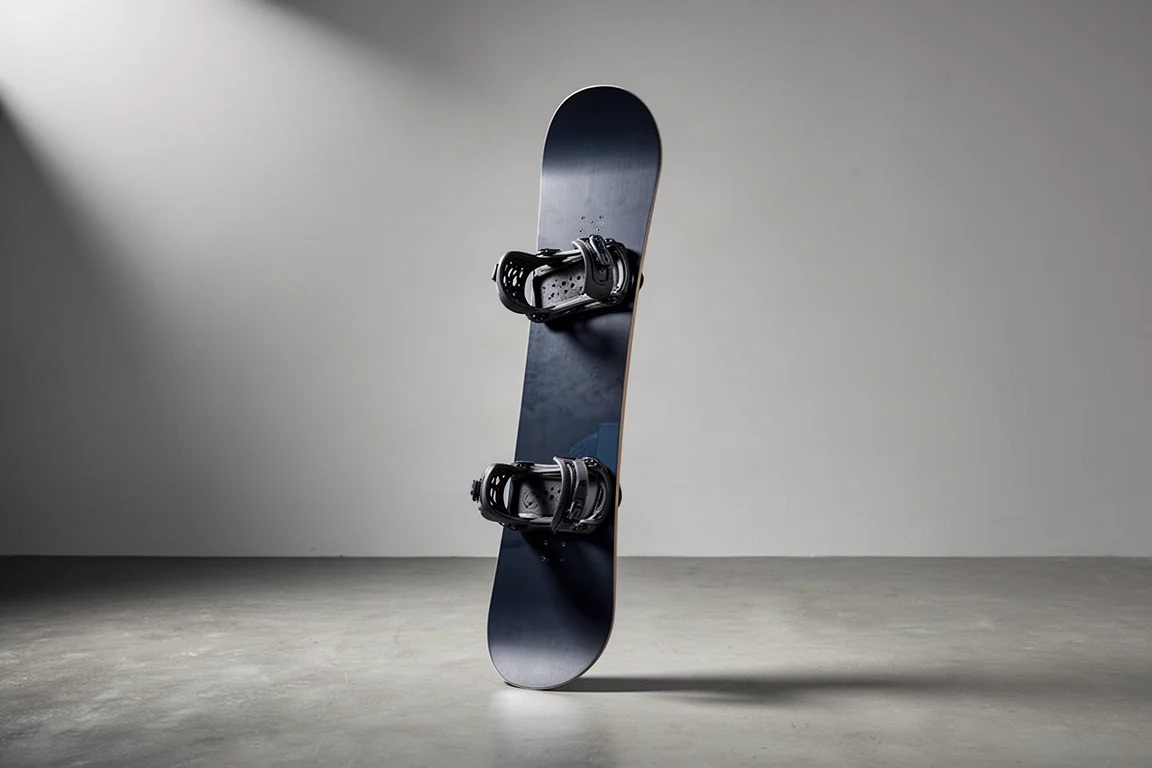
Bataleon has been building snowboards for 20 years, and the 20 Year is the board that marks the milestone. It is a traditional camber deck: from contact point to contact point, the profile holds a continuous arc of camber, which is what gives it the load, pop, snap and drive riders associate with classic camber shapes.
On top of that camber, the 20 Year carries 3BT and Sidekick shaping in the tips. That combination softens edge bite and catch at the contact points, adds float in powder, and makes entry and exit from turns a little easier than a pure camber board would manage.
This board was ridden at Copper Mountain across a genuinely mixed day: low to fair visibility, cloud, wind, fresh powder, chop, chunder and a little ice. It is available in 153, 156, 158 wide and 159.
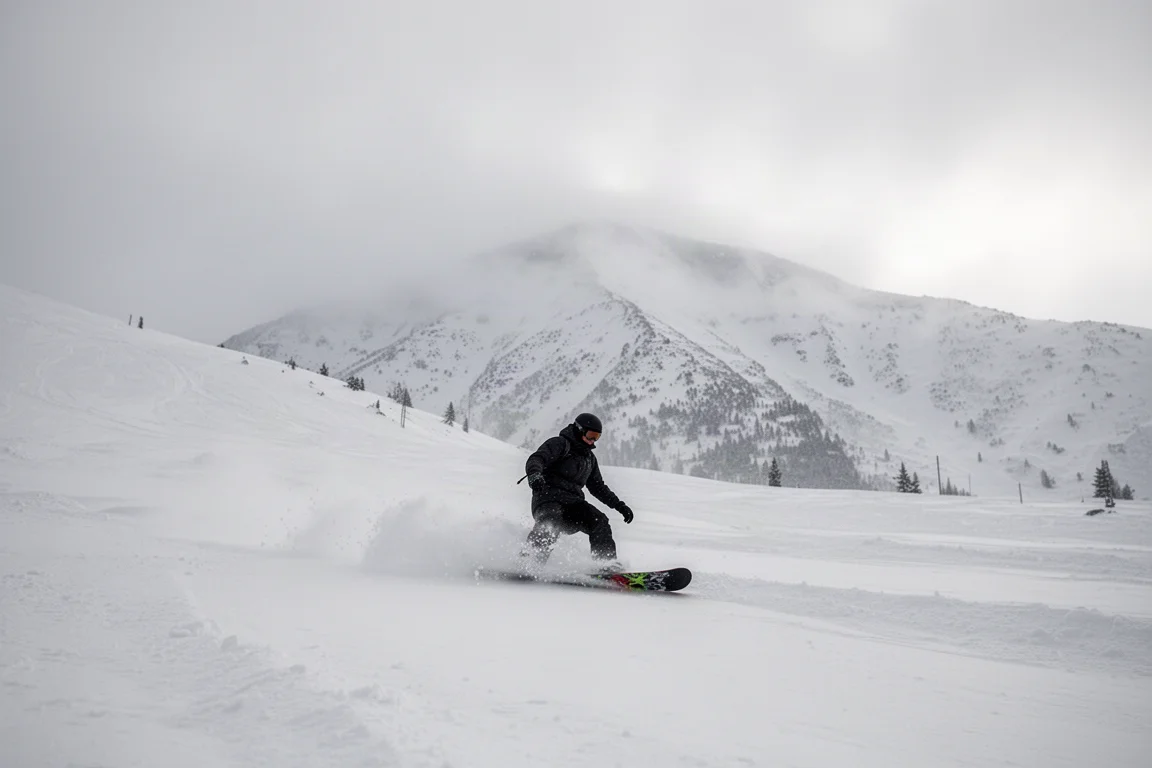
The setup used on that day was Rome Black Label bindings and K2 Thraxis boots, which is useful context for the flex and response notes below.
Who This Board Is For
The 20 Year is aimed at the all-mountain freestyle rider: someone who wants to cover the whole mountain, hit side hits and jumps, press and butter on the way down, and still lay the board over in a carve.
It suits riders who already understand how camber works. The board rewards loading it up and working with its flex points rather than expecting it to do the work on its own. Riders who spend most of their time on park features, or who prefer a loose and catch-free feel, may find a different profile more immediately agreeable.
Main Strengths
The flex is predictable and sits in the middle of the road. There is more play out toward the tip, with the ideal flex point falling between the contact point and the start of the inserts, and then the board stiffens back up. Torsional flex is noticeable and feeds directly into how the board holds an edge and cradles a feature.
Stability is moderate rather than locked in. Keep your knees bent and the board stays on top of most choppy terrain, though you can get bucked around if you stand tall through it.
Pop is one of the clearer strengths. Because the profile is traditional camber, you load it up, roll back on the tail, engage that flex point, and it creates a small snap pocket that boosts you. It will pop off almost anything in front of it with a little work, not a lot. It is the right amount of pop to launch a side hit, clear a cat track gap, or ollie over a slow sign.
Pop, Snap, and Jump Performance
For jumps specifically, the 20 Year would not be the first board of choice, but it gets the job done. You can be lazy and laid back and let the lip throw you, or load it up and pop for a little more height and distance. The response is predictable either way, and small to medium jumps are where it is strongest.
Buttering, Jibbing, and Edge-to-Edge Carves
The 3D shaping in the tips genuinely helps when buttering. It reduces edge catch, so when you get sideways you can lock in right at the flex point in the nose or tail and press, with the camber taking over to give you snap on the way out. Riders who already know how to butter will feel at home; riders who do not should expect a learning curve.
Jibbing takes a little effort to lock in, but once you are there the board feels secure and holds. At the end of a feature it snaps out, and the torsional flex takes over and cradles the feature so it never bogs down or claps out.
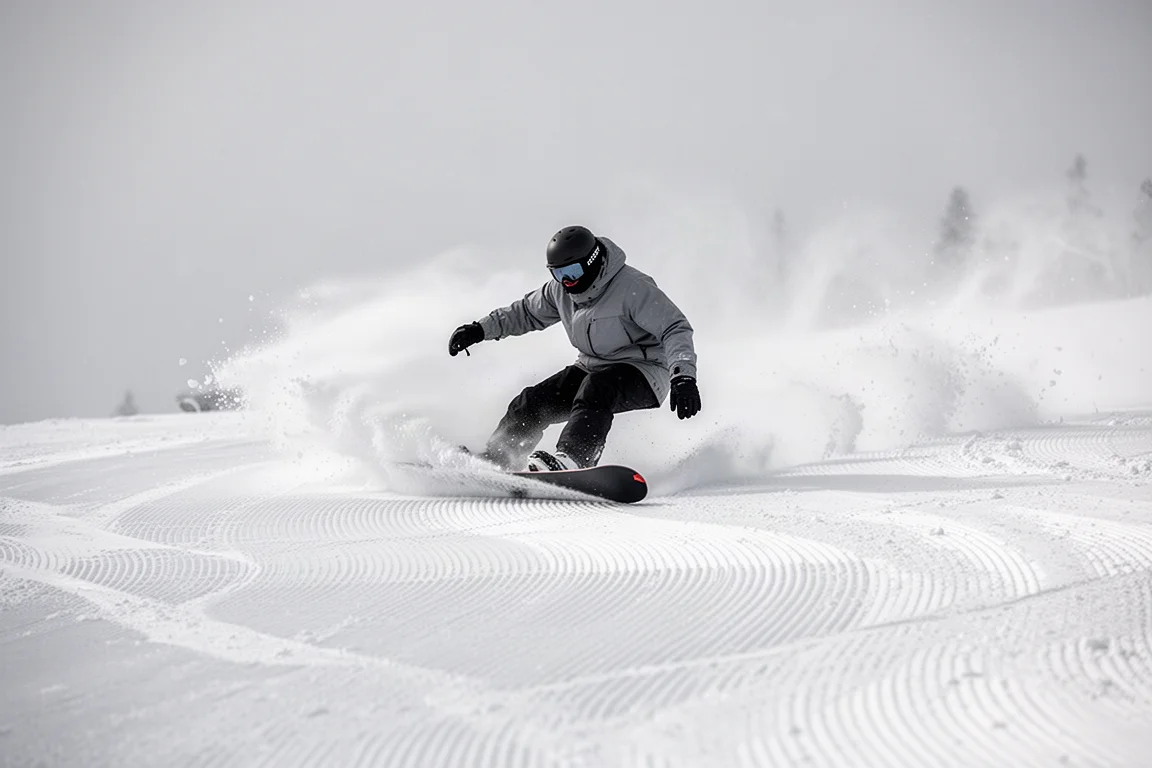
Edge-to-edge power transmission is quick and fluid. The 3BT shaping helps you engage the edge, and with ankle steering you can lay the board over and feel it grip. Short, tight, quick carves and long, drawn-out carves are both covered.
Things to Consider Before Buying
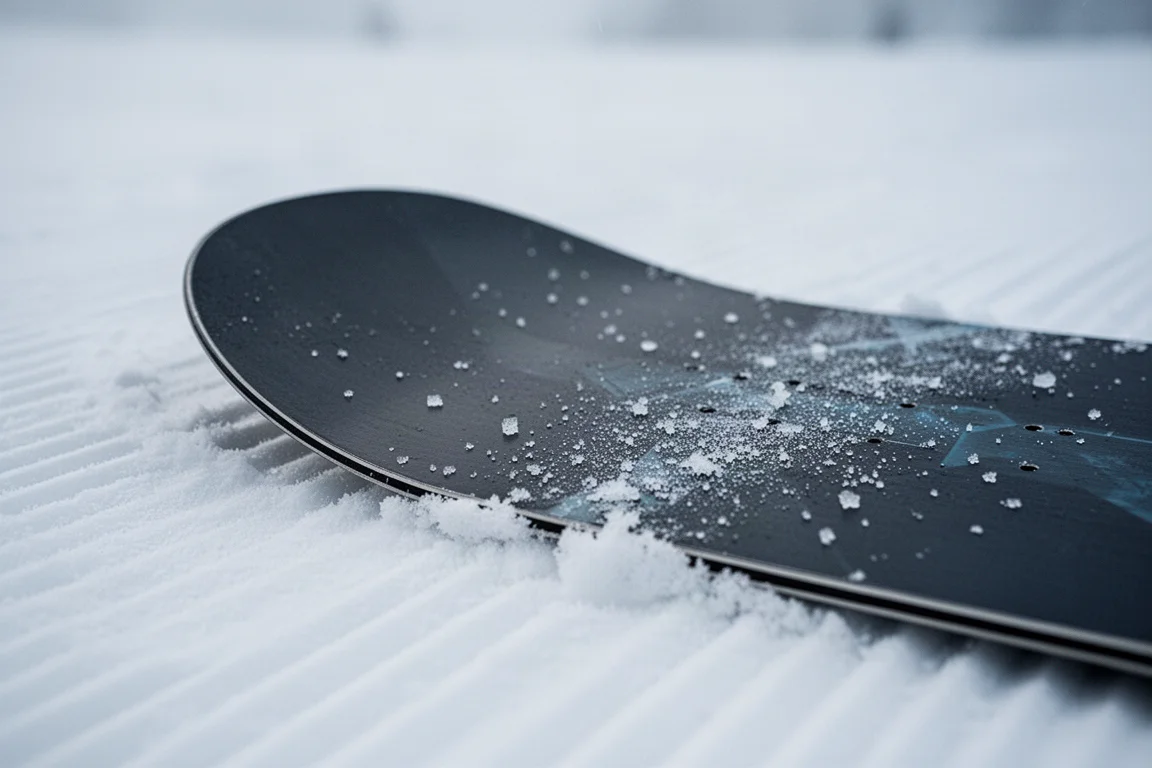
The main issue is the base. On snow that was genuinely fast, the board felt like a suction cup: it gripped when it should have been gliding, and dragging it down a steep slope was a real effort. It felt as though the base had not been finished properly at the factory, or as though something had been spilled on it. That behaviour made it hard to build speed, which is a meaningful drawback for a board meant to be ridden across the whole mountain.
There is also some chatter in the tips that resonates slightly underfoot, and the moderate stability means chop can push you around if you are not actively absorbing it with bent knees.
Finally, this is not a board that flatters a passive rider. Traditional camber wants input. If you are not comfortable loading a tail, working a flex point, or committing to an edge, the 20 Year will feel like more effort than a softer, more relaxed shape.
Buying Advice
If you are shopping for an all-mountain freestyle board with traditional camber, the 20 Year sits in a familiar comparison set. The Jones Mountain Twin, the Capita Mercury and the Ride Shadowban are all worth putting on the same shortlist, and the differences between them come down to how much camber feel and how much forgiveness you want.
For bindings, the Now Select Pro, the Bataleon Astro Asim and the Union Force were the pairings that came out of testing this board. Matching it with a mid-flex binding keeps the board’s predictable, middle-of-the-road character intact.
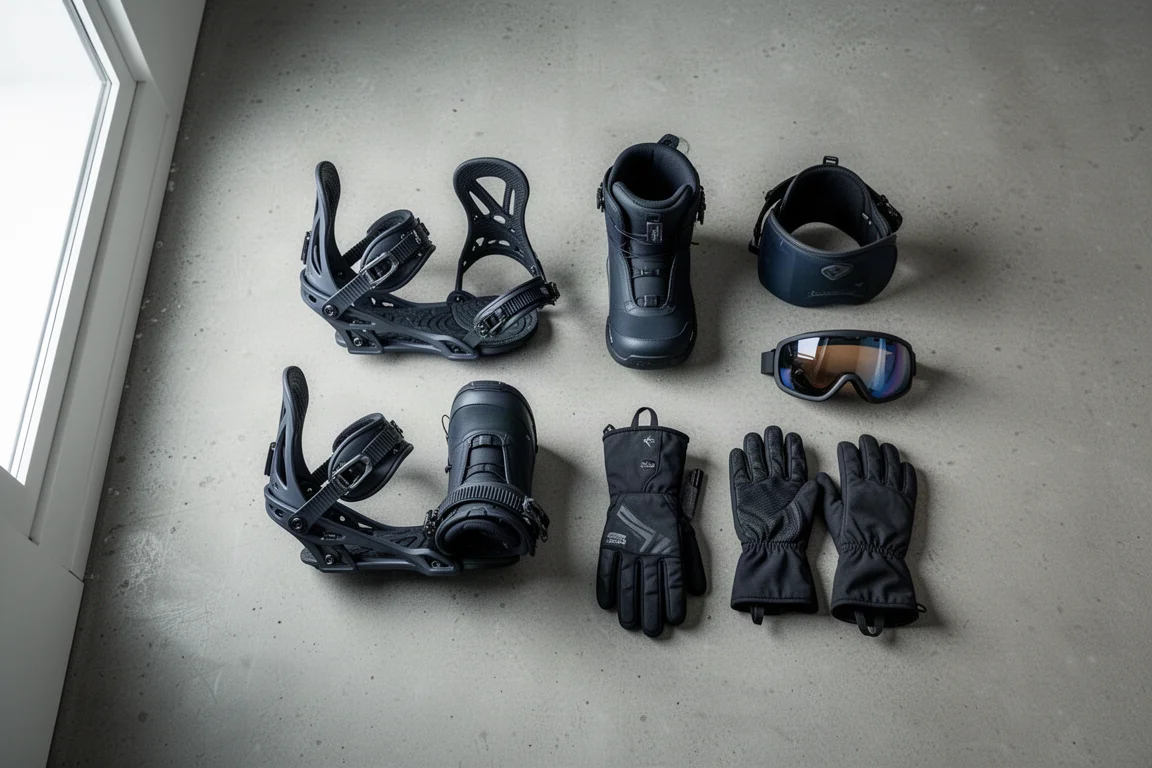
If you want a board that pops, butters, carves and handles small to medium jumps without drama, and you are willing to work with camber rather than against it, the 20 Year makes a sensible case. If speed on hard, fast snow is a priority, the base performance is the thing to think hardest about before committing.
Conclusion
The Bataleon 20 Year is a capable all-mountain freestyle board with classic camber drive, useful 3D tip shaping and a predictable flex pattern. It pops well, butters well for a camber board, holds on a jib and carves confidently.
It is not a standout in every category. It is a solid, honest snowboard rather than a remarkable one, and it is moderate in stability, a little chattery in the tips, and held back by its base in testing. For the right rider, the shape does exactly what it promises, and that is a reasonable thing to buy.
Product link
View more details for Bataleon 20 Year
This product is mentioned in the review. Check the specifications, options, and compatibility before buying.
View more details for Bataleon 20 YearFurther reading
Related Reviews
Snowboards
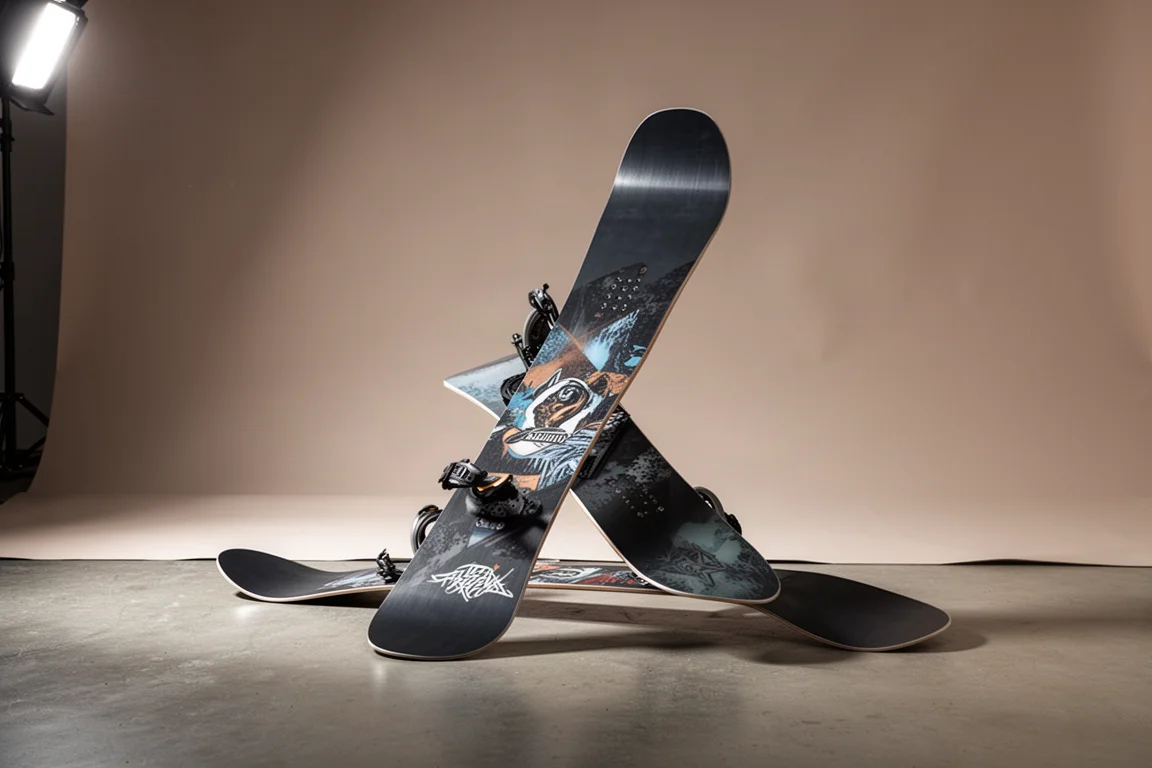
32 Middle Earth Scott Stevens Pro Model Snowboard Review: A Park Board With a Reversed Flex
A medium traditional camber park board with carbon V reinforcement that is stiffer in the tips and more playful between the feet. Here is how it rides and who it suits.
Snowboards
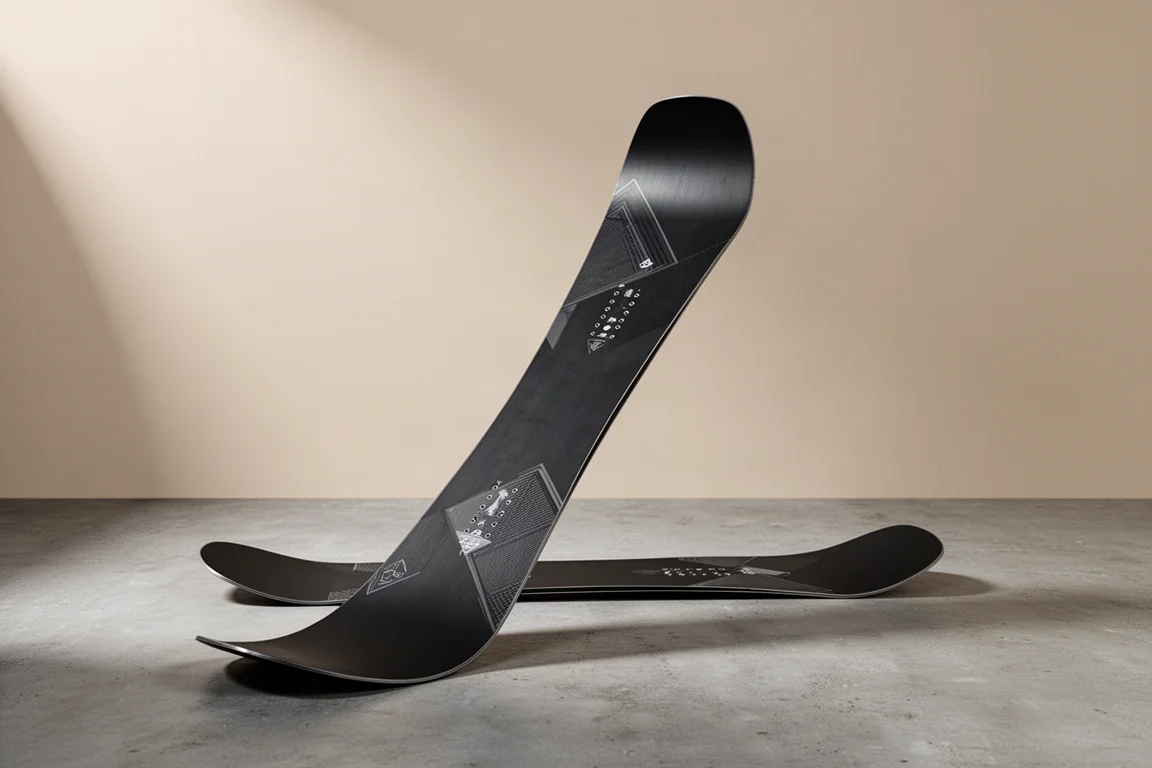
32 Snafu Review: A Directional All-Mountain Freestyle Board with Serious Pop
The 32 Snafu pairs a directional camber-rocker profile with a stiffening tail for powerful carves, big ollies, and a surprisingly damp ride.
Snowboards
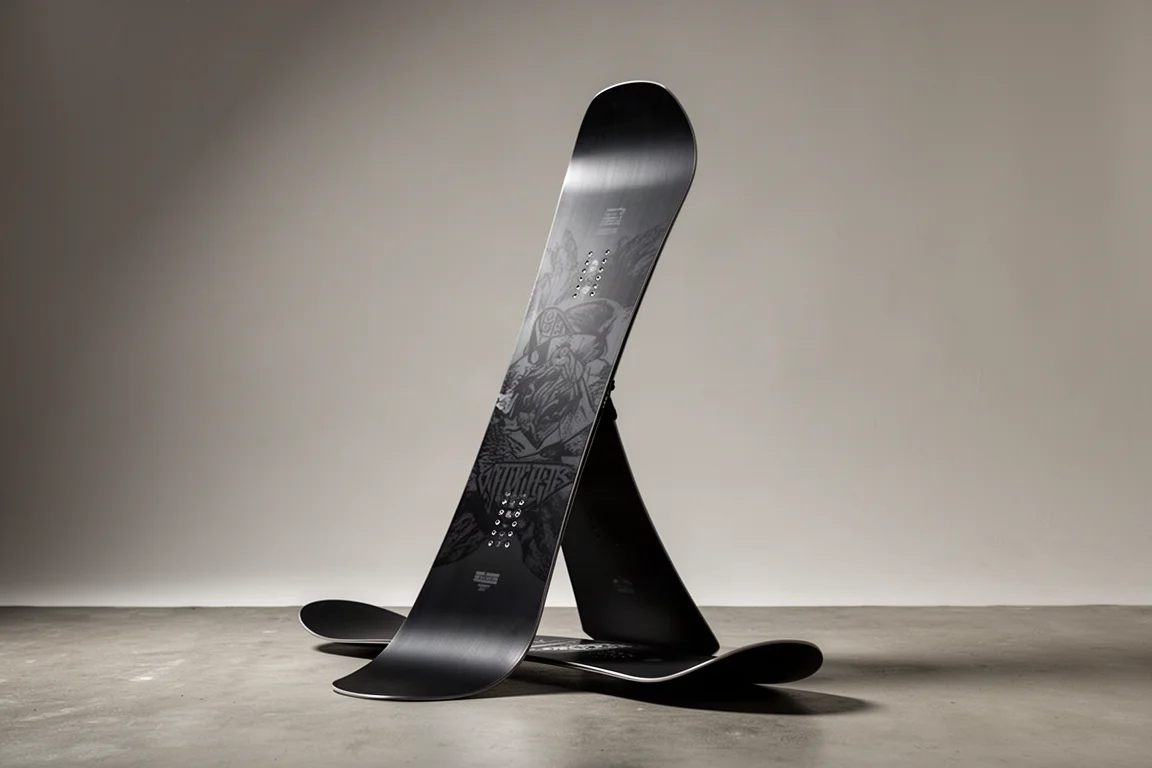
32 XXX Pat Fava Pro Snowboard Review: A Stiff Camber Beast for Hard-Charging Riders
A full-width traditional camber deck that rewards aggression with stability and edge power, but demands effort everywhere else.