Backpacking Tents
Bass Pro Shops Hiker Biker Tent Review: A $35 Solo Shelter Tested in Light Rain
A hands-on look at the Bass Pro Shops Hiker Biker one-person backpacking tent: what $35 buys, how it handles a wet night, and who should look elsewhere.
Introduction
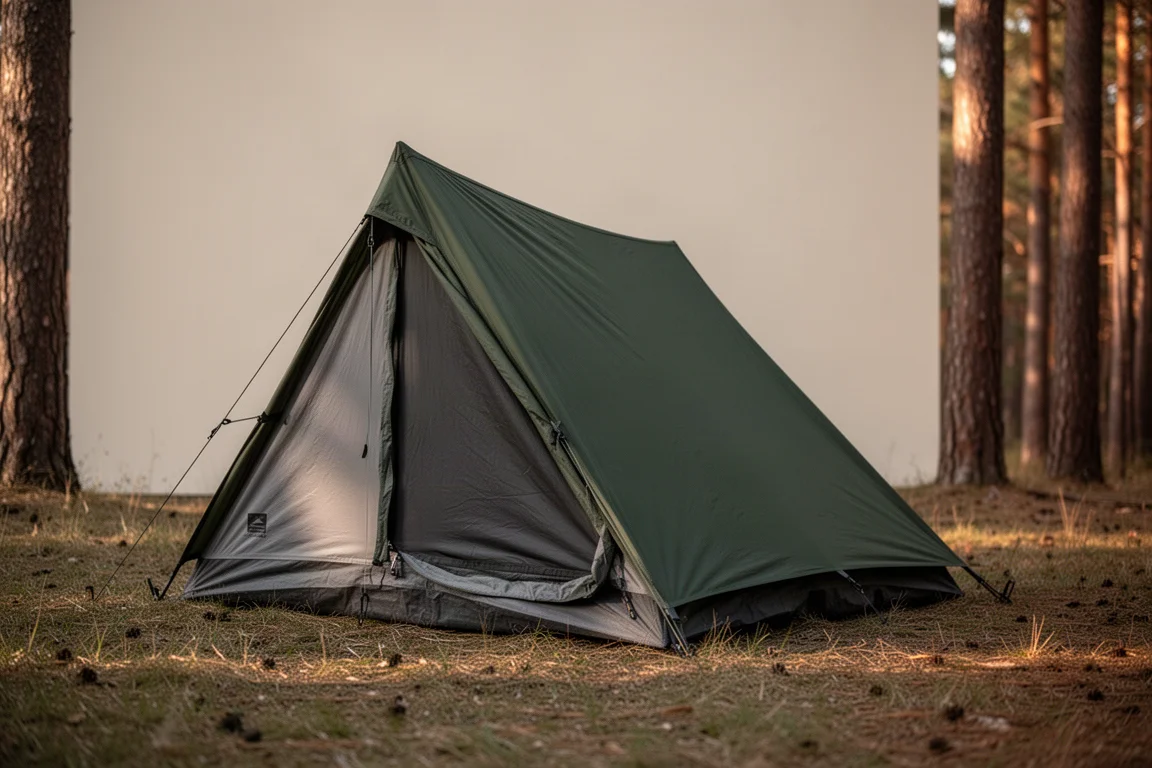
The Bass Pro Shops Hiker Biker one-person backpacking tent is the least expensive shelter the brand sells. It retails for $35 and was purchased on sale for $29.99, which puts it in impulse-buy territory for anyone shopping for a first tent. The design is a tapered A-frame tunnel with a single door, a low roofline, and a packed size small enough to disappear into the bottom of a pack.
That combination of price and packability is exactly what draws new campers in. The open question is whether the shelter holds up once it is pitched in weather. To find out, this tent was set up for a night of light rain, falling temperatures, and high overnight humidity, with the interior checked repeatedly as conditions changed.
What follows is a practical breakdown of the design, the dimensions as measured on site, and the moisture problems that showed up within the first hour of rain. The short version is that the tent is genuinely small and genuinely cheap, and both of those facts shape how it performs.
Who This Tent Is For
This tent makes the most sense for a very specific buyer: a solo camper on a hard budget who needs a minimal shelter for fair-weather overnight trips, backyard camping, or an emergency kit that stays in a vehicle. The tiny packed size is a real advantage for anyone short on space, and the price means there is very little financial risk in trying it.
It is a poor match for backpackers heading into sustained rain, cold overnight temperatures, or humid conditions where staying dry matters. It is also a poor match for taller or larger adults. In testing, an average adult could not lie inside without the walls pressing against the body, and there was no usable space left for gear. Anyone planning multi-day trips, exposed ridgeline camps, or shoulder-season nights should treat this as the wrong category of shelter rather than a compromise.
Main Strengths
The price is the headline. At $35 retail, and $29.99 on sale, it is the cheapest tent in the range, and that is the entire reason it exists in the lineup.
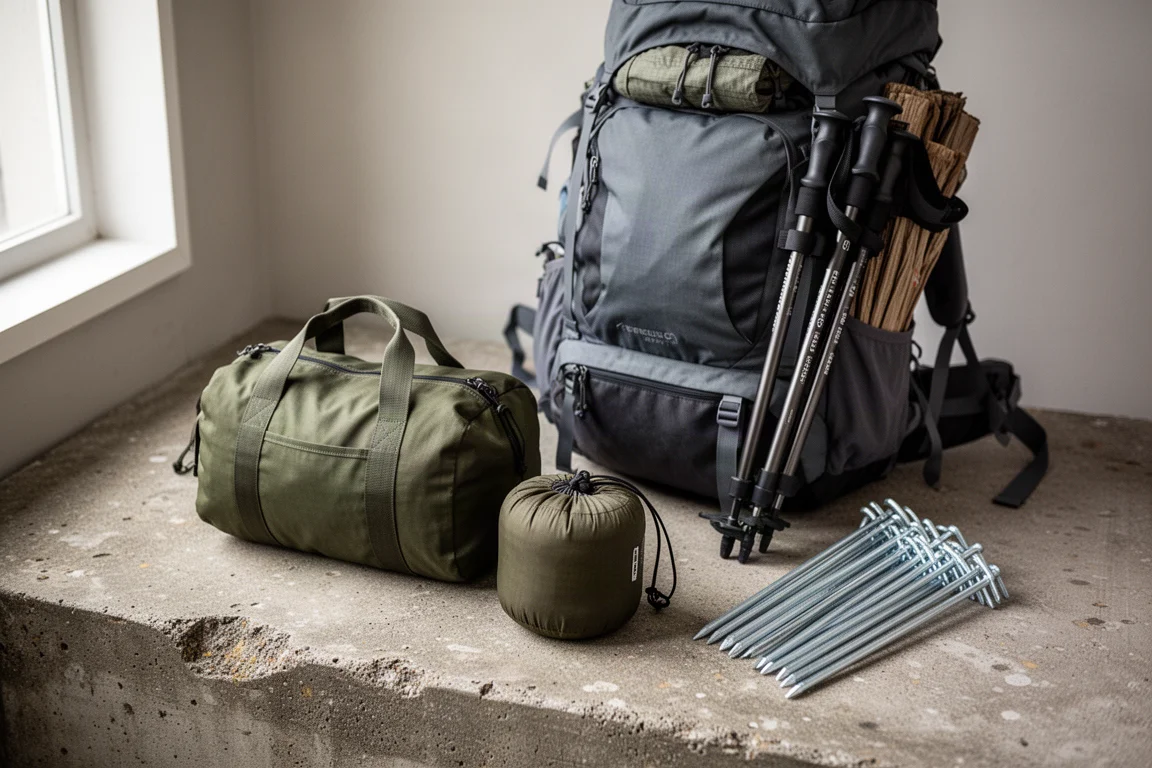
The packed size is the second strength. By form factor it is one of the smallest one-person tents available, and it fits into a duffel-style carry bag that takes up very little room in a pack.
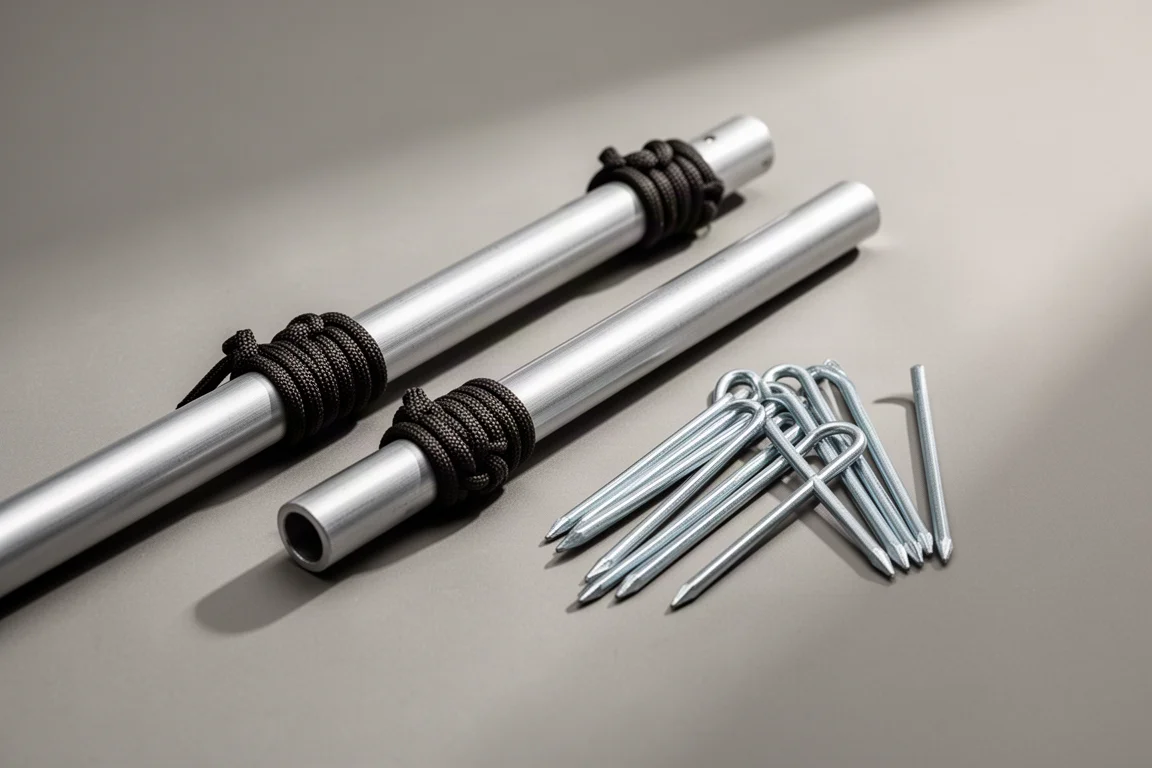
Setup is straightforward. The tent uses shock-corded fiberglass poles, two of them the same length and one shorter, and the A-frame tunnel design goes up quickly without a steep learning curve. Eight tent stakes are included along with a reflective guy-out rope.
The length is the one dimension that matches the specification. The company claims 6 feet 11 inches, and the measurement came in close to 6 feet 10 inches, so a taller sleeper does get usable length. Seams along the sides, the floor, and the top of the tent are taped. The fabric is a 68 denier 190T polyester taffeta with a 1200 millimeter polyurethane coating, and the brand describes the tent as a lightweight and protective solution for solo backpacking. One detail worth noting: the specification lists two reflective guy-out ropes, but the sample shipped with one, and there is no obvious second attachment point on the body.
Things to Consider Before Buying
Most of the trade-offs concentrate in three areas: how much space the tent actually offers, how well it breathes, and how much of the shell is properly sealed. Each one has a direct effect on comfort overnight.
Size and Interior Space
The company lists the tent as 4 feet wide. Measured at the middle, it came in at about 2 feet 8 inches, because the walls taper sharply from the floor to the roofline. The claimed front height of 2 feet 11 inches and rear height of 2 feet are similarly misleading: the entrance is roughly 2 feet high and the roof slopes continuously, so the peak figure describes a point rather than a usable volume. The practical result is that the interior is extremely tight, entering means crawling in backwards, and turning around inside is not realistic.
Ventilation and Condensation
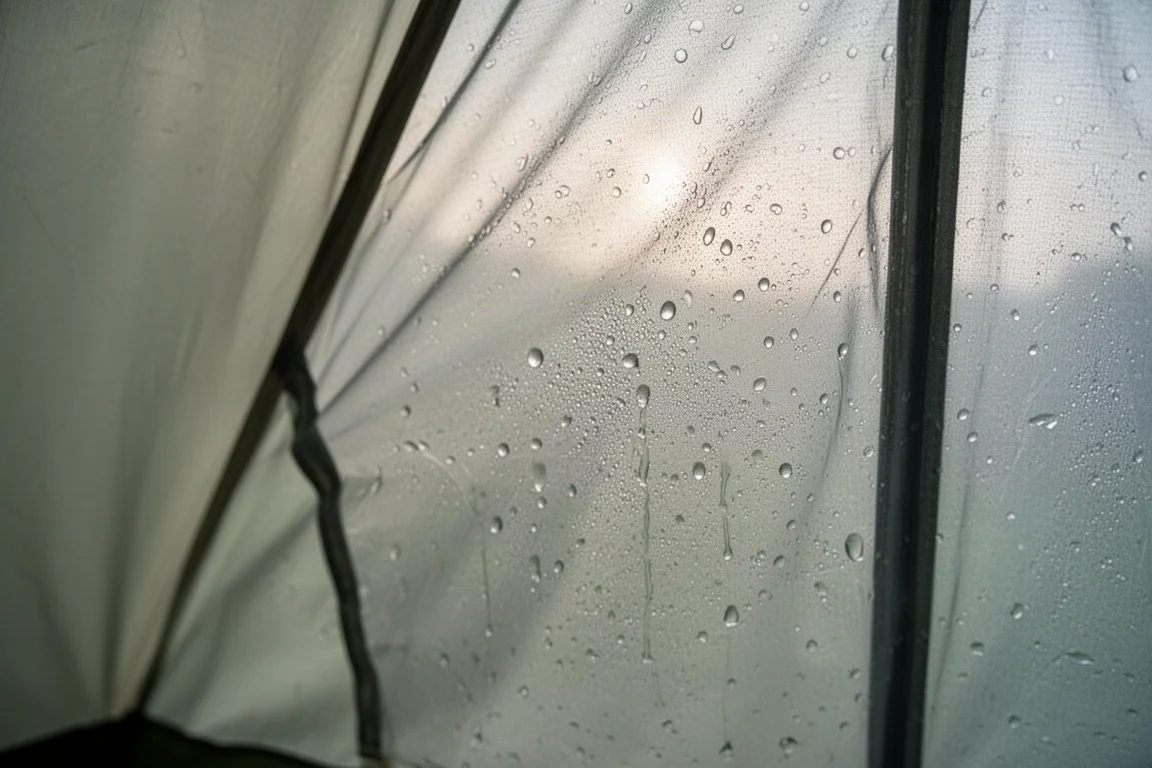
This is a single-wall tent with one small mesh vent at the rear and a single door. With the door closed in cool, humid conditions, the interior stayed noticeably warmer than the outside air. That temperature difference across one layer of fabric is the classic setup for condensation, and it arrived quickly. Within about an hour of the rain starting, the inner walls and the floor were wet, the fabric had begun to sag inward, and any contact with a wall left clothing and a sleeping bag damp.
That matters beyond comfort. A soaked sleeping bag in low overnight temperatures stops insulating properly, and a wet shelter in cold conditions is a genuine safety problem rather than an inconvenience. Buyers who camp in cool or humid climates should treat ventilation as the single most important limitation of this design.
Weather Protection and Seam Taping
Seam coverage is inconsistent. The seams along the sides, the floor, and the top are taped, but the door seam and the rear seams are not, and light was visible through the stitching at the back of the tent. In testing, water came in at the foot end, and after roughly 45 minutes of light rain there was a visible puddle inside the floor. Outside, the same rain was not heavy enough to form a puddle on the ground. The 1200 millimeter coating and the taped sections did not prevent water from finding the untaped seams and the floor corner.
Public customer feedback on the product page is mixed, and several owners describe similar moisture problems, which lines up with what testing showed. The brand’s claim that the tent is an effective shield from the elements does not hold up under even modest rain.
Buying Advice
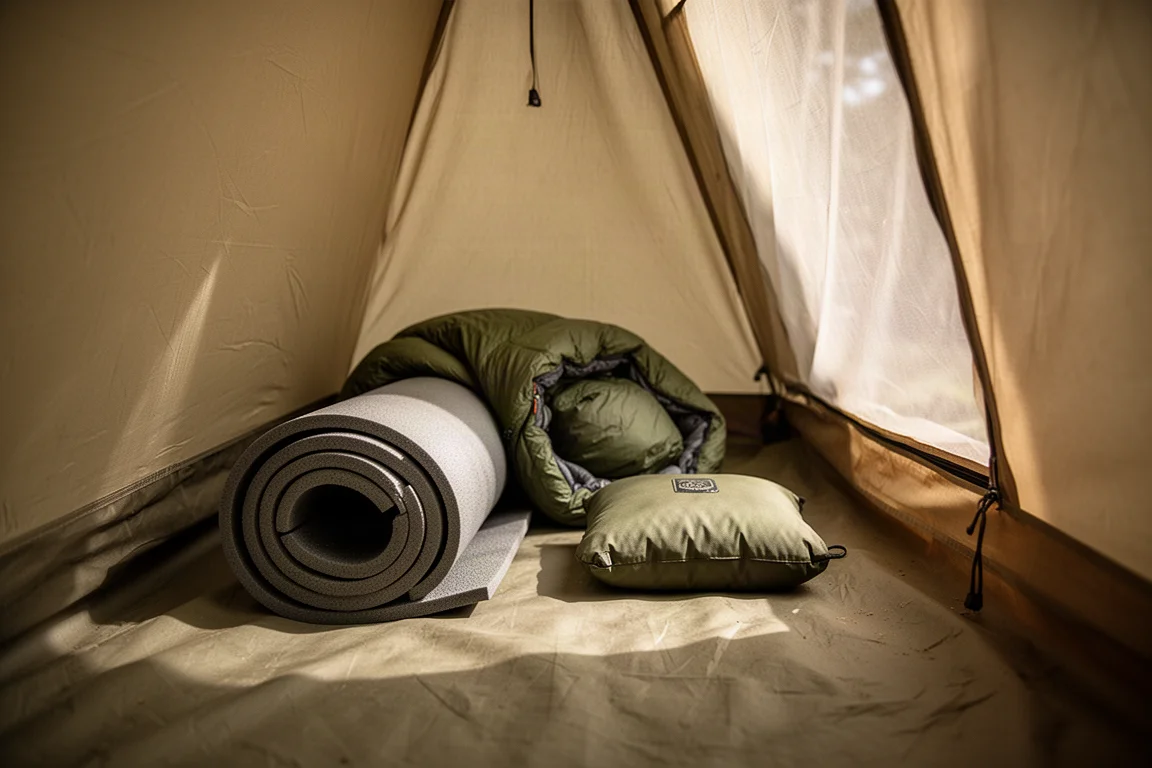
If the goal is strictly fair-weather camping, a backyard sleepover, or a lightweight emergency shelter that lives in a vehicle, the $35 price and the very small packed size are the whole appeal, and the tent can serve that narrow role. Buyers in that situation should plan around the limits: leave the door cracked for airflow when conditions allow, keep gear outside the sleeping area, and avoid relying on it when rain is in the forecast.
For actual backpacking, the math does not work. Seam sealing or an aftermarket treatment would add cost and effort, and neither would fix the single-wall construction or the limited ventilation. Spending a little more up front on a better-sealed inexpensive tent is usually cheaper than replacing soaked gear, cutting a trip short, or buying the same shelter again in a season or two. Buyers who need a dependable solo tent should look at alternatives; buyers who only need a tiny, low-cost shelter and accept the trade-offs can consider this one at the sale price.
Conclusion
The Bass Pro Shops Hiker Biker one-person backpacking tent is a $35 shelter with a genuinely compact packed size, a fast pitch, and a length that suits taller sleepers. For a very narrow use case, that may be enough.
As a backpacking tent for real weather, testing exposed significant shortcomings: an interior that is too tight for an average adult, minimal ventilation, heavy condensation, and water entering through untaped seams and the floor corner after a short period of light rain. Buyers who need a shelter they can trust in wet or cold conditions should look elsewhere, while buyers who want a tiny fair-weather option at the lowest possible price should go in with clear expectations.
Product link
View more details for Bass Pro Shops Hiker Biker One-Person Backpacking Tent
This product is mentioned in the review. Check the specifications, options, and compatibility before buying.
View more details for Bass Pro Shops Hiker Biker One-Person Backpacking TentFurther reading
Related Reviews
Backpacking Tents
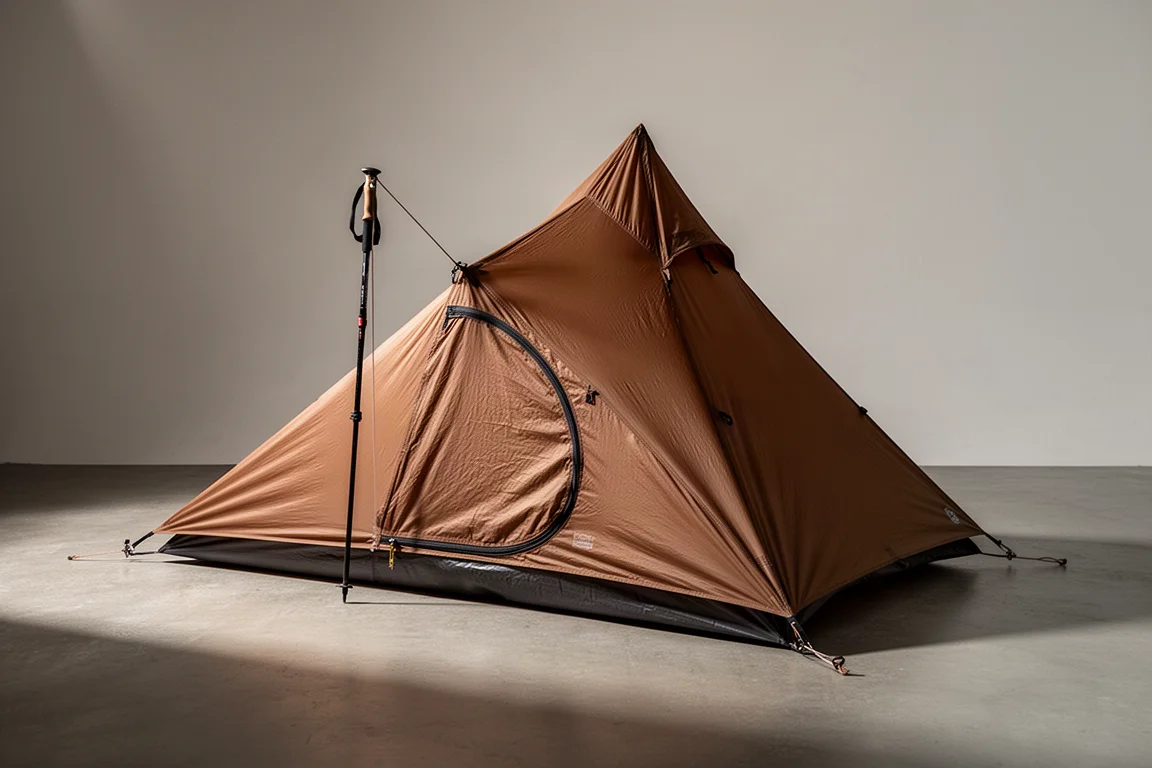
3F UL Lanchan Pro 1 Review: A 1 lb 8 oz Single-Wall Trekking Pole Tent
A practical look at the 3F UL Lanchan Pro 1, a single-wall trekking pole shelter with a 1 lb 8 oz weight, 20D silnylon fabrics, and a roomy 90 x 31 x 49 inch interior.
Backpacking Tents
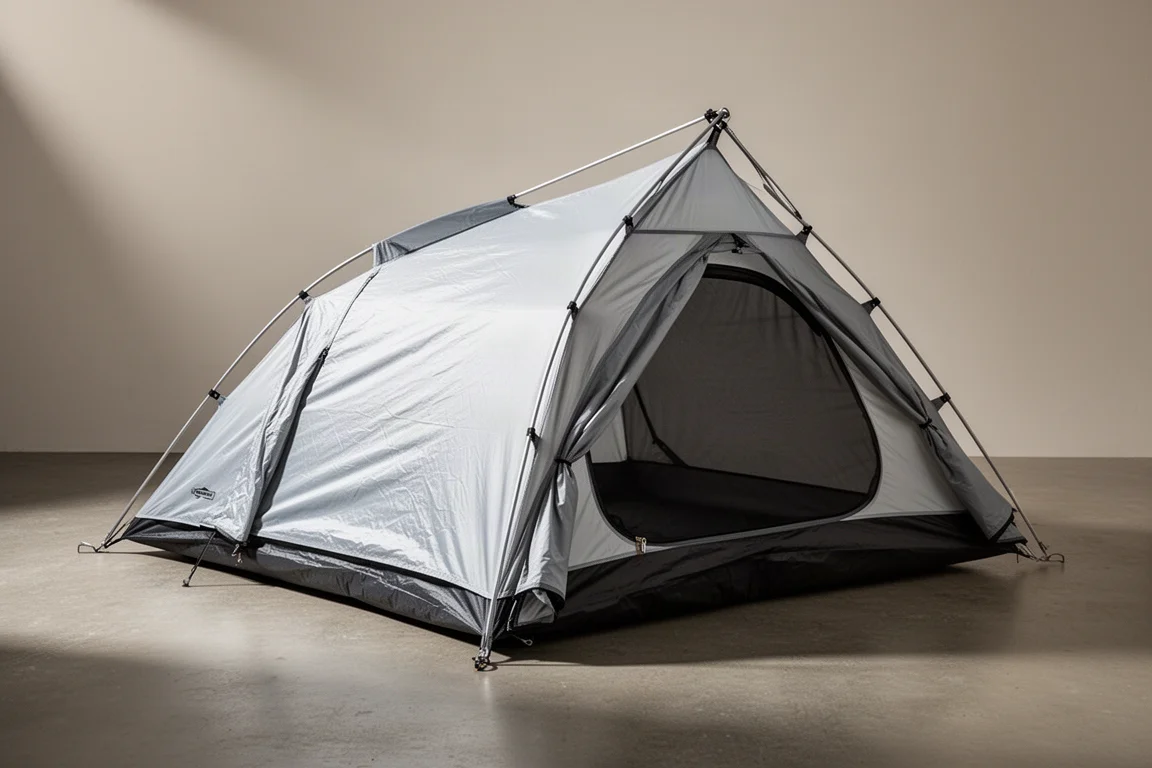
3F UL Taiji 2-Person Tent: A Convertible Backpacking Shelter Worth a Closer Look
A practical look at the 3F UL Taiji two-person tent, covering its materials, true two-person interior, fly-first pitching, and the seasonal inner swap that lets one shelter cover more of the year.
Backpacking Tents
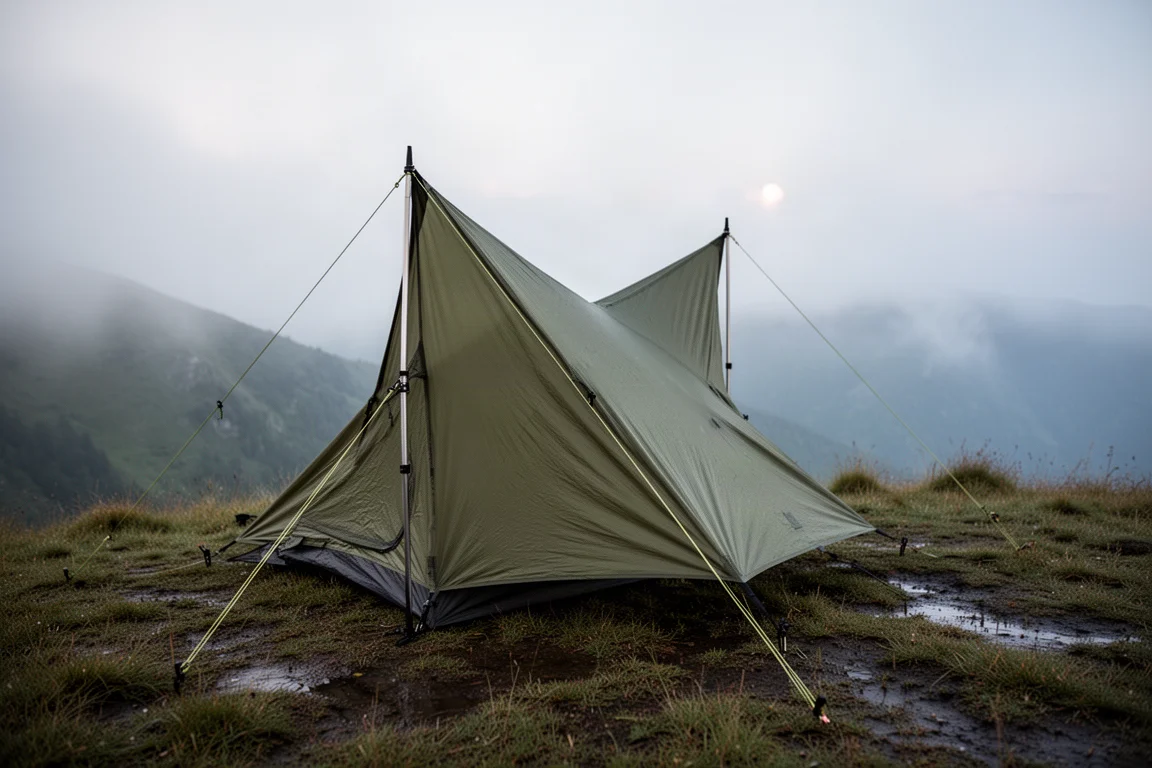
3FUL Lanshan Twoerson Pro Review: A Light Trekking Pole Shelter That Struggled in Rain
A two-person trekking pole shelter with a 2026 redesign, pitched with sticks and put through a night of steady rain. Here is what worked, what did not, and what to check before buying.