Footwear Guide
Barefoot vs Minimalist Shoes: Understanding Zero Drop, Flexibility, and Toe Box Design
A practical guide to understanding the differences between barefoot shoes, minimalist shoes, and zero drop footwear, and how to choose the right type for your feet and running style.
Introduction
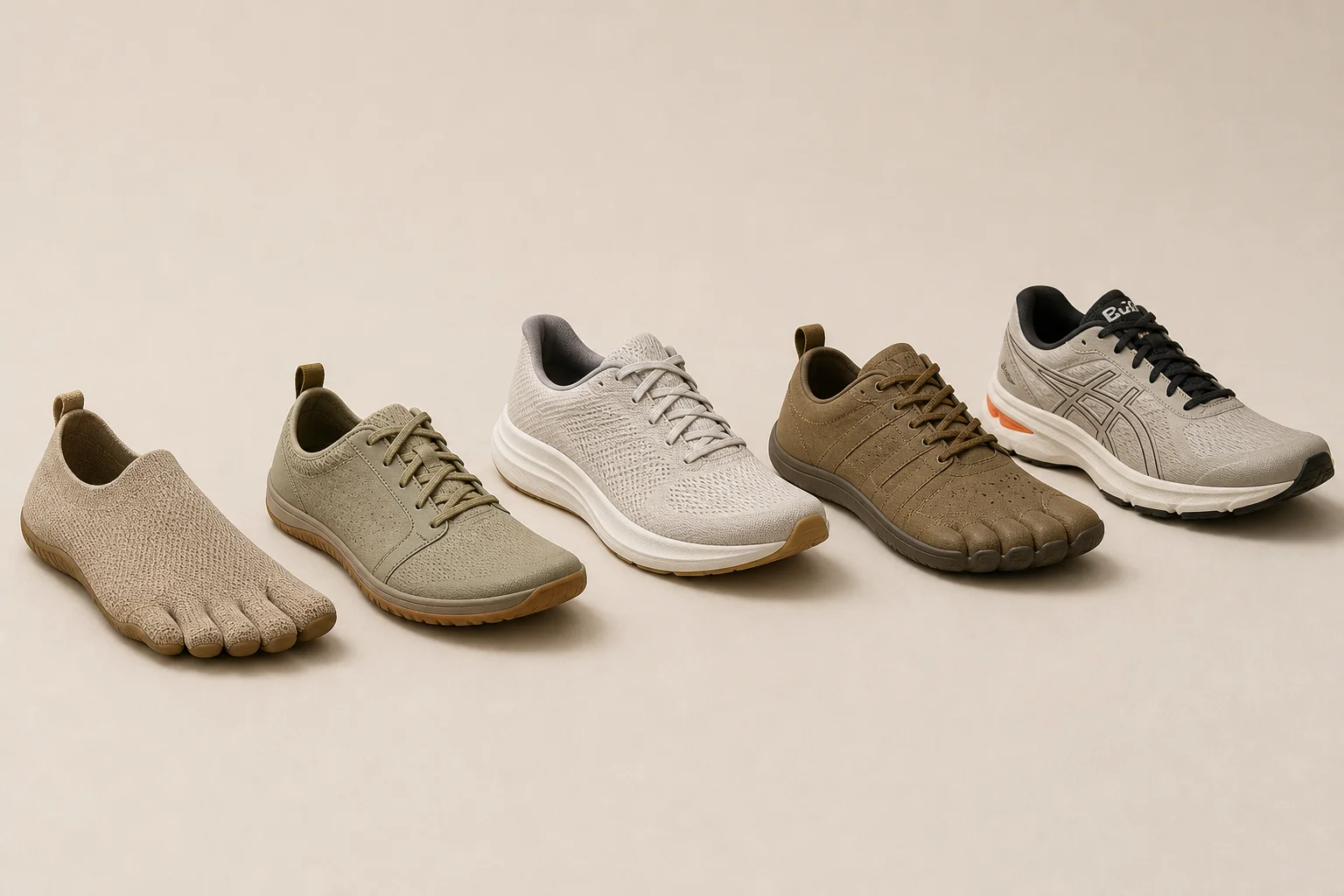
The world of alternative footwear can feel confusing. Barefoot shoes, minimalist shoes, zero drop shoes, and natural foot-shaped shoes all sound similar, but they serve different purposes and offer distinct benefits. Understanding the key differences between these categories will help you choose the right shoe for your running style, foot shape, and training goals.
What Defines a Barefoot Shoe
A true barefoot shoe is defined by three core characteristics working together. First, it features a zero drop design, meaning the heel and toe sit on the same plane with no height offset. Second, it has a flexible sole with minimal arch support, allowing your foot to move naturally. Third, it offers a wide toe box that gives your toes room to splay and function as they would barefoot.
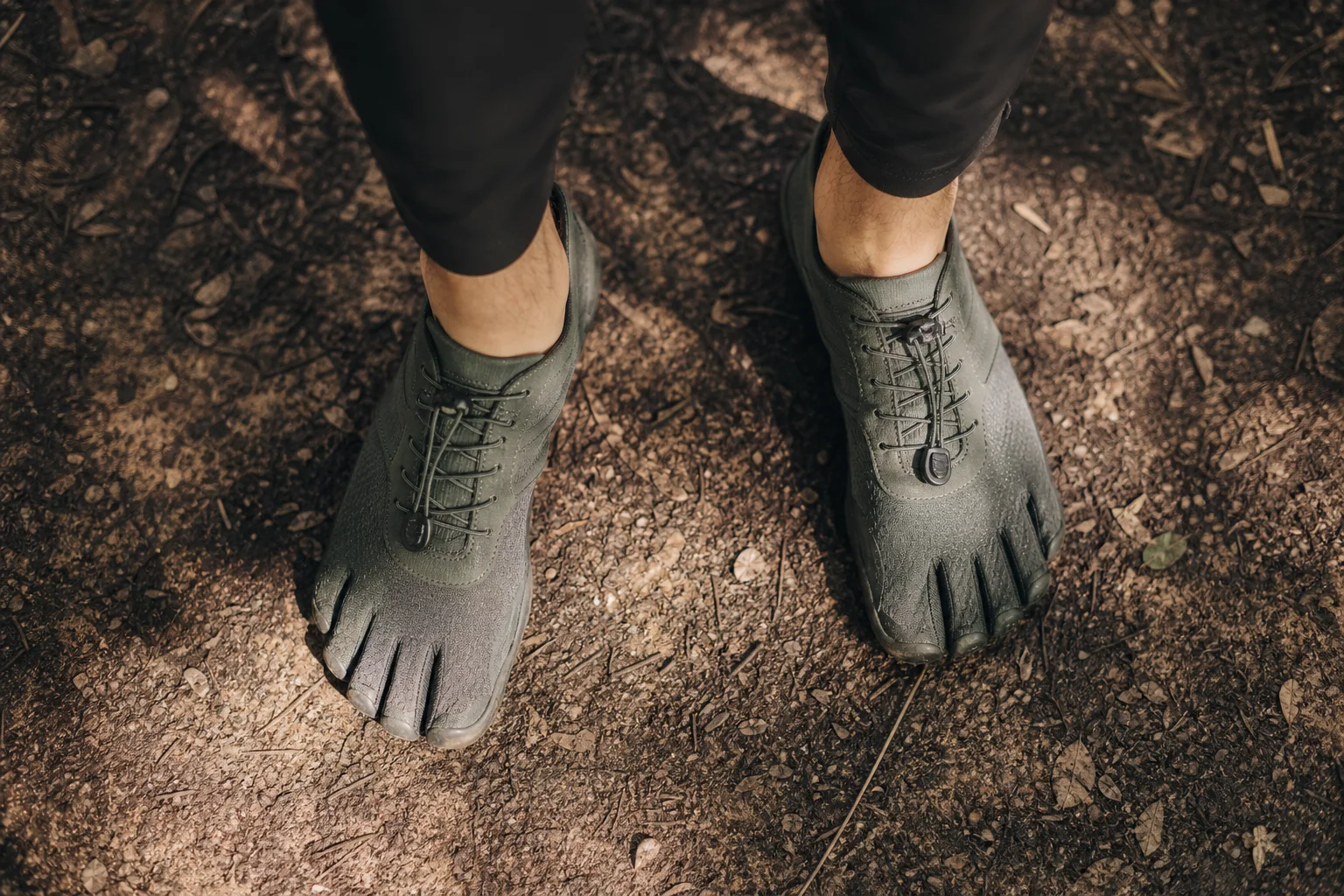
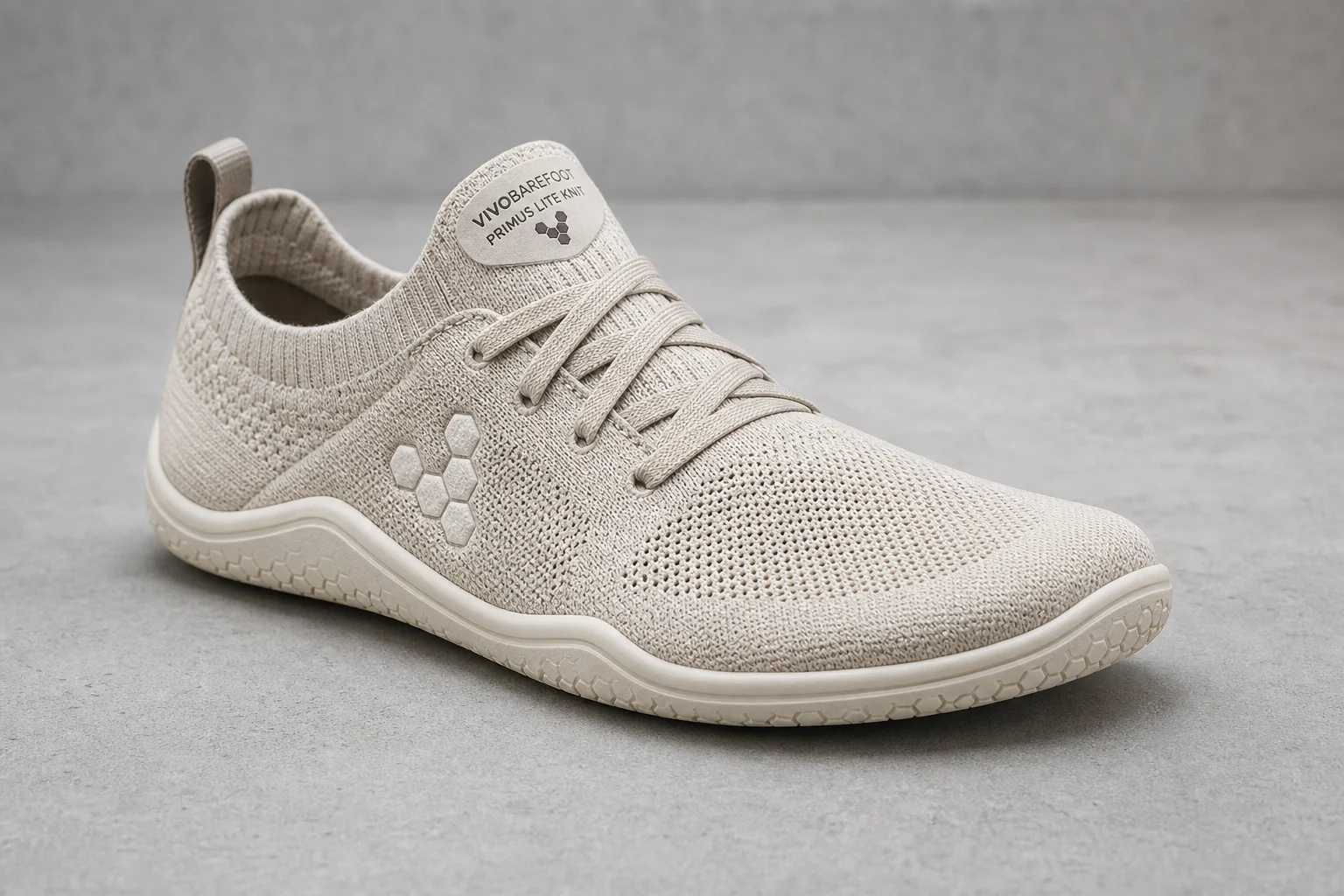
The Vivobarefoot Primus Lite Knit is a classic example of a shoe that meets all three criteria. It delivers the full barefoot experience by combining zero drop geometry, exceptional sole flexibility, and a spacious toe box. This shoe is designed to strengthen your feet through natural movement, making it ideal for office wear, casual use, and gym training where you want your feet to work actively.
Understanding Minimalist Shoes
Minimalist shoes are the cousins of barefoot shoes. Rather than meeting all three barefoot criteria, they incorporate barefoot DNA while typically falling short on one or more elements. Think of minimalist shoes as a bridge between traditional running shoes and full barefoot footwear.
A minimalist shoe usually has a low drop, typically between 0 and 7 millimeters. However, unlike barefoot shoes, minimalist shoes often have a higher stack height, usually between 10 and 20 millimeters, which provides more cushioning and protection. This extra cushioning often comes with some degree of arch support, which disqualifies them from being true barefoot shoes.
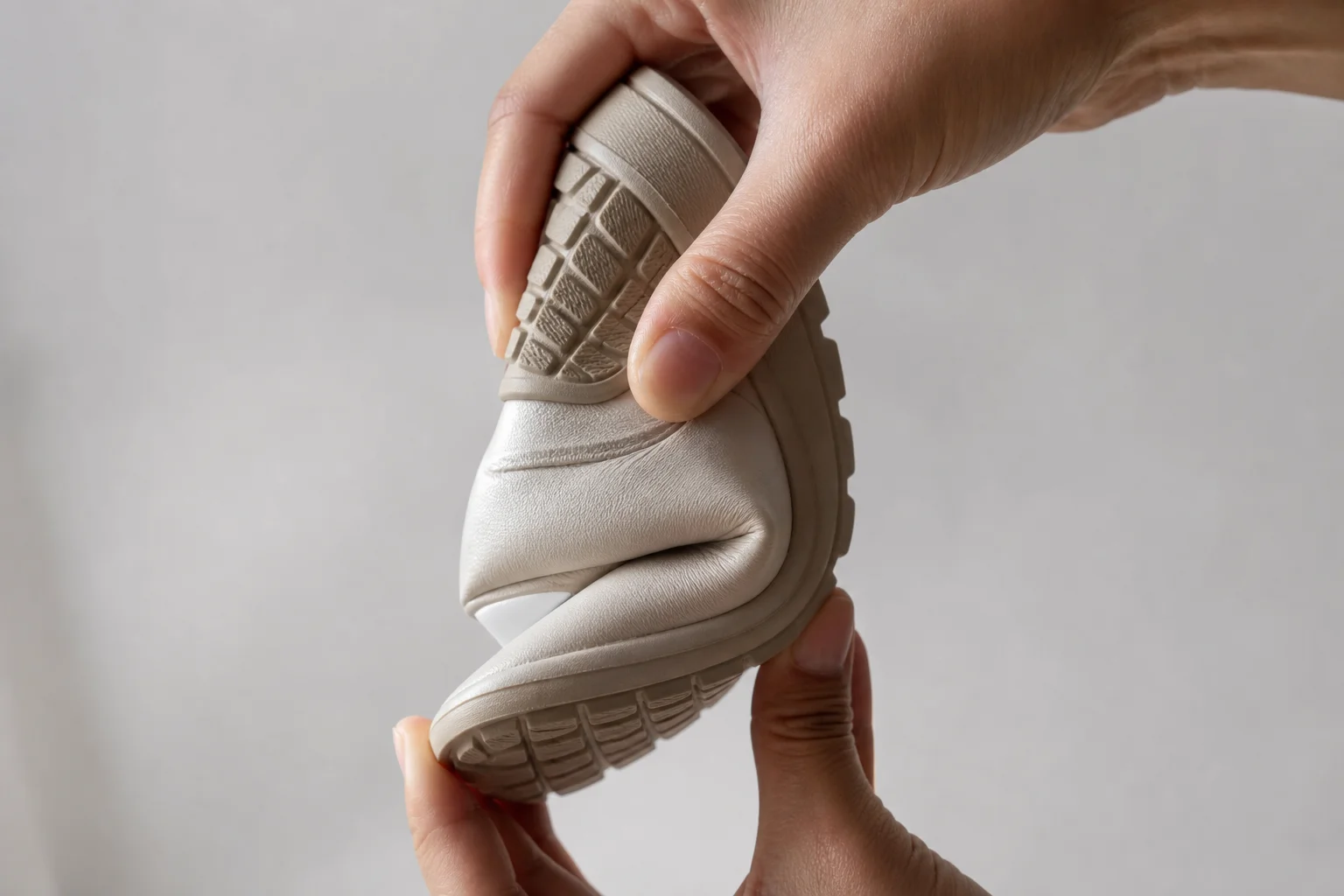
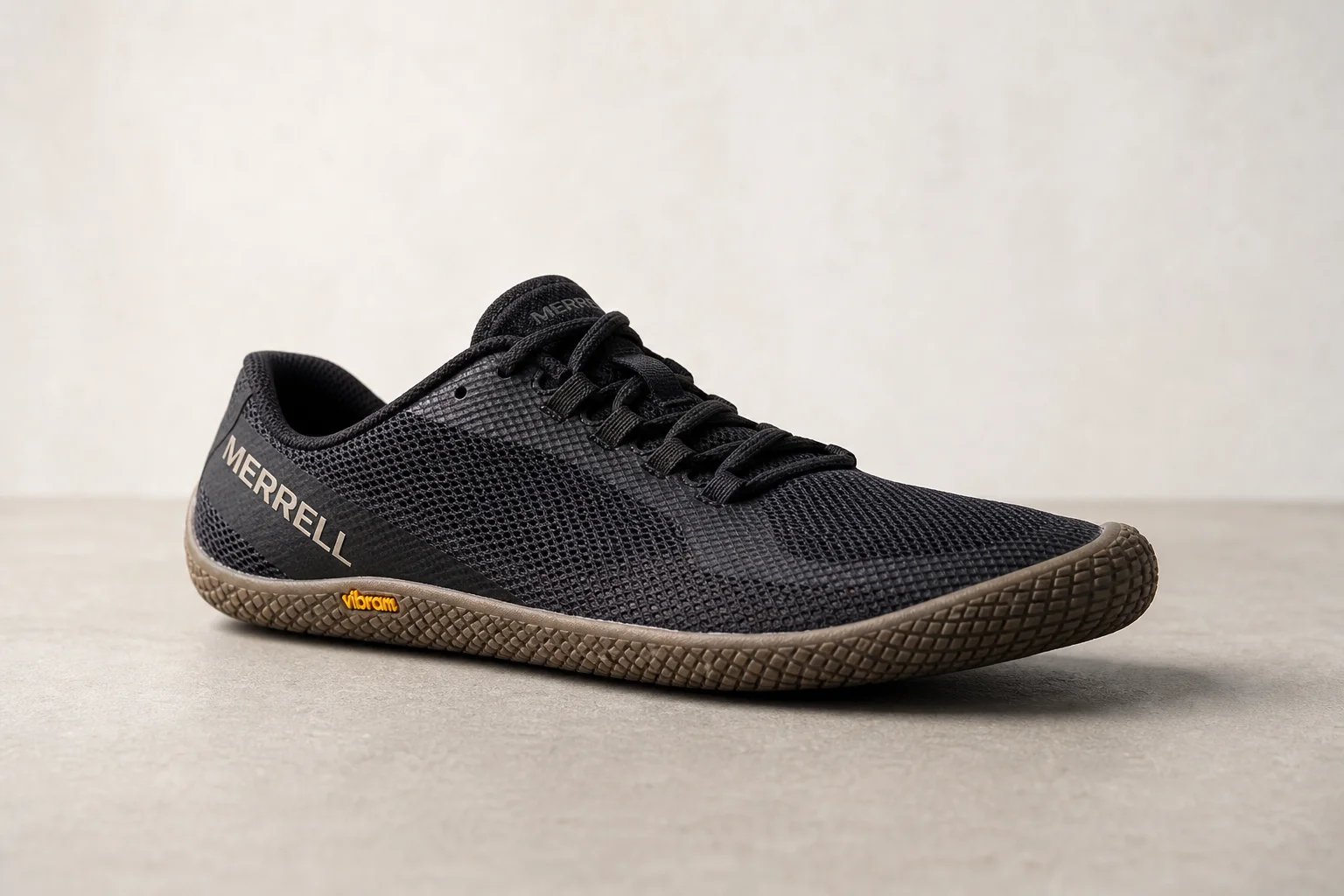
The sole flexibility in minimalist shoes is present but not as pronounced as in barefoot designs. Some minimalist shoes have a wide toe box, while others maintain a more traditional narrower fit. The Merrell Vapor Glove exemplifies a minimalist approach with its low drop and moderate flexibility, though it may not offer the extreme toe box width of a full barefoot shoe.
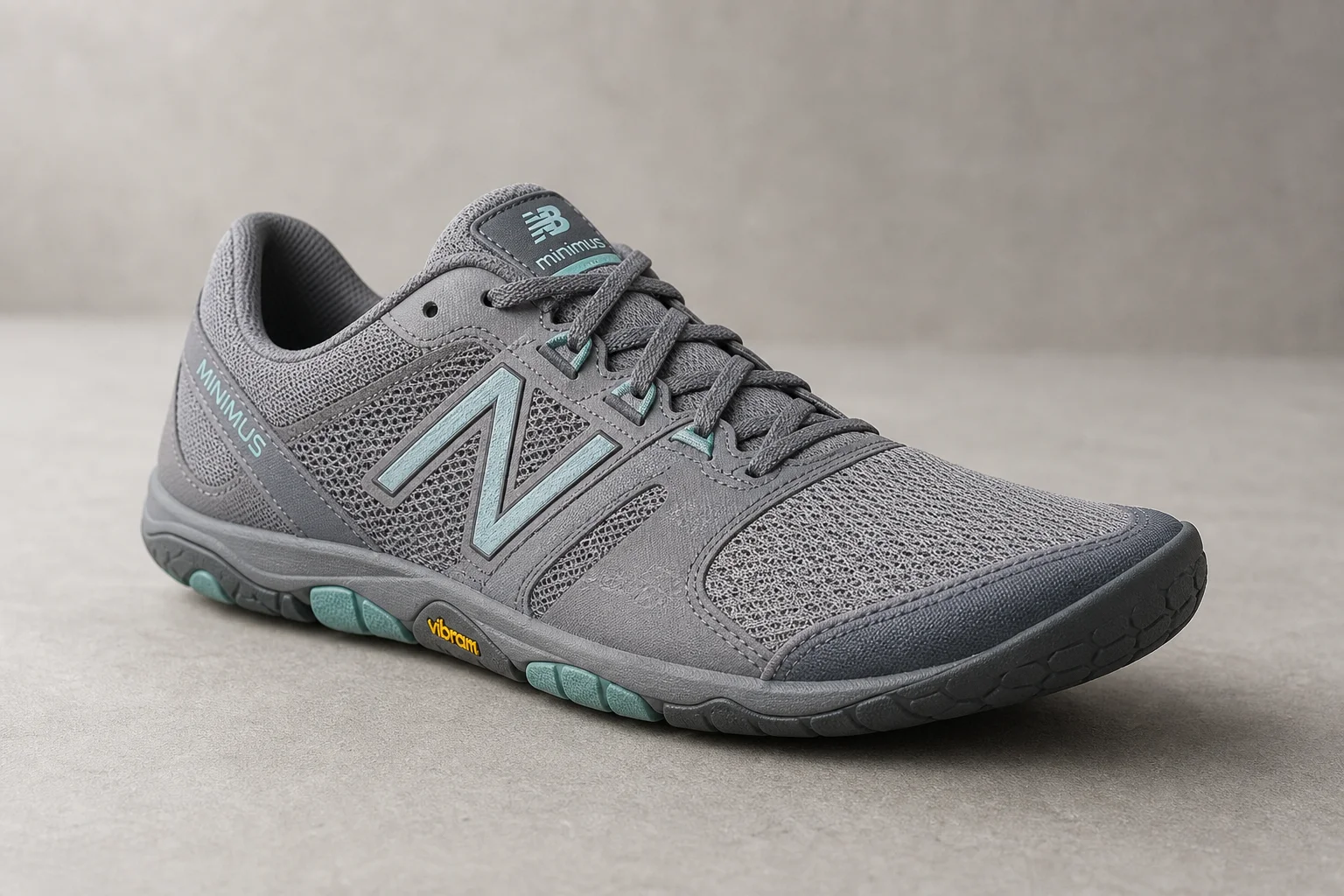
The New Balance Minimus represents another minimalist option, though it features a narrower toe box than some competitors. Despite this, it still adheres to minimalist principles by avoiding excessive foot restriction and maintaining a lower drop than traditional running shoes.
The Zero Drop Advantage
Zero drop shoes are straightforward in concept: the heel and toe are on the same plane, creating a completely flat platform from front to back. This design prevents the shoe from altering your body’s natural posture and alignment. When wearing a traditional shoe with a heel drop, the elevated heel changes the angle of your knees, hips, and shoulders. A zero drop shoe eliminates this postural shift, allowing your body to maintain its natural alignment whether standing, walking, or running.
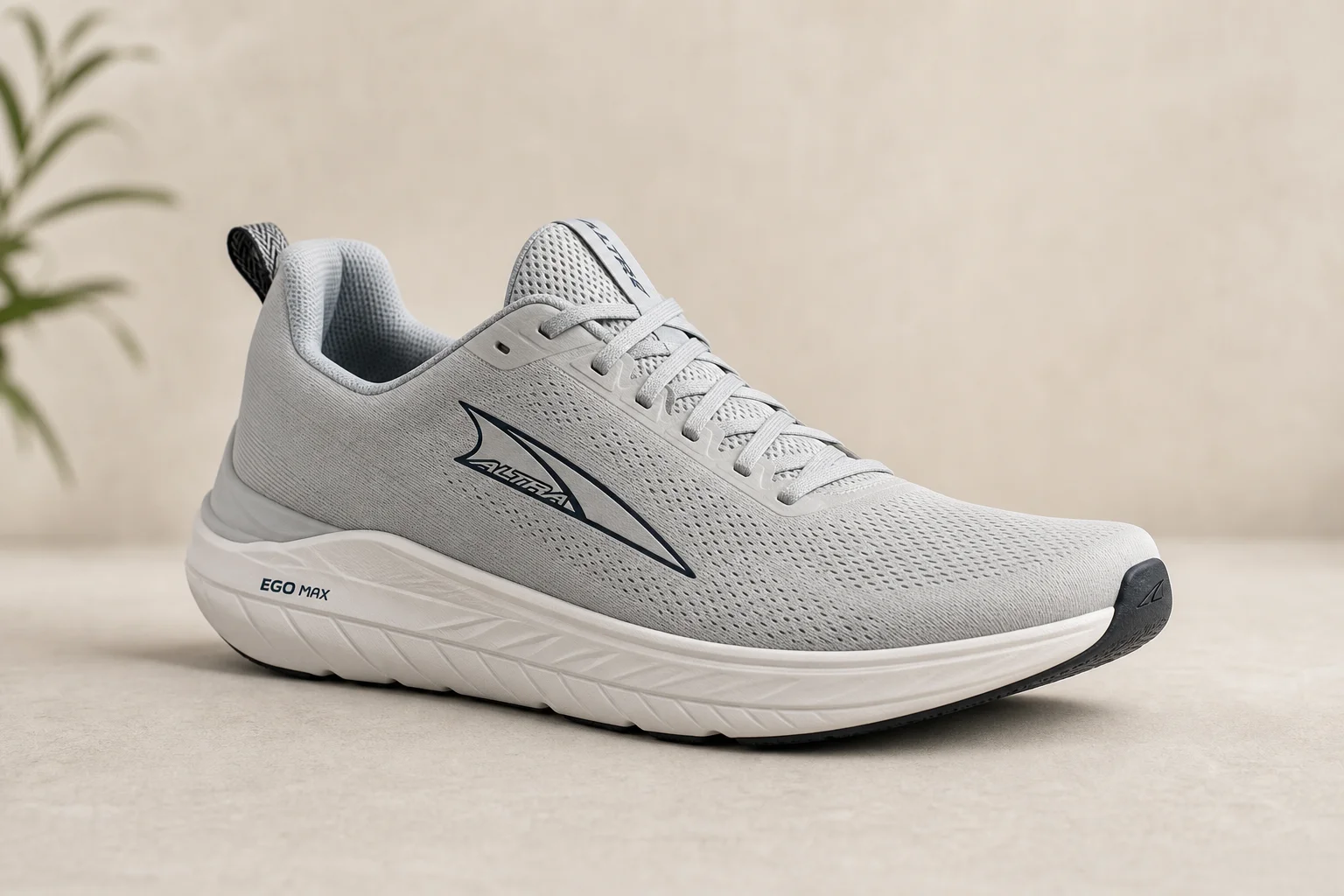
Zero drop shoes typically include more cushioning than barefoot or minimalist options, making them suitable for higher mileage running and longer training sessions. Many zero drop shoes, particularly those from brands like Altra, also feature wide toe boxes that follow the natural foot shape philosophy.
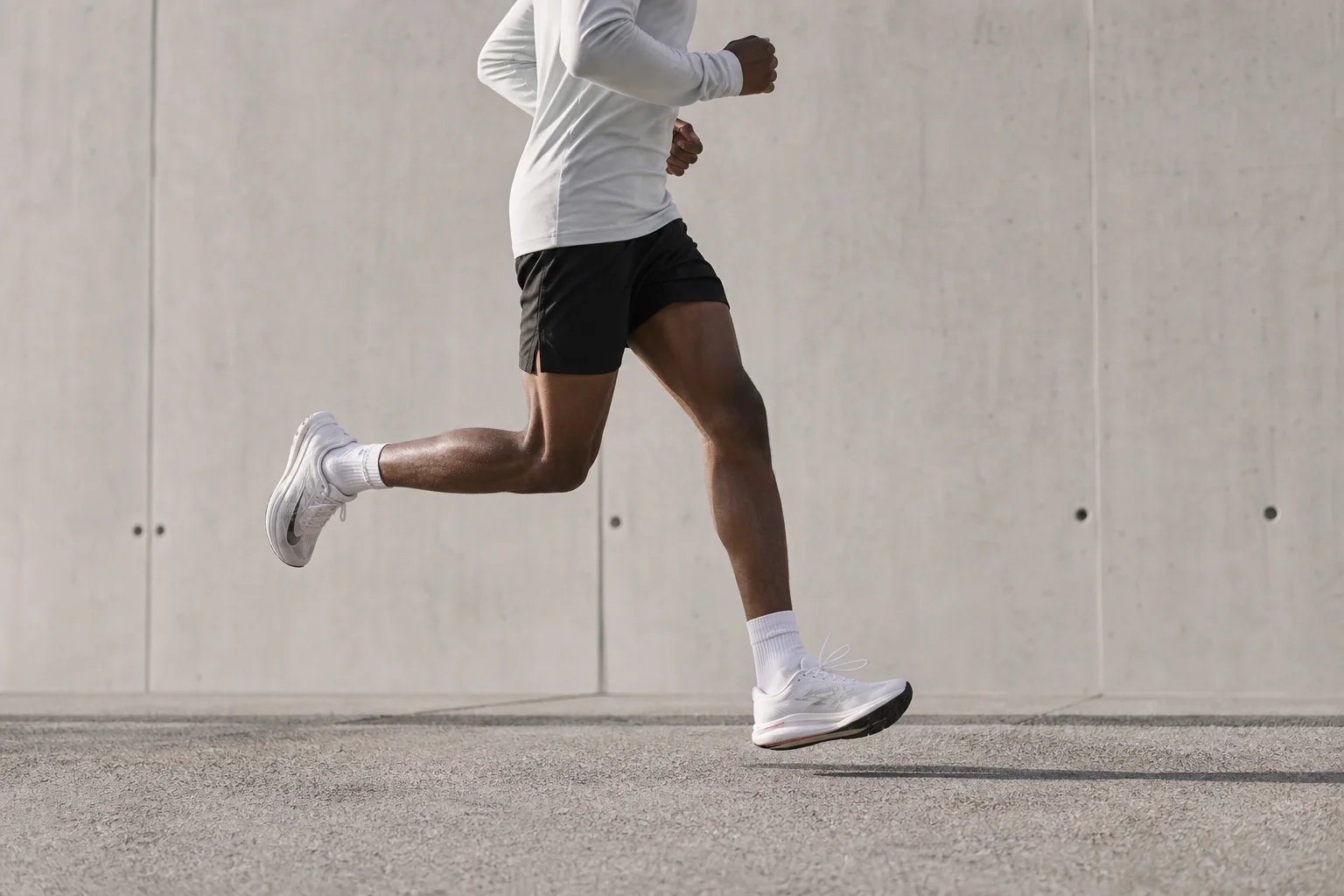
The extra cushioning in zero drop shoes serves an important purpose. While our ancestors evolved running on natural, softer terrain, modern runners often train on hard surfaces like concrete and tarmac. This additional protection helps prevent excessive impact stress on your feet, allowing you to safely run higher weekly mileage, such as 40 to 50 kilometers per week, without excessive foot fatigue or injury.
Choosing the Right Shoe for Your Feet
Beyond these three main categories, natural foot-shaped shoes represent a fourth option. These shoes focus primarily on providing a wide, anatomical toe box without necessarily being zero drop or featuring flexible soles. They prioritize the principle of not inhibiting your foot’s natural movement through toe box design alone.
Your choice among these shoe types depends entirely on your individual needs, foot structure, and training goals. If you have a Morton neuroma or similar foot condition that requires extra toe space, a wide toe box becomes non-negotiable. Narrow shoes can cause significant pain and discomfort, making them unwearable after just a few hours.
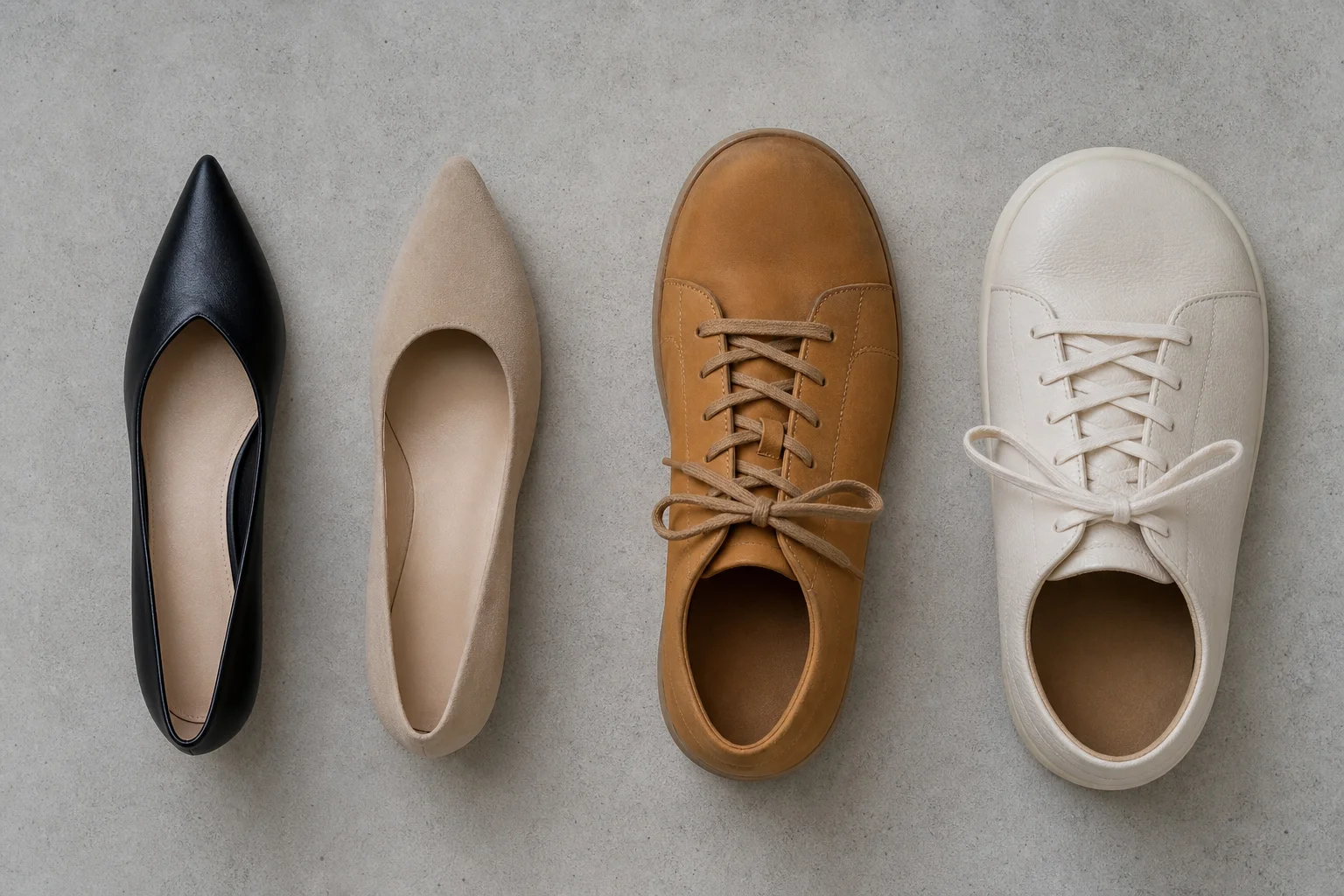
For most runners, a practical approach involves using multiple shoe types for different purposes. Barefoot shoes work well for building foot strength during casual wear, office time, and gym sessions where the flexibility actively strengthens your feet. Minimalist shoes serve as a transition option if you are moving toward barefoot running. Zero drop shoes with moderate cushioning suit runners who log significant weekly mileage and need protection from hard surfaces. Natural foot-shaped shoes appeal to those who prioritize toe box width above other characteristics.
The key is matching the shoe’s characteristics to your specific needs rather than committing to a single category. Your foot structure, training volume, and personal comfort preferences should guide your decision.
Conclusion
Barefoot, minimalist, zero drop, and natural foot-shaped shoes each occupy a distinct place in the footwear landscape. By understanding the differences in drop, sole flexibility, stack height, and toe box design, you can make an informed choice that supports your running goals and respects your foot’s natural structure. The right shoe is the one that matches your individual needs, not necessarily the one that fits a particular category.
Further reading
Related Reviews
Trail Running Shoes
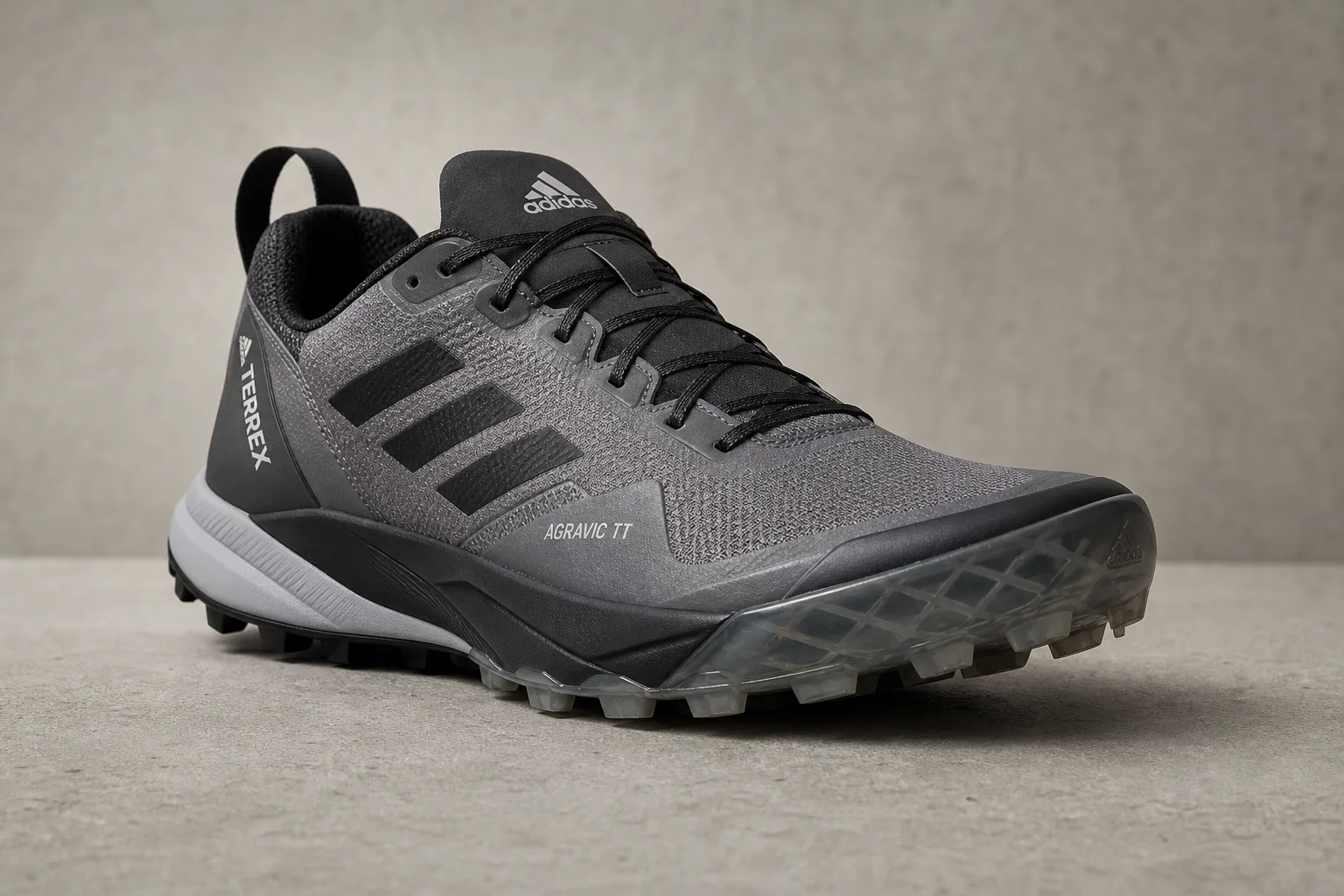
Adidas Terrex Agravic TT Review: A Technical Trail Shoe Built for Rocky Terrain
The Adidas Terrex Agravic TT combines a full-coverage rock plate with a firmer midsole to deliver protection and stability on technical, rocky trails. A capable choice for runners who prioritize underfoot defense over lightweight cushioning.
Footwear Reviews
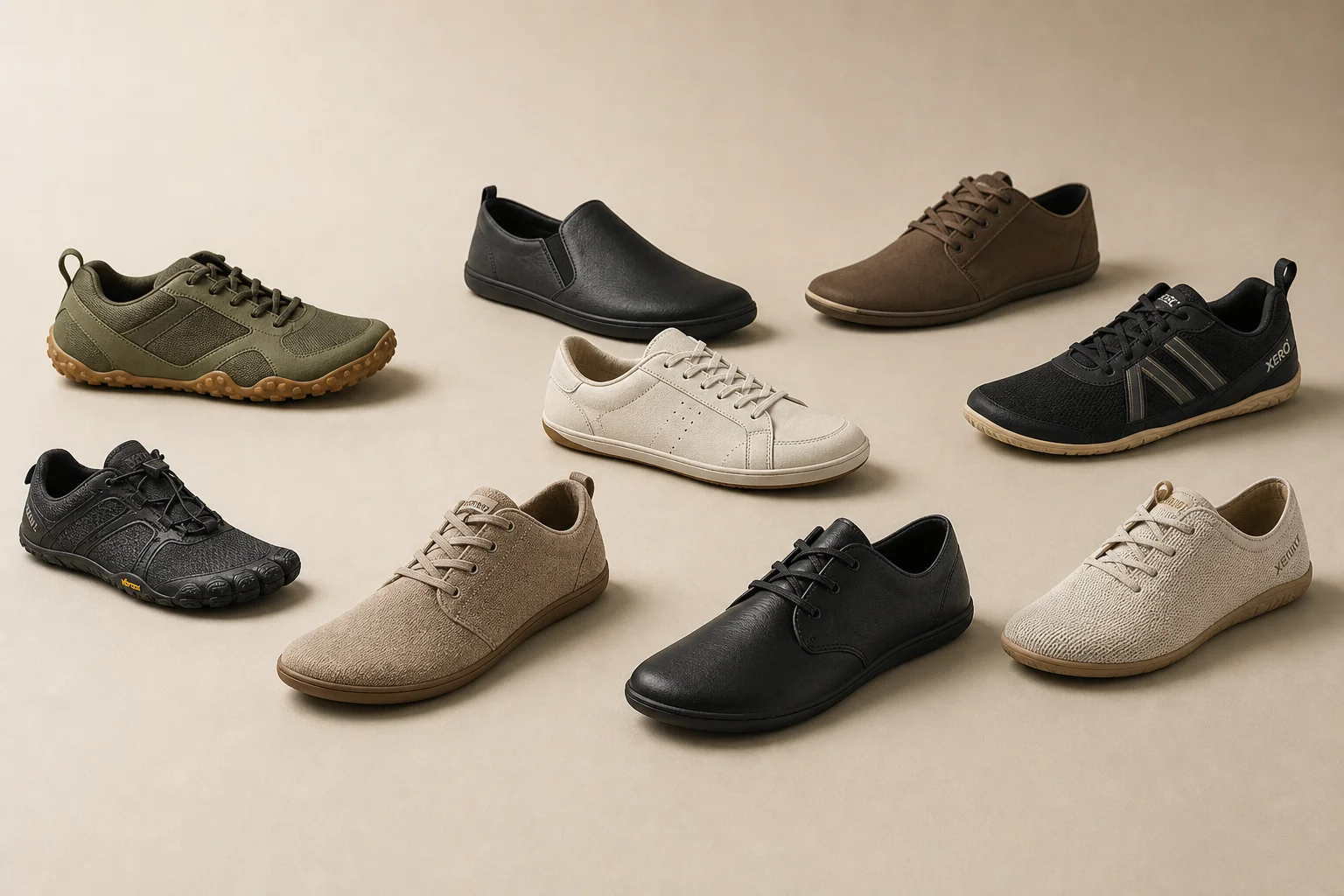
Barefoot Shoes Guide: 40 Pairs Across 13 Brands Tested and Compared
A comprehensive review of barefoot footwear across 13 brands, from Vivobarefoot and Xero to Merrell and Wildling, with practical recommendations for different use cases.
Trail Running Shoes
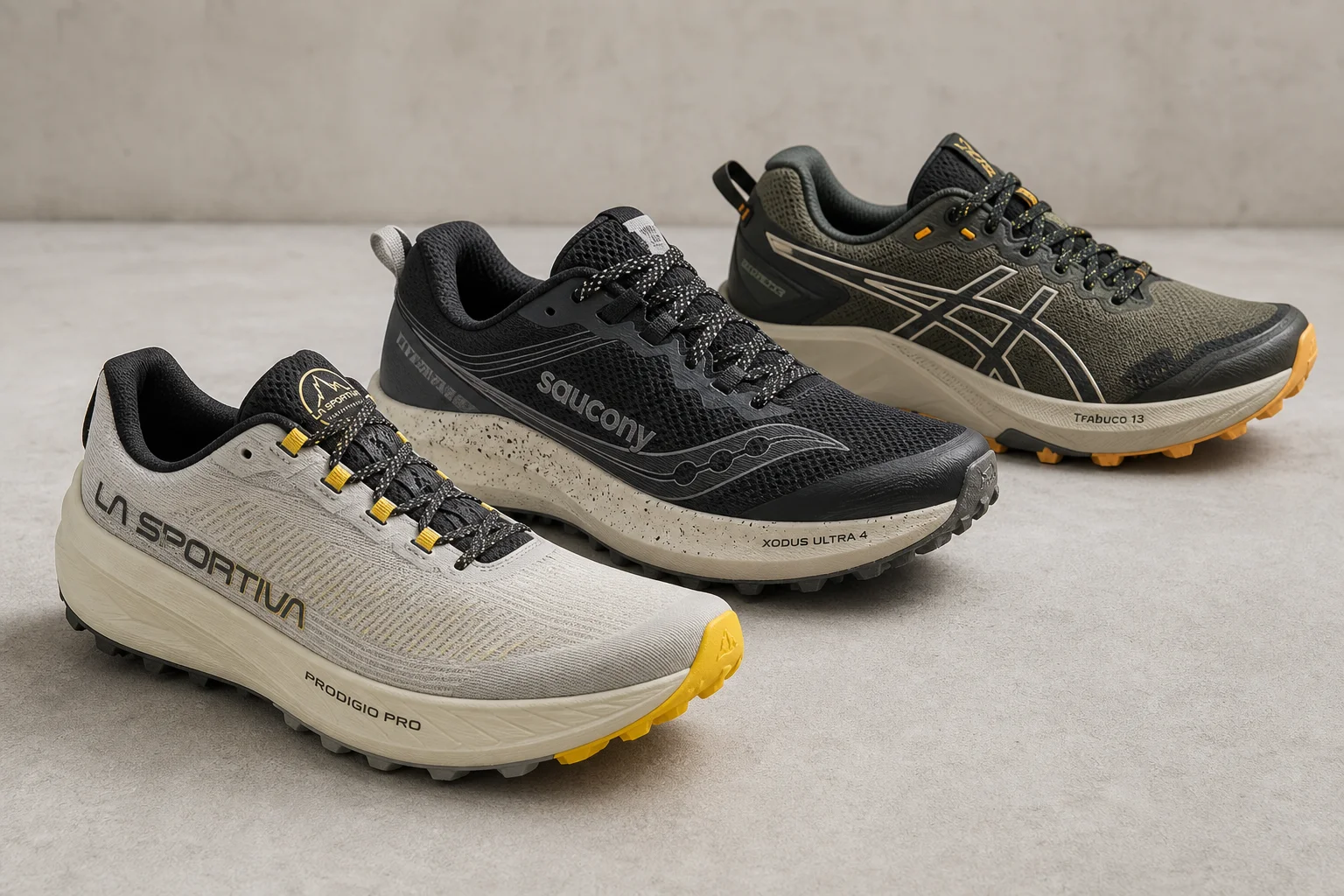
Best All-Mountain Trail Running Shoes: Three Versatile Options for Any Trail
A focused roundup of three all-mountain trail running shoes that handle technical terrain, long distances, and variable conditions with real strengths and practical trade-offs.